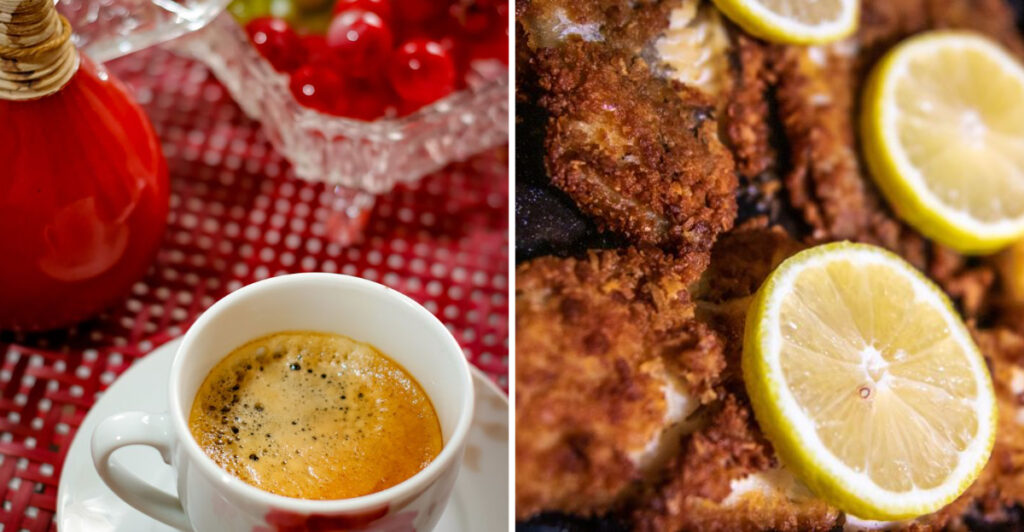
Florida can turn a grocery sandwich into a beach tradition, a tiny coffee into a group activity, and a palm tree into dinner.
Leave the state, however, and the vocabulary starts causing trouble.
Ask for a Pub Sub and someone may point toward public transportation. Mention swamp cabbage and watch the table reconsider your invitation. Order a colada without context and four tiny cups will not magically appear.
Florida food language carries old ranching history and enough local shorthand to confuse a perfectly capable waiter three states north.
Think you speak fluent Sunshine State?
Test yourself against these expressions locals use without pausing. Some name ingredients. Others describe a preparation, a tradition, or an entire way of eating.
You may need a napkin and one very small cup before lunch is over.
1. Pub Sub
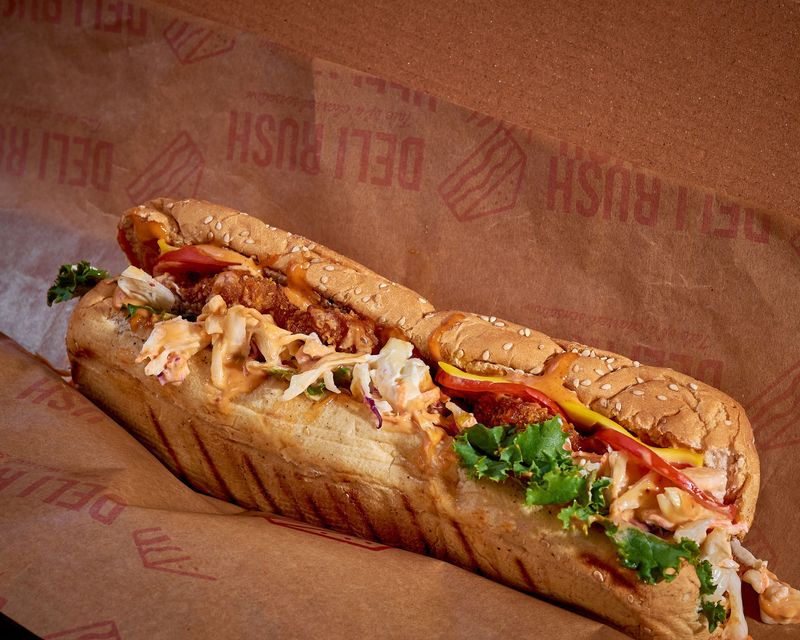
A Pub Sub is not a sandwich served during a town meeting, although it can settle several arguments.
The nickname refers to a made-to-order sub from the Publix deli. You choose the roll, meat, cheese, vegetables, condiments, and any adjustments while an employee builds it at the counter.
Publix officially uses the “Pub sub” name in company materials, so this is no longer only customer slang whispered near the chicken tenders. The chain traces its first custom sub shop and sandwich menu board to a Marietta, Georgia, store in 1992.
Florida adopted the ritual with impressive enthusiasm.
Chicken tender versions became road-trip fuel, beach-bag cargo, game-day lunch, and the answer to “What should we grab before traffic gets worse?”
Italian, turkey, tuna, and vegetable builds have supporters too, but fried chicken tucked into a soft roll inspires unusually serious loyalty.
Have you ever studied deli toppings like a final examination?
Order one hungry and the choices feel important. Order one before the beach and wrapping technique becomes marine engineering.
The employee folds the paper around your creation, and the tightly wrapped parcel becomes part sandwich, part travel equipment. Open it carefully after the drive. Gravity has been waiting.
A Pub Sub is technically groceries. Florida treats it like edible trip insurance.
2. Swamp Cabbage
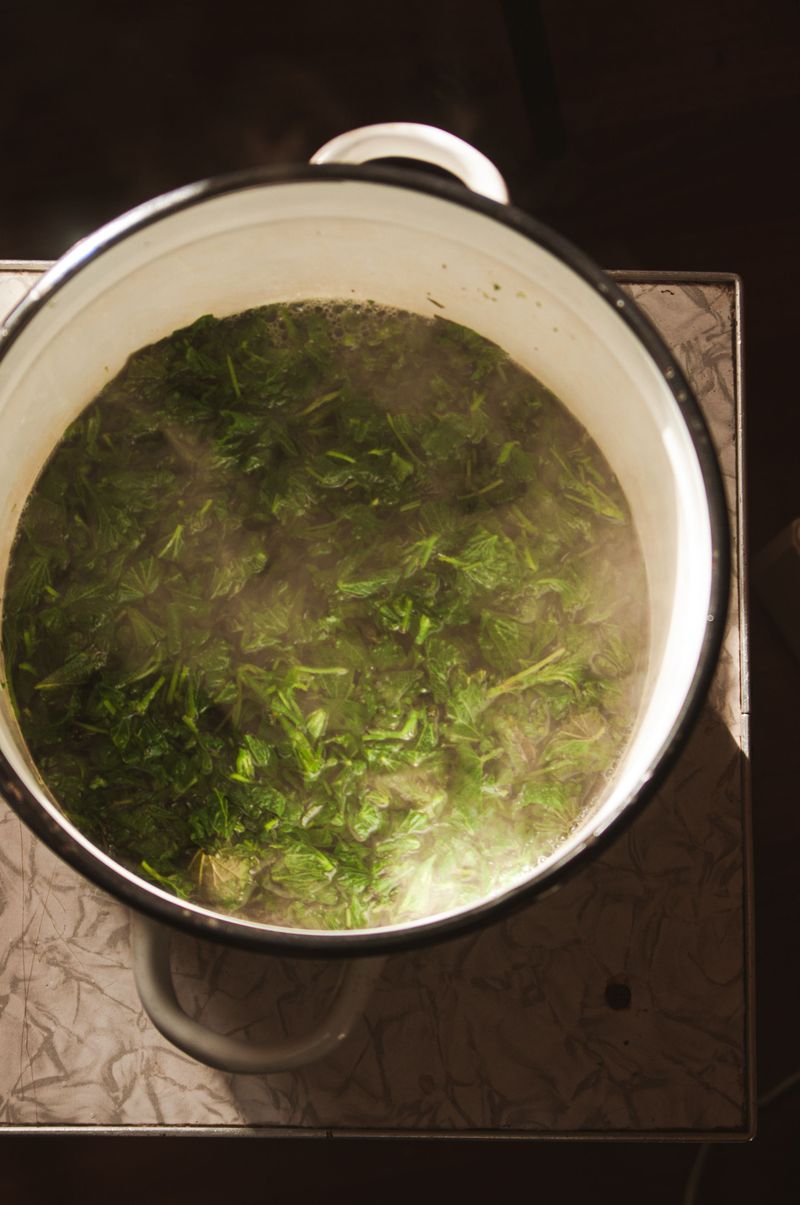
The name sounds like a vegetable that lost a fight with an airboat.
Swamp cabbage is the edible inner bud, or heart, of the sabal palm. The same species is Florida’s official state tree, which gives the dish a level of civic responsibility most side dishes never face.
State archival material describes it as an old-time Florida Cracker favorite. The tender interior can be sliced and eaten raw, simmered, or cooked with seasonings until its texture softens.
Harvesting carries a serious consequence. Removing the growing heart ends that palm stem’s growth, so this is not an ingredient to collect casually during a hike. Admire the tree, keep your pocketknife out of the conversation, and buy cultivated heart of palm instead.
What does it taste like?
Expect something mild and vegetal, with qualities that can remind you of cabbage, artichoke, or a tender palm heart depending on preparation. The strange name does more shouting than the flavor.
Older recipes can cook it with tomatoes, onions, or meat, while simpler versions let the palm heart carry the bowl. Either approach starts with an ingredient that once stood several feet above the cook.
Swamp cabbage enters the bowl quietly. The state tree already handled the dramatic entrance.
3. Cracker Cuisine
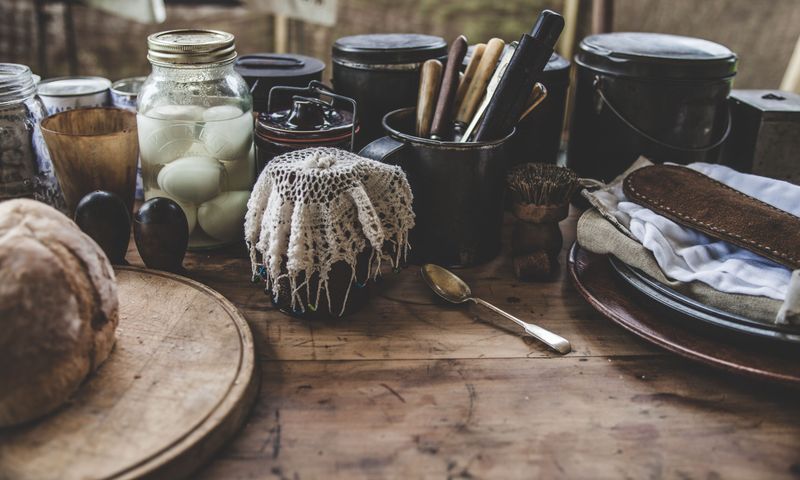
This phrase needs history before it needs a menu.
In its Florida context, Cracker cuisine refers to foodways associated with early pioneer communities, especially small farmers and cattle ranchers living in the state’s interior. It describes a practical cooking tradition rather than one official recipe.
The origin of “Florida Cracker” is disputed. One familiar explanation links it to the sharp sound of cow hunters cracking braided whips while moving cattle. Another connects it with cracked corn used on the frontier.
Whichever explanation you hear, do not pretend the debate ended before lunch.
The food itself relied on available ingredients and durable methods. Freshwater fish, game, cornmeal, beans, garden produce, cattle products, and swamp cabbage could all belong to the broader tradition.
You might see the term used at heritage demonstrations, local festivals, historical sites, or restaurants interpreting old Florida cooking. Context is essential because the word carries different meanings outside this specific regional history.
The word “foodways” also reaches beyond ingredients. It includes how families gathered, preserved food, cooked outdoors, shared labor, and adapted meals to weather, distance, and limited supplies.
Cracker cuisine does not arrive as one perfect plate. It arrives carrying a pantry, a cattle trail, and several competing etymologies.
4. Conch
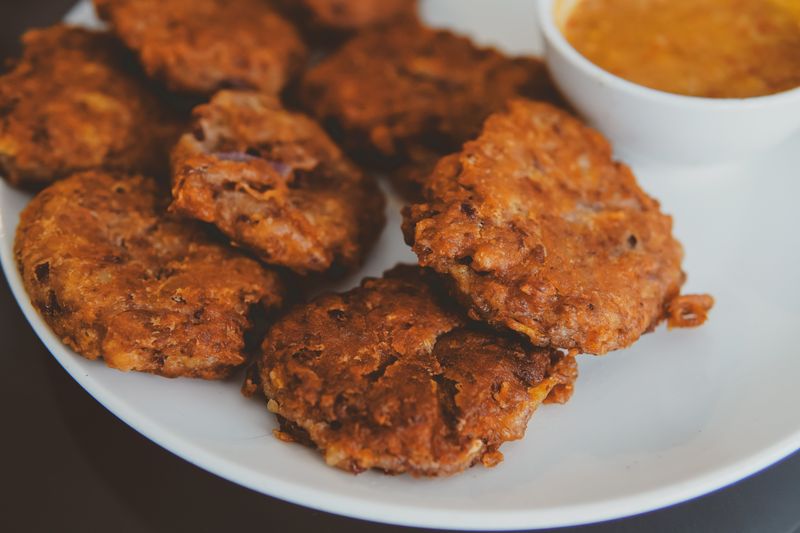
Say “conch” like it rhymes with “honk,” unless your goal is to receive a free pronunciation lesson in Key West.
The food meaning refers to a large marine mollusk, most famously queen conch. Its firm meat appears in fritters, salads, chowders, stews, and fried preparations across the Keys and the Caribbean.
The word also carries a local identity. In Key West, “Conch” can describe someone with deep island roots, and references to Conch families appear throughout city history and cultural events.
One word can therefore identify lunch or the person explaining why you pronounced lunch incorrectly.
Florida prohibits commercial and recreational harvest of queen conch in its waters. Restaurants and seafood dealers may handle legally harvested conch imported from outside the continental United States when proper documentation follows it.
That distinction explains how conch remains central to Keys cooking even though you cannot collect one locally for dinner.
Conch meat is firm enough that cooks often chop, grind, slice thinly, or pound it before cooking. The shell looks elegant. The muscle inside arrives ready to challenge lazy preparation.
Would you like yours chopped into fritter batter or served in a bright salad?
Choose quickly. The Conch at the next table may already have an opinion.
5. Pink Gold
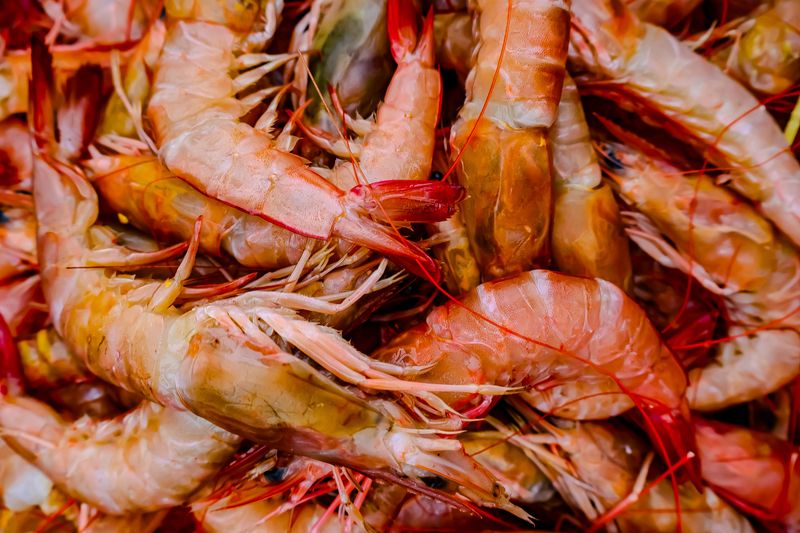
“Pink gold” sounds like jewelry with a confidence problem. In the Florida Keys, it points to shrimp.
Vast beds of pink shrimp were discovered off Key West in 1949, drawing commercial boats to the harbor and creating a profitable period remembered as the Pink Gold Rush. The phrase described both the catch and the money it brought to the waterfront.
The shrimp themselves are the same regional favorite often sold as Key West Pinks. Their shells may look translucent pink, gray, or lightly colored when raw, with stronger pink and red tones appearing during cooking.
Steam them, grill them, fold them into tacos, or let them take over a pasta bowl. The sweetness does not need much help, although Florida kitchens rarely object to citrus and seasoning joining the conversation.
“Pink gold” is more than an appetizing nickname. It carries the memory of boats, docks, and an industry that once reshaped Key West’s harbor.
Florida found treasure beneath the waves. It simply needed peeling before dinner.
6. Crawfish
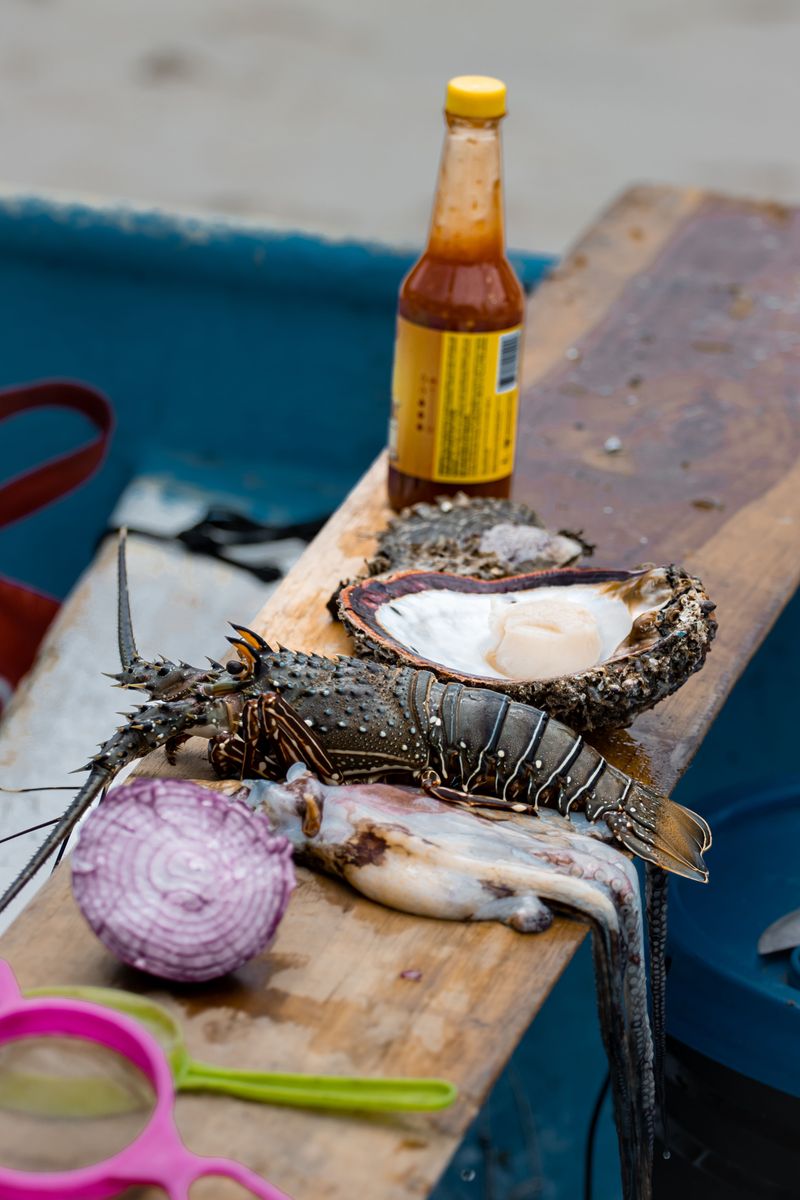
Ask for crawfish in much of the country, and someone may picture a small freshwater crustacean headed for a Louisiana boil.
In parts of Florida, especially the Keys and the commercial lobster industry, the same word can refer to Caribbean spiny lobster.
Florida wildlife records have long paired the terms “spiny lobster” and “crawfish,” while commercial harvesters still encounter Crawfish/Lobster endorsement language.
This crawfish does not arrive with the large front claws associated with cold-water lobster. It has a spiny shell, long antennae, and most of its edible meat inside the tail.
The tail may be grilled, broiled, baked, or added to seafood dishes. Before imagining a casual underwater grocery run, remember that seasons, size requirements, bag limits, and protected areas apply to recreational harvest.
Context does the important work. A Florida Keys menu or fishing conversation may use “crawfish” while referring to an animal that looks nothing like the one expected farther west.
Same word, different shell, much longer antennae.
7. Cracked Conch
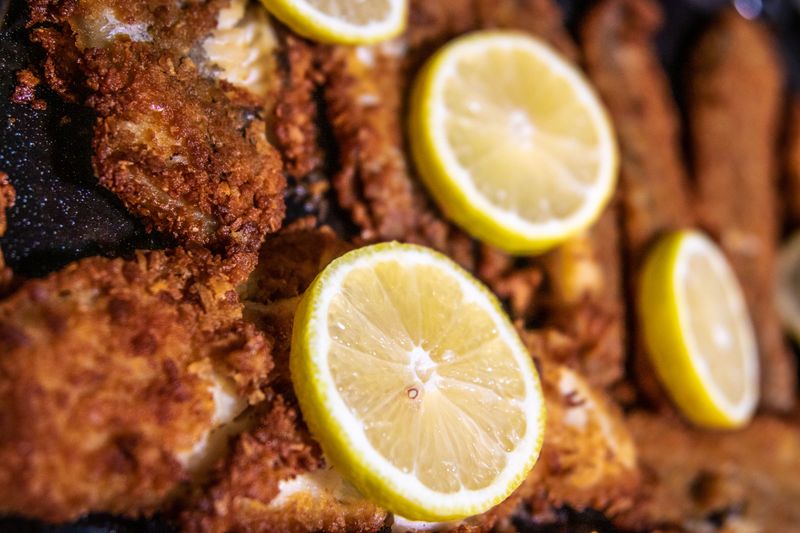
“Cracked” describes the preparation, not a seafood-related emotional breakdown.
Conch meat is naturally firm and chewy, so cooks pound it to make it thinner and more tender. The softened pieces are seasoned, coated in flour or batter, and fried until the exterior turns crisp and golden.
The technique is strongly associated with Bahamian cooking and traveled across the Florida Straits through the deep cultural connections linking the Bahamas, Key West, and South Florida.
That history explains why cracked conch belongs in a Florida vocabulary list even though the dish’s roots are unmistakably Bahamian.
Do not confuse it with conch fritters. Fritters use chopped meat mixed into batter, while cracked conch usually gives you a recognizable piece or strip of tenderized seafood beneath the coating.
A squeeze of citrus and a tangy dipping sauce often join the plate, but the key work happened before frying. Without proper pounding, your jaw may receive an assignment it never accepted.
Breading varies by kitchen. Some versions stay light and floury, while others build a thicker crust. Citrus brightens the fried richness, and dipping sauce gives each cook another chance to start a friendly argument.
8. Cafecito
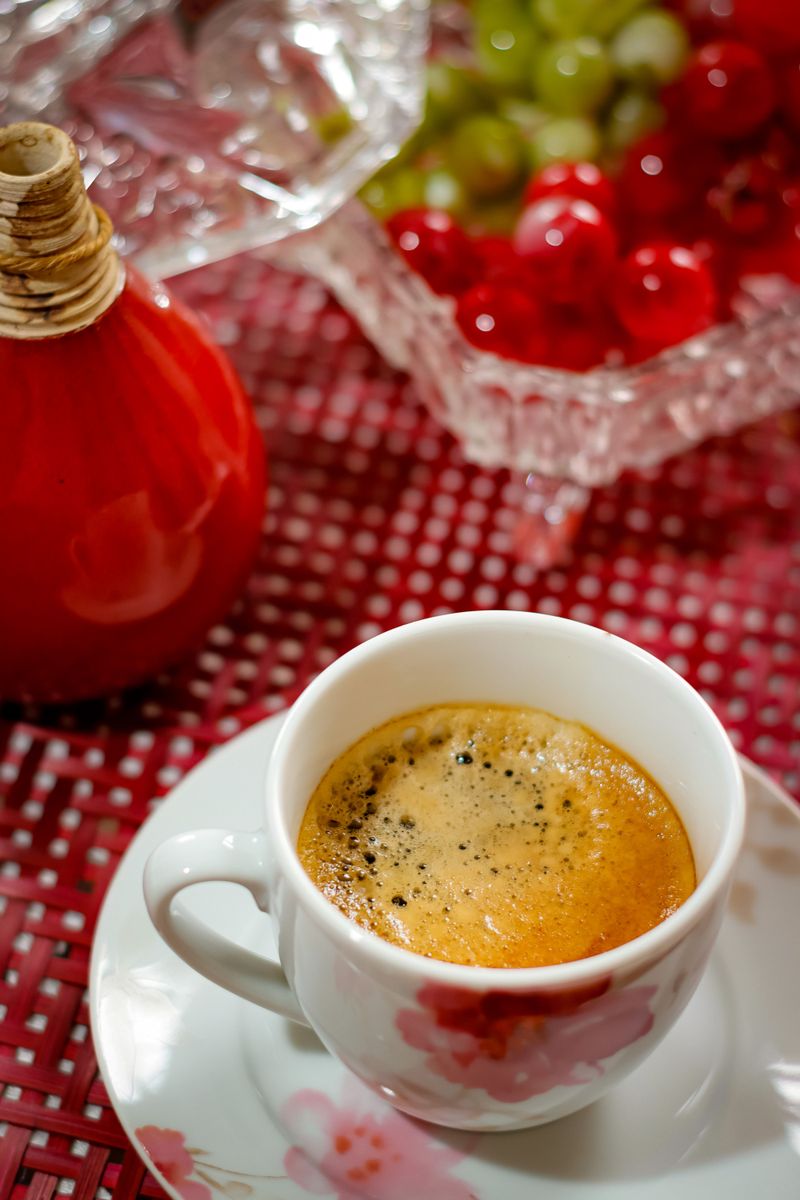
The cup looks tiny because Miami prefers concentrated negotiations.
A cafecito is Cuban-style sweetened espresso, also called café Cubano. Sugar is incorporated during preparation, helping create the light, foamy layer often called espumita.
The result arrives dark, sweet, and powerful in a small cup. Do not judge the serving by its height. A cafecito can reorganize the next several hours before you have found somewhere to place the saucer.
Miami’s Cuban coffee culture grew alongside Cuban migration beginning in the mid-twentieth century. Walk-up windows known as ventanitas became places to order quickly, talk with neighbors, and turn a coffee stop into a brief social ritual.
New to the counter?
Ask clearly, take the small cup, and resist the urge to treat it like a full mug of drip coffee. This drink is built for focused sips, not absent-minded refilling.
Pair it with a pastry or croqueta when your stomach requests backup.
The ventanita experience also removes ceremony without removing community. You can order, exchange a greeting, hear three conversations, and leave holding more energy than the cup appears legally capable of storing.
A cafecito occupies almost no table space, but it takes over the entire afternoon.
9. Cortadito
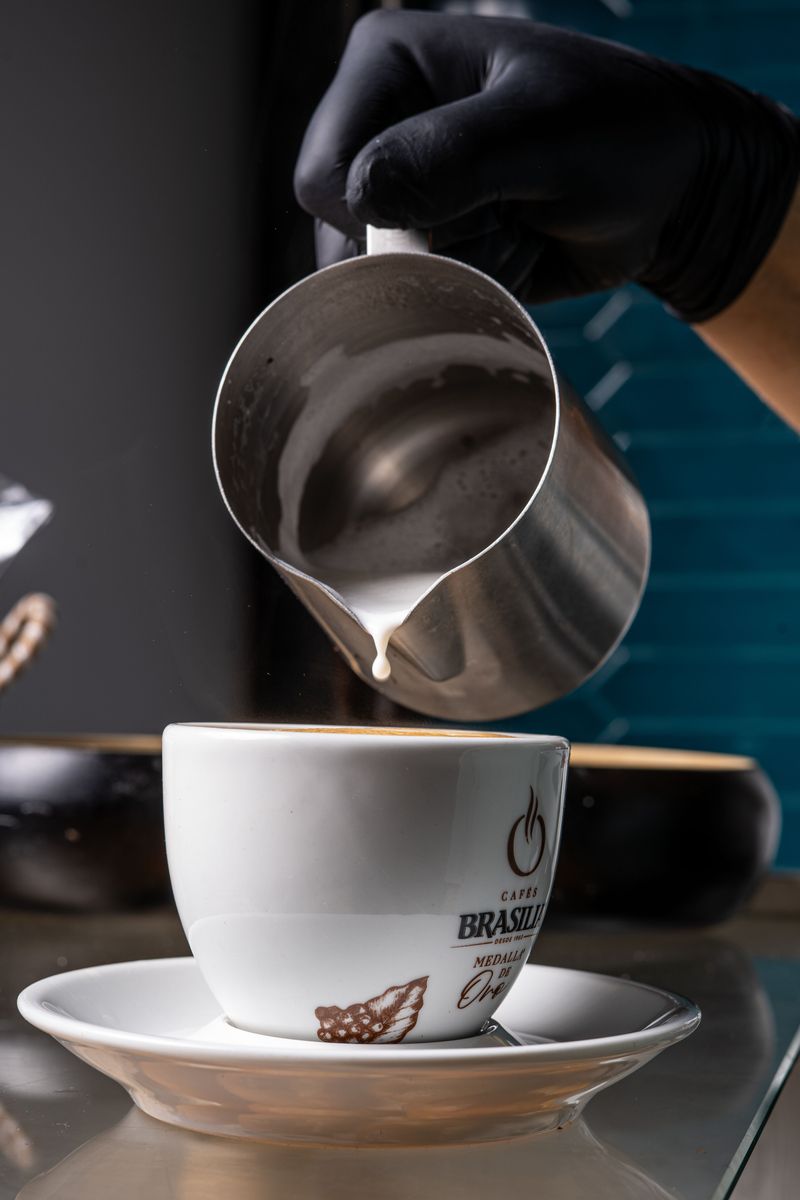
A cortadito is what happens when cafecito agrees to soften its voice without surrendering the microphone.
The drink starts with sweetened Cuban espresso and adds a small amount of steamed milk. It stays stronger and smaller than café con leche, which contains considerably more milk and commonly appears with breakfast.
Think of the cortadito as a middle lane. You still get the dark coffee and sugar, but the milk rounds the edges and creates a creamier texture.
How much milk belongs inside?
Recipes and counters vary, which means Miami can debate proportions before most cities finish waking up. The useful distinction is scale: cafecito has no milk, cortadito gets a modest addition, and café con leche turns milk into a major participant.
Order the wrong one and nobody will revoke your visitor privileges. You may, however, receive the look reserved for someone who requested a bicycle and seems surprised by the wheels.
The name shares the idea behind Spanish coffee terms meaning coffee “cut” with milk. Here the cut is modest, not a rescue operation for anyone afraid of espresso.
The cortadito is small, smooth, and direct. It wears a milk jacket over an espresso engine.
10. Colada

Ordering a colada announces that coffee has become a group project.
This larger serving of Cuban coffee commonly contains four to six espresso shots and arrives with several tiny cups. The purpose is sharing, not proving that your heartbeat deserves a percussion solo.
One person carries the container. Coworkers, relatives, or friends receive small pours. Conversation begins, the coffee disappears in concentrated sips, and everyone returns to the day with noticeably improved speed.
Could you drink the entire thing alone?
Physics allows it. Tradition raises an eyebrow, and common sense begins drafting a formal objection.
The colada shows how Miami coffee language describes social behavior as much as liquid. A cafecito serves one person. A cortadito adds milk.
A colada creates a miniature gathering wherever the cups land.
That sharing ritual explains why the word sounds completely ordinary in South Florida and oddly specific elsewhere.
At a ventanita or workplace counter, the tiny cups can move faster than introductions. One container becomes several brief pauses, proving that sharing does not require a dining table or an open afternoon.
Pass the cups before taking your portion. A colada is coffee with enough caffeine to insist on proper introductions.