Can you really retire in California on Social Security alone? Most people assume the answer is a hard no, and honestly, for a lot of the state, they are right.
But California is a massive place, and not every corner of it carries a San Francisco price tag. Scattered across the Central Valley, the high desert, and the rural north are small towns where housing is genuinely affordable. Life moves at a slower pace there, and a modest monthly check can still cover the basics. I spent time researching these places carefully, and what I found surprised me.
A simple, dignified retirement in California is still possible if you know where to look. If you are looking for a chance to live with less financial pressure, these towns deserve a closer look.
They may not offer the flashiest version of retirement, but they can offer something that feels a lot more valuable. They can give you room to breathe.
1. Needles
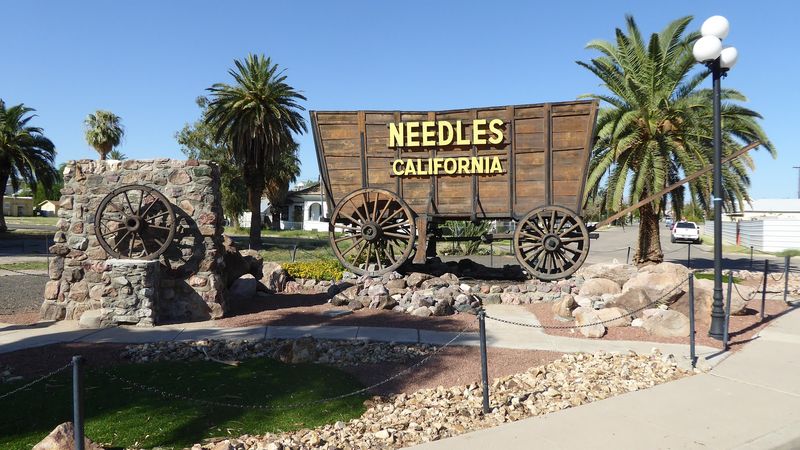
Needles hugs the Colorado River near the Arizona border, yet most Californians overlook it entirely. With home prices well below the state average, it stands out as one of the most affordable places to own property in the area.
For a retiree living on Social Security, that number changes the math in a real way.
Life here moves slowly, which suits a lot of people just fine. Along with a small but functional downtown, residents get fishing, quiet walks, and scenery that feels far removed from California’s crowded metros.
The Needles Highway along the Colorado River corridor is a favorite stretch for morning walks.
A good reference point here is City Hall at 817 Third Street, right near the center of town. The nearby blocks make it easy to see how compact and manageable everyday life can be.
Summers get intensely hot, so outdoor time is usually better in the cooler months.
Summer utility bills can run higher than expected. It makes sense to budget carefully for air conditioning before making a move.
2. Clearlake
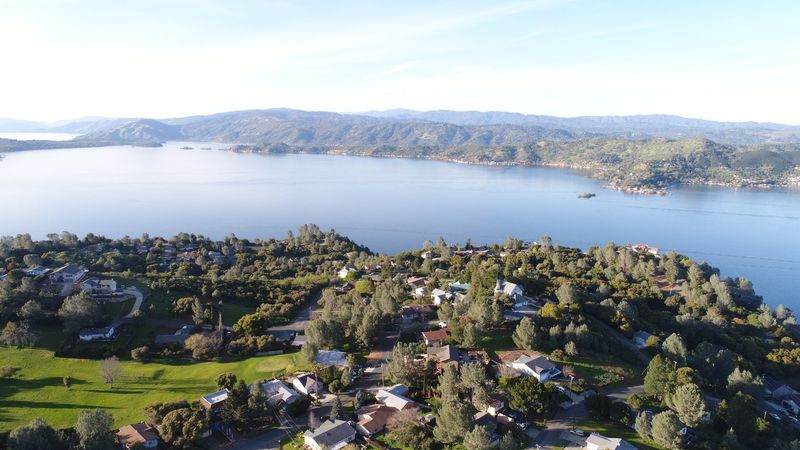
Clearlake wraps itself around the southern shore of Clear Lake, the largest natural freshwater lake entirely within California. That geographic distinction gives this small town a scenic quality that feels almost disproportionate to its modest price tag.
Home prices in the area remain surprisingly low compared with typical California values.
For retirees, the lake itself becomes a daily companion. Fishing is a serious local pastime, and the shoreline offers easy access for anyone who enjoys being near water without the expense of coastal living.
The town has basic grocery options, medical services, and a real small-community feel. For many people, that feels deeply comforting after years in busier places.
The Clearlake City Hall at 14050 Olympic Drive is near the water’s edge, and the surrounding neighborhood gives a good sense of the town’s unhurried rhythm. Clearlake does face some economic challenges and has a higher-than-average poverty rate, so going in with clear expectations matters.
Still, anyone looking for low housing costs and a lakeside setting in Northern California will find something real here. That alone makes it worth serious consideration.
3. Ridgecrest
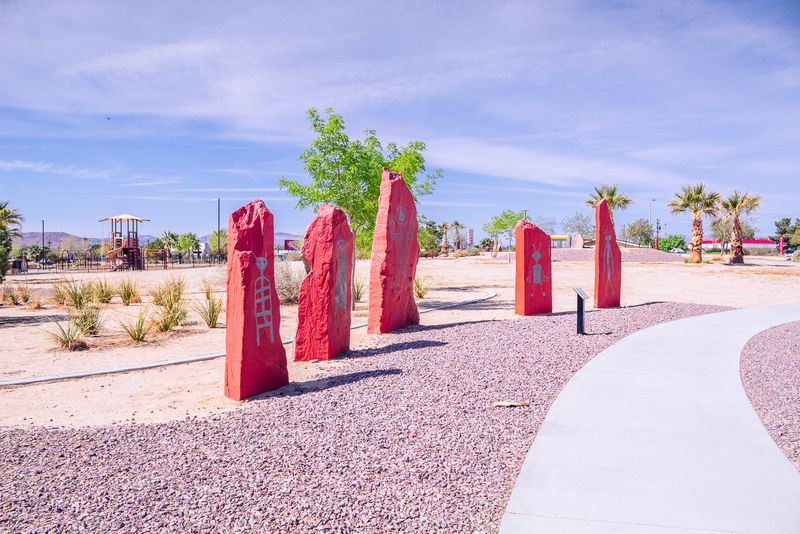
Ridgecrest is in the Mojave Desert in Kern County, and it functions as a real working town rather than just a stopover. The housing market in Ridgecrest is notably affordable compared with other parts of the state.
That puts the town well below the statewide norm and makes it easier to picture a modest retirement here.
The town has a solid infrastructure for its size, including a hospital, grocery stores, and a community college.
What makes Ridgecrest interesting beyond the numbers is its community character. Part of the town’s stable population comes from the nearby Naval Air Weapons Station China Lake.
That influence gives Ridgecrest a structured, no-nonsense feel.
Local parks and the surrounding desert terrain offer plenty of outdoor activity for people who enjoy wide-open spaces and big skies without crowds.
The Ridgecrest Public Library at 131 East Las Flores Avenue is a well-maintained local hub where residents gather, browse, and connect. Summers get very hot, as expected in the high desert, but winters are mild and often sunny.
The overall cost of living, including groceries and utilities outside of summer cooling costs, stays manageable. If I were looking for quiet desert living with real services close by, Ridgecrest would make a strong case.
4. Susanville
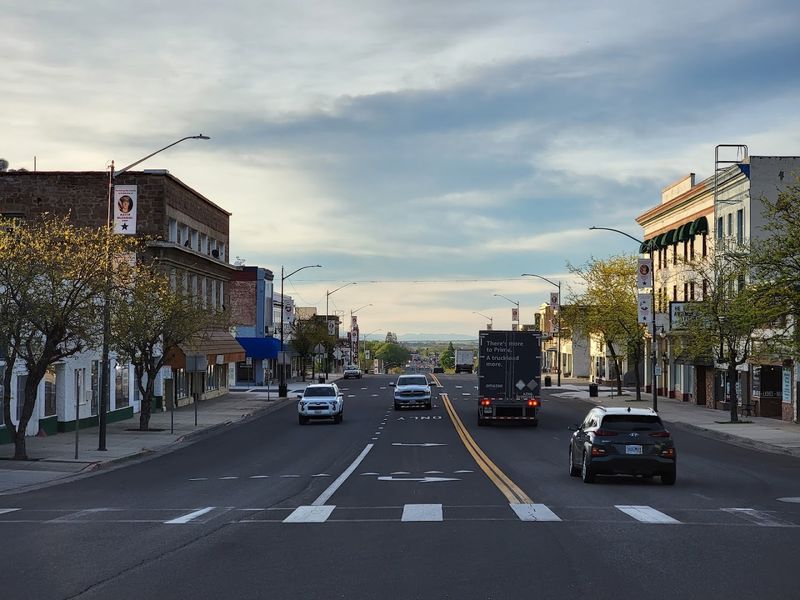
At about 4,200 feet in Lassen County, Susanville already feels different from many of California’s cheaper towns. The mountain air is part of the reason.
Prices here stay below the state median, offering buyers a more attainable entry into homeownership.
Fewer than 20,000 people live here, which helps keep the town small and manageable. Forests, meadows, and volcanic terrain give it a rugged, unhurried character.
For someone who prefers four seasons and a cooler climate, Susanville offers something genuinely different from the desert towns further south. Winters bring real snow, so that is a practical consideration, but the summers are pleasant and green in a way that feels restorative.
The Susan River runs through town, and the Bizz Johnson Trail begins near the historic downtown area.
Lassen County Courthouse at 220 South Lassen Street anchors the civic center of town and reflects the area’s straightforward, working-community identity.
Susanville does face some economic headwinds, particularly with a corrections industry that has driven part of its local economy. Still, this town offers basic services and realistic housing costs.
At this price point, the surrounding Northern California scenery is hard to beat.
5. California City
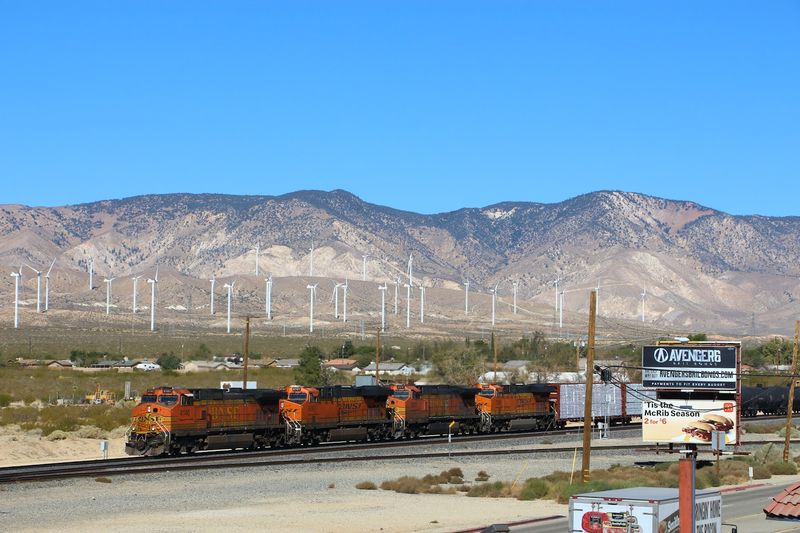
California City carries one of the more unusual backstories of any town on this list. It was planned in the 1950s as a massive master-planned city meant to rival Los Angeles.
An elaborate grid of roads was laid out across the Mojave Desert to support that vision.
That vision never fully materialized, but the town that did emerge is real, affordable, and surprisingly livable on a modest income.
Recent home prices in the area remain relatively modest by California standards. Wide streets and large lots make the town feel open and uncrowded.
The town has a community center, a small downtown, and a local park system that takes advantage of the open desert setting.
Near California City Boulevard, the California City Community Services District office serves as a central hub for local services.
Living here means embracing the high desert lifestyle fully. The Mojave landscape has a stark beauty that grows on you, and the sky at night is extraordinary given how little light pollution exists.
Palmdale and Ridgecrest are both within reasonable driving distance for larger shopping needs. If you are a retiree who wants space, low property costs, and a quiet California existence without the crowds, this town delivers exactly that.
6. Delano
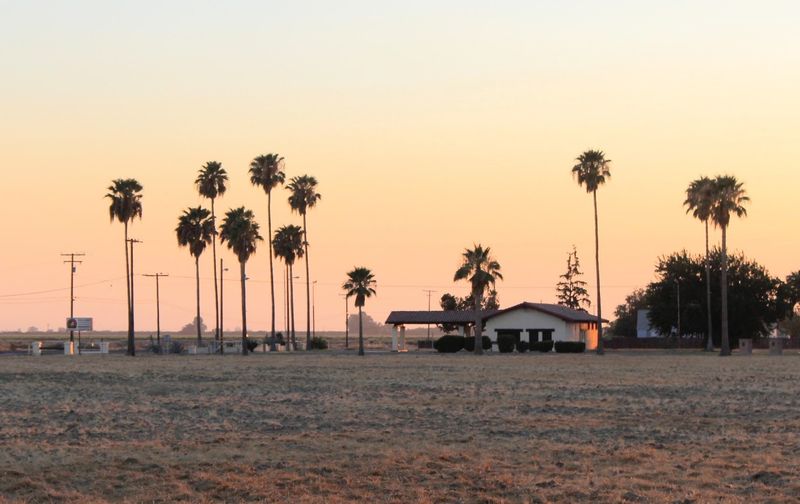
Delano is a Kern County town in the heart of the San Joaquin Valley, with deep roots in California’s agricultural past. Delano is where Cesar Chavez and Dolores Huerta helped launch the United Farm Workers movement in the 1960s.
That history gives the town a significance far greater than its size.
For retirees, that rich community identity adds texture to what might otherwise seem like a purely practical housing decision.
Delano remains relatively accessible by California standards, with home prices still on the more affordable side for the state.
Delano offers a full range of basic services, including grocery stores, medical clinics, and parks. Its Central Valley setting also means mild winters and hot summers that feel manageable if you are used to inland California weather.
The Delano Public Library at 925 Tenth Avenue feels like a real community anchor. The nearby streets reflect the town’s working-class character in an honest way.
Farmworker heritage murals appear throughout the downtown area, giving the streets a visual personality that feels earned rather than manufactured.
If you are looking for affordability, community history, and straightforward Central Valley living, Delano is worth a serious look. It offers a grounded, authentic place to settle into a quieter chapter of life.
7. Corcoran
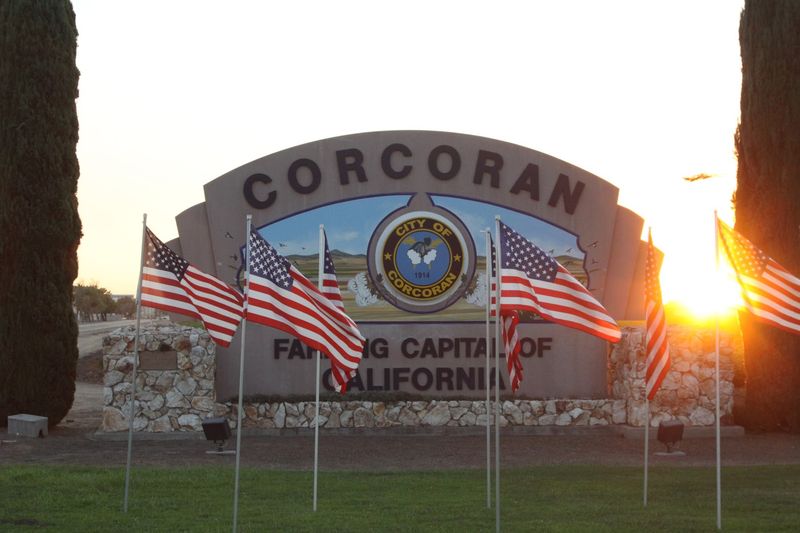
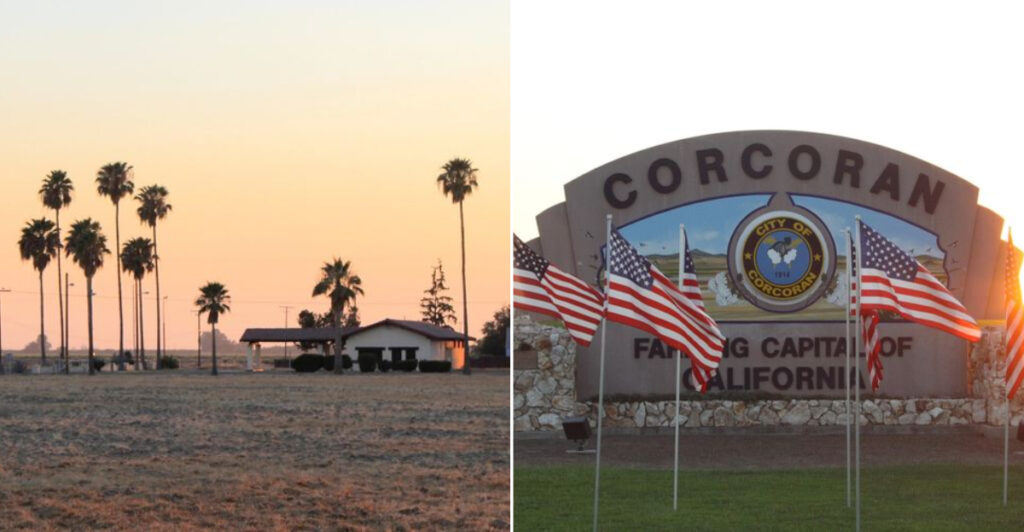
Corcoran is a small city in Kings County, planted firmly in the flat agricultural heart of California’s Central Valley. Corcoran’s home prices keep it among the more attainable options in California.
For a retiree on a fixed income, that lower housing cost can free up meaningful room in a monthly budget. The town is small and unpretentious, which many people find refreshing.
Kings County is one of California’s less-visited regions, but it has a quiet agricultural character that suits a slow-paced lifestyle well. The surrounding farmland stretches out in every direction, and the flat terrain makes getting around town easy on foot or by bicycle.
Local services cover the basics, and the community has a tight-knit quality common to smaller Central Valley towns.
Corcoran City Hall at 832 Whitley Avenue gives a good sense of the town’s civic center. Nearby blocks include small businesses and parks that make everyday life feel manageable.
One honest consideration is that Corcoran is a relatively isolated community, so larger medical facilities or specialty shopping require a drive. For someone who values simplicity and low overhead, this Central California town can offer a practical place to retire.
8. Porterville
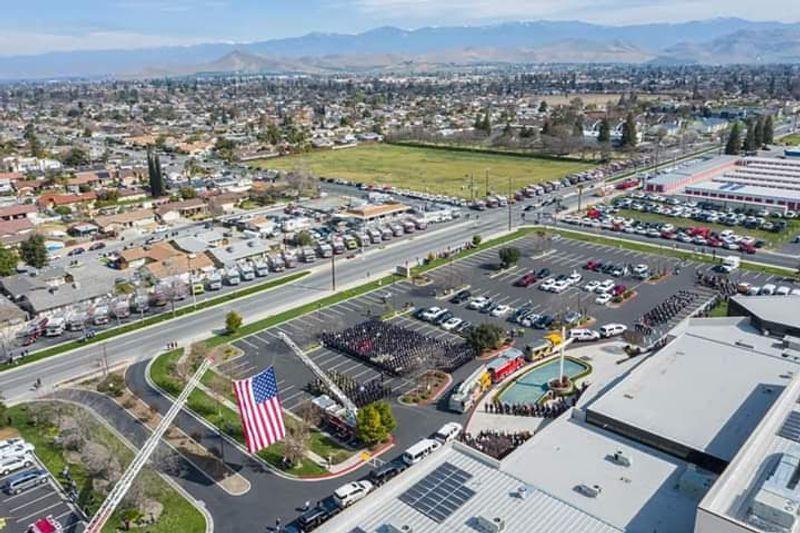
At the foot of the Sierra Nevada in Tulare County, Porterville has scenery many affordable California towns simply do not. The mountains are close enough to feel present in daily life without dominating the local geography.
Porterville comes in on the higher end compared with some towns here, but home prices remain accessible for many buyers.
Porterville has a real downtown with local shops and a historic main street feel. Even after decades of Central Valley growth and change, the town has kept its identity.
Porterville Regional Medical Center gives the town local healthcare access, a practical advantage retirees should take seriously.
The Porterville Public Library at 41 West Thurman Avenue is a well-used local resource that reflects how seriously the community takes civic investment. Parks, walking paths, and nearby Lake Success give residents outdoor options that go beyond what many comparably priced towns offer.
Summers are hot in classic Central Valley fashion, but spring and fall are genuinely beautiful here.
If affordability, town character, and mountain scenery matter to you, Porterville deserves a serious look.
9. Taft
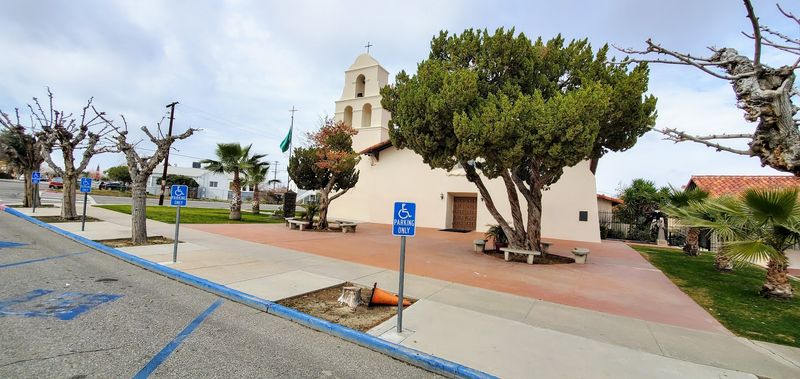
Taft is an oil town, plain and simple. Drive in from any direction and pump jacks start appearing across the surrounding hills.
Their steady motion is a reminder that this corner of Kern County has been pulling petroleum from the ground for more than a century.
That industrial identity gives Taft a rough-edged, working-class feel that some retirees may genuinely appreciate.
Taft offers buyers a more accessible market, with both housing and living costs falling below typical state levels. The town is small, with a population under 10,000, and the pace of life reflects that scale.
Basic services are available locally, and Bakersfield is about an hour’s drive away for anything requiring a larger city’s resources.
The West Kern Community College campus on Cougar Court sits near the center of town. It adds an unexpected layer of educational and cultural activity to a place that might otherwise feel purely industrial.
The surrounding terrain of rolling hills and open sky has a raw beauty that grows on you over time.
If you value low housing costs and a real working-community atmosphere, Taft deserves a look. It also offers a side of California that rarely shows up in travel magazines.
10. Hanford
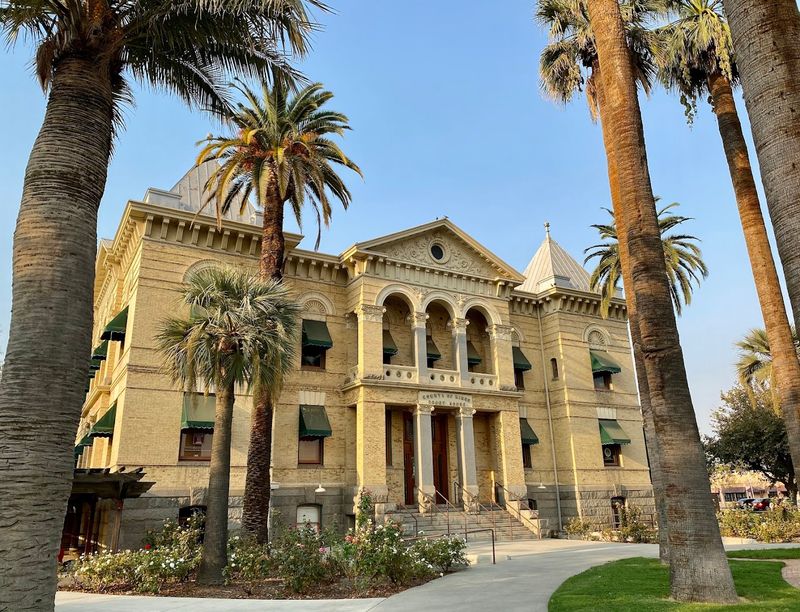
Hanford is the kind of California town that surprises people who have never visited. Around Courthouse Square, the downtown area has real historic architecture, well-kept brick buildings, and an easy walkable feel.
For this price range, that is not something I would take for granted.
Hanford is the most expensive town on this list, but home prices still remain well below the statewide median.
Kings County as a whole has a slower, agricultural rhythm that suits retirement living well. Hanford has real restaurants, local shops, and community events that give daily life a texture beyond pure functionality.
The Hanford Carnegie Museum at 109 East Eighth Street reflects how seriously this community values its history and identity.
Healthcare access is meaningfully better here than in some of the more isolated towns on this list, with Adventist Health Hanford providing local hospital services. The Central Valley weather means hot summers, but winters are mild and spring is genuinely lovely across the surrounding farmland.
Hanford stands out for retirees who want the most complete small-town experience on this list. If the budget allows a little more flexibility, the higher price can feel well worth it.