There are restaurants that just serve dinner. Others require calendar alerts, fast fingers, and the emotional resilience of someone refreshing a booking page at 10 a.m.
A tiny chef’s counter can make eight seats feel like front-row tickets. One dining room serves only a handful of guests each night. Another expects a prepaid commitment before the first course has even entered the conversation.
The reservation process becomes part strategy session, part group-chat crisis. Someone forgot the release date. Someone hesitates.
Suddenly, next month is looking very far away.
Florida’s most elusive tables do not reward casual planning. Waitlists, inquiry forms, ticketed seats, strict arrival times, and rolling booking windows keep every confirmation feeling unusually personal.
Charge the phone, set the reminder, and make sure everyone agrees on the date before clicking. Dinner may last a few hours, but securing the table can become the evening’s first real victory.
1. Sorekara
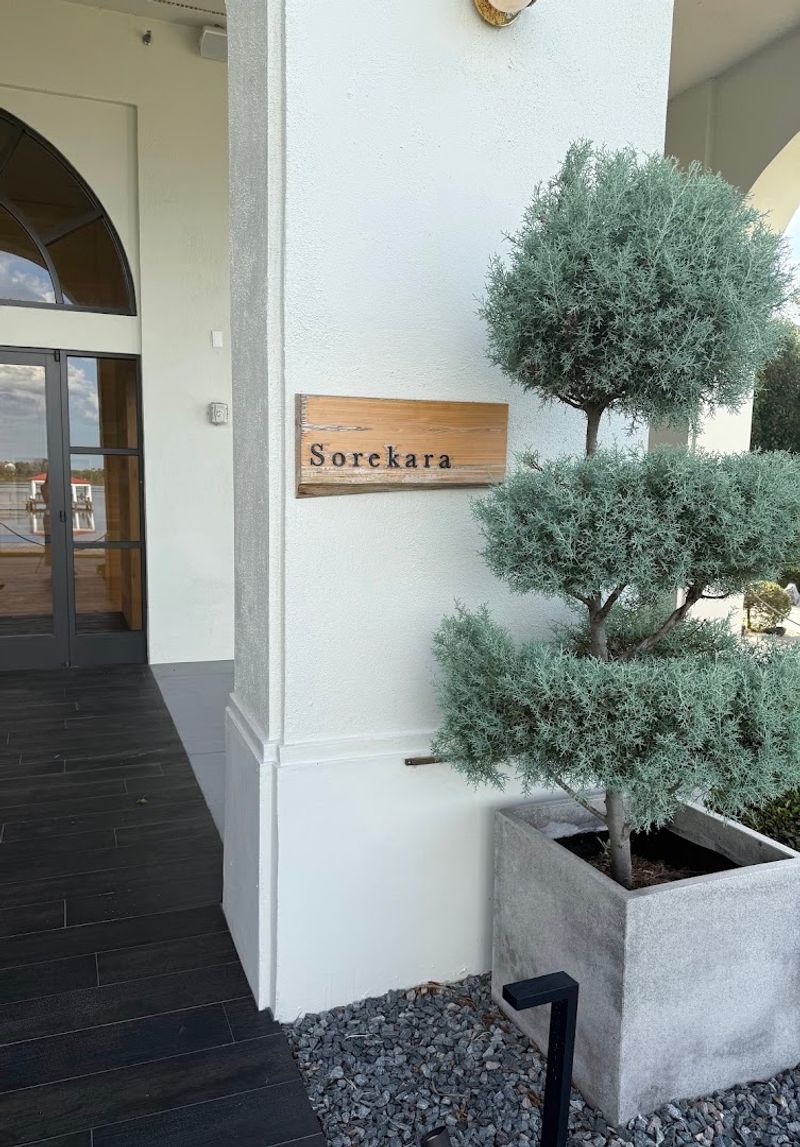
Have you ever needed a waitlist, an inquiry form, and excellent timing just to eat dinner? Sorekara turns making plans into a minor competitive sport.
The Orlando restaurant builds its tasting menu around Japan’s 72 micro-seasons. Each menu reflects subtle seasonal changes rather than relying on the usual four-part calendar.
The chef’s counter operates Thursday through Saturday, with one seating on select nights. That limited schedule leaves little room for casual last-minute decisions.
Reservations are not handled through a standard booking calendar. Interested guests submit an inquiry and may be added to a waitlist when the available dates are already committed.
The menu progresses through a long sequence of composed courses shaped by Japanese seasonal philosophy. That format requires time, coordination, and a kitchen prepared for a specific number of people.
Flexibility helps when pursuing a seat. A cancellation or newly released date can turn an ordinary email notification into the most exciting message of the week.
Sorekara does not ask whether you are free for dinner. It asks how badly you want your calendar to cooperate.
Address: 4979 New Broad Street, Orlando, FL 32814.
2. Victoria And Albert’s
Walt Disney World has plenty of lines, but this may be the only one you join months before arriving.
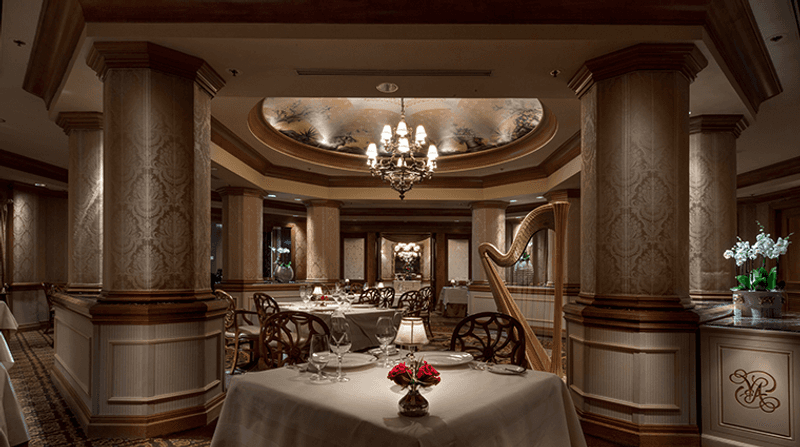
Victoria and Albert’s operates inside Disney’s Grand Floridian Resort while following a format far removed from the surrounding theme park pace.
Only one seating fills the main dining room each evening. The Queen Victoria’s Room accommodates four couples per night, while the Chef’s Table seats no more than six guests.
Two chef-curated tasting menus shape the main dining room experience. The limited number of seats allows each course to follow a set progression throughout the evening.
Advance reservations are essential because the restaurant does not hold space for casual walk-ins. Once the available chairs are spoken for, enthusiasm alone will not produce another table.
The small capacity also means each booking carries more weight than it would in a larger dining room. Changing plans at the last moment is not as simple as moving dinner to half an hour later.
Plenty of Disney experiences involve a little magic. Here, the trick is seeing your name appear on the reservation.
Address: 4401 Floridian Way, Lake Buena Vista, FL 32830.
3. Kadence
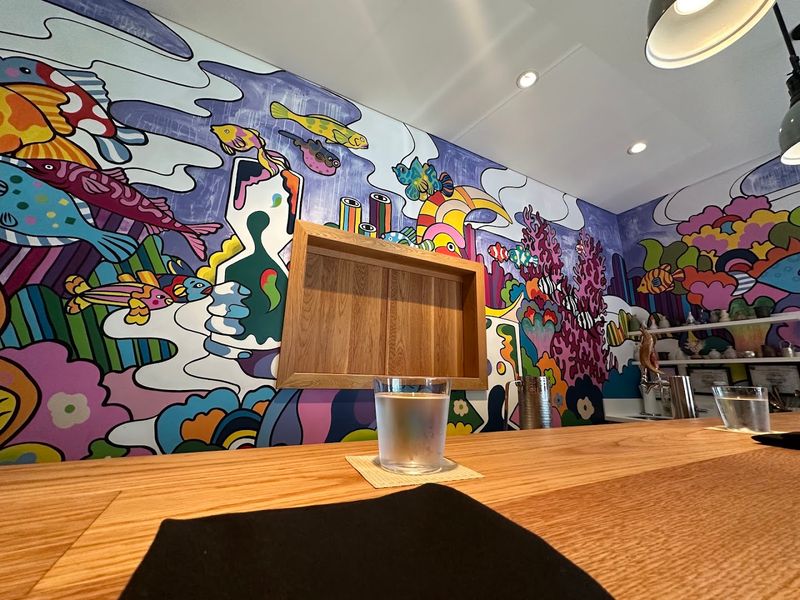
Eight seats. Not eight tables. Eight seats.
Kadence keeps its entire experience small enough that everyone at the counter matters. The Orlando restaurant uses a ticket system rather than a traditional reservation calendar.
Ticket purchases are final and nonrefundable, so the commitment begins before anyone sits down. Seats may be transferred or offered to the waitlist when enough notice is provided.
The meal progresses through composed dishes, sashimi, nigiri, ramen, and dessert. Each stage follows the previous one as part of a single tasting experience.
The counter format places diners close to the preparation area. There is no large dining room absorbing the movement or creating distance between the kitchen and the meal.
Kadence sits on Winter Park Road in a neighborhood setting rather than a large dining district. The modest exterior matches the limited scale inside.
Availability can disappear quickly because one small group can account for a large portion of the room. Check the ticket calendar with purpose, not the relaxed optimism usually reserved for brunch.
At Kadence, hesitation is basically the ninth guest, and it never gets fed.
Address: 1809 Winter Park Road, Orlando, FL 32803.
4. Soseki Modern Omakase
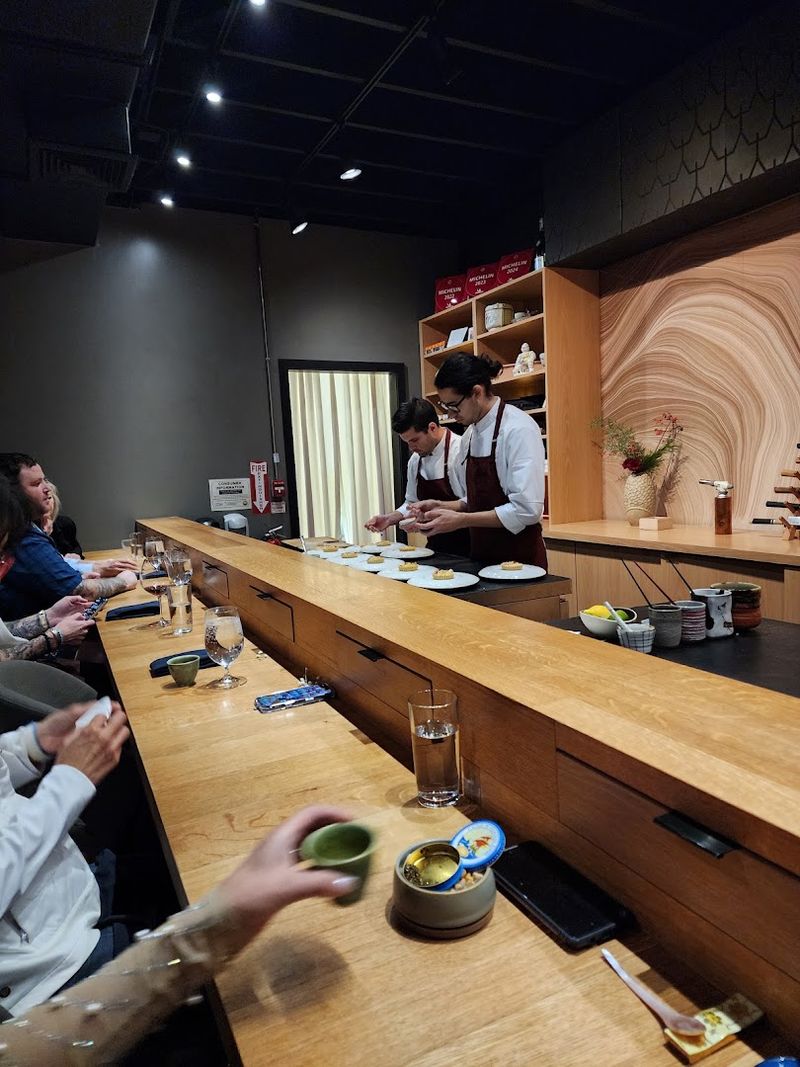
Ten chairs can create an astonishing amount of calendar pressure.
Soseki Modern Omakase seats only ten guests around its Winter Park counter. That deliberate limit shapes the menu, service, and reservation policy.
Florida producers and artisans supply many of the ingredients and serving pieces. Japanese techniques guide a multicourse menu that may include seafood, local produce, and cheese.
Reservations become final and nonrefundable once booked. Changes require at least five days’ notice and may include a rescheduling fee.
The policy reflects the preparation behind each service. Ingredients are sourced, ceramics are chosen, and the sequence is planned around the number of guests expected that evening.
Soseki’s location in Winter Park places it outside downtown Orlando’s busiest corridors. The smaller community setting suits a restaurant built around careful pacing and a compact counter.
Before booking, check the date twice and the group chat three times. One friend suddenly remembering a conflict should not become the evening’s surprise course.
At Soseki, dinner begins long before the first plate. It starts when everyone finally agrees on the same night.
Address: 955 West Fairbanks Avenue, Winter Park, FL 32789.
5. Camille
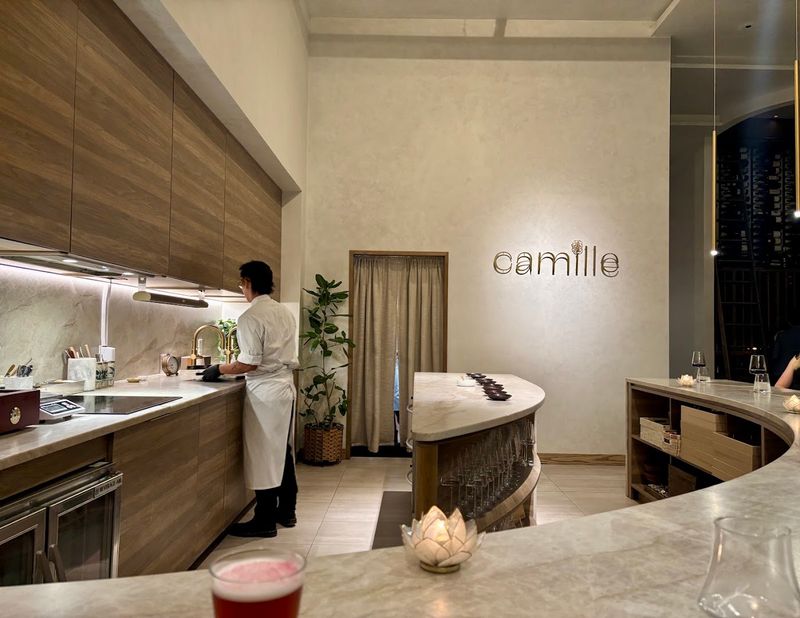
The pop-up grew up, found a permanent address, and kept the seating chart on a very strict diet.
Camille began as a temporary concept in 2021 before moving into a permanent Baldwin Park space in 2023.
Walk-ins are not accepted. Every guest needs a reservation before arriving.
The chef’s counter holds eight seats. Four booths and a private dining room provide additional capacity, though the overall space remains limited.
Tasting menus interpret Vietnamese flavors through contemporary techniques. The permanent restaurant retains the focused format that shaped the earlier pop-up.
Camille originally operated with two seatings per night. That controlled pace continues to influence how the dining room handles each service.
Baldwin Park provides a walkable neighborhood setting near the restaurant. Still, wandering past the door and hoping for an empty chair is not a viable reservation strategy.
Checking early and watching for cancellations provide the best chance of finding availability. The permanent address may be settled, but the tables remain difficult to pin down.
Camille stopped being temporary. The demand apparently missed that announcement.
Address: 4962 New Broad Street, Orlando, FL 32814.
6. Omo By Jont
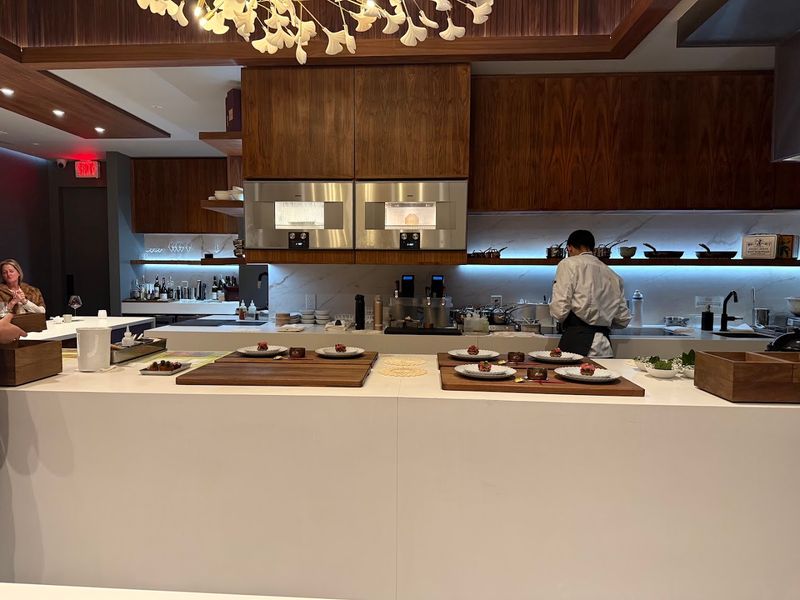
Ready, set, dine. Dinner at Omo has legs because you do not stay in one seat all evening.
The evening unfolds more like a guided culinary route than a meal spent at one stationary table.
An open kitchen anchors the restaurant and accommodates up to 16 guests. The arrangement keeps the cooking visible throughout part of the experience.
French techniques, Japanese ingredients, and seasonal Florida elements appear across the available tasting formats.
Service runs Wednesday through Sunday. Guests can choose among several experiences based on appetite and the amount of time they want to devote to dinner.
The restaurant sits on East Lyman Avenue in Winter Park. Its setting offers a quieter backdrop for a menu built around movement and multiple culinary influences.
Limited seating makes early booking important. Sixteen guests may sound generous until several couples click the same available date.
Most dinners ask you to remain seated. Omo gives the evening a change of scenery before dessert even considers making an entrance.
Address: 115 East Lyman Avenue, Winter Park, FL 32789.
7. Hiden
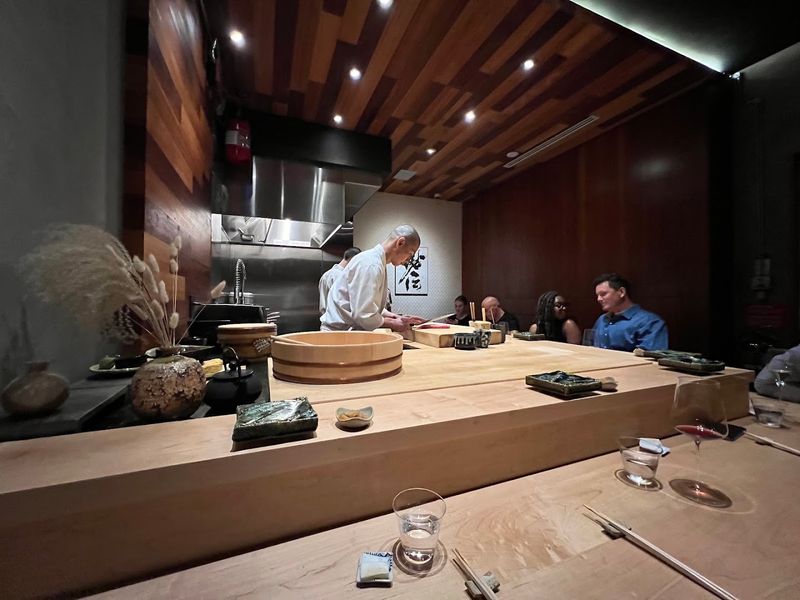
The entrance is discreet. The competition for eight seats is considerably less subtle.
Hiden operates behind an understated doorway in Miami’s Wynwood neighborhood. A conventional storefront does not announce the omakase counter waiting inside.
Eight seats make up the entire restaurant. That capacity leaves no spare corner for an extra chair or a hopeful walk-in.
The concept takes inspiration from legends of small, secret omakase restaurants in Japan. Guests seek out the location intentionally rather than spotting it while wandering past.
Reservations are prepaid before the meal. The seasonal omakase menu uses ingredients sourced from Japan and other regions.
Because the menu changes throughout the year, the experience can vary between seasons. Spring and autumn may bring different ingredients and course progressions.
Wynwood’s murals, galleries, and busy sidewalks create a striking contrast with the hidden room. Exploring the neighborhood is easy. Getting through this particular door requires more planning.
The entrance may play hard to get, but the prepaid reservation makes the relationship official.
Address: 313 NW 25th St, Miami, FL 33127
8. Koya
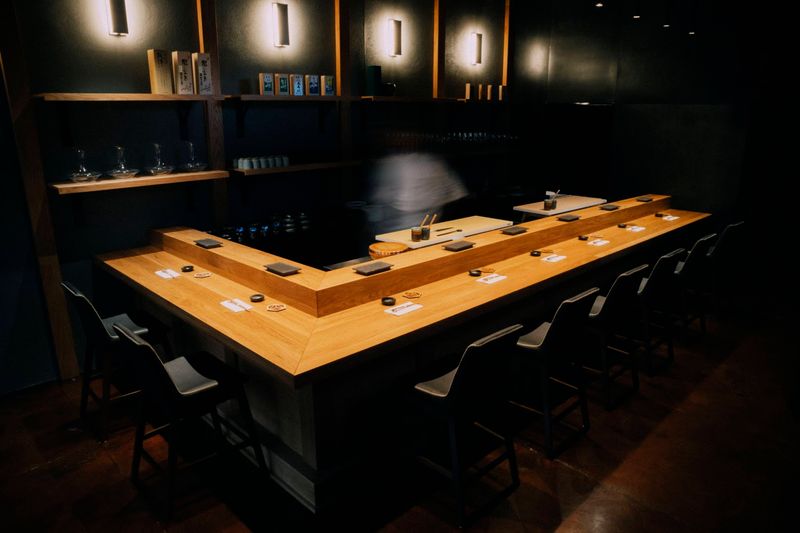
Set an alarm. This reservation has an appointment with the clock.
Koya releases reservations for the following month at precisely 10 a.m. on the 15th. The restaurant books only one month ahead.
Missing that monthly release can mean waiting until the next 15th for another opportunity. The system is simple, but it does not reward forgetfulness.
Guests know exactly when availability appears, creating a brief rush around the booking window. A reminder notification may be the most important dining companion involved.
The menu is a contemporary multicourse tasting experience influenced by Japanese cooking. Courses follow a set progression built around precision and seasonal ingredients.
Koya sits on West Platt Street in Tampa’s Hyde Park area. The surrounding neighborhood is walkable, giving early arrivals something to do besides refreshing the reservation confirmation.
There is no need to wonder when tables will appear. The challenge is being ready when they do.
At 9:59 a.m., you are a diner with hopes. At 10:01, you may be explaining to everyone why dinner has moved to next month.
Address: 807 West Platt Street, Tampa, FL 33606.
9. SHINGO
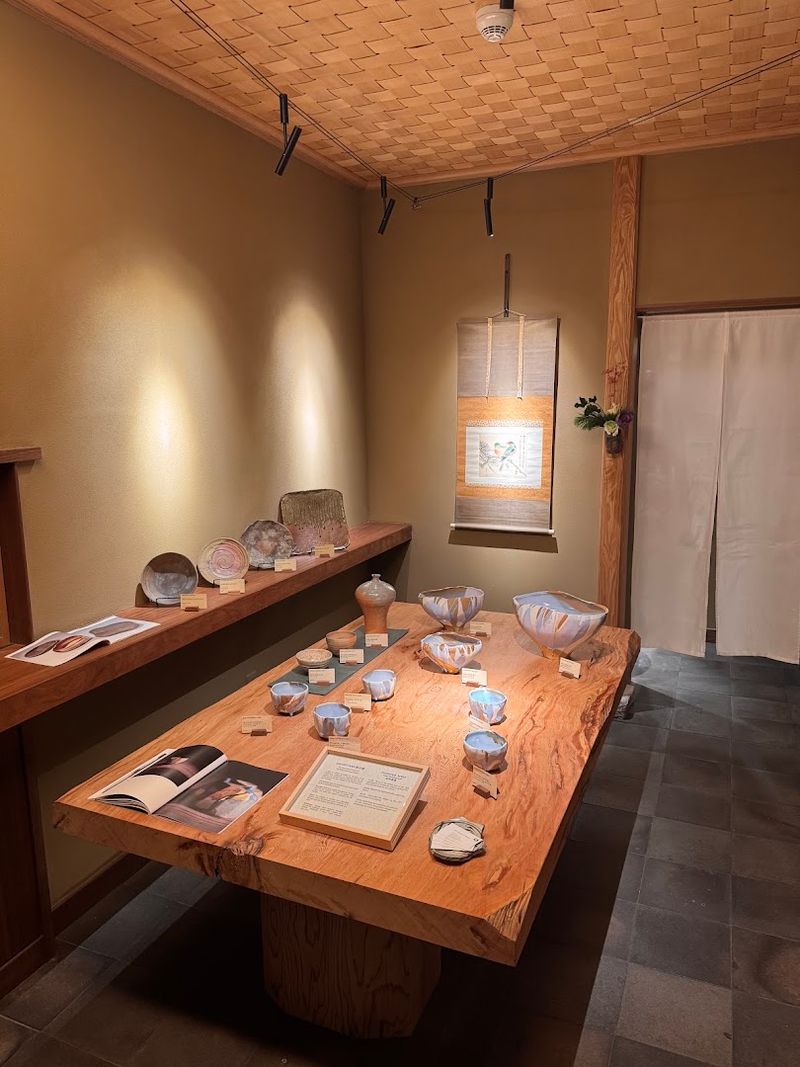
Being fashionably late is not a personality trait at SHINGO. It is a problem for fourteen hungry people.
The restaurant operates a 14-seat counter inside the historic La Palma Building in Coral Gables.
Every guest is served at the same time. Diners are asked to arrive about ten minutes early because a late arrival can affect the progression for the full counter.
Seasonal ingredients from Florida and Japan shape the omakase menu. The simultaneous format keeps everyone moving through the courses together.
The compact counter also places guests near the preparation area. There is no separate crowd receiving dishes on a different schedule.
Coral Gables surrounds the restaurant with Mediterranean-inspired architecture, wide streets, and historic buildings. The setting adds context without changing the firm timing inside.
Treat the reservation time like a flight departure rather than a loose dinner suggestion. The fish will not pause dramatically while someone searches for parking.
Fourteen seats, one starting time, and absolutely no room for “We’re five minutes away.”
Address: 112 Alhambra Circle, Coral Gables, FL 33134.
10. Boia De
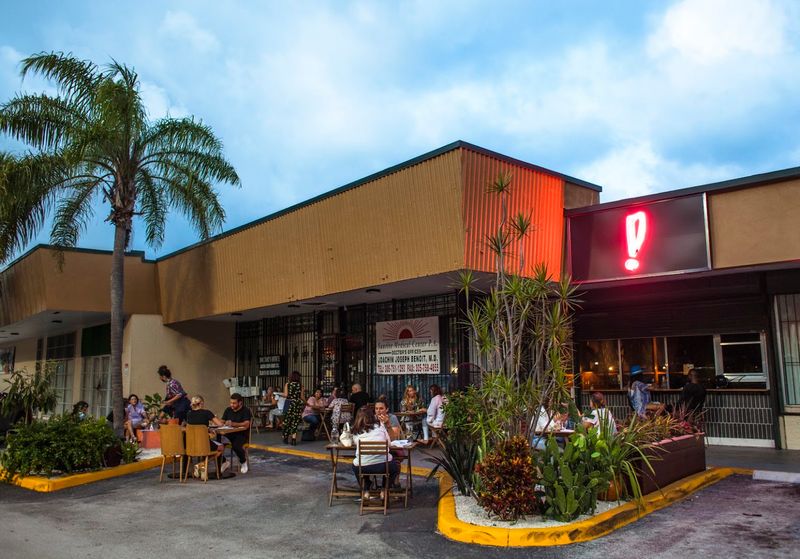
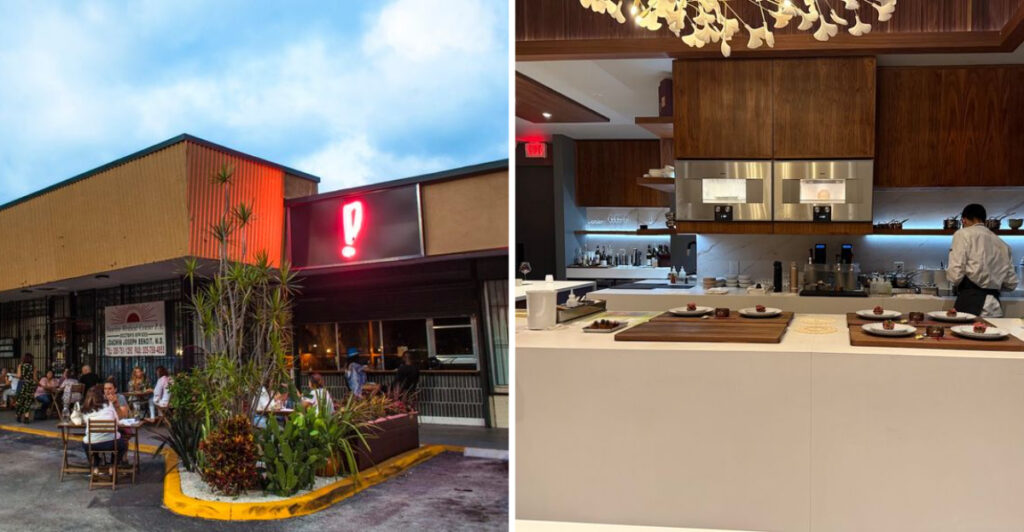
A neon pink exclamation point beside a laundromat is either a warning or an invitation to dinner. Here, it is both extremely useful and surprisingly accurate.
Boia De occupies a small plaza space in Miami’s Little Haiti area. The dining room is compact, and the restaurant makes that limitation clear during booking.
Parties of seven or more must contact the reservation team directly. The standard system cannot easily accommodate larger groups.
Boia De also prohibits the resale of reservations through third-party platforms. Any booking discovered on a resale site may be canceled.
That rule is designed to keep access tied to the restaurant’s own booking process rather than an outside market for hard-to-find tables.
Reservations open on a rolling basis and can disappear quickly. Checking frequently gives diners a better chance of finding an opening or a cancellation.
The neon punctuation outside is easier to spot than a large restaurant sign. Once you find it, the next challenge is making sure the booking system found room for you.
A laundromat may handle stains next door, which is convenient because getting this reservation can become a full-contact browser refresh.
Address: 5205 Northeast 2nd Avenue, Miami, FL 33137.
11. Bern’s Steak House
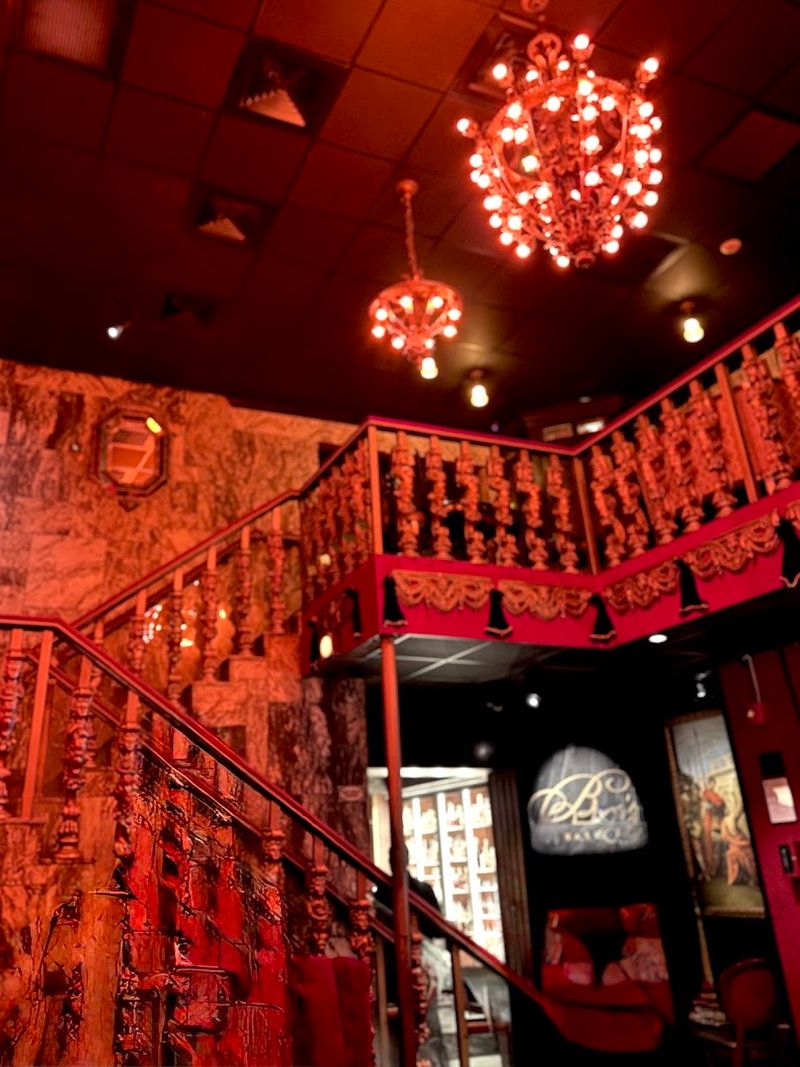
The steaks may age for weeks. Your reservation strategy should not.
Bern’s Steak House has operated in Tampa since 1956 and dry-ages its beef in-house for five to eight weeks.
Steaks are cut to order rather than prepared in identical portions far in advance. The kitchen controls both the aging and final cut before cooking.
Reservations open for the current month and the following two months. That rolling window rewards advance planning without releasing an entire year at once.
After dinner, guests can continue to the Harry Waugh Dessert Room. The separate space has become one of the restaurant’s defining traditions.
Bern’s sits on South Howard Avenue in Tampa, surrounded by restaurants and neighborhood activity. The area offers plenty to explore, though most guests are unlikely to forget why they came.
A restaurant open for this many decades has watched countless reservation systems come and go. The basic lesson remains unchanged: book before everyone else has the same idea.
The beef has already demonstrated patience. You, however, should click quickly.
Address: 1208 South Howard Avenue, Tampa, FL 33606.