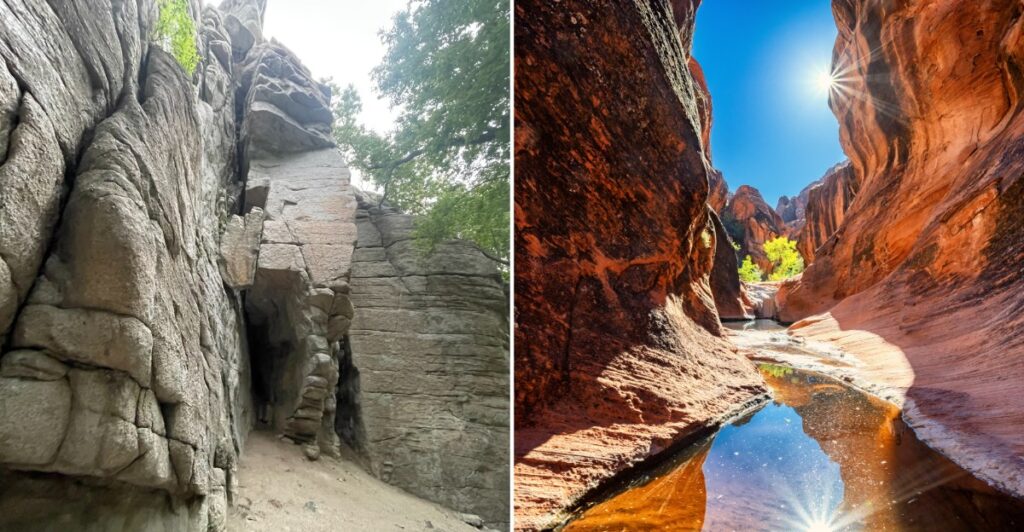
September hiking comes with one extra reason to watch where your next boot lands. Warm stone, dry brush, and lingering summer heat can keep rattlesnakes active while hikers are still packing trails.
On exposed routes across southern Utah, that overlap makes awareness part of the scenery rather than something to remember afterward. The good news is that most snakes would rather avoid people, so giving them room and staying alert goes a long way.
Keep your eyes on the trail edges, avoid stepping blindly over rocks or logs, and pay attention when the path narrows through sunny terrain. These are not reasons to skip a hike.
They are reasons to hike smarter. September can still deliver views, cooler mornings, and quieter stretches of trail.
For anyone exploring Utah this month, a little caution lets the landscape stay exciting without turning every rustle beside the path into a reason to panic.
1. Battle Creek Falls Trail Head, Pleasant Grove
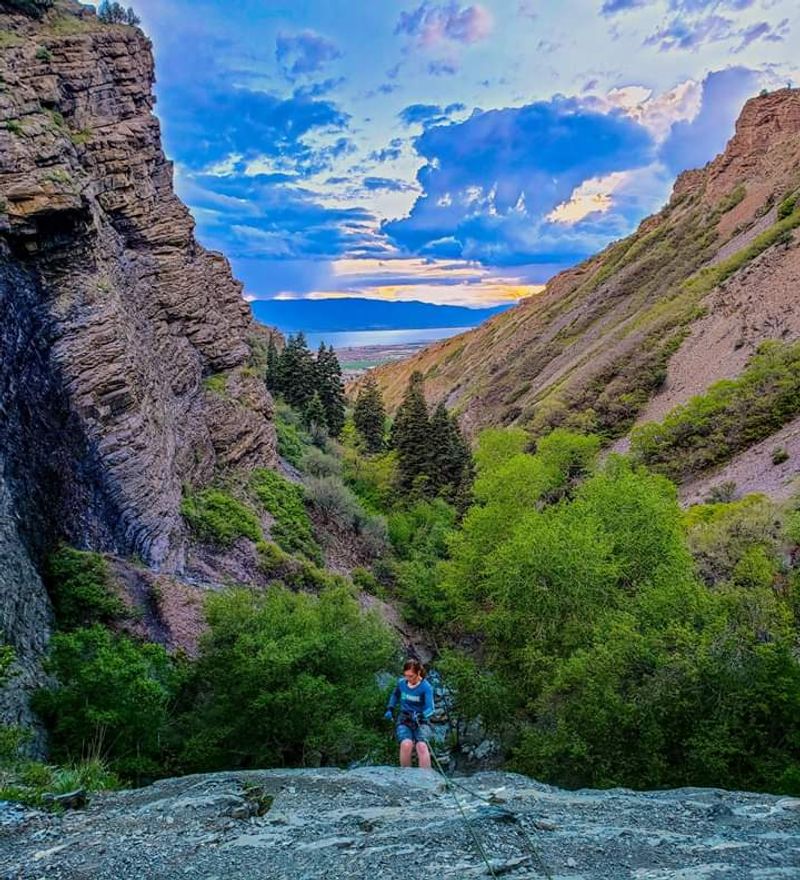
A short waterfall hike can sound harmless until the trail turns dusty, steep, and full of places where a snake can disappear faster than a dropped granola bar. Battle Creek Falls Trail Head in Pleasant Grove is known for a fairly easy canyon route with waterfalls, scenic streams, and views toward Utah Lake, which makes it appealing when you want scenery without committing to an all-day trek.
The path is generally well marked and wide in places, but it also has loose shale, moon-dust dirt, steep stretches, drop-offs, and narrower points where hikers naturally slow down. That mix matters in September because warm rocks, dry ground, and brushy edges can make rattlesnakes harder to notice before a boot lands too close.
Battle Creek Falls Trail Head also sits in a canyon setting where wildlife sightings are part of the experience, including butterflies, snakes, and other animals. Dogs are allowed outside, and parking options include free lot and street parking, with some paid parking listed too.
For hikers still considering it, closed-toe shoes, slow steps, and eyes on the trail beat speed every time. Watch where you place your feet, keep hands off rocks you cannot see over, and give any snake plenty of room.
The waterfall will still be there if you take an extra minute getting to it.
2. The Living Room Trailhead, Salt Lake City, UT
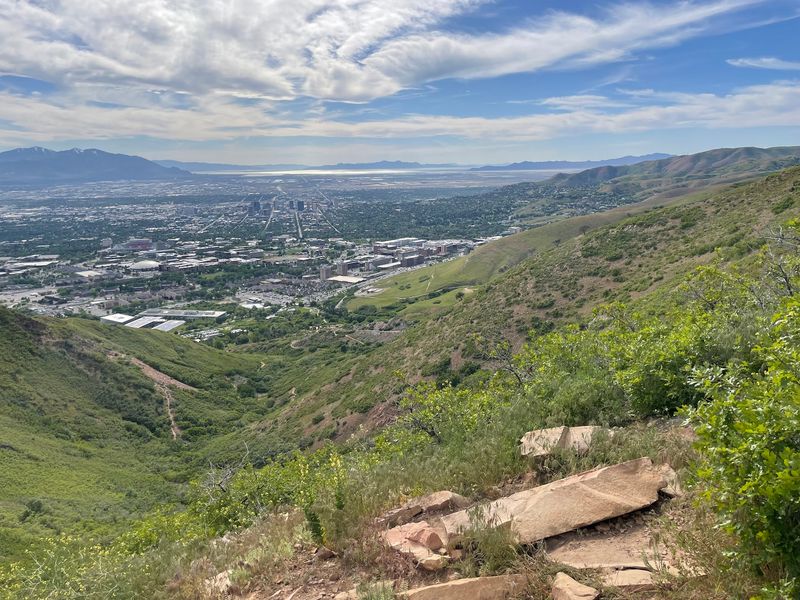
The joke at The Living Room Trailhead is that the furniture is made of rock, which is funny until you remember that rattlesnakes also enjoy rocky real estate. Starting from Colorow Road in Salt Lake City, this route climbs to an overlook where sandstone slabs resemble chairs and recliners.
The trail can be fun for adults, kids, and dogs, but it is not a carpeted stroll to a patio set. Some route options are easier than others, the markings can be unclear in spots, and a harder path continues above the famous stone seating area.
The Living Room Trailhead is open 24 hours and sits in the dry foothill zone above the city, a landscape where sun-warmed rocks and brushy edges deserve attention in September. Parking is listed as street parking, including free and paid options, so the practical part starts before the hike does.
Anyone heading up should treat the stone chairs as a viewpoint, not a playground for hands and feet in hidden cracks. Step around rocks carefully, keep dogs close, and remember that the local wildlife did not reserve a recliner, but may already be using one.
3. Adams Canyon Trailhead, Layton
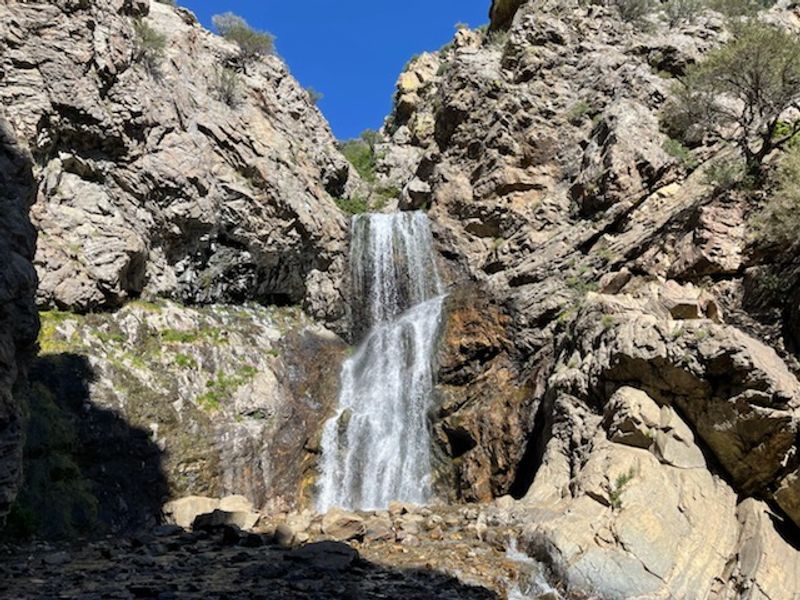
Adams Canyon Trailhead asks for calf muscles before it hands over the waterfall prize. The Layton route begins with sandy, moderately steep switchbacks, then climbs toward a wooded canyon with cascades and a waterfall farther up the trail.
It is the kind of hike that looks manageable on paper but starts making its point almost immediately.
That first exposed section is especially worth respecting in September. Sandy trail, rocks, limited shade near the start, and quick elevation gain make it easy to focus on breathing instead of scanning the ground, which is exactly when snake awareness can slip.
Warm surfaces and brushy edges also give hikers good reasons to watch every step.
Adams Canyon Trailhead is open 24 hours and is used for hiking, walking, and an out-and-back route. Parking includes free lot and street options, with paid parking also listed, and dogs are allowed outside.
The trail has a reputation as a short but challenging workout, with the early climb delivering valley and mountain views before the canyon closes in. After heavy runoff, parts of the route may involve water or changed footing, so sturdy shoes matter.
For September, patience makes more sense than rushing. Stay on the path, avoid stepping blindly beside rocks or brush, and let the waterfall wait while your eyes do their quiet job.
4. Bell Canyon Granite Trailhead, Sandy, UT
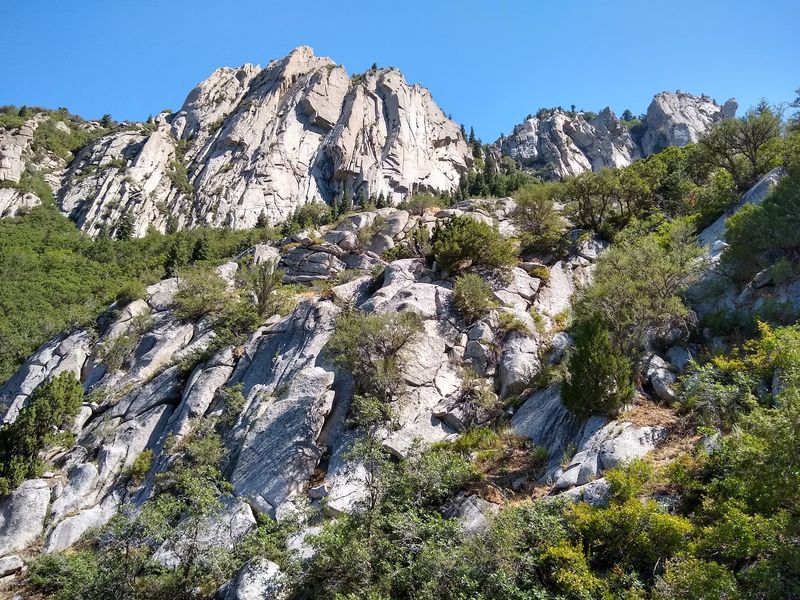
Bell Canyon Granite Trailhead has the classic Wasatch sales pitch: water, rocks, views, and just enough climbing to make snacks taste earned. Located on Little Cottonwood Road in Sandy, it gives access to a family-friendly hike with waterfalls, a reservoir, creekside sections, and valley views.
The friendly label should not hide the actual trail feel. Bell Canyon Granite Trailhead includes switchbacks, rocky terrain, steep inclines, decent elevation gain, shaded stretches, and a path that works its way along a creek after passing lower landmarks.
Those rocky and brushy margins are why September changes the mood. Rattlesnakes use the same warm, broken ground hikers step across, and a busy, familiar trail can make people careless because they have done it before.
The trailhead is listed with daily hours from 7 AM to 10 PM, and parking options include free lot and street parking, plus paid parking. Dogs are not listed in the provided good-to-know notes for this trailhead, so check current rules before bringing one.
Keep children close on narrow sections, avoid shortcuts, and resist poking around rocks near the creek. Bell Canyon rewards attention, not autopilot, especially when late-summer heat lingers in Utah.
5. Ferguson Canyon Trail Head, Cottonwood Heights, UT
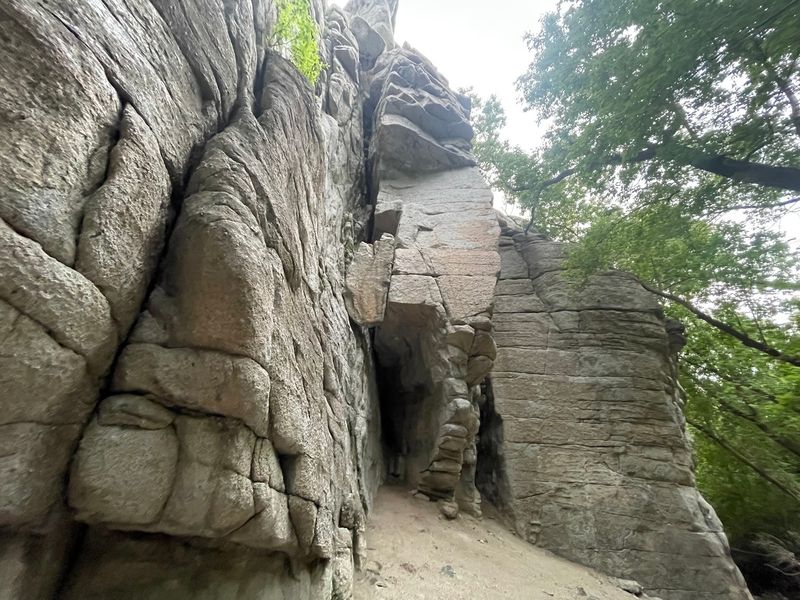
Ferguson Canyon Trail Head feels close to town, but the trail wastes little time acting like a canyon. From Timberline Drive in Cottonwood Heights, the route is known for views, waterfalls, rock climbing areas, wildflowers, and a climb that can turn casual plans into a honest workout.
The switchbacks toward the Big Cottonwood overlook are part of the draw, and climbing routes appear not far up the canyon. Ferguson Canyon Trail Head also provides access toward Houndtooth Trail, though that route is described as very steep and not a casual add-on.
September caution comes from the same features that make the place interesting: rocks, sun pockets, brush, and narrow trail moments. Rattlesnakes do not care that someone has dinner plans in Cottonwood Heights; they care about being left alone.
The trailhead is listed open from 4 AM to 10 PM, with dogs allowed outside. Parking includes free lot and street options, with paid parking also listed, though limited parking is a practical concern in the area.
Move slowly around rock piles and shaded edges, keep pets close, and do not reach into gaps while climbing around. Ferguson Canyon is better when the adventure stays on the route, not under a surprise tail rattle.
6. Mount Olympus Trailhead, Holladay, UT
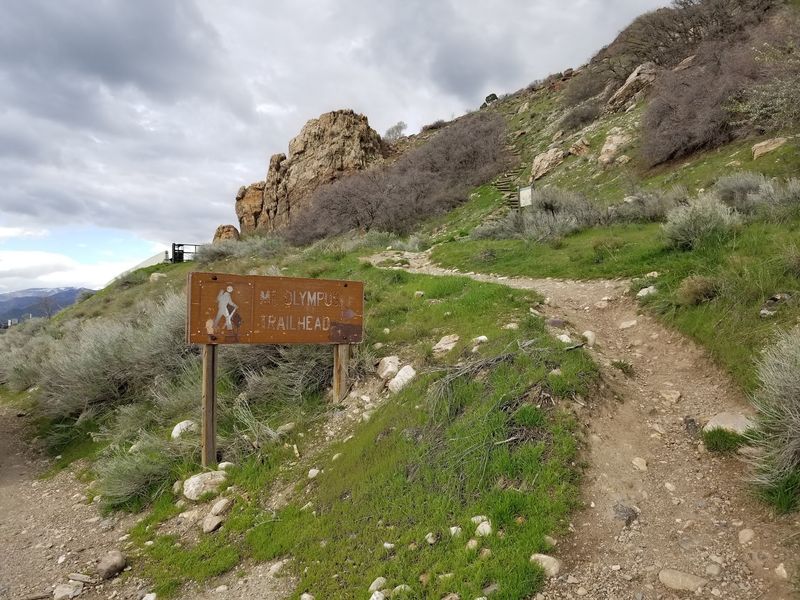
Mount Olympus Trailhead is where optimism meets a very steep hill and quietly asks for a second water bottle. From Wasatch Boulevard in Holladay, the route climbs toward Mount Olympus with about 4,000 feet of gain over roughly 3 to 3.5 miles, depending on the route description used.
This is not the trail for zoning out. The climb begins aggressively near the parking area, continues over a short distance, and includes trees, exposed sections, and scrambling near the top, with panoramic mountain views as the eventual reward.
Mount Olympus Trailhead earns a September snake note because steep, rocky foothill terrain can hide rattlesnakes beside the tread while hikers stare upward at the next punishing pitch. Fatigue also makes people sloppy with foot placement, and rattlesnakes are not impressed by step counts.
The trailhead is listed open from 5 AM to 11 PM, with a well-developed parking lot, pit toilets, and dogs allowed outside. Parking options include free lot and street parking, along with paid parking.
Plan as if every rocky edge deserves a glance. Keep hands clear during scrambling, pause before stepping over logs or stones, and remember that summit fever is optional, but careful footing is not.
7. Y Trailhead, Provo, UT
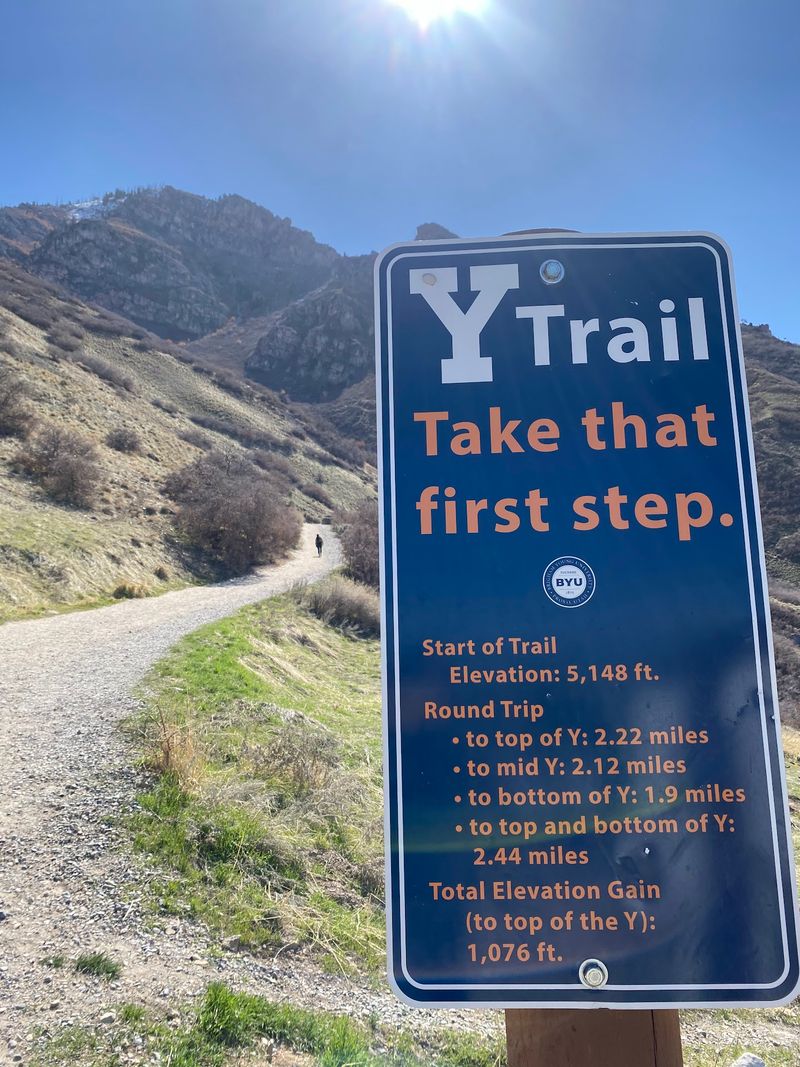
The Y Trailhead turns a giant hillside letter into a fitness test with a view. In Provo, the route climbs toward the white Y landmark above Brigham Young University, gaining about 1,000 feet over 1.1 miles to the top of the Y.
That number explains why many hikers remember the grade more than the alphabet. The trail is dirt and gravel, steep enough to feel serious quickly, and the round trip to the top of the Y is about 2.2 miles.
Y Trailhead has practical comforts that many mountain starts do not, including drinking fountains and clean restrooms at the trailhead, plus restrooms and drinking fountains available along the trail. Parking is described as well maintained, with overflow lots below the trailhead and on-site parking options.
In September, the open slopes and rocky edges call for the usual Utah rattlesnake manners: look before stepping, give snakes space, and do not let kids or curious adults wander into brush for a shortcut. The trail is open 24 hours, but daylight makes it easier to spot what shares the hillside.
The Y may be the landmark, but on late-season hikes, the ground deserves top billing.
8. Red Reef Trailhead, Hurricane
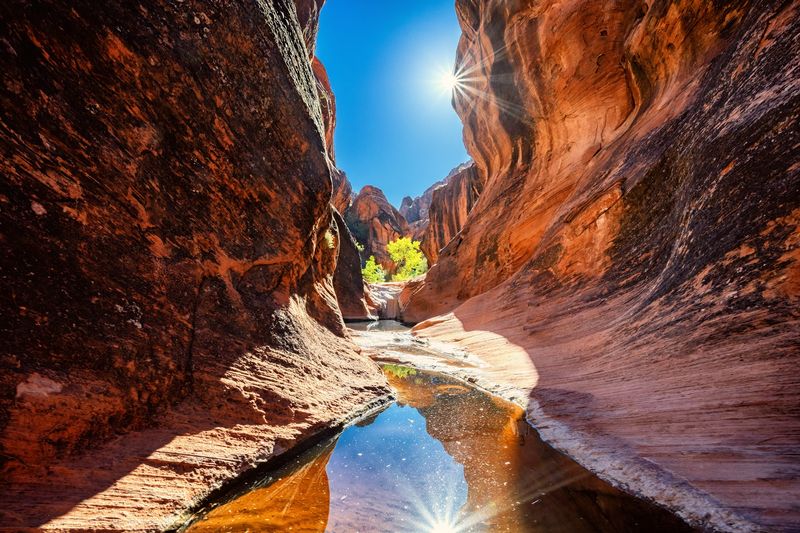
Red Reef Trailhead trades Wasatch gray for red rock drama, and the desert rules are different down here. Near Hurricane and Leeds in the Red Cliffs area, the trail is known for red sandstone formations, pools, waterfalls, creek crossings, and a rope-and-foothold traverse.
The route begins as a short, scenic canyon hike, then can shift into hands-on movement once the trail forks toward Red Reef and Quail Creek. Picnic tables and a public restroom are listed at the hiking area, which helps families and road trippers plan without turning the car into mission control.
Red Reef Trailhead belongs in a September rattlesnake conversation because low desert habitat keeps plenty of warm surfaces available. Rocks, overhangs, narrow canyon edges, and brush create places where snakes can rest out of sight while hikers look up at arches, red walls, and water-polished stone.
Dogs are allowed outside, and parking options include free and paid parking. Bring real traction, water, sun protection, and enough time, especially if continuing beyond the easiest portions.
Do not place hands on ledges without looking, and step carefully near pools or shaded rock. In southern Utah, the scenery often wins attention, but the trail surface still deserves respect.
9. Devil’s Garden Trail, Moab, UT
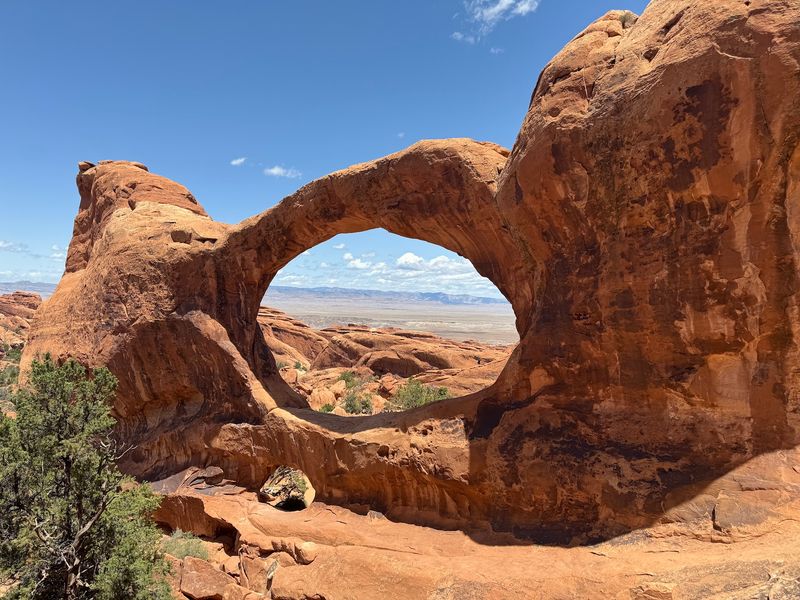
Devil’s Garden Trail sounds like it was named by someone who finished the harder loop with sandy socks and a new respect for water. In Arches National Park near Moab, it starts along Devils Garden Road and leads through sandstone fins, ridges, canyons, and several prominent arch features.
The easy, family-friendlier section reaches Landscape Arch, while the longer loop becomes more demanding. Some parts require scrambling, big steps, and comfort moving over rock, which means hands and feet often go exactly where a cautious hiker should look first.
Devil’s Garden Trail is open 24 hours according to the listing, and the trailhead offers parking options that include a free lot, free street parking, and paid parking. Because it sits inside Arches National Park, visitors should also check current park entry rules before making plans.
September in Utah desert country can keep rattlesnakes active around warm sandstone, brush, and shaded cracks. The route’s popularity does not cancel that basic desert math.
Stay on marked paths, avoid stepping over rocks blindly, and never reach into holes or under ledges for balance. The arches are the headline here, but careful trail habits are what let the day stay pleasantly ordinary.