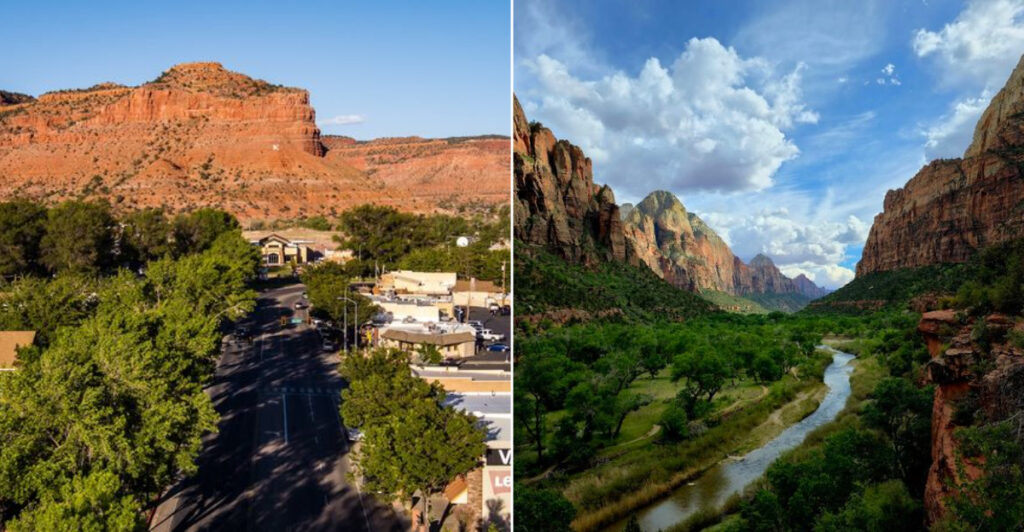
Some vacations sprint, but the ones that stay with you know when to slow down. A Utah getaway does not have to be all cliff edges, packed trailheads, and sunrise alarms to feel unforgettable.
Sometimes the better weekend is quieter: an easy walk, a good meal, a view you did not have to fight crowds to enjoy, and enough open time to actually notice where you are. These are the places that make a loose plan feel smarter than a packed schedule.
They work for families who need breathing room, couples who want conversation without chaos, and solo travelers who came looking for a reset instead of a checklist. The magic is in how effortless it feels, like the trip is giving something back instead of asking you to keep up.
Utah’s softer side still delivers beauty, adventure, and memory-making, just with more room to exhale.
Park City
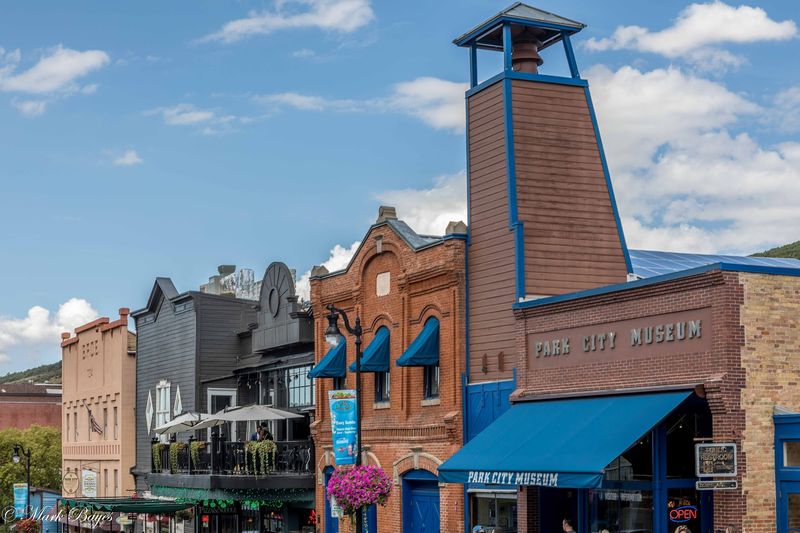
Park City has a way of making you feel like you’ve earned the mountain air just by showing up. Sitting at over 6,900 feet in the Wasatch Range, it’s the kind of place where a morning stroll down Historic Main Street feels genuinely rewarding.
The old buildings are well-preserved, the gallery windows are worth stopping for, and the coffee shops don’t rush you out the door.
What I appreciate most is how much variety fits into one compact destination. You can hike a trail before lunch, browse boutiques in the afternoon, and catch live music by evening without once touching a car.
The Park City Chamber and Visitors Bureau at 1794 Olympic Parkway Boulevard is a solid first stop for maps and current event listings.
Year-round recreation is the real draw here. Skiing and snowboarding dominate winter, but summer brings mountain biking, hiking, and outdoor concerts that rival anything in the region.
Families will find enough to fill two or three days without repeating themselves. Couples looking for a romantic but unpretentious escape will feel right at home on these streets.
Heber Valley and Midway
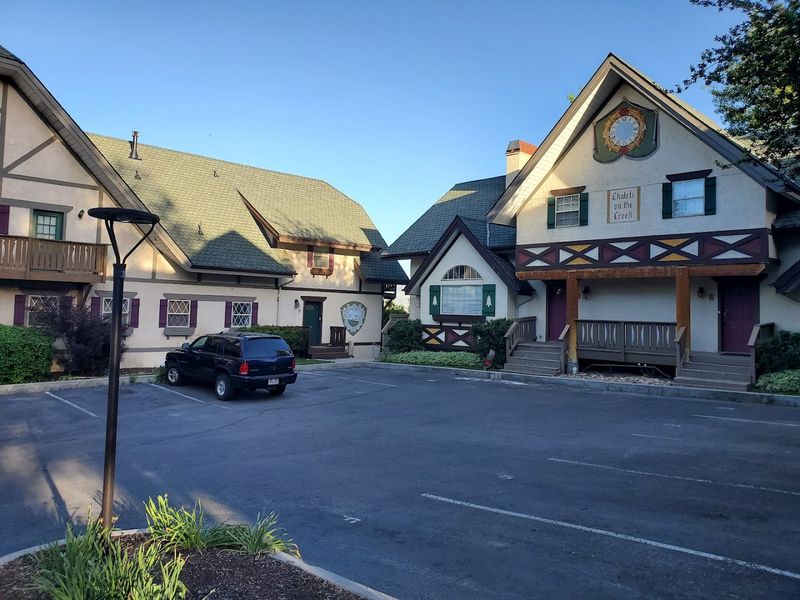
Heber Valley feels like someone pressed pause on the world and forgot to press play again, and I mean that as the highest compliment. The valley is broad and green, ringed by serious mountain peaks, and dotted with farms and small communities that haven’t lost their character to development.
Midway, the Swiss-inspired village tucked inside the valley, adds a charming layer of unexpected personality.
The Heber Valley Railroad is worth every minute of the ride. Vintage rail cars, mountain views, and a pace slow enough to actually look out the window make it a highlight for kids and adults alike.
The Heber Valley Visitor Center at 475 North Main Street in Heber City can point you toward Wasatch Mountain State Park, local golf courses, and the warm crater pools at Homestead Resort.
What makes this valley special is how effortlessly it layers activities. You’re never more than a short drive from a trail, a fishing spot, or a cozy restaurant.
Fall is particularly stunning when the aspens turn gold across the hillsides. I’d recommend building in at least one full unhurried day just to drive the back roads and let the scenery do the talking.
Ogden
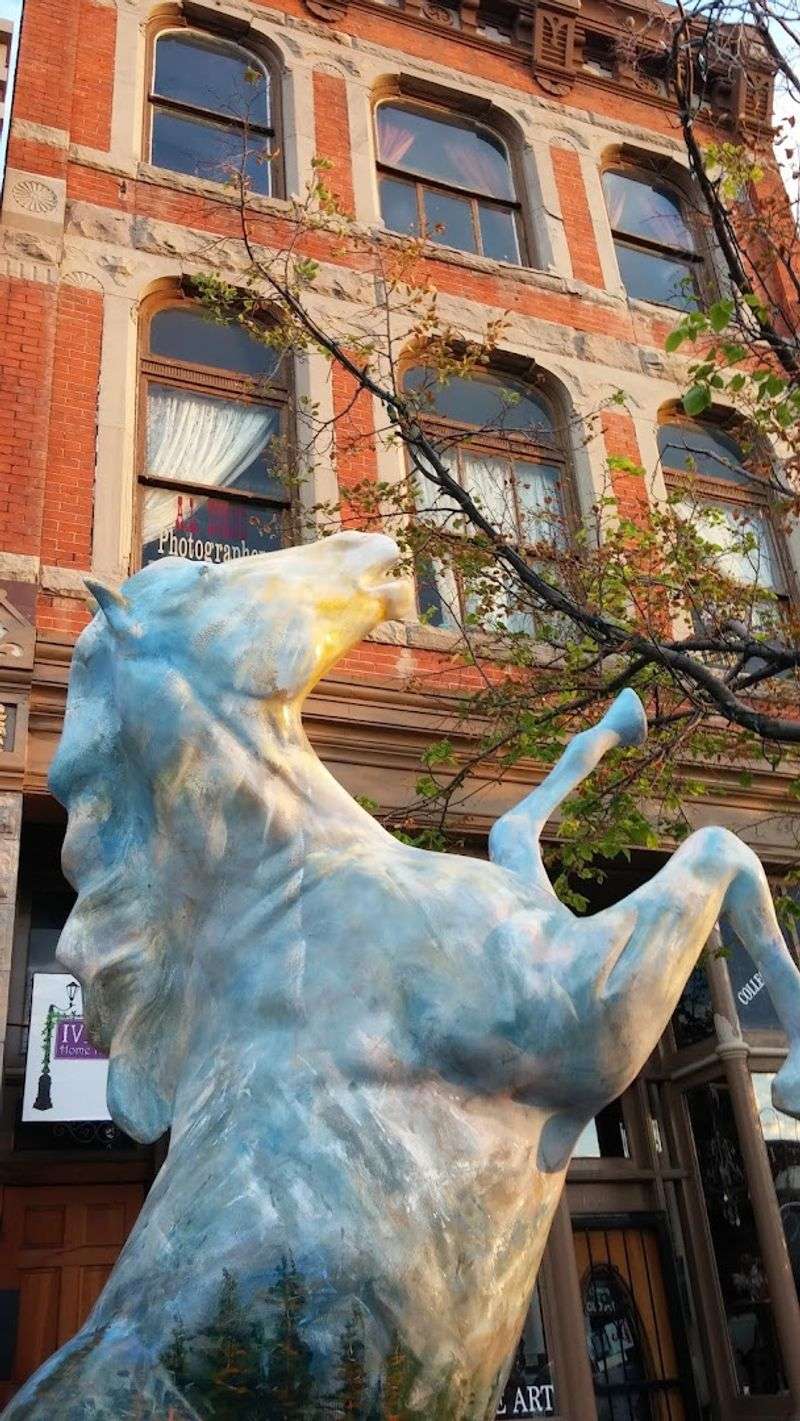
Ogden is one of those Utah cities that doesn’t brag enough about itself. Sitting at the base of the Wasatch Mountains, it combines a legitimately historic downtown with trail access, river recreation, and a museum scene that punches well above its weight.
Historic 25th Street is the beating heart of the city, lined with brick buildings that once served railroad workers and now house breweries, galleries, and farm-to-table restaurants.
The Ogden/Weber Convention and Visitors Bureau at 2438 Washington Boulevard is the right place to start planning. From there, you’re close to Pineview Reservoir for boating and paddling, the Ogden River Parkway for flat and easy walking, and several trailheads leading into the mountains above town.
Winter brings quick access to multiple ski resorts without the Park City price tag.
What I genuinely enjoy about Ogden is the lack of pretension. It’s a working city with real personality, and the outdoor access is as good as anywhere in northern Utah.
Families can hit the dinosaur park, the outdoor recreation museum, or the waterfall hike up Waterfall Canyon. Couples can find a good meal and a quiet evening without fighting tourist crowds.
That combination is harder to find than it should be.
Garden City and Bear Lake
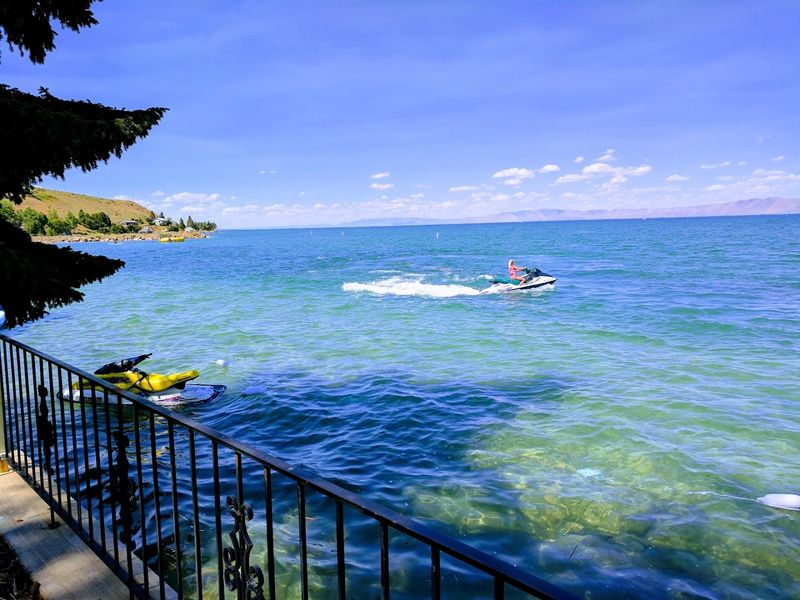
Bear Lake is famous for a color. That electric turquoise blue, caused by limestone particles suspended in the water, stops first-time visitors mid-sentence.
Garden City sits right on the western shore, and the combination of lake access, small-town hospitality, and scenic drives makes it an easy sell for a relaxed weekend escape. The Bear Lake Convention and Visitors Bureau at 69 North Paradise Parkway, Building A, is where you’ll find everything you need to get oriented.
Boating, kayaking, and swimming are the obvious draws, but the lake is also surrounded by a scenic byway that rewards slow drivers. Stop at one of the local stands for a raspberry shake, a Garden City tradition that locals treat with the seriousness of a civic duty.
The raspberries grown in this valley have a tart intensity that store-bought versions simply can’t match.
Off-season visits have their own appeal. The crowds thin dramatically after Labor Day, and the lake takes on a quieter, more reflective mood that suits a long walk or a book on the dock.
Bear Lake State Park offers camping close to the water. For families, the combination of beach days and small-town wandering is hard to beat without spending a fortune.
Cedar City
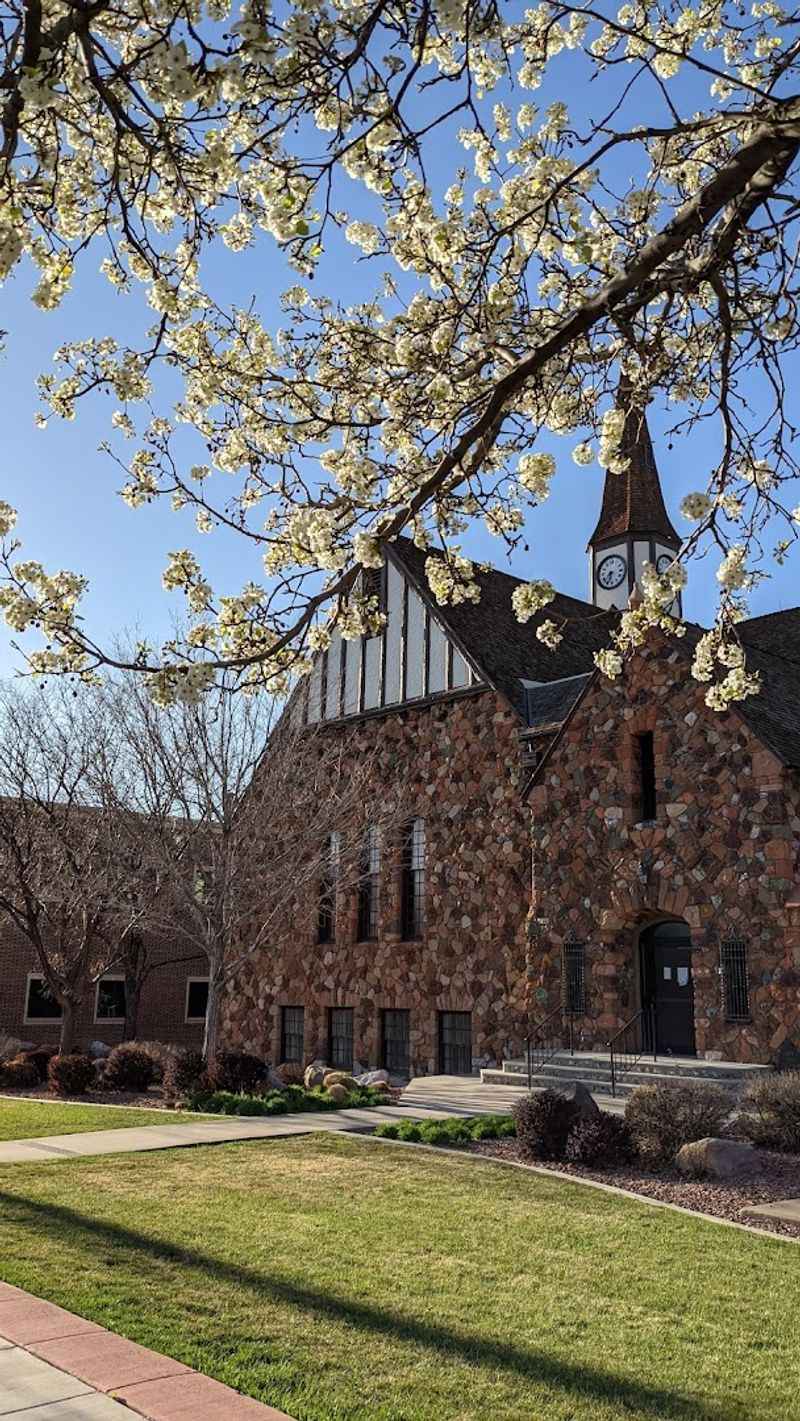
Cedar City has built a reputation as a cultural hub in southern Utah, and it earns that title without any apparent effort. The Utah Shakespeare Festival, held each summer, draws theater lovers from across the country to a town that otherwise moves at a genuinely comfortable pace.
Walking the historic downtown feels like discovering a small city that got everything quietly right.
The Cedar City Visitor Center at 581 North Main Street is a good anchor point. From there, you’re within easy reach of Brian Head for skiing or cool summer hiking, Cedar Breaks National Monument for jaw-dropping canyon views, and the gateway to Zion and Bryce Canyon if you want to extend the trip.
The elevation keeps summer temperatures reasonable when the rest of southern Utah is baking.
Museums here are worth your time. The Frontier Homestead State Park Museum covers Utah’s pioneering era with genuine depth, and the Southern Utah Museum of Art offers rotating exhibitions that would feel at home in a much larger city.
Cedar City rewards visitors who combine a cultural evening with a morning outdoors. It’s the kind of town where you arrive for one thing and stay two extra days because you keep finding more reasons to linger.
Moab
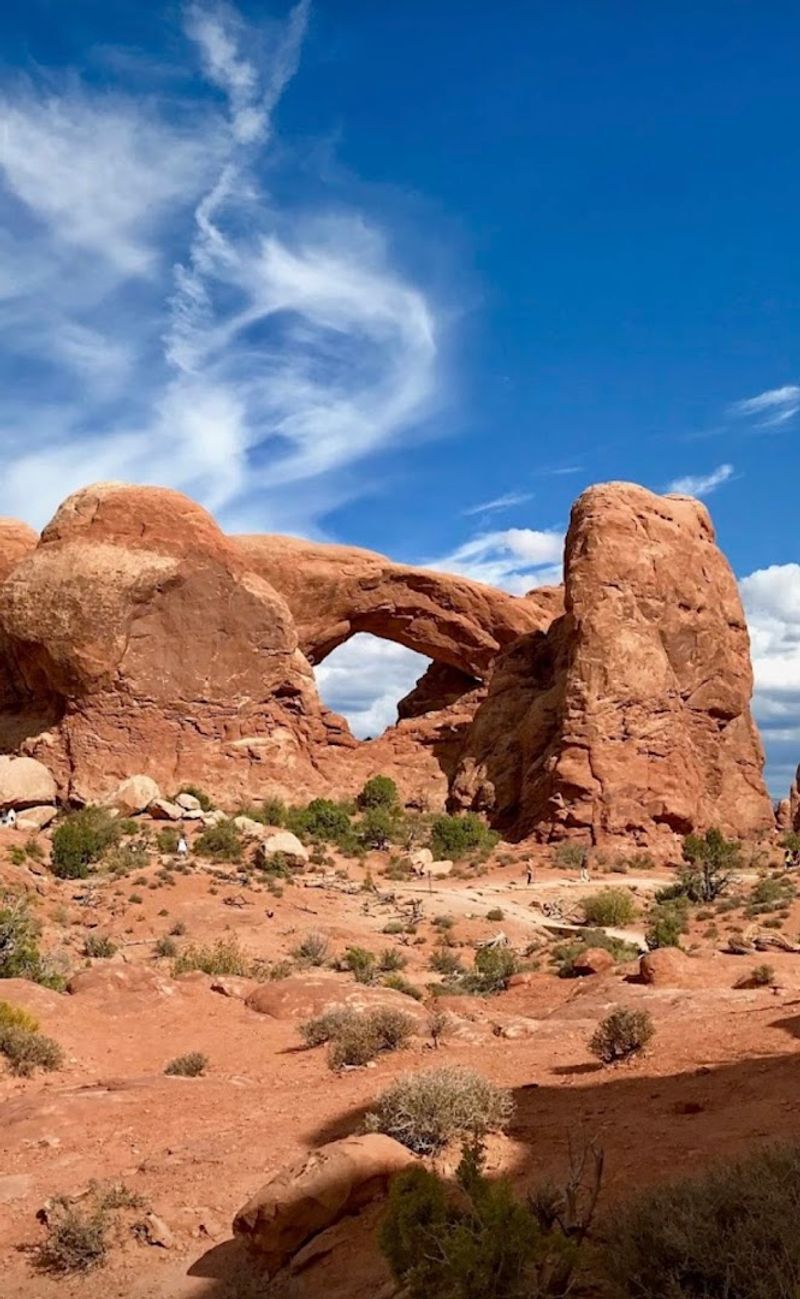
Moab sits in a landscape so dramatic it feels slightly unreal, like the planet decided to show off specifically for this stretch of southeastern Utah. The red rock formations surrounding town are the main event, but Moab itself has grown into a surprisingly complete destination with good food, comfortable lodging, and a community that genuinely enjoys sharing its backyard with visitors.
The Moab Information Center at 25 East Center Street is the most useful single stop for trail maps, road conditions, and ranger advice.
Arches National Park is a short drive from town and delivers on every postcard promise. Canyonlands National Park, split into distinct districts, offers a wilder and less crowded alternative that rewards the extra effort.
Scenic drives like the Colorado River Scenic Byway and the La Sal Mountain Loop give non-hikers an equally memorable experience from the comfort of a car seat.
Rafting the Colorado River is calmer than it sounds for most stretches near Moab, making it accessible for families with older kids. Mountain biking on the Slickrock Trail has a global reputation.
Even a slow morning walk along the Colorado riverbank, coffee in hand, delivers the kind of scenery that makes you wonder why you waited so long to visit.
Torrey and Capitol Reef Country
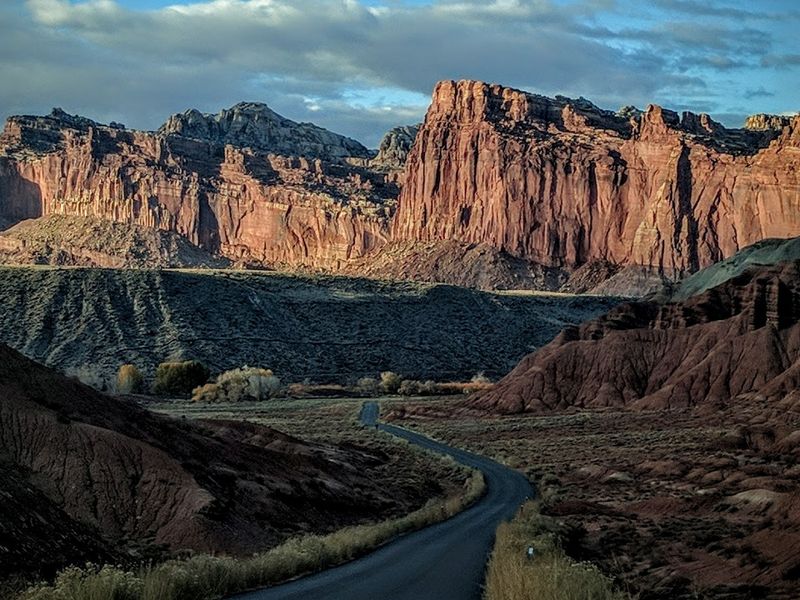
Torrey is the kind of small town that appears almost accidentally at the end of a long scenic drive, and then you realize it was the destination all along. Sitting at the western entrance to Capitol Reef National Park, this tiny community of a few hundred residents offers some of the most honest and unhurried travel experiences in Utah.
The Capitol Reef National Park Visitor Center at 52 Scenic Drive is the starting point for understanding just how much geology and history this landscape contains.
Capitol Reef is still underrated compared to its more famous neighbors, which means you can actually find a quiet trail on a Saturday in June. The Fruita Historic District inside the park features orchards planted by early settlers, and during harvest season visitors are welcome to pick fruit directly from the trees.
That detail alone makes it worth the drive.
Dark skies above Torrey are exceptional. The region sits far enough from major light pollution that the Milky Way appears on clear nights with startling clarity.
Several local lodges and inns cater specifically to stargazers. Combine that with red rock hikes during the day and a meal at one of the small local restaurants, and you have a trip that feels complete without requiring a single crowded moment.
Kanab
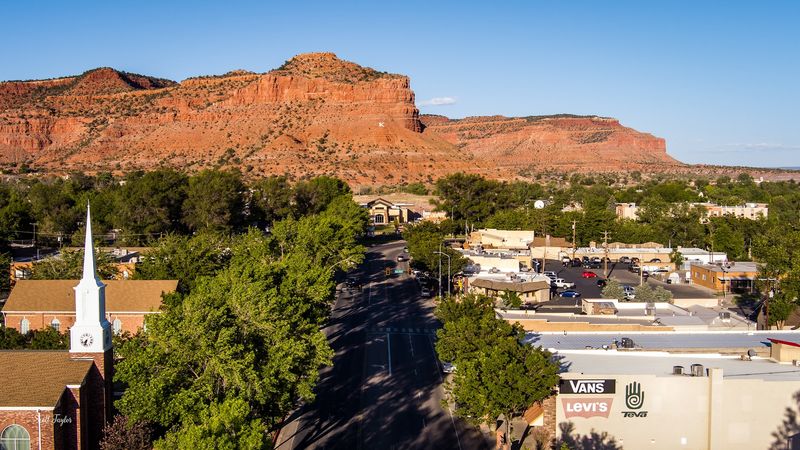
Kanab carries the nickname “Little Hollywood” from its days as a filming location for westerns, and the town wears that identity with relaxed confidence. The streets are wide, the pace is slow, and the surrounding landscape of red cliffs and open desert gives every view the feeling of a movie set you accidentally wandered into.
The BLM Kanab Visitor Center at 745 East Highway 89 covers everything from trail permits to monument road conditions.
Grand Staircase-Escalante National Monument begins practically at the edge of town and offers hundreds of miles of canyon country to explore at whatever level of commitment suits you. The Wave, one of Utah’s most photographed geological formations, requires a permit lottery, but plenty of other nearby formations are equally dramatic without the competition.
Coral Pink Sand Dunes State Park is a short drive away and delivers exactly what the name promises.
What I find most appealing about Kanab is how it functions as a basecamp without feeling like a transit stop. There are good restaurants, locally owned shops, and a growing arts community that gives the town substance beyond its scenery.
Best Friends Animal Sanctuary, one of the largest no-kill shelters in the country, is also located here and welcomes visitors for tours and volunteer opportunities.
Springdale and Zion National Park
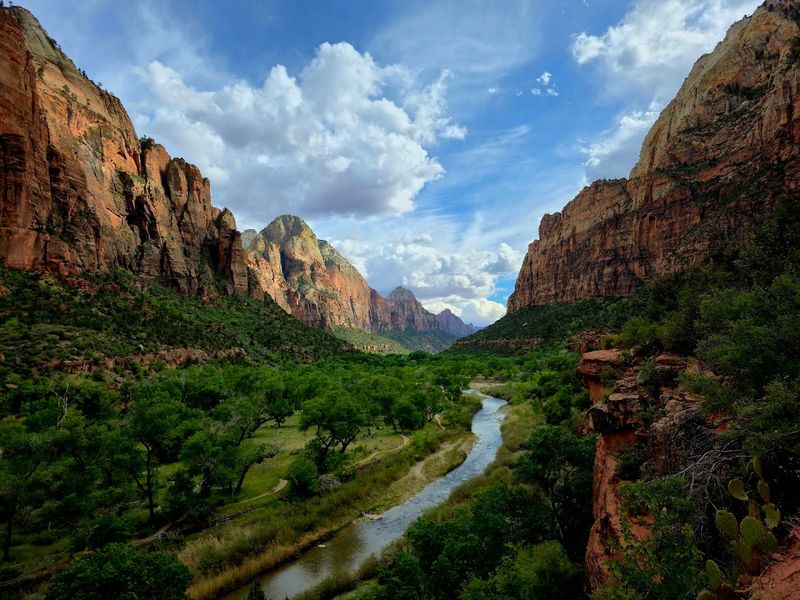
Springdale earns its reputation as one of the most beautifully situated small towns in America, and it does so without trying too hard. The canyon walls of Zion National Park rise directly above the main street, creating a backdrop so dramatic that even a simple errand run feels cinematic.
The Zion Canyon Visitor Center at 1 Zion Park Boulevard is the logical first stop, both for park information and to catch the free shuttle that runs through the canyon.
Zion’s famous trails range from the easy Riverside Walk, which is paved and stroller-friendly, to the demanding Angels Landing summit, which requires a permit and a tolerance for heights. The Narrows, a hike through the Virgin River slot canyon, sits comfortably in between and is genuinely unlike anything else I’ve experienced in a national park.
Rental gear for wading is available right in Springdale.
The town itself deserves more credit than it typically gets. Galleries, quality restaurants, and small shops line the main road, and the energy is warm rather than touristy.
Evenings in Springdale have a particular magic when the canyon walls shift color at sunset. Arriving on a weekday or in shoulder season dramatically improves the experience without sacrificing any of the scenery that makes this place worth the trip.
Escalante
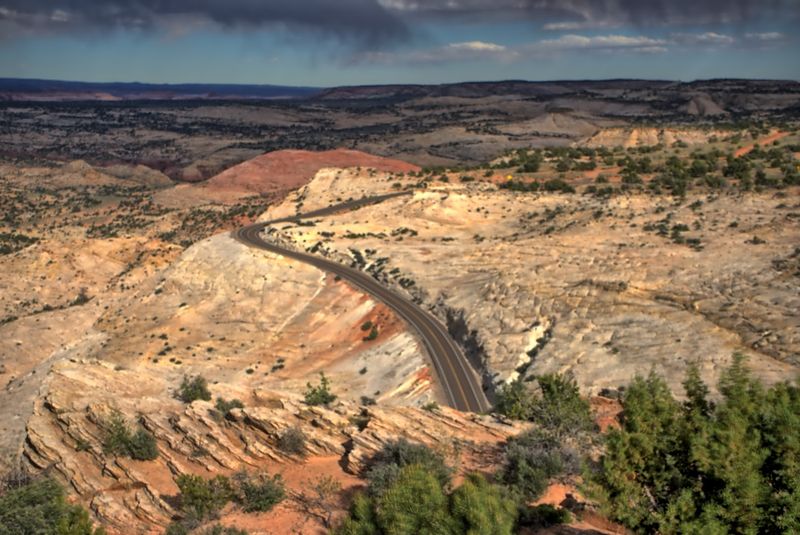
Highway 12 through Escalante is widely considered one of the most scenic drives in the United States, and the town of Escalante sits at the center of it like a quiet punctuation mark in a very dramatic sentence. With a population of fewer than a thousand people, it offers the kind of genuine small-town character that larger destinations spend a lot of money trying to manufacture.
The Escalante Interagency Visitor Center at 755 West Main Street is the hub for monument maps, trail conditions, and geology exhibits that actually make the surrounding landscape more interesting, not less.
Slot canyon hikes in the Grand Staircase-Escalante National Monument are among the most memorable in the state. Coyote Gulch, Peek-a-Boo Gulch, and Spooky Gulch reward hikers with narrow sandstone corridors and natural arches that feel genuinely discovered rather than managed.
None of them require technical skills, just a comfortable pair of shoes and a willingness to squeeze through tight spaces.
Escalante is also a legitimate dark-sky destination. The remote location and minimal development create conditions for stargazing that rival anywhere in the American Southwest.
A slow evening on the edge of town with a clear sky overhead is the kind of experience that stays with you longer than any highlight reel adventure. Come here to be genuinely quiet for a while.
Bluff
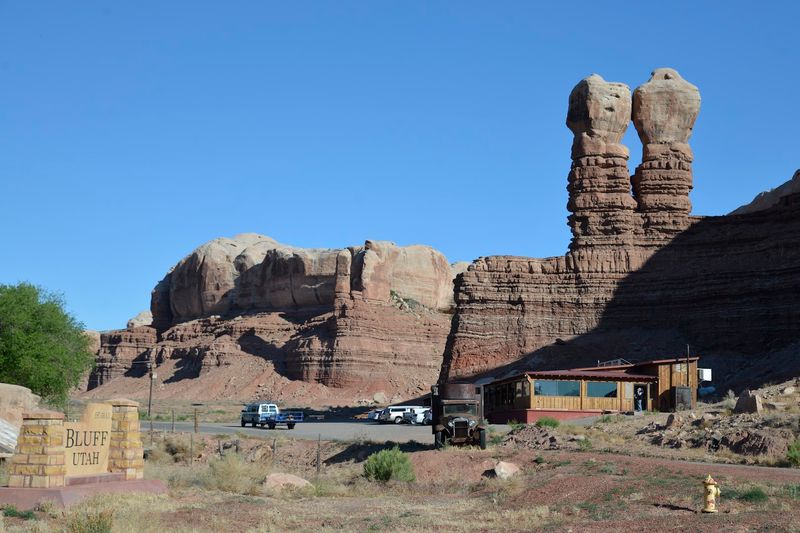
Bluff might be the most underestimated town in Utah, which is saying something in a state full of overlooked gems. Sitting in the southeastern corner near the Four Corners region, this tiny community along the San Juan River is surrounded by some of the most historically layered landscape in North America.
The Bluff Fort Historic Site at 550 East Black Locust Avenue tells the story of the pioneer settlers who made an improbable journey through the canyons to establish this community in 1880.
Bears Ears National Monument, accessible from Bluff, protects thousands of archaeological sites including cliff dwellings and rock art panels that date back centuries. Driving the Valley of the Gods, a free alternative to Monument Valley with similar formations and almost no crowds, is one of those road experiences that makes you pull over every quarter mile.
The San Juan River offers calm-water rafting and kayaking with canyon scenery that barely changes between seasons.
Dark skies in Bluff are exceptional. The town has made a deliberate effort to maintain its low light footprint, and on a clear night the results are extraordinary.
There are few places in Utah where the sense of stillness and scale combine so completely. Bluff rewards travelers who slow down enough to notice what surrounds them, and it gives generously to those who do.