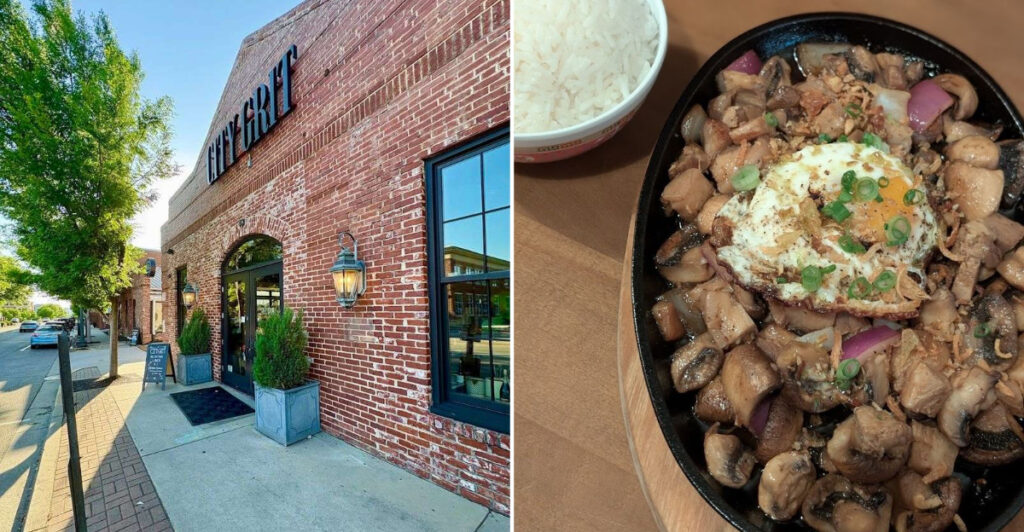
Steam curls, pastry cases glitter, and the best dishes start disappearing fast.
South Carolina restaurants know how to turn limited plates into a little food chase.
Seafood depends on the day’s catch, croissants come with flaky layers. The pasta is handmade.
Everything feels cared for in the way good food should.
The thrill comes from the timing. Arrive too casually, and the dish you had in mind may already be gone, leaving only mild jealousy for whoever ordered sooner.
That is part of the charm, though. These places do not cook like they are feeding a stadium.
They cook with focus and just enough scarcity to make every plate feel a little more exciting.
South Carolina makes that urgency feel delicious, not stressful.
Follow the buzz and trust the counter. Let these kitchens prove why their best dishes never last until closing.
1. Chubby Fish
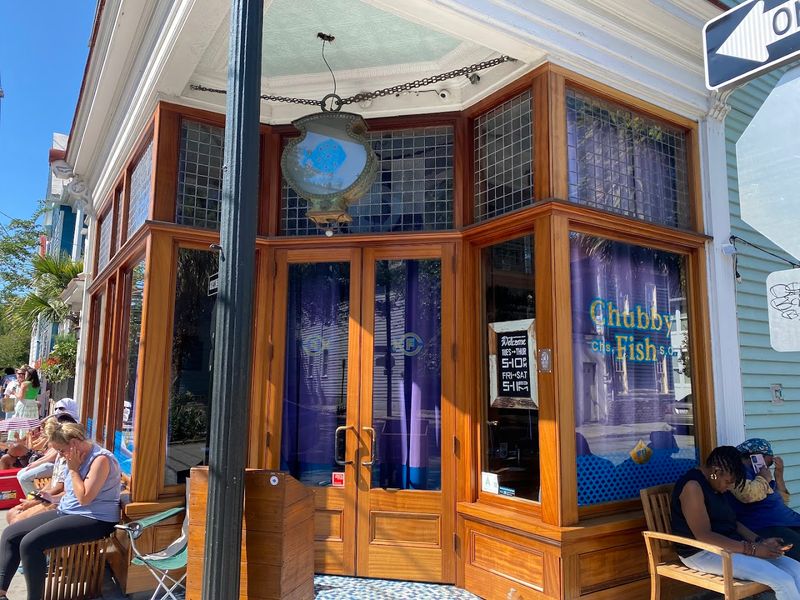
Some restaurants make their menu decisions the night before, and Chubby Fish on Coming Street takes that idea seriously.
The seafood-focused kitchen in Charleston builds its offerings around whatever is freshest that day, which means the menu changes constantly. Located at 252 Coming Street, Charleston, South Carolina, Chubby Fish sources directly from local fishermen and regional suppliers.
The approach is straightforward: if the catch is good, it goes on the menu. If it runs out, that dish is done for the night.
This makes early arrivals a real advantage.
The kitchen prepares whole fish preparations and raw bar selections that shift with availability.
Chubby Fish operates as a smaller, independent restaurant, which limits how much of any one item gets prepared.
Raw oysters, crudo, and market fish entrees are among the items most likely to disappear before closing. The daily fish selection drives the entire experience here.
Chef James London, who founded Chubby Fish, has been recognized by the James Beard Foundation, which adds context to why demand consistently outpaces supply.
Get there early, or you might be choosing from a much shorter list.
2. Weltons Tiny Bakeshop
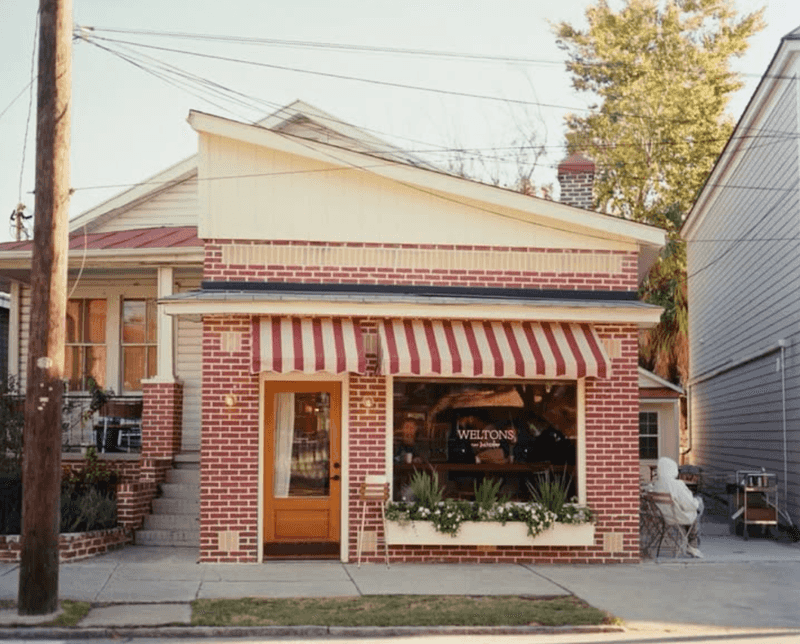
The name says it all, and the size of this bakeshop is not a marketing trick.
Weltons Tiny Bakeshop at 684 King Street, Charleston, South Carolina, is genuinely small, which means production quantities are genuinely small too.
What comes out of the oven each morning is all you are going to get.
Croissants, morning buns, and seasonal pastries are baked fresh daily in limited batches. The bakeshop does not mass-produce.
Once the display case empties, that is the end of the story for the day. Early mornings are the only reliable window to catch everything still available.
Weltons has developed a following for its laminated dough pastries, which require time and skill to make properly.
The process cannot be rushed, and that naturally limits how many come out each day. Sourdough loaves also move quickly and are not always guaranteed to be on hand.
For a shop this compact, the range of baked goods is genuinely impressive. Seasonal specials rotate based on what ingredients are available, adding another layer of unpredictability to each visit.
If a morning bun with orange sugar is on the board when you arrive, order it immediately.
3. Chez Nous
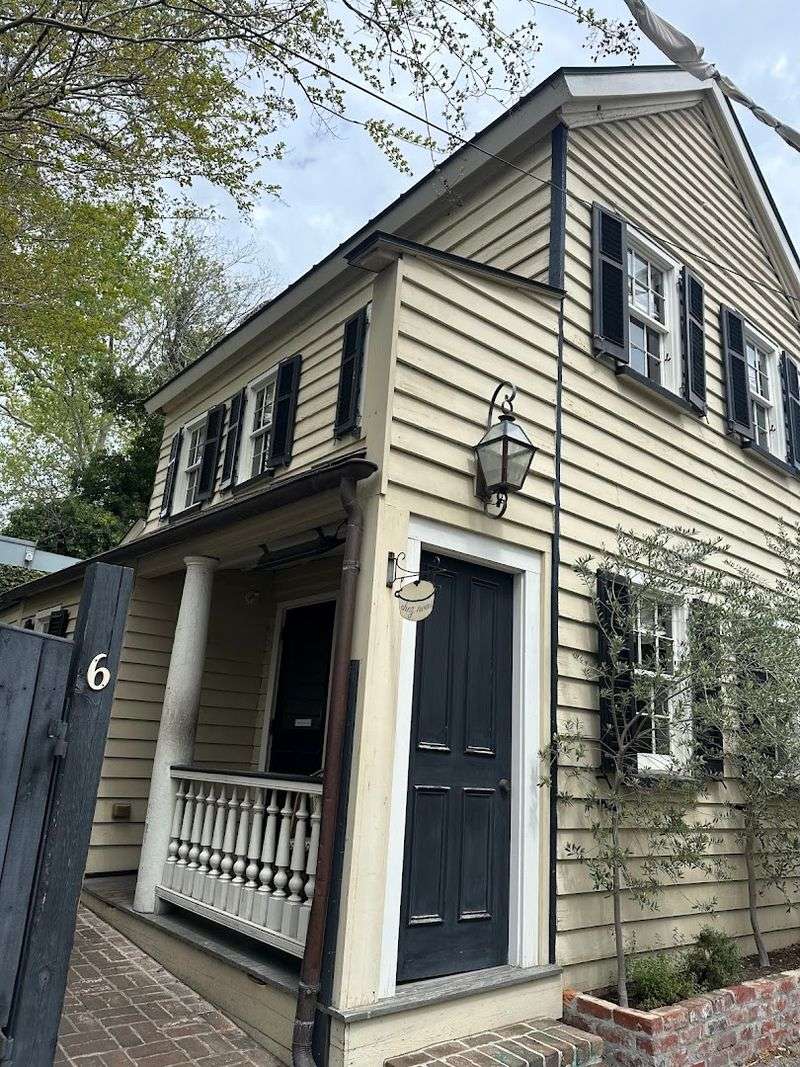
Two appetizers, two entrees, two desserts. That is the entire menu at Chez Nous, and it changes every single day.
This French-inspired restaurant on Payne Court in Charleston operates on a model that most restaurants would consider risky, but it has built a loyal following around exactly that limitation.
At 6 Payne Court, Charleston, South Carolina, Chez Nous prepares a fixed small menu based on seasonal and market-available ingredients.
Because the selection is so narrow, each dish gets maximum attention from the kitchen. Nothing on the menu is an afterthought.
The short menu format also means that if you arrive late and a dish has sold out, your choices drop dramatically.
Reservations are strongly advised, and even then, arriving with an open mind is part of the deal. The menu is not posted in advance, so diners genuinely do not know what they will eat until they sit down.
Chez Nous has been covered by national food publications including Bon Appetit, which noted its unusual format as a defining feature.
Two choices per course sounds limiting until you realize every choice is exceptional. Picking between just two options has never felt so stressful in the best possible way.
4. Merci
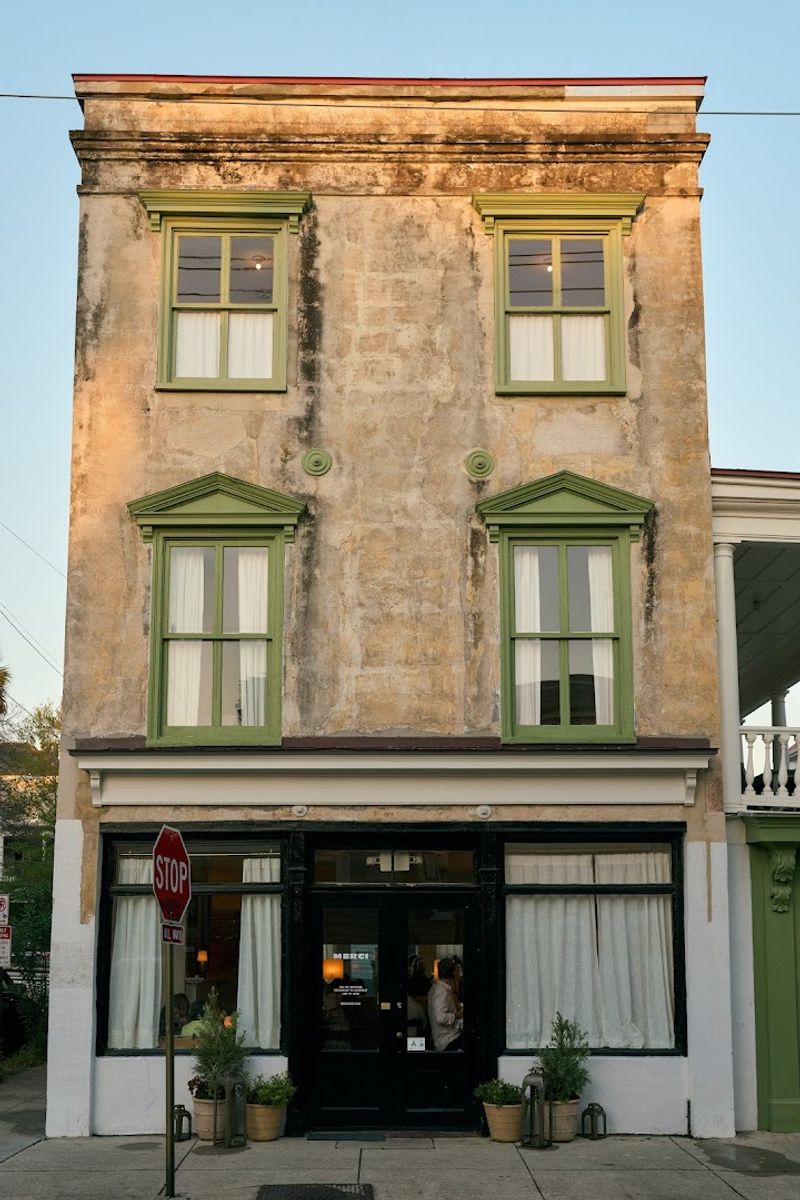
Merci feels like the kind of Charleston cafe where the pastry case deserves your attention before anything else.
The French influence shows up right away, especially in the croissants, tarts, quiches, and tartines that make the counter look almost too tempting to pass by.
The croissants are laminated in-house, which takes real time and care. That also means there is only so much to go around.
Once the morning crowd starts moving through, the best pastries can disappear quickly, and the kitchen is not built around endless backup trays.
The menu has a thoughtful French cafe feel without becoming fussy. Seasonal tarts, savory quiches, and simple, well-made dishes give the place a calm but confident rhythm.
Later in the day, Merci shifts into more of a French bistro mood, with dishes that can change depending on the season and what the kitchen is working with.
The space is compact, which adds to the charm and keeps everything feeling focused. Show up too late, and the pastry case may have already told its whole story.
Merci is located at 28 Pitt Street, Charleston, South Carolina.
5. Kultura
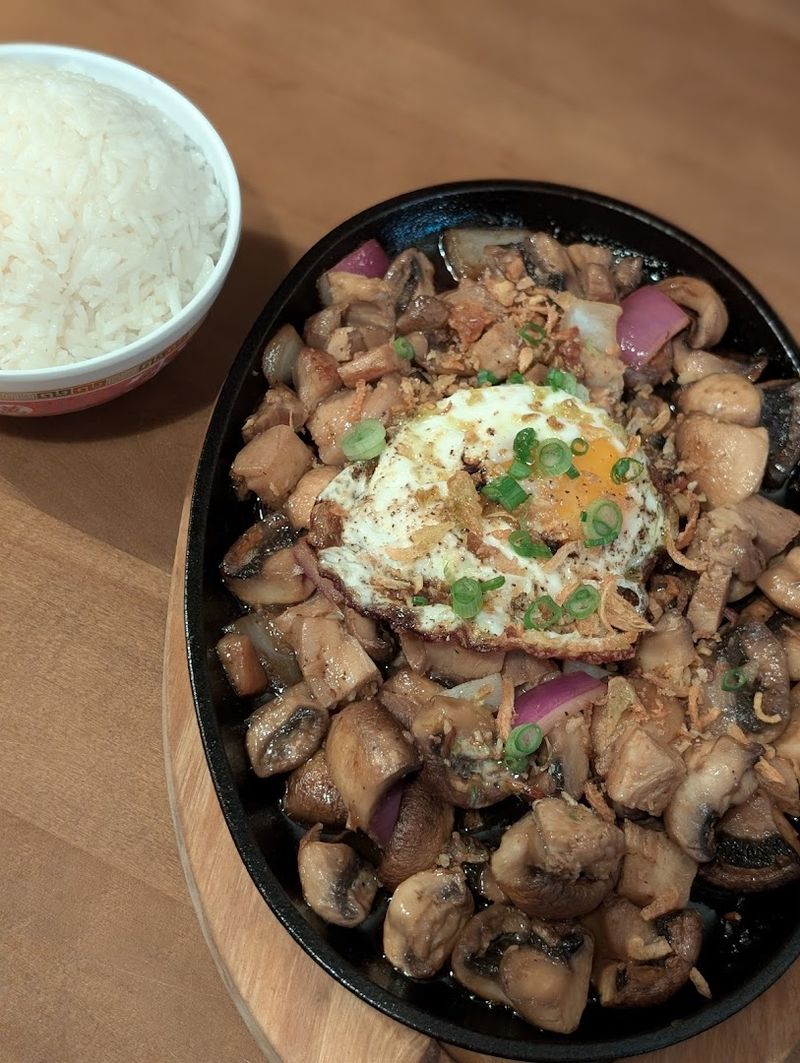
Filipino cuisine is underrepresented in most American cities.
That makes Kultura at 267 Rutledge Avenue Unit C, Charleston, South Carolina, a distinct option in the Charleston dining scene.
The restaurant draws on traditional Filipino flavors and techniques, presenting dishes that many diners in the area are encountering for the first time.
Kultura’s menu includes items like kare-kare, a rich peanut-based stew, and various braised and slow-cooked preparations rooted in Filipino home cooking.
These dishes take significant time to prepare, which naturally limits how many portions are available on any given night. Once a braise runs out, there is no quick replacement.
The restaurant has been noted in local Charleston food media for bringing authentic Filipino cooking to a market that had very little of it.
Chef and owner Nikko Cagalanan has been recognized for his work in making Filipino food more accessible in South Carolina without simplifying it.
Because the cooking is labor-intensive and portion-limited, popular dishes at Kultura can disappear well before the kitchen closes.
The sisig and whole roasted preparations are among the items most likely to sell out on a busy night. Arriving with a plan is smart; arriving early is smarter.
6. FIG
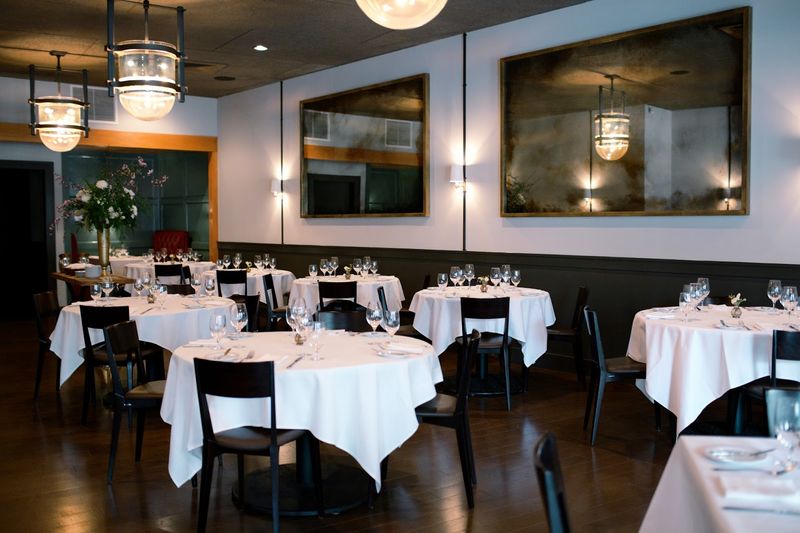
FIG stands for Food Is Good, and the restaurant has been making that case on Meeting Street since 2003.
Chef Mike Lata co-founded FIG with a focus on seasonal Southern ingredients prepared with French technique. The kitchen has maintained that approach for over two decades.
The menu at 232 Meeting Street, Charleston, South Carolina, changes regularly based on what local farms and purveyors have available.
Because FIG builds dishes around specific seasonal ingredients, certain preparations only exist for a short window. When those ingredients run out, the dish comes off the menu entirely.
FIG has won a James Beard Award for Best Chef Southeast, which gives some context to why reservations book up so quickly.
The pasta program and whole animal preparations are among the items most closely tied to daily availability.
The kitchen sources from a network of regional farms, which means supply is tied directly to what those farms produce each week.
A particular vegetable or protein might appear on the menu for just a few days before the supply is gone. FIG does not substitute ingredients to keep a dish on the menu longer than its ingredients allow.
7. CITY GRIT
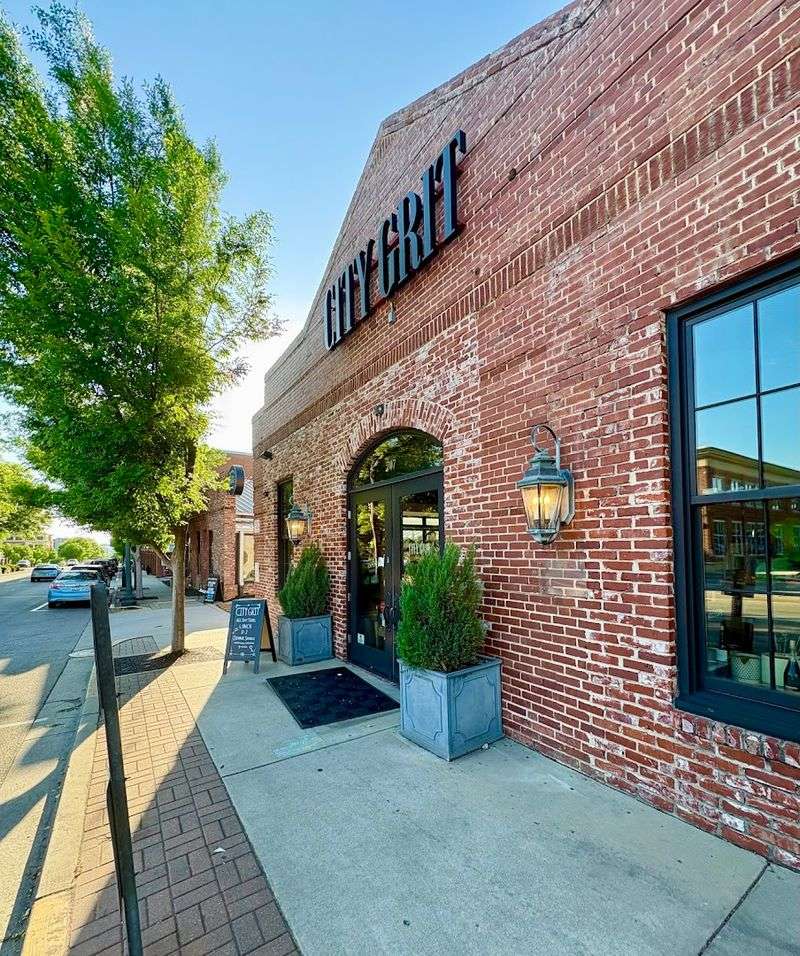
CITY GRIT in Columbia operates differently from a standard restaurant, which explains a lot about why its best dishes disappear so fast.
Because each event has a fixed guest list and a fixed menu, food is prepared in exact quantities.
Located at 707 Gervais Street, Columbia, South Carolina, CITY GRIT functions as a culinary social club and event-driven dining space.
The menus are built around specific dinners and guest chefs.
There is no buffer stock sitting in the back. When the portions for an evening are served, that is the complete run for that menu.
Tickets to events sell in advance, and popular dinners book out before the event even arrives.
The format brings in chefs from across the country for collaborative dinners, which means the food on any given night might reflect a cuisine or technique that has never appeared at CITY GRIT before. That unpredictability is a core part of the concept.
Sarah Simmons founded CITY GRIT with the idea of making high-quality, chef-driven dining accessible in Columbia.
The rotating nature of the programming means no two visits are the same. If a particular guest chef dinner sells out before you get a ticket, that exact meal will not happen again.
8. Basic Kitchen
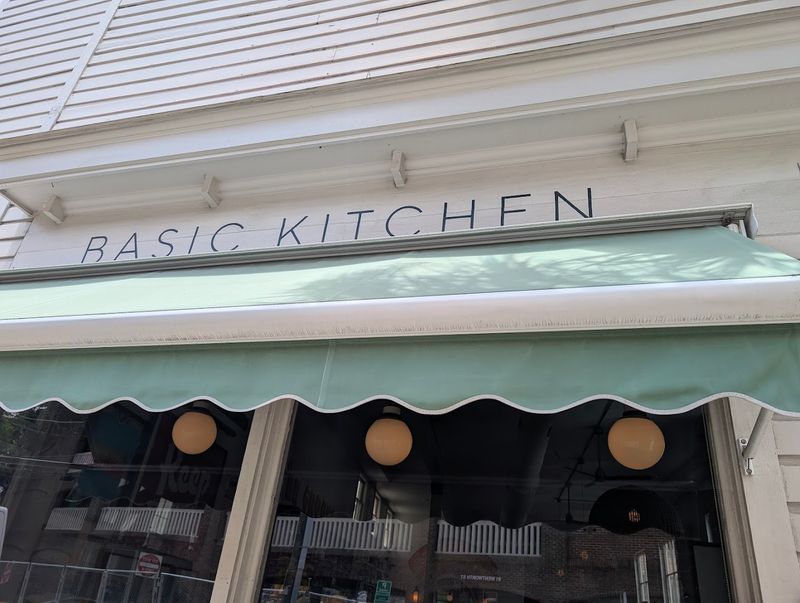
Do not let the name fool you. Basic Kitchen runs a menu built around fresh, whole ingredients that shift with the seasons, and the most popular bowls and plates sell out faster than the name might suggest.
The kitchen leans into plant-forward cooking without making it a strict rule.
Grain bowls, roasted vegetable plates, and protein-focused entrees make up the core of the menu.
Seasonal specials rotate based on ingredient availability, and those limited items tend to be the first to go.
The kitchen does not stockpile ingredients, so when a seasonal component runs out, the dish comes off the board.
Basic Kitchen at 82 Wentworth Street, Charleston, South Carolina, has been recognized in Charleston food coverage for offering a health-conscious menu that does not sacrifice flavor for the sake of being virtuous.
The smoothie and juice program also draws steady demand throughout the day, with certain blends available only while supply lasts.
The Wentworth Street location keeps the operation focused and the menu manageable.
Lunch service sees heavy traffic, which means afternoon visitors often find a shorter selection than morning arrivals.
The roasted cauliflower and grain bowl combinations are among the items most likely to disappear before the day ends. Arriving mid-morning gives you the best shot at the full menu.
9. Melfi’s
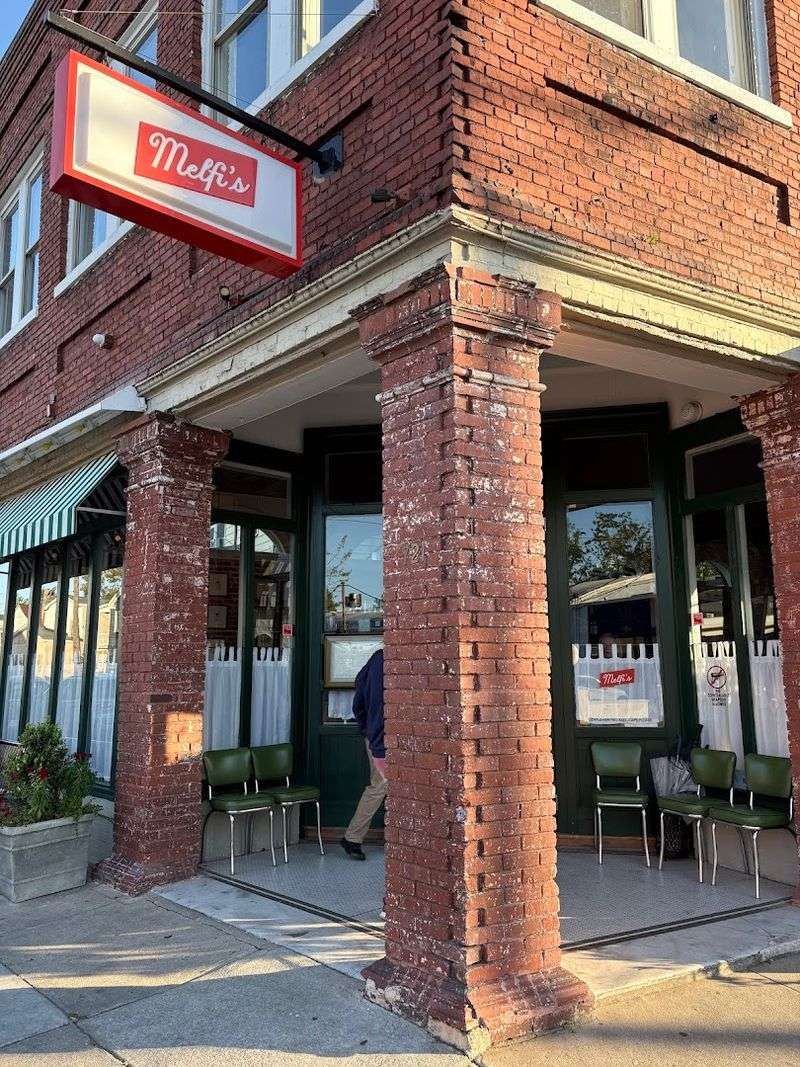
Melfi’s brings a specific kind of Italian-American cooking to King Street that draws more from red-sauce tradition than from modern Italian fine dining.
The restaurant focuses on handmade pasta, antipasto, and dishes rooted in the kind of Italian cooking that prioritizes comfort and technique equally.
The pasta program is made fresh in-house, which limits daily quantities. Handmade pasta takes time, and Melfi’s does not produce unlimited amounts of it.
Specific shapes and sauces sell out on busy nights, leaving later diners with fewer options from that section of the menu.
Melfi’s is operated by the same team behind FIG, which brings a similar philosophy about sourcing and preparation to an entirely different cuisine.
The kitchen uses quality imported Italian ingredients alongside local products, keeping the menu grounded in authenticity without being rigid about it.
The antipasto selections and whole roasted preparations also move quickly, particularly on weekend evenings when King Street sees its highest foot traffic.
Melfi’s has been covered by Charleston food media for successfully filling a gap in the city’s Italian dining options.
Order the pasta early in the meal, because by the time dessert arrives, the handmade shapes you wanted might already be gone.
If you want to try and get a table, you can do it at 721 King Street, Charleston, South Carolina.
10. The Obstinate Daughter
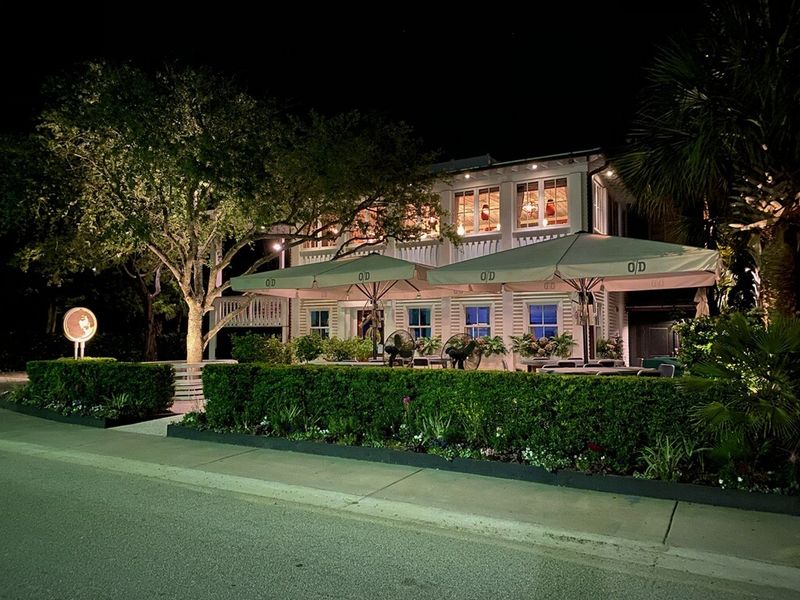
Sullivan’s Island is a small barrier island outside Charleston, and The Obstinate Daughter sits right in the middle of it on Middle Street.
The restaurant is known for its wood-fired preparations, house-made pasta, and a menu that takes its coastal location seriously without being a seafood shack.
At 2063 Middle Street, Sullivan’s Island, South Carolina, the kitchen produces wood-fired pizzas with house-made dough and seasonal toppings that change based on availability.
The pizza program is one of the most discussed elements of the menu, and specific topping combinations sell through quickly on busy nights.
When a topping ingredient runs out, the pizza comes off the board.
The Obstinate Daughter also runs a pasta program made fresh in-house, which follows the same supply logic as the pizza.
Daily quantities are set, and once those portions are served, that dish is finished for the evening. The restaurant has been covered by regional food publications including Garden and Gun magazine for its approach to coastal Southern cooking.
Getting to Sullivan’s Island requires crossing a bridge, which means diners are making a deliberate trip rather than a spontaneous stop. That commitment makes it even more frustrating when a dish sells out.
Arriving before peak dinner service is the only reliable way to see the full menu.