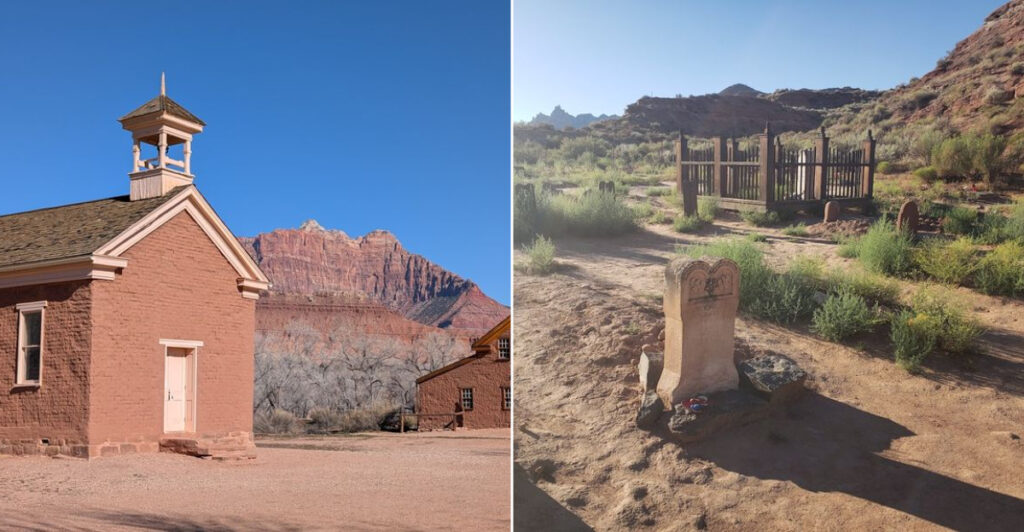
Some detours feel less like a stop and more like a door left open by history. In southern Utah, red-rock country can make the modern world feel strangely far away, especially when a dusty side road leads to weathered buildings, quiet ruins, and cliffs that seem to be standing guard.
This once-settled frontier outpost began in 1859, faced repeated flooding, and eventually slipped into silence, leaving behind the kind of place that makes visitors lower their voices without knowing why. It is not polished, loud, or built for a quick photo and exit.
Its power comes from the stillness, the rough textures, the desert light, and the feeling that real lives once unfolded here. That is what makes Utah’s forgotten corners so compelling: they do not perform for travelers, they simply wait, letting the past feel close enough to touch.
Where The Dirt Road Becomes The Point
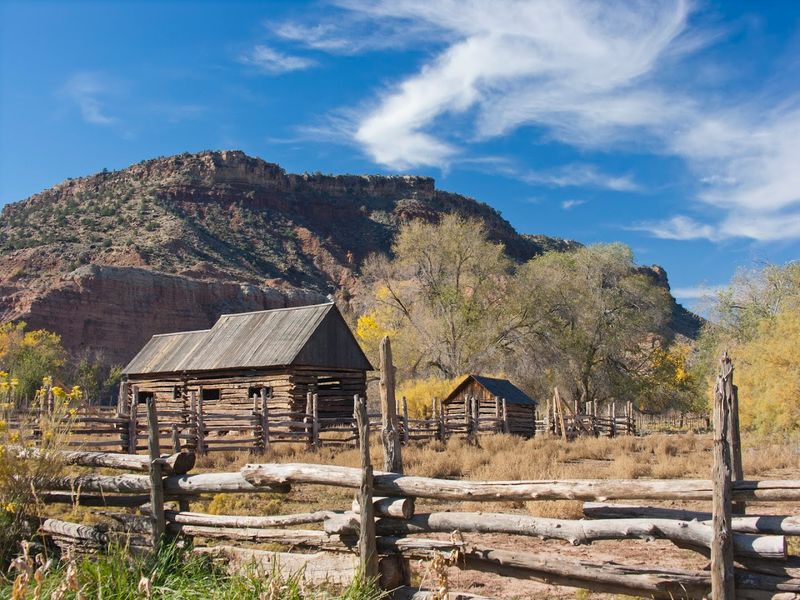
Most great detours announce themselves with a sign. Grafton Ghost Town announces itself with a dirt road, and that is honestly the better introduction.
Located just off Grafton Road near Rockville, UT 84763, the site sits roughly 20 minutes from Springdale down a quiet, unpaved stretch that filters out anyone who showed up expecting convenience.
That road is doing real work here. It sets the tone before you even arrive, trading the polished Zion National Park corridor for something quieter and considerably dustier.
Visitors who have made the drive consistently note that the rough approach actually adds to the experience rather than subtracting from it.
The dirt section is less than a mile, and standard vehicles handle it without drama. No tickets, no entrance booth, no ranger waiting to hand you a map.
You simply arrive, park, and start walking into a place that stopped keeping up with the calendar sometime in the mid-1900s.
Pro Tip: Stop at a gas station before the turnoff. There are no restroom facilities at the site, and the cliffs are not offering any privacy either.
A Pioneer Cemetery That Stops You Cold
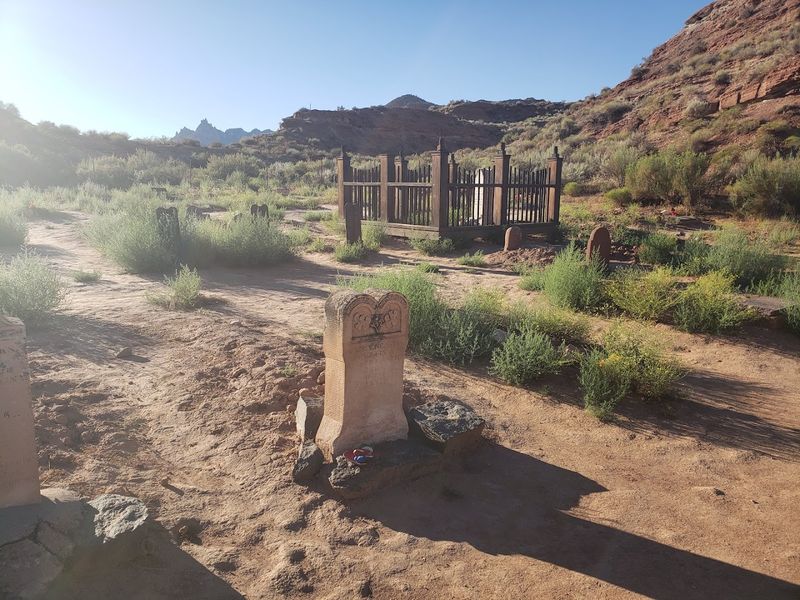
Before you even reach the main buildings at Grafton, the cemetery appears on your left, and it has a way of slowing everyone’s pace immediately. The headstones are weathered and plain, carved with names and dates that cluster uncomfortably close together, both in time and in age.
Reading them is a fast, quiet education in how unforgiving frontier life actually was.
Visitors leave coins and small offerings on the graves, a tradition that has developed organically over the years. Nobody organized it.
Nobody put up a sign encouraging it. People just started doing it, and now it continues, which says something worth considering about how a place can earn its own kind of respect.
The informational signs nearby fill in the harder details, explaining causes of death and the circumstances that brought these families here in the first place. It is not grim so much as honest, which is rarer than it sounds.
Why It Matters: The cemetery visit takes only a few minutes but reframes everything else you see at Grafton. Walking the buildings afterward feels different once you have read the names of the people who actually lived inside them.
Adobe Walls And The Stories Pressed Into Them
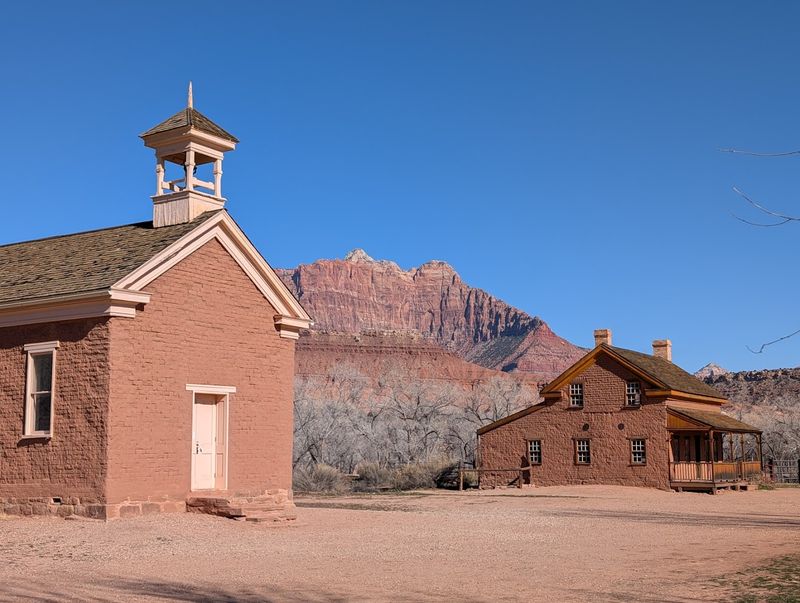
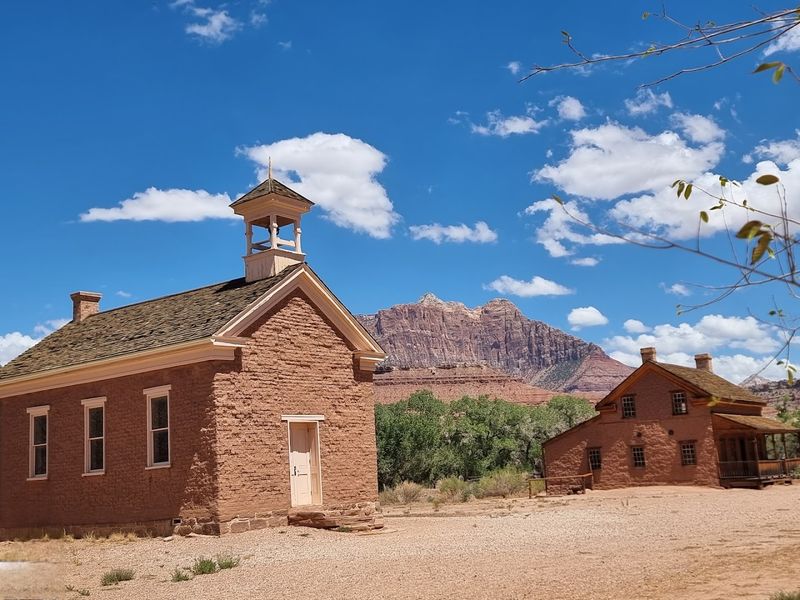
The buildings at Grafton are the kind of structures that make architects quietly nervous and historians quietly delighted. The old schoolhouse and church, built from adobe and brick, have survived decades of neglect, flooding, and Utah weather with considerably more dignity than most things built in the 1800s had any right to expect.
Restoration work has been done thoughtfully, preserving the look without turning the place into a theme park version of itself. Informational signs inside the larger house walk visitors through the history of the site and the families connected to it, which is useful because you are otherwise entirely on your own here.
No guided tours, no audio devices, no staff hovering nearby.
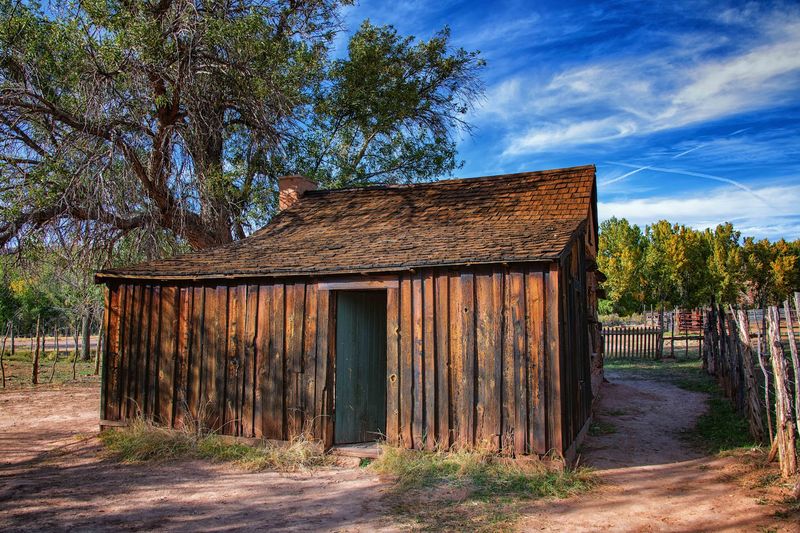
The church building is typically locked, but a photograph posted on the door shows the interior so that curious visitors are not left entirely without answers. A few of the outbuildings are accessible, though the floors in some structures deserve a careful step rather than a confident stride.
Insider Tip: The grapevines, fruit trees, and livestock pen area surrounding the property are original plantings from the homestead era, giving the grounds an unexpectedly alive quality for a place that has been empty for generations.
The Zion Backdrop That Makes Every Photo Ridiculous
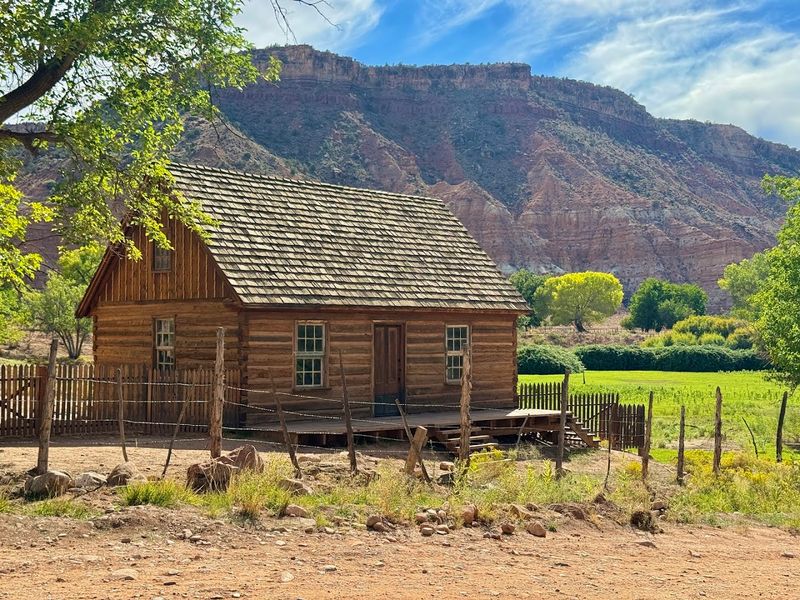
Here is the thing about photographing Grafton: the scenery does most of the work for you. The red Zion cliffs rise directly behind the old buildings in a way that looks almost aggressively composed, as if someone planned the whole arrangement with a camera in mind roughly 150 years before cameras became something everyone carried in their pocket.
Morning light hits the canyon walls with particular intensity, which is a reasonable argument for arriving early. Afternoon visits are fine too, though the light shifts and the shadows lengthen in ways that make the buildings look even more weathered than they already are.
Either way, you will leave with images that look like they required significantly more effort than a 20-minute drive down a dirt road.
Visitors consistently mention the scenery as one of the strongest elements of the stop, even those who arrived primarily for the history. The combination of crumbling pioneer structures and enormous geological drama is genuinely hard to replicate anywhere else on the route.
Best For: Photographers, families who want a memorable backdrop for group shots, and anyone who enjoys standing in a place that looks like it was art-directed by the landscape itself.
Butch Cassidy Slept Here, Sort Of
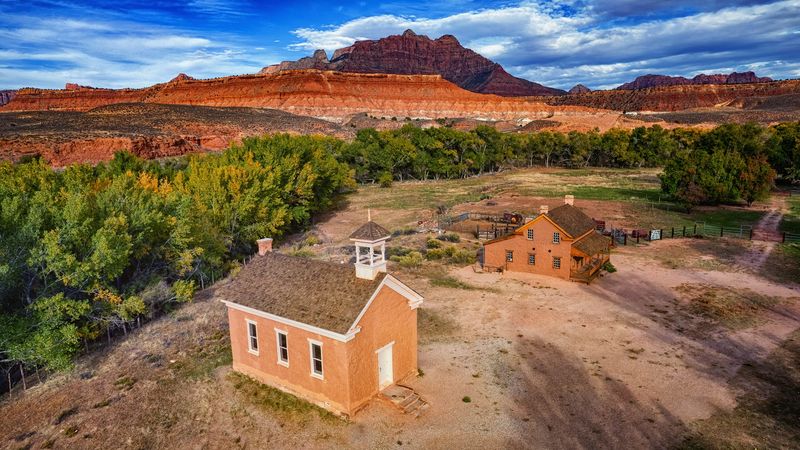
If the pioneer history does not immediately grab you, perhaps a 1969 Hollywood classic will help. The main house and church at Grafton served as filming locations for Butch Cassidy and the Sundance Kid, including the memorable bicycle scene set to Raindrops Keep Fallin on My Head.
Standing in the same spot where that scene was filmed is a genuinely odd, enjoyable sensation.
Some visitors have even encountered relatives of the original property owners during their visit, which adds a layer of living history that no amount of signage can fully replicate. The connection between the film and the location is well-documented and frequently mentioned by people who make the trip, often with a level of enthusiasm that suggests they were not expecting the pop culture bonus.
The site is free to visit, though a small donation is encouraged to support ongoing preservation efforts. Given that the Grafton Heritage organization maintains the buildings and grounds to a genuinely impressive standard, the donation box deserves a couple of dollars without much debate.
Fun Fact: The bicycle scene from Butch Cassidy and the Sundance Kid was filmed at Grafton, making this one of the more quietly famous filming locations in Southern Utah road trip history.
Half An Hour Well Spent Before Zion Gets Crowded
Grafton works beautifully as a pre-Zion warm-up or a post-Zion exhale, depending on which direction your road trip is running. The site is open 24 hours a day, every day, which means early risers can arrive before the Zion crowds have fully assembled and enjoy the place in something approaching actual quiet.
Thirty minutes is genuinely enough time to walk the full site without rushing.
Families with kids find the open layout easy to manage, with no tight corridors or crowded interiors to navigate. Couples who want a slower, more reflective stop will find that Grafton rewards that pace without demanding it.
Solo travelers with a camera and a mild interest in history will likely stay longer than they planned.
The self-guided format means you set your own rhythm entirely. Nobody is moving you along, nobody is waiting for the tour to start, and nobody is going to look at you sideways if you spend ten minutes reading every informational plaque in the big house.
Planning Advice: Pair the Grafton stop with a short stroll through nearby Rockville on your way back to the main road. It is a small-town moment that adds almost no time to your schedule and a reasonable amount of atmosphere to your afternoon.
The Detour That Earns Its Place On The Map
Some road trip stops exist because they are famous. Others exist because they are convenient.
Grafton Ghost Town exists because it is genuinely worth the small effort it takes to reach it, which is a rarer quality than the travel internet would have you believe. The combination of preserved pioneer buildings, a poignant cemetery, a Hollywood footnote, and one of the more dramatic natural backdrops in Southern Utah adds up to something that holds its own weight.
The site is maintained by the Grafton Heritage organization, and the care is visible in the condition of the buildings and the quality of the informational materials throughout the grounds. This is not a place that coasted on its history and hoped nobody would notice the peeling paint.
Real preservation work has happened here, and it shows.
For anyone driving a Southern Utah loop that includes Zion National Park, skipping Grafton would be the kind of decision you mention later with mild regret at a dinner table. It asks for half an hour and a little dust on your tires, and it pays back considerably more than that.
Quick Verdict: Free, self-guided, open daily, and located 20 minutes from Springdale. Grafton Ghost Town is the kind of stop that makes the whole road trip feel like it was planned by someone who actually knew what they were doing.