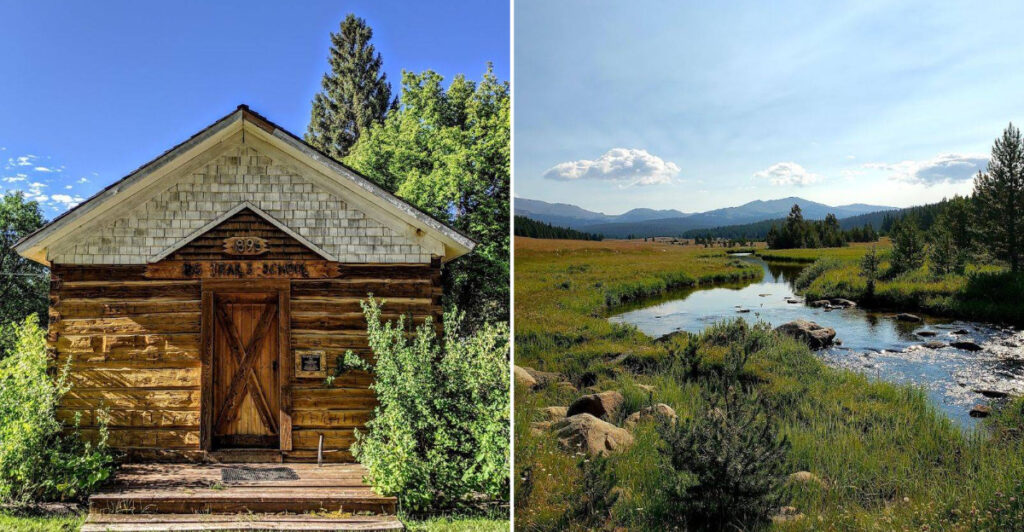
“From the rims, the canyon seems oceanic; at the surface of the river the feeling is intimate”, Barry Lopez wrote.
This canyon town seems to have taken his books personally and lowered its voice.
Wyoming gives the whole scene a hush so big even the echoes appear to check their volume before answering back.
The view is open skies and a main street that moves at the speed of a porch chair with excellent manners.
The tease is simple: a curious name and small-town stillness that makes a regular drive feel like a discovery.
Wyoming keeps the mood slow and wonderfully unbothered. It has just enough magic to make a detour sound like the smartest idea all day!
How The Town Got Its Name
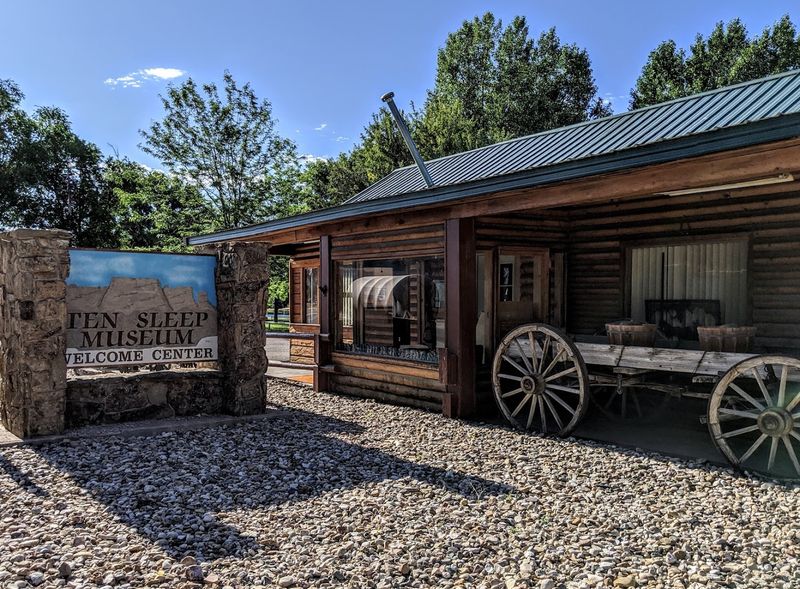
The name “Ten Sleep” sounds like something a poet made up, but the origin is far more practical and rooted in Native American travel culture.
Indigenous peoples of the region measured long journeys by the number of nights, or “sleeps,” required to travel between key landmarks.
Ten Sleep sat roughly ten sleeps away from two major destinations: Fort Laramie to the southeast and the Stillwater Agency to the northwest.
That made this spot a recognized waypoint on the mental map of the plains.
The name stuck, passed from oral tradition into local usage, and eventually onto official maps as settlers arrived in the area.
Wyoming has plenty of towns with forgettable names, but Ten Sleep carries its history right in the title.
Every time someone asks where you are headed and you say “Ten Sleep,” the name itself tells a story about distance, movement, and the rhythm of life before roads and engines.
It is a rare kind of place-name that doubles as a history lesson without trying too hard.
Ten Sleep Saloon And Steakhouse
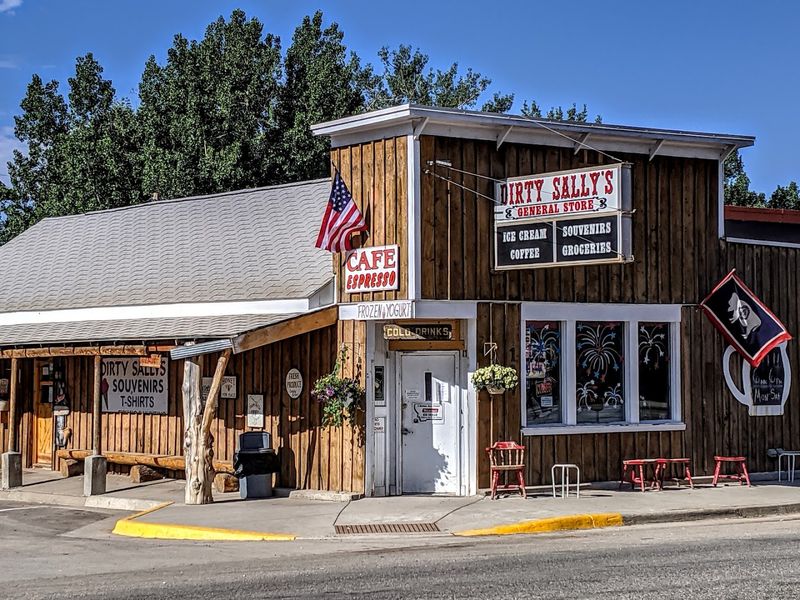
Every small town in Wyoming has at least one place where locals actually gather.
In Ten Sleep, that place is the Ten Sleep Saloon and Steakhouse at 211 2nd St.
The building carries the kind of character that only comes from years of real use. Worn wood, familiar faces, and the smell of something good cooking in the back.
It is the social center of a town that does not need much to feel complete.
The menu leans heavily into hearty, Western-style cooking. Steaks are the obvious draw, and the portions reflect the appetite of people who spend their days outdoors rather than behind a desk.
For visitors passing through on a road trip or a climbing excursion, this is the kind of stop that turns a quick refuel into an actual memory.
You sit down, order something filling, and suddenly understand why people choose to live somewhere this small.
The pace is unhurried. The food is straightforward and honest.
And the conversations you overhear at the next table are usually more interesting than anything on a phone screen.
Vista Park And The Heart Of Town
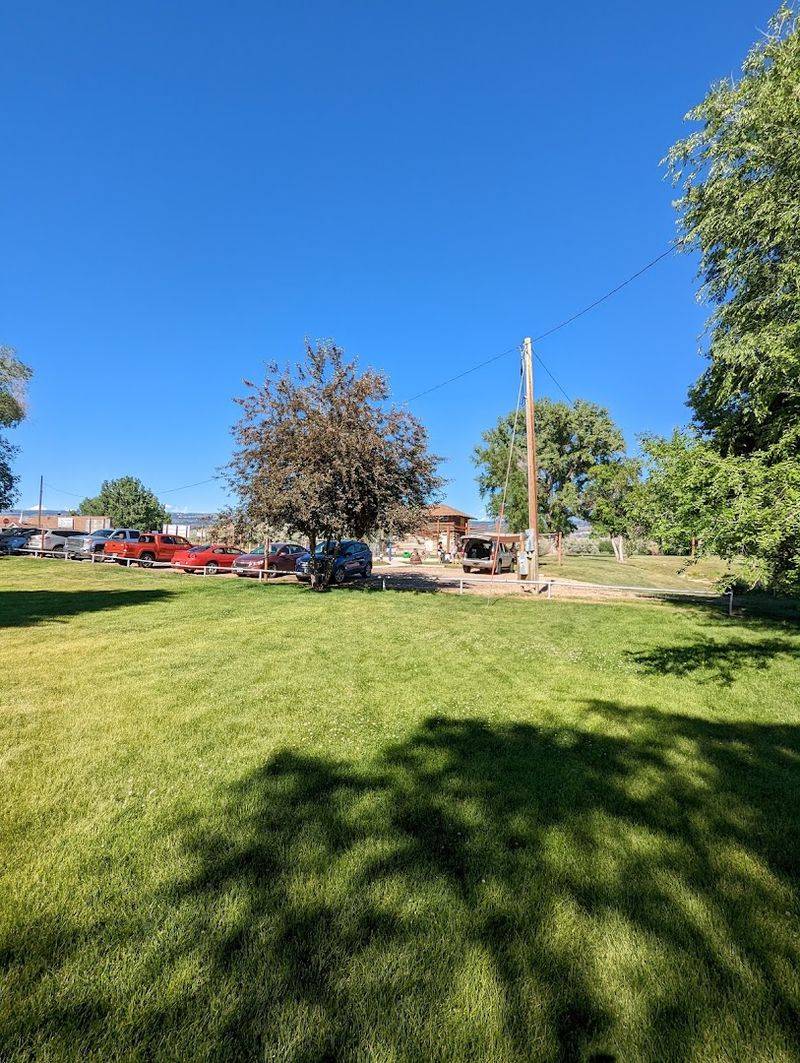
Vista Park at 450 2nd St is the kind of place that does not announce itself loudly. It sits quietly along the main street, offering a patch of green space in a town that is otherwise surrounded by rugged, sun-baked terrain.
The park works as a natural gathering point for residents and a welcome rest stop for travelers who need a moment to stretch and breathe.
Benches, open space, and the kind of stillness that makes you put your phone away without even thinking about it.
What makes Vista Park genuinely interesting is its setting. The Bighorn Mountain foothills frame the view in every direction.
You are not just sitting in a park; you are sitting inside a landscape that most people only see on postcards.
Wyoming does not do things halfway when it comes to scenery, and even a modest town park reflects that generosity.
Kids play, dogs wander, and older residents sit in the shade doing absolutely nothing at impressive speed.
It is the kind of low-key spot that reminds you that not every great travel moment requires a ticket or a trail map.
Ten Sleep Canyon And The Drive That Earns Its Name
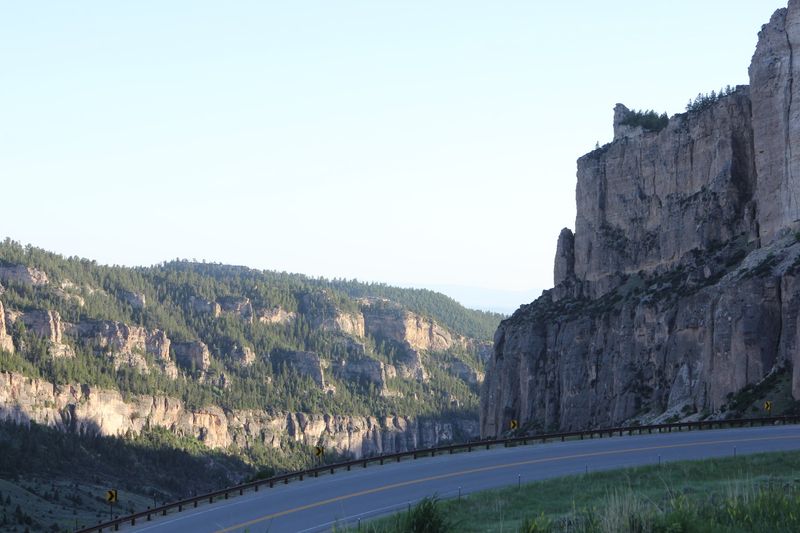
Pull onto US Highway 16 east of town and the landscape shifts fast. Ten Sleep Canyon opens up around you like something from a geology textbook that forgot to stay boring.
Towering limestone and sandstone walls rise on both sides of the road. The colors shift from pale cream to deep rust depending on the time of day and the angle of the sun.
The canyon stretches for miles, and the road curves through it in a way that rewards drivers who actually slow down. This is not a place to rush.
Every bend reveals something worth a second look.
Wyoming roads often deliver scenery as a bonus feature, but Ten Sleep Canyon feels like the main event.
The Tensleep Creek runs alongside the highway through much of the canyon, adding the sound of moving water to an already impressive display.
Pullouts along the road give drivers a chance to stop safely and take in the full scale of what surrounds them.
The canyon is accessible year-round, though conditions can vary significantly in winter months, so checking road conditions before a cold-weather visit is a smart move.
Rock Climbing In A World-Class Spot
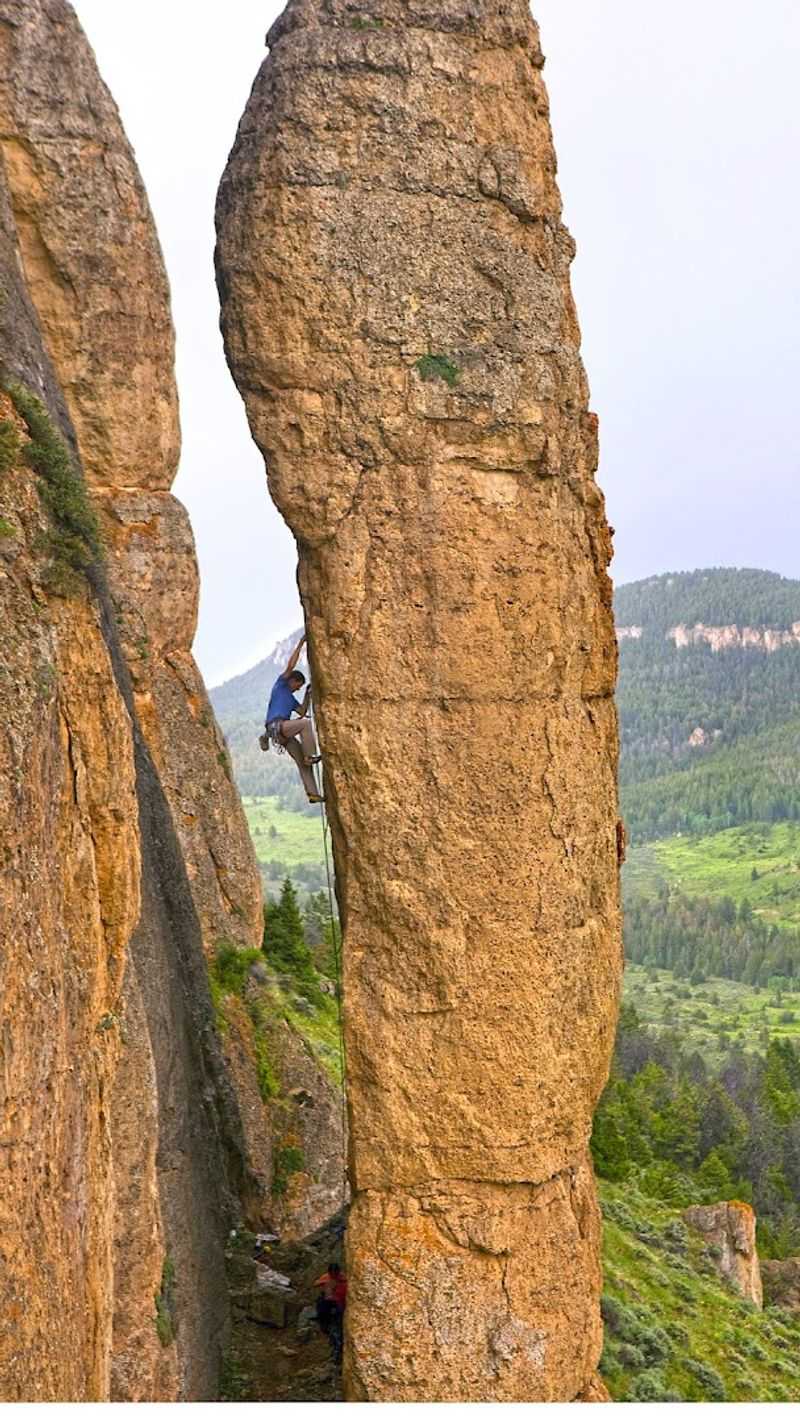
The climbing community discovered Ten Sleep Canyon years ago, and the word has spread steadily ever since.
The limestone walls that make the drive scenic also happen to be exceptional for sport climbing.
Routes range from beginner-friendly to genuinely challenging, which means the canyon draws a wide mix of skill levels.
Families with kids learning to climb show up alongside seasoned athletes tackling multi-pitch routes that demand serious technique.
The rock quality is widely praised among climbers who have visited destinations across the country and beyond.
Pockets, edges, and overhangs give the routes variety and keep experienced climbers coming back for more.
Wyoming is not typically the first state people name when listing top climbing destinations, but Ten Sleep Canyon belongs in that conversation without apology.
The combination of high-quality rock, accessible approaches, and stunning surroundings gives it a reputation that punches well above its remote location.
Climbers often camp nearby and spend multiple days working through the available routes.
The community that gathers here each season is welcoming, low-key, and deeply attached to keeping the area clean and respected.
Tensleep Creek And The Calm It Carries
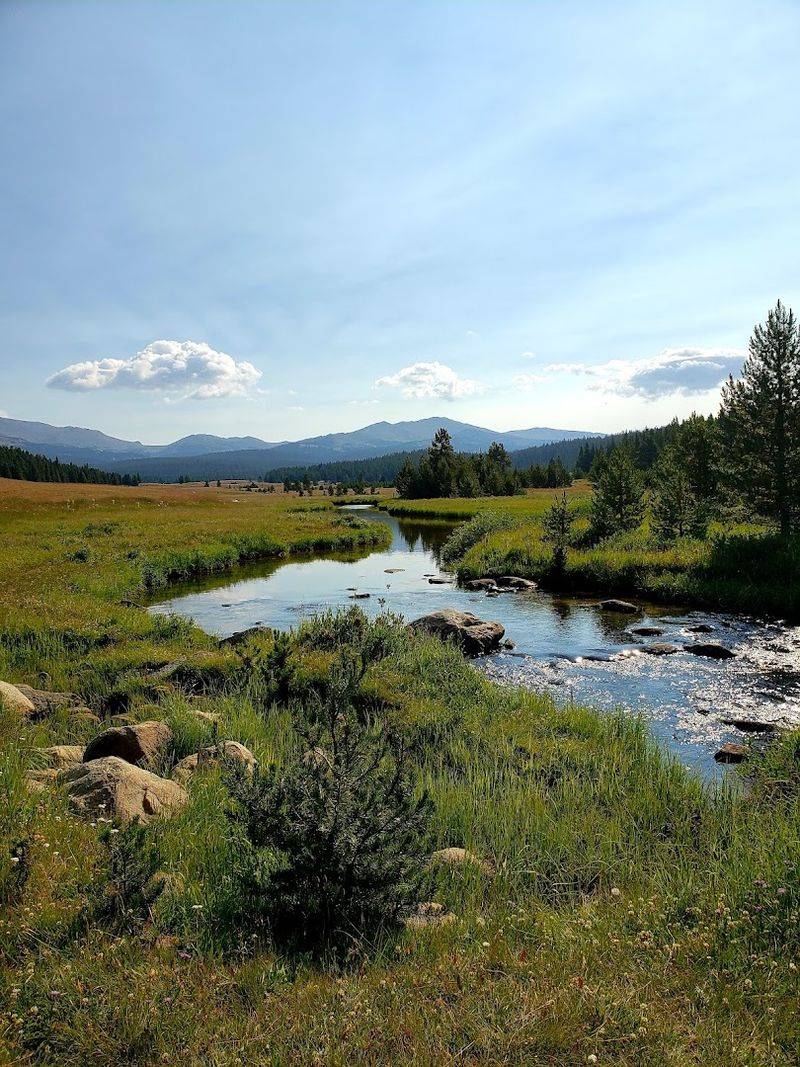
Tensleep Creek moves quietly through the canyon and into town, carrying cold, clear water down from the Bighorn Mountains above. It is the kind of creek that makes people stop mid-sentence just to listen.
Fishing is a popular reason to spend time along the creek.
It offers a genuinely peaceful experience even when the fishing itself is slow. The surroundings do half the work of making the day feel worthwhile.
Beyond fishing, the creek corridor provides habitat for birds, deer, and other wildlife that move through the canyon.
Birdwatchers and casual nature observers find plenty to notice without needing to hike far from the road.
Wyoming waterways like this one often go overlooked in favor of the state’s more famous rivers and lakes, but Tensleep Creek has its own quiet authority.
The sound of moving water against canyon stone is a specific kind of pleasure that does not require explanation.
Even a short walk along the bank offers enough beauty and calm to reset whatever mental clutter a person arrived with.
The creek earns its place in any visit to this part of the state.
The Bighorn National Forest Gateway
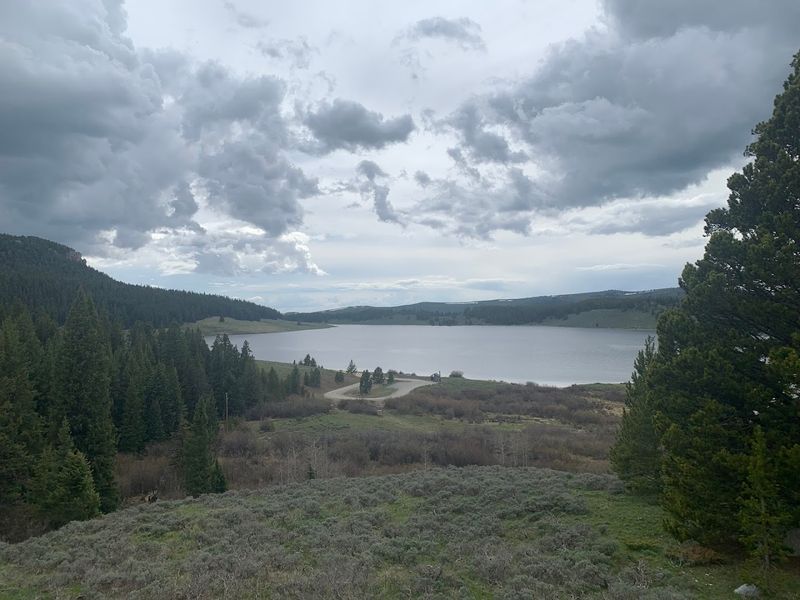
Ten Sleep sits at the western edge of the Bighorn National Forest, which means the forest is not a distant day trip but a literal neighbor. Drive east through the canyon and you climb into it almost immediately.
The forest covers more than a million acres and offers hiking, camping, wildlife watching, and scenery that shifts dramatically with elevation.
The lower canyon walls give way to pine forests, open meadows, and eventually high alpine terrain above the treeline.
Visitors who use Ten Sleep as a base camp for forest exploration find the logistics work out well.
The town provides a place to sleep, eat, and resupply before heading back into the trees the next morning.
Wyoming’s public lands are one of the state’s defining features, and the Bighorn National Forest is among the most accessible and rewarding.
Trails range from easy valley walks to demanding ridge routes that require preparation and proper gear.
Wildlife sightings are common throughout the forest.
Elk, mule deer, black bears, and a wide variety of birds share the landscape with visitors willing to move quietly and pay attention to what is around them.
When To Visit And What To Expect
Timing a visit to Ten Sleep depends largely on what you plan to do once you arrive. Each season brings a different version of the place.
Late spring and early summer bring green along the creek corridor and ideal conditions for climbing, hiking, and camping.
Temperatures are comfortable, crowds are minimal compared to more famous Wyoming destinations, and the light is exceptional in the long evening hours.
Summer peaks bring the highest visitor numbers, though “high” is a relative term in a town of 250 people. Even at its busiest, Ten Sleep retains its characteristic quiet.
The canyon provides a natural buffer against the kind of noise and congestion found elsewhere.
Fall transforms the canyon walls with shifting light and cooler air. Aspens higher up in the Bighorn National Forest turn gold and orange, and the drive through the canyon takes on a completely different mood.
Winter closes some of the higher elevation roads and makes camping impractical for most visitors, but the canyon in snow is a striking sight.
Wyoming winters are serious, so preparation and local knowledge are worth gathering before a cold-season trip to this part of the state.