I thought my Jurassic Park era required dramatic music and a very questionable science lab. Turns out, you only need a Wisconsin shoreline and enough curiosity to stop staring at the waves for five minutes.
Between the sand and towering dunes, ancient seashells and coral wait inside rock formed roughly 425 million years ago.
You start scanning the dolostone like a paleontologist who forgot the khakis but brought excellent instincts.
Every unusual shape becomes evidence, and every rock deserves the kind of inspection usually reserved for a museum display.
There are no roaring dinosaurs or runaway tour vehicles here. The prehistoric excitement is quieter, older, and surprisingly easy to miss.
Wisconsin turns an ordinary lakeside outing into a hands-on history lesson with blockbuster energy.
Leave the collecting tools behind, keep your eyes open, and prepare to whisper, “Clever rock,” at least once.
Ancient Fossils Hide In The Dolostone
Before Wisconsin had beach towels and lake weekends, it had an ocean problem. Around 425 million years ago, a warm, shallow sea covered the region, leaving behind fossils that still turn the shoreline into a prehistoric scavenger hunt.
The park’s exposed dolostone rock holds fossil imprints of ancient coral, brachiopods, and other marine organisms. These are not buried deep underground. They sit right on the surface, visible to anyone who slows down and looks carefully.
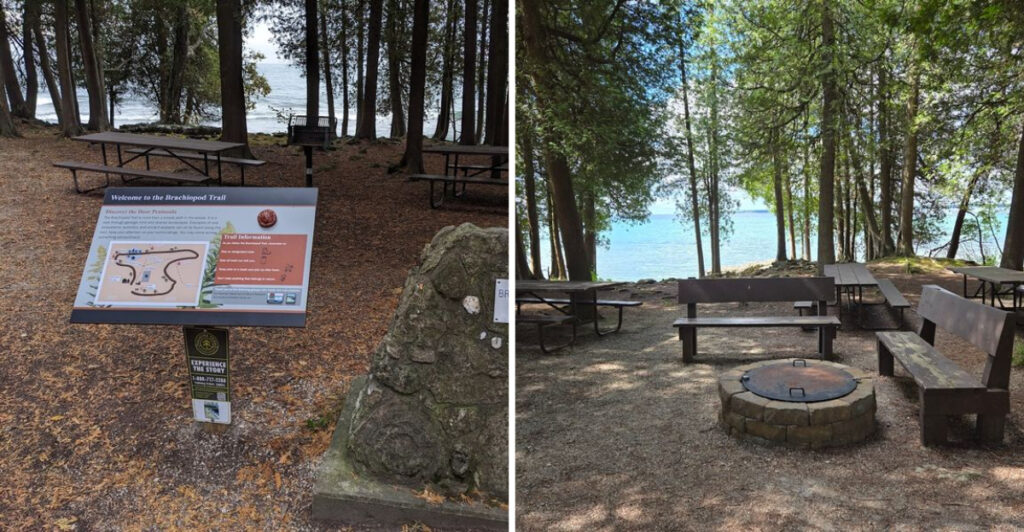
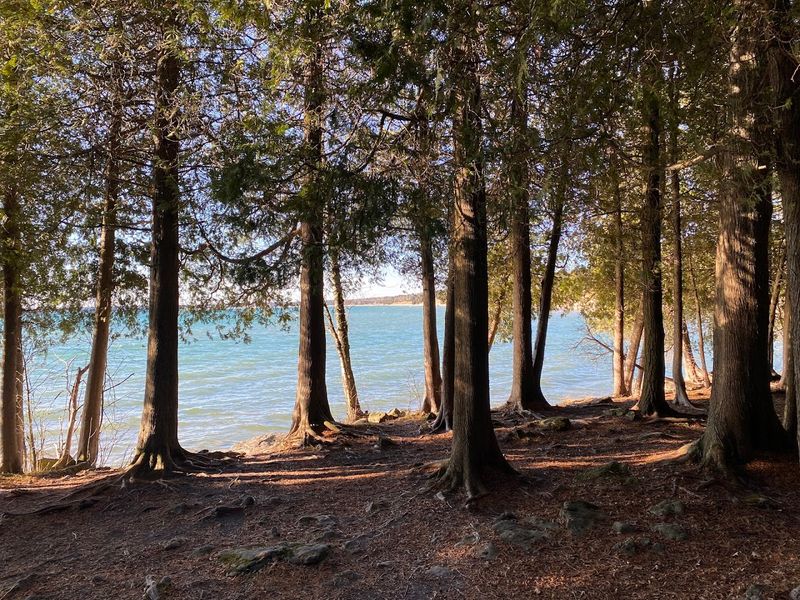
The Wisconsin DNR specifically encourages you to search for fossil seashells and coral in these rocks. The brachiopod trail is a well-known spot for fossil observation, and it runs through shaded terrain close to the shore.
Dolostone forms when magnesium-rich water chemically alters limestone over millions of years. The result is a harder, more resistant rock that preserves fossil detail remarkably well. You can photograph what you find and study the textures up close.
Collecting rocks or fossils in Wisconsin state parks requires written permission from the property manager. This is strictly a look-and-learn experience, so you can’t take “one for the road.”
Let The Shoreline Do The Searching
You do not need gear to spot something interesting here. Slow down near exposed dolostone and let your eyes adjust to the patterns. Small shell shapes, honeycomb textures, and curved impressions can hide in plain sight until the light hits them just right.
After waves stir the shoreline, fresh surfaces may become easier to notice. That turns every visit into a different scavenger hunt.
The trick is patience. Scan one patch at a time, compare shapes, and resist racing ahead. Whitefish Dunes rewards the people willing to look twice. Sometimes the best fossil is the one everyone else stepped past.
Follow The Path Through Whitefish Dunes
Whitefish Dunes State Park looks like Wisconsin briefly borrowed a coastline and forgot to return it.
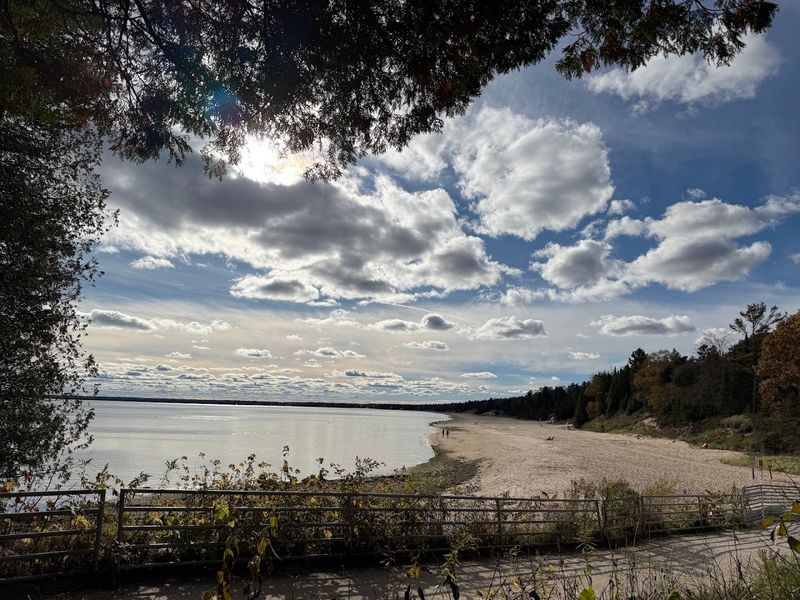
White sand stretches along Lake Michigan while the dunes rise behind the beach, giving the whole scene far more seaside drama than the Midwest usually gets credit for.
Old Baldy is the park’s largest dune, and the hike out to it rewards visitors with sweeping views of the lake and the surrounding forest. The trail can be sandy underfoot, but it is manageable for most hikers and worth every step.
A boardwalk section makes part of the shoreline traverse easier, especially for families with young children or wagons. You should know that the sand here makes a distinctive sound. Consider it the beach’s built-in sound effect.
The beach stretches long enough that even on busy summer days, it is possible to find a quieter patch of shoreline. Early mornings and off-season visits tend to offer the most peaceful experience.
Swimming is possible, but Lake Michigan’s currents and cold temperatures deserve respect. The water tends to run cold even in midsummer.
Learn What Covered Wisconsin Long Ago
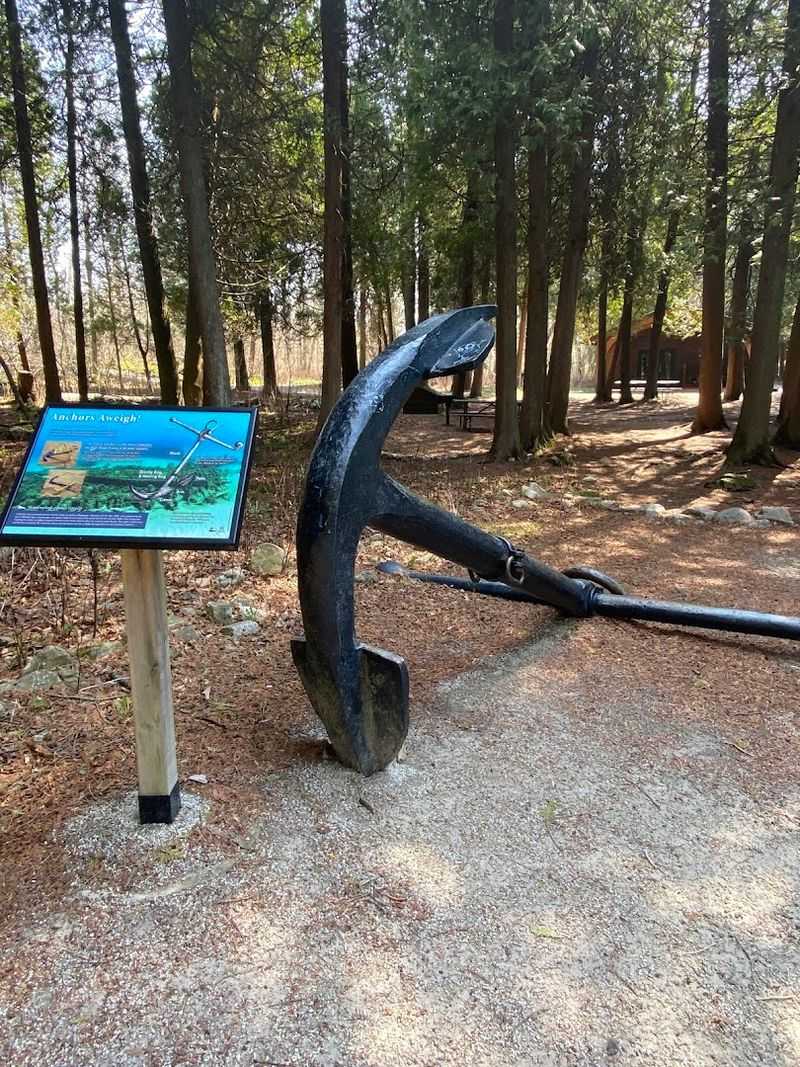
The story of ancient Wisconsin reads like science fiction. Hundreds of millions of years ago, the land was submerged under a tropical sea teeming with life.
Coral reefs, brachiopods, crinoids, and other marine invertebrates thrived in that environment.
When they perished, their shells and skeletons slowly became part of the seafloor sediment. Over millions of years, that sediment hardened into the dolostone visible in the park today.
The visitor center at Whitefish Dunes offers displays that help you put this ancient timeline into perspective.
Exhibits also cover the Native American cultures that once inhabited the region and the history of shipwrecks in the surrounding Lake Michigan waters.
Understanding the geology here changes how the park feels. A walk along the shoreline makes you time travel. Each exposed rock layer represents a chapter from an era long before humans, or even dinosaurs, existed.
Wisconsin’s geological story is written in stone here, quite literally. The park gives you a chance to connect with deep time in a way that most tourist destinations simply cannot offer.
Search The Rock Without Taking It Home
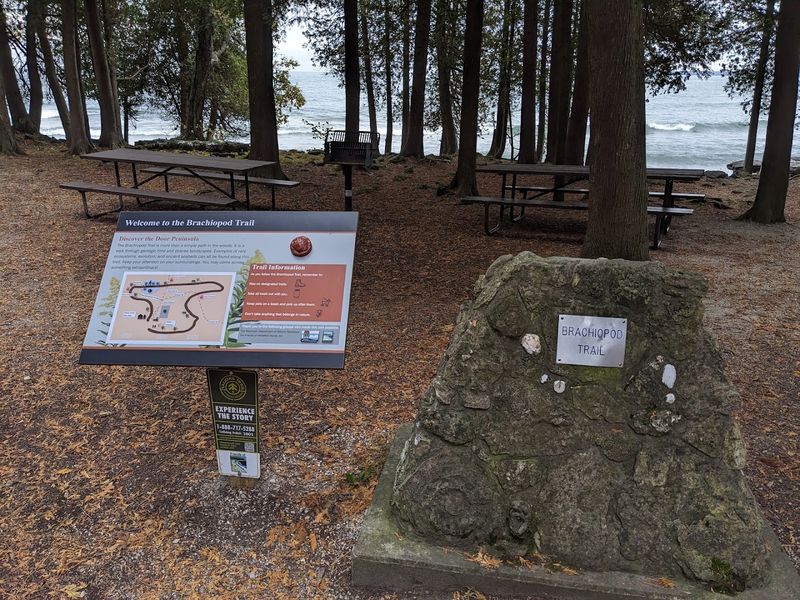
Here is the rule again: you can look, photograph, and study the fossils, but you cannot take them. That restriction might sound frustrating, but it actually raises the stakes in a good way.
Every fossil stays in place for the next visitor to discover. The rock record remains intact. The experience feels less like a scavenger hunt and more like reading something that belongs to everyone.
Bringing a camera with a macro or close-up setting helps capture fine fossil details. Good natural lighting, especially on overcast days when glare is reduced, makes the textures in the dolostone pop in photographs.
Children tend to love this kind of observation challenge. Researching a specific fossil type turns the hike into a focused mission.
The brachiopod trail is the most reliable spot for fossil spotting. It runs through shaded terrain and puts you right alongside the exposed rock formations.
Hike Toward Cave Point County Park
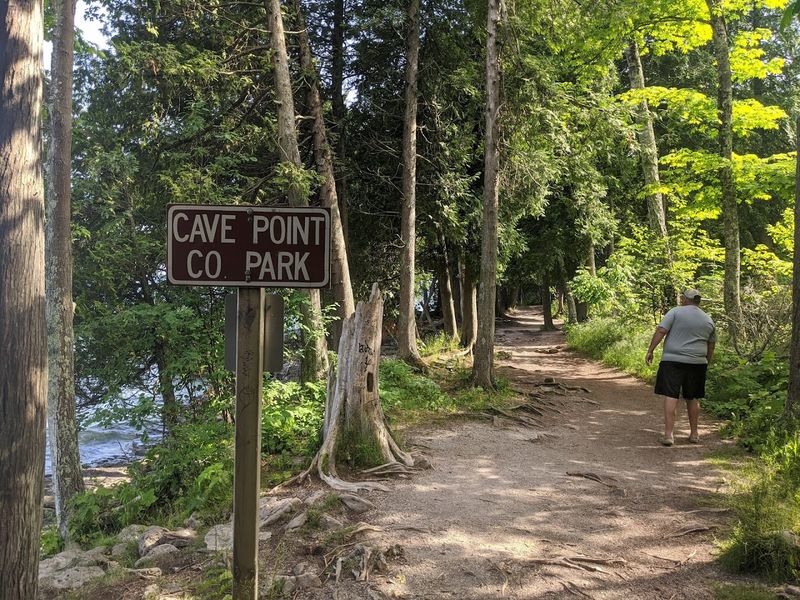
Why stop at one dramatic shoreline when another is waiting just down the road? Cave Point County Park sits close to Whitefish Dunes, making it easy to visit both in a single day.
They share the same Lake Michigan coast, but each brings a completely different kind of scenery.
Cave Point offers limestone ledges and wave-carved caves that draw big crowds. Especially in summer. Whitefish Dunes tends to attract those looking for more space, longer trails, and a quieter pace along the shore.
Trails connect the two parks, making a combined hike a satisfying option for anyone with enough energy and time. The terrain shifts from sandy dunes to rocky shoreline as you move between the two areas.
Both parks offer stunning views, but the character of each is distinct. Planning the route helps you avoid backtracking.
Practical information: start at Whitefish Dunes, hike toward Cave Point, and then return along the shore. This makes a well-rounded half-day adventure in Door County’s most geologically interesting corner.
Explore The Park Beyond The Fossils
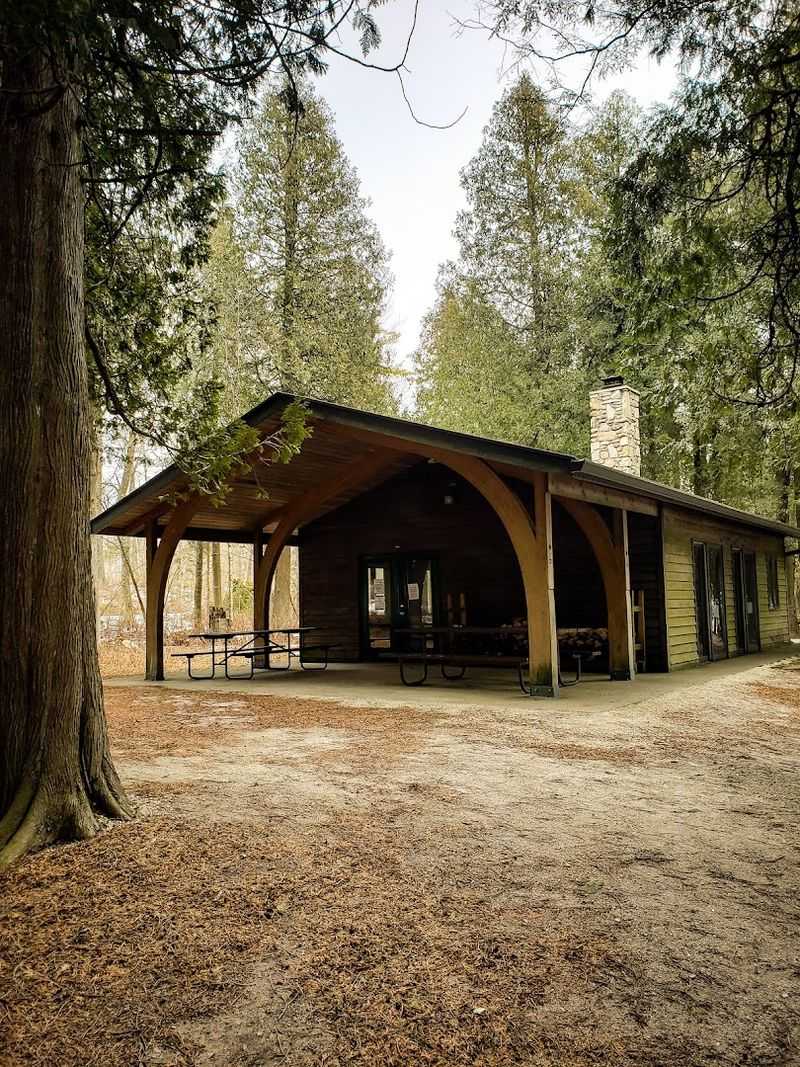
The fossils may be the main character, but the rest of the park definitely understands the assignment.
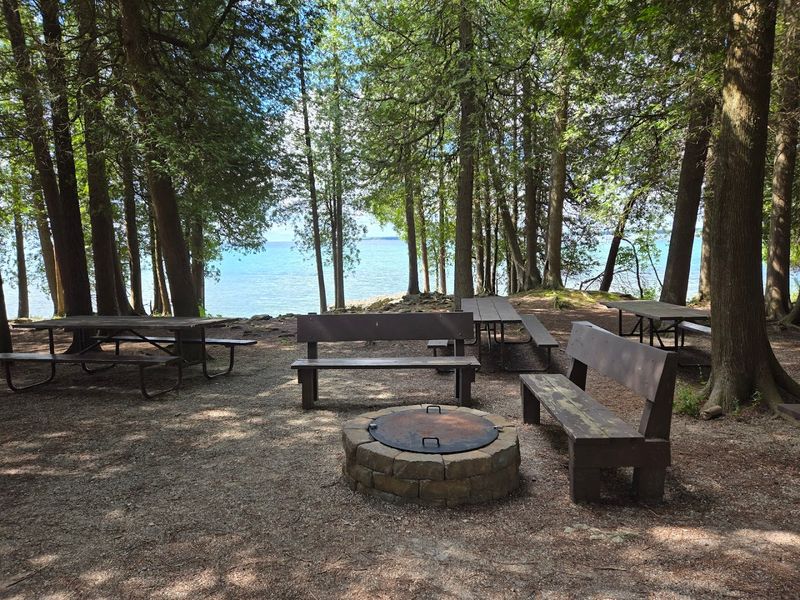
Picnic areas with grills and tables make it easy to turn a quick shoreline stop into a full outdoor day.
A dog-friendly beach section sits about a mile down the shoreline from the main beach area. The walk to reach it is easy and scenic.
Changing rooms, restrooms, and a foot-washing station are available near the main beach. These facilities make a swim or a long beach walk much more comfortable, especially if you are traveling with kids.
The trails at Whitefish Dunes range from flat and easy to more challenging routes that climb toward Old Baldy.
Flat, wide paths near the beach are ideal for wagons and strollers. Longer routes reward hikers with forest shade and elevated lake views.
Biking is also an option on certain park trails. If you are visiting during the off-season, you will often find the park quieter and surprisingly beautiful. Fall and winter seasons tend to transform the dunes into something different.
Plan A Fossil-Focused Day In Door County
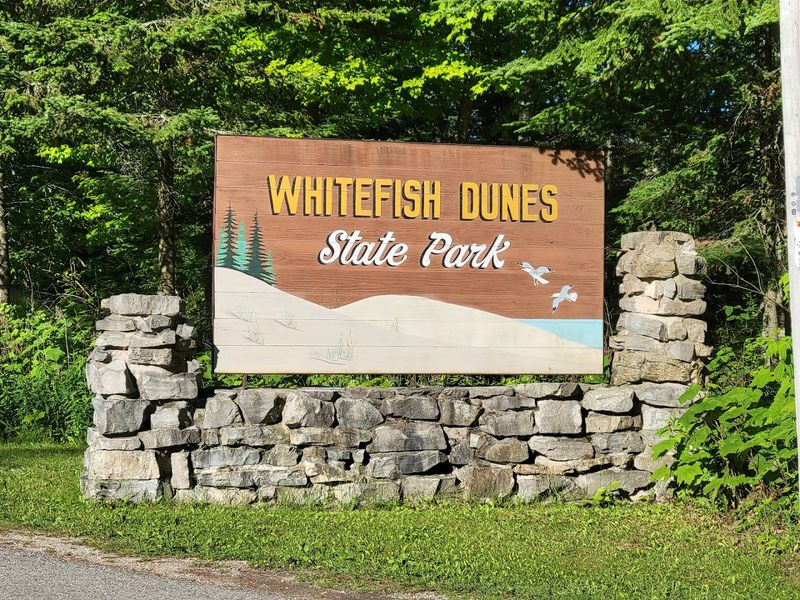
Getting the most out of a fossil-focused visit takes a little preparation. Whitefish Dunes State Park is located at 3275 Clark Lake Road, Sturgeon Bay, Wisconsin 54235, and a vehicle admission pass is required to enter.
The park opens at 6 a.m., so arriving early on summer weekends is a smart move. Parking fills up quickly on warm days, and the beach gets crowded by midday. Weekday visits during the shoulder seasons offer the most relaxed experience.
Wearing sturdy shoes with good grip is important for walking on uneven dolostone surfaces near the shore. Sandals work fine on the beach but become a liability when clambering around exposed rock formations.
Another practical piece of information incoming: bringing a field guide or downloading a geological identification app adds depth to the experience.
The park’s visitor center also provides context through its exhibits on local geology and natural history.
Bug spray is worth packing, particularly for summer hikes through the forested trail sections. You already know how insects can be persistent in this warm season.
A small pair of binoculars rounds out the kit nicely for spotting both fossils and shorebirds along the Lake Michigan coast.