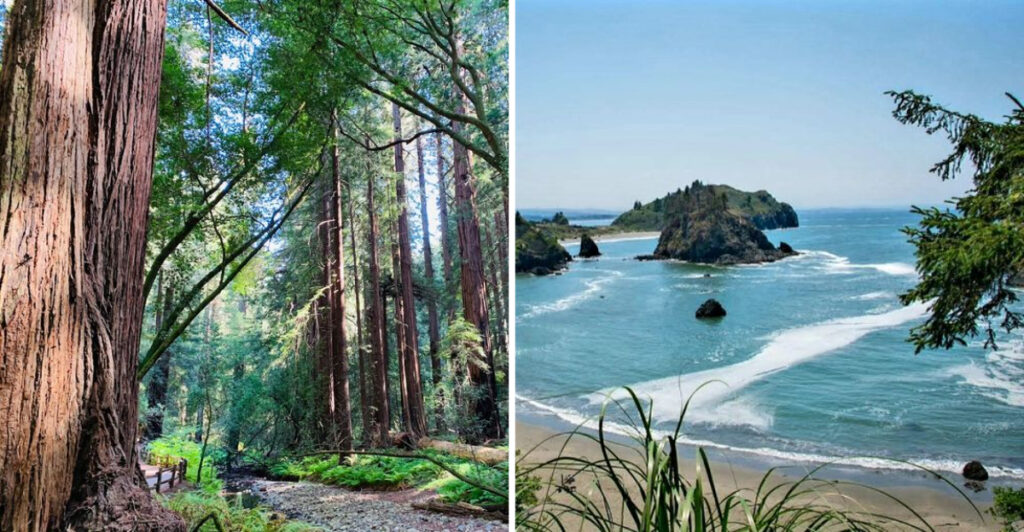
California summer has a split personality. One minute, the dashboard is reporting temperatures that feel mildly personal.
A few hours later, the Pacific breeze is rearranging your hair and making that extra jacket look like the smartest thing you packed.
That is what makes a summer day trip here so entertaining. The state refuses to stick to one forecast, one landscape, or one idea of what a weekend should look like.
Trade inland heat for cool redwood shade. Follow the fog until coastal streets give the weekend a better direction. Then keep driving. California is not finished surprising you yet.
These trips are for anyone who wants fresh air without turning the weekend into a tiring operation.
Charge the camera, bring a layer, and let California handle the climate change. Apparently, one season was never going to be enough.
1. Morro Bay State Park
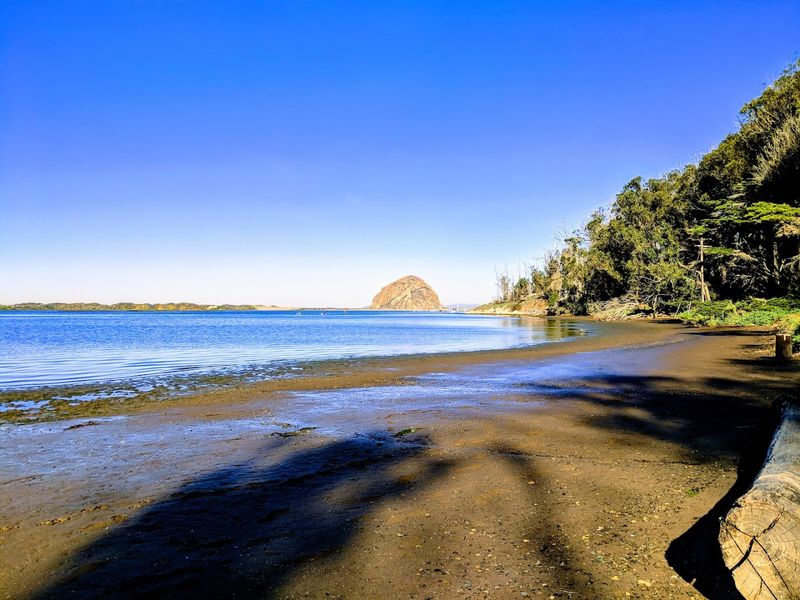
California summer forgot to turn the oven on here. While inland towns are sizzling, Morro Bay arrives with cool air, sea otters, and a giant volcanic rock standing offshore like the coast’s most committed landmark.
Morro Bay State Park sits on California’s Central Coast, where summer days are often around 30 degrees cooler than inland areas.
That natural air conditioning comes built into every visit. The iconic Morro Rock anchors the view, rising dramatically from the bay and reminding you exactly where you are.
Spend the morning kayaking across glassy water. Watch brown pelicans cruise low over the surface, and keep your eyes open for sea otters floating on their backs.
The Museum of Natural History inside the park is a genuinely good stop, especially if you want context for the estuary ecosystem around you. Trails along the bay are flat and easy, making the park accessible for most fitness levels.
Bird lovers will find this place hard to leave. The estuary draws hundreds of species throughout the year, and summer brings its own reliable cast of shorebirds and waterfowl.
Stay long enough, and Morro Rock begins appearing in every photo. That is fine. Some scenery earns the right to become the unofficial third member of your day trip.
2. Cambria
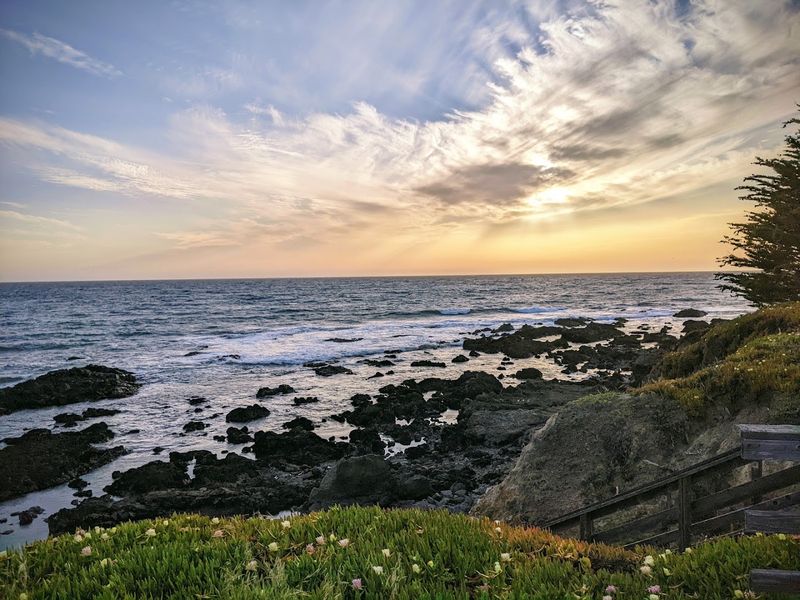
What happens when the itinerary loosens its tie and stops checking the clock? Cambria happens, with pine-scented streets, coastal fog, and enough interesting storefronts to turn “one quick look” into an entire afternoon.
This small coastal village in San Luis Obispo County pairs a walkable downtown with pine forests and a rugged stretch of the Central Coast that feels genuinely unhurried.
Moonstone Beach is the obvious first stop. The boardwalk above the shoreline gives you sweeping ocean views without requiring any serious hiking effort.
Downtown Cambria splits into two distinct sections known as the East and West Villages. Both are lined with galleries, shops, and cafes that make it easy to lose an hour without noticing.
Hearst Castle sits just a few miles north, and adding a tour there turns a relaxed day into something more substantial. The castle’s history alone gives you plenty to think about on the drive home.
Summer in Cambria tends to be cool and often foggy in the mornings, which clears to reveal bright afternoons perfect for coastal walks.
Cambria is located in San Luis Obispo County along Highway 1 on California’s Central Coast.
There is no prize for rushing through Cambria. So let the boardwalk, galleries, and cool ocean air quietly rearrange your plans. The return drive can wait until the village has finished distracting you.
3. Montana De Oro State Park
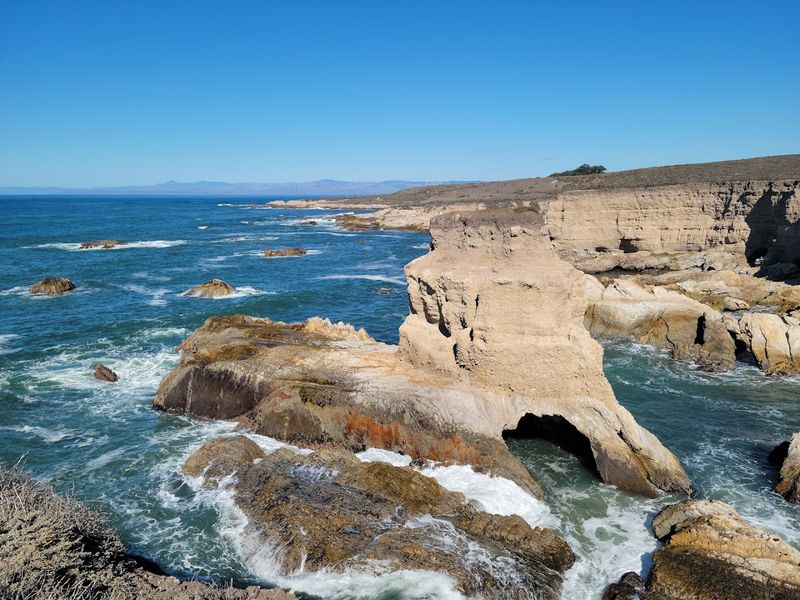
Montaña de Oro does not ease into the scenery. It throws cliffs, coves, tide pools, and ocean bluffs onto the table. Then it lets you decide how ambitious your walking shoes feel.
The name means Mountain of Gold, and the wildflowers that blanket the bluffs in season make that feel entirely earned. Montaña De Oro State Park near Los Osos is one of California’s most underrated coastal parks.
The park stretches across thousands of acres of bluffs, beaches, canyons, and chaparral. That variety means you can build your day around tide pools, bluff walks, or longer inland hikes depending on your energy level.
Spooner’s Cove is a natural first stop. The small beach sits inside a protected cove with striking rock formations and calm enough water for wading on the right day.
Bluff Trail runs along the edge of the headlands and delivers ocean views that feel almost unreasonably dramatic. The path is relatively flat and rewards even casual walkers with big scenery.
Summer temperatures here are considerably cooler than inland California, so the coastal breeze is a genuine feature rather than just a pleasant bonus. Layers are smart packing.
Tide pool areas require careful footing, but the marine life visible in the pools is worth the attention.
By the time the Bluff Trail curls back toward the starting point, your camera roll may look slightly unreasonable. Blame the coastline. It has never shown much restraint.
4. Carmel-By-The-Sea
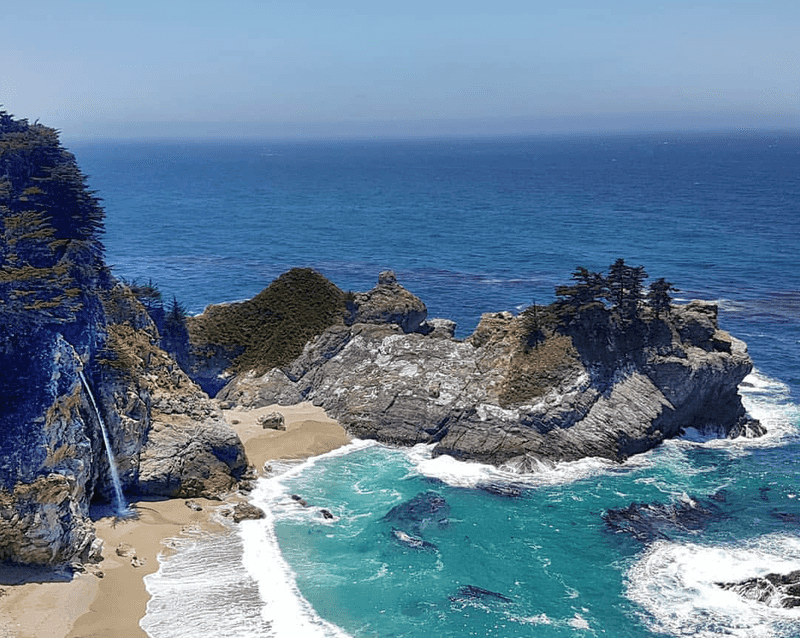
Carmel-by-the-Sea looks suspiciously like someone gave a storybook excellent beach access. Rounded doors, cottage gardens, white sand, and nearly 100 galleries all fit into streets small enough to explore before your coffee cools.
Carmel Beach anchors the southern end of town. The white sand stretches wide, the water runs cool, and dogs are famously welcome, which gives the whole scene an easy, relaxed energy.
Ocean Avenue runs straight down to the beach and is lined with boutiques, galleries, and bakeries. Wandering it without a plan is genuinely one of the better ways to spend a morning here.
The architecture is part of the charm. Storybook cottages with rounded doors, stone chimneys, and cottage gardens appear around nearly every corner. It sounds like a cliché until you actually see it.
Point Lobos State Natural Reserve sits just south of town. It adds serious hiking, tide pool exploration, and marine wildlife viewing if you want more structure in your afternoon.
Summer in Carmel tends to be cool and bright, with afternoon fog possible. A light layer keeps things comfortable as the day shifts.
Follow Ocean Avenue until the shops give way to sand, then let the Pacific handle the finale. You may leave with fewer practical purchases than planned, but probably several strong opinions about cottage doors.
5. Muir Woods National Monument, Mill Valley
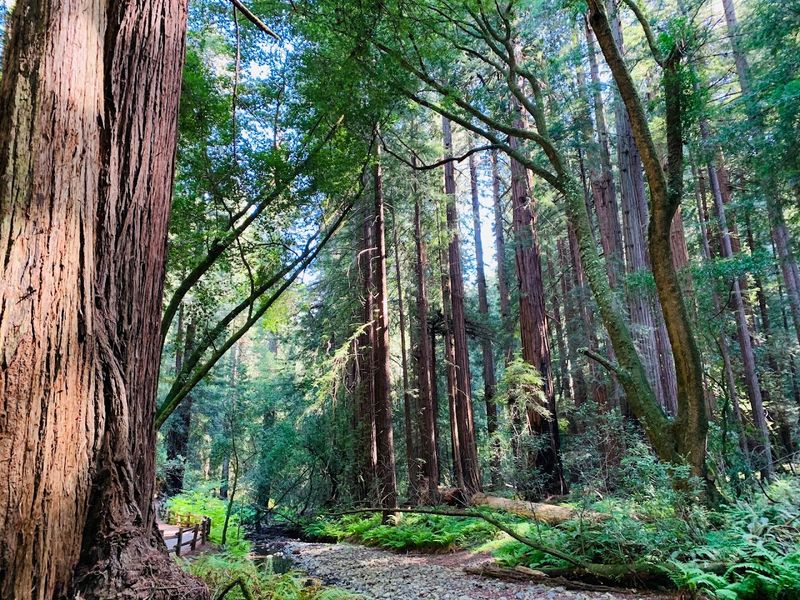
Feeling overly important lately? A thousand-year-old redwood can fix that in approximately three seconds.
Muir Woods National Monument, just north of San Francisco near Mill Valley, protects a rare old-growth coast redwood forest in the Bay Area.
Six miles of trails wind through the monument, ranging from flat creek-side boardwalks to steeper ridge paths with views over the Marin hills. The main valley floor is accessible to nearly everyone.
Redwood Creek runs through the heart of the park. In summer, the shaded canyon stays noticeably cooler than surrounding areas, making it a genuinely refreshing escape from Bay Area heat.
Plan ahead before you go. Parking reservations or shuttle seat bookings are required, and weekend slots sell out well in advance. Arriving without a reservation means turning around at the gate.
Cathedral Grove contains some of the tallest trees in the park. Standing quietly among them for a few minutes is something most visitors remember long after the drive home.
The seasonal shuttle from the Larkspur Ferry Terminal removes the need for a Muir Woods parking reservation, though shuttle seats must be booked in advance.
Muir Woods National Monument is located at 1 Muir Woods Road, Mill Valley, in Marin County, California.
Lower your voice in Cathedral Grove and look straight up. The trees have been standing there through countless human emergencies. Somehow, that makes your unread emails seem less urgent.
6. Sonoma Coast State Park
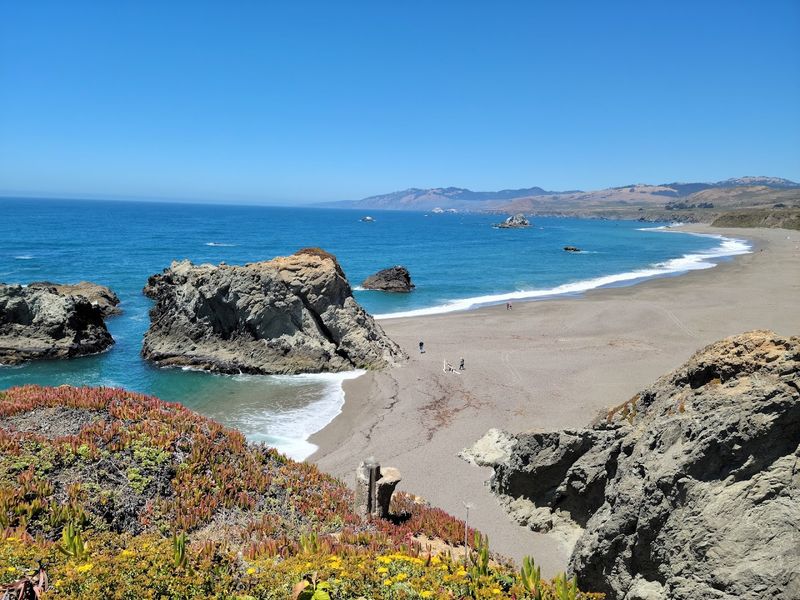
This coastline refuses to commit to a single personality. One pullout brings broad sand and calm views; the next produces jagged rocks, barking seals, and waves behaving as though they have something to prove.
Sonoma Coast State Park runs for roughly 17 miles from Bodega Head north toward Jenner, and every pullout along Highway 1 reveals something worth stopping for.
Bodega Head is a strong starting point. The short loop trail around the headland gives sweeping views of the open Pacific, and gray whale sightings are possible here even in the summer months.
The park’s beaches vary dramatically in character. Some are broad and sandy with gentle surf. Others are narrow coves tucked between rocky outcrops where the energy feels wilder and more dramatic.
Goat Rock Beach sits near the mouth of the Russian River and is one of the most photographed spots in the park. Harbor seals haul out on the sandbar there regularly throughout the summer.
Rock formations, natural arches, and sea stacks appear at various points along the coast. The scenery changes enough from stop to stop that the day never feels repetitive.
Summer fog is common in the mornings along this stretch of coast. It usually burns off by midday, revealing bright skies and that signature cool coastal air.
Do not rush every overlook just because another one waits ahead. Pick a bluff, face the wind, and give the Pacific enough time to make the rest of the schedule look negotiable.
7. Mendocino
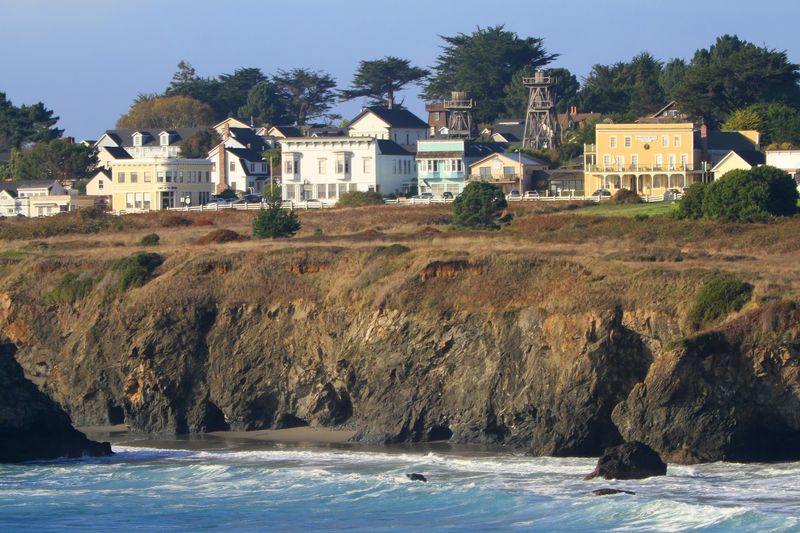
Mendocino perches above the Pacific like a village that knows its best angle. Victorian buildings handle the charm while the surrounding headlands provide enough cliffs and sea arches to keep things from becoming too polite.
This compact village in Mendocino County carries a creative, quietly artsy character that sets it apart from more tourist-heavy coastal towns.
Victorian buildings and saltbox cottages line the streets. Many have been converted into galleries, studios, and small shops. It makes browsing here a genuine local pull rather than a chain-store feel.
Mendocino Headlands State Park wraps around the village on three sides. The trails along the bluffs are easy to walk and deliver dramatic views of sea arches, blowholes, and rocky coves below.
Big River Beach sits at the south end of town and offers a quieter alternative to the headlands. Kayaking up the Big River estuary from the beach is a popular and rewarding option on calmer days.
The drive to Mendocino along Highway 1 is itself a significant part of the experience. The winding coastal road through redwood groves and over river bridges earns its own appreciation.
Summer in Mendocino is typically cool and atmospheric. Morning fog gives way to clear, bright afternoons that feel made for walking.
A walk around the headlands tends to make “one last viewpoint” a recurring promise. Eventually, the ocean will call your bluff, and you will happily stop at another.
8. Trinidad
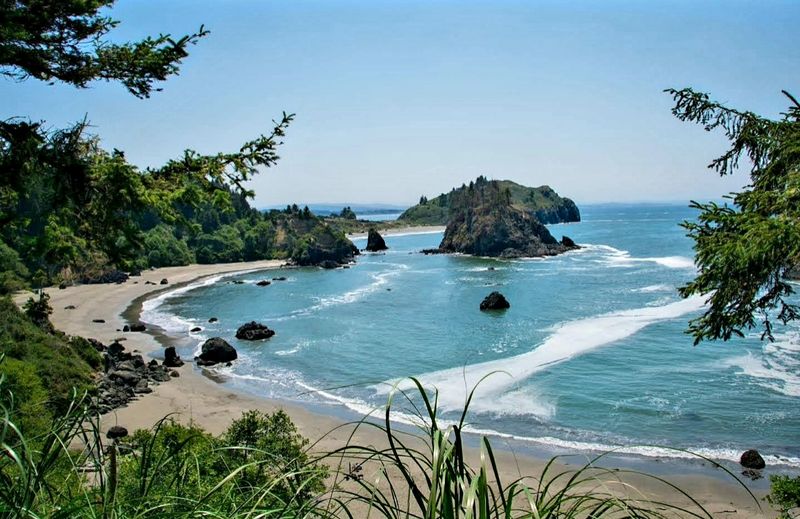
How greedy can one tiny coastal town be? Trinidad keeps a harbor, sea stacks, sheltered coves, and ancient redwoods within a few miles of one another. It leaves the rest of California to share what remains.
Trinidad Head rises sharply above the harbor and offers a loop trail with views that take in the bay, the coastline, and open ocean stretching to the horizon. The hike is short but genuinely rewarding.
The harbor below is active and authentic. Fishing boats come and go. This gives you a front-row view of the working waterfront.
Indian Beach sits in a protected cove south of the head and is one of the more sheltered swimming spots along this rugged stretch of coast. The surrounding scenery makes it feel secluded even on busy summer weekends.
Patrick’s Point State Park sits just a few miles north and adds more bluff trails, tide pools, and a reconstructed Yurok village that provides meaningful cultural context for the region.
The surrounding landscape shifts between coastal bluffs, sea stacks, and towering redwoods within just a few miles, which makes the day feel surprisingly varied.
Trinidad is located in Humboldt County on California’s North Coast, roughly 25 miles north of Eureka.
Here’s a fun game. You should stand above the harbor and try to choose whether the forest or the coastline deserves more attention.
Spoiler: There is no correct answer. This is convenient because Trinidad keeps switching the view before you can decide.
9. Ed Z’berg Sugar Pine Point State Park
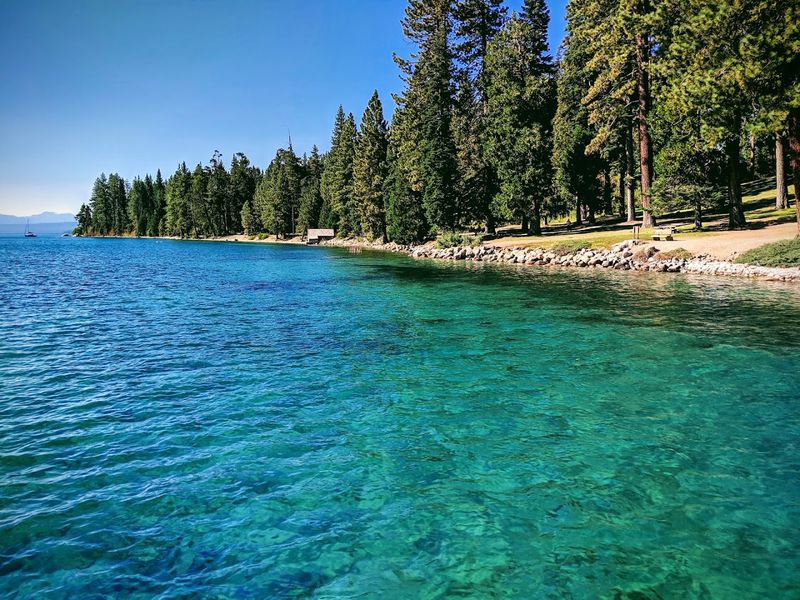
Lake Tahoe arrives looking heavily edited, except nobody touched the contrast settings. The water really is that clear, the pines really are that tall, and the opposite shoreline really does seem determined to steal every picnic conversation.
Ed Z’berg Sugar Pine Point State Park near Tahoma puts you right on the western shore with more than 2,000 acres of forest, meadow, and waterfront to explore.
The day-use area along the lake is ideal for picnicking. Clear, cold water laps at a rocky shoreline backed by tall pines. The views across to the Sierra Nevada on the opposite shore are consistently stunning.
Hiking trails wind through the forest interior and connect to longer routes for those who want more elevation. Wildlife sightings, including black bears, deer, and various bird species, are reasonably common in summer.
The Hellman-Ehrman Estate is one of the park’s most distinctive features. The historic mansion, built in the early 1900s, sits near the lakeshore and offers a glimpse into the era of wealthy San Francisco families. Tours are available seasonally.
Summer temperatures at this elevation are noticeably cooler than the Sacramento Valley below, making the park a reliable escape from lowland heat without a long drive.
The mountain air may feel cool, but the high-elevation sun plays by different rules. Bring sunscreen, and stay near the water. Then let the lake perform its usual trick of making the departing feel personally offensive.
10. Mount Laguna Recreation Area
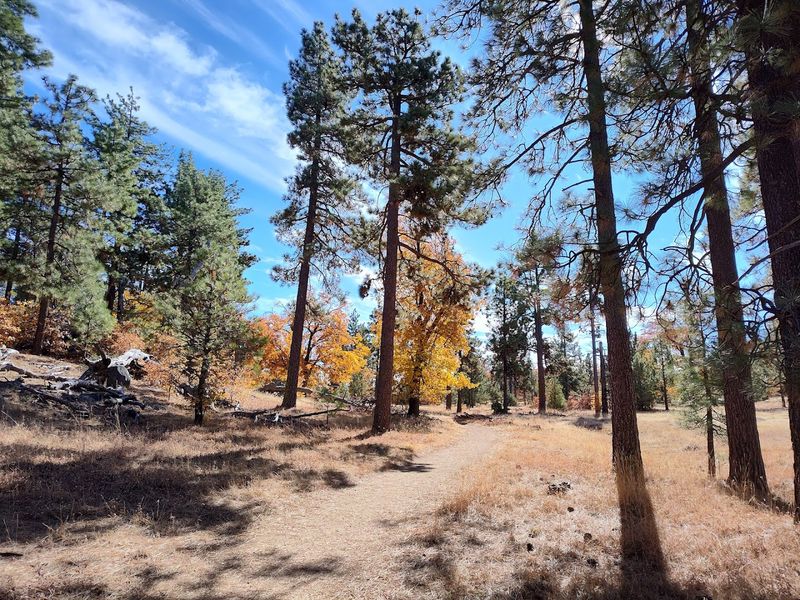
An hour east of San Diego, summer changes departments. Palm trees clock out, pine trees take over, and the temperature finally stops behaving like it has a personal grudge.
Mount Laguna Recreation Area in the Laguna Mountains delivers exactly that kind of fast, satisfying escape.
The Pacific Crest Trail passes directly through this area. Day hikers can access sections of it without committing to the full thru-hiker experience, and the trail through the pines feels genuinely remote despite being so close to a major city.
Views from the higher ridges look east over the Anza-Borrego Desert and west toward the Pacific on clear days. That contrast between forest and desert in a single glance is one of the most striking features of the area.
Mountain biking and trail running are both popular here in summer. The elevation keeps temperatures manageable on days when San Diego’s inland communities are baking.
Sunrise Highway is the main access road and passes through meadows and forested stretches that are worth taking slowly. Pull-offs along the way offer viewpoints that reward the patient driver.
The campground and picnic areas provide a natural place to rest mid-day before tackling an afternoon trail.
Tip: take Sunrise Highway slowly enough to notice the moment forest gives way to enormous desert views. You came looking for cooler air, but the horizon may be the part that follows you home.