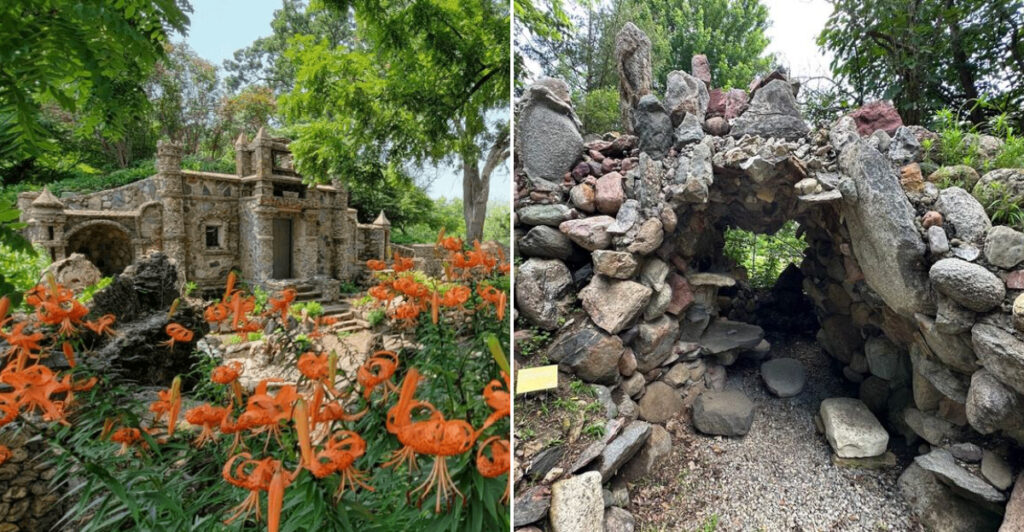
When looking for a nice summer activity, all I can hear is “Rock on, Minnesota.”
That may sound like questionable travel advice, but Albert Lea has a wonderfully odd reason to take it seriously.
This is the sort of stop that makes a normal afternoon develop a personality. It is creative, handmade, and unusual enough to make your group chat demand proof.
Better yet, it does not require a complicated itinerary or a heroic budget. You simply show up with curiosity and let somebody else’s patience do the entertaining.
Minnesota has plenty of polished attractions, but this one succeeds by being proudly personal and delightfully unexpected.
It turns a familiar material into something closer to a very committed punchline. Add the fact that admission is free, and the argument becomes difficult to resist.
Albert Lea may not shout for attention, but this summer stop knows exactly how to earn it.
The Story Behind The Stones
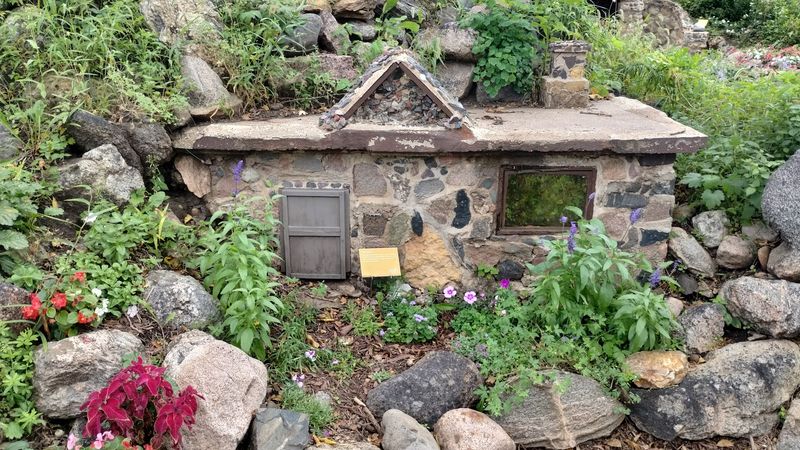
Rock gardens do not usually come with a backstory this good. The Itasca Rock Garden was built by hand over many years in the yard of a private home in Albert Lea, Minnesota, but the restored historic site is now seasonally open to the public.
The original creator poured enormous effort into collecting rocks and shaping them into sculptures, walls, pathways, and decorative features.
The scale of the work is staggering when you realize it was done without heavy machinery or professional construction crews.
What started as a personal project became a local landmark that now draws visitors from across Minnesota and surrounding states. The passion behind the creation is visible in every carefully placed stone.
This is not a park built by a city government or a museum funded by grants. It grew from one person’s drive to build something beautiful and lasting.
The human story gives the garden a warmth and authenticity that polished tourist attractions rarely match.
Knowing the history makes every corner of the garden more meaningful to explore.
What The Garden Actually Looks Like
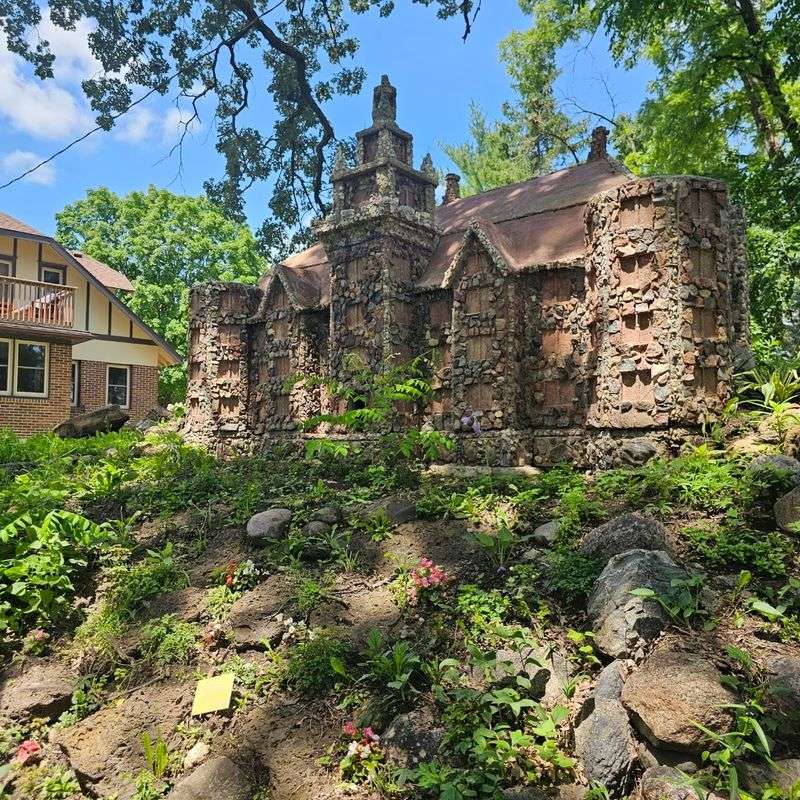
First impressions can be deceiving here. Pulling up to the address, visitors often see a modest residential neighborhood before noticing the extraordinary garden tucked beside the house.
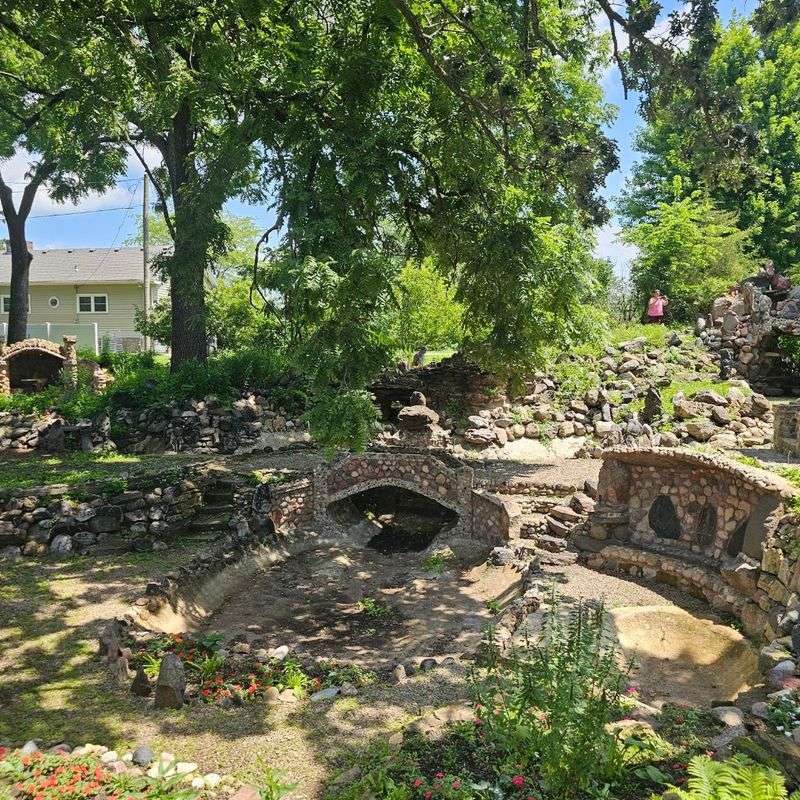
Once inside, the landscape opens up into a world of stone sculptures, arched formations, small castle-like structures, and winding pathways lined with flowers.
The detail work is genuinely impressive up close.
Rocks of different shapes, sizes, and textures are combined to form figures, walls, and decorative patterns.
Flowering plants grow in every available gap, adding bursts of color throughout the warmer months.
The garden has sitting areas where visitors can pause, look around, and soak in the surroundings at their own pace. There are no guides, no audio tours, and no crowds pushing you along.
The uneven ground and stone steps give the space a natural, organic character.
Every turn reveals something new. Visitors who take their time and look closely at the smaller details tend to get the most out of the experience at this remarkable Minnesota destination.
The Castle That Steals The Show
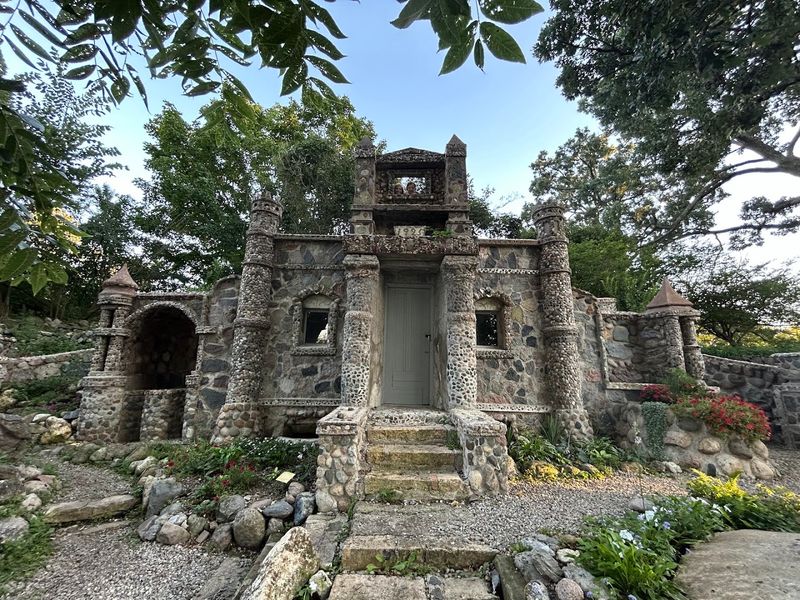
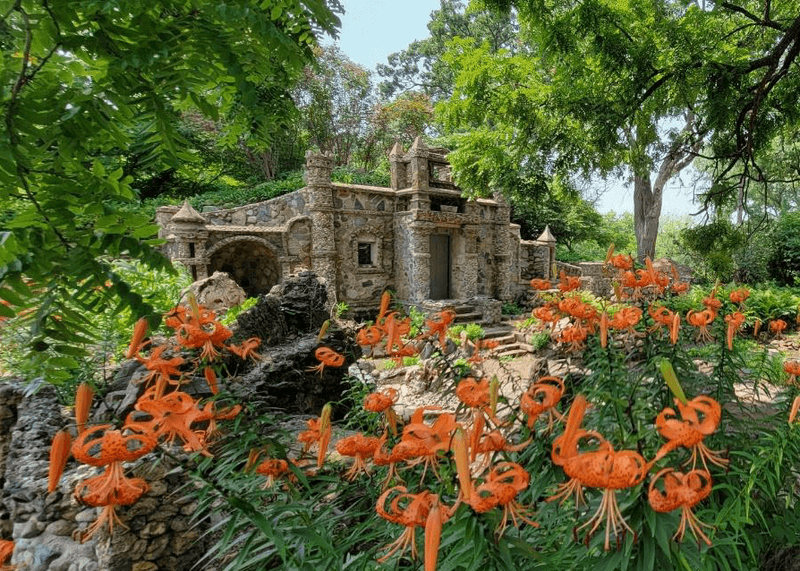
Every garden needs a showstopper. At the Itasca Rock Garden, that role belongs to the small stone castle structure that visitors consistently mention as a highlight of the entire visit.
Built from the same rocks used throughout the garden, the castle-like formation showcases the builder’s ambition and craftsmanship at their most dramatic.
The structure has a fairy-tale quality that delights children and adults in equal measure.
Visitors often describe the experience as walking through a life-size fairy garden, and the castle is the centerpiece of that feeling. It draws people in for a closer look every single time.
The exterior detail is intricate and layered, with stones fitted together in ways that suggest both structural knowledge and artistic instinct.
The interior of the structure is not always accessible, but the outside alone is worth the trip.
Kids in particular respond to this part of the garden with genuine excitement.
For families visiting Albert Lea, Minnesota, the castle alone makes the stop feel worthwhile. It sparks imagination in a way that few free attractions can match.
A Garden Built For Quiet Moments
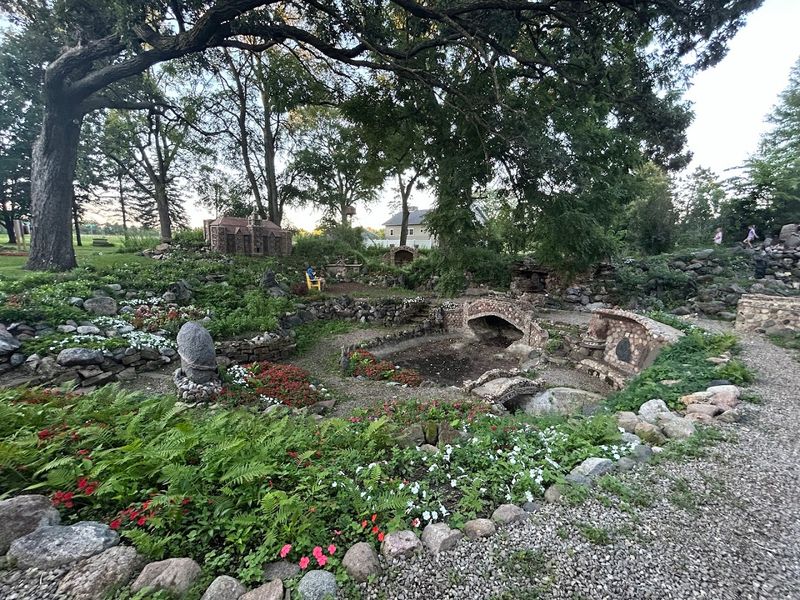
Not every outdoor attraction invites you to slow down. This one practically insists on it.
The Itasca Rock Garden includes several sitting areas designed specifically for visitors who want to linger and reflect.
Stone benches and open spaces are placed throughout the garden, giving visitors natural stopping points.
The atmosphere is calm and unhurried, a quality that sets it apart from busier tourist destinations in Minnesota.
Flowers grow in abundance around the seating areas, filling the space with color and fragrance during spring and summer.
The combination of stone and blooms creates a sensory experience that is both grounding and uplifting.
Couples, families, and solo visitors all find something restorative about spending time here. The garden operates at a pace entirely set by the visitor, which is a rare and appreciated quality.
People who visit after a long drive along Interstate 90 often describe the stop as exactly the kind of break they needed.
The peaceful setting in Albert Lea offers a genuine contrast to the noise and speed of highway travel. Quiet, it turns out, can be its own attraction.
Flowers, Plants, And Living Details
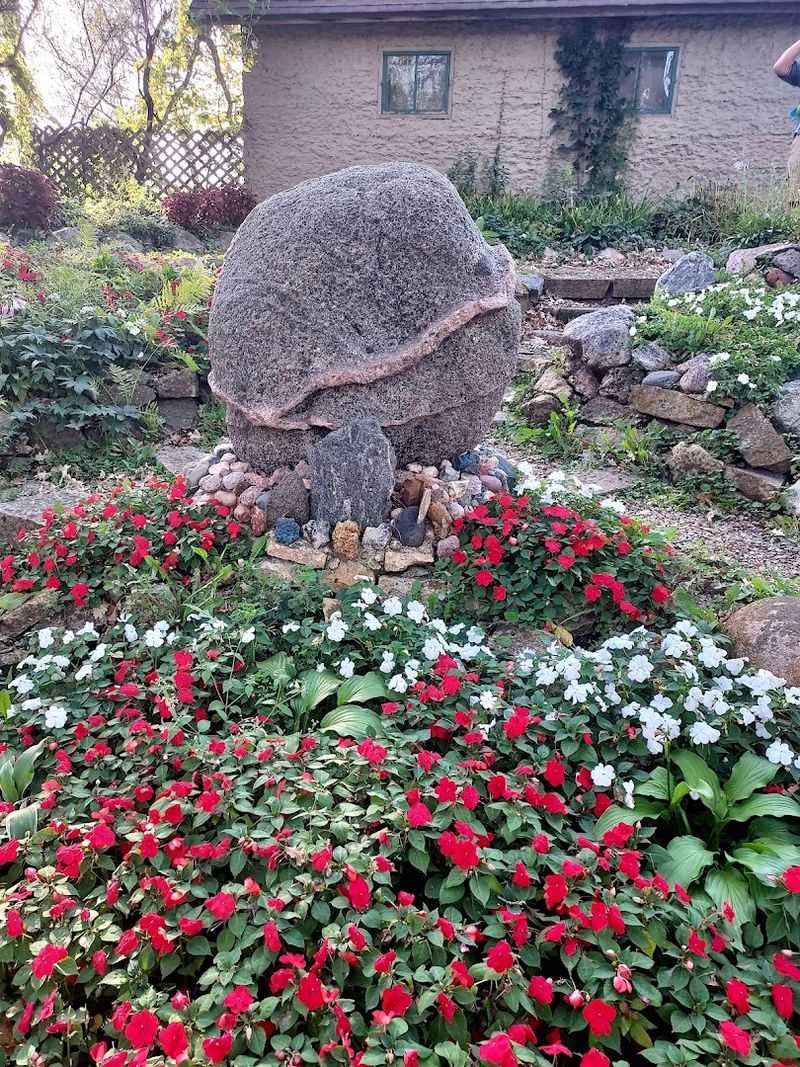
Rocks alone do not make a garden come alive. At the Itasca Rock Garden, flowers and plants fill every available space, turning the stone structures into something genuinely lush and layered.
Annuals and perennials grow throughout the pathways and around the sculptures.
The mix of plant types means there is almost always something blooming, with the garden looking its most spectacular during the warmer months of the year.
Visitors who arrive in full bloom season get a completely different visual experience than those who visit in early spring or late fall.
The flowers add depth, color, and softness that balances the hard edges of the stonework beautifully.
The planting choices reflect the same care and intentionality as the rock structures themselves. Nothing looks random or accidental.
Every flower and shrub seems placed with purpose.
For plant lovers visiting Minnesota, the garden offers a satisfying combination of horticulture and folk art.
The living elements of the space grow and change with the seasons, which means repeat visits always offer something fresh to discover and appreciate in a new light.
Getting There And Finding Your Way
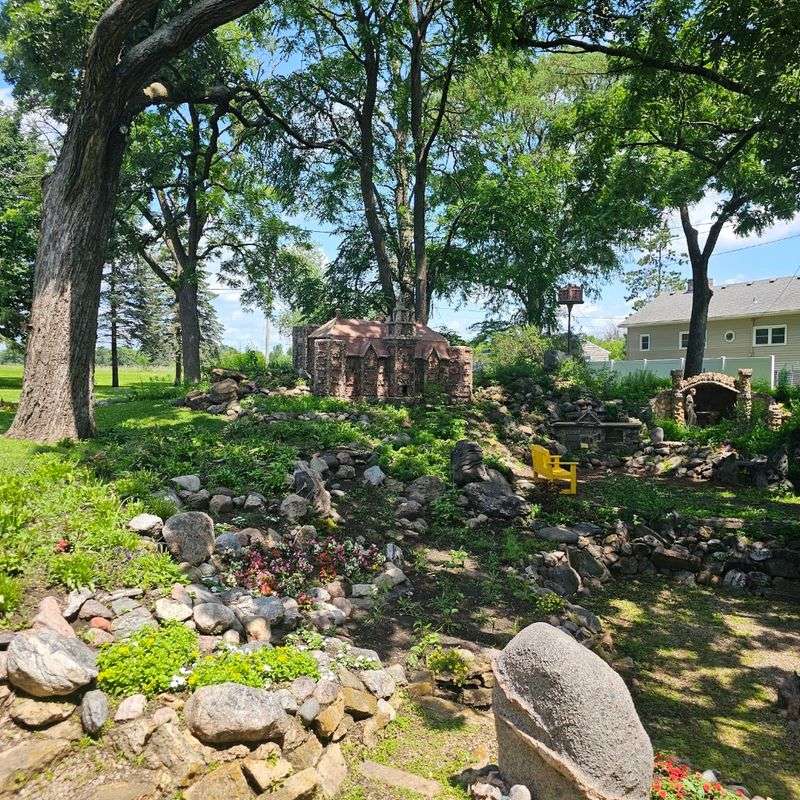
Finding the Itasca Rock Garden for the first time can involve a moment of genuine confusion.
The address at 2129 Itasca Rd, Albert Lea, MN 56007 leads visitors into a residential neighborhood that does not immediately signal tourist attraction.
First-time visitors often describe questioning whether they are in the right place when they first arrive. Signs near the property help guide people to the correct parking area, which is in front of the house.
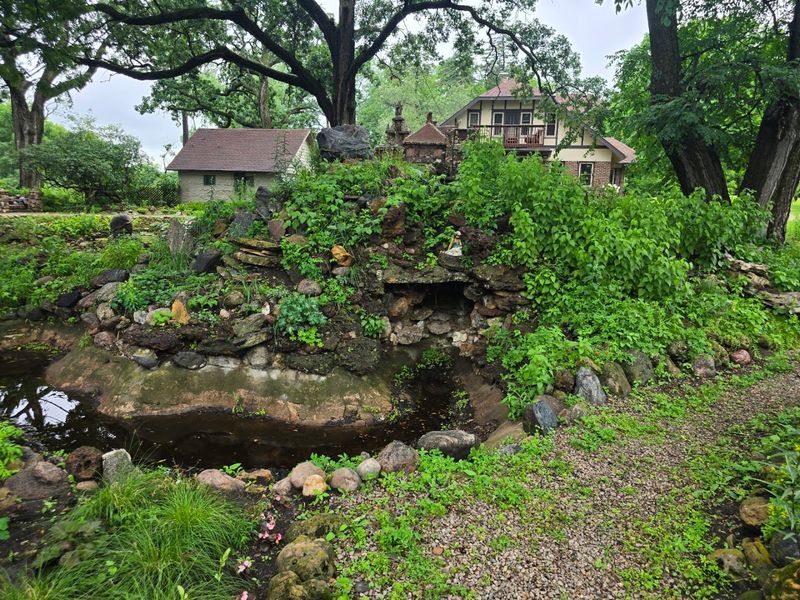
The garden sits on private land adjacent to a home, which is part of what makes it so unusual and charming.
Doing a quick online search before visiting helps set expectations and prevents confusion on arrival.
The location off Interstate 90 makes it a natural stopping point for road trippers crossing southern Minnesota.
Albert Lea is easily accessible, and the drive to the garden from the highway is short and straightforward.
GPS navigation works reliably for getting to the address.
Arriving with a general sense of what to expect makes the experience smoother and more enjoyable from the moment visitors pull into the neighborhood and spot the first signs.
Admission, Donations, And How It All Works
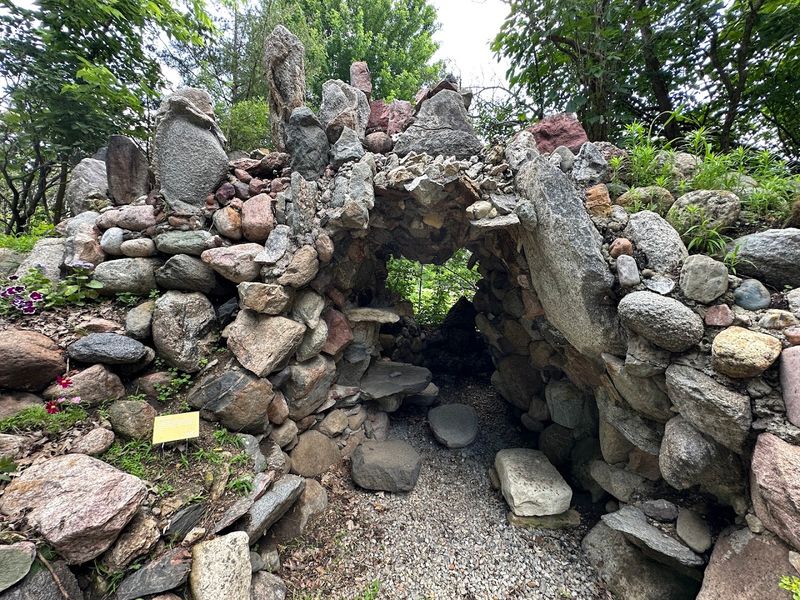
Free admission is one of the most refreshing things about visiting the Itasca Rock Garden. There is no ticket booth, no entry fee, and no pressure to pay a set amount before exploring.
The garden operates on a free-will donation model.
A donation box is available on site, and visitors are encouraged to contribute what they can to help maintain and preserve the space for future visitors.
Bringing cash is strongly recommended since the donation system does not involve card readers or digital payment options.
Even a small contribution goes a long way toward keeping the garden accessible and well-maintained.
The self-guided format means visitors move through the garden entirely at their own pace.
There are no scheduled tours, no admission windows to line up for, and no staff members directing foot traffic.
This open, trust-based approach gives the garden a refreshingly relaxed character. It reflects the spirit of the place itself, which was built out of love rather than commercial ambition.
Supporting it with a donation is a small way of honoring that spirit and ensuring the garden survives in Minnesota for years to come.
Visiting With Kids And Families
Kids and rock gardens can be a tricky combination. At the Itasca Rock Garden, children are absolutely welcome, but the terrain requires a bit of mindful parenting throughout the visit.
The ground is uneven, and stone steps appear throughout the space. Some rocks have sharp edges, which means running and rough play are not appropriate here.
Slow, careful movement is the right approach for younger visitors.
That said, children who explore the garden at a measured pace tend to love it.
The castle structure, the winding paths, and the variety of textures and shapes spark genuine curiosity and creative thinking in young minds.
Multiple generations visiting together is a common sight at the garden.
Grandparents, parents, and children all find different things to appreciate, which makes it a genuinely cross-generational experience in the best possible way.
Families who treat the visit as a slow, exploratory walk rather than a quick photo stop tend to leave with the best memories.
The garden rewards attention and patience.
For Minnesota families looking for an affordable and unusual outing, this Albert Lea stop delivers something genuinely memorable and conversation-starting.
The Best Time Of Year To Visit
Timing a visit to the Itasca Rock Garden can make a significant difference in the overall experience.
The garden looks its most spectacular when flowers are in full bloom during late spring and summer.
Visitors who arrive in peak bloom season get the full effect of the garden’s living and stone elements working together.
The combination of bright flowers against grey and brown stonework is visually striking and worth planning around.
Fall visits have their own appeal, with changing leaf colors adding a different kind of beauty to the landscape.
The stone structures remain impressive year-round, even when the flowers have faded and the trees have gone bare.
The ponds and water features on the property do not hold water due to insurance restrictions, so visitors should not expect flowing fountains regardless of the season.
Early morning visits on weekdays tend to offer the most peaceful experience, with fewer other visitors around.
Minnesota summers bring longer daylight hours and warmer temperatures that make outdoor exploration genuinely enjoyable.
Picking the right season turns a good visit into a great one.
Why This Place Stays With You
Some places are easy to forget the moment you drive away. The Itasca Rock Garden is not one of them.
The combination of handcrafted artistry, natural beauty, and human story makes it genuinely hard to shake.
Visitors often leave wanting to know more about the person who built it, the rocks used, and the years of effort that went into every structure.
That curiosity is a sign that something real and meaningful was experienced.
The garden does not rely on spectacle or technology to create an impression.
It works through patience, detail, and the quiet power of something made by hand over a long period of time.
People who visit once tend to return with family members or friends they want to share the experience with. That word-of-mouth loyalty says a great deal about what the space offers beyond its surface appearance.
Minnesota has plenty of natural beauty and historical landmarks to explore.
The Itasca Rock Garden occupies a category all its own. It is personal, unexpected, and deeply human in a way that lingers long after the drive home.
Some places just leave a mark.