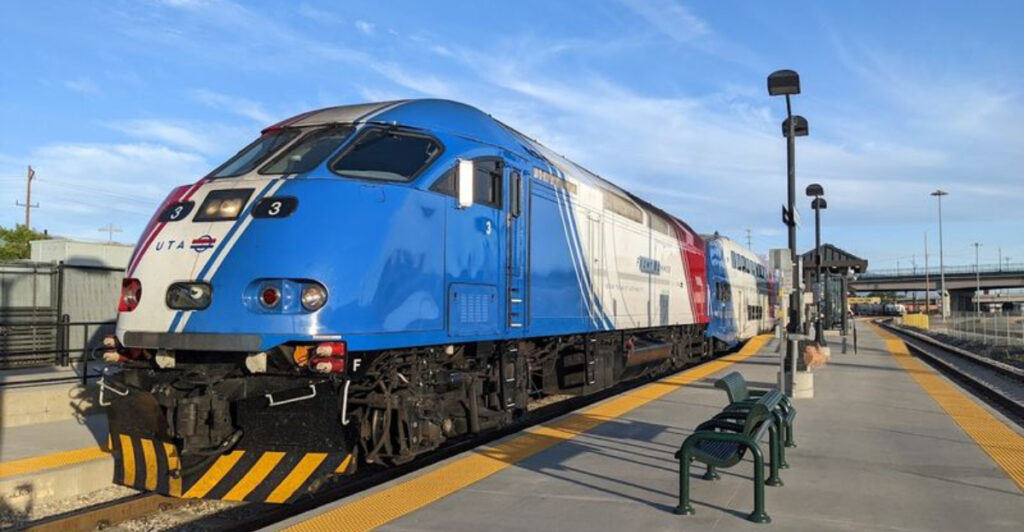
A road trip asks you to watch the highway. A great train ride lets the landscape do all the work.
This warm-weather journey replaces traffic, gas stops, and cramped navigation with wide windows, relaxed seating, and red-rock country unfolding one cinematic mile at a time. Utah looks completely different when canyon walls, desert plateaus, and distant formations glide past at rail speed instead of disappearing in the rearview mirror.
That slower pace is exactly what makes the experience feel special. Families can settle in without backseat negotiations, couples get uninterrupted scenery, and solo travelers can simply watch the horizon change.
By the time the route reaches Utah’s southeastern desert, phones are usually out for photos and group chats are filling with future plans. Skip the driving gloves, bring a camera, and prepare for the rare trip where getting there becomes the story everyone remembers most, long after the weekend ends.
The Canyon Spirit Station: Where the Journey Earns Its First Points
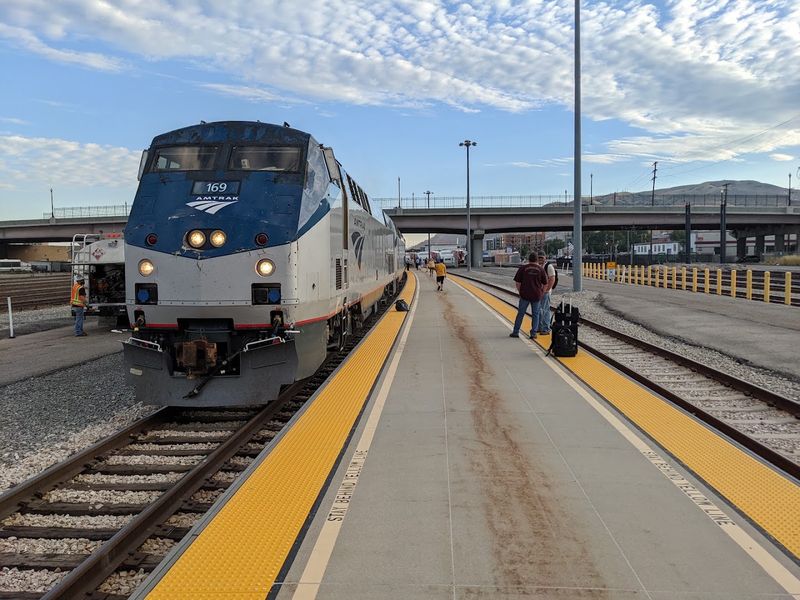
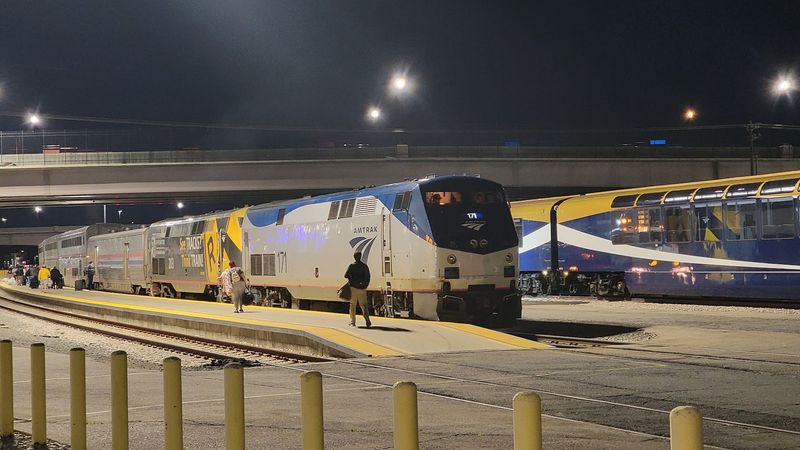
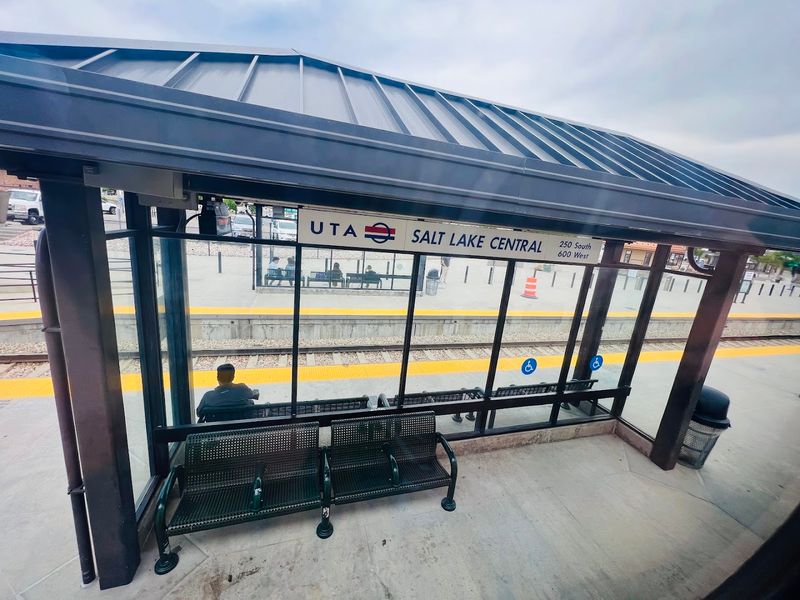
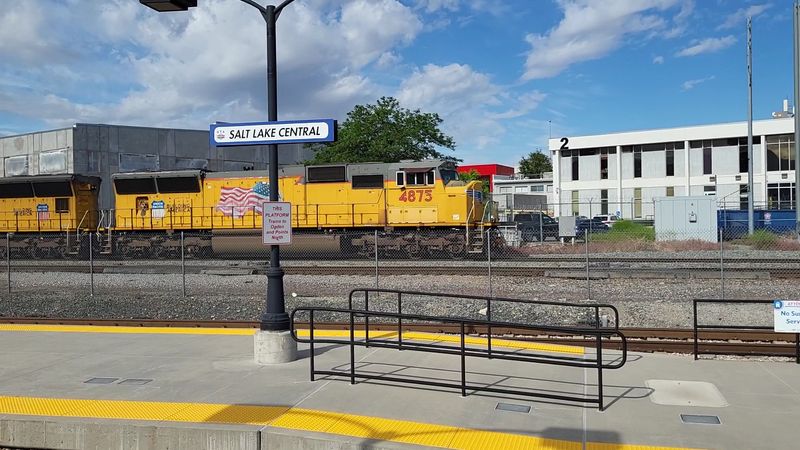
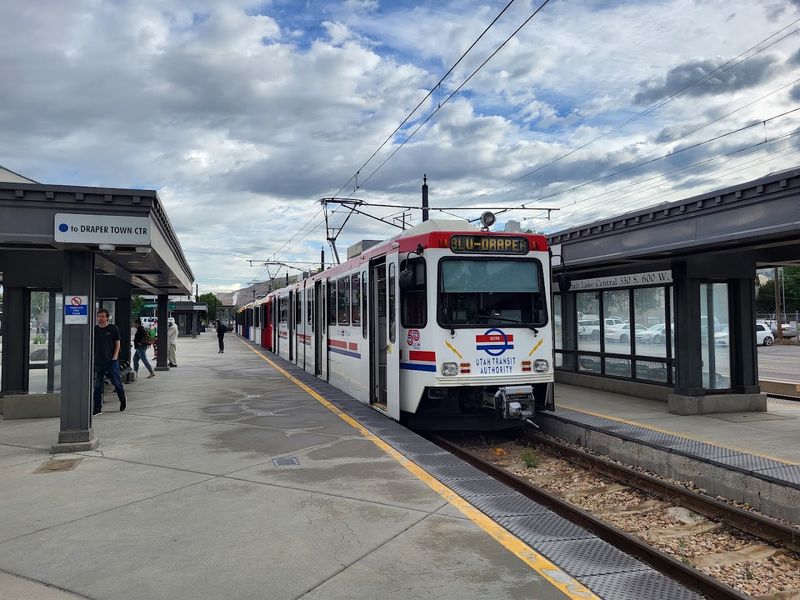
First impressions matter, and the Canyon Spirit Station at 340 South 600 West in Salt Lake City sets a tone that feels purposeful rather than accidental. It sits at the western edge of the city, close enough to downtown to reach without a dramatic detour but far enough that the urban noise starts to fade before you even board.
The station functions as a dedicated departure point for the Canyon Spirit excursion, which means the crowd gathering here shares one specific goal: getting to Moab the scenic way. There is something quietly energizing about standing among fellow travelers who all made the same deliberate choice to skip the interstate.
Arriving a little early gives you time to settle in, sort your bags, and absorb the fact that you are about to watch Utah unfold from a train window rather than a car windshield. That alone feels like a minor act of genius on any summer itinerary.
Pro Tip: Plan to arrive at the station with extra time built in. Rushing a train departure is a universally regrettable experience, and this one is worth starting on a relaxed note.
Salt Lake City as Your Launch Pad: A Smart Starting Point
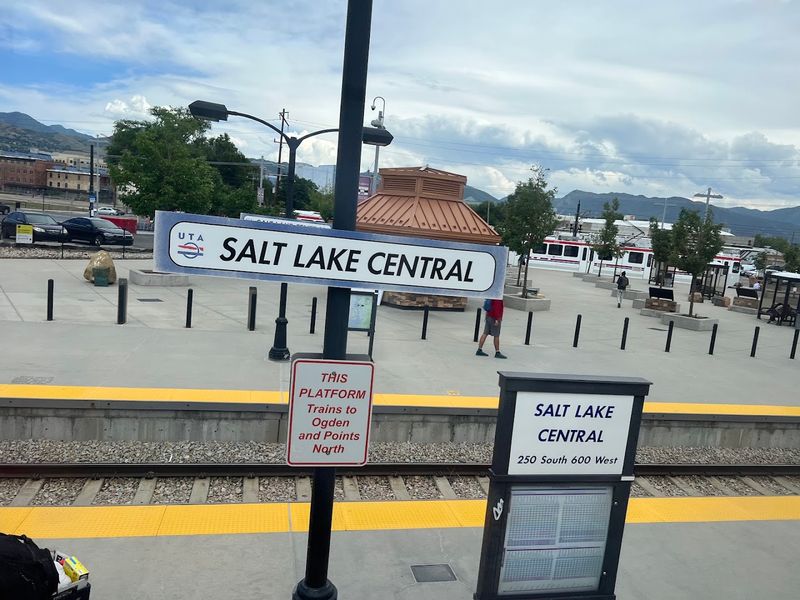
Salt Lake City does not always get credit as a launchpad for adventure, but it earns that title here without argument. The city sits at the base of the Wasatch Range with the Colorado Plateau stretching southward, making it a genuinely logical starting point for a journey toward Moab’s canyon country.
Visitors flying into Salt Lake City International Airport will find the connection to the Canyon Spirit Station relatively manageable. The city itself offers plenty of options for an overnight stay before departure, so turning this into a multi-day trip requires very little extra planning.
There is also a certain satisfaction in watching Salt Lake City’s grid-perfect streets give way to open desert terrain as the train rolls south and east. The urban-to-wilderness transition happens gradually, which is part of what makes the early portion of the ride so unexpectedly rewarding.
Best For: Travelers flying into Utah who want to extend their trip beyond a single destination and build in a scenic travel day rather than just another rental car leg on the highway.
Red-Rock Scenery That Actually Lives Up to the Hype
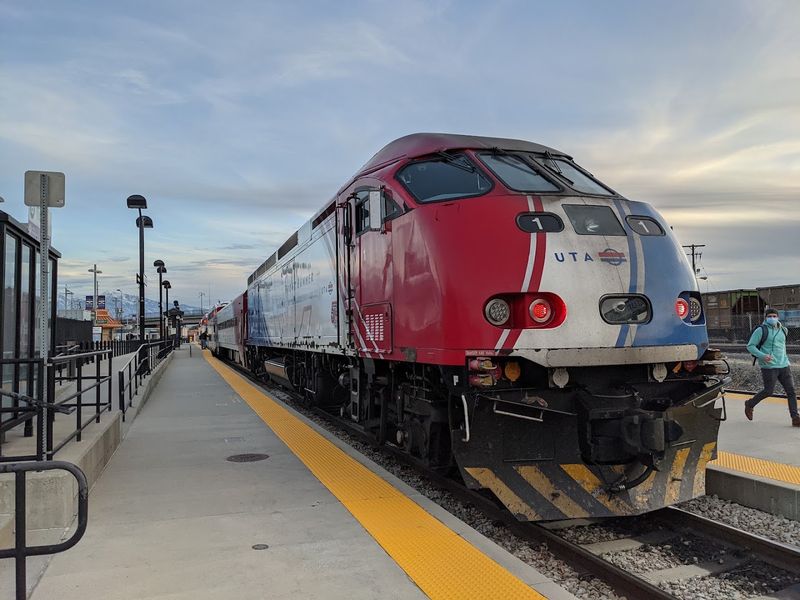
Utah’s red-rock country is one of those places that photographs well but somehow looks even better in person, which is a rare and welcome reversal of expectations. Seeing it from a train window rather than a car window changes the experience in ways that are hard to fully explain until you are actually doing it.
The scale of the canyon formations, the layered geology painted in shades of rust, amber, and deep ochre, and the way the light shifts across the rock faces throughout the day all combine into something that feels more like a moving painting than a commute. You are not navigating it; you are simply watching it happen.
Summer brings long days and bold light, which means the colors are at their most saturated during peak season. Afternoon sun hitting sandstone at the right angle produces the kind of warm glow that makes even reluctant photographers reach for their cameras.
Why It Matters: Experiencing this landscape from a train removes the mental load of driving, meaning your full attention stays on the scenery rather than the road. That distinction matters more than it sounds.
The Route to Moab: Desert Miles That Actually Feel Short
Moab has become one of Utah’s most recognizable destinations, drawing visitors who want proximity to Arches National Park, Canyonlands National Park, and some of the most distinctive terrain in North America. Getting there by train reframes the journey itself as part of the experience rather than just the obligatory preamble.
The route covers terrain that shifts and changes in ways that keep the view consistently interesting. Desert scrub, canyon walls, river corridors, and wide open sky take turns dominating the window, and none of it feels repetitive for long.
What surprises most first-time riders is how quickly the miles seem to pass when the scenery is doing the work of keeping you engaged. A trip that might feel long behind a steering wheel becomes genuinely enjoyable when your only job is to look out the window and occasionally decide whether you want to take a photo or just sit with it.
Insider Tip: Grab a window seat on the side facing the canyon walls for the most dramatic views during the best portions of the route. Both sides have appeal, but one tends to deliver the bigger payoffs.
Why Families Keep Choosing This Over Another Road Trip
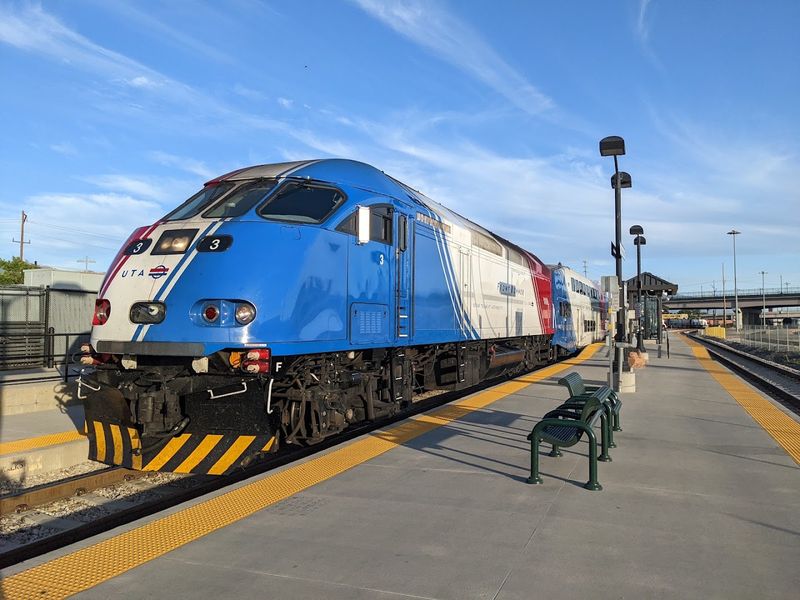
Road trips with children have a well-documented arc: enthusiastic departure, followed by a window of genuine excitement, followed by the inevitable chorus of questions about arrival time. The Canyon Spirit train ride disrupts that pattern in the best possible way.
When kids are on a train, the vehicle itself becomes part of the entertainment. There is something to look at from every window, the movement is smooth enough to allow snacks without incident, and the novelty of train travel holds attention longer than most families expect.
Parents, meanwhile, get to actually enjoy the scenery rather than staring at taillights.
The shared experience of watching Utah’s canyon country appear and evolve outside the window creates the kind of collective memory that families tend to reference for years afterward. It is the trip where everyone was genuinely present at the same time, which is rarer than it should be.
Best For: Families with kids of any age who want a summer adventure that feels exciting and low-stress simultaneously, without requiring anyone to navigate, merge, or find parking.
Couples and the Case for Slowing Down Together
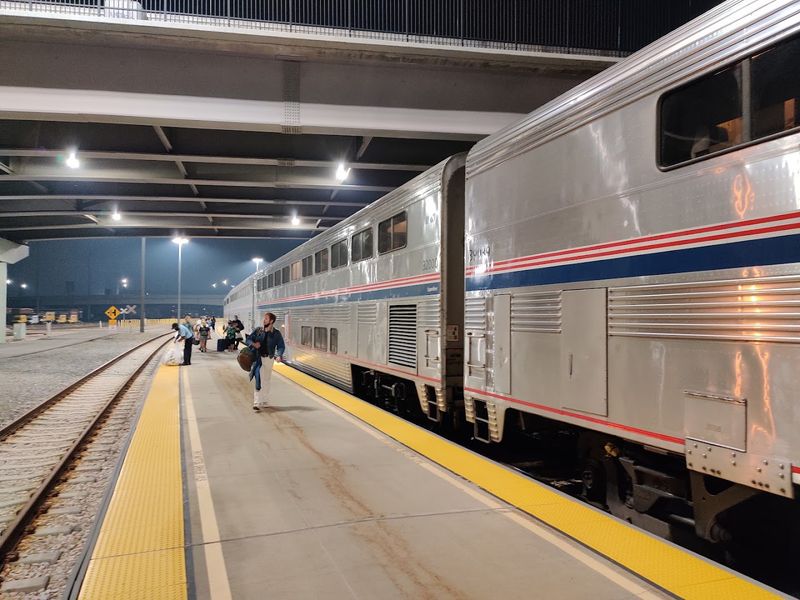
There is a specific kind of travel that couples tend to remember most fondly, and it rarely involves the most expensive or complicated itinerary. It tends to involve a moment where both people were genuinely relaxed at the same time, looking at something beautiful, without a to-do list running in the background.
The Canyon Spirit route creates that moment almost automatically. Two people sharing a train window and watching canyon walls drift past have very little reason to check their phones, debate the next move, or stress about logistics.
The train handles all of that. The only remaining question is which formation looks more dramatic.
For couples who have done the national park driving circuit before, this offers a fresh angle on familiar terrain. Seeing the same landscape from a different vantage point, at a different pace, tends to reveal details that a car window at highway speed simply skips over.
Planning Advice: Consider booking seats in advance during peak summer months. This route draws consistent interest, and securing your preferred seating early makes the whole experience feel more intentional and less last-minute.
Summer Light and Utah Geology: An Unexpectedly Perfect Combination
Summer in Utah gets a complicated reputation because of the heat, but from inside a train with a clear view of the canyon country, the season shows its best side without apology. Long daylight hours mean the light is doing something interesting for most of the journey, whether it is the sharp morning clarity or the richer tones that arrive as the day matures.
Utah’s geology is legitimately fascinating even to people who do not consider themselves rock enthusiasts. The layers visible in canyon walls represent enormous spans of time, compressed into visible stripes of color that shift depending on angle and light.
Watching those formations pass at train speed gives your eyes time to actually process what they are seeing.
The combination of summer light and exposed sandstone produces a visual intensity that is hard to replicate in other seasons. Reds deepen, shadows sharpen, and the sky tends toward a blue that seems almost competitive with the landscape below it.
Quick Tip: Morning departures often reward riders with cleaner light and cooler temperatures at the station. The scenery looks exceptional at any hour, but early starts tend to add a certain crispness to the whole experience.
What Makes This Different From Every Other Scenic Drive in Utah
Utah has no shortage of scenic drives, and most of them are genuinely worth taking. But the Canyon Spirit train ride occupies a different category entirely, one where the mode of transportation actively enhances rather than competes with the experience of the landscape.
Driving a scenic route requires constant attention to the road, which means the most dramatic views often arrive at the exact moment you cannot safely stare at them. A train removes that tension completely.
The scenery becomes the only thing requiring your attention, which is a surprisingly liberating shift.
There is also the matter of scale. Canyon country looks different when you are moving through it at train pace rather than highway speed.
Details accumulate. The texture of rock faces, the way vegetation clusters near water sources, the geometry of canyon rims against sky, all of it registers more fully when your brain is not simultaneously processing lane changes and exit signs.
Who This Is For: Anyone who has driven Utah’s scenic routes and thought, I wish I could just look. This ride answers that wish directly, without requiring any compromise on the quality of the scenery itself.
Arriving in Moab: The Destination That Earns the Journey
Moab arriving at the end of a canyon train journey feels earned in a way that pulling off a highway simply does not replicate. The town sits in a valley carved by the Colorado River, with canyon walls rising on multiple sides, and the approach by rail lets that geography reveal itself gradually rather than all at once.
As a destination, Moab is well established. It serves as the gateway to two national parks and offers a compact downtown with enough character to reward a short stroll after arrival.
The scale is manageable, the setting is dramatic, and the combination tends to make visitors feel like they landed somewhere genuinely worth the trip.
Arriving without a car also reframes how you move through the town itself. The pace slows naturally, priorities shift, and the experience becomes more about being somewhere rather than getting somewhere else.
That shift is often the best part of any trip, and this journey sets it up beautifully.
Common Mistakes to Avoid: Do not under-plan the Moab portion of the trip. The destination rewards advance thought about where to spend time, so a little research before departure goes a long way.
Packing Smart for a Summer Train Journey Through the Desert
Packing for a desert train journey requires a slightly different mental model than packing for a road trip. You are not loading a trunk; you are managing what you carry onto the train, which encourages a welcome kind of editing that most travelers find quietly satisfying in retrospect.
Sun protection matters significantly in summer Utah. Sunscreen, sunglasses, and a hat are not optional accessories on this trip; they are practical necessities for any time spent outside at either end of the journey.
Hydration follows the same logic. A solid water bottle is worth more than almost anything else in your bag when the temperature climbs.
Light layers are worth including even in summer, because the temperature difference between the canyon floor at midday and the shaded station in the early morning can be more significant than expected. A light jacket or packable layer earns its space without adding meaningful weight to your bag.
Best Strategy: Pack as though you will be walking more than you planned and carrying everything yourself. That mental frame tends to produce exactly the right amount of gear for this kind of trip, nothing excessive and nothing missing.
Making It a Full Weekend Without Overcomplicating the Plan
The Canyon Spirit journey fits naturally into a two-day weekend without requiring military-level logistics. Depart Salt Lake City on a Saturday morning, spend the afternoon in Moab, and return Sunday with enough time to decompress before Monday.
The structure is simple enough that it actually happens, which is more than can be said for most ambitious travel ideas.
The weekend frame also makes this accessible to people who cannot take extended time off but still want a trip that feels substantial. Two days of canyon country, anchored by a scenic train ride in each direction, tends to feel longer than it is in the best possible sense.
Booking accommodation in Moab in advance is the one planning step that genuinely matters. The town sees consistent summer demand, and leaving lodging to chance on a Friday afternoon is the kind of optimism that occasionally works out but more often does not.
Quick Verdict: This is the weekend trip that requires almost no convincing to organize, delivers a high return on the minimal planning invested, and generates the kind of stories that make Monday morning at the office slightly more bearable.
The Lasting Impression: Why This Ride Stays With You
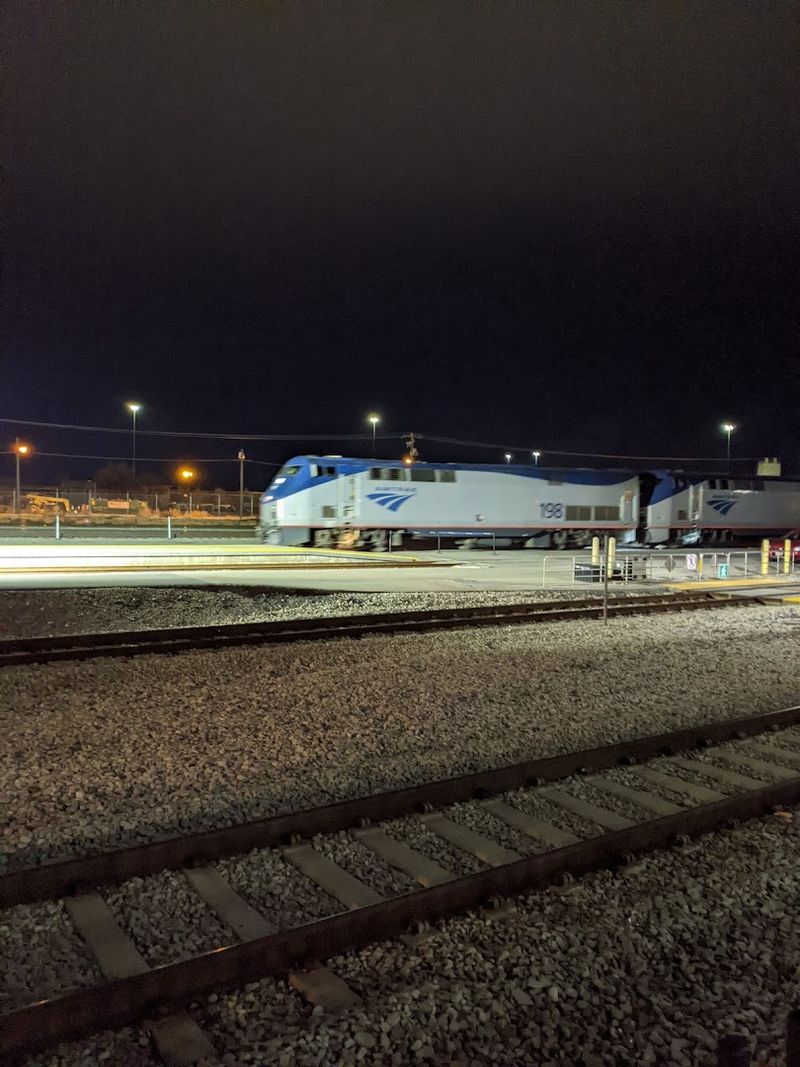
Some trips fade quickly once the photos are uploaded and the bags are unpacked. Others settle into memory with unusual persistence, resurfacing at odd moments as a reference point for what travel can feel like when everything aligns.
The Canyon Spirit journey tends to land in the second category.
Part of what makes it stick is the contrast it creates. In a travel landscape increasingly defined by screens, logistics apps, and optimized itineraries, sitting on a train and watching ancient canyon walls roll past for hours registers as something genuinely different.
The simplicity of the experience is itself a kind of luxury.
The other factor is the landscape. Utah’s canyon country has a visual authority that does not require explanation or context to land.
It simply looks like something worth seeing, and seeing it from a train at the right time of year, with summer light doing its best work on the rock faces, produces an impression that holds.
Final Word: If someone asks what you did last summer and you say you took a train through Utah’s canyon country, the follow-up question is always the same: how do I do that? Now you know exactly where to start.