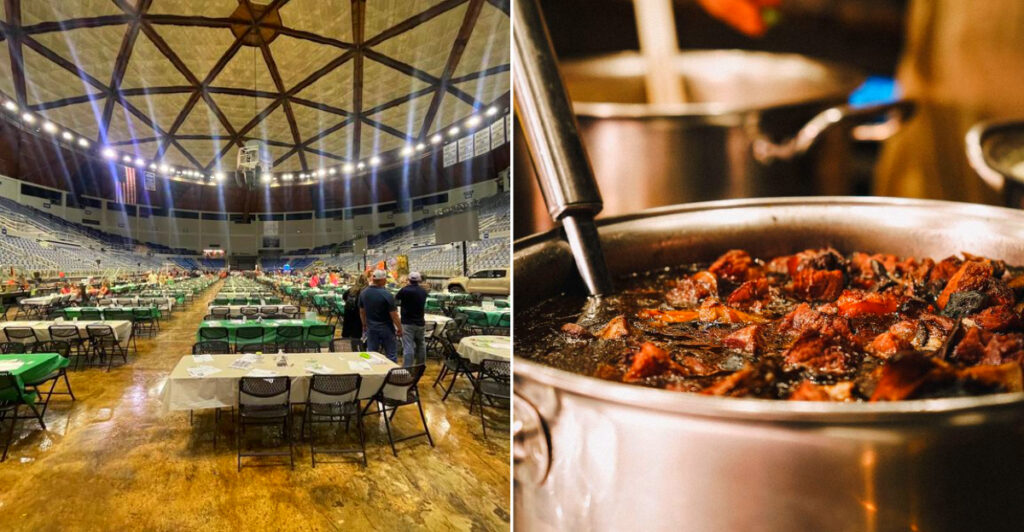
Plates arrive fast and stacked: gumbo in each hand, plus a line of shrimp étouffée that moves faster than anyone can keep count. This festival does not stretch over a long weekend or ask you to pace yourself.
It gives you a single day to eat your way through a menu that most restaurants would need a full week to prepare, plus it does so inside an air-conditioned coliseum where the heat stays outside plus the music stays loud.
The bands switch between accordion-driven two-steps and fiddle-heavy waltzes while the food tents keep serving until the pots scrape bottom.
Walk in hungry, walk out carrying a foam tray that still has three things you did not get to taste. The whole experience runs on the kind of excess that only a Cajun festival can justify. Louisiana turns a summer day into a full-scale Cajun cooking marathon that no restaurant can replicate.
History And Preservation
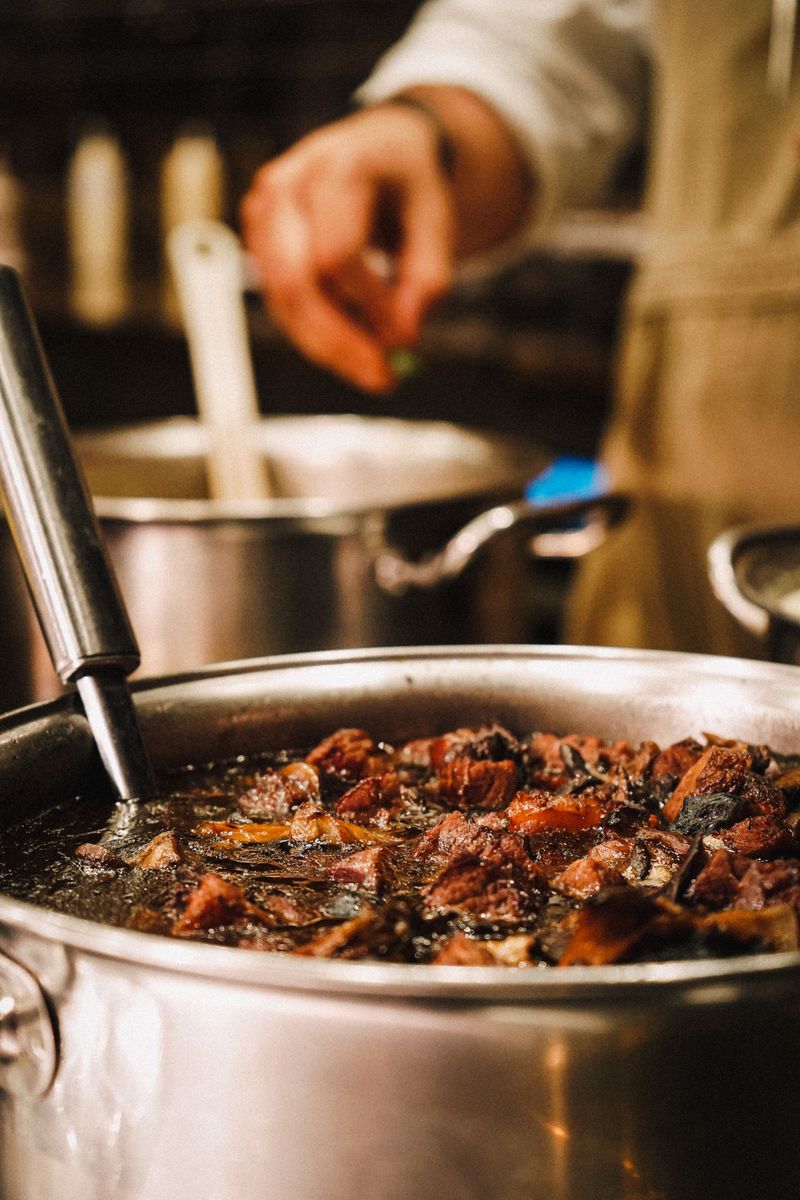
On a quieter corner of the complex I found panels and conversations that pointed to the festival’s past and why it matters. The Cajun French Music Association has stewarded this event for decades and the 39th annual gathering in 2026 continues that deliberate preservation of songs and recipes.
Longtime cooks steward family gumbo techniques and swap tips beside their burners while volunteer organizers keep the schedule running. The accordion contest embodies transmission between generations, with children and adults sharing the same platform and community applause as the only score needed.
For visitors, that history translates into respectful curiosity: listen to performers, ask about recipe origins, and buy work from vendors who sustain local craft traditions. These small actions help the festival keep doing the important work it has done for years.
Gauthier Road Ends With A Full Day Of Cajun Music
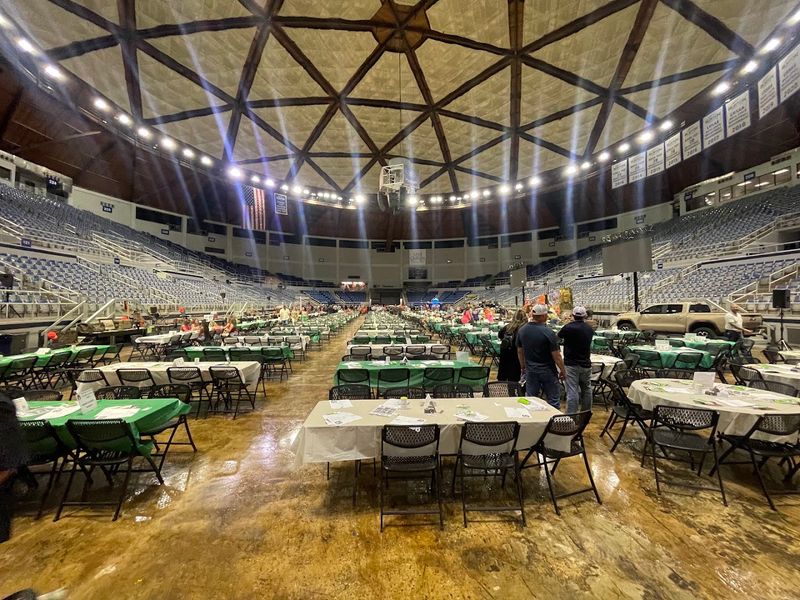
The Cajun Music & Food Festival takes place inside Burton Coliseum at 7001 Gulf Highway in south Lake Charles, Louisiana. From I-210, approach by Nelson Road or Gerstner Memorial Boulevard, then continue toward the corner of Gulf Highway and Gauthier Road.
The 2026 festival runs Saturday, July 18, from 8:45 a.m. to 10 p.m. As the coliseum comes into view, expect heavier turning traffic and a steady flow of festivalgoers, then follow venue and event signs toward the Gulf Highway entrance.
Enter the main parking lot directly from Gulf Highway and follow attendants toward an available space. From the lot, walk to the Burton Coliseum entrance rather than searching elsewhere around the larger complex.
Sensory Oddities To Notice
The first odd delight is how the arena’s acoustics turn a pot’s simmer into part of the soundtrack; you notice the metallic clink of ladles, the hushed scrape of chairs and the accordion’s breath as part of the festival rhythm. Those little sounds register as much as the music itself.
Smells layer too, shrimp-heavy étouffée at one vendor, smoky sausage in another, and a sweeter strand of powdered sugar from pastry stalls. Visual contrasts are sharp: bright bandanas, aprons splattered with roux, and rows of handmade goods on folding tables.
Keep your senses open and stagger your sampling so flavors don’t blur. Pause between sets to listen closely to a tune and let the room’s small noises, the true local score, sink in before you move to the next booth.
Stage Energy And Music
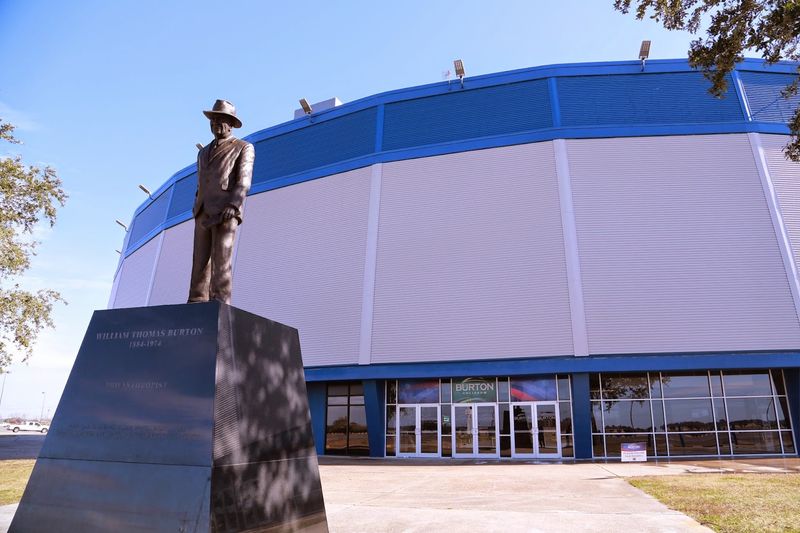
Music is the festival’s backbone and the schedules are dense enough that you can drift between big sets and intimate jam sessions. Bands like Donny Broussard and Paul Daigle typify the mix of polished sets and porch-party warmth that keeps people moving from vendor row to dance space.
Jam sessions often open pockets for local players and the accordion contest injects playful competition into the day. The sound system is serviceable and the room amplifies footwork and handclaps in a way that makes even a short set feel communal.
To catch a favorite group, check the schedule early, stake a comfortable spot near the stage, and be ready for immediate applause. If dancing is your plan, leave space near the floor and wear shoes that won’t suffer from a long day of two-step rhythms.
Food Line Logistics
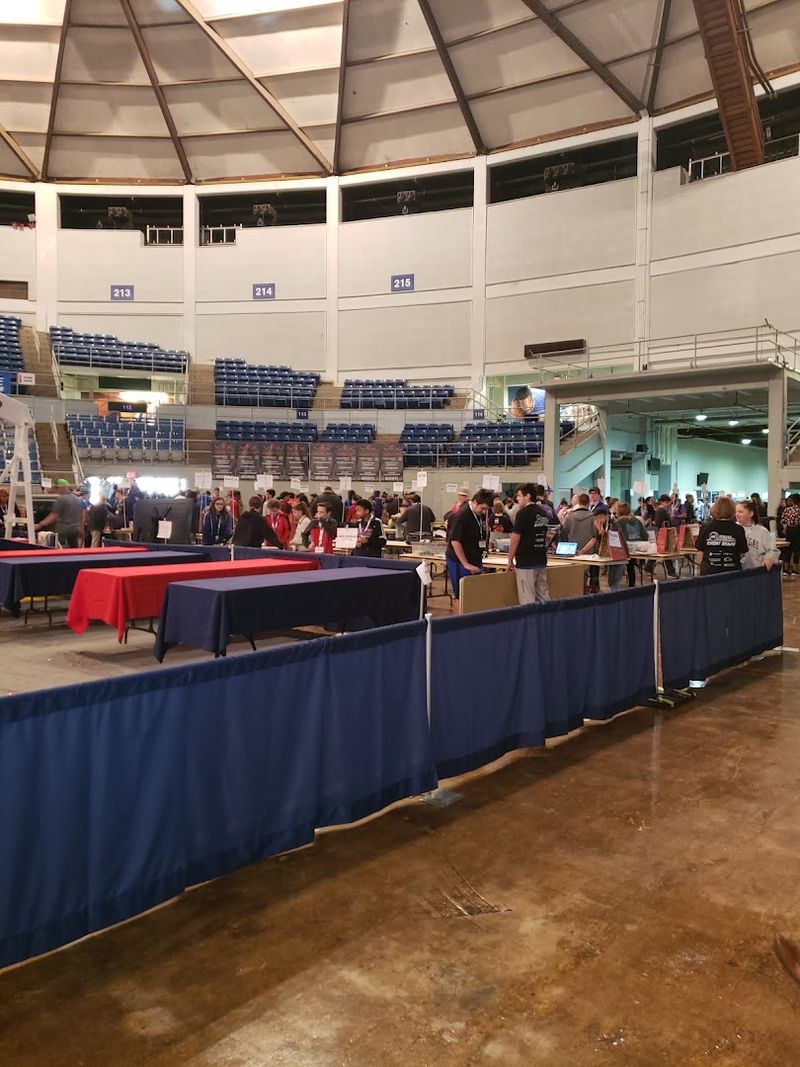
Lines are part of the choreography and you learn quickly to read the small signs that mark cash-only booths, specialty pots, and shorter queues. Admission is ten dollars cash per person so plan for that first; an on-site ATM reduces stress but can mean a short detour.
Popular dishes like pork stew and shrimp étouffée have dedicated stations and vendors replenish pots steadily through the day. If you want to try everything, pick two high-priority bowls and sample other snacks in between sets to avoid missing songs while you stand in line.
Volunteer servers move fast, so have cash ready and keep a small carry bag for napkins and toothpicks. Arriving when doors open is the simplest way to balance music viewing with eating without feeling rushed.
Vendor Finds And Souvenirs
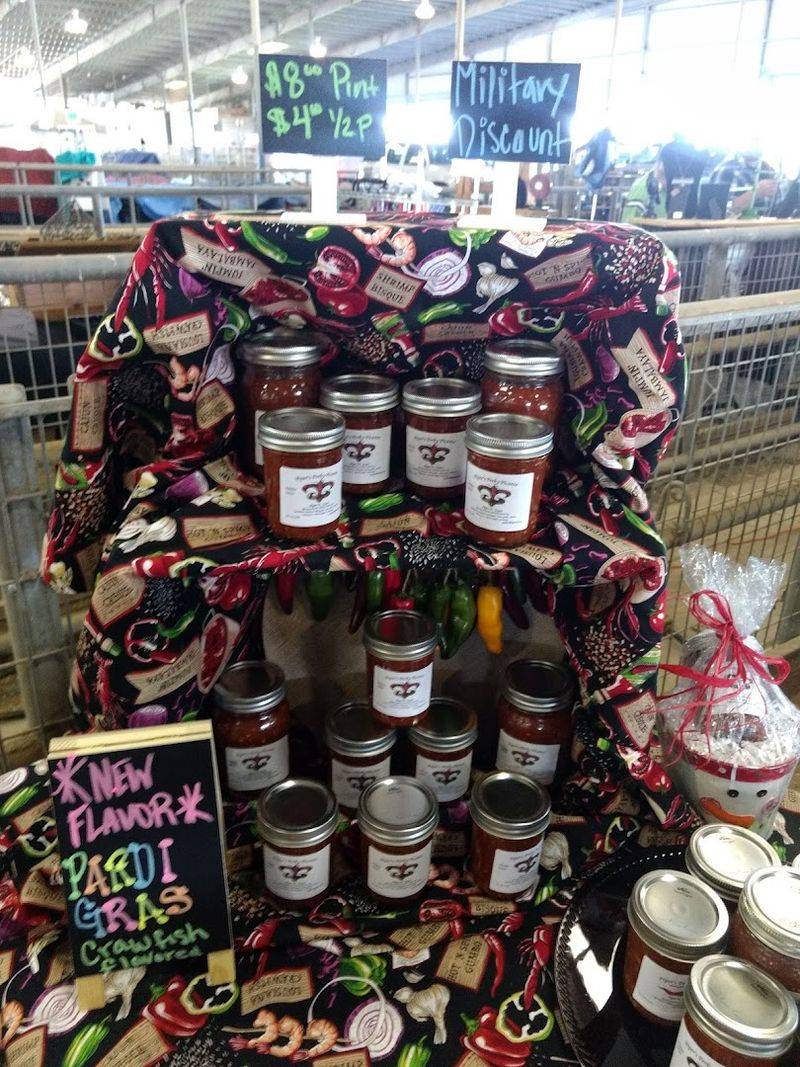
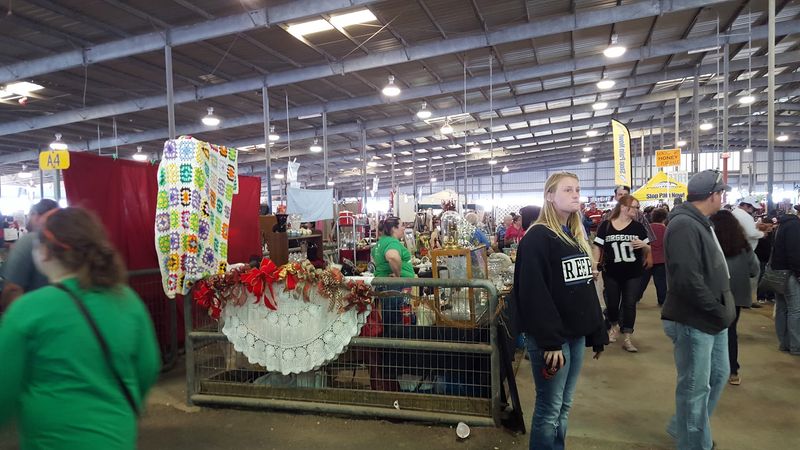
Vendors populate corridors with a blend of practical and whimsical goods: hand-sewn pieces, crochet, tumblers, and regionally made souvenirs that feel like tangible festival memory. Booth owners often chat about technique or the story behind an item, which adds warmth to the purchase experience.
Many stalls accept card payments but smaller crafters still prefer cash, so splitting payments across methods works well. Prices vary and bargaining is friendly when appropriate, but buying with appreciation for the maker matters more than the final number.
Set aside a small budget for these stalls and carry a lightweight tote for purchases. A thoughtful souvenir might be the best way to remember a song or a bowl you loved, and it directly supports the community keeping this festival vibrant.
Family Friendly Activities
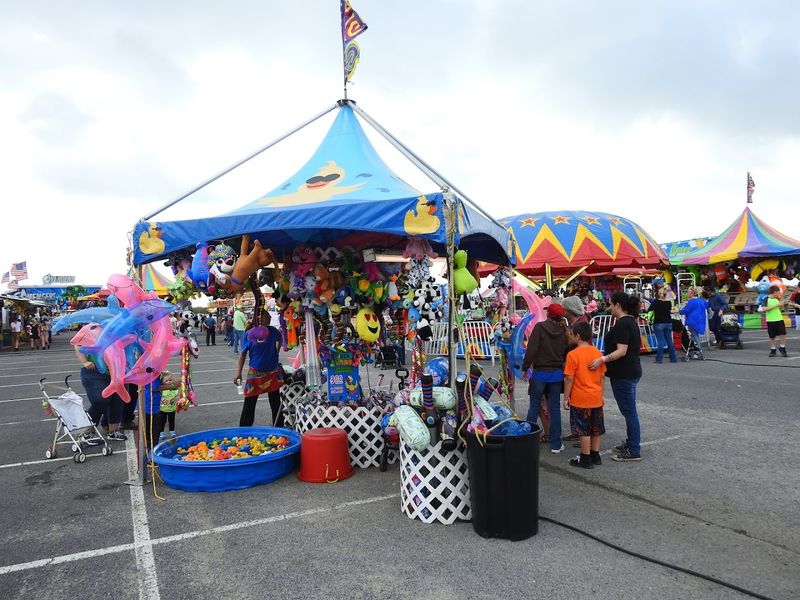
The festival places a clear emphasis on family-friendly programming, with a kids’ zone offering arts and crafts that keeps little hands busy between sets. Watching children fumble with a small accordion or join a simple circle dance is one of the gentler pleasures of the day.
Organizers design the layout so families can move from food to music to activities without backtracking too much. Admission rules are straightforward: children ten and under free with a paying adult, which makes the event accessible for families traveling together.
Bring a small pack with snacks and a lightweight jacket; the coliseum can feel cool indoors. If you plan to bring very young children, arrive early to secure seating near restrooms and exits so transitions stay calm and predictable throughout the day.
Seating Comfort Tips
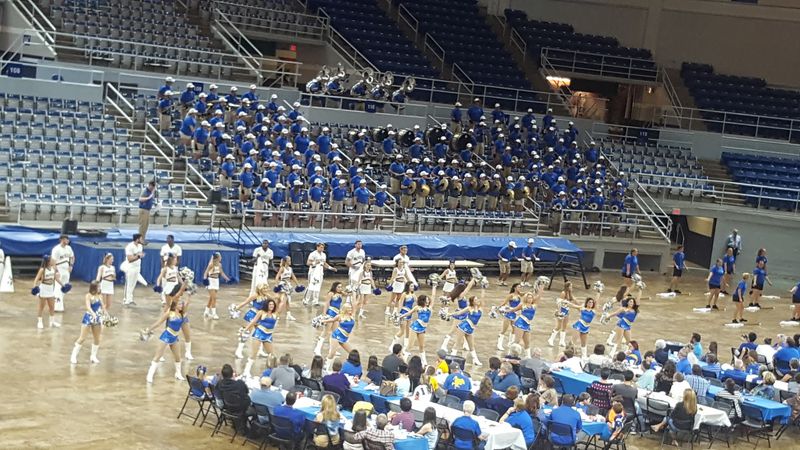
Seating at Burton Coliseum is functional but can be firm, so bringing a small cushion or padded floor chair transforms comfort levels for a long day. Reviews and regular attendees commonly suggest end-of-aisle seating if mobility or frequent movement is likely.
The venue offers ample restroom facilities in corridors and staff are helpful when locating accessible seating or elevators. The coliseum’s layout means sound travels well but aisles can feel tight when crowds shift between sets, which makes early arrival useful for good positioning.
If you prefer to stand and dance, plan where you’ll rejoin seated companions after a set ends. Keep a compact cushion and a lightweight bag, and consider wearing layers since indoor temperatures can feel cooler than outside humidity suggests.
Accessibility And Facilities
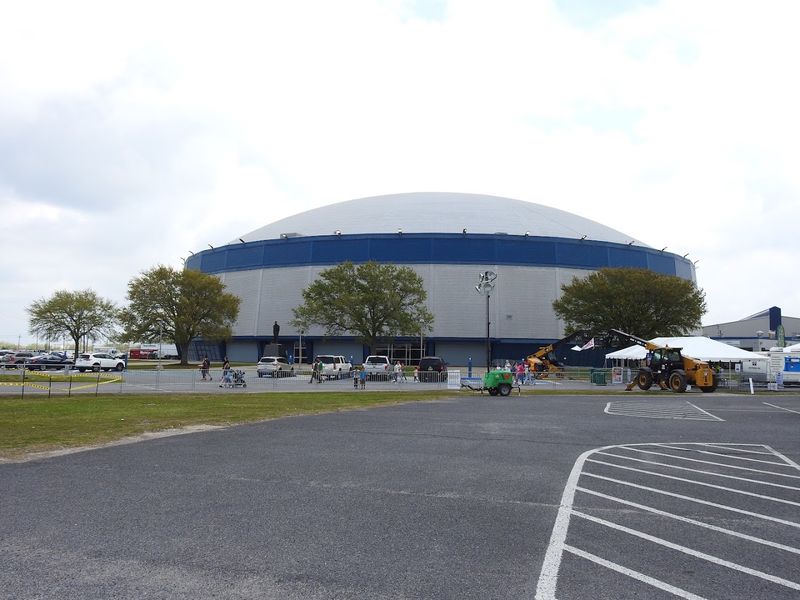
The Burton Complex generally supports accessibility with elevators and corridors connecting most seating tiers, and staff are known to be courteous and helpful when you need assistance. Restrooms are plentiful in both upstairs and downstairs corridors, which eases long-event logistics.
Parking can vary by event and some lots show wear, so arrive earlier for closer spots. The coliseum’s indoor setting shields the festival from summer heat and rain, which is a major advantage for planning and comfort during long July days.
For specific needs, contact the venue before the event to confirm accessible seating and entry procedures. Bringing a floor cushion and mapping restroom locations on arrival smooth out the day for attendees of all mobility levels.
Seasonal Timing And Weather
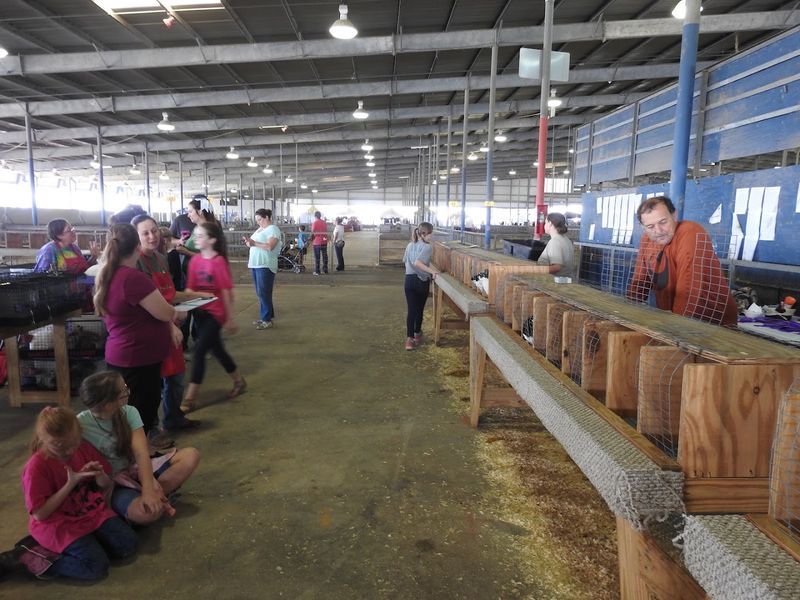
July in Lake Charles brings humidity and heat, but the festival’s indoor setting at Burton Coliseum means weather rarely derails plans. The 2026 festival on July 18th runs from early morning into evening, so timing your arrival around cooler morning hours helps with outdoor parking and initial lines.
Inside, temperatures can feel cooler than outside, so layering is smart: a light jacket or wrap removes the surprise of air-conditioned corridors. Vendors and volunteers often adjust schedules for high heat days, moving some activities earlier or later to keep everyone comfortable.
Plan your travel so you avoid peak afternoon heat while walking to and from the venue. If rain threatens, the indoor layout keeps the festival cozy, and you can focus on sampling gumbo and enjoying performances without shifting plans because of weather.
Ticketing And Entry Advice
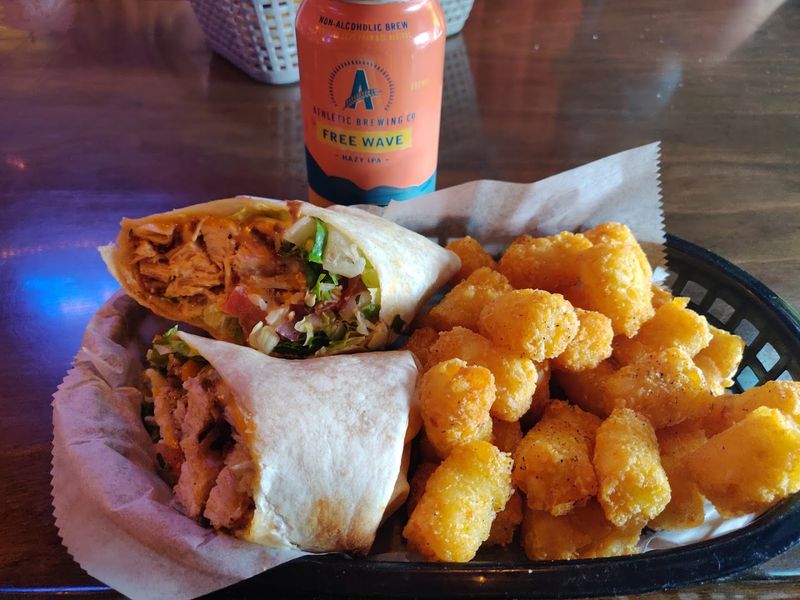
Admission is ten dollars per person payable in cash, and children ten and under enter free with a paying adult, so budget accordingly before arrival. An on-site ATM is available but lines can form, so bring small bills when possible to speed entry and purchasing at vendor booths.
Doors open early and arriving at opening minimizes wait times for popular dishes and secures better seating near the stage. Volunteers manage the flow and tickets, so being ready with exact cash and an easily accessible ID speeds everyone through entry points.
If you’re traveling as a group, designate a meeting spot in the main concourse and exchange phone numbers in case someone wanders for food or a particular band. That simple plan keeps the day fluid and reduces the chance of missing a favorite set while someone is in line for a bowl of stew.
After The Festival Traditions
A quieter tradition follows the festival: a Cajun French Mass typically held on Sunday morning at the CFMA building, often paired with a coffee and doughnut social that extends the weekend’s community feeling. It’s a gentle way to let the music and flavors settle into memory.
Longtime attendees treat this as part of the ritual, showing that the festival is not just a day of music and food but a cultural thread that loops into community life. The social after the Mass is casual and welcoming, with volunteers serving coffee and pastries and friendly conversation flowing.
If you have time, plan to attend the Sunday gathering to see a different, quieter side of the CFMA community. It’s an opportunity to speak with organizers and participants in low-key fashion and to cement the visit as part of a living tradition rather than a one-off event.