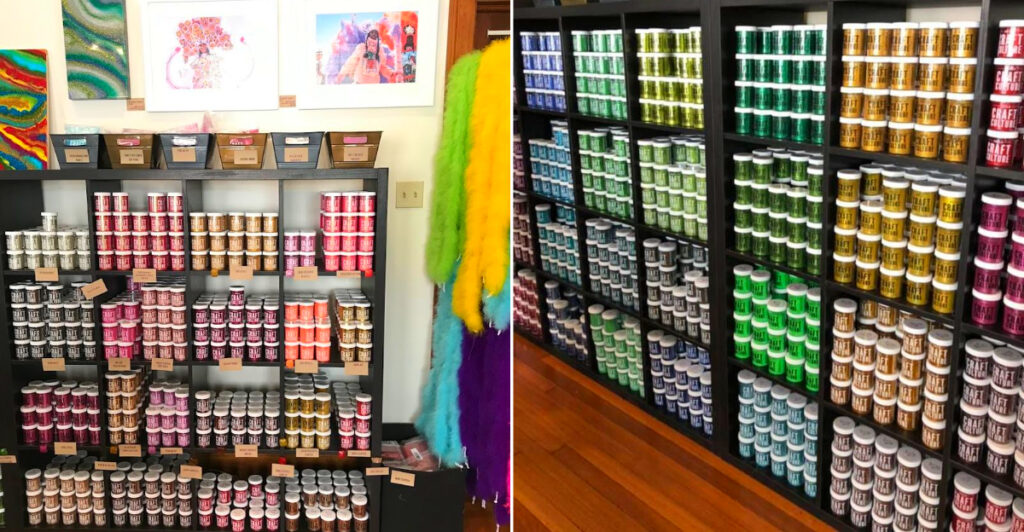
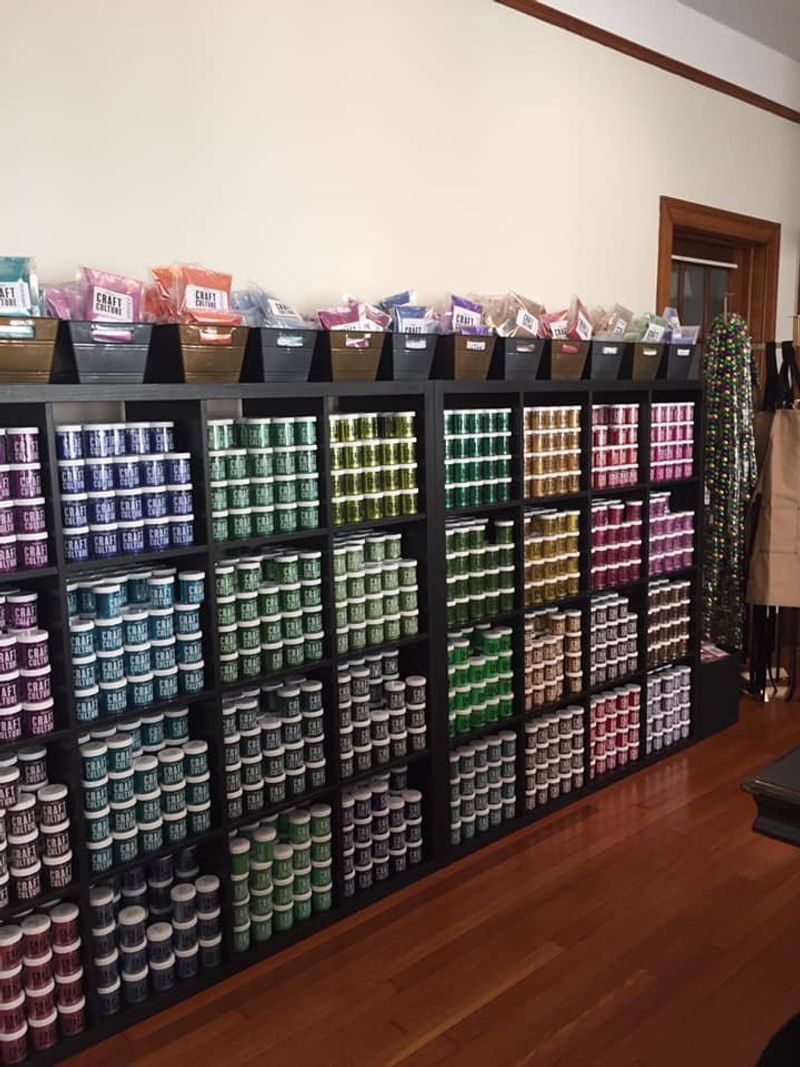
Shelves line the walls from floor to ceiling, each stacked with jars that catch the overhead light and throw it back in every direction. This is not a craft store that happens to carry glitter. It is a glitter store that happens to exist in a city that appreciates excess in all its forms.
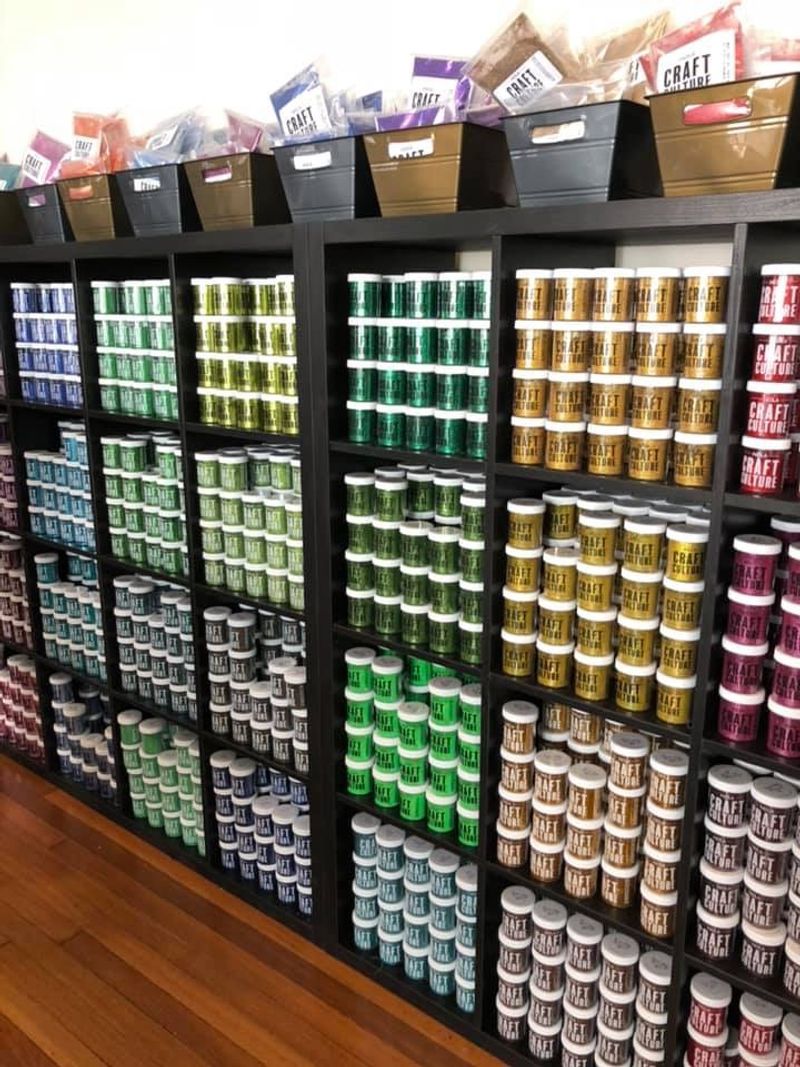
Fine mica powders sit next to chunky holographic flakes. Pigment samples fill bins arranged by shade, plus the staff can tell you which holds up in resin versus which dissolves in water.
The inventory runs toward the obsessive: if a color exists in nature or in a chemist’s imagination, it is probably sitting on a shelf here.
Walk in with a vague idea, walk out with a bag of something shimmering you did not know existed. Every color you could imagine lives under a single roof in this Louisiana glitter shop.
A Glittering Heritage
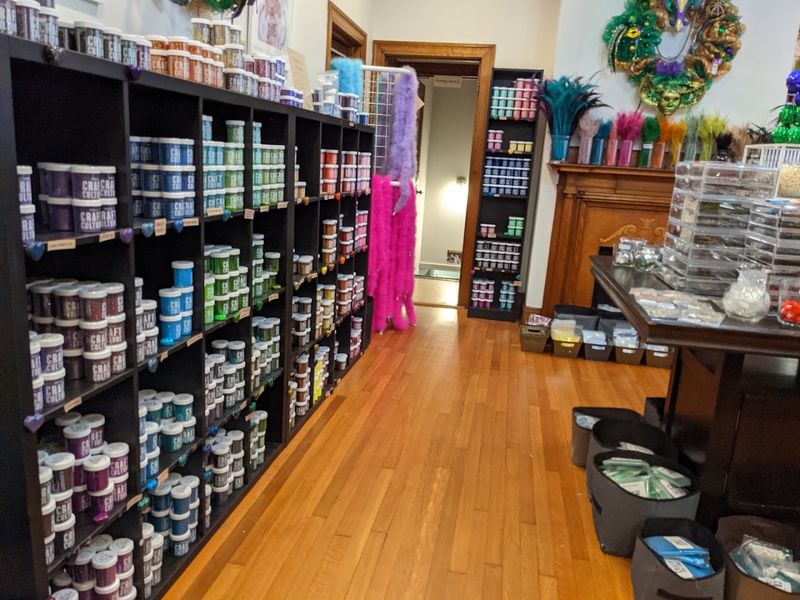
Before anything is glued, painted, sealed, or stitched, the room makes its argument through color. The shelves feel like a map of New Orleans creativity, where Carnival, costume culture, dance groups, walking krewes, and handmade parade traditions all seem to shimmer in miniature.
This is not sparkle for sparkle’s sake. The shop’s personality comes from a city where decoration often carries identity, humor, neighborhood pride, and ritual.
A glittered shoe, a sequined headpiece, or a hand-painted accessory can become part of a parade day persona, and the materials here understand that tradition.
The heritage is visible in the way supplies are curated. Bright jars sit beside practical tools, and finished examples help show how raw sparkle becomes something wearable or display-worthy.
The place feels rooted in the local habit of making things by hand, then making them louder, brighter, and more personal than they strictly need to be.
South Solomon Street Starts To Sparkle
NOLA Craft Culture is at 127 South Solomon Street in the Mid-City neighborhood of New Orleans, Louisiana. Approach through Mid-City by way of Canal Street, then turn onto South Solomon Street for the final neighborhood block.
The last stretch leaves Canal Street’s broad traffic lanes for a quieter row of homes and small businesses. Look for the colorful craft shop at street level, where the entrance leads to the retail space downstairs and additional shopping and creative areas upstairs.
The shop does not list a dedicated customer lot, so use a legal curb space nearby and check posted restrictions before leaving the car. From there, walk directly to the South Solomon Street entrance.
Community Crafting Hub
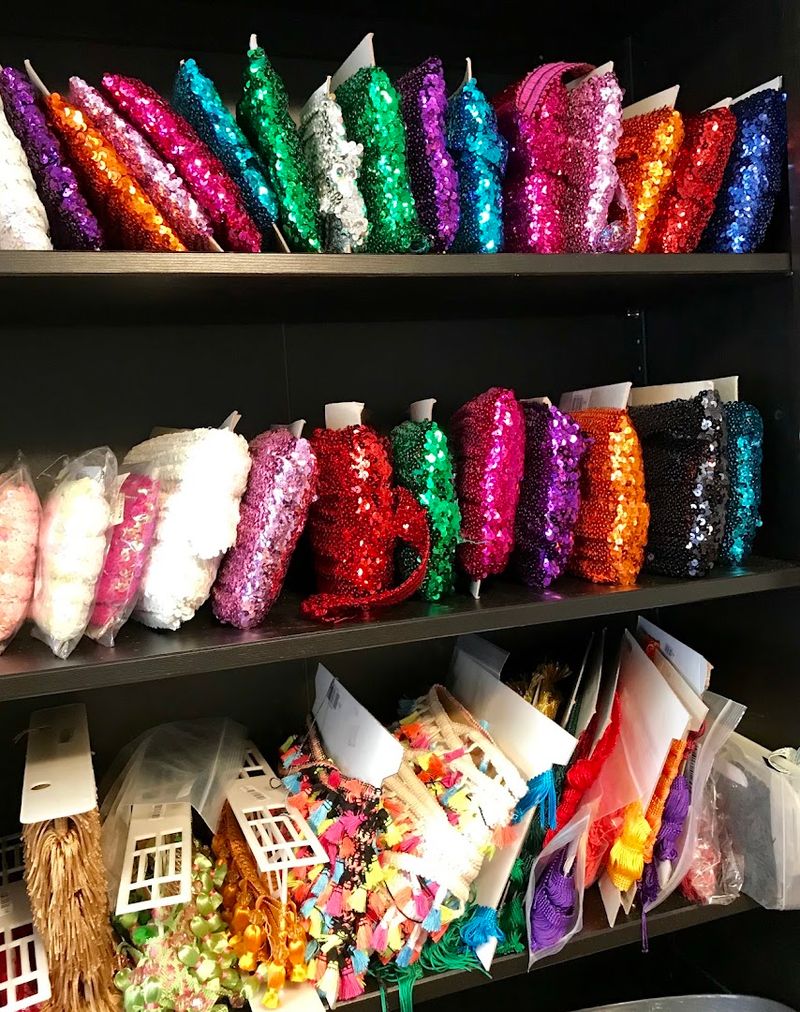
A store like this becomes more useful when it feels social, not just stocked. In New Orleans, crafting is often tied to groups: walking krewes, dance troupes, costume crews, festival friends, Mardi Gras day plans, and people preparing together for events that require visual commitment.
The shop supports that energy by giving makers a place to gather around materials and ideas. Someone may arrive looking for glitter to finish a pair of shoes, while another person needs help building a whole parade look from scraps of inspiration.
Those conversations are part of the atmosphere. They make the space feel like a creative checkpoint rather than a simple retail stop.
Community also shows up in shared knowledge. Customers trade tips, staff answer practical questions, and finished examples quietly suggest what is possible.
The result is a room where beginners do not have to feel lost and experienced makers can still discover something new. It is sparkle with witnesses, advice, and momentum.
Practical Sparkle Solutions
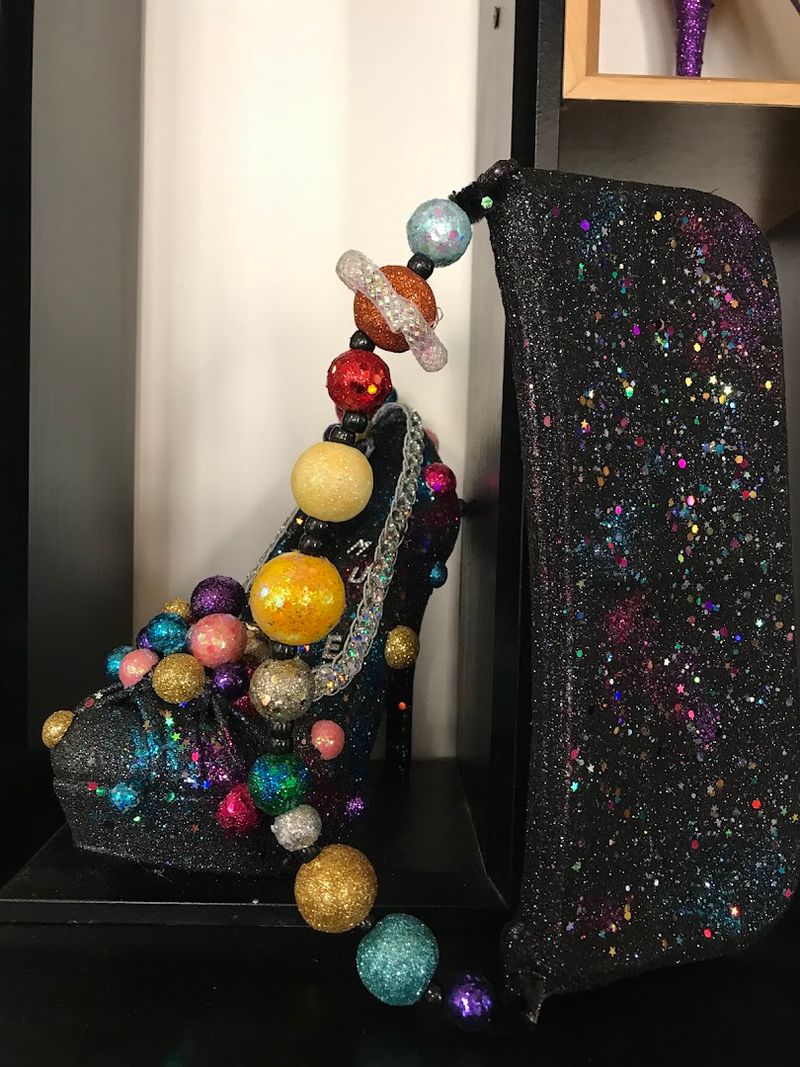
The smartest part of the shop is that it treats glitter as a technical material, not just a pretty one. Different projects need different answers.
Resin, fabric, shoes, face-safe decoration, signs, floats, paper crafts, and painted accessories do not all respond to the same sparkle or the same adhesive.
That practical knowledge saves projects from disaster. A glitter that looks perfect in the jar may not hold up on a shoe.
A pigment that shines beautifully in one medium may behave badly in another. A glue that works for a small decoration may fail once the object starts moving through heat, sweat, rain, or parade crowds.
This is where staff guidance matters. Asking about surface, wear, weather, flexibility, and sealing can prevent a lot of regret.
The shop’s value is not only the huge inventory. It is the ability to match sparkle to use.
That turns a wild idea into something that might actually survive the night.
Seasonal Spectacles
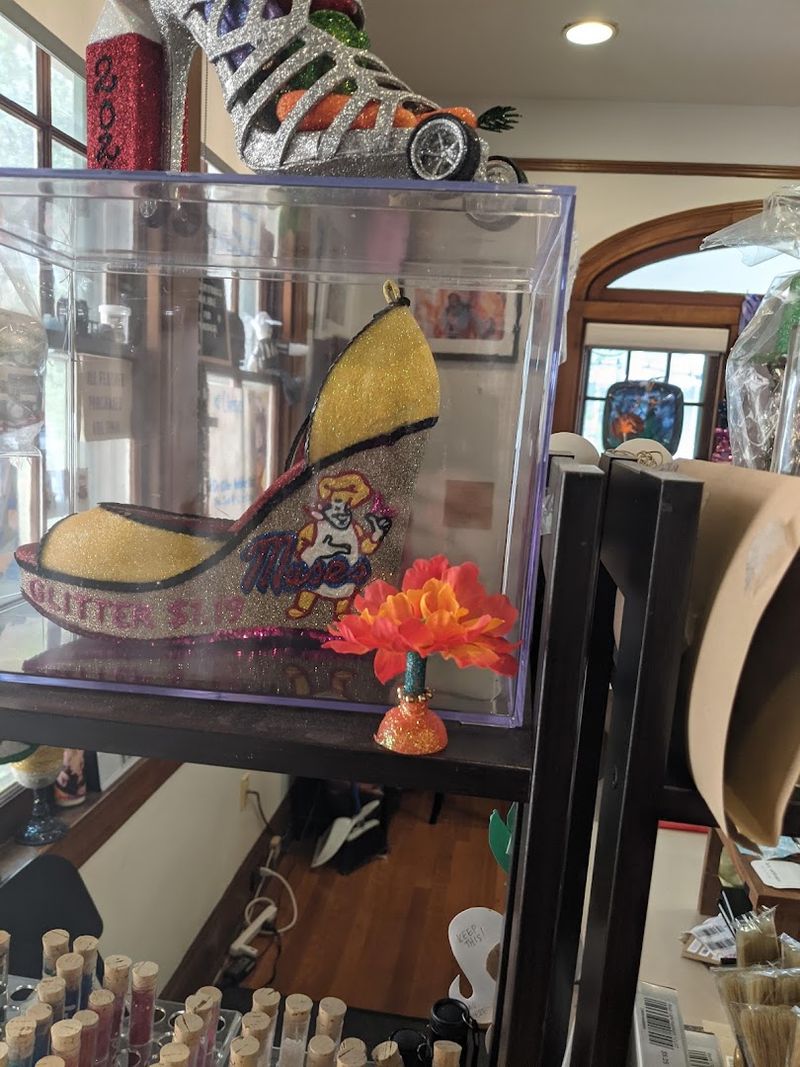
Carnival season changes the emotional temperature of the room. Suddenly, purple, green, gold, rhinestones, feathers, sequins, metallics, and oversized decorative choices feel less like options and more like obligations.
The city’s calendar starts pushing people toward bolder decisions.
That seasonal pressure can be joyful, but it also rewards planning. Parade shoes, headdresses, krewe accessories, jackets, signs, masks, throws, and costume pieces take more time than people think.
The right glitter may be easy to buy, but applying it cleanly, drying it properly, and sealing it well can stretch a small idea into a serious project.
The shop feels especially alive when everyone is preparing for something. Customers arrive with color themes, group rules, reference photos, and half-finished objects that need rescue.
The room becomes part supply house, part strategy session. Glitter looks playful, but before Mardi Gras, it can feel almost urgent.
That urgency is part of the fun.
A Year Of Celebrations
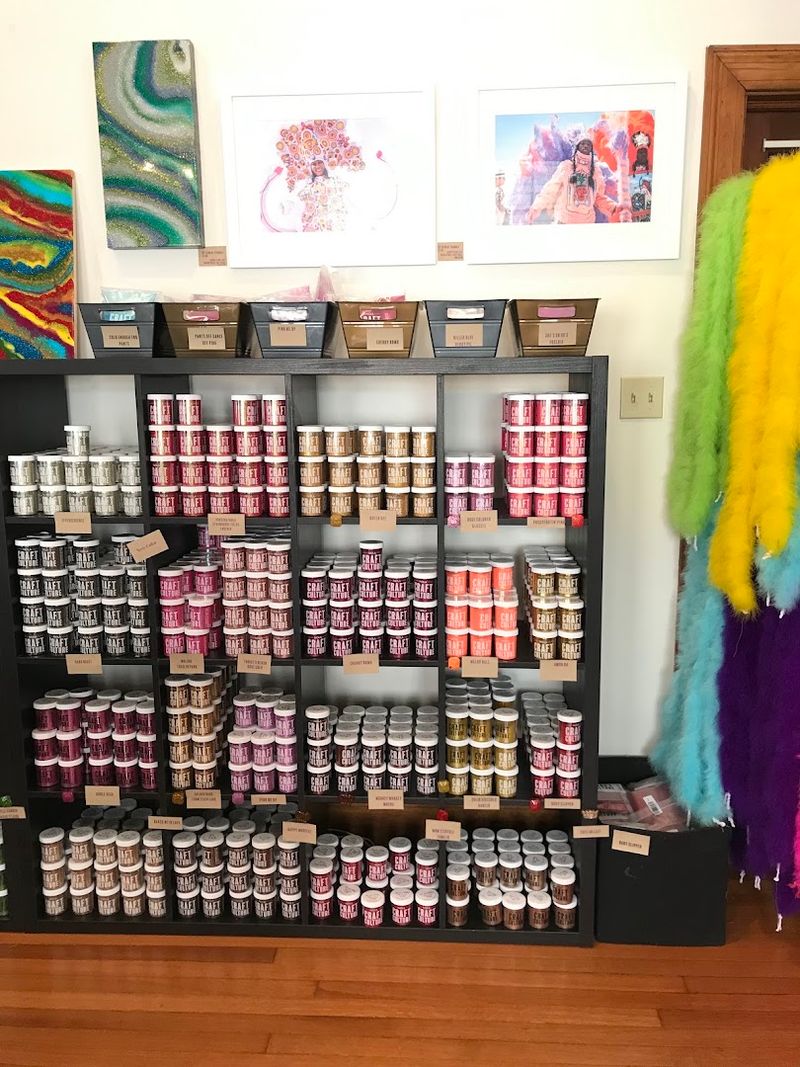
New Orleans does not limit visual excess to Mardi Gras, which is why a shop like this makes sense all year. Festival season, Halloween, weddings, Saints games, second lines, birthdays, bachelorette weekends, dance performances, holiday parties, and neighborhood events all create reasons to add shine.
That year-round usefulness keeps the inventory from feeling seasonal in a narrow way. A gold pigment might become part of a Carnival crown in February, a wedding sign in spring, a costume detail in October, or a handmade ornament in December.
The same material can change identities depending on the calendar.
This is also why the shop works for visitors as well as locals. You do not need to belong to a krewe to find something useful.
A small jar, charm, patch, or embellishment can become a travel keepsake or a gift for someone crafty back home. The store understands celebration as a habit, not a single holiday.
Workshop And Classes
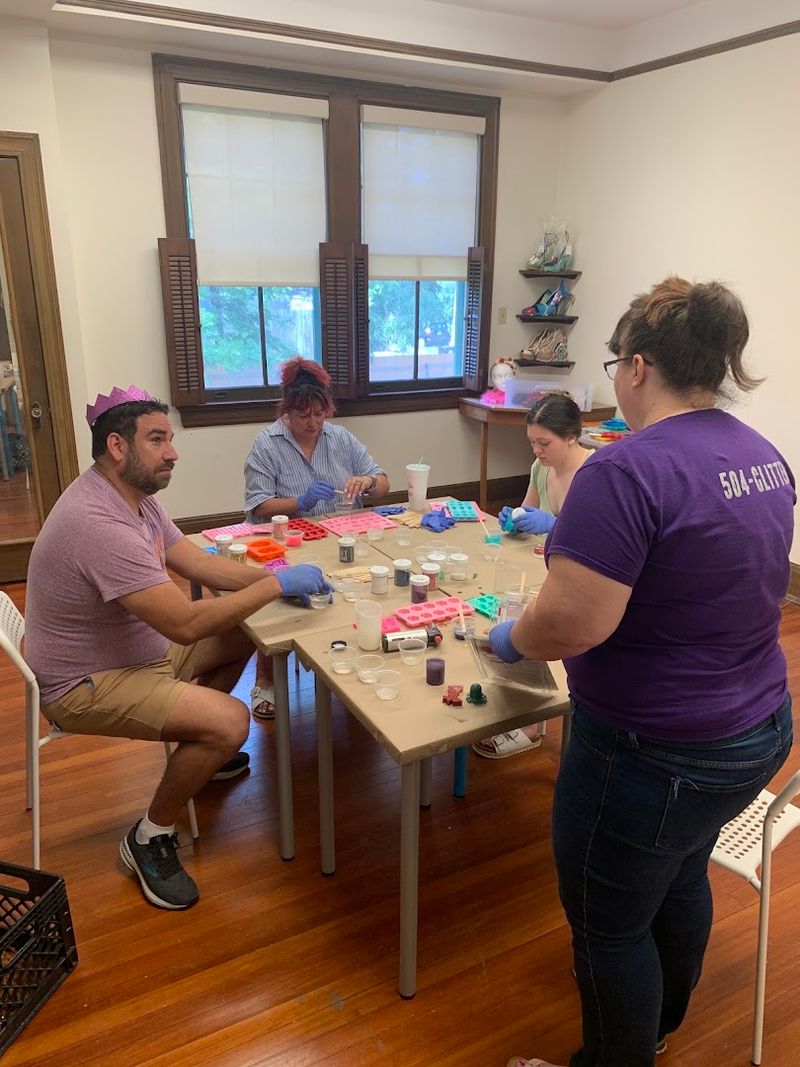
Instruction changes the experience from shopping to skill-building. Supplies can be inspiring, but they can also be intimidating when you do not know which tool, glue, brush, sealant, or sequence to use.
Workshops give people a way to cross that gap without ruining expensive materials through guesswork.
Classes are especially useful for projects that look simple but depend on technique. Glittering shoes, building headpieces, decorating accessories, or working with certain finishes can involve drying time, layering, edge control, sealing, and patience.
Seeing someone demonstrate the process makes the finished object feel possible rather than mysterious.
The workshop format also helps people commit. At home, a project can sit half-finished for weeks because the next step feels unclear.
In a class, the table, tools, teacher, and other makers create momentum. You leave with more than supplies.
You leave with a method, which is often the difference between a bright idea and a wearable result.
Hands On Workroom
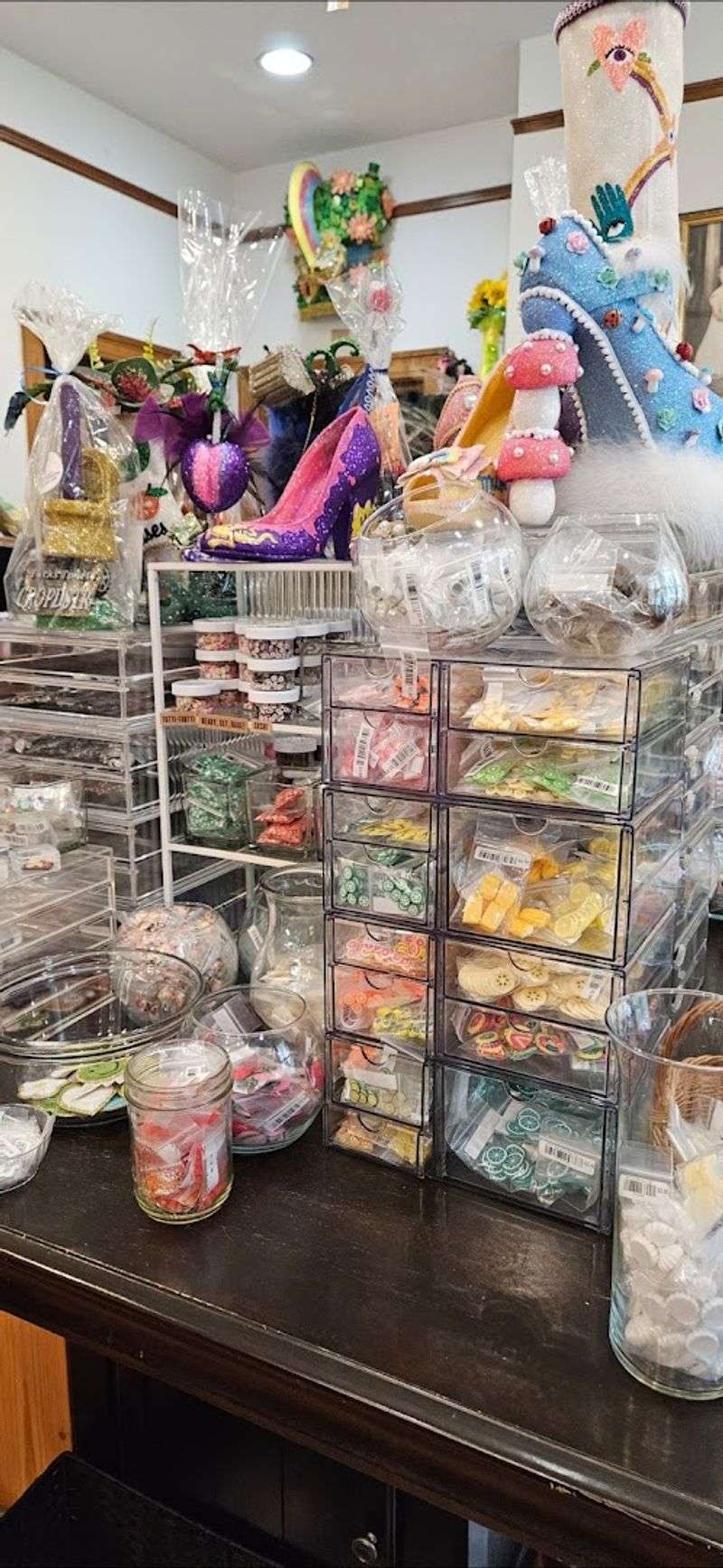
A dedicated workroom is valuable because glitter is not always a polite houseguest. It spreads, clings, drifts, and appears later in places no one invited it.
Having a space where the mess belongs can make ambitious projects feel much less stressful.
The workroom lets makers test combinations, spread materials out, and handle larger costume pieces without balancing everything on a kitchen table. That matters for parade prep, where shoes, jackets, signs, bags, headpieces, and accessories often need multiple stages of drying and adjustment.
The ability to work near the supplies also helps because missing one tool or adhesive does not have to end the session.
Lockers and project storage can be especially useful for multi-day builds or group crafting. Instead of hauling delicate pieces back and forth, makers can treat the space like a temporary studio.
The best part is psychological: once the project is on the table, surrounded by tools and sparkle, it becomes harder to avoid finishing it.
Staff And Host Details
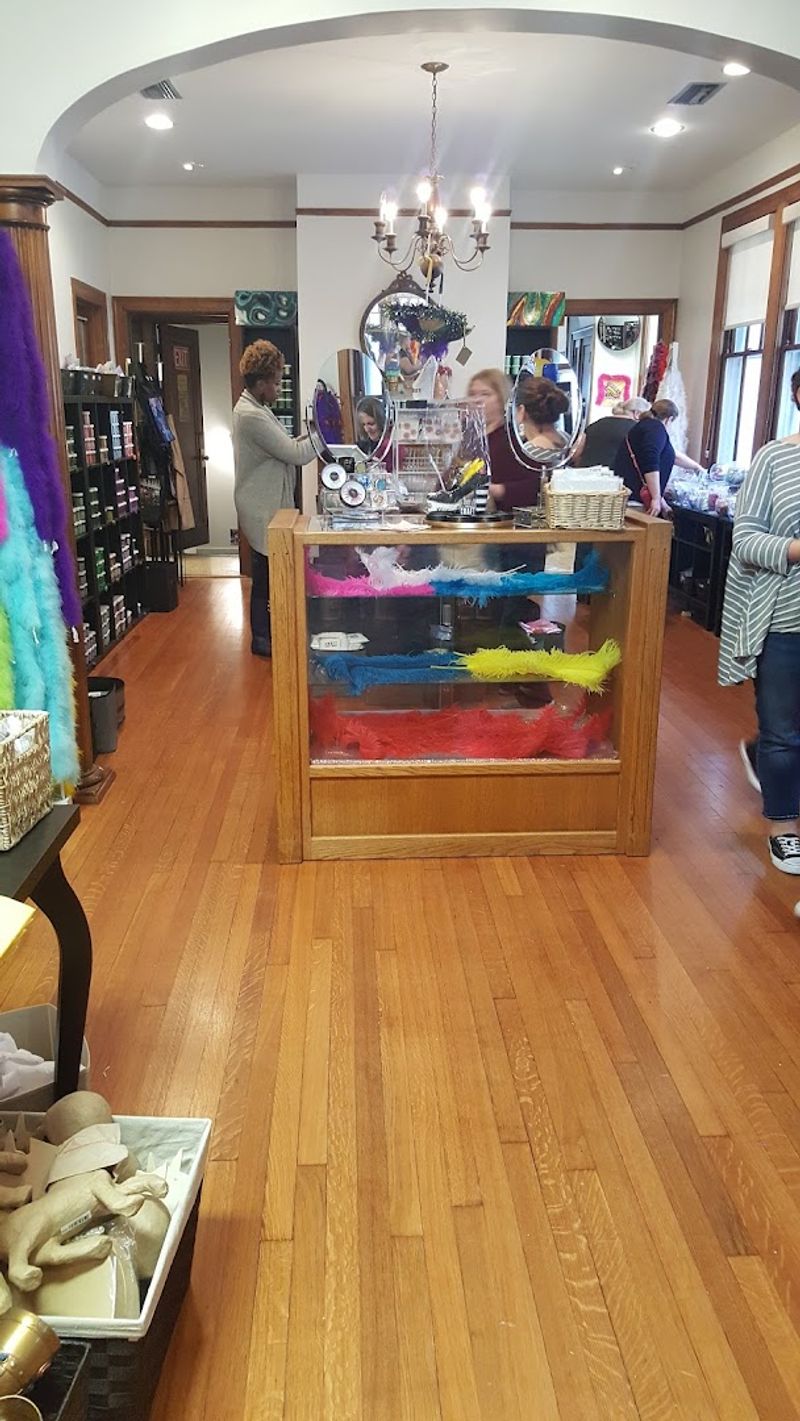
Good glitter advice sounds ridiculous until you need it. Then it becomes essential.
A staff member who knows the difference between cosmetic grade sparkle, biodegradable options, chunky mixes, mica powders, adhesives, and sealants can save a project from peeling, bleeding, flaking, or looking flat.
The best help usually starts with questions. What surface are you covering?
Will it bend? Will it get wet?
Is it touching skin? Does it need to last one night or a whole season?
Those details matter because glitter is not one universal substance. It behaves differently depending on size, material, finish, and use.
The staff’s role is part guide, part problem solver, part creative translator. Someone may walk in saying they want “mermaid but less childish” or “Mardi Gras but not basic,” and the right person can turn that mood into colors, textures, and technique.
That kind of help keeps the shop from feeling overwhelming. The inventory is huge, but the guidance makes it usable.
Local Culture And Traditions
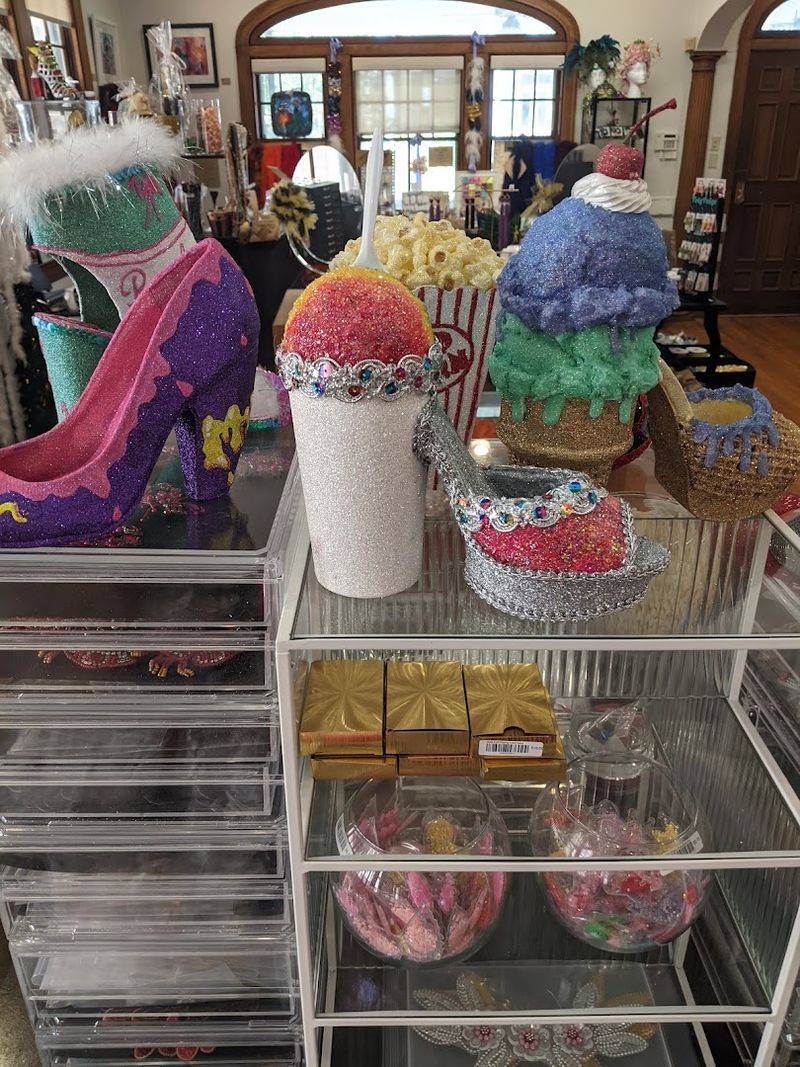
Sparkle belongs naturally in New Orleans because the city treats self-presentation as part of public life. Costumes appear on ordinary sidewalks.
Shoes become statements. Headpieces can have jokes built into them.
A parade outfit may be funny, political, beautiful, handmade, excessive, or all of those things at once.
The shop fits into that culture by supplying the raw material for transformation. A plain pair of boots can become Carnival footwear.
A jacket can turn into a krewe uniform. A cardboard sign can become photo-ready.
A simple mask can become something that looks like it has its own backstory.
That connection to local tradition gives the place more depth than a standard craft store. Glitter here is not just decoration.
It is part of how people join the city’s rituals. The materials help locals and visitors participate in a New Orleans habit: taking an occasion seriously enough to dress for it with imagination, humor, and visible effort.
Practical Visiting Tips
Arriving with a plan helps, but arriving with too strict a plan can be a mistake. The inventory can change your mind quickly, so it is useful to know the project type while staying flexible about color and finish.
Bring reference photos, measurements, fabric swatches, or the object you want to decorate if that will make the choice easier.
Give yourself time. A quick stop can work for one jar or one adhesive, but a real browsing trip needs room to compare shades under the light and ask questions.
Weekends can be busier, especially during heavy crafting seasons, so earlier visits may feel easier if you need staff attention.
Think practically before buying. Consider surface, drying time, cleanup, storage, and whether the finished item has to survive walking, dancing, rain, humidity, or travel.
Glitter invites impulse, but the best projects still need logistics. Bring curiosity, patience, and maybe a bag that can safely carry whatever shimmering decision you make.
Detail Spotlight And Techniques
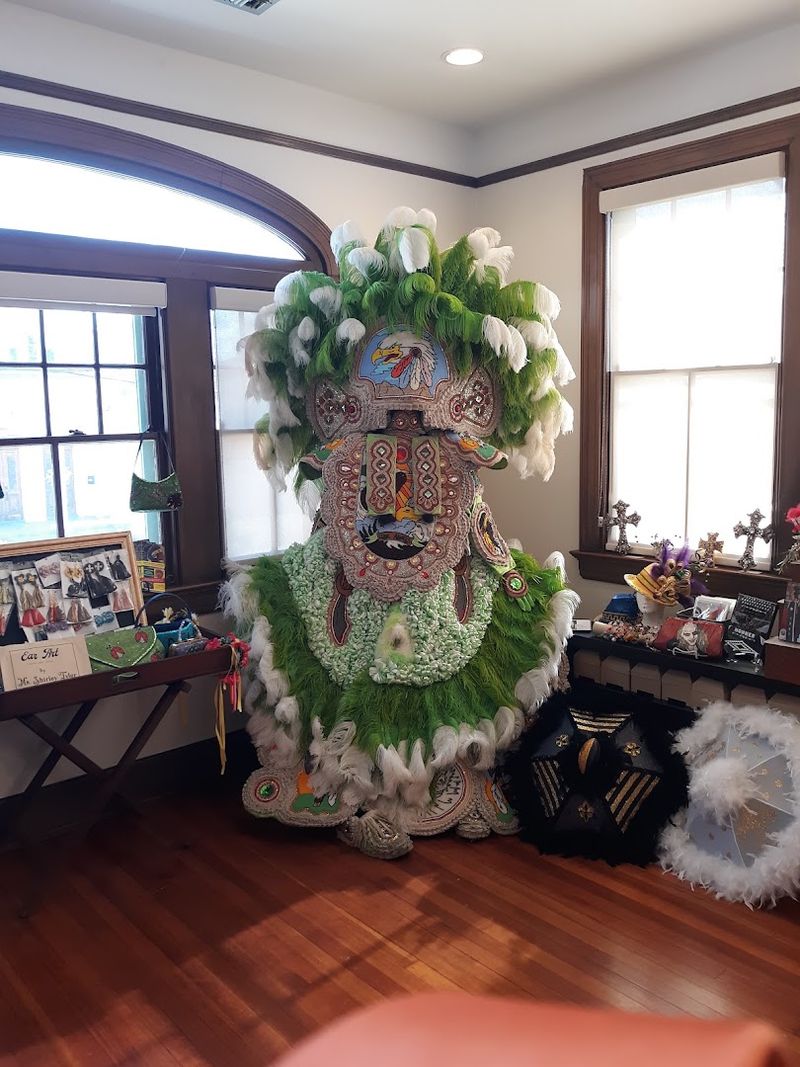
The smallest choices often decide whether a project looks handmade with care or simply covered in sparkle. Edge control, layering, adhesive choice, drying time, and sealing all matter.
A smooth glittered surface usually comes from patience, not dumping everything on at once and hoping shine will hide the problems.
Texture deserves close attention. Fine glitter creates a smoother, more polished glow.
Chunky glitter gives drama and distance visibility. Mica powders can add softer shimmer.
Holographic pieces shift color in motion. Mixing them can be powerful, but too many competing effects may blur the design.
Restraint can be just as useful as excess.
Testing is the habit that saves materials. Try a small section first, especially with new glue, resin, paint, or sealant.
Let it dry fully before judging the effect. Glitter rewards boldness, but technique keeps boldness from falling apart.
That balance is what makes the shop exciting: it encourages wild ideas, then quietly gives makers the tools to make them last.