Massachusetts has plenty of snack appeal, and that is no half-baked claim.
The Bay State has a knack for turning simple ideas into treats people remember, argue over, and stash for later.
Some became household names far beyond New England, while others feel like a local handshake in edible form.
That mix of history, hometown pride, and just enough sweetness gives these favorites staying power.
Boston may get the attention, but the snack story stretches well beyond the city and into recipes that have shaped lunchboxes, bakery counters, and family traditions for generations.
Nothing here needs a fancy introduction or a trend report to prove its worth.
These foods earned loyalty the old-fashioned way, one craving at a time.
Keep reading and see why Massachusetts still has every right to brag when snack time rolls around, especially when the competition is this delicious and the memories come built in today.
1. Toll House Chocolate Chip Cookies
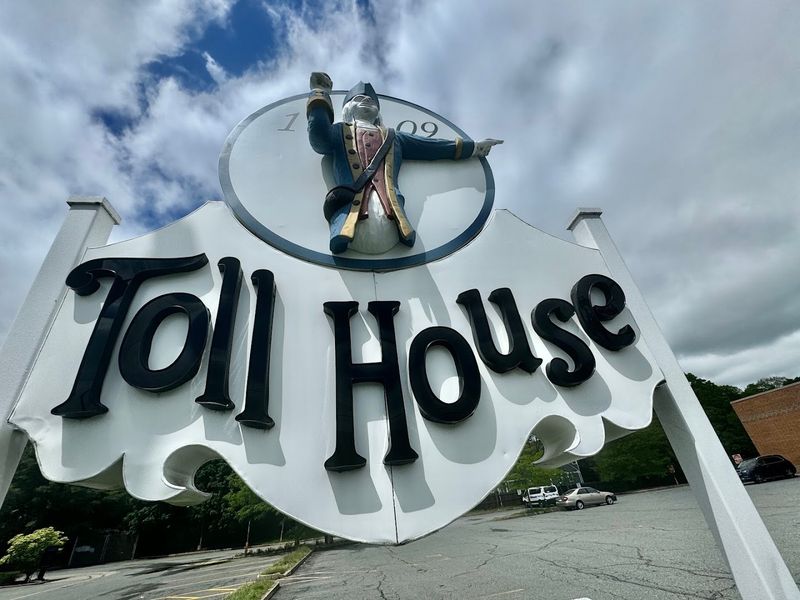
Few snacks have changed the world quite like this one.
The chocolate chip cookie was born at the Toll House Inn in Whitman, sometime in the 1930s.
That fact turned into arguably the most popular homemade treat in American history.
Ruth Wakefield, the inn’s owner, reportedly mixed broken chocolate pieces into her butter cookie dough. The chocolate did not fully melt as expected.
Instead, it held its shape and created those iconic pockets of gooey goodness that people now crave every single day.
Nestle eventually licensed the recipe and printed it on every bag of their chocolate chips. That deal helped spread the Toll House name across the entire country.
You can still find the original Whitman location commemorated in this state’s history.
Baking a batch at home connects you directly to that original moment of sweet discovery. The recipe has barely changed because it simply does not need to.
Golden edges, soft centers, and pools of melted chocolate make this cookie timeless.
This state gave the world a gift it did not even know it needed. Every cookie sold in every bakery, school, and grocery store across America traces its roots back to one small inn on the South Shore.
That is a bragging right worth savoring.
2. Fluffernutter Sandwiches
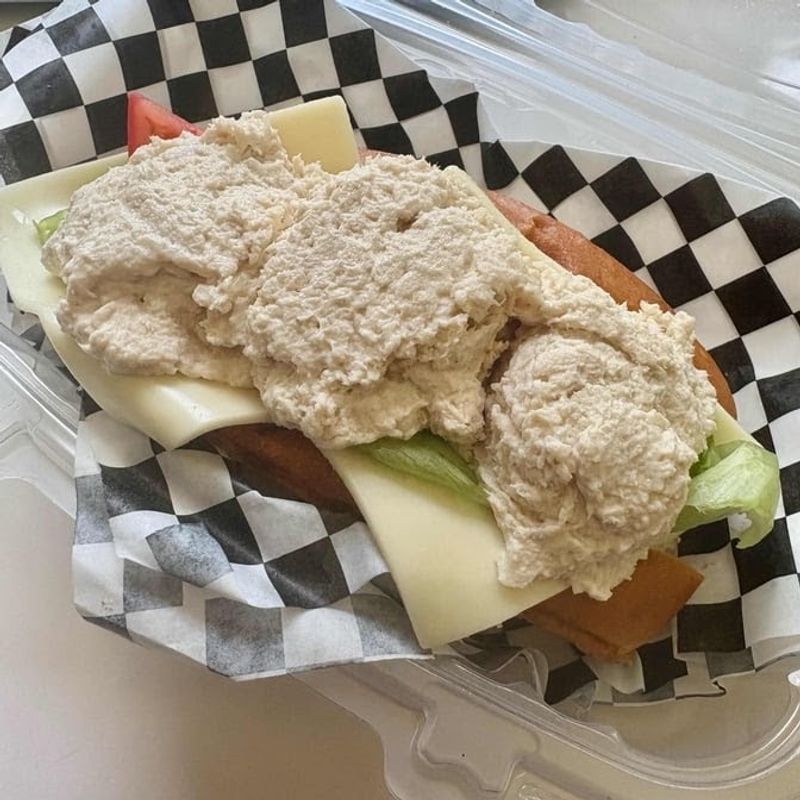
Marshmallow Fluff was invented in Somerville and has been produced in Lynn since 1920, giving the Bay State more than one reason to claim it.
The Fluffernutter sandwich, a simple combo of peanut butter and Marshmallow Fluff on soft white bread, is practically a childhood rite of passage.
Ask any local kid and they will tell you it belongs in the lunchbox hall of fame.
The name itself is wonderfully goofy.
Fluffernutter rolls off the tongue like something a kid made up on a sugar high. But behind that silly name is a genuinely satisfying sandwich that balances salty and sweet in the most effortless way.
Massachusetts lawmakers have even tried to make the Fluffernutter the official state sandwich.
That effort says everything you need to know about how seriously Bay Staters take this sticky creation. It is not just a snack, it is a point of local pride.
Making one takes about thirty seconds.
Spread peanut butter generously on one slice of bread, pile on a thick layer of Fluff, press the slices together, and you are done. Simple does not mean boring when the flavors work this well together.
Archibald Query invented Marshmallow Fluff in 1917 right in Lynn. Over a century later, the product is still manufactured in this state.
That kind of staying power speaks for itself.
3. Boston Cream Pie
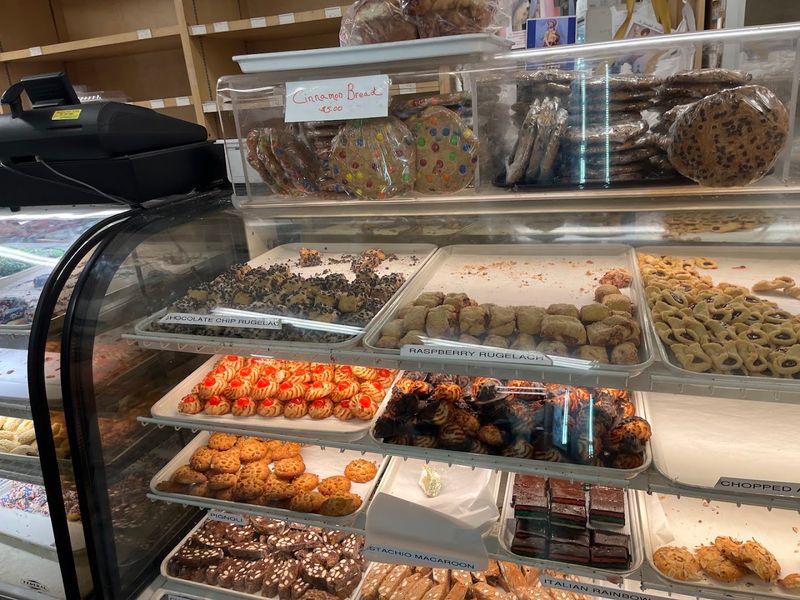
It is not actually a pie. Boston Cream Pie is a cake, and Massachusetts is fully aware of the confusion, yet completely unbothered by it.
The Parker House Hotel in Boston first served this dessert back in 1856, and it has been turning heads ever since.
Two layers of soft yellow sponge cake hold a thick filling of vanilla pastry cream.
A glossy pour of rich chocolate glaze covers the top and drips down the sides. Every bite delivers three different textures at once, which is part of why it remains so irresistible.
Massachusetts officially named Boston cream pie the state dessert in 1996, following an effort led by a civics class from Norton High School.
When kids choose something, you know it has real power.
The original recipe came from a chef at the Parker House, which is now called the Omni Parker House and still operates in downtown Boston.
The hotel continues to serve the dessert today as a nod to its own delicious history. Ordering a slice there feels like tasting a piece of time.
You can find Boston Cream Pie in bakeries, diners, and grocery stores all across the state.
Dunkin even turned it into a donut. That crossover moment proved the flavor combination is truly unstoppable and worthy of its legendary Bay State status.
4. Fig Newtons
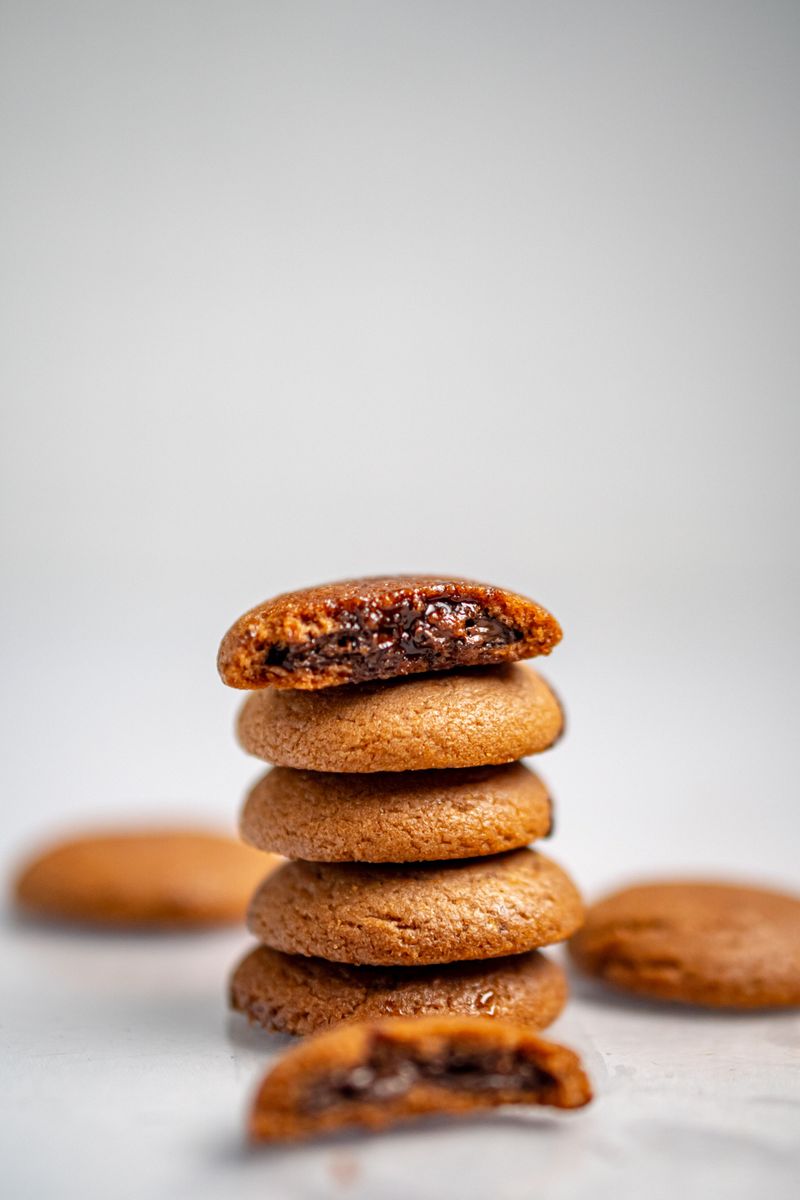
Named after Newton, Fig Newtons have been a lunchbox staple for well over a century.
The Kennedy Biscuit Works in Cambridgeport first produced them in 1891, naming them after the nearby town of Newton as part of a tradition of naming their cookies after local communities.
The fig-filled cookie quickly became a national favorite.
What makes a Fig Newton so satisfying is that soft, almost cake-like exterior wrapped around a dense, sweet fig paste center.
It is chewy and tender in a way that feels different from every other cookie on the shelf.
You either grew up loving them or you discover them as an adult and immediately regret the lost time.
The name dropped the word “Fig” from packaging for a period to highlight other fruit fillings. But the original fig version never lost its loyal fan base.
The state will always claim the original with full enthusiasm.
Fig Newtons also carry an interesting reputation as a slightly healthier cookie option because of the fruit filling.
Whether that is nutritionally accurate or just a comforting belief, plenty of parents have used it as justification for adding an extra one to the lunchbox. Nobody is arguing.
Nabisco eventually took over production, but the Newton name and its Massachusetts roots remain part of the cookie’s identity. That small town connection made a big cookie legacy possible.
5. Jordan Marsh Blueberry Muffins
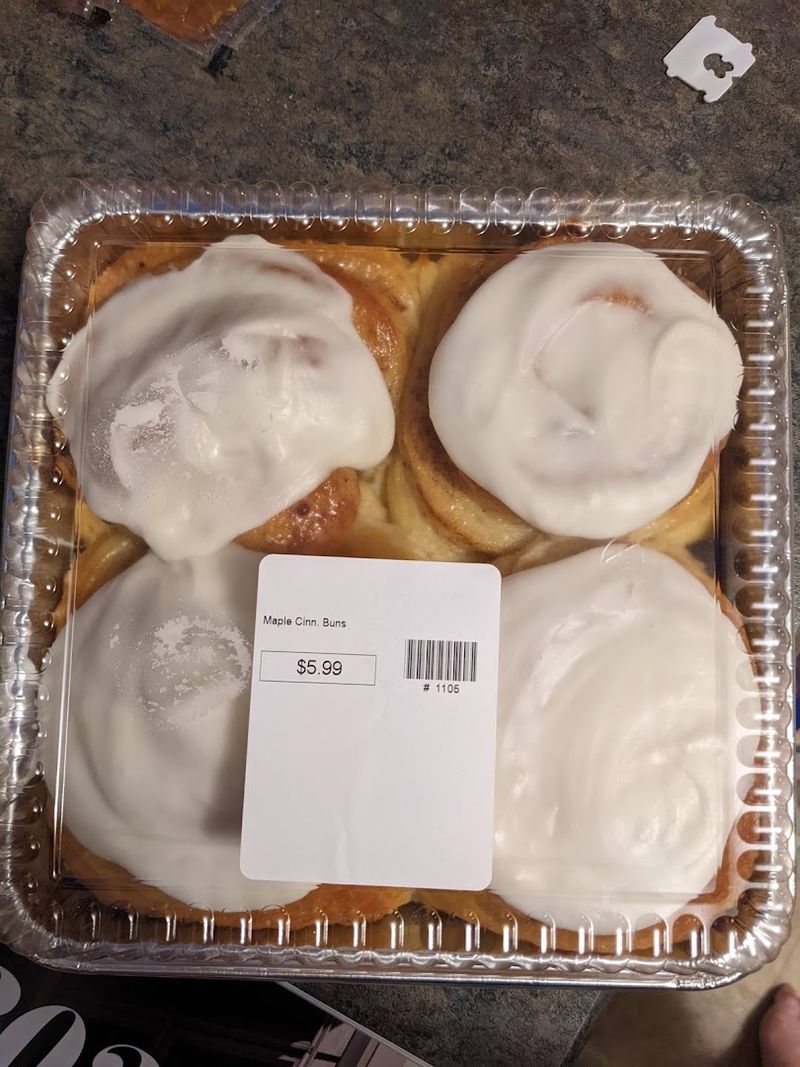
Jordan Marsh was a beloved Boston department store, and its bakery counter was the stuff of legend.
The blueberry muffins sold there were famously oversized, with cracked sugar-crusted domes and an almost embarrassing number of blueberries packed inside.
People shopped at the store partly just to get their hands on one.
When Jordan Marsh closed in the 1990s, the muffin recipe eventually made its way into the public domain. Home bakers across the state.started recreating them, and the recipe spread like wildfire.
The secret is mashing some of the blueberries into the batter while leaving others whole.
That technique creates deep purple swirls throughout the muffin and intensifies the blueberry flavor in every bite.
A heavy sprinkle of granulated sugar on top bakes into a crunchy, glittery crust that makes the whole thing feel extra special. These are not timid muffins.
Massachusetts has a strong blueberry-growing tradition, which makes this muffin feel even more connected to the state’s identity.
Wild blueberries thrive in New England’s cooler climate, and bakers here have always known how to use them well.
Recreating this muffin at home is genuinely rewarding.
The recipe is straightforward, the ingredients are simple, and the result is a bakery-quality muffin that tastes like pure Boston nostalgia.
Pull one apart while it is still warm and you will understand why people lined up for them for decades.
6. Parker House Rolls
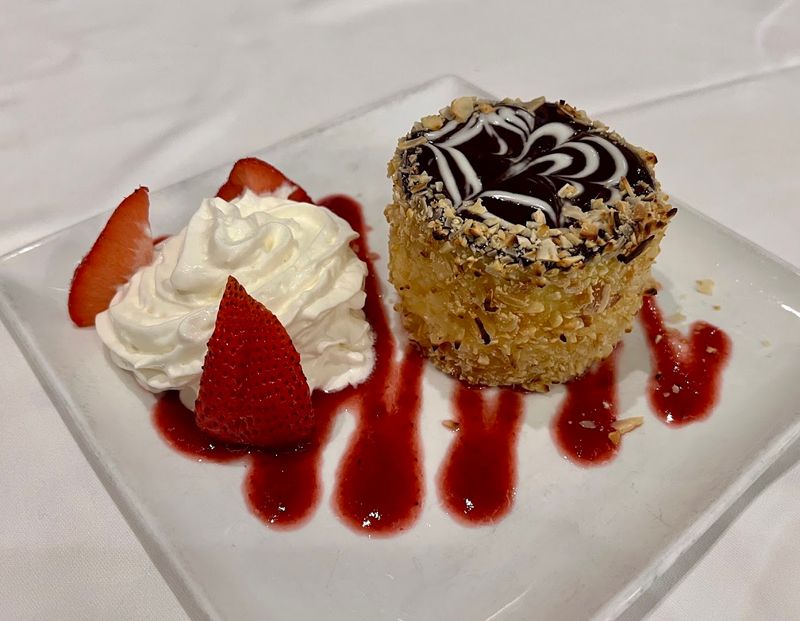
Parker House Rolls are buttery, pillowy, folded dinner rolls that originated at the same Boston hotel responsible for Boston Cream Pie.
The Omni Parker House has been producing both since the mid-1800s, which makes it one of the most culinarily influential hotels in American history. Not bad for one address on School Street.
The roll’s signature shape comes from folding a round of soft dough in half before baking. That fold creates a pull-apart quality that makes each roll feel like a small, personal gift.
Slathering one with extra butter while it is still hot is basically mandatory.
Parker House Rolls became so popular that recipes spread across the country and eventually became a staple at holiday tables nationwide.
Thanksgiving and Christmas dinners from coast to coast often feature a version of this roll without anyone realizing its origin. That quiet influence is impressive.
The original hotel recipe uses a slightly enriched dough with milk, butter, and a touch of sugar. That combination creates a tender crumb and a light golden crust that holds up to heavy spreads without falling apart.
They are the kind of roll that disappears from the bread basket before the main course arrives.
Boston gave America this roll, and America said thank you by baking millions of them every year.
Massachusetts continues to hold the original recipe with well-deserved hometown pride and a generous pat of butter.
7. Hoodsie Cups
Every kid who has grown up in this state knows the flat wooden spoon that comes with a Hoodsie Cup.
Hood Dairy has been producing these little cups of vanilla and chocolate ice cream since the mid-20th century, and they remain a fixture across the state.
The tiny spoon is half the experience.
Hoodsie Cups come with the two flavors swirled side by side in one small container.
You can eat them separately or mix them together into a marbled swirl of creamy goodness. There is no wrong method, though everyone has a strong opinion about the correct technique.
Hood is a Massachusetts dairy company with deep New England roots.
Their products have been part of the regional food culture for generations, and the Hoodsie Cup specifically carries an almost sentimental weight for anyone who grew up in the Bay State.
Seeing one at a school lunch table is an instant memory trigger.
The cups are portioned just right for kids but honestly satisfying for adults too.
That combination of chocolate and vanilla in one serving means nobody has to compromise. It is a small but genuinely clever design choice that has kept fans loyal for decades.
If you have never eaten a Hoodsie Cup with one of those flat wooden spoons, you are missing a very specific kind of joy.
Track one down at a local convenience store or grocery and experience it properly, at least once.
8. Massachusetts Frappe
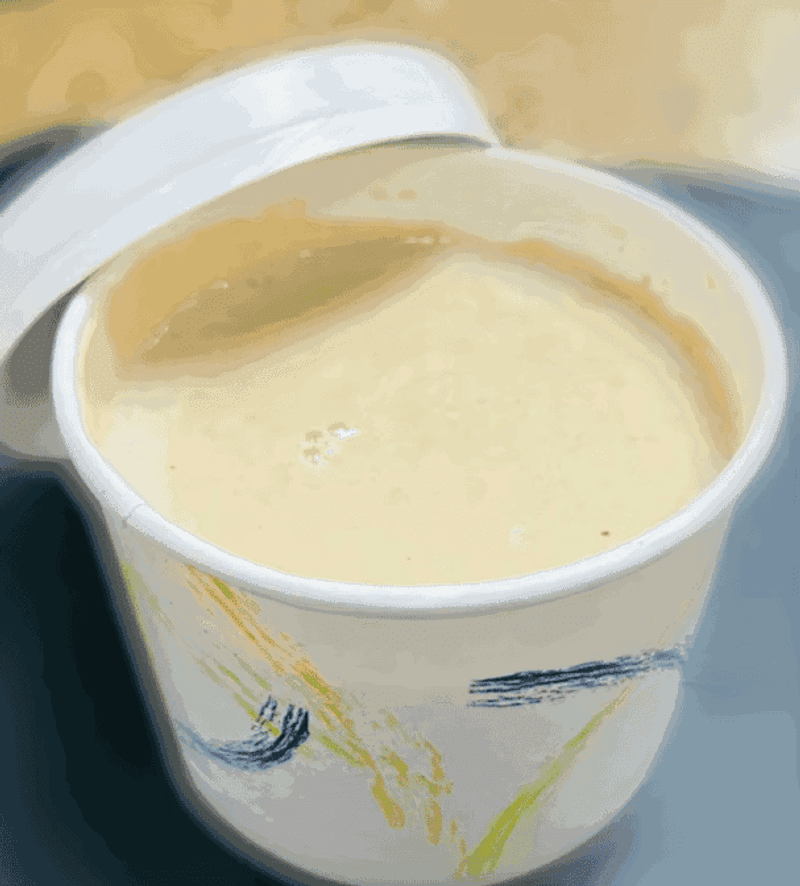
Order a milkshake in Massachusetts and you might get a strange look.
Here, a thick blended drink made with ice cream and milk is called a frappe, pronounced “frap,” and locals will correct you on the terminology without hesitation. This is not stubbornness, it is regional identity.
The distinction matters because here, a milkshake traditionally means just milk blended with flavored syrup, no ice cream involved.
A frappe is the richer, thicker version with actual scoops of ice cream blended in. Knowing the difference immediately marks you as someone who understands the local food culture.
Hood ice cream, the same company behind Hoodsie Cups, is a popular choice for frappes across the state. Vanilla frappes are a classic, but chocolate and coffee flavors run close behind in popularity.
Coffee frappes in particular feel like a very Massachusetts thing, given the region’s deep love of coffee flavors in desserts.
Old-fashioned ice cream shops and diners still make frappes the traditional way, blending ice cream with whole milk until thick and smooth.
The result clings to the straw in the most satisfying way possible. You practically have to work for each sip.
Trying a Massachusetts frappe at a local shop is one of those small travel rituals that actually delivers. It tastes like summer, nostalgia, and Bay State pride all blended into one cold, creamy cup.