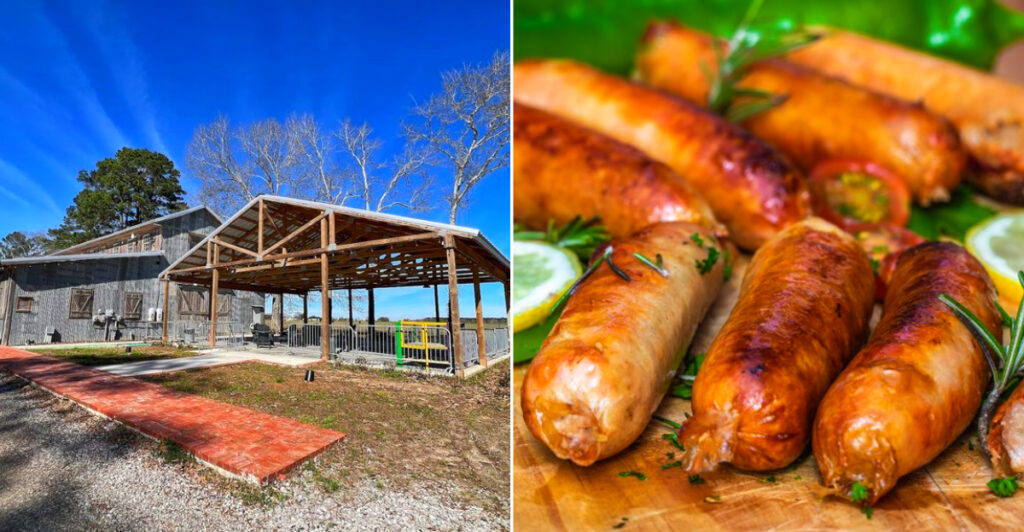
Some food events feed you, this one pulls you straight into the rhythm of Cajun life. I arrived expecting a plate and found an entire community at work: fires crackling, knives moving, accordions warming up, and generations trading stories over a freshly butchered hog.
By midmorning, the air carried the scent of boudin, backbone stew, cracklins, and richly seasoned dishes made from nearly every usable cut.
This traditional Cajun boucherie offers an unforgettable day of live music, communal cooking, and authentic nose-to-tail Louisiana food.
What stayed with me was not just the tasting, but the generosity behind it. People explained techniques, compared family recipes, and encouraged newcomers to try everything at least once.
Bring cash for tasting tickets, wear shoes suited to a busy outdoor gathering, and arrive hungry. The real reward is lingering near the cooking stations, asking questions, and watching a centuries-old tradition become a lively public feast.
Boudin Blanc And Rouge
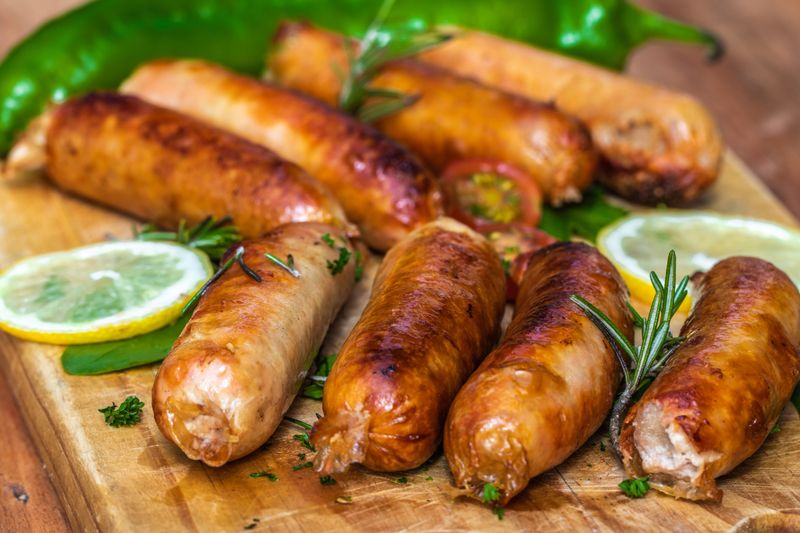
Boudin is the star of many boucheries, and here you can taste both boudin blanc and boudin rouge that showcase contrasting traditions. The blanc mixes pork and rice into a soft, savory sausage with herbs and pepper, while rouge uses blood for a deeper, iron-rich flavor and a darker color.
Samples are sold by ticket, and both styles are often prepared in large batches for the crowd.
Eating each link reveals how humble ingredients become singularly local dishes. Try them warm from the grill near the barn; the texture and seasoning tell you about the cooks.
If you like boldness, the rouge will surprise you with its richness and history woven into one bite.
Highway 13 Arrives Before The First Pot Boils
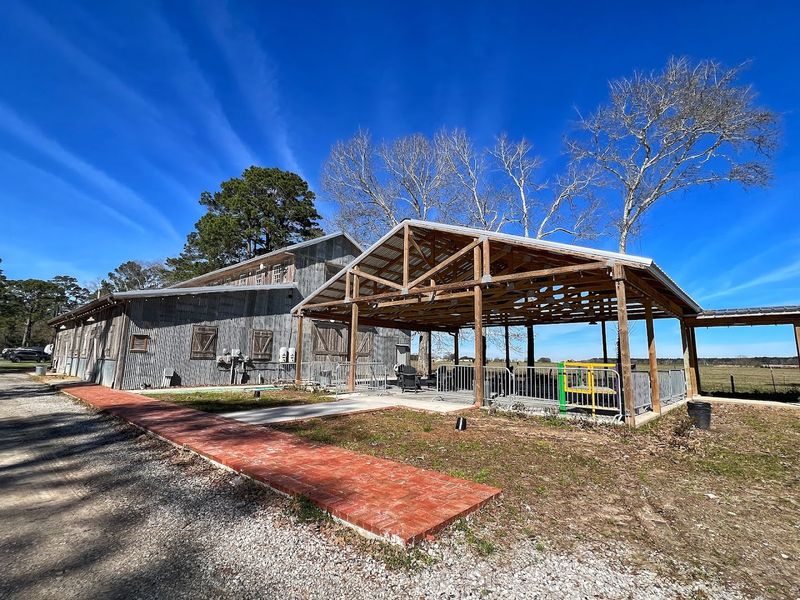
The Lundi Gras Boucherie takes place at Lakeview Park & Beach, 1717 Veterans Memorial Highway in Eunice, Louisiana, about three miles north of town along Highway 13. From I-10, use Exit 80 and follow Highway 13 north through Eunice toward the park.
The 2026 gathering was held Monday, February 16, from 8 a.m. to 6 p.m., beginning with the traditional morning butchering before cooking, music, and communal activity spread across the grounds. Expect the busiest arrival early in the day and follow temporary event signs as the park entrance approaches.
Turn right from Highway 13 into Lakeview Park and continue along the entrance road toward the event and visitor parking areas. After parking, follow the activity and posted directions toward the central boucherie grounds rather than stopping at the campground check-in area.
Cracklins And Rendering
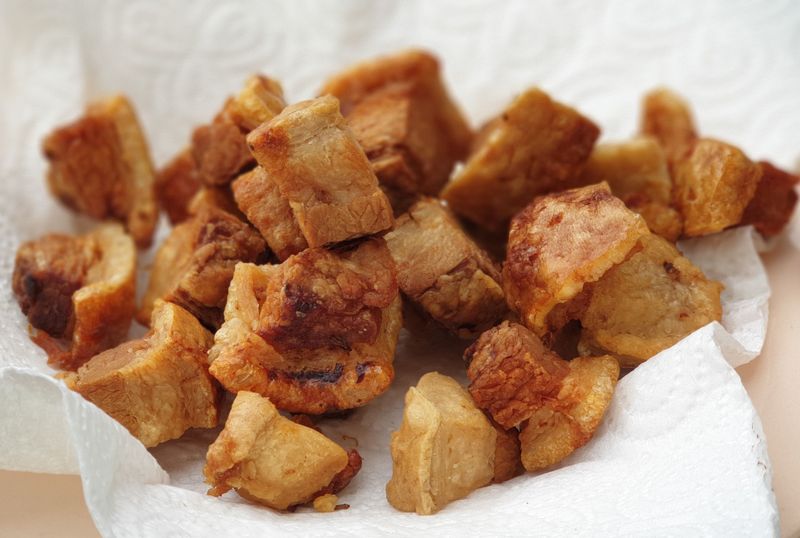
The rendering kettle is a loud, fragrant magnet during the boucherie. Pork skins are slowly fried down to make cracklins, those addictive, crunchy bits that people snack on between plates.
The process also produces lard used in other cooking, a literal cycle of use that epitomizes nose-to-tail thinking at the event.
Cracklins here have a deep toasted aroma and a slightly irregular crunch that tells you they were made by hand, not machine. Locals often stand near the pots with paper plates, sampling and trading small pieces while talking over the steam.
If you want one tip: buy a little extra; they disappear fast and make a perfect salty souvenir of the day.
Backbone Stew Comfort
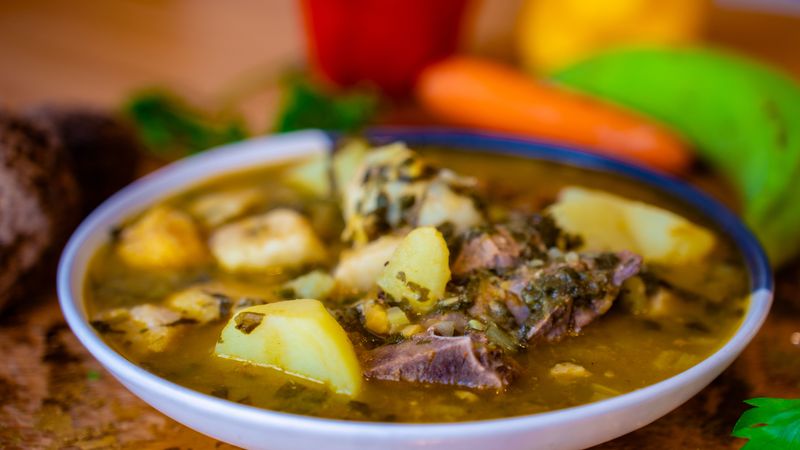
Backbone stew is the sort of dish that feels designed for groups: generous, brothy, and full of bone-stewed flavor. The spine pieces simmer slowly, turning connective tissue into silk and producing a broth that tastes of slow-cooked pork and savory history.
At Lundi Gras, folks ladle it into bowls and serve it over rice so everyone can warm up between dances and music sets.
Part of the joy is how unpretentious the stew is; it is meant to feed workers and guests alike. I remember scooping out the tender meat from between bones and thinking how this dish ties the kitchen to communal labor in a delicious, obvious way.
Hogshead Cheese Tradition
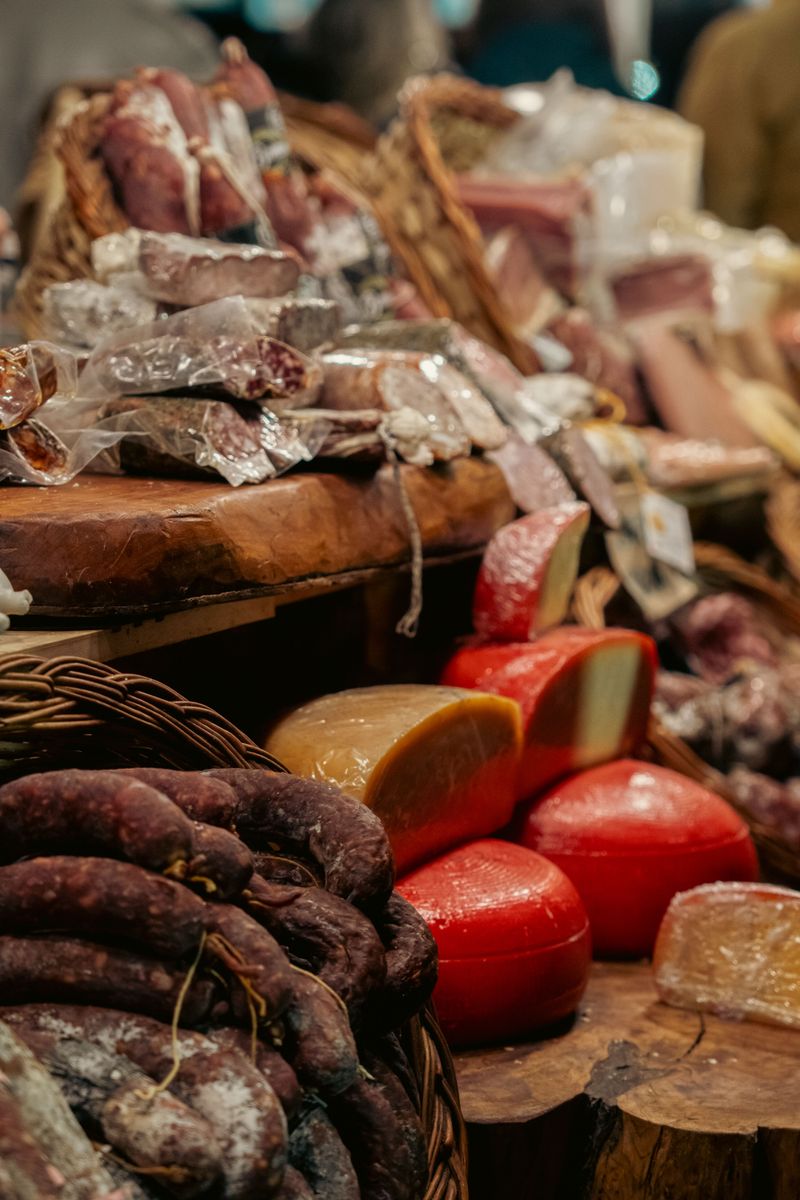
Hogshead cheese, a terrine-like preparation from the pig’s head, is one of those dishes that reveals how every part of the animal finds purpose. The head meat is simmered until tender, then set into a jelly with aromatics so the final product slices neatly for sandwiches or platters.
It tastes like concentrated pork, perfumed with bay and pepper that hint at regional seasoning preferences.
Watching it being prepared is a lesson in patience and technique; the gelatinous finish depends on careful simmering and skimming. When you try a slice, note the contrast of texture and how simple flavors can be so deeply satisfying when prepared with respect.
Andouille Making Insight
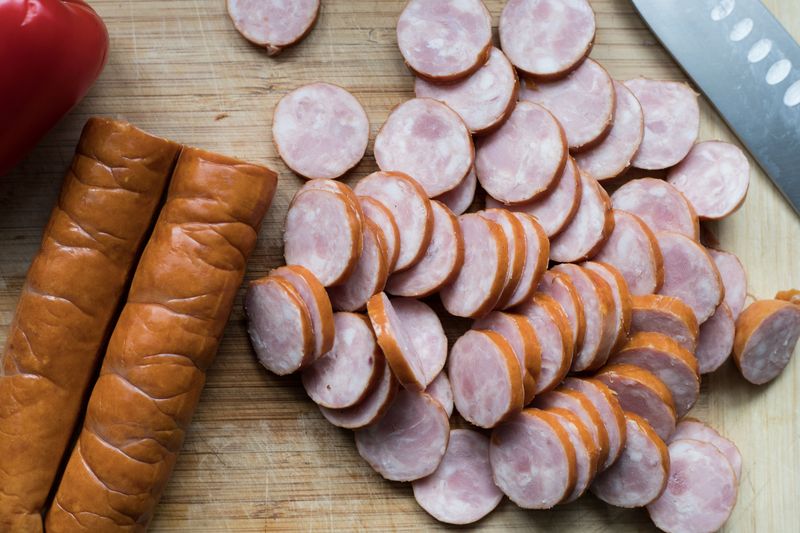
Andouille at the boucherie is a smoky, garlicky anchor that has traveled across kitchens and time. This sausage is often coarsely chopped, seasoned boldly, and then smoked slowly to develop a signature depth.
Hearing the smoker crackle in the barn while cooks turn links gives the place a warm, productive hum that feels like a living food workshop.
The texture is chewy in a pleasant way, and the garlic presence ties it firmly to Cajun profiles. Folks buy tickets to taste the fresh links, and the smoky aroma drifting across the park is as much an invitation as any poster or flyer.
It is worth a sample and a conversation with the makers for technique notes.
Candied Pork Belly Delight
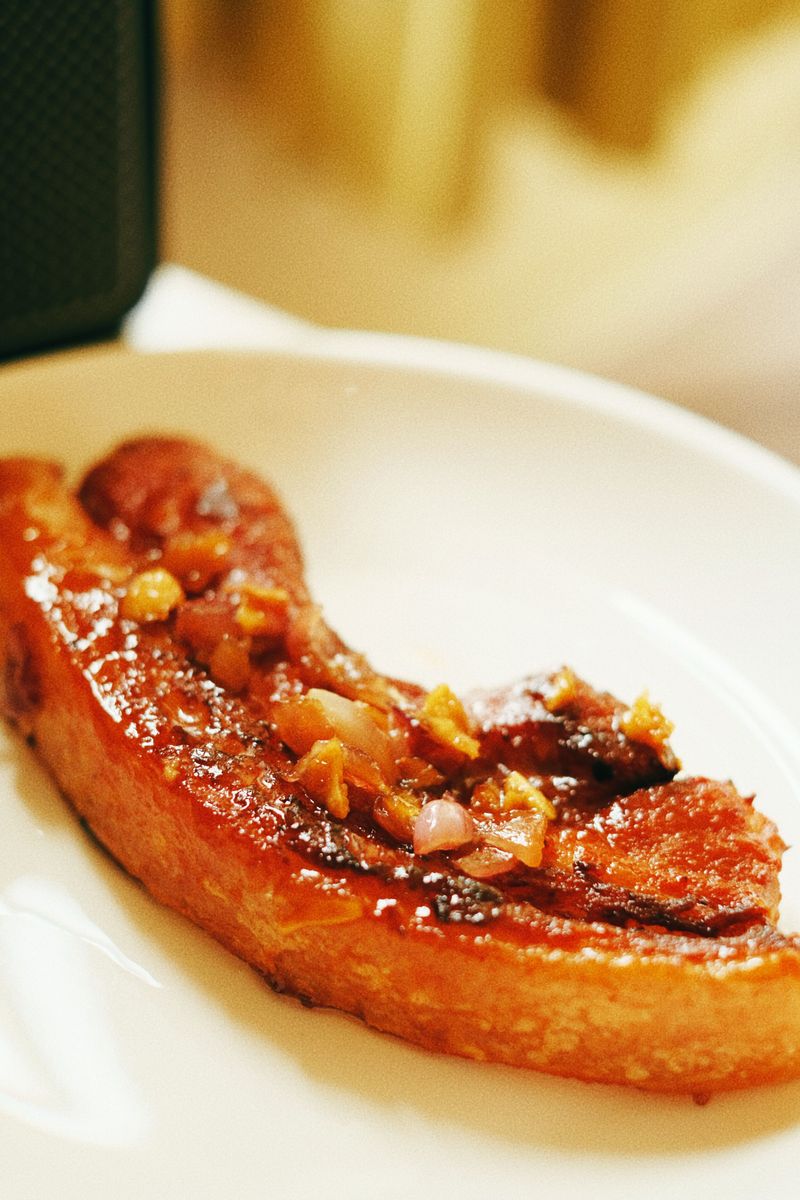
Candied pork belly offers a sweeter counterpoint to the savory staples of the boucherie. Slow-cured with brown sugar and cane syrup, then slowly cooked, it develops a lacquered crust and a tender, melt-in-your-mouth interior.
The balance of sweet glaze and porky richness is a smart foil to the saltier sausages and stews present at the event.
Tasters often gravitate toward it as a special treat; the syrupy finish can surprise those expecting only traditional savory fare. Serving sizes are modest, so plan to secure a portion early in the day when it is at its glossy best and the sugar hasn’t overcaramelized into hard shards.
White Beans With Ham Hocks
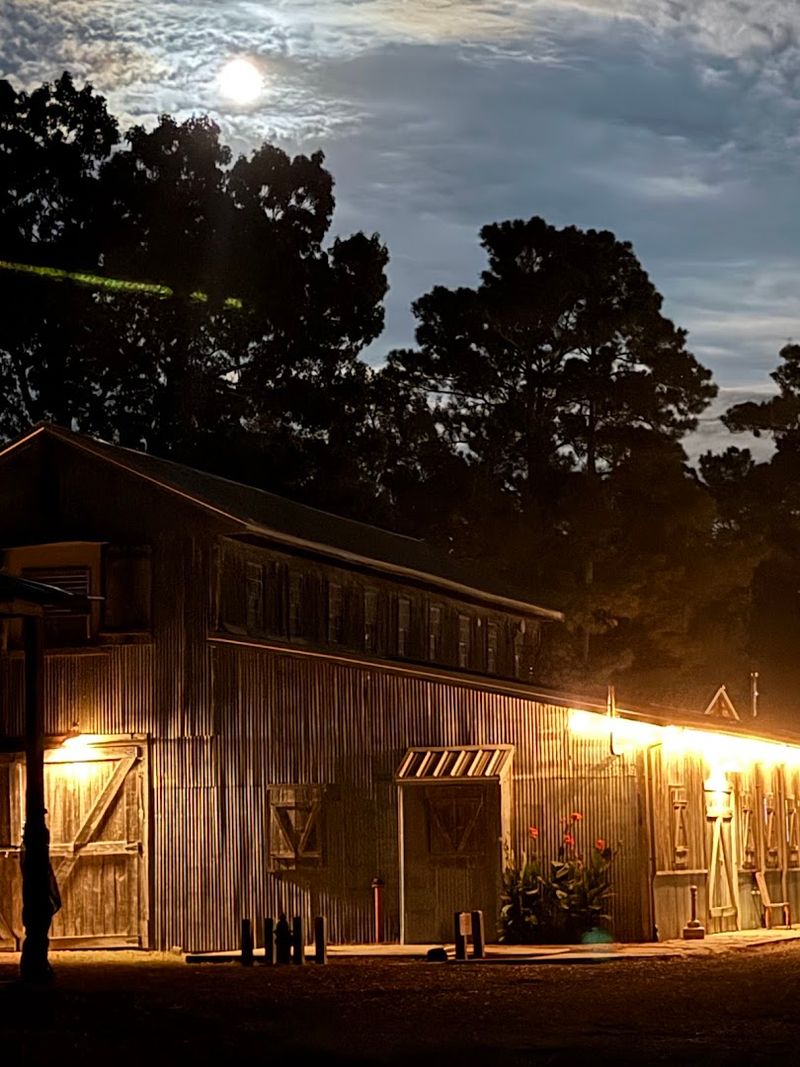
White beans cooked with ham hocks or neck bones are an essential, grounding element at the Lundi Gras Boucherie. The beans simmer with smoky, fatty pork pieces until they soak up that savory broth, then are ladled over rice for a simple, soulful plate.
It is the kind of dish that feeds crowds, offering warmth and familiarity amid the day’s busier flavors.
For visitors, these beans are a smart, economical way to taste the boucherie’s depth without exhausting ticket funds. They pair well with cracklins or a piece of backbone stew, and the leftovers, if you are lucky enough to get them, taste even better after cooling and reheating slightly the next day.
Music In The Barn
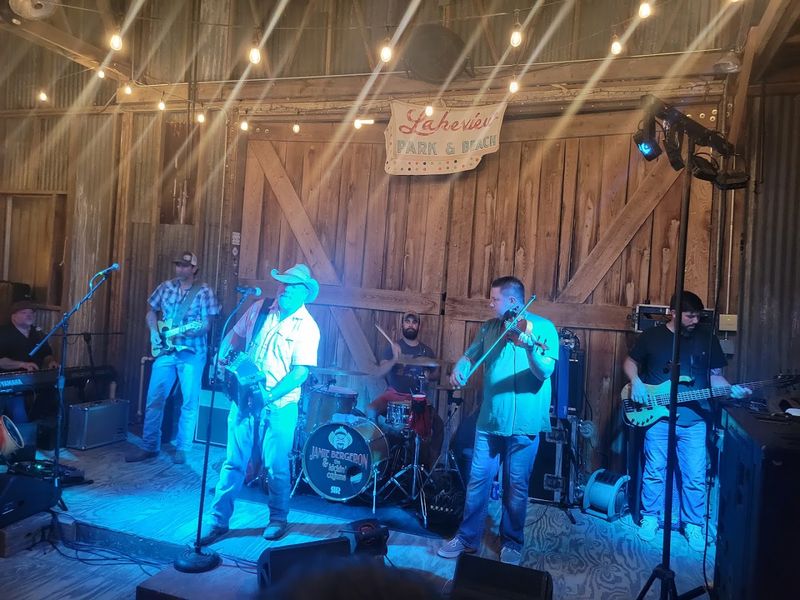
The barn at Lakeview Park transforms into a dancehall where Cajun and Zydeco music threads through the entire boucherie experience. Live bands play on a wooden floor while couples and families circle-dance, bringing a kinetic joy that connects the culinary work to cultural expression.
The sound gives the day a heartbeat that pulses from midday into the evening.
Food and music are inseparable here; after a bowl of backbone stew or a sampling of boudin, people gravitate toward the barn to digest and dance. The atmosphere is friendly and unpretentious, perfect for anyone who wants to see how food fuels celebration in Eunice’s living tradition.
Ticketing And Tasting Tips
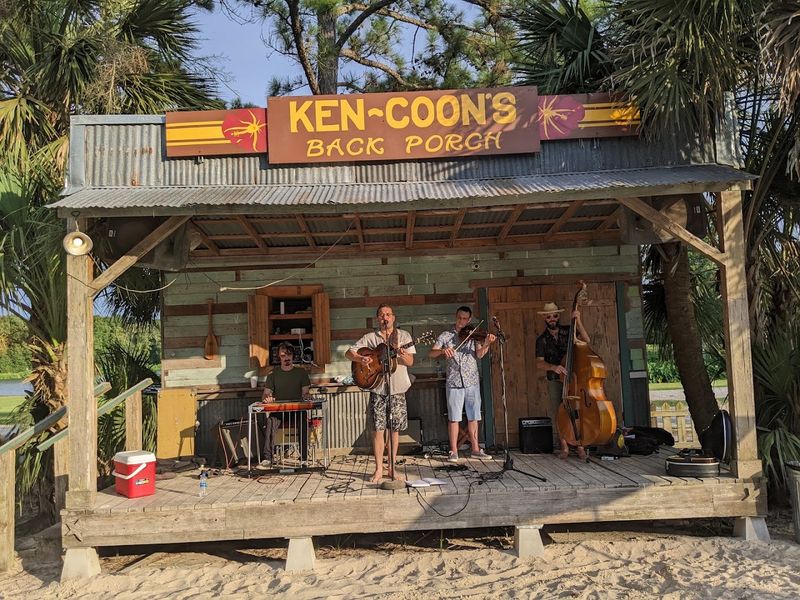
There is no admission fee to the Lundi Gras Boucherie, but most food is available by ticket, so bring cash and plan your tastings. Tickets are sold in small denominations and vendors post clearly what each small plate costs, which makes sampling easy and flexible.
Arriving early gives you better access to freshly prepared dishes before popular items sell out.
A practical tip: pace your tasting and prioritize items you cannot make at home easily, like freshly rendered cracklins or a slice of hogshead cheese. Ask cooks about portion sizes and pairings; locals are generous with suggestions and you will learn more by asking than guessing.
Observing And Learning Etiquette
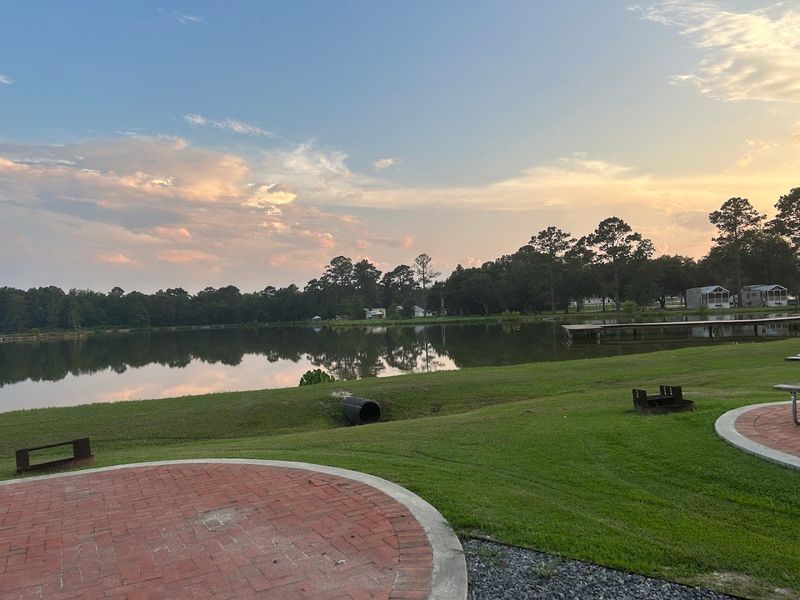
Watching the butchering and cooking process is part of the event’s draw, but there is an unspoken etiquette: observe respectfully, ask permission before stepping close, and remember this is both work and tradition for participants. People here are proud to explain techniques, so a polite question often opens a friendly storytelling moment about why a recipe matters or how it’s been passed down.
Bring curiosity but also restraint; avoid interrupting cooks mid-task, and use designated viewing areas when provided. Leave space for the community to work, and you’ll be rewarded with demonstrations and conversations that deepen your appreciation for the boucherie’s cultural roots.