Getting a seat at these restaurants is like a competitive sport. You do not need skis, goggles, or a ball, though.
What you do need are very fast fingers and amazing planning skills.
In Massachusetts, popular tables can disappear before you finish checking whether everyone is free that night.
Small dining rooms, limited seatings, and devoted regulars turn a simple reservation into a test of timing.
Hesitate too long, and dinner may become a backup plan involving takeout and mild resentment. The demand is not just noise, either.
These places give diners strong reasons to keep refreshing booking pages and setting calendar reminders weeks ahead.
Massachusetts has built a dining scene where patience is often rewarded, but speed certainly helps.
Charge your phone, coordinate the group chat, and prepare to treat the reservation button like it owes you dinner. It does.
1. 311 Omakase
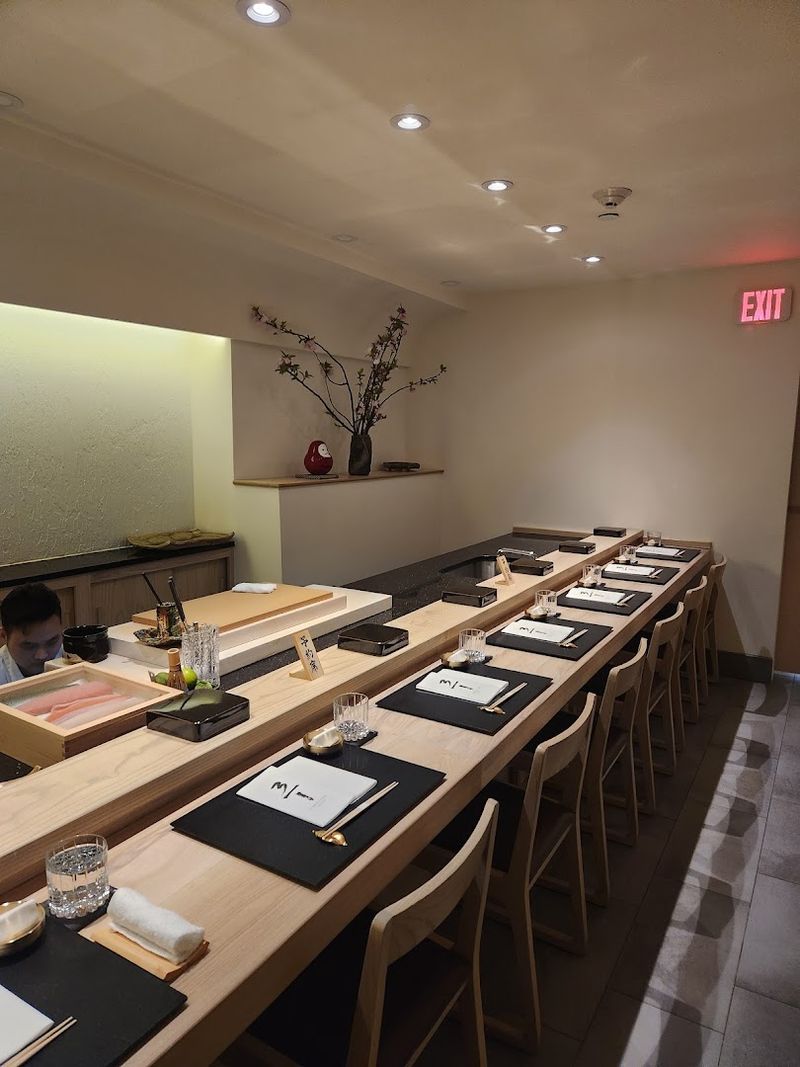
A reservation at 311 Omakase can disappear before you finish comparing calendars. The tiny counter gives every seat the importance of a front-row ticket.
The chef controls the entire meal, choosing each course according to season and availability. That means dinner arrives as a carefully paced sequence instead of a list of separate orders.
Guests sit close enough to watch every piece take shape. Knife work, rice preparation, and final garnishes become part of the evening.
You can find 311 Omakase at 605 Tremont St, Boston, in the South End.
The fish selection changes according to what is freshest. Returning diners can experience a different progression without the restaurant forcing unnecessary novelty.
Each bite builds on the one before it. Richer pieces, lighter flavors, and changes in texture give the meal a clear rhythm.
The compact counter limits how many guests can attend each service. That small capacity explains why reservations vanish so quickly.
Omakase also asks diners to trust the chef. There is no long menu to negotiate, which removes decision fatigue and replaces it with anticipation.
Watching nigiri prepared seconds before it reaches you adds another layer of excitement. Dinner becomes part meal, part demonstration, and part lesson in restraint.
311 Omakase earns its reputation through precision and intimacy. Securing a seat may test your patience, but the experience rewards anyone who plans early.
2. Giulia
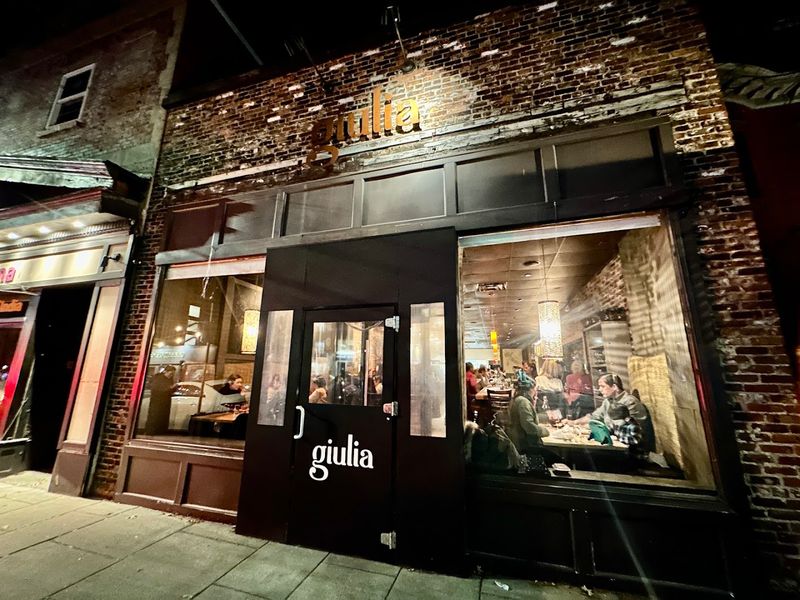
Fresh pasta is the reward, but first comes the calendar battle.
With limited tables available, Cambridge diners quickly learn that spontaneity and tagliatelle do not always mix.
Housemade pasta sits at the center of the menu. Tagliatelle, pappardelle, and other shapes appear with preparations that change throughout the year.
Seasonal ingredients guide those changes. A dish served in autumn may look completely different by spring, which gives repeat visits their own personality.
The kitchen keeps the menu focused instead of stretching toward every possible Italian classic. That restraint helps each pasta dish receive more attention.
Fresh dough brings a texture dried pasta cannot copy. One forkful usually explains why reservations disappear so quickly.
Giulia has become a familiar name in Cambridge dining circles. Its popularity grew through consistent cooking, not a menu built around temporary trends.
The restaurant’s smaller scale adds to the demand. Limited tables mean popular evenings fill long before many diners start planning dinner.
Weekend reservations require extra patience. Waiting until the last minute can turn pasta night into a very disappointing calendar lesson.
The reward is a meal with a clear point of view. You come for handmade pasta, and the kitchen makes sure that decision pays off.
You can find Giulia at 1682 Massachusetts Ave, Cambridge.
3. Wa Shin
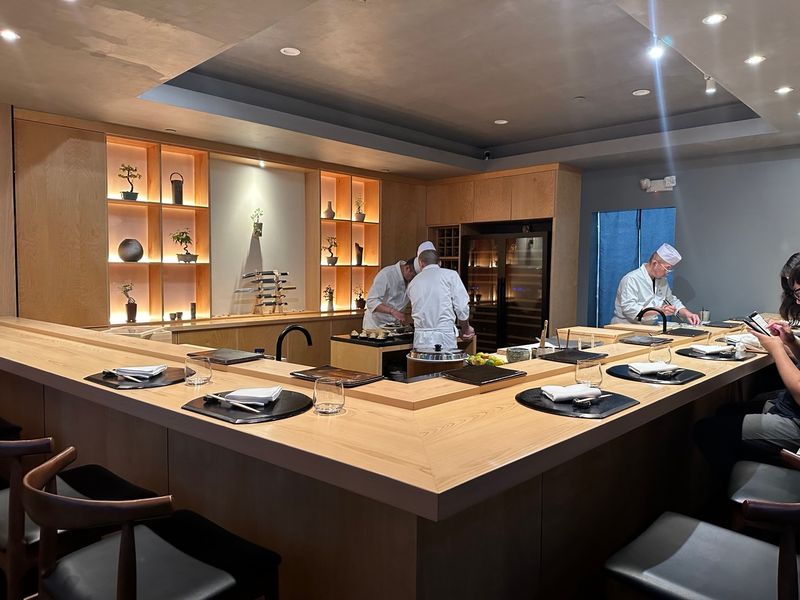
Dinner plans become more serious when every course depends on the season, precise timing, and a limited number of seats.
Diners who book early earn an experience built around anticipation.
You can find Wa Shin at 222 Stuart St, Boston.
Seasonal ingredients guide the menu. That means the dishes can change noticeably from one visit to the next.
Balance here matters as much as flavor. Lighter courses prepare the palate before richer ones arrive.
Each plate connects to the next instead of standing alone. The progression gives dinner a steady rhythm that rewards attention.
The multi-course format also limits how quickly tables turn. That makes reservations especially competitive when only a small number of guests can be seated.
Wa Shin keeps the experience focused and calm. The kitchen relies on precision, timing, and seasonal detail instead of oversized portions.
You are not likely to eat the exact same meal twice. That unpredictability gives repeat visits an extra layer of interest.
Securing a table requires planning, but the reservation effort matches the care behind the meal. This is not the place for a last-minute dinner decision.
Wa Shin earns its reputation by making every course part of a larger story. Once the meal begins, the waiting starts to make sense.
4. Sarma
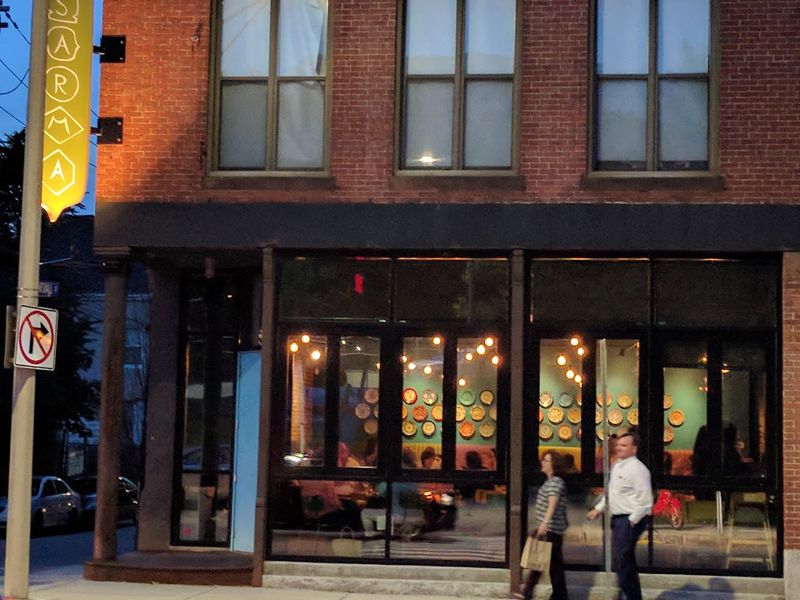
Sarma turns Eastern Mediterranean small plates into a dinner that rewards curiosity. The menu invites the table to share, compare, and quietly negotiate the final bite.
Chef Ana Sortun shapes the restaurant’s direction through her deep knowledge of the region’s cooking. Her approach gives familiar ingredients more depth without making the dishes difficult to understand.
Spreads, dips, grilled items, and heartier plates create plenty of variety. Ordering several dishes lets the meal develop gradually instead of ending after one main course.
You can find Sarma at 249 Pearl St, Somerville.
The mezze format makes groups especially happy. Everyone gets to taste more than one dish, though protecting a favorite plate may require quick reflexes.
Seasonal ingredients bring regular changes to the menu. That keeps repeat visits interesting while the Eastern Mediterranean influence stays clear.
The dining room fills quickly, especially on popular weekend evenings. Limited tables and steady demand make advance planning a sensible move.
Sharing also changes the rhythm of dinner. Plates arrive over time, conversation keeps moving, and nobody spends twenty minutes staring at one oversized entrée.
Sarma has become one of Somerville’s most sought-after reservations because the experience stays social and focused. The food carries plenty of personality without leaning on spectacle.
A table here turns dinner into a group project everyone actually enjoys. The only real disagreement usually concerns who deserves the last piece.
5. Krasi
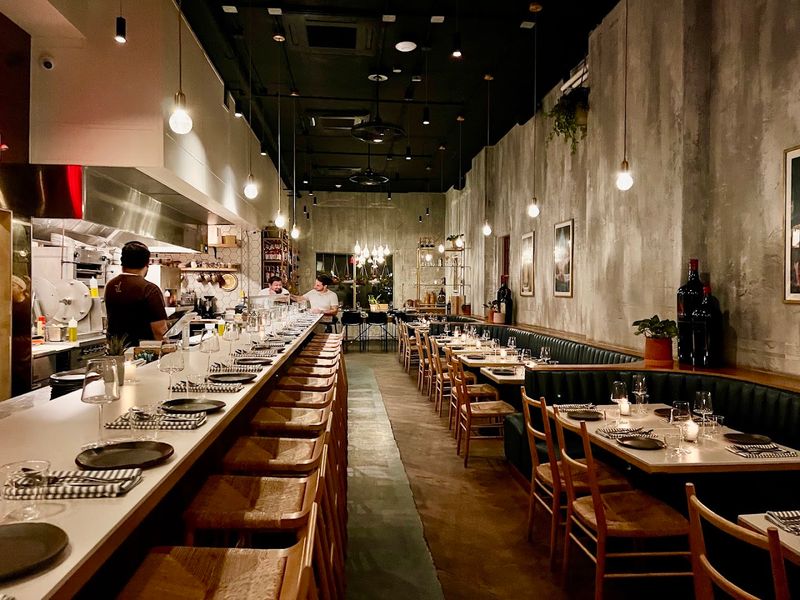
Sharing sounds easy until the table reaches the final spoonful of taramosalata.
Greek meze turns dinner into a lively negotiation, and landing the reservation may be the first one.
You can find Krasi at 48 Gloucester St, Boston, in the Back Bay.
Small plates encourage the table to explore several flavors in one meal. Sharing sounds generous until the grilled octopus reaches the final bite.
Traditional preparations guide the kitchen. Taramosalata, spanakopita, and regional specialties keep the menu connected to Greece’s varied culinary traditions.
The dishes arrive with enough character to stand on their own. Ordering several creates a meal that changes pace with every plate.
Greek cuisine varies widely between islands, coastal towns, and inland regions. Krasi gives those differences room to appear without turning dinner into a geography lesson.
The meze format keeps conversation moving. Plates land gradually, forks travel freely, and everyone develops strong opinions about what should be reordered.
Back Bay offers plenty of dining choices, yet Krasi keeps its identity unusually clear. The kitchen knows its direction and does not wander from it.
Reservations disappear quickly because the experience suits both intimate dinners and lively group meals. Waiting too long to book may leave you discussing Greek food somewhere else.
Krasi earns its popularity through focused cooking and a social style of dining. The hardest part may be convincing the table that one more plate is unnecessary.
6. O Ya
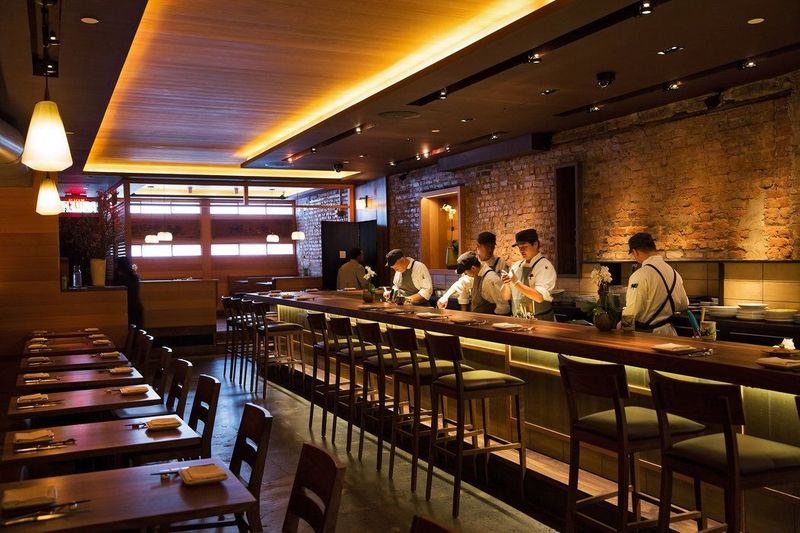
A last-minute table here ranks alongside finding forgotten cash in an old coat pocket. It can happen, but experienced Boston diners know better than to count on it.
Small plates and nigiri drive the experience. Each bite arrives with enough detail to stand on its own.
Chef Tim Cushman opened the restaurant in 2007. Since then, the kitchen has kept a strong national profile through precise technique and unexpected combinations.
Japanese methods provide the foundation, while global ingredients add contrast. The menu stays inventive without losing its sense of structure.
Wagyu preparations, truffle accents, and creative nigiri have all appeared over time. Specific dishes change, which gives repeat diners something new to anticipate.
The small-plates format stretches dinner into a sequence of distinct moments. One course lands, disappears quickly, and makes room for the next surprise.
Limited seating adds pressure to the booking process. A last-minute table here is more wishful thinking than actual strategy.
The pacing encourages diners to slow down a notch and notice each detail. That is helpful, because some bites vanish faster than good intentions.
O Ya has kept its reputation by treating every course with care. The meal never depends on one dramatic plate to carry the entire evening.
You can find O Ya at 9 East St, Boston, in the Leather District.
7. Carmelina’s
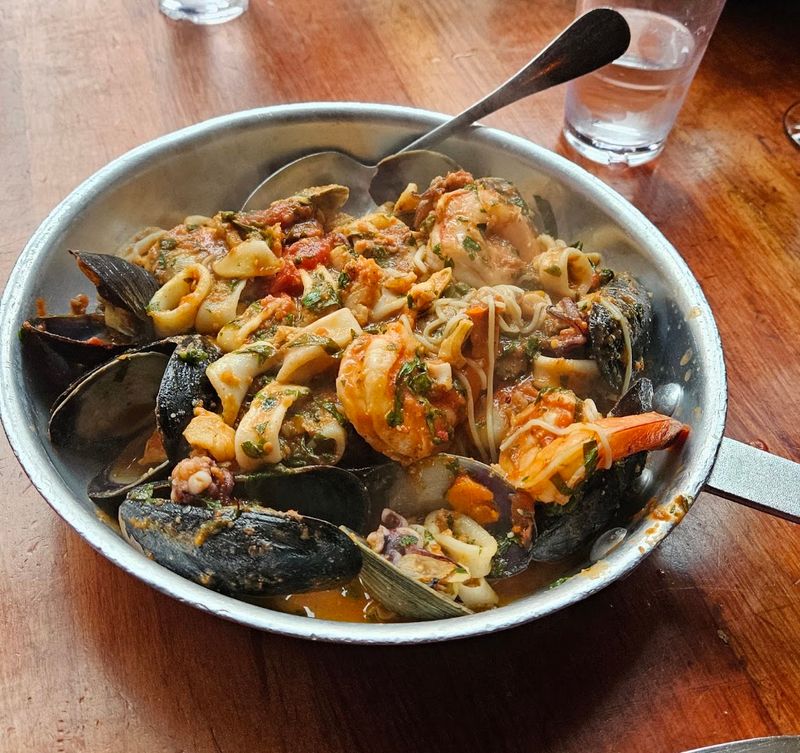
Carmelina’s holds its own on a North End street packed with Italian competition. The kitchen earns attention through generous portions and sauces made with patience.
Italian-American classics lead the menu. Rich pasta dishes and hearty baked plates give diners little reason to leave hungry.
Sunday macaroni is one of the restaurant’s defining orders. The slow-cooked meat sauce brings deep flavor to a dish built for serious appetites.
You can find Carmelina’s at 307 Hanover St, Boston, in the heart of the North End.
Lobster ravioli adds a seafood option with plenty of richness. Baked rigatoni offers the kind of comfort that makes sharing seem less appealing.
The kitchen keeps its focus on familiar flavors prepared well. Nobody comes here hoping dinner will arrive as a puzzle.
Hanover Street draws heavy crowds, especially on weekends. Carmelina’s reputation adds another layer of competition when reservation time arrives.
Walk-ins may face a long wait. Planning ahead protects you from spending dinner hour studying other people’s plates through the window.
The North End has served Italian food for generations, and Carmelina’s fits naturally into that history. Its menu respects tradition without becoming predictable.
Carmelina’s proves reliability can be a powerful reason to book early. When the sauces are rich and the portions generous, diners rarely need extra persuasion.
8. Prima Italian Steakhouse
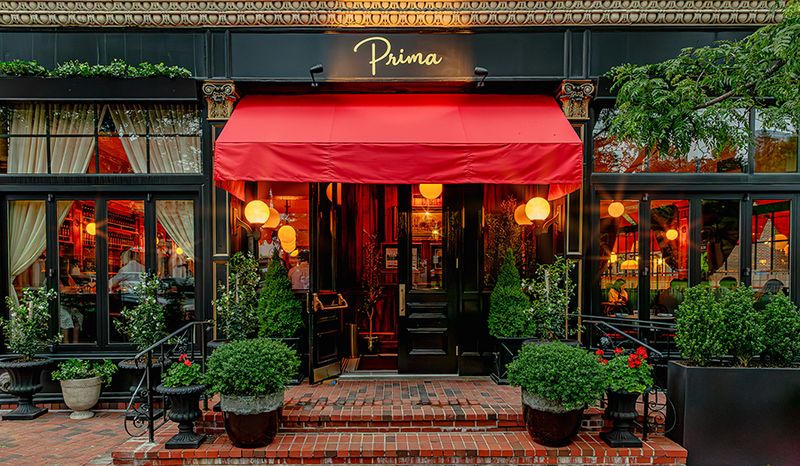
Choosing between steak and pasta already creates enough dinner-table tension.
Putting both on one menu makes ordering nearly as competitive as securing the reservation.
The beef is dry-aged in-house, which concentrates flavor and changes its texture. Time and controlled conditions give each cut a richer character before it reaches the grill.
You can find Prima Italian Steakhouse at 10 City Square, Boston, in Charlestown.
Steaks lead one side of the menu, while pasta and antipasti shape the other. Both receive enough attention to keep the concept balanced.
That variety makes the restaurant useful for groups with different dinner priorities. One person can order beef while another commits fully to pasta.
Dry aging requires patience and close attention. The process cannot be rushed, which gives the final steak more depth than a fresh-cut piece.
Italian preparations add warmth to the traditional steakhouse format. Sauces, starters, and pasta dishes create more options without distracting from the beef.
Charlestown gives Prima a different setting from Boston’s busier dining districts. The location stays close to downtown while keeping its own neighborhood identity.
Weekend tables disappear quickly, especially when groups start coordinating schedules. Delaying the reservation may turn steak night into another calendar discussion.
Prima Italian Steakhouse makes two familiar dining styles work together naturally. The only real problem is deciding which side of the menu deserves your loyalty.