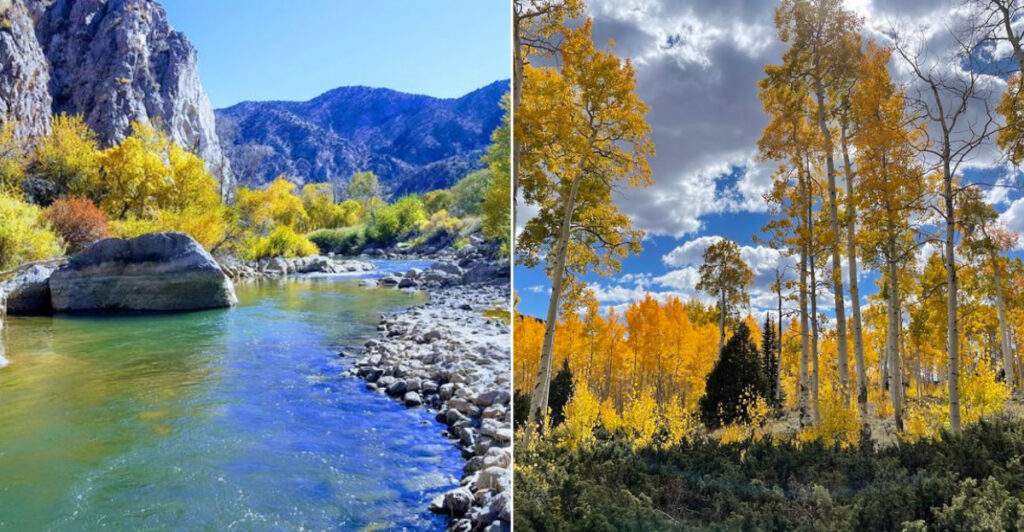
One forest can be thousands of years old without looking ancient at all. What appears to be a stand of aspens is actually one living organism, connected underground by a shared root system and represented above ground by 47,000 genetically identical trunks.
In central Utah, the scale is difficult to process: more than 100 acres of trees, all technically part of the same body. That turns a roadside stop into something closer to meeting a natural celebrity.
The trunks shimmer, the leaves flicker, and beneath your feet, one astonishing organism keeps quietly expanding its story. Utah does not often reveal its strangest wonders all at once, and this one rewards anyone willing to slow down and look twice.
Forget the usual fuel stop and sad snack run. This detour replaces both with a living puzzle, a staggering sense of scale, and a reason to rethink what a forest can be.
What Pando Actually Is And Why It Will Rearrange Your Brain
Most people arrive at Pando expecting a pretty forest. What they get instead is a full-scale identity crisis for their understanding of what a “tree” even is.
Pando is classified as a clonal colony, meaning every single trunk you see above ground is genetically identical and physically connected below the soil through one shared root system.
Scientifically, that makes the entire grove one single organism. Not a family of trees.
Not a community. One organism.
The name Pando comes from Latin, meaning “I spread,” which feels both accurate and slightly ominous when you are standing inside it.
Estimates suggest Pando covers approximately 106 acres and contains around 47,000 individual trunks. Its weight is estimated at nearly 13 million pounds, making it one of the heaviest known living organisms on Earth.
The root system beneath your feet may be anywhere from 9,000 to over 80,000 years old depending on the estimate you trust. Either way, it was alive long before recorded human history.
That single fact has a way of making your daily to-do list feel wonderfully irrelevant.
Why It Matters: Pando is not just a curiosity. It is a living scientific record stretching back thousands of years, growing quietly in central Utah while civilizations rose and fell above ground.
The Location Along Highway 25 And How To Actually Get There
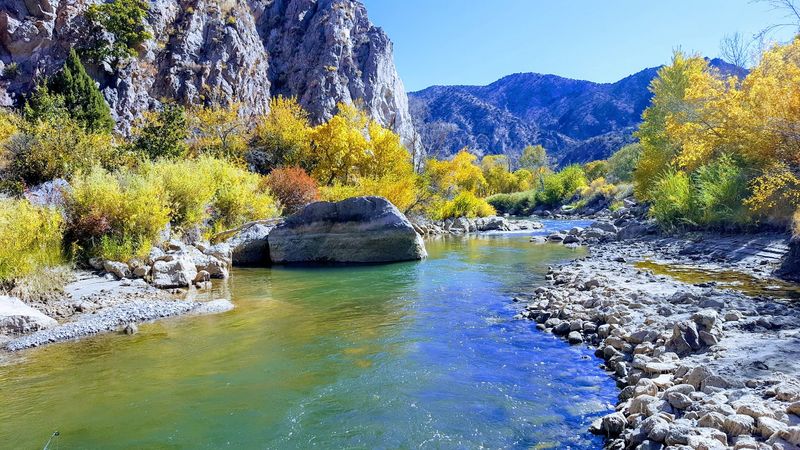
Finding Pando is genuinely straightforward, which is a relief given how otherworldly the destination sounds. The grove sits along Utah Highway 25 in Fishlake National Forest, near Richfield, UT 84701.
Visitors can contact the Fishlake National Forest office at +1 435-896-9233 for current road and trail conditions before heading out.
One piece of advice worth taking seriously: do not blindly follow GPS navigation off the main road. Stick to Highway 25 and watch for the signed pullouts and the Doctor Creek Trailhead, which sits right at the edge of the grove.
The roads in some surrounding camping areas require high-clearance or off-road vehicles, so standard sedans should stay on the paved route.
The Fish Lake Overlook nearby offers a sweeping view of the entire lake and the full spread of Pando across the hillside, which is worth the quick detour before you walk the grove itself. From that vantage point, the scale of the organism finally registers in a way that standing inside it cannot fully deliver.
Plan a few extra minutes for that stop. You will thank yourself later, possibly out loud.
Pro Tip: Stay on Highway 25 and use the Doctor Creek Trailhead for the easiest, most accessible entry point into the grove.
Walking Inside Pando And What The Experience Actually Feels Like
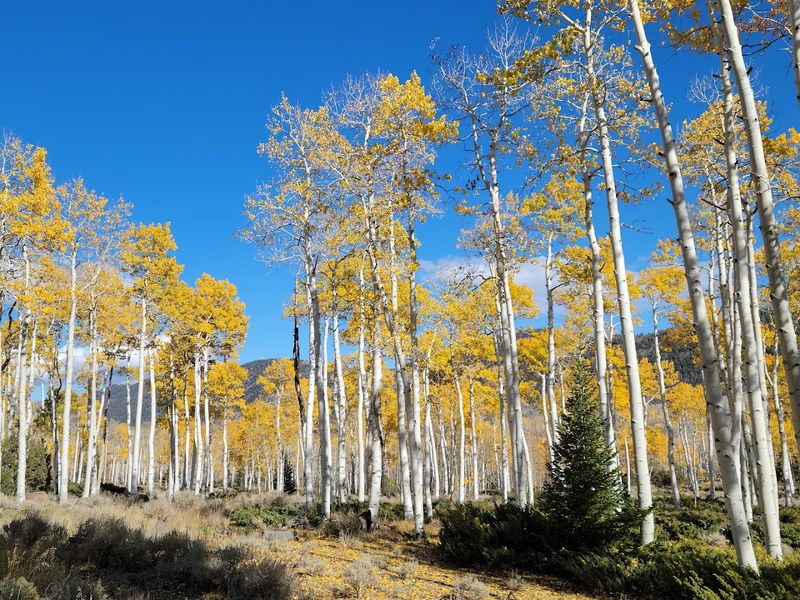
There is a particular moment that nearly every visitor describes, and it goes something like this: you walk through the gate, look around at what appears to be a completely normal aspen forest, and then the information you just read on the trailhead sign catches up with your brain. Every tree around you is the same tree.
That realization lands differently when you are physically inside it.
The trails within the fenced sections are short and manageable, making Pando accessible for families, older visitors, and anyone who considers a brisk stroll through a parking lot adequate cardio. Gates are spaced throughout the fenced areas to allow human access, and visitors are encouraged to close them behind themselves to protect regenerating saplings from deer and elk browsing.
Visitors who have walked the grove in late September consistently describe the golden light filtering through the canopy as genuinely spectacular. Early spring visits, before the leaves emerge, offer a quieter, more stark experience that has its own appeal.
Dogs on leashes are welcome, and based on available accounts, they seem to thoroughly enjoy the outing. The grove does not demand much from you physically.
It simply asks that you pay attention.
Best For: Families, couples, solo explorers, and anyone who finds standard scenic overlooks a little too passive.
The Fencing, The Gates, And Why The Protective Infrastructure Actually Matters
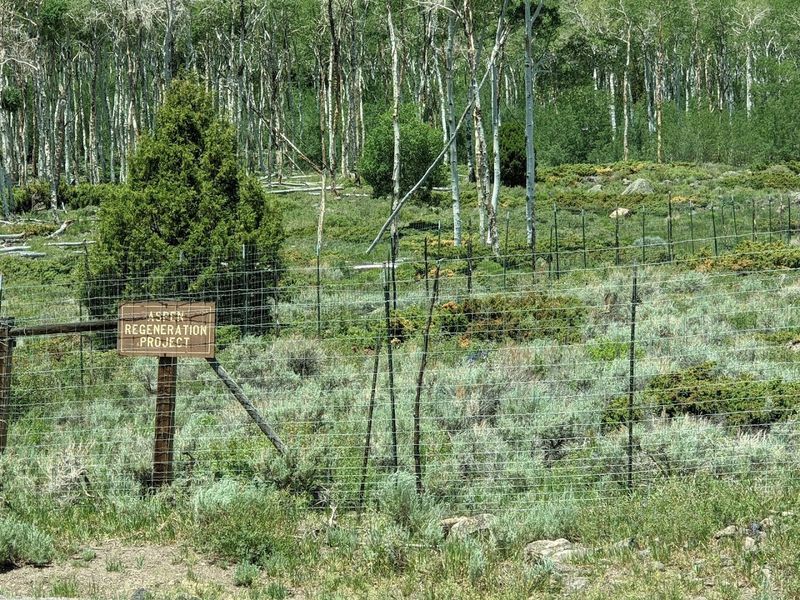
First-time visitors sometimes find the fencing around portions of Pando visually jarring. A world-class natural wonder wrapped in utilitarian wooden fencing is not exactly the Instagram aesthetic most people envision.
The brochures available at the site explain the reasoning clearly, and once you understand it, the fencing stops looking like an eyesore and starts looking like medicine.
Deer and elk have historically browsed the young aspen shoots before they can establish themselves as mature trunks. Without regeneration, the existing trunks age and die without replacement, which threatens the long-term survival of the organism as a whole.
The fenced enclosures protect areas where new saplings are being allowed to grow without being immediately eaten.
Pando is considered a threatened organism despite its size and age, largely because regeneration has been suppressed for decades by grazing pressure. Conservation efforts managed by the U.S.
Forest Service are ongoing, and the fencing represents an active, science-backed intervention. Closing the gates behind you as a visitor is one of the smallest and most direct contributions any individual can make to preserving something genuinely irreplaceable.
It takes three seconds. Do it every time without exception.
Insider Tip: Always close every gate you pass through. The signage reminds you, but treat it as a personal rule rather than a suggestion.
When To Visit Pando For The Most Memorable Experience
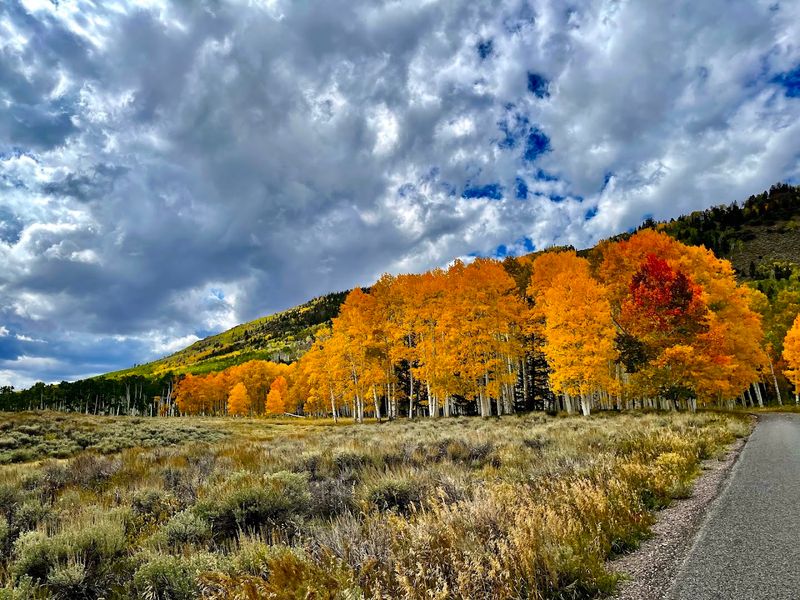
Timing a visit to Pando rewards a small amount of planning with a disproportionately large payoff. Late September is widely regarded as the peak window, when the aspen leaves shift into their full golden display and the grove takes on the kind of light that makes photographers forget they were supposed to be hiking.
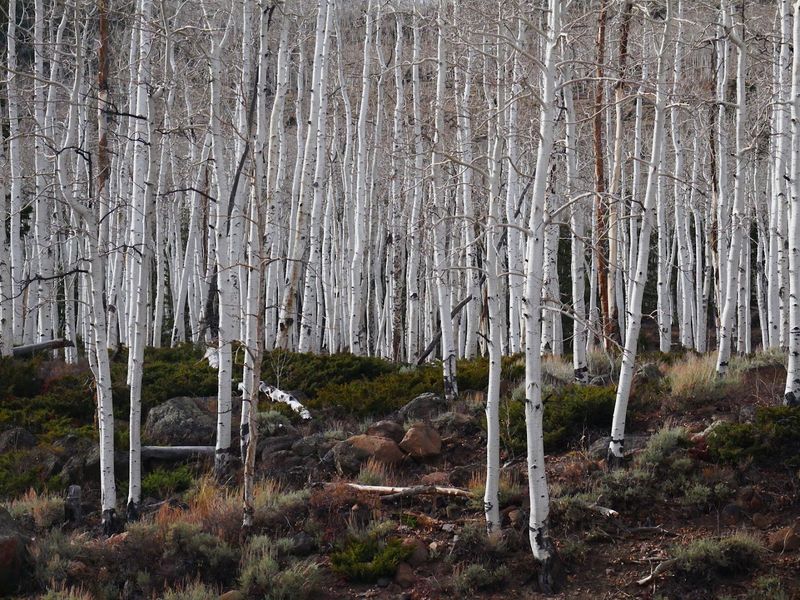
Early spring visits, before the leaves emerge, offer a completely different atmosphere. The bare white trunks stand in quiet rows against the snow or mud, and the grove feels ancient in a way that full summer foliage somehow softens.
Visitors who arrived during early spring with lingering snow have described the experience as unexpectedly beautiful, particularly for dogs, who apparently have strong opinions about fresh snow.
Summer visits are pleasant and green, though the grove blends more easily into the surrounding forest landscape. Winter access depends on road conditions and is worth confirming with the Fishlake National Forest office before committing to the drive.
Whatever season you choose, arriving with reasonable expectations about the experience being contemplative rather than action-packed will serve you well. Pando rewards the visitor who slows down.
Best Strategy: Target late September for peak autumn color. Call +1 435-896-9233 ahead of winter visits to confirm Highway 25 accessibility.
Camping Near Pando And Making A Full Trip Out Of The Visit
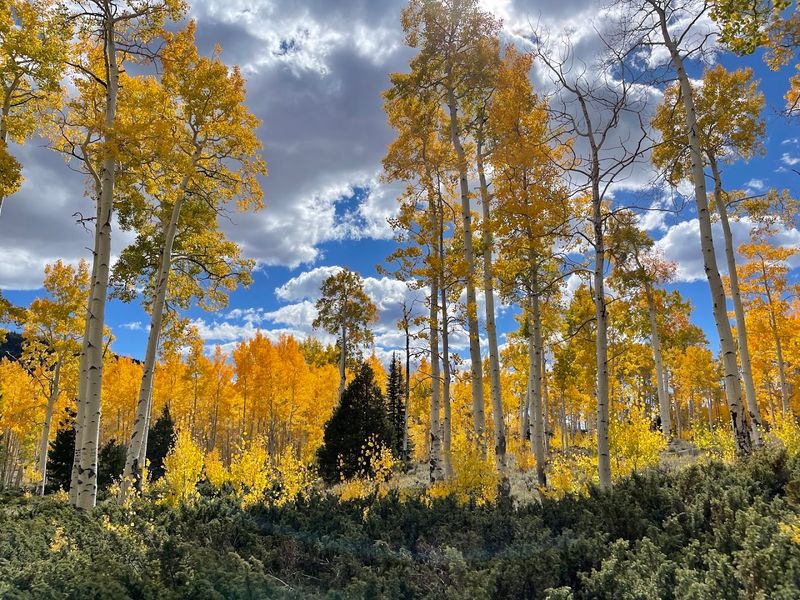
Pando is not the kind of place you want to rush. Fortunately, the U.S.
Forest Service operates the Doctor Creek Campground right at the edge of the grove, which means you can wake up essentially inside one of Earth’s most extraordinary organisms. That is a sentence that very few campgrounds in the world can honestly claim.
Reservations at Doctor Creek fill up well in advance, particularly during the summer and fall peak seasons. Showing up without a booking and hoping for a spot is a gamble that visitors consistently report losing.
Plan ahead, reserve early, and treat the campsite as the anchor of a longer Fishlake National Forest trip rather than a casual add-on.
Fish Lake itself offers swimming and recreation opportunities in the surrounding area, and the broader Fishlake National Forest has additional hiking options for visitors who want more activity around their Pando visit. The Fish Lake Overlook provides a panoramic view of the lake and the full canopy of the grove from above, which is worth prioritizing as either an arrival or departure moment.
Pair the overlook with a walk through the grove and a night at Doctor Creek, and you have a complete, genuinely memorable Utah experience that requires almost no elaborate planning.
Planning Advice: Reserve Doctor Creek Campground well in advance. Same-day availability is rarely possible during peak season.
Why Pando Belongs On Every Utah Road Trip Itinerary
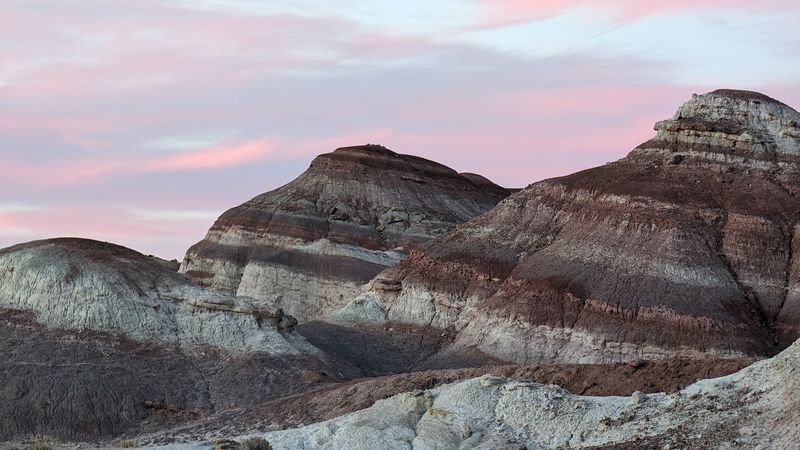
Utah has built a formidable reputation on its five major national parks, and rightfully so. But Pando represents a category of experience that sits entirely outside that framework.
It is not a canyon, a mesa, or an arch. It is a single living thing that has been quietly expanding for thousands of years in a forest most road-trippers drive past without a second glance.
Visitors traveling between Bryce Canyon, Zion, and Arches have noted that Pando fits naturally as a mid-route stop without adding significant mileage or time to the journey. It is the kind of detour that ends up becoming the story people tell when they get home, ahead of the more famous stops on the itinerary.
The experience asks very little of you logistically. There is no entrance fee for the grove itself, no elaborate gear required, and no physical fitness threshold to clear.
What it does ask is that you arrive with a functioning sense of wonder and a willingness to stand still for a moment and absorb something genuinely difficult to fully comprehend. Pando has been here for millennia.
It will not be offended if you take your time. In fact, given everything it has witnessed, it probably prefers the company of patient visitors.
Quick Verdict: Pando is the most intellectually rewarding free stop in central Utah, and it fits cleanly into almost any southern Utah road trip route.