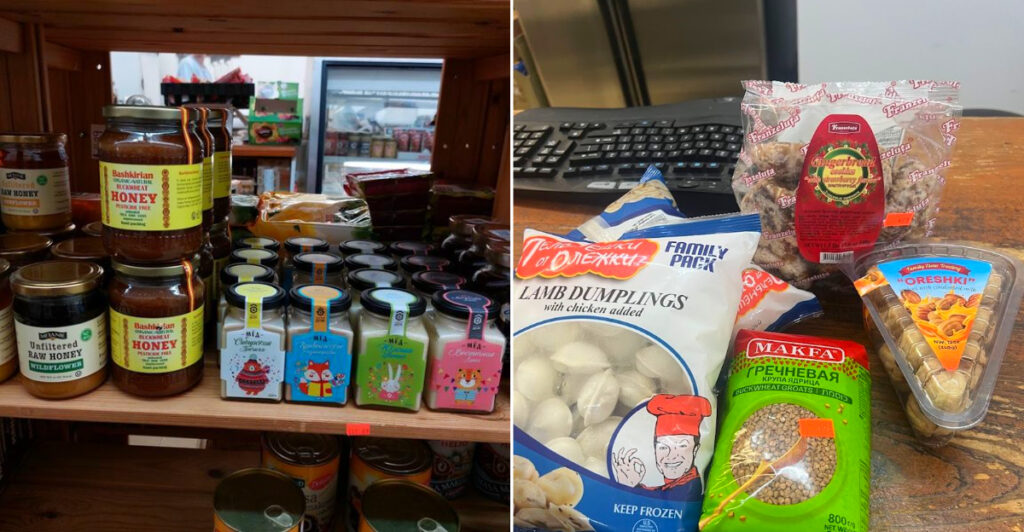
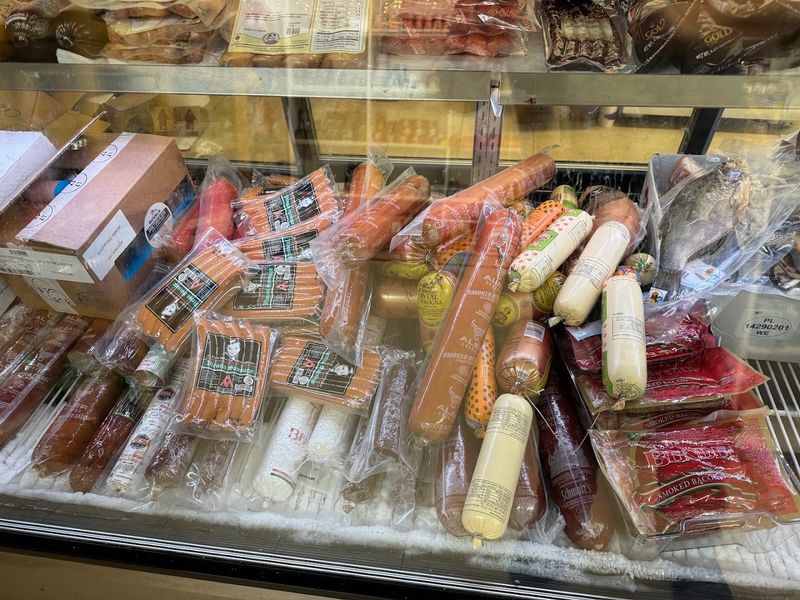
Walking into the right deli can transport you thousands of miles without ever leaving the state. The smell hits you first, crusty bread, cured meats hanging from hooks, plus shelves stacked with imported mustards alongside pickled things in jars you cannot read.
Behind the counter, someone slices prosciutto paper thin while explaining the difference between two kinds of salami with real passion. Customers crowd the small aisles, reaching for familiar items from home or discovering something new to try.
The olive bar stretches wide, offering varieties you never knew existed, plus the cheese selection reads like a map of regions most people only dream of visiting.
You taste a sample on a crisp cracker and suddenly you are somewhere else entirely, somewhere older, slower, full of flavor. Louisiana has a European deli so authentic it feels like a hidden overseas market worth the drive across town.
Europe Is Hiding Near 33rd Street
Eastern European Foods is at 3320 Williams Boulevard in Kenner, Louisiana, along the busy north–south corridor between Interstate 10 and Lake Pontchartrain. Approach on Williams Boulevard and aim for the commercial stretch around 33rd Street.
The final blocks pass shopping strips, restaurants, and closely spaced driveways, so slow down near the 3300 block. The grocery and deli occupy a modest storefront rather than a freestanding market, making the business sign more useful than the building itself.
Turn into the shared shopping-center parking area and follow the storefronts to Eastern European Foods. Park near the market entrance, then walk directly inside; curbside pickup is also available for orders arranged with the store.
Dumplings Worth The Quest
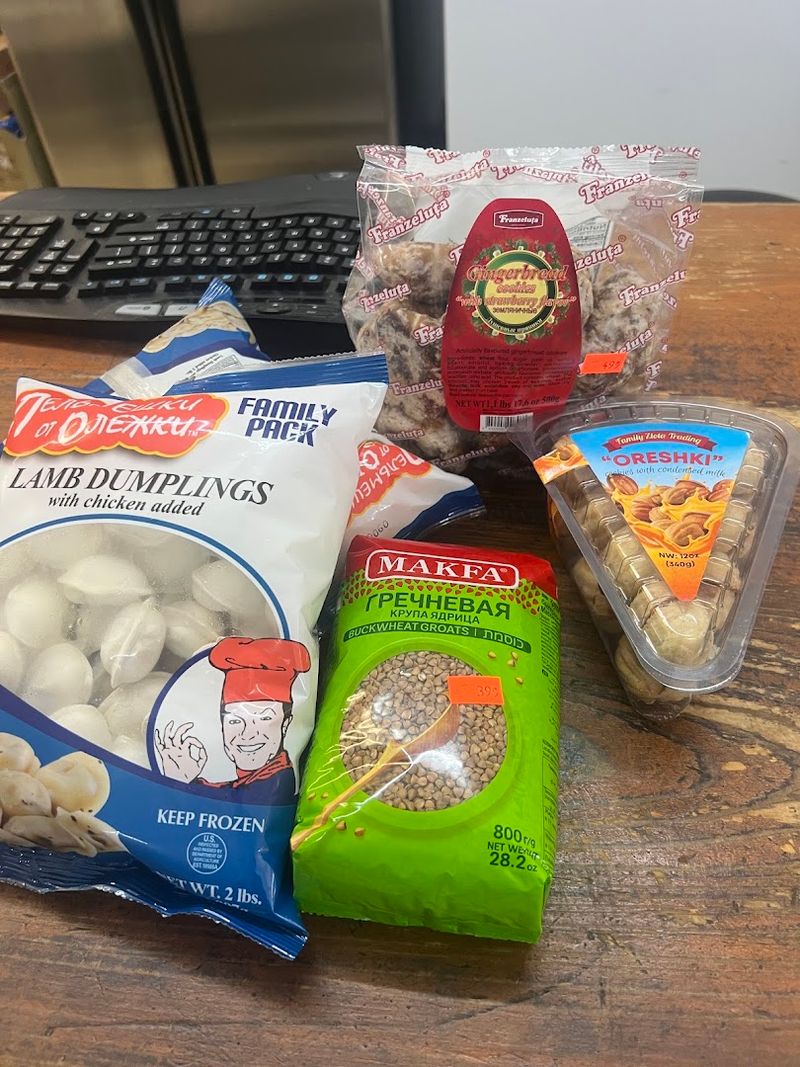
Frozen pelmeni and varenyky at Eastern European Foods are the kind of convenience that still tastes like effort and care. These dumplings arrive in sturdy packaging and often reflect small-batch makers rather than mass brands, which means fillings tend to be meat-forward or delicate with potato and cheese.
Cooking them is almost ritual: a vigorous boil, a skim of foam, then a short rest so they firm up without bursting.
I like to finish mine with a pat of butter and a generous dollop of sour cream; sometimes the staff will point out a brand with a particular spice profile. For sweet varenyky try a jam finish and a sprinkle of sugar if you want a true dessert mood.
Buy a couple different types and treat them like tasting samples; they reheat well and make for an easy, impressive meal after a busy day.
The Earthy Borodinsky Rye
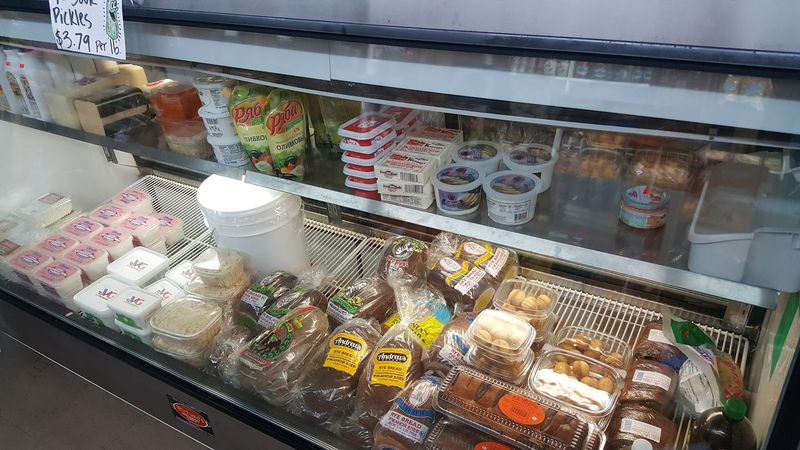
Bread in this store often reads like a map of flavor, and Borodinsky rye is a vivid point on that map with its deep color and caraway-scented finish. The loaf is dense without feeling heavy, and its slightly sweet tang comes from traditional baking techniques that echo recipes from Eastern Europe.
Slicing it thin reveals a tight crumb that holds up under spreads and firm toppings, which makes it an ideal base for open-faced sandwiches or smoked fish.
When buying, check the bake date since the bread’s character changes quickly; it’s best when used within a day or two for texture and aroma. I sometimes toast a slice to highlight the caraway and pair it with farmer cheese or a thin smear of butter.
Bring home a half-loaf to start; it stores well wrapped and sliced for versatile breakfasts and impromptu snacks throughout the week.
Sweet And Fluffy Syrniki
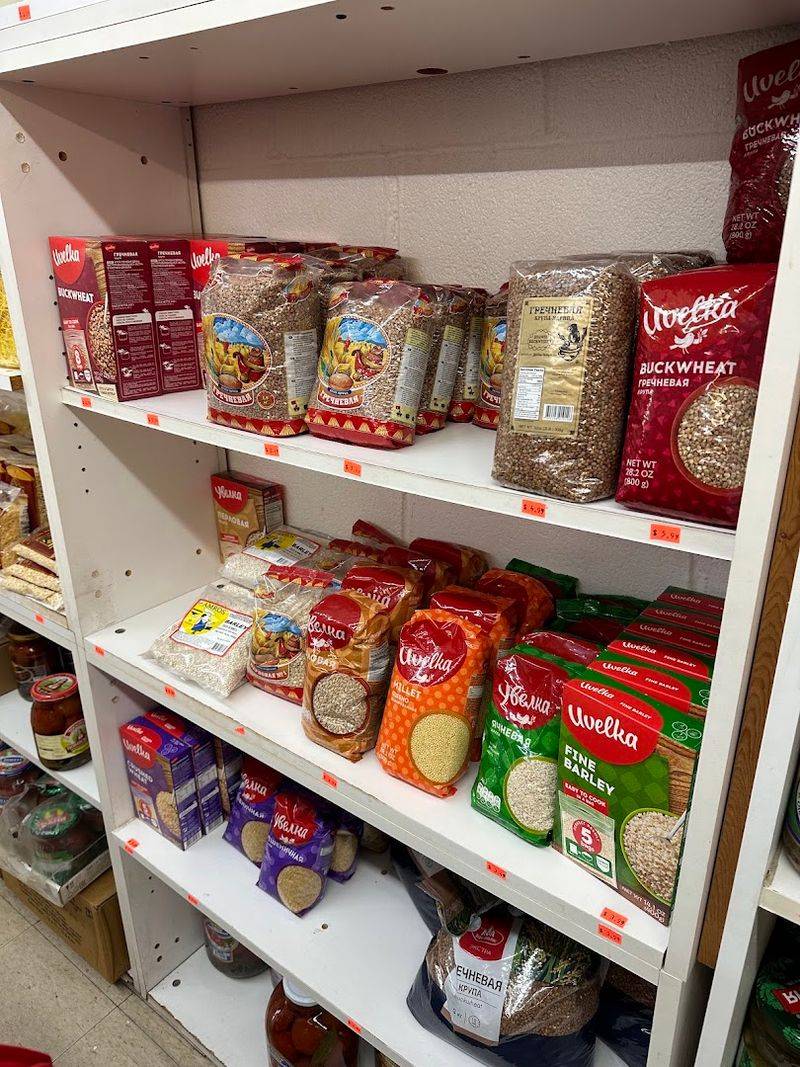
Syrniki at Eastern European Foods are small, golden, and unapologetically comforting, the kind of breakfast that makes you slow down. Made from farmer cheese, they fry to a crisp exterior while staying tender inside, and the store often stocks frozen or freshly made versions depending on shipment.
A spoonful of jam and a dollop of sour cream complete the canonical pairing, creating a contrast between tang and sweet that feels pleasantly familiar.
I recommend buying a portion to try the first time so you can gauge texture and sweetness; some brands edge sweeter while others lean tangier. Reheat gently in a pan to refresh the crust rather than microwaving straight through.
These are a lovely morning treat or a light dessert, small enough to enjoy without guilt and versatile enough to dress up or keep simple.
Uncommon Beverages From Afar
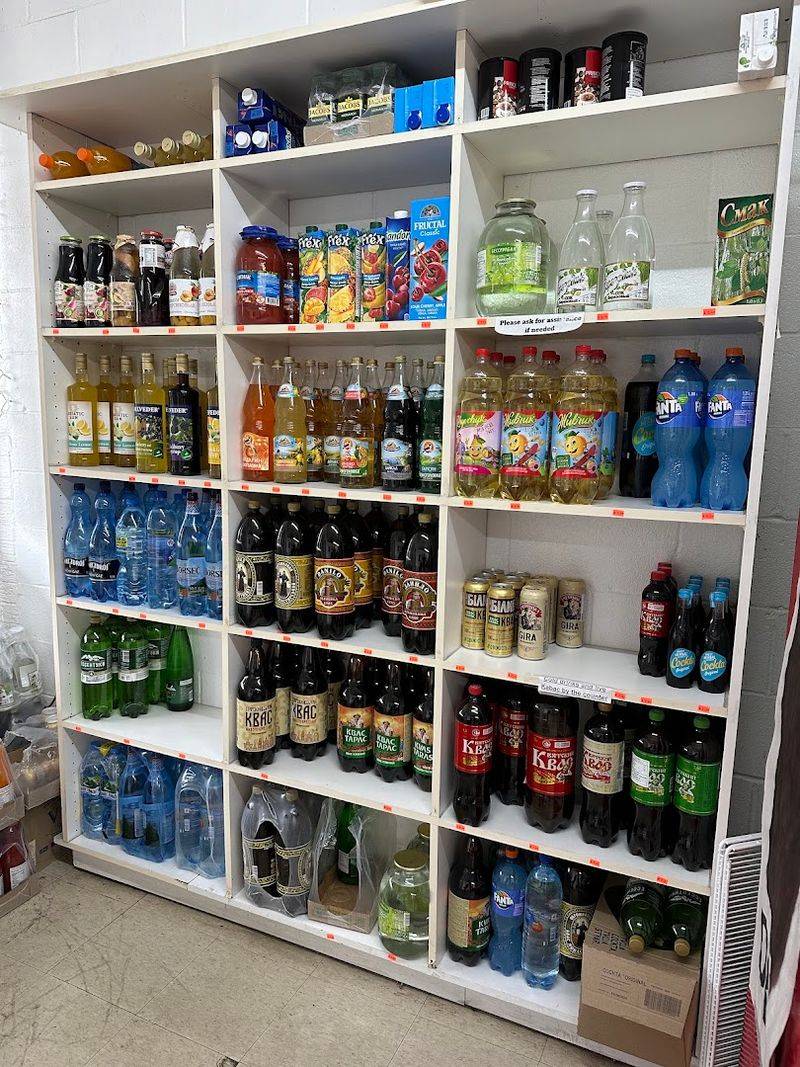
The beverage shelf is where curiosity rewards you; kvass and birch tree juice sit alongside familiar soda bottles but offer entirely different tasting paths. Kvass ranges from gently fermented and tangy to malt-forward and earthy, while birch sap is lighter, subtly sweet, and refreshingly vegetal.
These drinks are not just thirst quenchers but cultural notes, the kind of item that changes how you think about a meal pairing.
I like to grab a small bottle to taste back home and consider how it shifts a savory snack or a slice of bread; kvass pairs nicely with smoked meats. Store staff can point out current arrivals since these items can be seasonal or limited in import runs.
Keep bottles chilled if you can; refrigeration sharpens subtle flavors and makes the experience resemble how they are enjoyed abroad.
The Enigmatic Shuba Salad
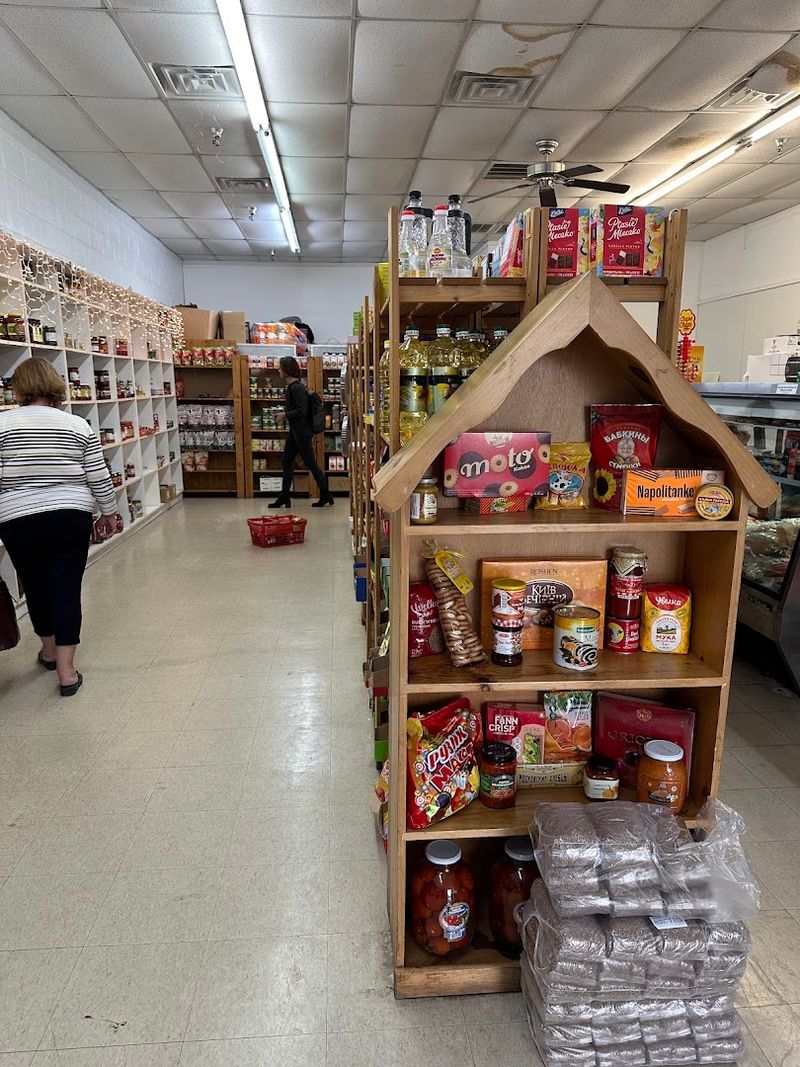
Shuba salad is visually arresting: layers of beet, carrot, potato, egg, and pickled fish create a striped effect that is as much about presentation as it is about flavor. The shop often sells prepared portions, which let you see how the texture of each layer holds up under the creamy mayonnaise top.
The beets bring an earthy sweetness that balances the briny herring, while the potatoes and eggs add a comforting ballast.
When sampling, note that the salad benefits from resting so flavors marry; buying it a few hours before serving improves harmony.
Portion sizes are generous so it serves well as a side at gatherings or a main for a light meal. This dish can feel unfamiliar at first, but it reveals a smart construction of contrasting tastes once you let it sit and settle on your palate.
Delighting In Bird’s Milk Candies
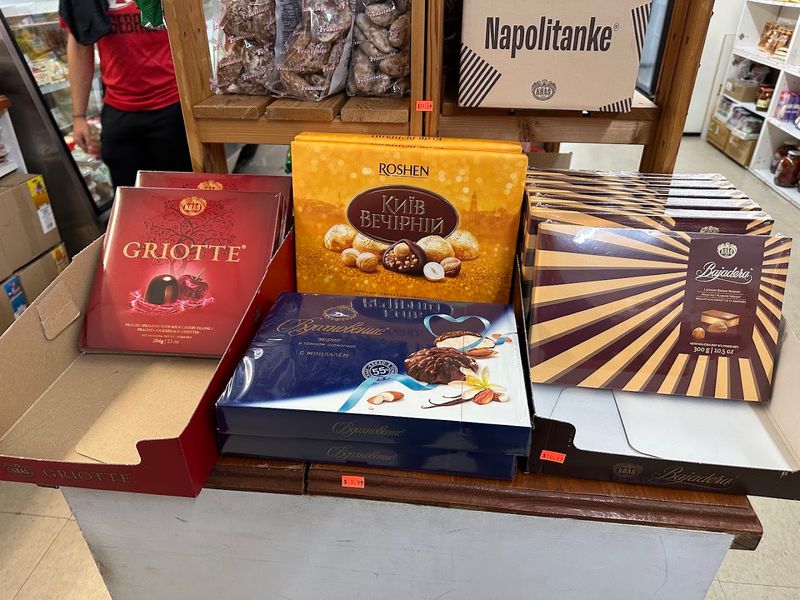
Ptichye Moloko, or Bird’s Milk candies, are a study in texture, a light, souffle-like center enrobed in chocolate that seems to dissolve the moment it hits your tongue. Eastern European Foods often stocks several brands and sizes, including boxed varieties that are meant for gifting.
The contrast between the delicate interior and the chocolate exterior creates a sophisticated confection that doesn’t rely solely on sweetness to make an impression.
I like to buy a small box and savor them slowly, noticing how the mousse differs between makers. Keep them cool and they maintain structure; heat softens them rapidly.
Gift boxes are a charming option if you want to introduce someone to this specialty treat.
They feel celebratory without being flashy, the kind of candy that marks a small, refined pleasure and invites conversation about traditions behind it.
Versatile Farmer Cheese
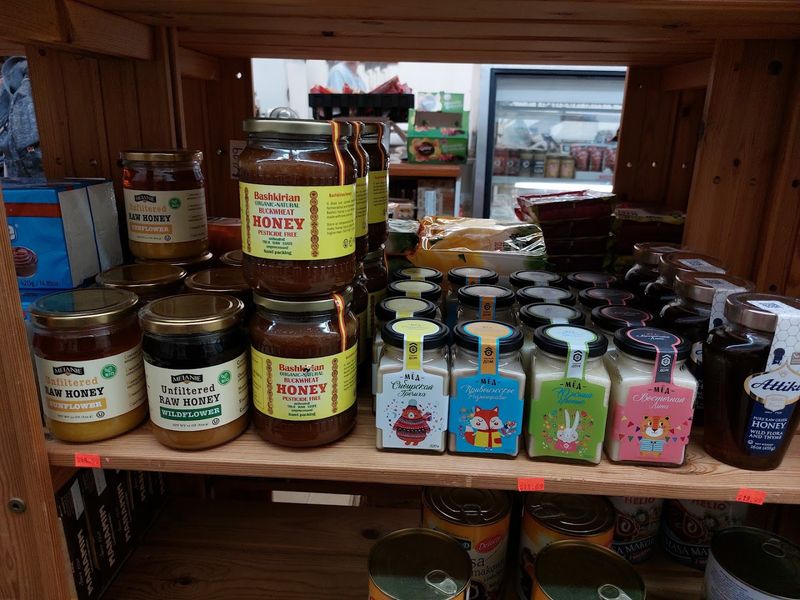
Farmer cheese, or tvorog, is a staple that rewards experimentation, its dry, slightly tangy texture adapts to both sweet and savory roles with ease. At Eastern European Foods you’ll find it in tubs or blocks, and the texture varies by maker; some are creamier, others firmer and grateable.
It’s central in dishes like syrniki and blini, but I also appreciate it mashed with herbs for a sandwich spread or sweetened with honey for breakfast.
Check the label for fat content since that subtly alters mouthfeel and baking behavior. If you plan to bake, a firmer variety often holds up better, while creamier versions fold smoothly into fillings.
Buy a moderate portion to explore its range; it’s a kitchen workhorse that elevates simple meals and traditional recipes alike.
A Spectrum Of Pickled Delights
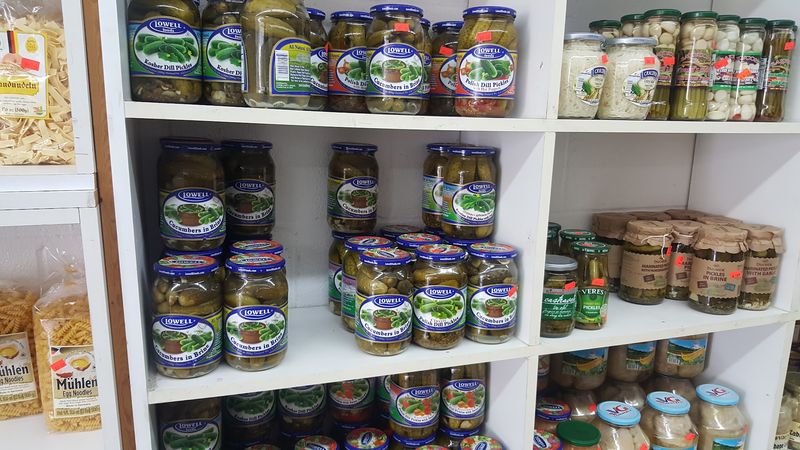
The pickle aisle here is a minor revelation: jars packed with brined cucumbers, robust pickled cabbage, and even unusual items like pickled watermelon slice offering bright, briny contrasts to richer fare.
These are preserved the way many Eastern European households do, in salt brine rather than vinegar, which keeps the vegetal texture and a cleaner, lactic tang. The result is a crunchy, refreshing counterpoint to smoked meats and creamy salads.
I recommend asking about seasonal arrivals since some pickles come in limited batches; holiday times can bring exceptional brine varieties. Try a small jar to see how the brine levels and spice blends suit your palate.
These pickles shine alongside bread and cheese or chopped into salads for instant brightness, and they store well unopened for months, making them a practical pantry addition.
A Taste Of Home Through Generations
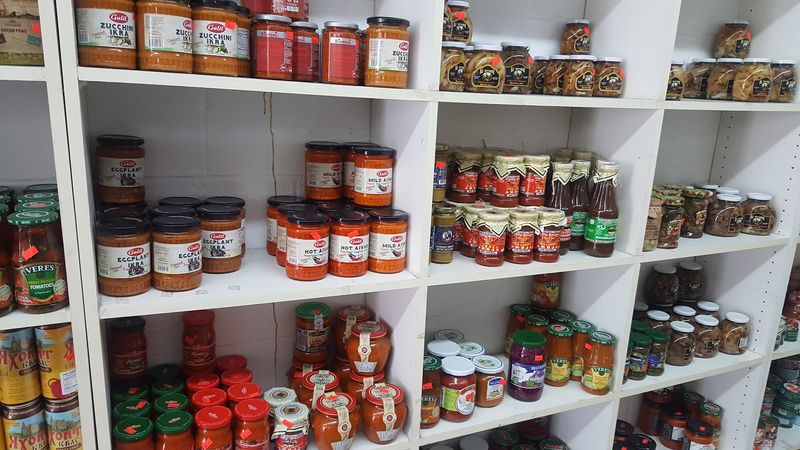
Eastern European Foods carries more than groceries; it carries continuity, a family story that customers can see in the care of the displays and the small talk at checkout.
Founded in 2003 by Inna and Salvador Abud and now run by their son, the store often feels like a community hub for people seeking familiar products and friendly guidance.
Conversations drift to recipe tips and product origins, which makes the shopping experience informative as well as practical.
When visits feel slow, it’s worth asking staff about sourcing or recommended uses; they frequently provide helpful context that enriches a purchase. Their knowledge can save you from trial-and-error when trying a new ingredient.
Visiting becomes part market run and part cultural exchange, a warm spot where imports meet local curiosity in a welcoming way.
The Advantage Of Mid-Week Shopping
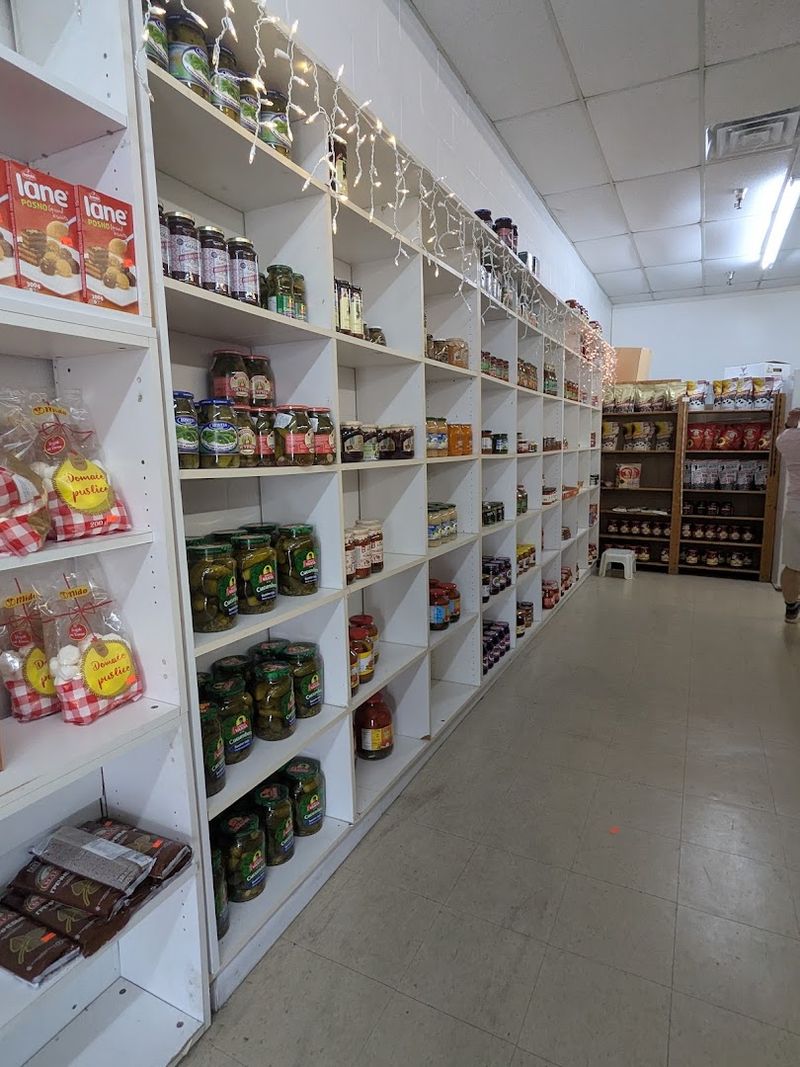
Timing matters at this store: shipments arrive early in the week and by Wednesday the shelves are often at their fullest, which makes mid-week visits the smart move for variety. Shopping then increases the chance of finding freshly restocked imports and deli items that sell out quickly on weekends.
The window is practical too because the staff has had a day to organize new deliveries and label products properly.
Plan a Wednesday stop if you want access to newly arrived breads, cured meats, and seasonal goods; Saturdays can be fine but expect more picked-over displays. If you need something particular, call ahead to confirm availability since some items are limited and rotate quickly.
Mid-week trips often feel calmer and more unrushed, giving you time to explore without the weekend crowds and ask staff for recommendations.