Most aquariums ask you to look, not touch, keeping thick glass between you and the creatures gliding through the water. But there is something extraordinary about pressing your hand into a shallow pool and feeling the rough texture of a live shark slide past your fingertips.
The touch tank changes everything about how you experience marine life, turning passive observation into genuine connection.
Kids shriek with delight while adults find themselves kneeling at the edge longer than expected, fascinated by the smooth glide of stingrays plus the surprisingly gentle brush of a shark fin.
The rest of the exhibits feel more vivid after that moment of contact, every fish behind glass somehow more real because you felt one of them move against your skin.
This is what discovery feels like up close. Reaching into touch tanks at an aquarium in Louisiana and feeling a shark glide past your fingers changes the whole visit.
Plan For The Touch Pool
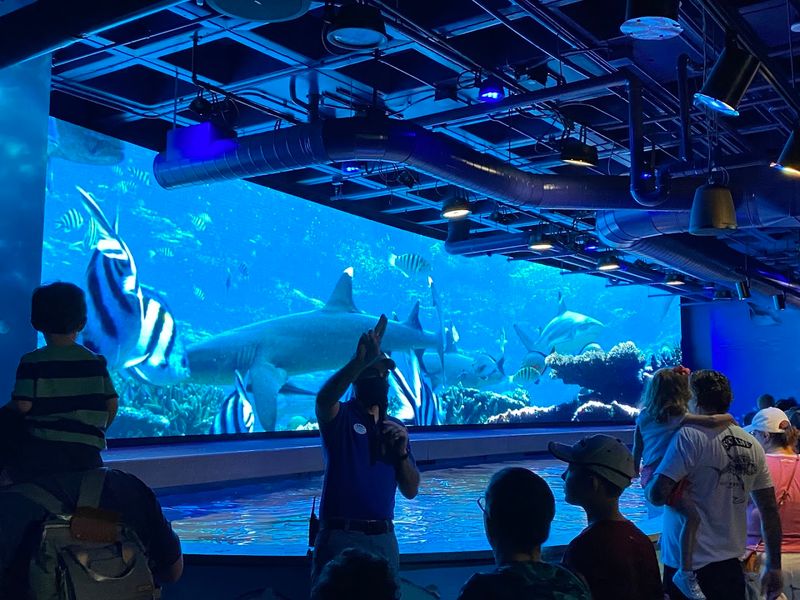
The touch pool is the centerpiece of tactile learning at Audubon, and timing matters more than you might expect. Arrive early to avoid peak crowds and get a few calm minutes at the 13,000-gallon Shark Discovery habitat before school groups and families gather.
Staff rotate animals and guide interactions, which keeps both creatures and guests comfortable; watch the brief orientation they offer so you know how to place your hand and what to expect from each species. This makes the encounter safer and more respectful for the animals and more rewarding for you.
Keep fingers flat and slow, and be ready for slick skin, whisker-like barbels, and surprising weight as rays pass over your palm. The sensory contrast between riverfront heat and cool water is oddly restorative.
Canal Street Meets The Mississippi Here

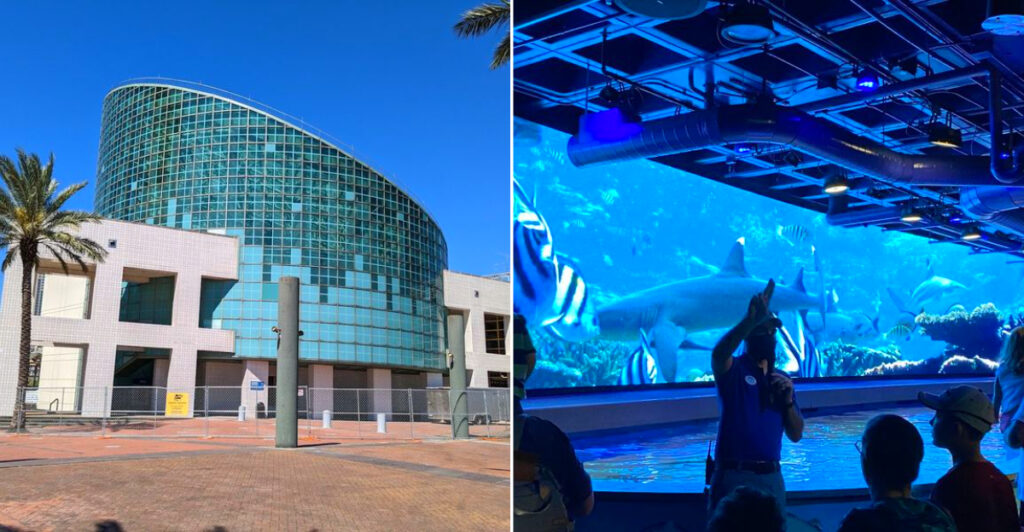
Audubon Aquarium is at 1 Canal Street in New Orleans, Louisiana, where Canal Street reaches the Mississippi River beside the French Quarter. From I-10 westbound, take Exit 235B toward Canal Street; from the west, use the Poydras Street exit and approach through South Peters Street.
The final approach runs toward the river past hotels, streetcar tracks, and heavy downtown foot traffic. Continue to the foot of Canal Street, where the aquarium and adjoining Audubon Insectarium share the prominent riverfront building.
The aquarium has no private visitor lot, so use a nearby paid garage or legal metered space and walk to the entrance. Passenger drop-off and pickup are permitted at the front gate, with accessible spaces available nearby on a first-come basis.
Talk To The Staff
Staff at Audubon are a quiet treasure; they balance animal welfare with patient explanation and often add personal details about the individual sharks and rays. Make a point to ask their names, preferred foods, and how each species contributes to marine ecosystems.
These short conversations transform a quick glance into real insight about conservation and the SAFE initiatives that shape the aquarium’s mission.
During a recent visit a staffer pointed out subtle differences between ray species that I would have missed on my own. Their care routines and feeding windows also hint at optimal viewing times, so a friendly question can unlock a richer experience and more photo-worthy moments.
Observe The LED Immersive Screen
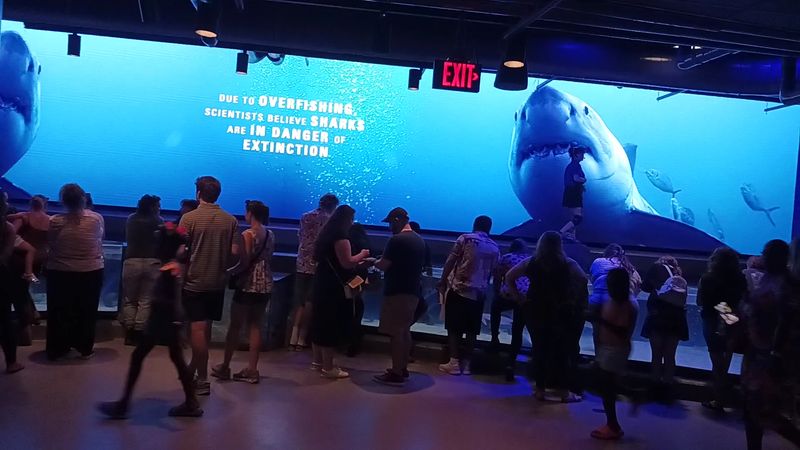
The LED screen above the Shark Discovery touch pool is more than decoration; it projects context that deepens the tactile experience by showing habitats, species behavior, and conservation messages. Watch how the visuals sync with live animal movement to create a layered interpretation of what you are touching.
The imagery often highlights the very species in the pool, making the touch feel connected to larger ocean systems and not just an isolated trick of feeling textures.
Slow down and watch a full loop of the display while hands are in the water. The combination of sight and touch crafts a fuller picture of ecological roles and the threats many rays and sharks face in the wild.
Learn The Conservation Angle
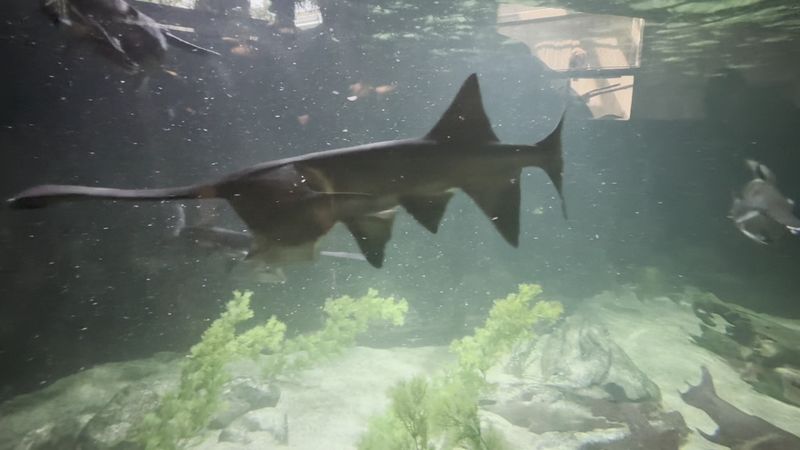
The touch pool experience is designed to foster stewardship, linking hands-on moments to Audubon’s SAFE efforts and broader conservation goals. Read the placards and ask about the aquarium’s breeding, rescue, and public education programs that support threatened species.
These exhibits emphasize that tactile encounters are intended to build empathy and encourage actions like sustainable seafood choices and advocacy for protected habitats.
Understanding the institutional priorities adds gravity to a playful experience; the touch pool becomes an educational tool and an invitation to support species protection. If you leave with one practical takeaway, let it be that small behavior changes at home can ripple outward to benefit the same ecosystems represented here.
Combine With The Insectarium
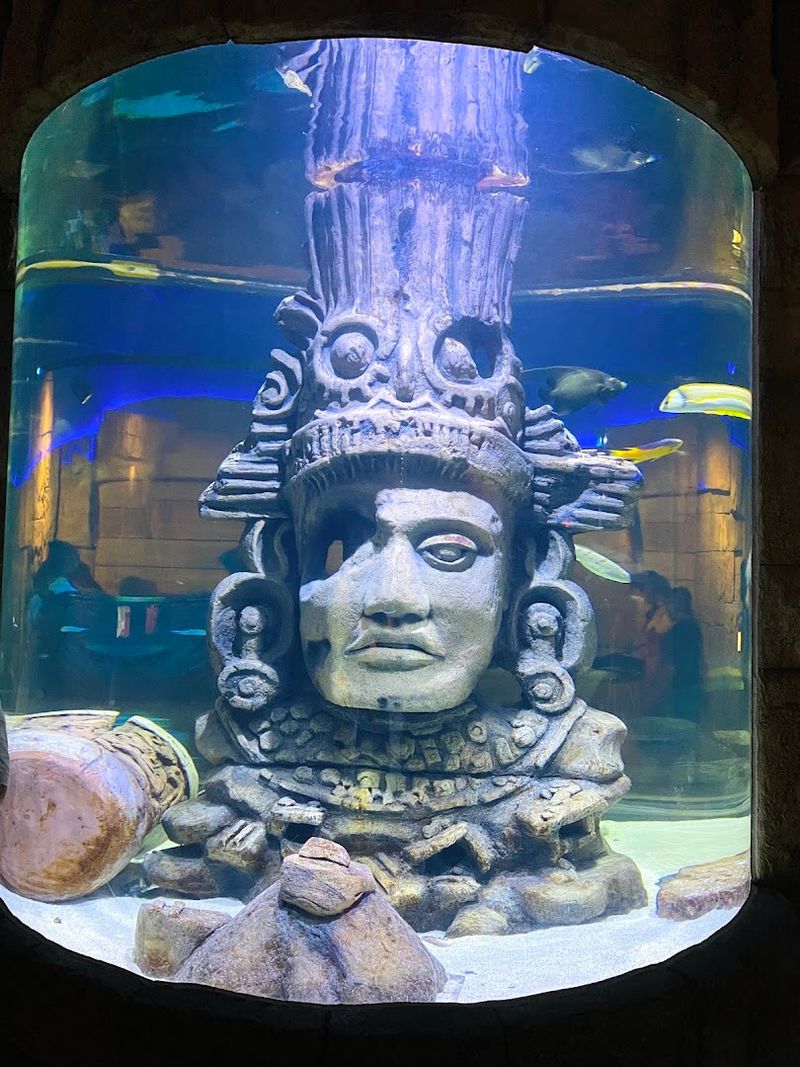
Pairing the aquarium with the Insectarium makes the visit unexpectedly holistic; plant-insect interactions and the butterfly pavilion complement aquatic life by highlighting life cycle and pollinator roles.
After the tactile saltwater encounter, the butterfly house offers quiet, fragrant pauses where you can watch delicate wings rest on fingertips and leaves.
The contrast between cool touch pool water and warm, humid conservatory air creates a satisfying sensory arc through the campus.
Buy the combined ticket if you have time; it deepens the narrative about ecosystems and human impact. The two exhibits feel intentionally curated to make conservation feel comprehensive rather than compartmentalized.
Mind The Kids And Crowds
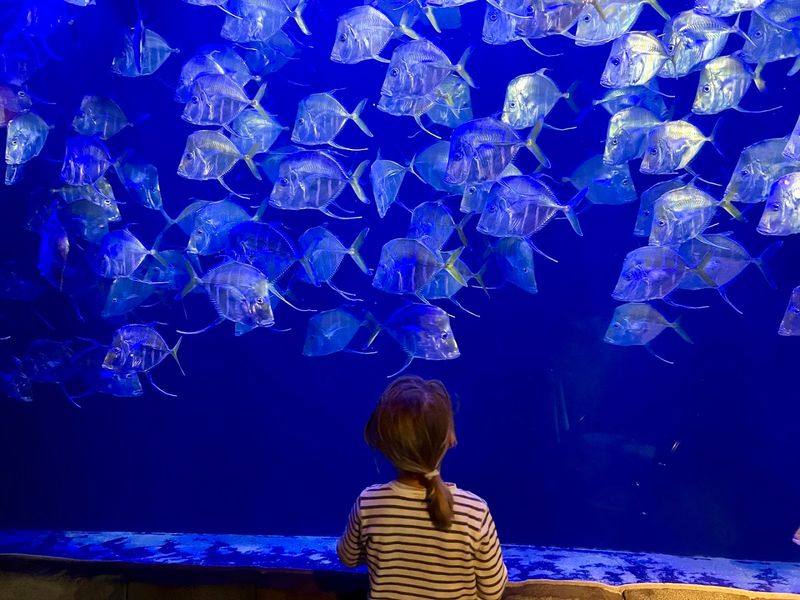
Children delight in tactile encounters, but unsupervised energy can fray the experience for animals and others. Keep children close, model gentle touches, and reinforce the rules staff post near the pool.
When kids follow directions, everyone gets a better moment with the rays and sharks; when they don’t, staff must divert attention to crowd control which shortens the time animals can be safely on display.
Bring a small reward or plan a quiet activity after the touch pool to help kids transition. Clear expectations and calm pacing preserve the experience for your group and the animals the aquarium cares for.
Explore The Tunnel And Reefs
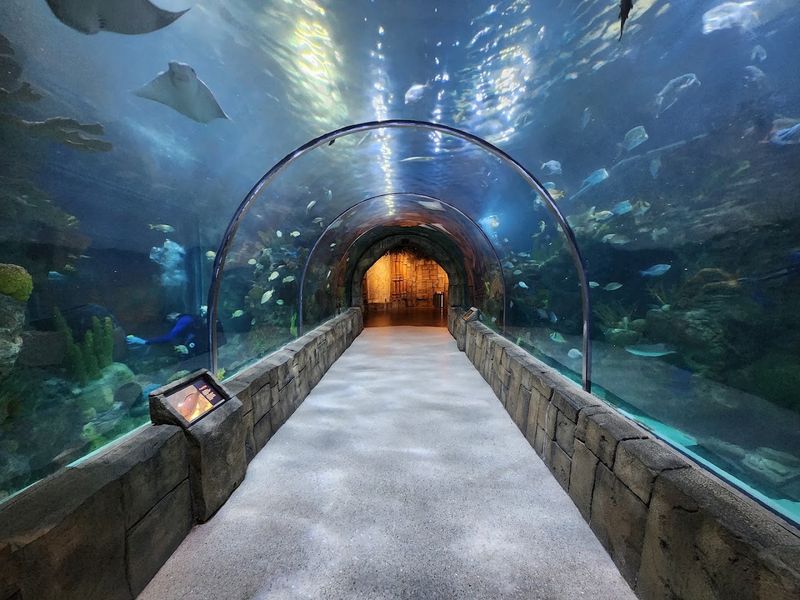
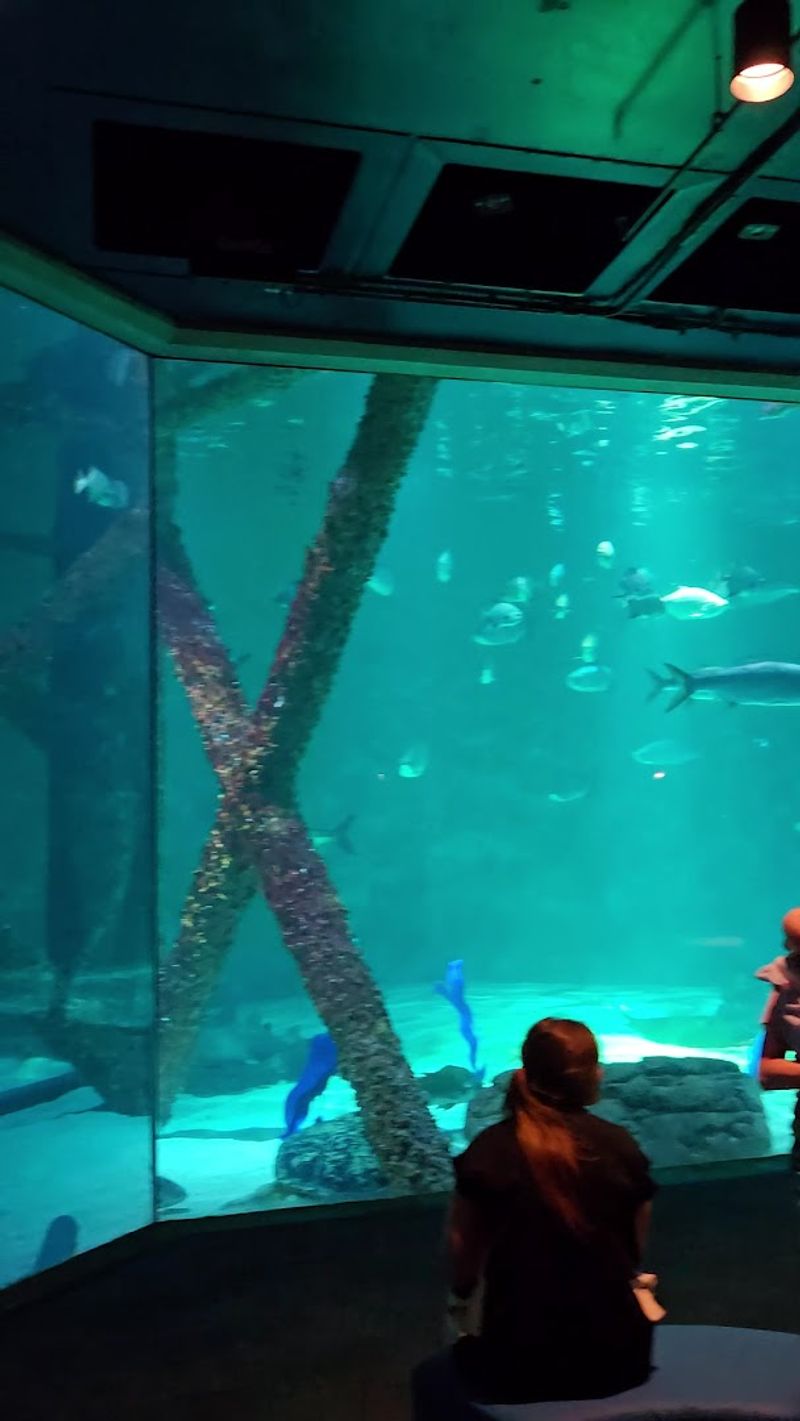
The tunnel and 400,000-gallon reef displays extend the tactile narrative by placing you inside larger habitats, where you can see how the touch pool’s species fit into reef communities. Walk slowly and watch feeding routines; the scale shift from hand-size encounters to full swim-through tanks is a reminder of diversity and interdependence.
Architectural choices like the multi-story glass curtain wall and tunnel design create moments where riverfront light meets underwater blue.
Savor a slow pass through the tunnel near feeding times for peak activity. The tunnel connects sensory experiences into a cohesive, interpretive itinerary across the aquarium’s galleries.
Note Seasonal Programming
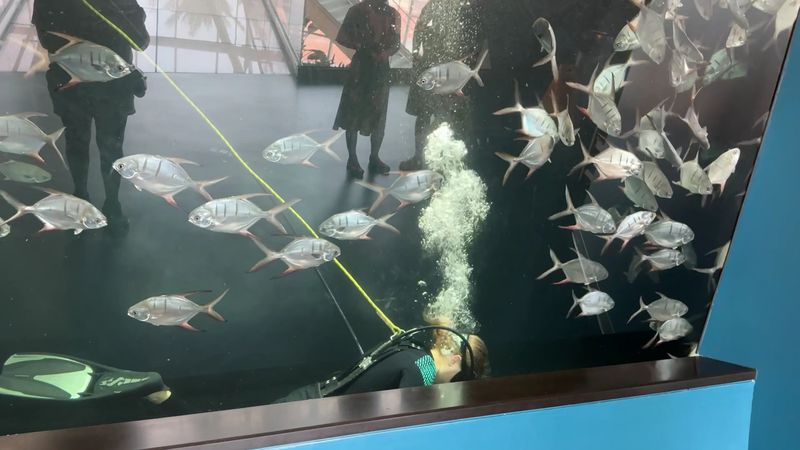
The aquarium schedules special programming and feedings based on seasonality and animal care needs, so check the calendar before you visit. Seasonal windows can include behind-the-scenes talks, themed conservation events, and varied feeding demonstrations that give context to the touch pool animals.
Planning around these events elevates a standard visit into an educational experience with guided interpretation and unique viewing opportunities.
If you visit during a holiday period or school break, expect higher attendance but also more programming. Align your trip with scheduled talks to gain deeper insights from staff and to see animals during active care routines.
Respect Animal Welfare
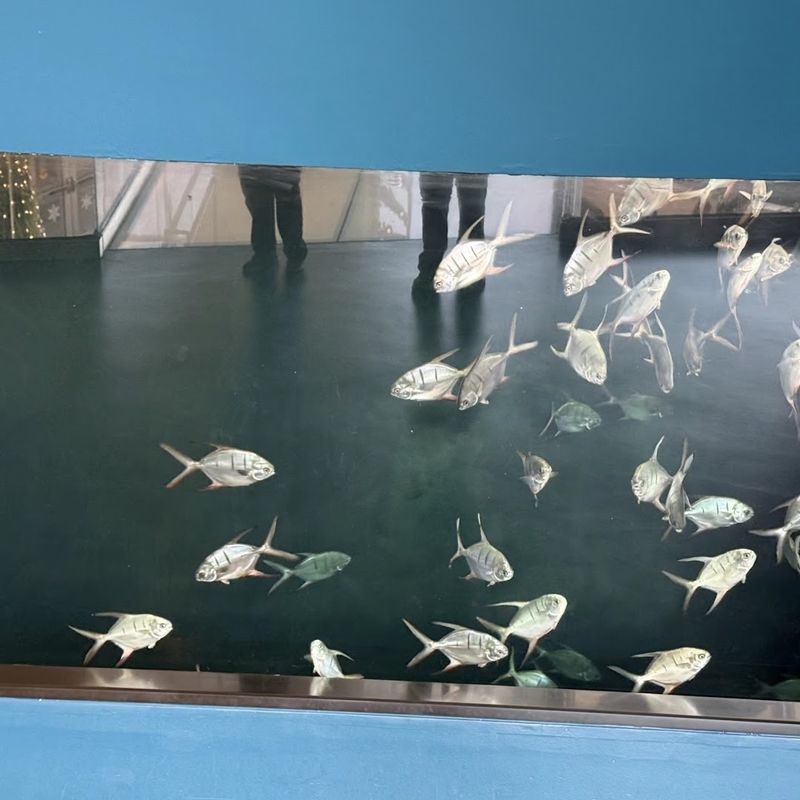
Animal welfare is central to touch experiences; observe posted limits on touch duration and follow staff guidance about which species are appropriate to handle. Many of the touch pool inhabitants are chosen for their tolerance of human contact, but even tolerant species need rest and rotation.
Respecting those breaks ensures the animals remain healthy and available for future visitors.
Photograph without flash and avoid leaning over the pool edges. These small courtesies reduce stress and help staff maintain a high standard of care, which in turn sustains the educational value of the exhibit for everyone who follows.
Combine With Riverfront Walk

Audubon sits at the riverfront edge of the French Quarter, making it easy to pair your visit with a scenic walk along the Mississippi or a short stroll into Jackson Square. After tactile encounters and immersive galleries, the open-air riverfront provides a sensory reset where you can compare urban textures to oceanic ones.
The contrast helps frame the aquarium as part of a livable, walkable cultural corridor rather than an isolated attraction.
Allow time to linger outside after your visit; the river breeze and city views are an uncomplicated, restorative finish to an educational morning or afternoon.
Buy Tickets And Parking Advice
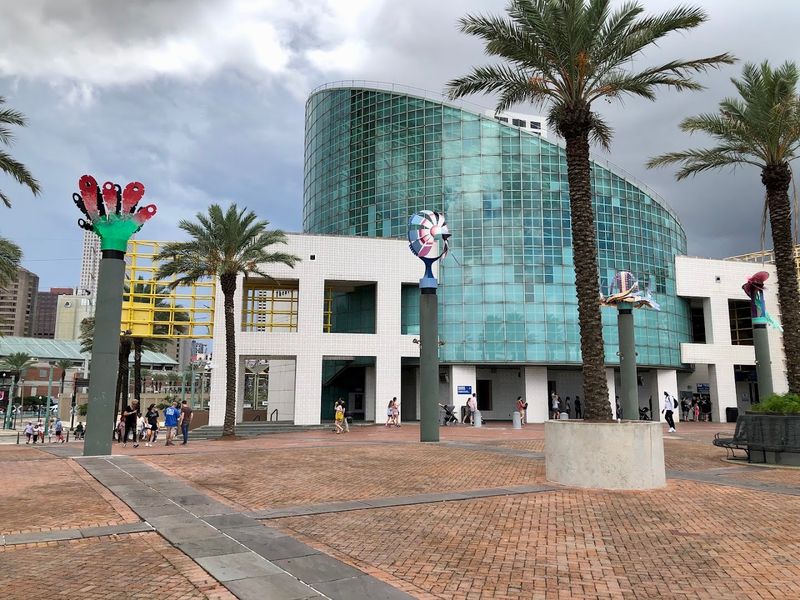
Tickets and parking are practical considerations that shape the visit; buy tickets online to save time and check for combined passes that include the Insectarium or zoo. Parking near the aquarium can be limited or priced at a premium, so research nearby lots or consider transit options from the French Quarter.
Arrive early if you want to minimize walk time from parking and secure entry at opening, which also helps you hit the touch pool before crowds build.
Check the aquarium website for updated hours and any temporary exhibit closures. A little planning makes the experience smoother and more satisfying for everyone in your group.