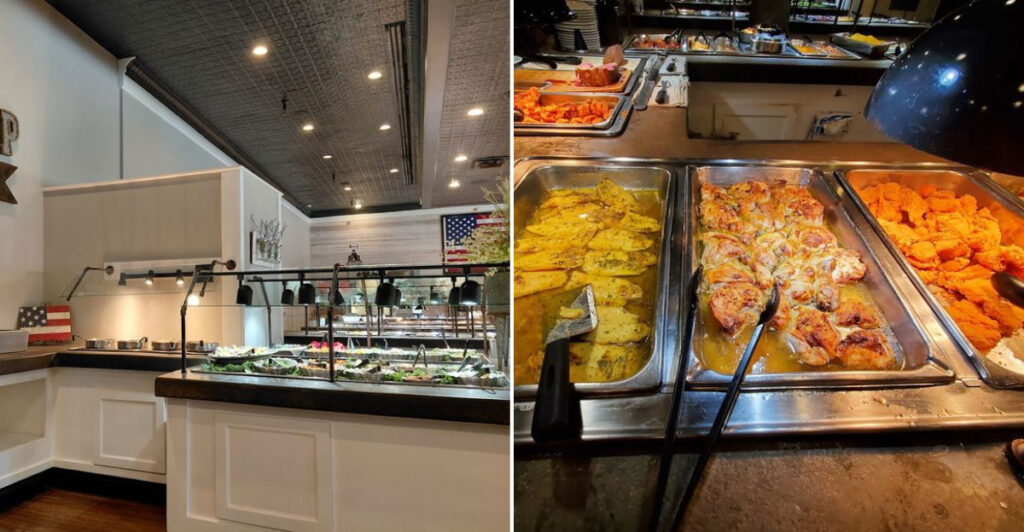
Here is a little Florida dining tip you will be glad I shared: save an evening for this retro Clearwater buffet.
Good taste never goes out of style, especially when dependable cooking has lasted for years.
The appeal is simple: familiar food, generous choices, and the kind of consistency that keeps local families returning without needing a special occasion.
Fresh trays arrive throughout service, so the meal stays inviting even when the dining room is busy. Fried chicken may fill the first plate, but the comforting sides and homemade-style desserts make the local loyalty easy to understand.
You can take a relaxed first pass, notice what looks best, and return for another serving of a favorite.
Nothing here requires formal plans or complicated ordering.
Have this Florida classic in mind whenever an easy, satisfying meal sounds better than chasing the newest restaurant in town, especially after a long, busy day.
A Retro Buffet That Has Earned Its Loyal Following
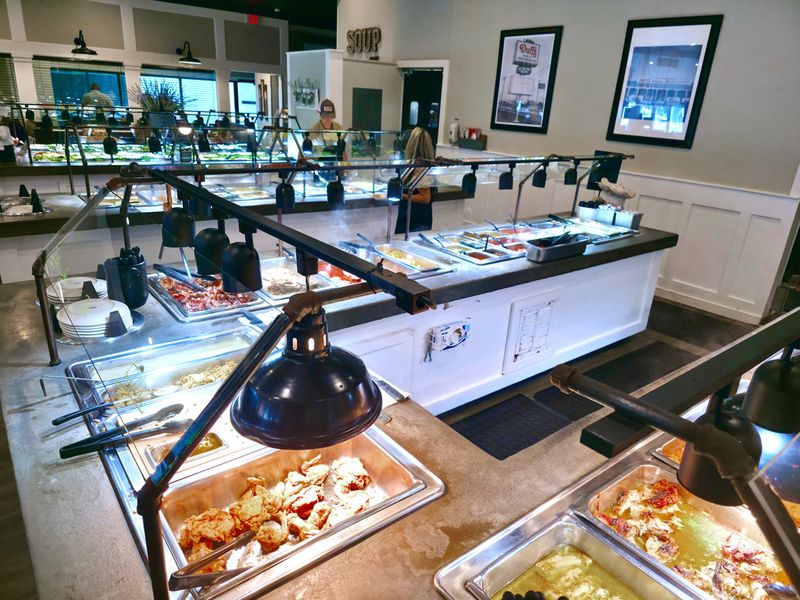
Duff’s Buffet built its following through straightforward cooking, broad variety, and a format that never asks diners to overthink dinner.
You collect a plate and begin exploring. The room handles the rest.
Clearly separated stations guide diners through salads, vegetables, proteins, soups, and desserts without creating one confusing serving line.
That organization matters during busy meals. Hungry guests can find priorities quickly.
Hot trays are replenished steadily, helping popular dishes remain appealing even after several groups have moved through the buffet.
Fresh batches keep the experience active. Empty spaces rarely control the line.
The retro character comes from familiarity rather than decoration, because the entire meal follows an easy rhythm generations recognize immediately.
Guests choose their own portions and combinations. No rigid course order interrupts them.
Regulars return knowing the basic structure while still expecting daily changes across meats, seafood, vegetables, soups, and desserts.
That balance protects the restaurant from repetition. Dependability never becomes dull.
The buffet also welcomes different appetites at one table, allowing cautious diners and enthusiastic samplers to share dinner without compromise.
One plate may focus on chicken. Another can lean toward seafood.
Consistency explains the loyalty more effectively than novelty, especially when familiar dishes arrive hot and ready throughout service.
The restaurant understands its promise. Every station works toward keeping it.
Finding This Classic Spot On The Map
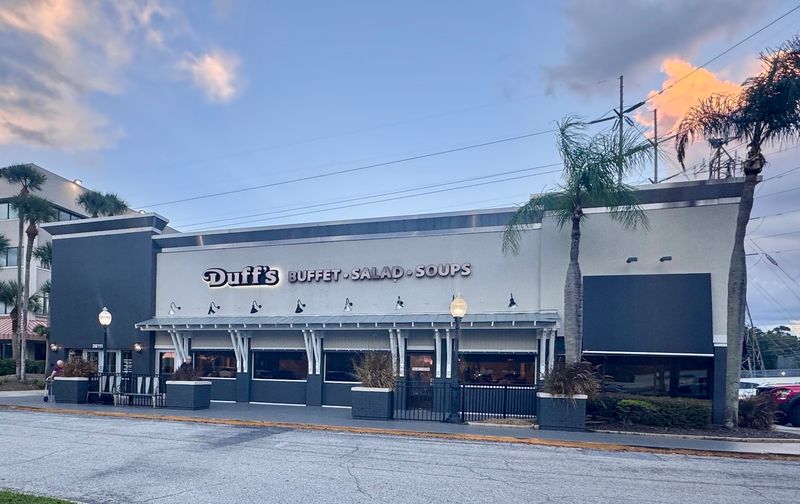
A busy Clearwater highway gives this retro buffet visibility, convenience, and a location locals can remember after one visit.
The route stays active throughout the day. Access remains refreshingly direct.
Duff’s Buffet operates at 26111 US Highway 19 North, Clearwater, Florida, along one of Pinellas County’s major commercial corridors.
Drivers do not need a complicated detour. Parking keeps the arrival manageable.
The address works for local families, Gulf Coast visitors, and travelers already moving between Clearwater and neighboring Tampa Bay communities.
That mix keeps the dining room varied. Regular customers still shape its rhythm.
Highway locations rarely sound romantic, yet convenience can become a serious advantage when everyone wants dinner without another logistical discussion.
The buffet solves that problem quickly. One destination covers many preferences.
Clearwater brings beaches and coastal attractions, while this restaurant provides a practical home-style alternative to another seafood-only meal near the water.
Visitors can change pace without leaving town. Locals gain dependable variety.
The road also makes repeat visits easier, because diners rarely need special directions once the building becomes familiar.
Future trips become automatic. The turn begins linking itself with dinner.
A visible location cannot build loyalty alone, but it helps strong food become part of neighborhood routines across many years.
Finding the restaurant is simple. Choosing one first plate takes longer.
The Fried Chicken That Keeps Plates Coming Back
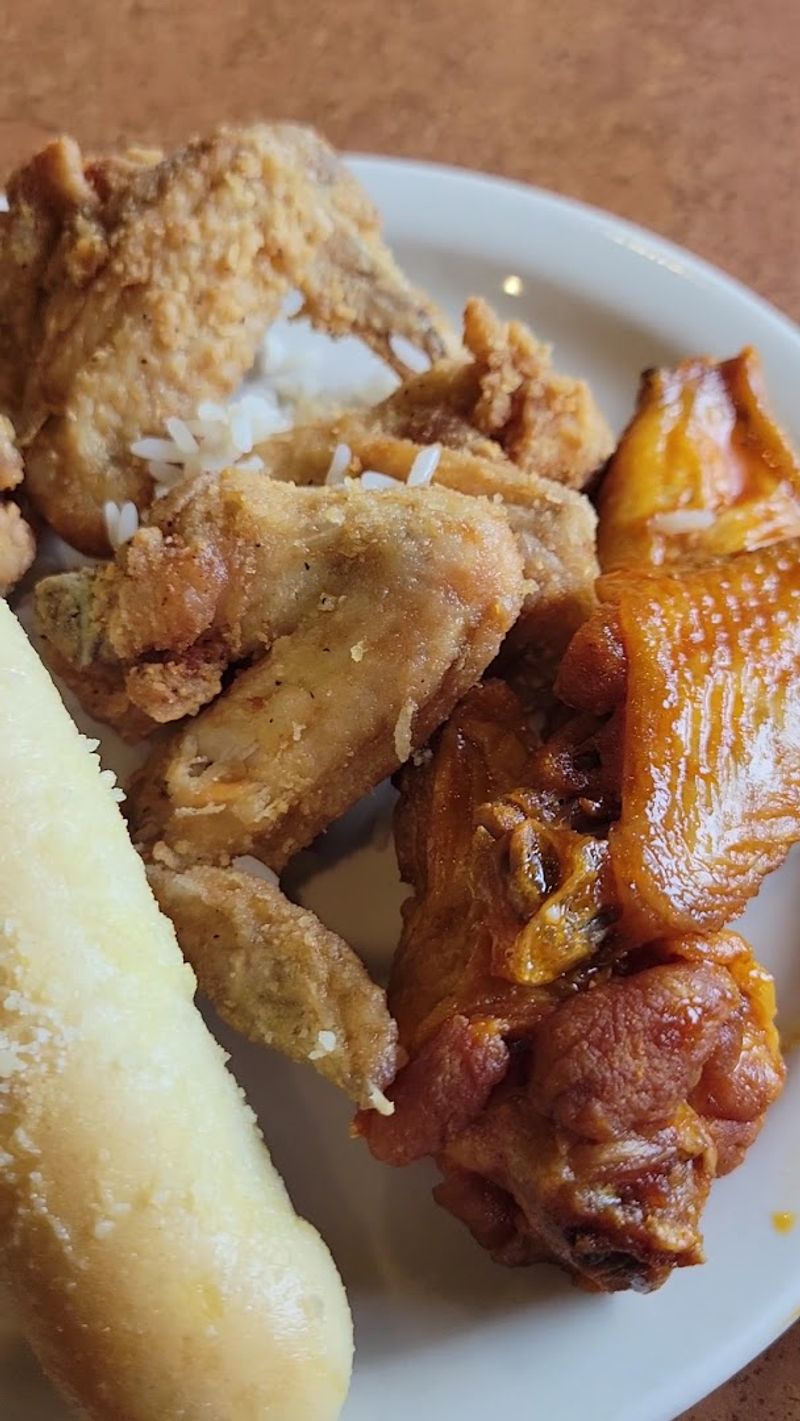
Golden fried chicken gives the hot bar its most dependable centerpiece, especially when fresh pieces arrive during a busy rush.
The crust brings audible crunch. The meat stays moist underneath.
Buffet chicken can suffer from soft coating, dry interiors, or seasoning that disappears after the first bite.
Those problems undermine an entire plate. Careful batches prevent them.
Fresh trays matter because fried food changes quickly under heat, making kitchen timing essential throughout lunch and dinner service.
New pieces restore the texture. Regular replenishment protects the experience.
Collard greens, mashed potatoes, sweet potatoes, and broccoli casserole all support the chicken without competing against its crisp exterior.
Creamy sides soften each bite. Greens add a deeper savory contrast.
The meal carries familiar Sunday-dinner energy, although diners control portions and return whenever one piece becomes two.
That freedom suits fried chicken perfectly. Seconds require no explanation.
Drumsticks offer easy handling, while larger pieces provide more meat for diners building their plate around one main protein.
Every preference finds an option. Freshness still decides the winner.
The chicken also creates a useful benchmark for the buffet, because strong execution here builds confidence in every nearby hot tray.
A proper crust signals attention. Juicy meat confirms the kitchen followed through.
Start with one piece beside vegetables, then return after comparing seafood, soups, and rotating meats across the wider spread.
The second serving tastes more informed. It rarely becomes smaller.
Seafood Selections That Go Beyond The Basics
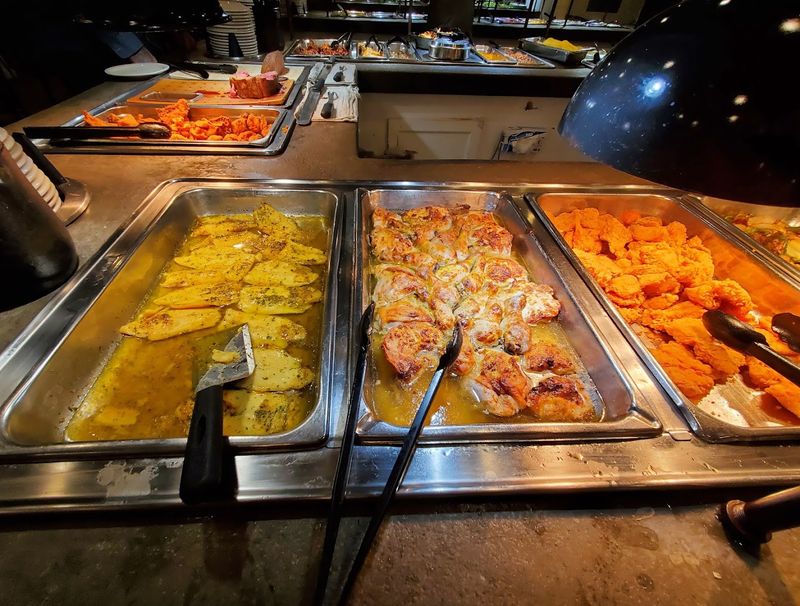
Seafood broadens the buffet beyond standard American comfort food through fried shrimp, fish preparations, crab cakes, and rotating coastal choices.
Friday often strengthens the selection. Fried fish suits the weekly tradition.
Peel-and-eat shrimp may appear among the rotating options, bringing a cooler texture and lighter seasoning beside heavier hot-bar dishes.
They reward patient diners. Shells naturally slow the pace.
Fried shrimp provides a crisp alternative to chicken, while steamed or sauteed fish offers a softer route through the seafood station.
Different preparations prevent sameness. One plate can compare several textures.
Crab cakes add another direction, especially for diners seeking seafood without committing their entire meal to fillets or shell-on shrimp.
Smaller portions make sampling easier. The buffet format encourages comparison.
Fish quality depends heavily on timing, temperature, and seasoning, so steady tray management becomes especially important around this section.
Fresh batches protect moisture. Proper heat keeps coatings appealing.
Seafood gives repeat guests a reason to watch the rotation, because availability can shape the strongest day for their dishes.
One visit may favor shrimp. Another can center on fish.
Pairing seafood with vegetables creates a lighter plate before fried chicken, soups, or desserts take the meal toward richer territory.
Balance helps across multiple rounds. It also saves room later.
This broader coastal selection gives Clearwater diners flexibility without turning the entire buffet into another predictable seafood restaurant.
The hot bar keeps its range. Seafood earns meaningful space within it.
A Soup Station Worth Every Spoonful
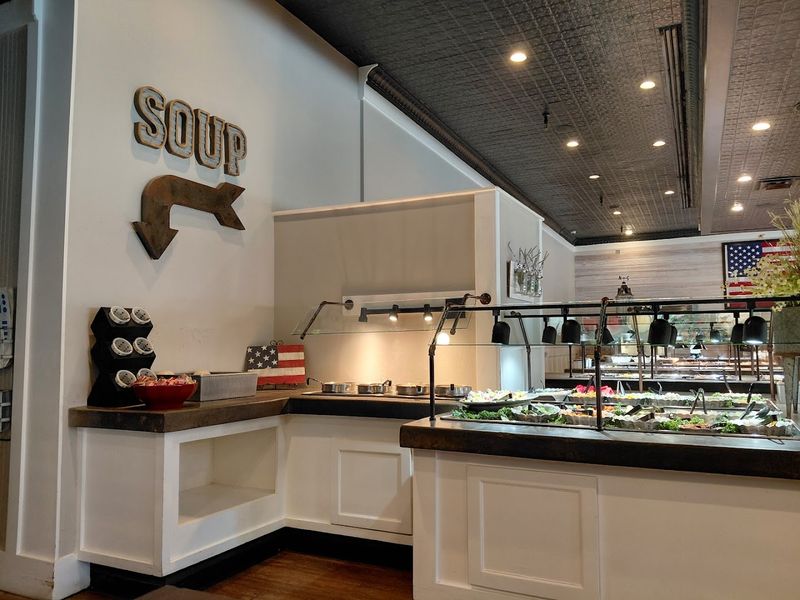
Duff’s Buffet gives soup unusual importance through several rotating choices that can create a complete opening course before the main line.
Chicken noodle brings familiar comfort. Clam chowder offers creamy richness.
Steak and potato soup adds a heavier choice for diners who prefer a substantial bowl before approaching fried chicken and vegetables.
That strategy requires confidence. Soup can fill space quickly.
A vegetable soup provides contrast when the rest of the planned meal already includes rich meats, casseroles, potatoes, and dessert.
Lighter broth resets the appetite. Warm vegetables ease the opening pace.
Chicken noodle depends on savory broth, tender pieces, and noodles that hold texture instead of dissolving under extended heat.
Each detail affects the bowl. Buffet service makes timing especially important.
Clam chowder needs enough seasoning and body to satisfy without becoming so thick that one serving overwhelms everything afterward.
A modest portion works best. Seconds remain available when deserved.
Multiple soups let diners build comparisons, although sampling four full bowls before the hot bar would create an ambitious logistical problem.
Small cups solve that challenge. Curiosity stays possible without surrendering dinner.
The station also reveals how carefully the kitchen manages quieter menu categories that receive less attention than chicken or carved meats.
Good soup requires patience. Shortcuts become obvious immediately.
Beginning with one bowl slows the buffet rush and gives diners time to study which hot trays deserve their first plate.
The Dessert Bar Delivers Real Surprises
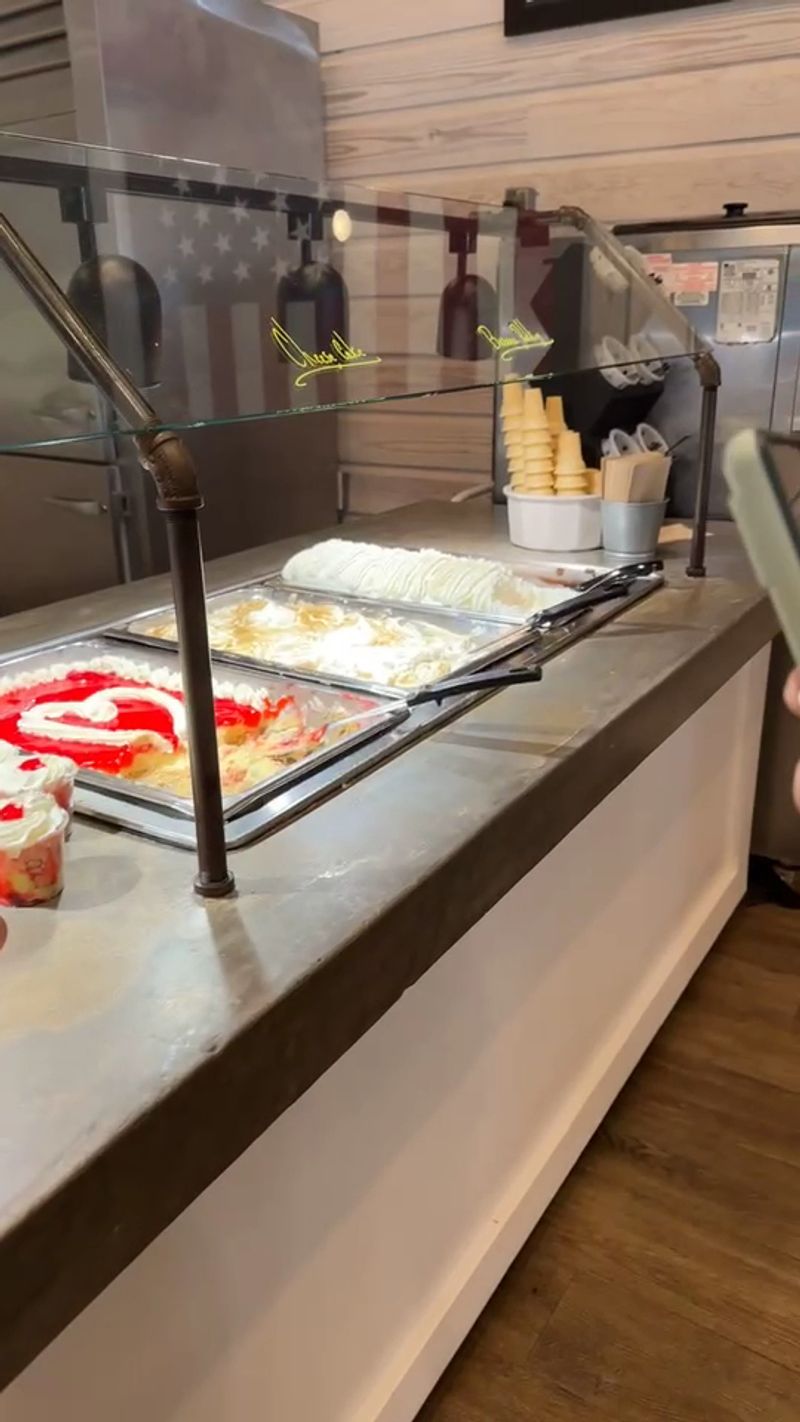
Dessert offers more than one predictable cake tray, giving diners several final choices after an already complicated trip through savory stations.
Banana pudding leads naturally. Its layers provide creamy comfort.
Strawberry shortcake and lava cake may appear within the rotation, creating bright fruit flavor or deeper chocolate richness.
Both demand different appetites. Sharing helps settle the argument.
Peach cobbler and bread pudding continue the Southern comfort theme, especially when served warm enough to contrast with cold ice cream.
Texture makes both memorable. Sauce and fruit keep each spoonful changing.
The Texas Tornado adds curiosity to the lineup, giving first-time visitors another reason to inspect labels before committing dessert space.
Its name creates interest. The actual selection finishes that decision.
A self-serve ice cream machine brings the buffet ritual, allowing diners to combine a cold swirl with cobbler, cake, or pudding.
Simple combinations often win. Soft ice cream improves warm desserts quickly.
The smartest approach begins with smaller samples, because choosing one full serving too early can hide a better option farther down.
Dessert strategy mirrors the hot bar. Exploration should come before commitment.
Rotating choices also protect repeat visits from ending identically, even when banana pudding remains the dependable final favorite.
Some diners stay loyal. Others let the dessert station decide.
Saving room requires discipline from the first plate, although mashed potatoes and fried chicken rarely cooperate with long-term planning.
Dessert still finds space like it always somehow does.
Theme Nights Add A Fresh Reason To Return
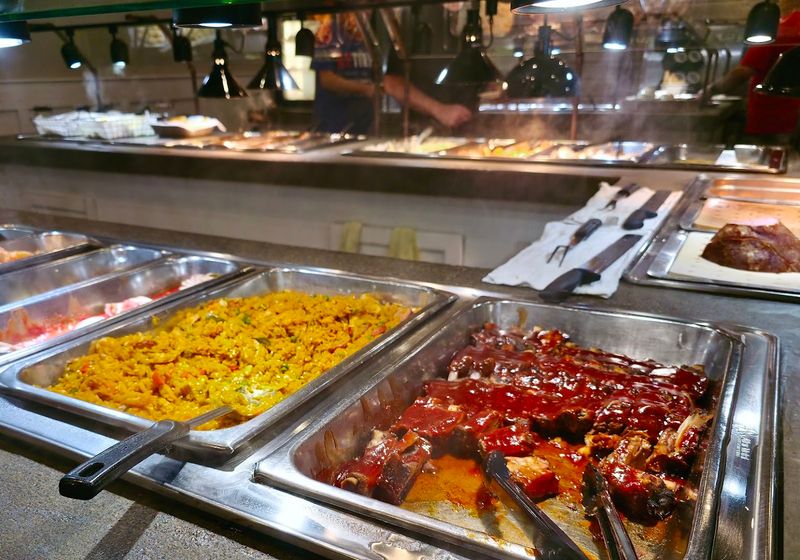
Duff’s Buffet uses themed menus to bring regular diners back without abandoning the familiar structure they already understand.
Steak Night brings stronger protein focus. Sirloin becomes the central attraction.
Paella may appear during another rotation, offering rice, seasoning, and a flavor profile guests rarely expect from a retro buffet.
That surprise keeps visits interesting. Familiarity gains a welcome interruption.
Theme nights allow the kitchen to change emphasis while still maintaining soups, vegetables, salads, desserts, and dependable favorites around the feature.
The room stays recognizable but the plate can look completely different.
Duff’s Buffet benefits from this rhythm because regulars can choose visits around preferred entrees rather than repeating one standard lineup weekly.
Schedules become part of local routine. Favorite nights develop their own following.
First-time diners can also use a theme to guide their choices, especially when the full buffet initially presents too many directions.
A featured dish creates structure. Sampling around it becomes easier.
Steak encourages hearty sides, while paella may push the plate toward vegetables, seafood, and lighter supporting choices.
Each theme changes the strategy. The buffet format keeps control personal.
Rotations also provide kitchen variety, allowing different preparations to receive attention without expanding the permanent line beyond practical limits.
Special dishes gain their moment. Core favorites still remain nearby.
Checking the current lineup before visiting can shape expectations, although arriving without a plan may lead to the better surprise.
Food Freshness Is A Real Priority Here
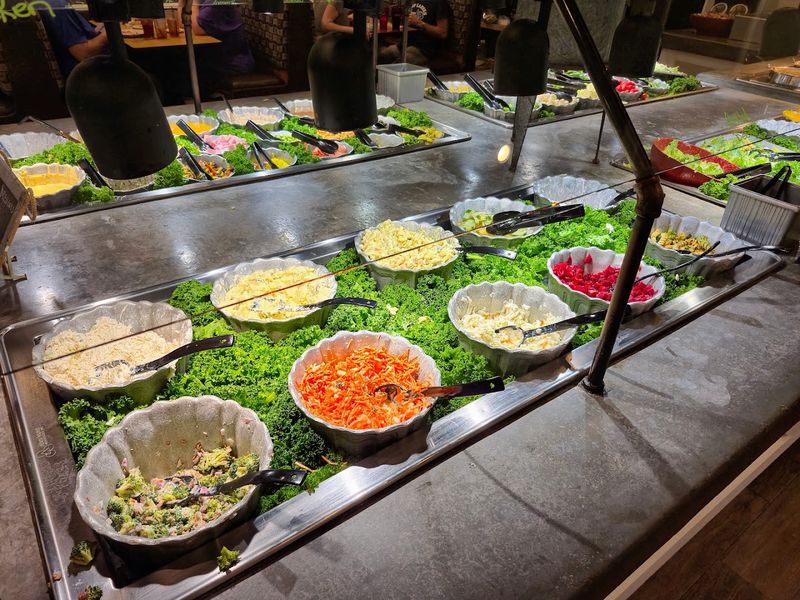
Hot food only succeeds when temperature, timing, and replenishment remain consistent from the opening rush through later service.
Steam provides the first clue. Full trays provide another.
Duff’s Buffet keeps popular items moving, preventing long empty stretches from interrupting diners who built their plates around one favorite.
New batches arrive steadily. The line stays inviting.
Freshness matters across fried chicken, seafood, vegetables, soups, salads, and desserts because every station reacts differently to time.
Crisp coatings soften first. Creamy dishes require careful heat.
The kitchen must watch quantities closely, preparing enough food for demand without letting large amounts sit unnecessarily under warming equipment.
That balance requires experience. Busy periods test it constantly.
Late arrivals benefit when refills continue rather than slowing sharply near the end of the meal period. A full experience should not depend on arrival time.
Consistency protects loyalty.
Soup pots need attention, salad ingredients require cooling, and hot trays demand proper temperature throughout the complete service window.
Every section carries separate work. Diners see only the smooth result.
Fresh batches also encourage second rounds because guests notice when a favorite dish returns looking better than it did earlier.
Timing can improve a plate. Patience often earns the crispiest piece.
This attention explains why regulars keep choosing the same highway turn despite countless newer restaurants across Clearwater and Tampa Bay.
Familiar food earns trust slowly but freshness helps protect it every day.