Friday improves considerably once hot seafood reaches the table. In one South Carolina town, the weekend begins with a distinctly crisp soundtrack.
The appeal is not built around an official festival or one heavily promoted event. It grows from a fishing-village identity that makes seafood dinner an obvious end-of-week choice.
You do not need complicated ordering knowledge to join in. A fresh fillet, proper coating, and a few dependable sides can handle the evening nicely.
The town adds enough variety to keep the ritual interesting. Longtime kitchens preserve familiar preparations, while waterfront restaurants give coastal favorites a newer frame.
South Carolina supplies the seafood heritage, but local cooks provide the personality. Their Friday plates reward anyone willing to judge dinner by its final crunch.
The location will be revealed shortly. First, accept that your ordinary Friday plans are about to lose an argument with the fryer and probably deserve to.
This Town Makes Friday Feel Like Fish Fry Night
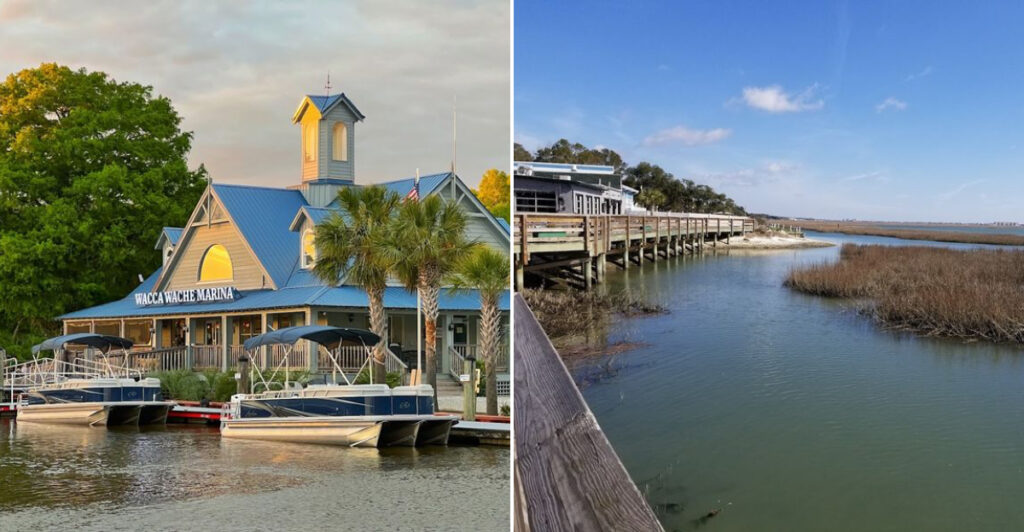
Murrells Inlet knows how to make the end of the week taste important.
The town sits along a natural saltwater estuary south of Myrtle Beach, with seafood restaurants spread along the waterfront and nearby roads.
That concentration makes fried fish an easy Friday decision rather than a meal that requires careful planning.
You can keep the order simple with flounder, fries, and slaw. You can also turn dinner into a full coastal survey by adding shrimp, oysters, deviled crab, soup, and hush puppies.
There is no single required plate, and that freedom is part of the fun.
One family may return to the same restaurant every Friday. Another group may work through different kitchens, comparing breading, sides, and the exact point when a hush puppy becomes too good to share.
The town’s fishing history gives the ritual more weight than a themed promotion ever could.
Seafood is not placed on the menu merely to remind visitors that they are near the coast.
It belongs there because fishing, cooking, and eating seafood have shaped the community for generations. The restaurants simply carry that history into another busy Friday evening.
By the time the first plates begin crossing the dining room, nobody needs to announce fish-fry night. The smell drifting from the kitchens has already handled the invitation.
A Restaurant That Keeps The Tradition Going
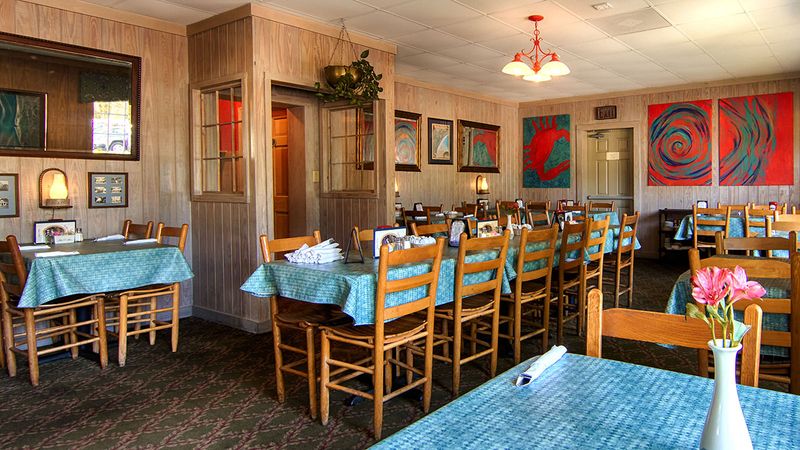
Lee’s Inlet Kitchen gives the Friday ritual a strong home base.
The same family has operated the restaurant since 1948.
Several recipes, including its sauces, shrimp salad, onion rings, and corndodgers, have passed through generations rather than appearing during a recent menu redesign.
That history matters because the restaurant still serves the dishes people expect from a traditional Murrells Inlet seafood dinner.
Fried flounder, fantail shrimp, creek shrimp, deviled crab, oysters, scallops, and combination platters remain firmly in view.
Diners can order one favorite or build a plate that appears determined to test the table’s available space.
The seafood is lightly breaded and cooked to order in the traditional Murrells Inlet Lowcountry style. The menu also identifies its larger fantail shrimp as hand-peeled McClellanville shrimp.
The restaurant does not need to imitate a newer coastal concept. Its strength comes from knowing what kind of kitchen it has always been and continuing to cook accordingly.
A Friday visit can start with soup, move into a fried combination platter, and end with everyone claiming they are too full for dessert.
That statement may last until the dessert menu reaches the table.
Fried Flounder Is The Classic Friday Order
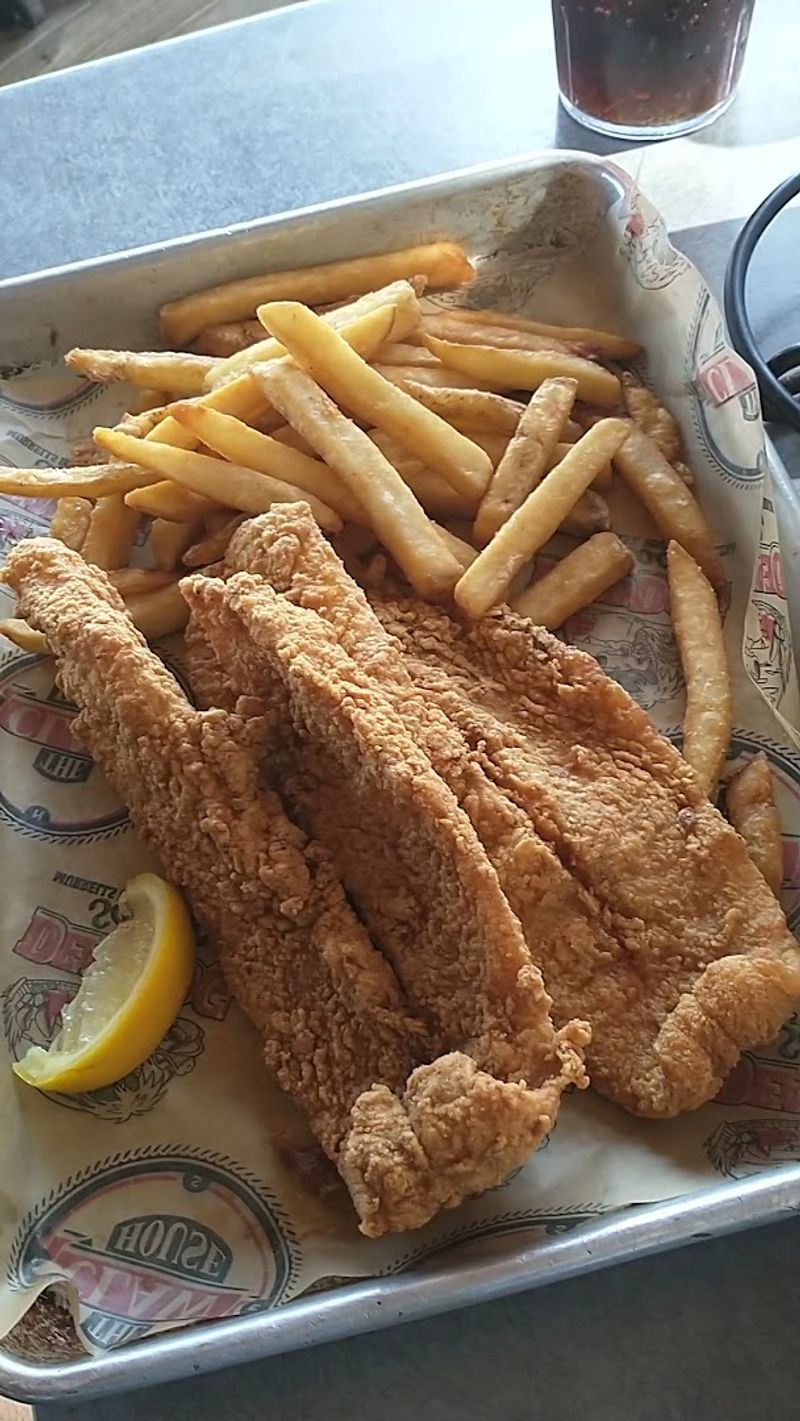
Flounder does not need a long speech before dinner.
Its mild flavor and tender texture make it a natural match for a light coating and a hot fryer. When prepared well, the outside turns crisp while the fish inside stays soft and moist.
Lee’s Inlet Kitchen offers fried flounder as an individual entrée, in smaller portions, and across several combination platters. That gives cautious diners and serious seafood appetites equal access to the classic order.
The fish works because it does not fight every other item on the plate. It leaves enough room for shrimp, crab, slaw, and hush puppies without disappearing beneath them.
Shrimp may bring sweetness, while deviled crab carries more seasoning. Flounder stays steady through all of it.
A squeeze of lemon can brighten the fish without covering its flavor.
Coleslaw adds a cool, sharp break between bites, while fries provide the familiar comfort expected from a Friday plate.
The coating matters just as much as the fish.
Too much breading makes each bite heavy, while too little can leave the fillet soft before it reaches the table. The best version finds the narrow space between those problems.
Flounder may look quieter than a crowded seafood platter, but it rarely stays untouched for long.
By the final bite, the person who ordered it usually has crumbs, an empty plate, and no interest in hearing that someone else only wanted a taste.
Fried Shrimp Gives The Plate Its Coastal Crunch
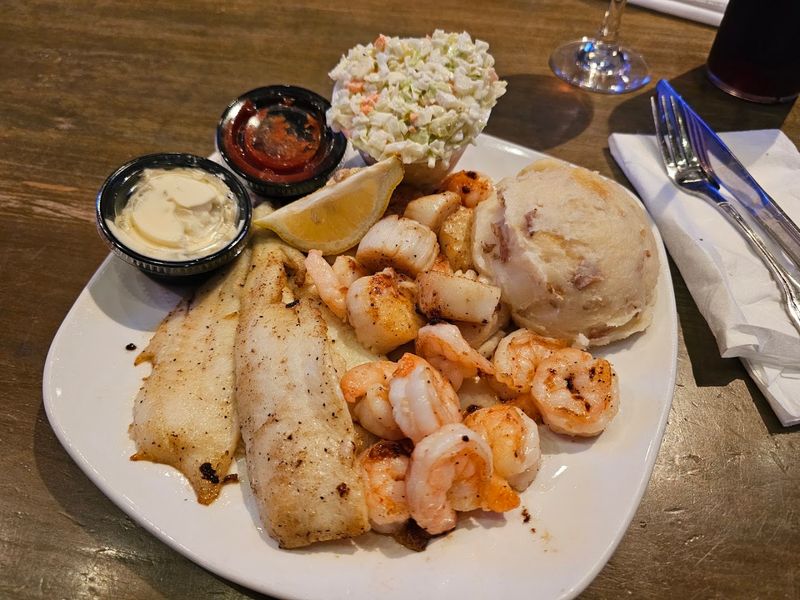
Fried shrimp brings a little more bounce to Friday dinner.
The crisp coating breaks first, followed by shrimp that should remain tender and slightly sweet. That contrast explains why one piece often becomes six before anyone begins counting.
Lee’s Inlet Kitchen currently offers two different fried shrimp choices. Fantail shrimp are larger and meatier, while creek shrimp are smaller, tail-free, and easier to eat by the forkful.
Both can be ordered alone or paired with flounder, oysters, scallops, or deviled crab. The choice depends largely on how you prefer the crunch.
Larger shrimp provide a fuller bite beneath the breading. Creek shrimp create more crisp edges and make every forkful slightly different.
Sharing sounds reasonable until the platter arrives.
One person reaches for the largest shrimp, while someone else begins protecting the creek shrimp with a fork. The table quickly discovers that seafood generosity has limits.
Shrimp also handles sides well.
Slaw balances the fried coating, grits provide a softer Southern companion, and onion rings double down on crunch without pretending to be sensible.
A good fried shrimp plate should never taste as though the fryer did all the work.
The shrimp still needs to taste like shrimp, with the coating simply giving Friday dinner a louder entrance.
Deviled Crab Adds A Lowcountry Favorite
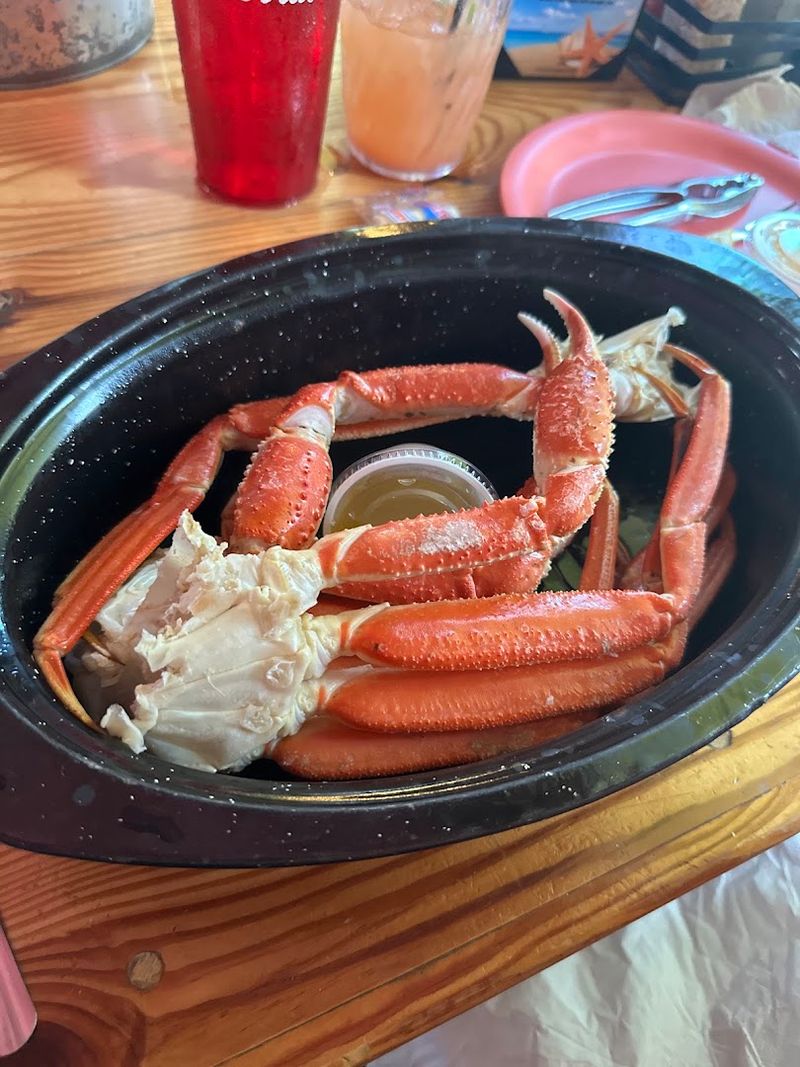
Deviled crab brings more seasoning and a softer texture to the seafood plate.
Unlike cracked crab, it does not ask diners to spend half the meal negotiating with shells. The meat is picked, seasoned, shaped, and cooked before reaching the table.
That makes it especially useful on a combination platter.
Flounder provides a delicate bite, while shrimp adds snap and sweetness. Deviled crab changes the rhythm with a richer center and more pronounced seasoning.
Lee’s Inlet Kitchen includes deviled crab across several seafood combinations and fried platters.
Its regular place on the menu shows how naturally it fits beside other Murrells Inlet favorites.
The exact preparation can vary between restaurants. Some versions lean sweeter, while others emphasize pepper, onion, herbs, or the natural flavor of the crab.
That variation gives regular diners something else to compare.
People may debate who serves the best flounder or which hush puppy deserves the final spot in the basket.
Deviled crab can quietly begin another argument before the plates are cleared.
It also solves a practical Friday problem.
You get the flavor of crab without spending dinner surrounded by shell fragments and abandoned tools.
The only real work left is defending your portion from the person who declined to order one.
Hush Puppies Complete The Plate
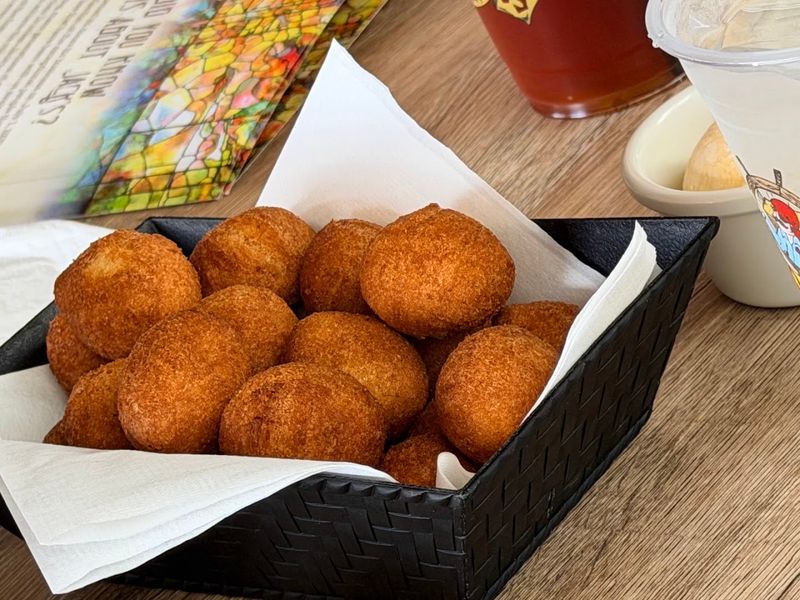
A seafood plate without hush puppies looks like someone stopped setting the table too early.
These fried cornmeal bites bring crisp edges, a soft middle, and enough sweetness to calm the salty richness of fish and shrimp.
Their job may sound small, but the entire meal notices when they are missing.
Lee’s Inlet Kitchen calls its version corndodgers and lists the recipe among those handed down through the family. The name may change, but the purpose stays familiar.
They arrive ready for butter, although the first one rarely waits long enough.
Hot hush puppies create an immediate table problem. Everyone wants one before they cool, yet nobody wants to appear responsible for emptying the basket.
This leads to a brief period of false politeness.
“Go ahead, take the last one” may be offered, but the speaker is often hoping you refuse. Eye contact becomes risky once only one remains.
Hush puppies also provide useful pauses between different seafood bites.
Their cornmeal sweetness resets the palate after flounder, shrimp, crab, or a spoonful of rich soup.
They may technically count as a side, but they behave more like a requirement.
Fries can be exchanged, and slaw can be ignored, but hush puppies receive no such casual treatment.
The fish starts Friday dinner, but the empty basket usually tells the fuller story.
She-Crab Soup Gives Everything A Rich Note
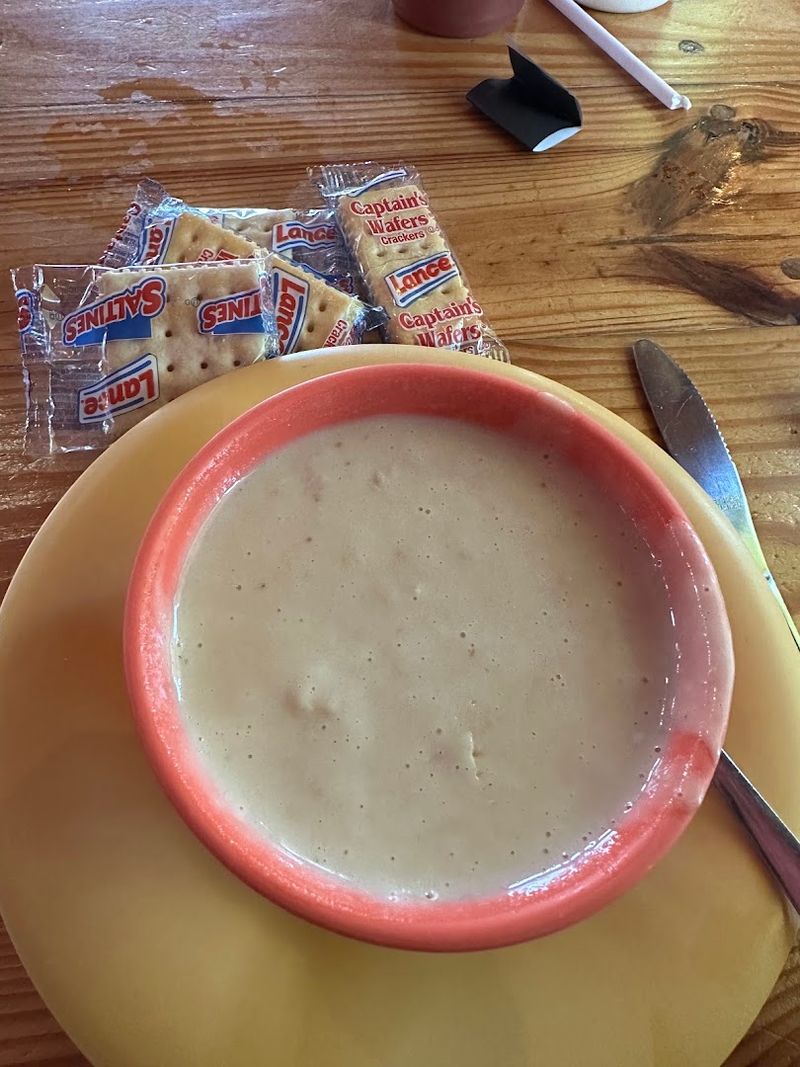
She-crab soup lets the evening begin with a spoon instead of a crunch.
The South Carolina favorite is creamy, rich, and centered on crab flavor. It creates a warm opening before the table moves toward fried fish and heavier combination platters.
Lee’s Inlet Kitchen serves its she-crab soup by the cup or bowl. The restaurant describes the recipe as a seven-time winner of the Murrells Inlet Chowder Contest.
That first course can turn a simple fish dinner into a longer meal.
The texture is much fuller than a clear seafood broth, so a cup may be enough when flounder, shrimp, and hush puppies are still coming.
Ordering a bowl requires greater confidence in both your appetite and your available table space.
Recipes vary between kitchens.
One version may emphasize cream, while another carries more crab or stronger seasoning.
That makes she-crab soup a good reason to compare more than one local restaurant.
It also gives the table something to discuss before the main plates arrive.
Everyone takes a spoonful and begins offering opinions as though they have been appointed to a very small soup committee.
The strongest bowls do not bury the crab beneath richness.
They let the seafood remain clear while the creamy base adds warmth and depth.
Friday dinner may be built around fried food, but this soup proves the first course can still take control of the conversation.
The MarshWalk Gives Friday Dinner A Waterfront Seat
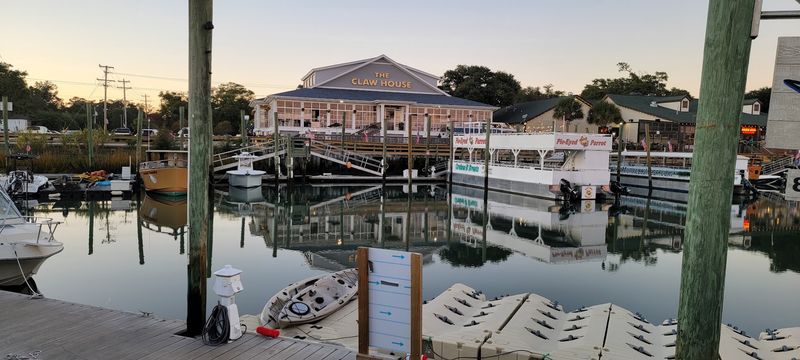
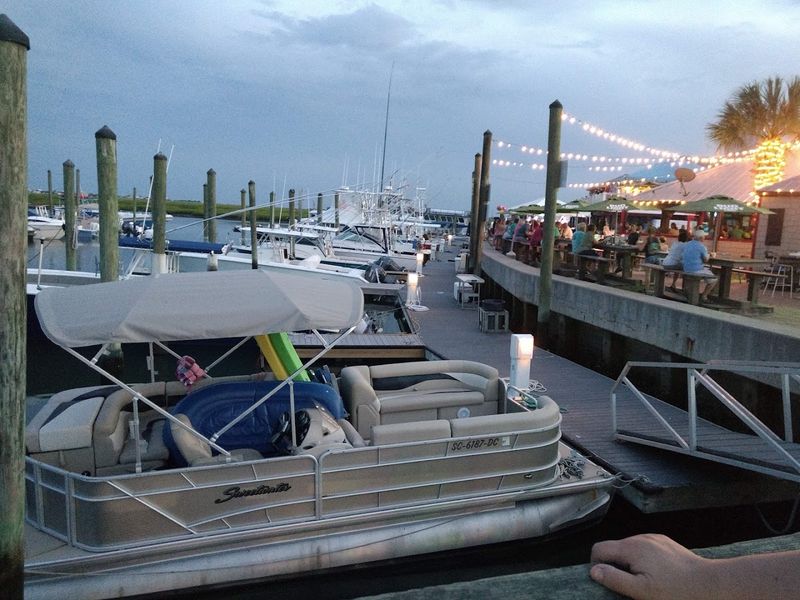
The MarshWalk places dinner beside the landscape that made Murrells Inlet a seafood town.
The public wooden boardwalk runs for about half a mile along a natural saltwater estuary.
Restaurants line the waterfront, giving diners marsh views before, during, and after their meal.
You can walk the route before choosing a restaurant.
Menus vary, so the group does not have to agree immediately.
One person may want fried shrimp, another may be searching for fresh fish, and someone else may still be thinking about soup.
The boardwalk gives everyone time to negotiate while looking at the water.
Boats, birds, docks, and marsh grass keep the inlet visible. Seafood dinner stays connected to the place that supports the town’s reputation.
The MarshWalk brings together several restaurants with menus that extend beyond traditional fish-fry plates.
Fresh seafood stays central, but diners can also find sushi, steaks, pizza, sandwiches, and other choices.
That range makes Friday easier for mixed groups.
The seafood fan can order local favorites without forcing everyone else into the same meal.
Nobody has to hold a lengthy parking-lot meeting before dinner.
Afterward, the boardwalk offers a simple final course. Take a slow walk beside the marsh while everyone pretends the hush puppies left room for movement.
Local Seafood Kitchens Keep The Seafood Varied
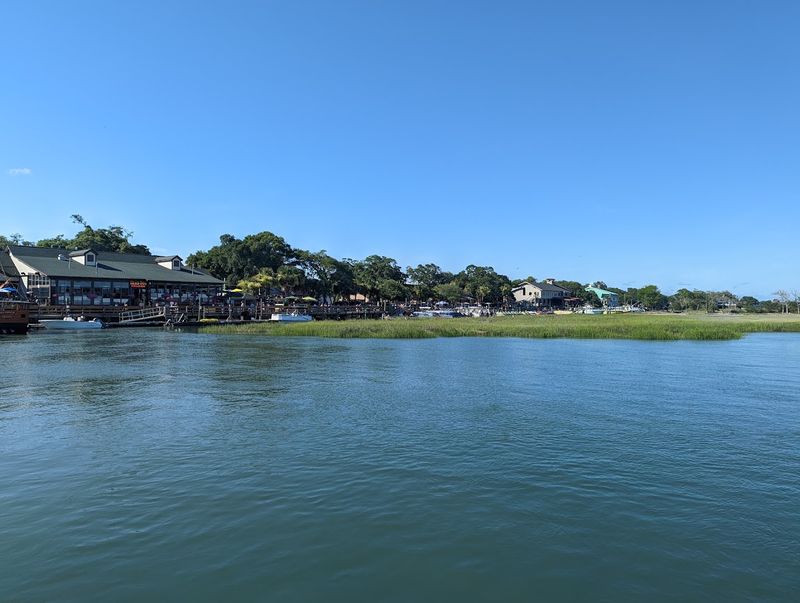
Murrells Inlet would become predictable if every kitchen served the same platter in the same way.
Instead, traditional seafood houses and newer waterfront restaurants give diners several routes through Friday dinner.
The shared focus stays coastal, but the individual menus keep the town from repeating itself.
Lee’s Inlet Kitchen holds tightly to family recipes, lightly breaded seafood, combination platters, corndodgers, and familiar Lowcountry sides.
MarshWalk restaurants widen the choices with fresh catches, sushi, grilled seafood, shellfish, crab dishes, and changing preparations.
One Friday can lean traditional, while the next takes a completely different route.
Wicked Tuna promotes a hook-to-plate approach supported by its own fishing fleet. Its waterfront menu combines seafood with steaks and sushi, giving groups more room to order differently.
Wahoo’s Fish House, Creek Ratz, Drunken Jack’s, Dead Dog Saloon, and nearby kitchens add their own menus and personalities to the same compact district.
Beyond the boardwalk, restaurants such as Nance’s Creekfront Restaurant extend the town’s seafood history. Nance’s has served local seafood through family recipes since 1967.
The variety protects the tradition from becoming repetitive.
You can order fried flounder one Friday, shrimp and grits the next, and a fresh catch after that.
Even diners loyal to fried seafood can change the combination, sides, or restaurant.
Murrells Inlet keeps the basic promise steady while allowing the plate to move around.