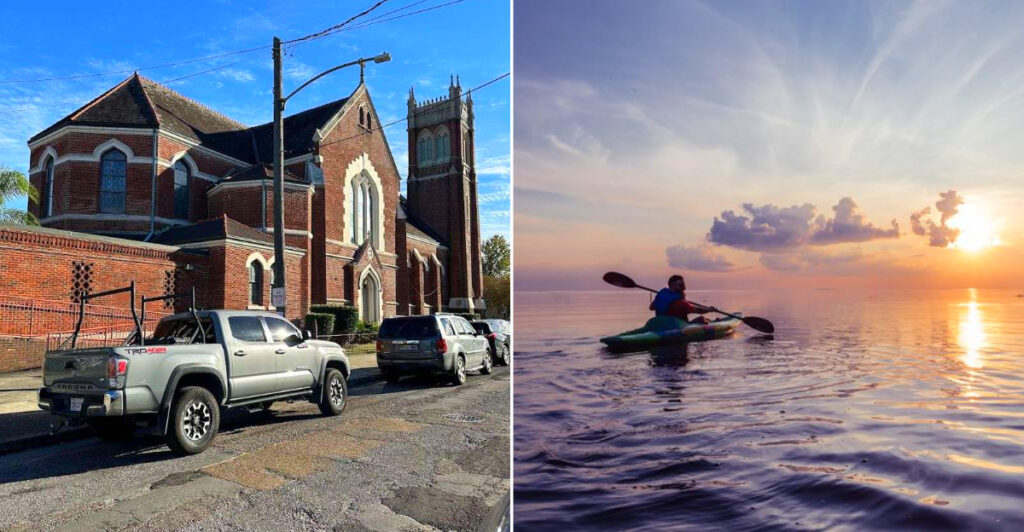
I did not expect to find this kind of beauty on the Louisiana coast. My car rolled off the bridge and the world shifted. Salt air hit me immediately. Palm trees lined the main road. The water stretched out so wide and blue that I had to pull over just to take it in.
This tiny barrier island has been quietly charming visitors for generations. Fishermen line the pier at dawn.
Families spread out on sand that feels surprisingly soft. The pace here is unhurried in a way that forces you to slow down.
I spent an entire afternoon doing absolutely nothing except listening to the waves. That is rare for me.
Most coastal spots I visit feel packed and commercialized.
This one feels like it belongs to the people who actually live here. If you crave an honest-to-goodness beach town without the fuss, this place will exceed every expectation you bring with you.
Whispers Of Privateers And Old Pines
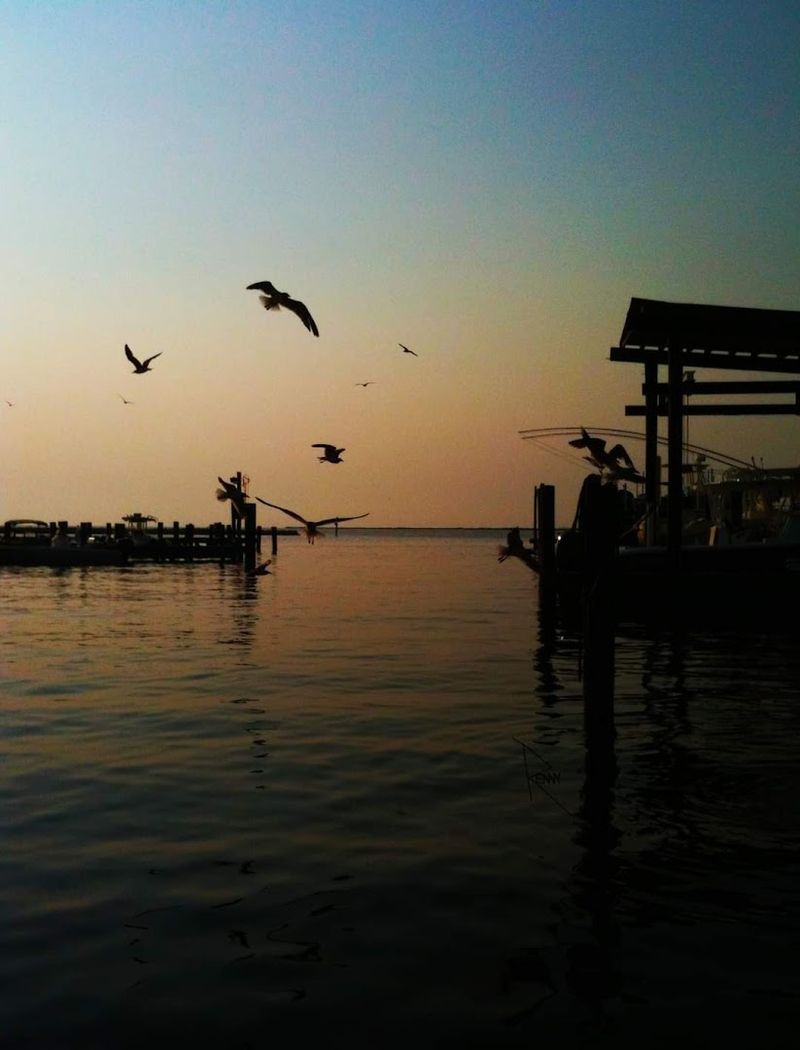
Legends whisper across Grand Isle about privateers and early settlers, stories that blend with verifiable history rather than override it. The Chitimacha and other Indigenous peoples first used these waters for food, and later Spanish land grants in the 1780s established plantations and altered the island’s human geography.
Nearby Grand Terre hosted privateering activity tied to Jean Lafitte, adding a faint layer of maritime lore to the island’s past.
These historical threads sit beside tangible reminders like older foundations and family plots, not theatrical ruins. Observing them invites a respectful curiosity; the past here is measured in tides and repairs rather than grand monuments.
The island’s memory lives in modest markers, local stories, and the resilient oaks that still shade narrow lanes.
Highway 1 Saves Its Biggest Reveal For The Final Bridge
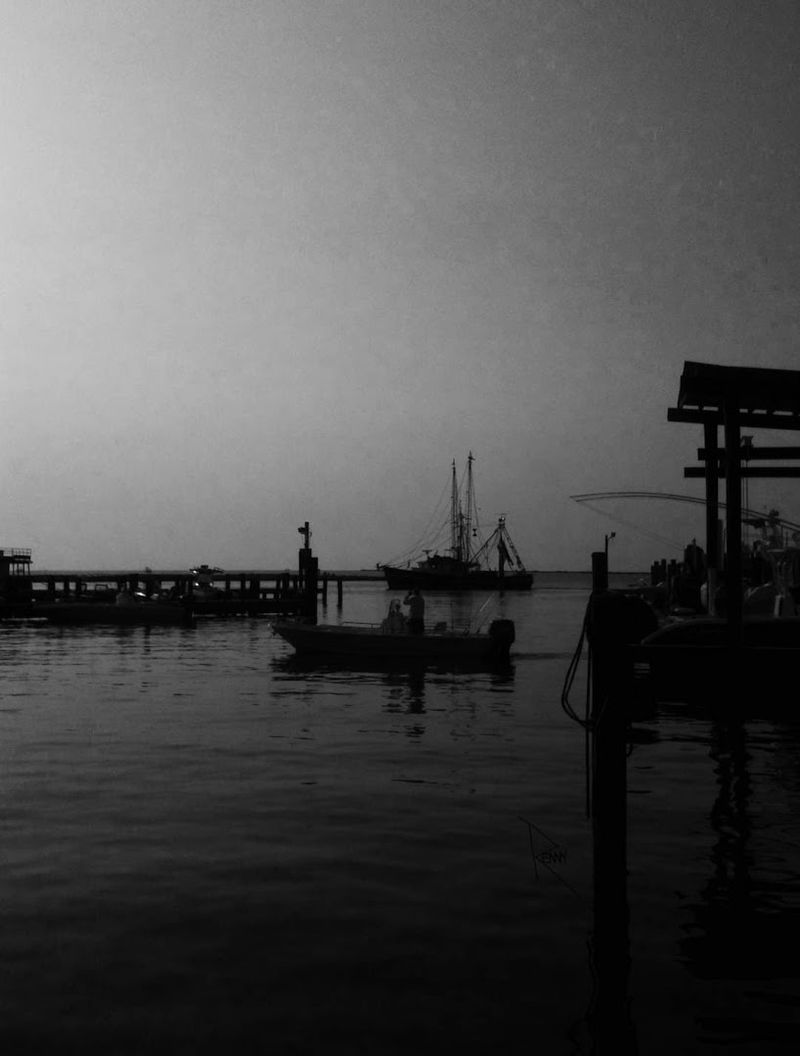
Grand Isle sits at the southern end of Louisiana Highway 1, where the road crosses marshes and waterways before reaching the state’s only inhabited barrier island. Follow Highway 1 south through Leeville and continue across the elevated bridge toward Grand Isle.
The final approach feels suspended between water and sky before the bridge drops onto the island’s main road. Continue east through town for Grand Isle State Park, following signs toward Admiral Craik Drive rather than assuming the first visible beach access is public.
For the state park, follow Admiral Craik Drive to the entrance and use the designated visitor parking. Other public beach access points are scattered through town, so check local signs carefully and avoid parking on private beachfront property.
Homes With Hurricane Heart
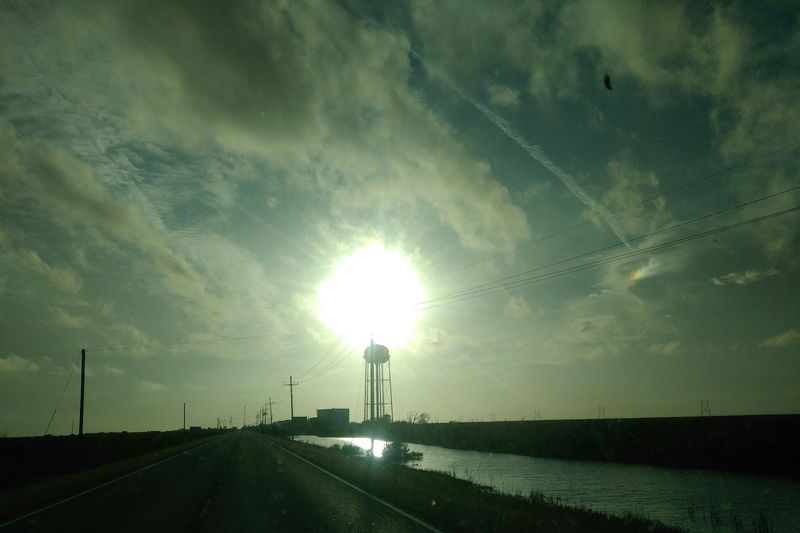
Distinctive raised cottages define much of Grand Isle’s built character, designed for high tides and frequent storms with wide porches, high ceilings, and elevated foundations.
Many structures reflect Louisiana Coastal Vernacular design, and noteworthy examples date to the 1800s and early 1900s, like the Oleander Hotel built in 1931 on raised concrete piers. These buildings combine practical resilience with a simple coastal elegance that reads well against the Gulf backdrop.
Local preservation groups work quietly to maintain that architectural lineage through restoration and advocacy. You can see repair techniques in practice, elevated foundations, corrosion-resistant materials, and careful siding choices, that speak to living with storms rather than ignoring them. Respecting these measures makes a visit more informative and humane.
Casting A Line Into Rich Waters
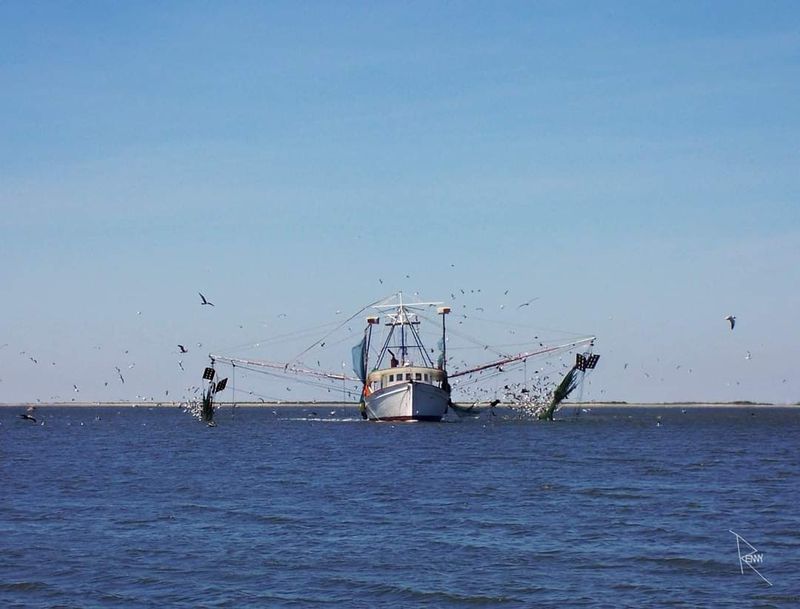
Fishing is central to the Grand Isle experience, with over 280 species documented in its surrounding waters and a culture built around casting lines and reading currents. The Grand Isle State Park pier extends 900 feet into the Gulf, offering direct access away from shoreline rip currents and a practical fish-cleaning station at its base.
Shore fishing is also productive along the seven miles of public beach, and local charter captains provide guided trips for those seeking deeper water.
For novices, timing the tide and checking local notices improves success and safety. Pack appropriate tackle, respect posted advisories, and chat with a local bait shop to learn seasonal runs and species behavior.
Observant anglers will appreciate how the island’s rhythms shape good days on the water.
Birding’s Migratory Spectacle
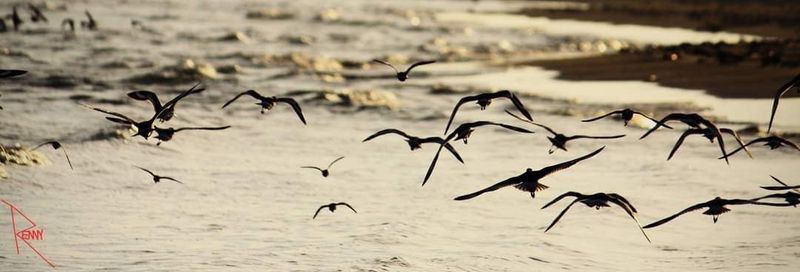
Grand Isle is a celebrated stopover for migratory birds, especially during the spring migration when thousands arrive from Latin America.
The Lafitte Woods Nature Preserve protects rare oak-hackberry forest that functions as essential resting habitat, while nearby rookery islands like Queen Bess host brown pelicans and roseate spoonbills.
The island’s placement along the Gulf makes it a natural funnel for avian movement, attracting serious birders and curious visitors alike.
Attend the Migratory Bird Festival in April if timing allows, or explore trails with binoculars outside festival dates. Patience and quiet observation pay dividends; many species show up early and late in the day. Respect habitat closures and nesting areas to keep the spectacle intact for future seasons.
Navigating The Island’s Charm
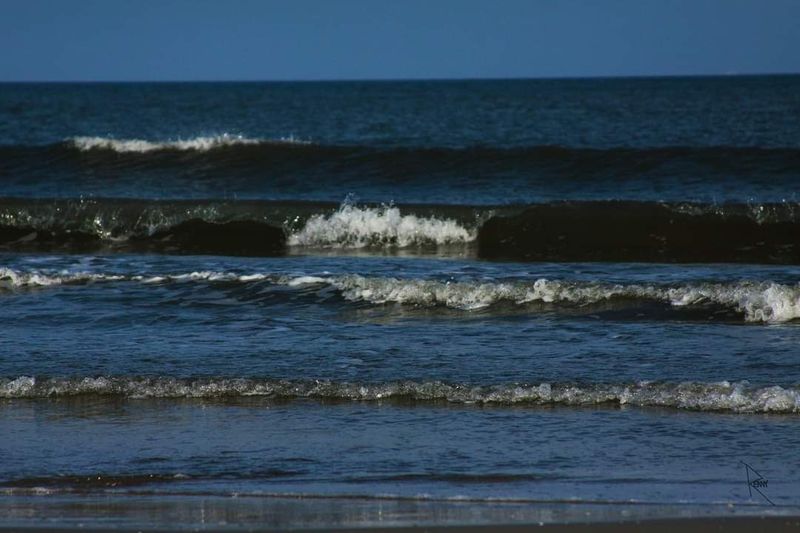
Getting around Grand Isle feels deliberately unhurried; seven miles of public beaches are reachable via several crossovers with parking, and golf carts are permitted on the sand with a town permit obtained at the police station.
Kayak rentals offer a peaceful alternative for exploring bayous and nearshore waters, providing quiet access to mangrove-lined channels and birding vantage points. Map out crossovers and parking in advance, especially during peak weekends and festival times.
A sensible plan includes sunscreen, a permit for beach driving if you choose a golf cart, and awareness of designated parking areas. Local rental operators and visitor centers can advise on tides, safe routes, and permit requirements so your navigation is smooth and respectful of fragile dunes.
Year-Round Coastal Rhythms

Each season reveals a different face of Grand Isle, and paying attention to seasonal shifts unlocks more meaningful visits. Spring brings comfortable temperatures, excellent fishing, and peak bird migration, while summer is warmer and busier with families enjoying the Gulf’s gentle waves.
Fall offers superb birdwatching paired with productive redfish and trout runs, and winter gives a quieter, reflective version of the island with steady fishing opportunities for those who prefer solitude.
Planning around seasons influences lodging choices and activity options; festivals and fishing tournaments cluster at predictable times. A flexible itinerary that accommodates tide charts and weather forecasts will let you experience the island’s rhythm rather than fight it, revealing different pleasures on repeat visits.
Camping Beneath A Gulf Sky
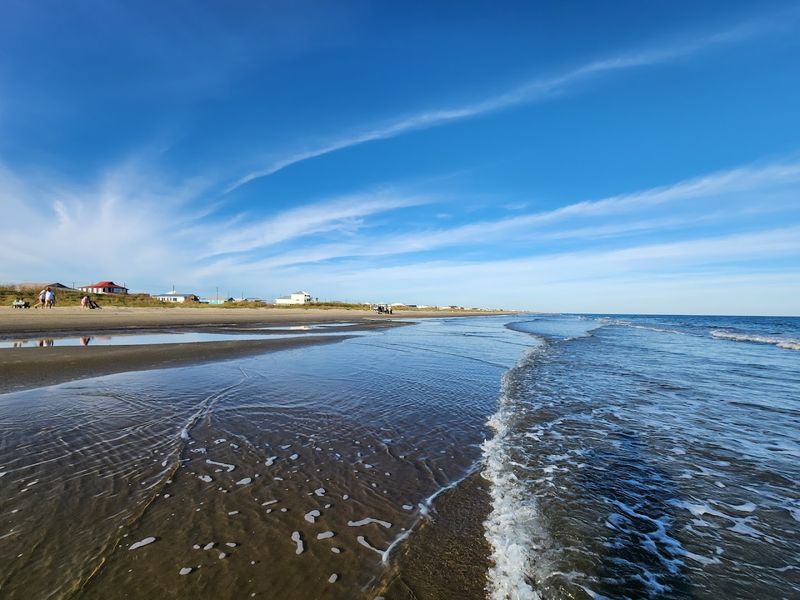
Sleeping to the sound of Gulf waves is one of Grand Isle’s most immediate pleasures, whether in a tent on the beach or an RV site at Grand Isle State Park with water and electrical hookups. The park allows beach camping in designated areas and offers a simple, dune-side setting that feels remote despite being accessible.
Book early for holiday weekends and summer dates, and prepare for wind, insects, and salt-scented mornings that require sturdy stakes and screen protection.
Pack a reliable cooler, appropriate fuel for stoves, and a plan for waste disposal. Respect campground rules and wildlife by avoiding feeding birds and storing food securely. A mindful camping setup makes coastal overnight stays restorative rather than frustrating.
Ocean Adventures Await
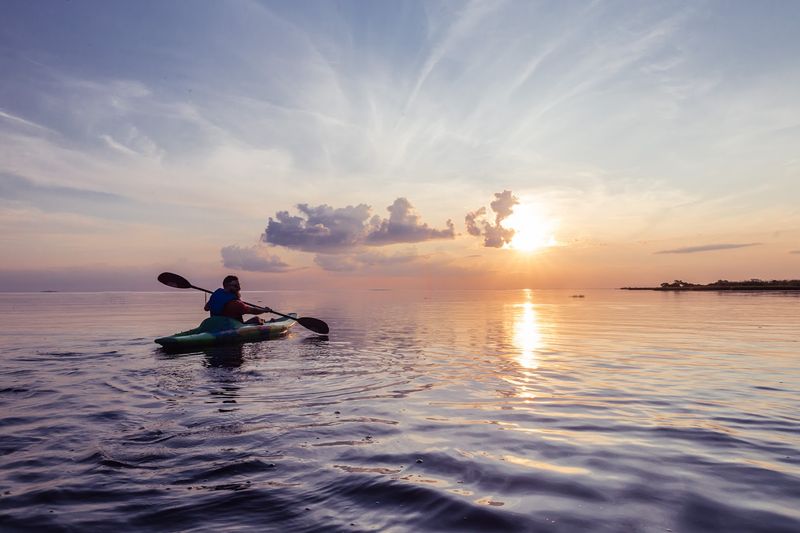
Beyond fishing, Grand Isle supports a surprising range of ocean activities from kayaking and paddleboarding to surfing and kiteboarding when conditions allow. Calm bayou waters invite paddlers to explore mangrove-lined channels and nearshore habitats where birds and small marine life are visible from a short distance.
Crabbing is popular on designated piers, offering a hands-on taste of island life for families and curious beginners.
Swimmers should heed local advisories about rip currents and be aware of marine life such as jellyfish and stingrays. Rentals and guided options make it easy to try new pursuits responsibly, and local operators can advise on tides, wind, and safe zones to make the most of a water-focused day.
A Legacy Of Resilience And Renewal
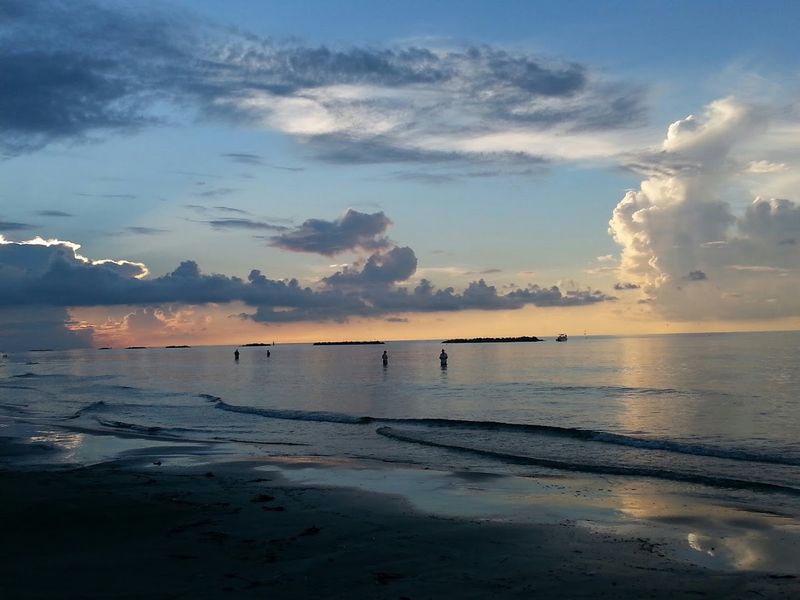
Grand Isle stands as a living demonstration of coastal resilience, serving as a natural buffer that absorbs storm energy and shields inland communities. Over decades the island has endured numerous hurricanes and tropical storms, each event prompting rebuilding, adaptation, and renewed conservation effort.
Active beach and dune restoration projects, including judicious use of jetties and breakwaters, aim to extend the island’s longevity while balancing ecological needs.
Local organizations and homeowners collaborate on practical measures like sand fencing and native plantings that stabilize dunes.
Observing these projects offers insight into coastal science in action; visitors can learn how small interventions support larger landscape functions and why long-term stewardship matters here more than in many other coastal towns.
Embracing The Local Pace
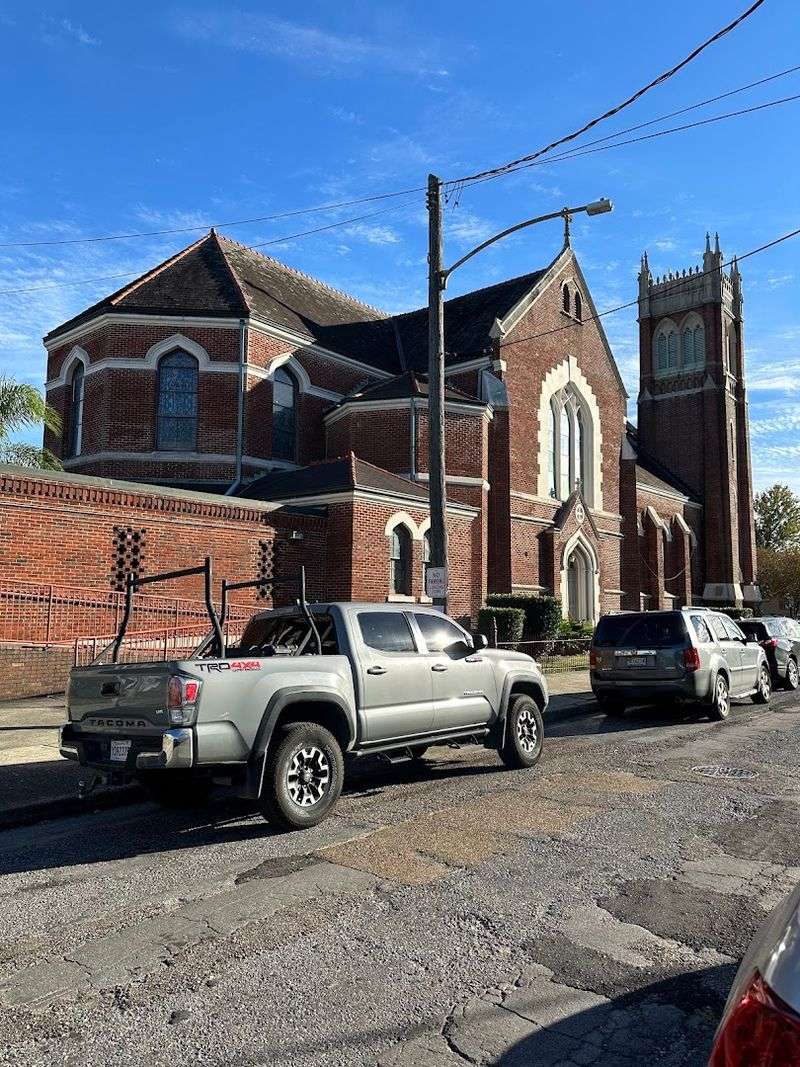
The island’s pace rewards visitors who arrive ready to slow down and observe small details, from weathered signage to conversations at bait shops that reveal daily rhythms.
Local eateries and small shops offer fresh seafood and coastal goods, and striking up a polite conversation often yields the best tips on where to fish or birdwatch that day.
The town’s social map is practical: someone at the marina or the police station can direct you to current conditions and access points.
Allow extra time for unplanned discoveries, whether a quiet stretch of sand or an unexpected wildlife sighting. Bringing curiosity rather than a rigid checklist makes the visit more generous, and locals tend to respond well to thoughtful questions about their island and its care.
Practical Tips For Visiting Grand Isle
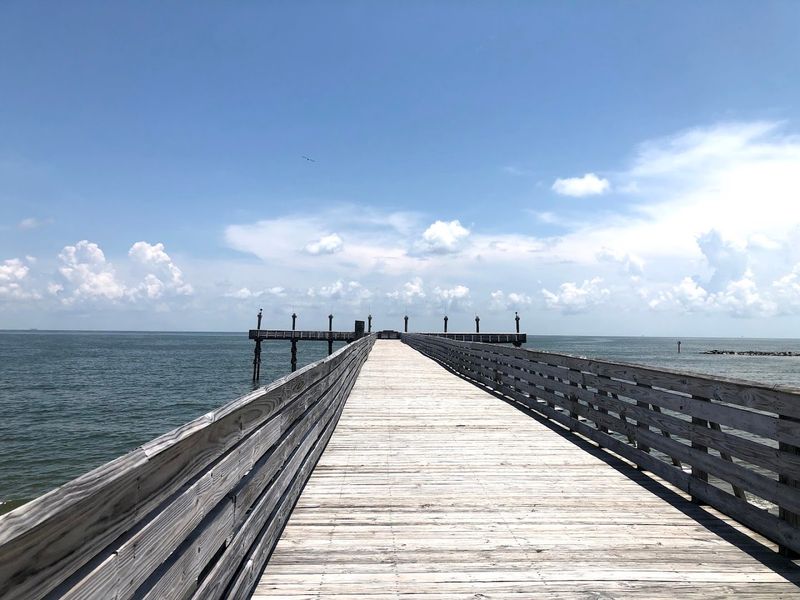
Practical preparations improve a Grand Isle trip significantly: check tide charts, bring binoculars for migration season, secure permits if you plan to drive a golf cart on the beach, and confirm kayak or charter reservations in advance.
Respect posted advisories regarding beach driving and wildlife closures, and prepare for limited commercial services compared with larger coastal towns.
Local bait shops and rental operators are excellent information sources for current conditions and seasonal advice.
Consider accommodations early, especially for festival weekends, and pack for wind and sun exposure. A flexible schedule that accounts for weather and tides transforms good intentions into richer island experiences and helps you leave the place better than you found it.