Sound’s unbelievable, but it’s true. A lake in the southern part of the state swallowed an entire oil rig, several barges, plus sixty-five acres of land in a single afternoon. The canal next to it started flowing in the opposite direction.
The whole event lasted a few hours. By some miracle that nobody can fully explain, not a single person perished. The lake went from roughly ten feet deep to two hundred.
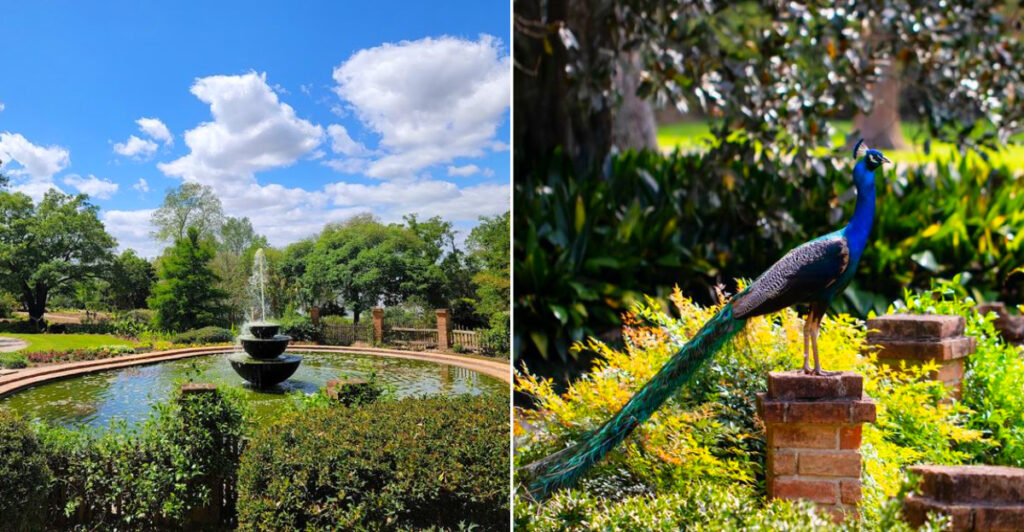
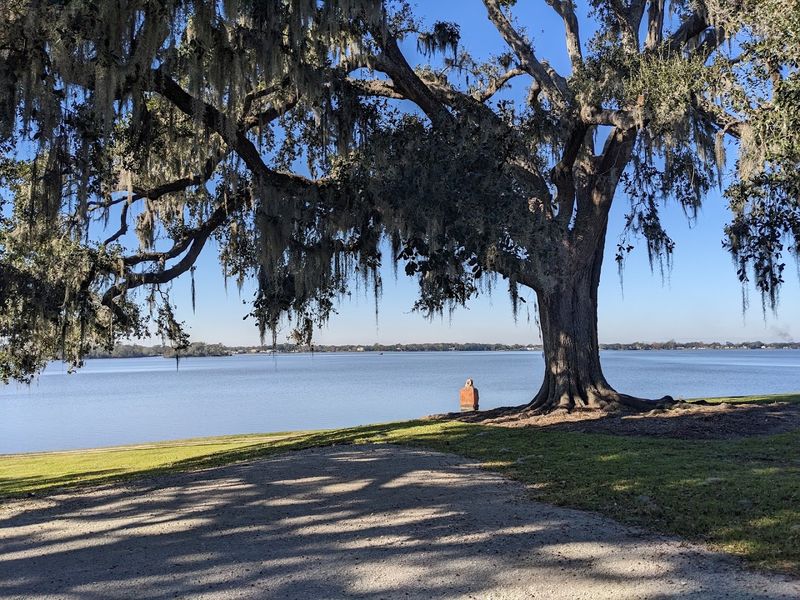
A chimney from a swallowed house still pokes above the waterline like a marker of something that should not have been possible. Today the gardens overlooking the water are lush, peaceful.
You would never guess the story hiding beneath the surface unless someone told you. Standing on the shore of a lake that swallowed an oil rig will make the whole thing feel even harder to believe in Louisiana.
Historical Context And Lake Peigneur
The gardens are inseparable from the story of Lake Peigneur and Jefferson Island’s salt dome; learning that history reshapes how you read every tree and shoreline.
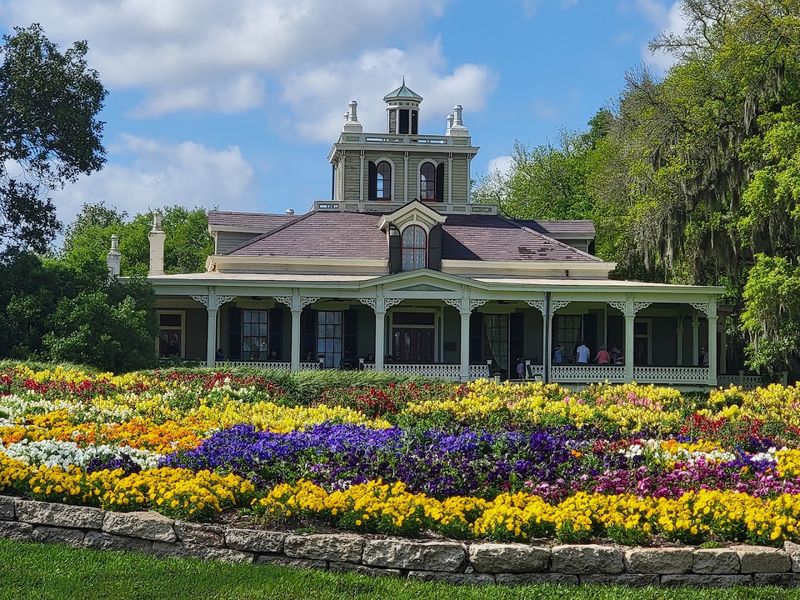
Joseph Jefferson’s 1870 home anchors the place, and the 1980 incident when the lake drained into a salt mine is quietly present in exhibits and the lone chimney in the water.
On-site displays and the theater film present verifiable facts: the punctured mine, the reversal of the Delcambre Canal, and the dramatic but nonfatal outcome for workers. Those moments are explained without sensationalism, letting the landscape speak for itself.
Bring curiosity about geology and 19th-century theater life; both threads run through the same grounds and make touring the mansion and gardens feel layered and surprisingly coherent.
The Garden Sits On An Island Without A Bridge
Rip Van Winkle Gardens is at 5505 Rip Van Winkle Road on Jefferson Island near New Iberia, Louisiana. From New Iberia, follow Louisiana Highway 675 west, continue onto Excalibur Drive, then turn onto Rip Van Winkle Road for the final approach.
The last stretch climbs onto the wooded salt-dome landscape, where the road narrows and the surrounding countryside gives way to the historic garden property. Continue toward the signed visitor entrance rather than stopping at the cottages or event spaces elsewhere on the grounds.
Use the on-site visitor parking, then check in at the gift shop before entering the gardens or joining a mansion tour. The 15-acre garden is walk-through only, with a loop of roughly 1.5 miles and several tight pathways unsuitable for vehicles.
Sensory Details To Notice
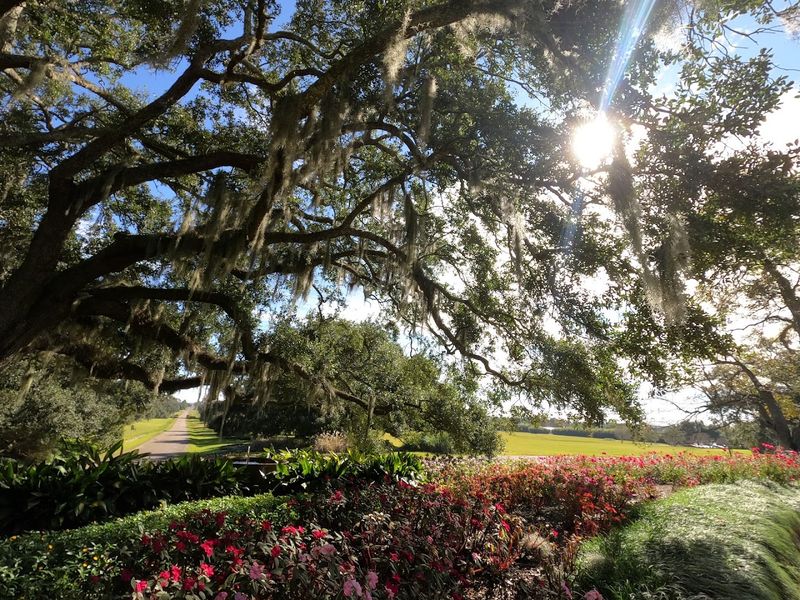
Rip Van Winkle Gardens rewards visitors who slow down and use their senses: the rough texture of oak bark, the sound of wind in moss, the metallic tang on a lake breeze that hints at the salt dome beneath. Peacocks punctuate silence with abrupt calls and sudden color flashes.
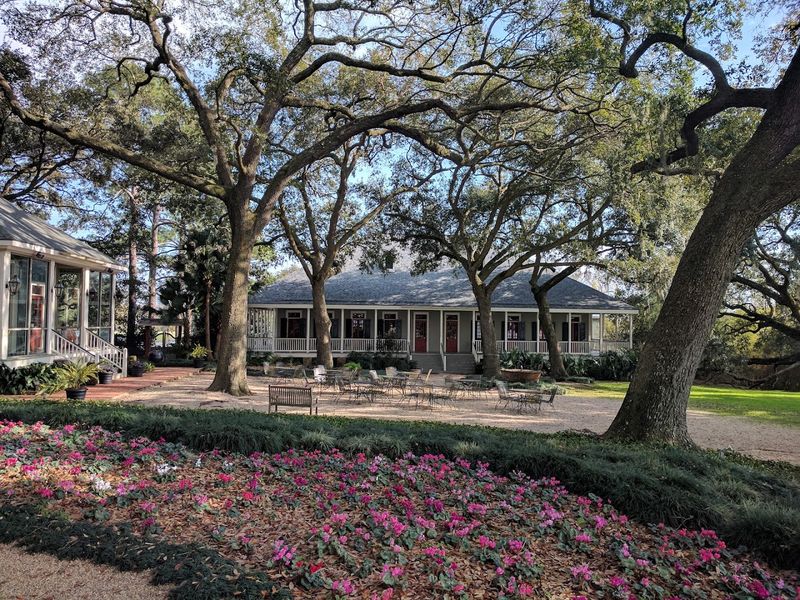
The combination of subtropical planting and old oaks creates microclimates, cooler shade along certain paths, sun-drenched clearings elsewhere, that change how you experience a short walk. The cafe outdoor seating catches the lake breeze in a way that frames lunch like part of the exhibit.
Bring a small notebook or use your phone to capture these ephemeral details; they are the memories that make the place personal long after you leave.
Architectural Features Of The Mansion
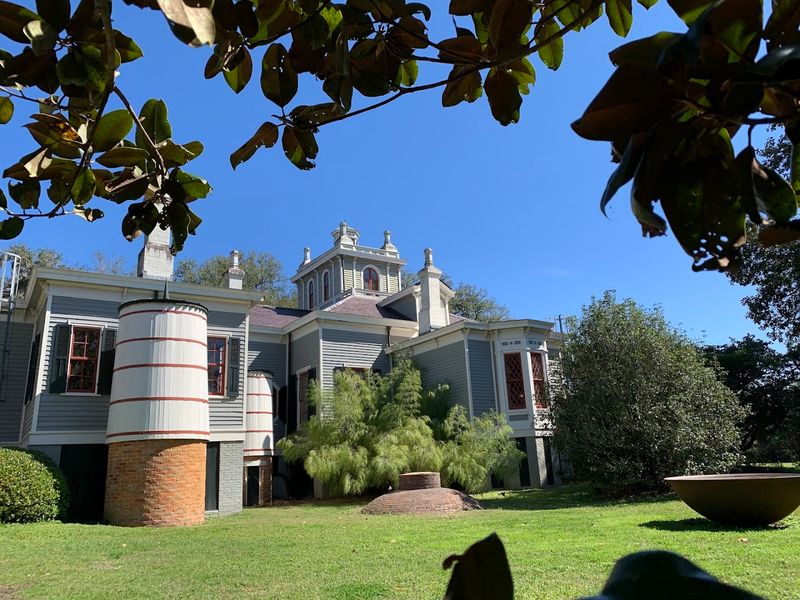
The Joseph Jefferson Home presents an elegant counterpoint to the wild story of Lake Peigneur; its 22 rooms and period furnishings offer quiet domestic detail rather than grand spectacle. The house’s proportions, porch lines, and curated rooms reveal tastes from the post-Civil War era and the actor’s life on the island.
Guided tours highlight artifacts, original furniture, and paintings that help reconstruct daily rhythms of the estate. Photography restrictions in some rooms encourage attention rather than replication, which I appreciated because it nudged conversation and observation instead of the usual camera glare.
Wear soft-soled shoes and arrive for a guided tour slot; the guides are practiced at pacing the group and weaving in stories without dragging on so you can explore the grounds afterward.
Restoration And Garden Design
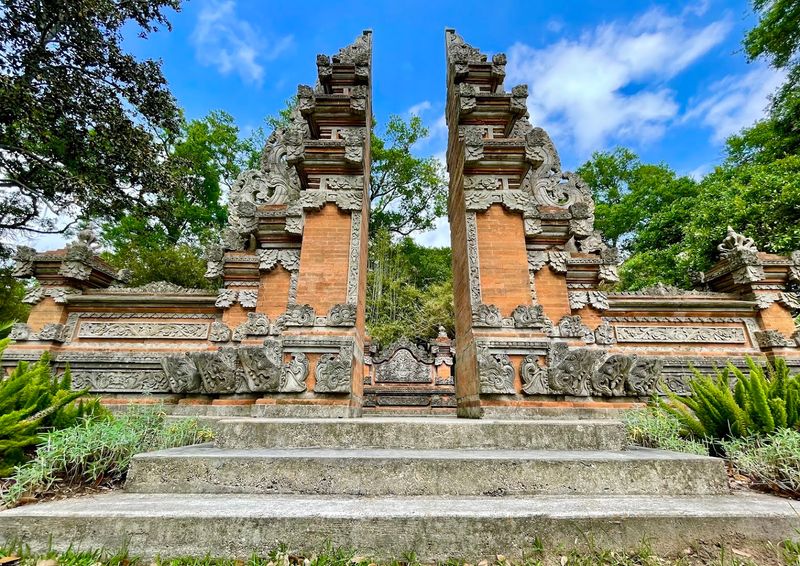
The gardens are a deliberate blend of Balinese-style plantings and Southern live-oak grandeur, restored carefully after the 1980 lake event. You’ll notice layered plantings, water features, and intentional sightlines that frame the mansion and the lake as a sequence of curated views.
The restoration choices emphasize durability and seasonal interest rather than fleeting trends.
Garden maintenance is visible but unobtrusive, paths are clean and beds are pruned, which signals a steady stewardship that respects both visitors and habitat. Interpretation respectfully connects plantings to the estate’s history without lecturing.
Take the time to wander off the main route; smaller plantings and hidden benches reveal the gardeners’ quieter design gestures and invite longer, reflective pauses.
Wildlife And Rookery Observations
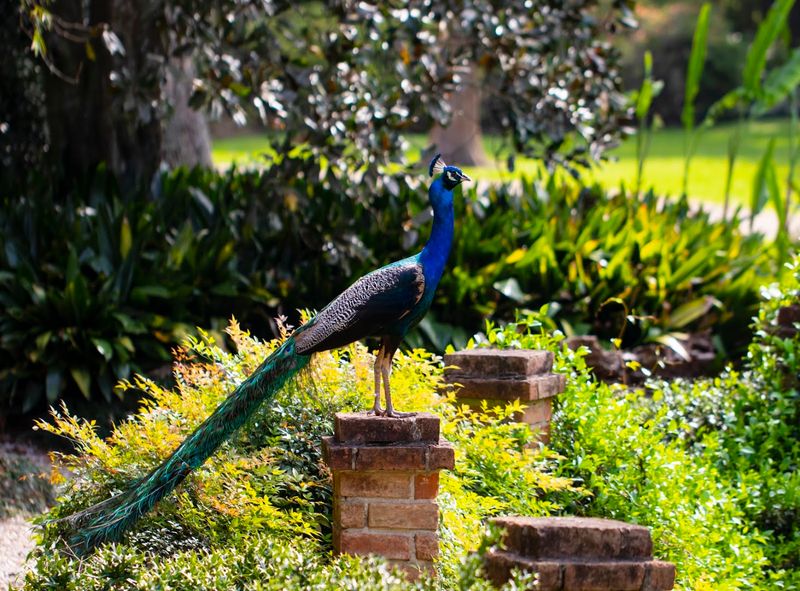
The property hosts a lively rookery and is particularly noted for its birdlife, including seasonal visitors; if you visit during nesting months you’ll likely see concentrated activity near the lake. Peacocks roam the grounds year-round and become a delightful constant, often striking poses on paths or lawns.
Birdwatching here is accessible even for casual visitors: bring binoculars and a quiet walk will reward you with close views of nesting behaviors and shorebird foraging along the lake edge. The staff sometimes point out notable sightings and nesting seasons so you can time a return visit.
Respect nesting areas and stay on marked paths to avoid disturbing wildlife; the best sightings come from patient observation rather than approaching too rapidly.
Cafe Jefferson Practical Tips
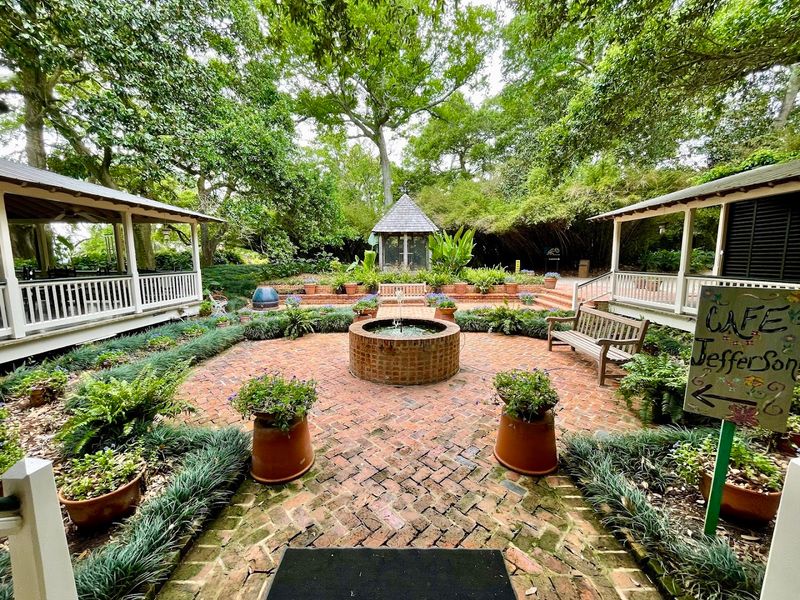
Cafe Jefferson is a convenient and scenic stop after touring the gardens and mansion; outdoor seating overlooks Lake Peigneur and lets you digest both food and the site’s layered history. The menu leans local and generous, with sandwich options and classic regional dishes, and staff are known for friendly service and helpful suggestions.
Expect typical garden-cafe hours and moderate wait times during peak seasons; if you want a lakeside table, plan to arrive slightly before lunch rush. Portions tend toward hearty, so sharing plates or ordering smaller portions is practical for a post-walk meal.
Bring cash or card and factor in a half hour for dining to savor views; dining here turns a break into part of the overall garden experience rather than a separate errand.
Overnight Cottage Stay Advice
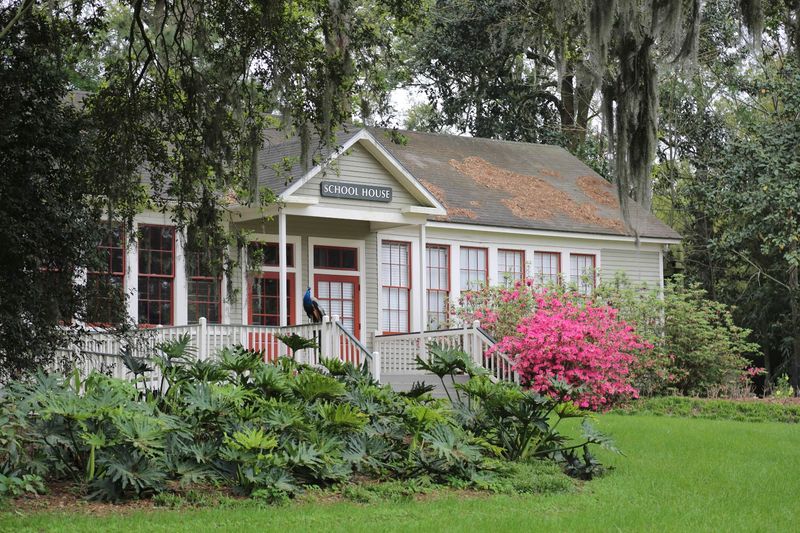
Staying overnight in one of the Acadian cottages changes the rhythm of a visit; mornings and evenings belong to the gardens when fewer people are present. The cottages are well appointed with handcrafted beds and local touches that make an extended stay restful rather than merely convenient.
Reservations can fill for weekends and special seasons like spring migration, so book ahead if you want a specific cottage. Staff often include a modest continental breakfast, and having the gardens largely to yourself before opening hours is a quiet luxury I recommend when the schedule allows.
Pack light layers, the lake breeze can cool evenings, and accept the slower tempo; an overnight stay reveals small, otherwise missed details of sound and light in the gardens.
Gift Shop And Local Finds
The gift shop is a compact repository of local flavor: coffee from nearby roasters, garden-themed gifts, and curated souvenirs that reflect the estate’s identity. Staff are frequently praised in reviews for warmth and helpful recommendations, which makes browsing a pleasant exchange rather than mere shopping.
If you want to remember the visit, pick up Orange Island coffee or a garden guide; these items feel more authentic than mass-produced trinkets. The shop also sells event tickets and can offer tips for timing your tour to coincide with film showings or guided house tours.
Allow time to chat with staff, their suggestions often point to lesser-known corners of the grounds that repay the detour with quiet charm.
Seasonal Highlights And Timing
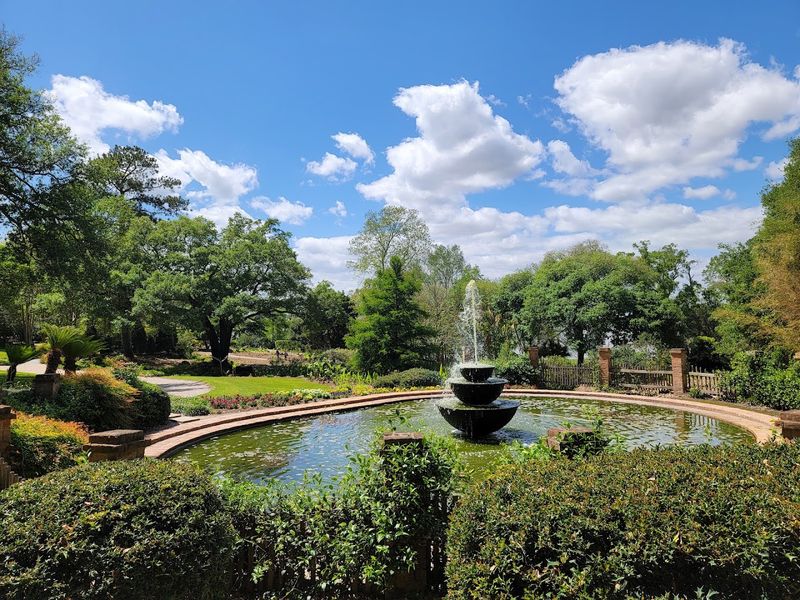
Each season reshapes the gardens: spring brings abundant blooms and nesting birds, summer thickens the canopy, autumn softens light, and even winter has its quiet structural beauty. Timing a visit around bird migration or peacock plumage cycles maximizes unique sightings and photographic opportunities.
The property is open daily with consistent hours; weekdays and early mornings typically offer smaller crowds. If you prefer softer light for photos, aim for late afternoon but keep in mind closing times so you don’t feel rushed.
Check the gardens’ event calendar before visiting; occasional lectures, tours, or performances can enrich a visit, but simple unprogrammed wandering is equally rewarding if you want solitude.
Practical Visitor Logistics

Getting the most from a visit is partly logistical: the gardens open at 9 AM and close at 5 PM, and the ticketing and theater located near the gift shop are useful first stops for orientation. Parking is on-site; paths are wide and generally easy to navigate for casual walkers and families alike.
Plan at least two to three hours for a relaxed visit that includes the house tour, film, a stroll, and a meal. Phone and website info provide current hours and special notices, and staff can advise on accessibility or event details.
Bring sunscreen and comfortable shoes, and be prepared for modest walking distances; most highlights are connected by easy paths but exploring thoroughly rewards a patient pace.
Reflective Takeaways And Safety
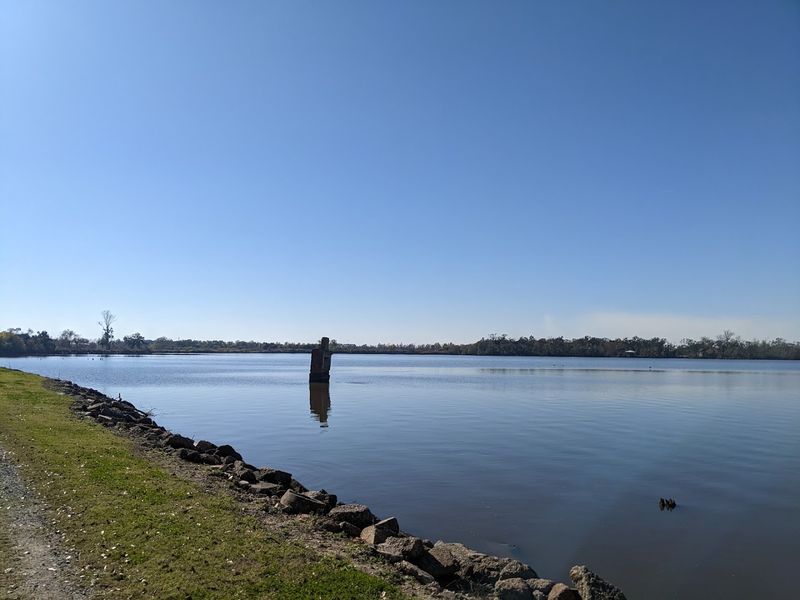
Visiting Rip Van Winkle Gardens leaves a layered impression: horticultural refinement set against an astonishing geological story that reshaped Lake Peigneur. The lone chimney in the water is an unadorned memorial and a visual shorthand for human hubris and resilience, presented without spectacle but with factual explanation in exhibits and signs.
Practically, stay within marked areas and heed staff guidance near the lake; safety and preservation go hand in hand. The site balances public access with conservation, and respecting that balance helps keep the gardens intact for future visitors.
Carry away not just photos but a sense of how fragile landscapes can be and how thoughtful stewardship restores and sustains a place that survived an extraordinary event.