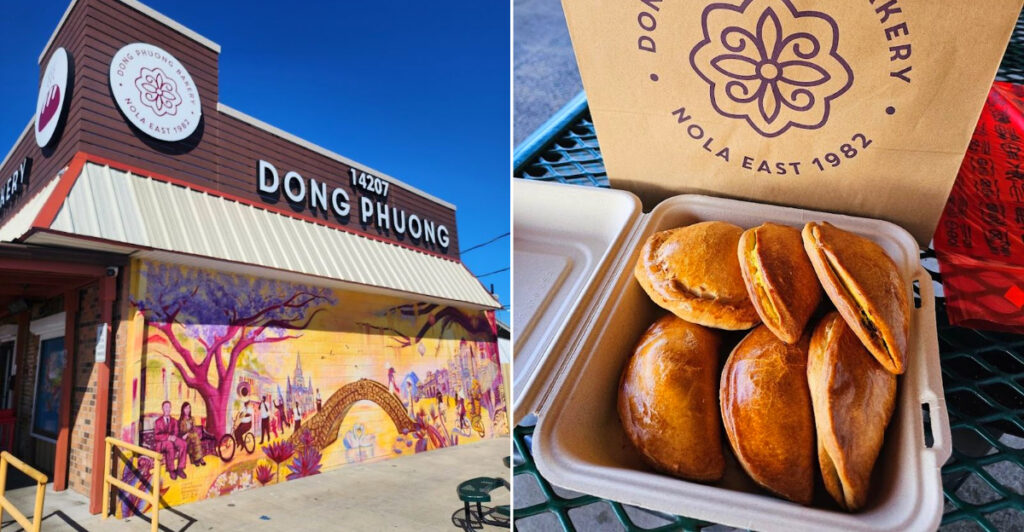
The line started forming before the shop even opened that morning. I knew I was in the right place because nobody ever waits that long for something ordinary.
Inside, loaves of French bread sit in racks with a crust so crisp it shatters on the first bite, plus a center so tender it practically dissolves. A family who arrived with almost nothing built this place from scratch in the early eighties.
Over the decades their bread has become so woven into the local food culture that people plan entire holidays around picking up a box. The awards on the wall include recognition from the highest culinary institutions in the country.
None of that matters when you are standing at the counter with a warm bag in your hands. Vietnamese French bread that became a local institution is worth every minute of the drive across Louisiana.
The Foundation Is Pure Perfection
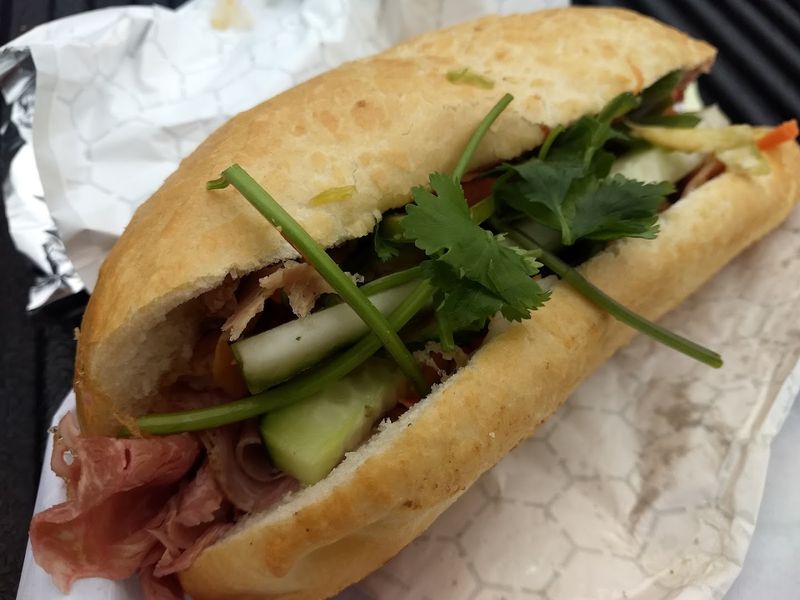
Thin enough to crackle but sturdy enough to hold generous fillings, the bakery’s French bread is built around contrast. The exterior breaks cleanly with each bite, while the crumb remains airy, soft, and slightly chewy.
That balance prevents a bánh mì from becoming either painfully hard or hopelessly soggy.
Years of repetition allowed the Tran family to refine the fermentation, shaping, scoring, and baking required to produce that texture consistently. Bakers work through large batches each morning, moving loaves from preparation tables into hot ovens before sending them to the storefront and restaurants across New Orleans.
The bread does more than contain a sandwich. It protects the distinction between grilled meat, pâté, mayonnaise, pickled vegetables, jalapeños, and fresh herbs.
Each ingredient remains recognizable because the loaf provides structure without dominating. Buy at least one plain loaf even if you came for something else. Torn apart while still fresh, it reveals why the bakery’s simplest product remains the foundation of its reputation.
The King Cake Pilgrimage Leaves The French Quarter Behind
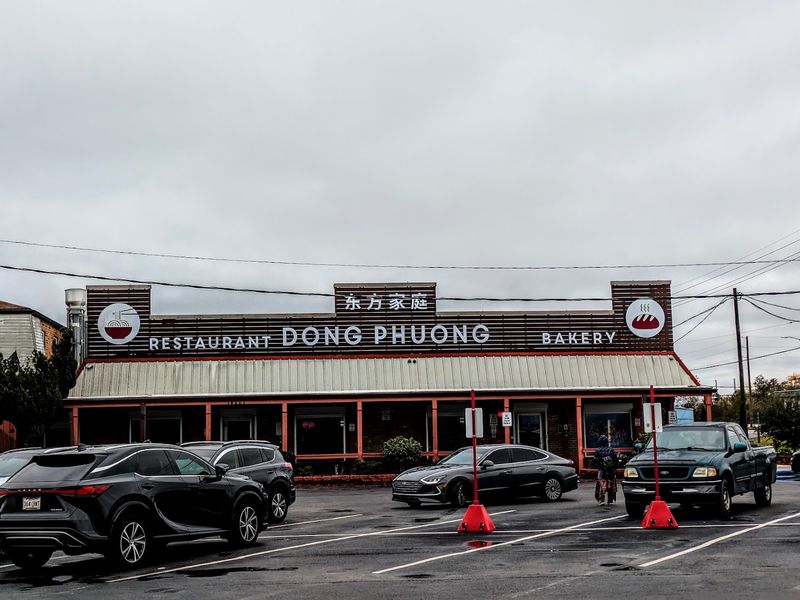
Dong Phuong Bakery is at 14207 Chef Menteur Highway in New Orleans East, Louisiana, well beyond the city’s central tourist districts. Follow Chef Menteur Highway east through New Orleans East and keep the full address active as the corridor becomes less densely developed.
The final approach passes a mix of roadside businesses and open stretches before the bakery’s English and Vietnamese signage appears above the low building. During Carnival season, arriving customers may form a line along the property, so expect slower movement and extra activity near the entrance.
Turn into the customer parking lot beside the bakery, then walk toward the main storefront. The restaurant and bakery share the same property, so follow the bakery signage once you leave the car rather than searching for a separate complex.
A Family’s Resilient Start
Leaving Vietnam meant beginning again in a place where almost everything felt unfamiliar. De and Huong Tran eventually settled in New Orleans East, joining a growing Vietnamese community that was rebuilding family life through churches, businesses, gardens, and food traditions carried across the world.
The family opened Dong Phuong in the early 1980s, drawing on baking knowledge and an understanding of French-influenced Vietnamese bread. The bakery initially served neighbors seeking familiar flavors, but its reach expanded as more New Orleanians discovered the light baguettes, pastries, and prepared foods.
Growth did not happen through a sudden trend. It came from years of early mornings, repeated batches, family labor, and customers returning because the bread tasted the same each time.
That consistency allowed a neighborhood bakery to become a supplier for restaurants throughout the city.
The story matters because resilience here is not an abstract slogan. It is visible in the ovens, shelves, and daily rhythm of a business that turned displacement into something enduring without erasing where the family came from.
The Bánh Mì Is More Than A Sandwich
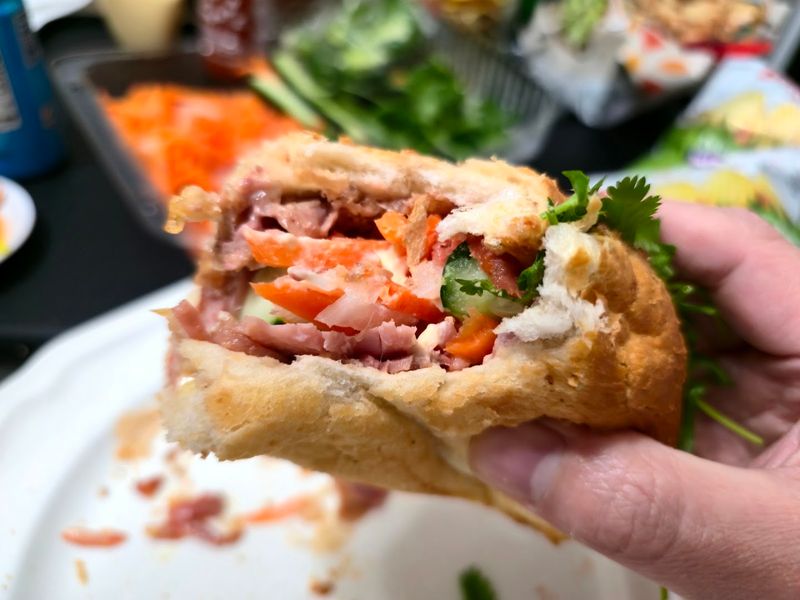
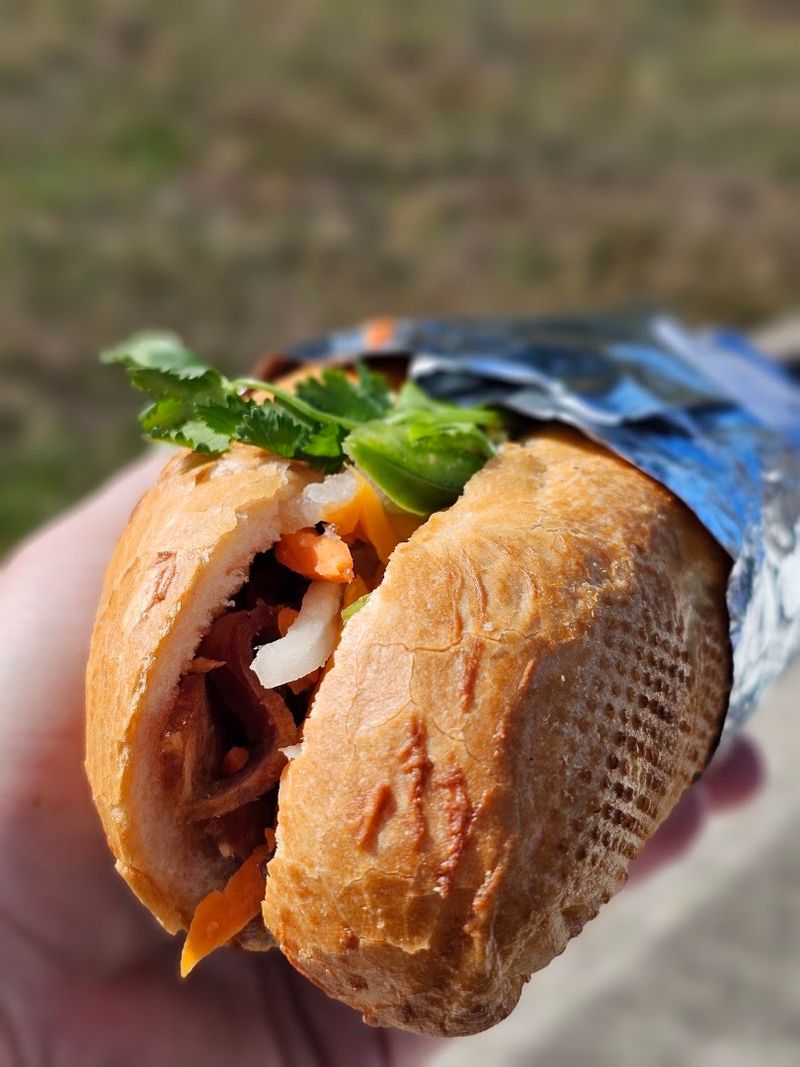
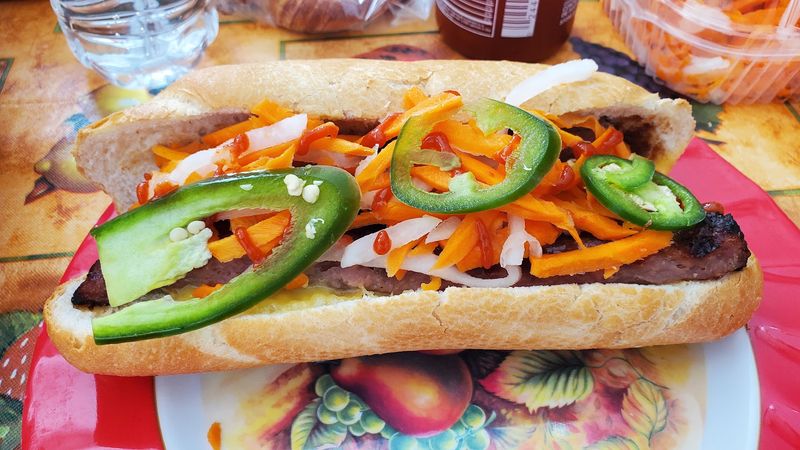
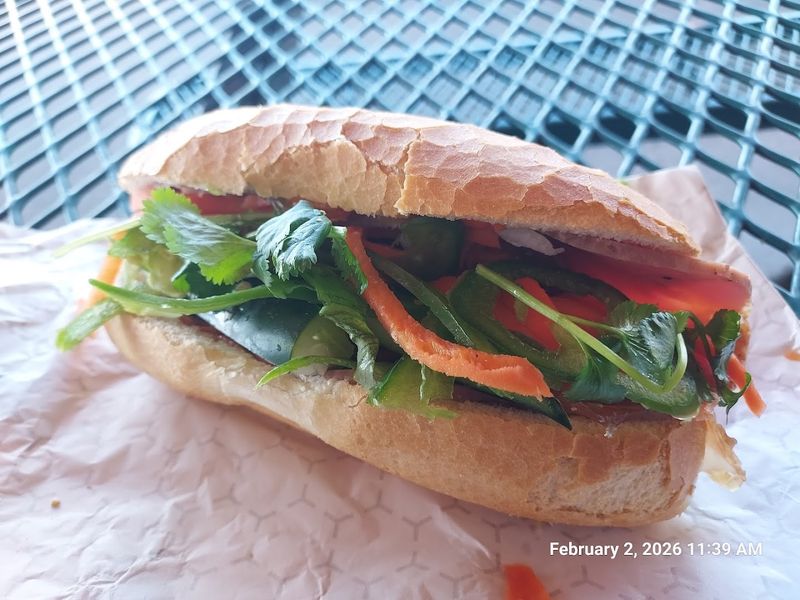
A great bánh mì depends on balance rather than abundance. Crisp bread gives way to savory meat, rich pâté or mayonnaise, sharp pickled vegetables, fresh cilantro, and the sudden heat of jalapeño.
No single ingredient should flatten the others.
Several versions allow visitors to experience that structure differently. Grilled pork brings caramelized edges and sweetness, while Vietnamese cold cuts create a more traditional mixture of textures.
Chicken, meatball, and other fillings shift the sandwich’s character, but the vegetables keep each one bright enough for another bite.
The bread remains essential because it absorbs sauces without collapsing. Its airy interior compresses around the filling, while the thin crust provides crunch without tearing the roof of your mouth.
That may sound like a minor technical achievement until you compare it with a sandwich made on a heavier loaf.
Eat one soon after ordering rather than carrying it around for hours. The moment when the bread is still crisp and the fillings are cool, fragrant, and freshly assembled is when the entire design makes sense.
Beyond The Bánh Mì Wonders
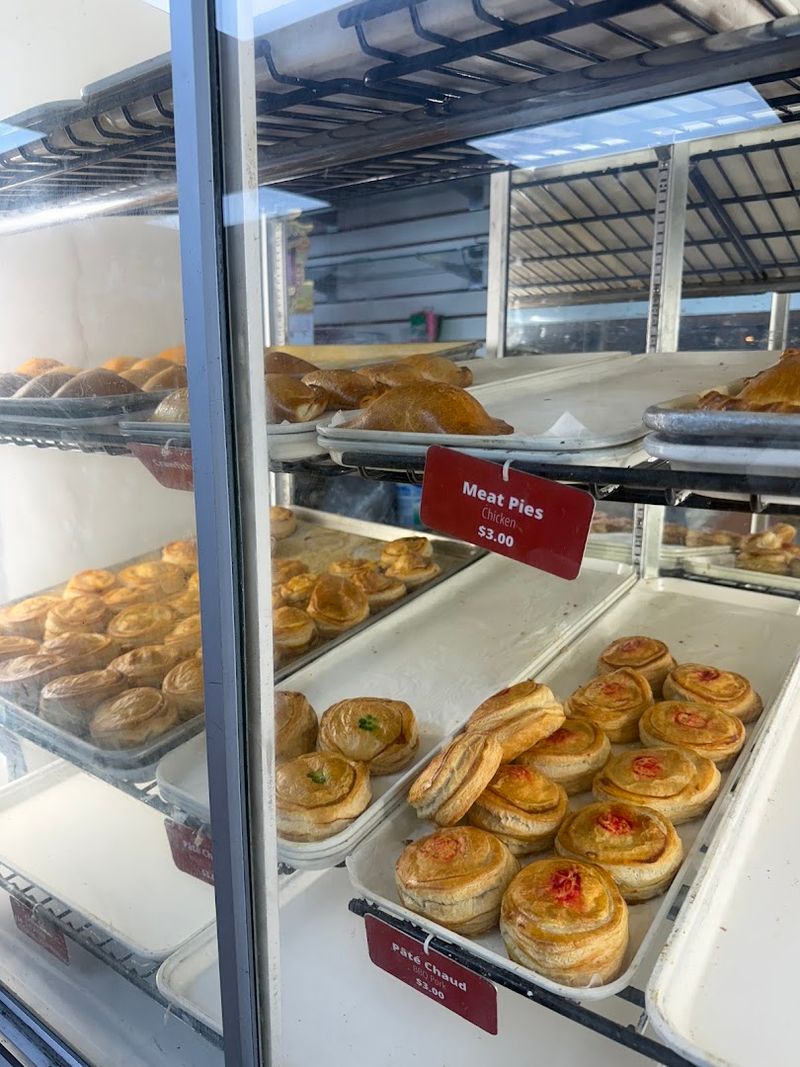
Display cases reveal that the bakery’s identity extends far beyond bread and sandwiches. Sweet buns, filled pastries, cakes, cookies, and savory snacks sit beside Vietnamese desserts that may be unfamiliar to first-time visitors.
The variety rewards curiosity more than arriving with one fixed order.
Mung bean pastries offer a soft, gently sweet filling, while coconut, pandan, and other flavors introduce ingredients common in Vietnamese baking. Savory options may include pâté chaud, steamed buns, or pastries filled with seasoned meat.
Their compact size makes it easy to build a box containing several different textures rather than choosing only one large dessert.
The adjoining restaurant broadens the experience further with Vietnamese soups, rice dishes, noodles, and familiar comfort foods. This is useful for groups in which one person wants a sandwich while another needs a complete meal.
Spend time looking through the cases before ordering. Labels help, but asking the staff for recommendations often leads to the most interesting purchase.
A baguette may bring you through the door, yet the lesser-known pastries are often what make the trip feel like discovery.
An Award Winning Nod To Authenticity
National attention eventually caught up with what local customers had understood for decades. In 2018, the James Beard Foundation honored Dong Phuong Bakery with an America’s Classics award, recognizing its lasting importance to the community and the wider American food landscape.
The distinction mattered because it celebrated more than one celebrated sandwich or seasonal product. It acknowledged a family business that preserved Vietnamese culinary traditions while becoming part of New Orleans itself.
The bakery’s bread now belongs naturally beside po’boys, gumbo, king cake, and other foods associated with the city.
Awards can sometimes turn working neighborhood businesses into attractions detached from their original purpose. That has not erased the everyday rhythm here.
Customers still arrive for lunch, families buy bread for home, and restaurant workers collect large orders prepared for kitchens around the region.
Look at the recognition as confirmation rather than the reason to visit. The strongest evidence remains behind the counter: trays moving steadily, bread leaving the ovens, and a dining room filled with people who would have returned regardless of what appeared on the wall.
King Cakes That Changed The Game
Carnival season transformed an already respected neighborhood bakery into one of Louisiana’s most discussed king cake destinations. Instead of producing the dense braided ring many customers expected, the bakery developed a softer, layered version with a light pastry-like structure and rich cream cheese topping.
The result feels closer to a tender brioche than a conventional supermarket cake. Cinnamon runs through the interior, while icing and colored sugar provide the recognizable Carnival finish.
Cream cheese contributes richness without making every bite feel heavy, which helps explain why entire cakes disappear faster than planned.
Demand can become intense between January 6 and Mardi Gras. Ordering procedures, pickup systems, available flavors, and partner retailers may change from season to season, so checking the bakery’s current announcements is essential before making the drive.
Do not expect an ordinary walk-in purchase during the busiest weeks. Some customers plan orders well in advance, while others line up early for limited availability.
The effort has become part of the ritual, turning a trip to New Orleans East into a modern Carnival pilgrimage.
The Daily Bread Rush
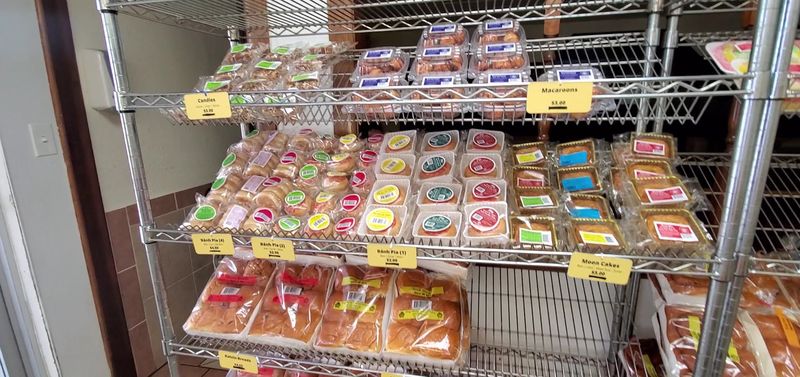
Production begins long before most customers consider breakfast. Dough must be mixed, rested, divided, shaped, scored, and baked in enough quantity to supply the bakery counter alongside restaurants and stores that depend on regular deliveries.
That creates a rhythm visible from the customer side. Racks arrive carrying rows of fresh loaves, staff package orders quickly, and another batch appears before the previous one has fully disappeared.
The scale is impressive, but the bread still depends on precise timing. A few minutes can determine whether the crust emerges delicate and crisp or too thick and dry.
Morning offers the best chance of seeing the bakery at full momentum. It also provides the widest selection, particularly when customers are buying large quantities for family meals, restaurant service, or holidays.
Arrive early without treating the experience like a race. Watch how efficiently the operation moves, choose sandwiches and pastries before the cases thin out, and add several baguettes for home.
Fresh bread freezes well, making overbuying considerably easier to justify.
A Community Anchor In New Orleans East
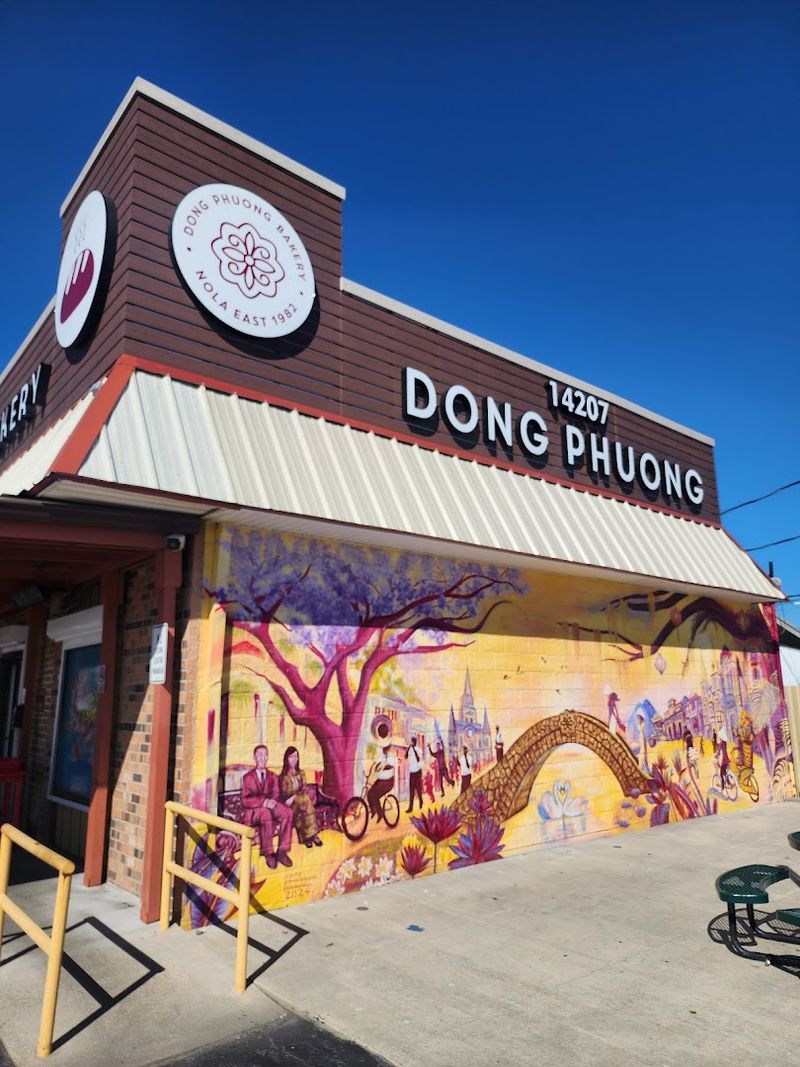
Long before national food writers began making the drive, the bakery served as a gathering point for Vietnamese families in New Orleans East. Bread, pastries, holiday foods, and restaurant meals allowed customers to maintain familiar traditions while building new ones in Louisiana.
Its significance reaches beyond food. Businesses like this helped establish a commercial and cultural center where language, family connections, religious life, and community support could continue after migration.
The bakery became somewhere to collect dinner, meet relatives, share news, and find ingredients or dishes unavailable elsewhere in the city.
Hurricane Katrina brought enormous disruption to New Orleans East, but the family returned and rebuilt. Reopening reinforced the bakery’s role as part of the neighborhood’s recovery rather than simply a business serving customers from outside the area.
Visitors should remember they are entering a living community, not an isolated culinary curiosity. Order widely, treat the staff patiently during crowded periods, and explore New Orleans East with respect.
The bakery’s importance comes partly from how deeply it belongs to the people around it.
Seasonal Delights To Anticipate
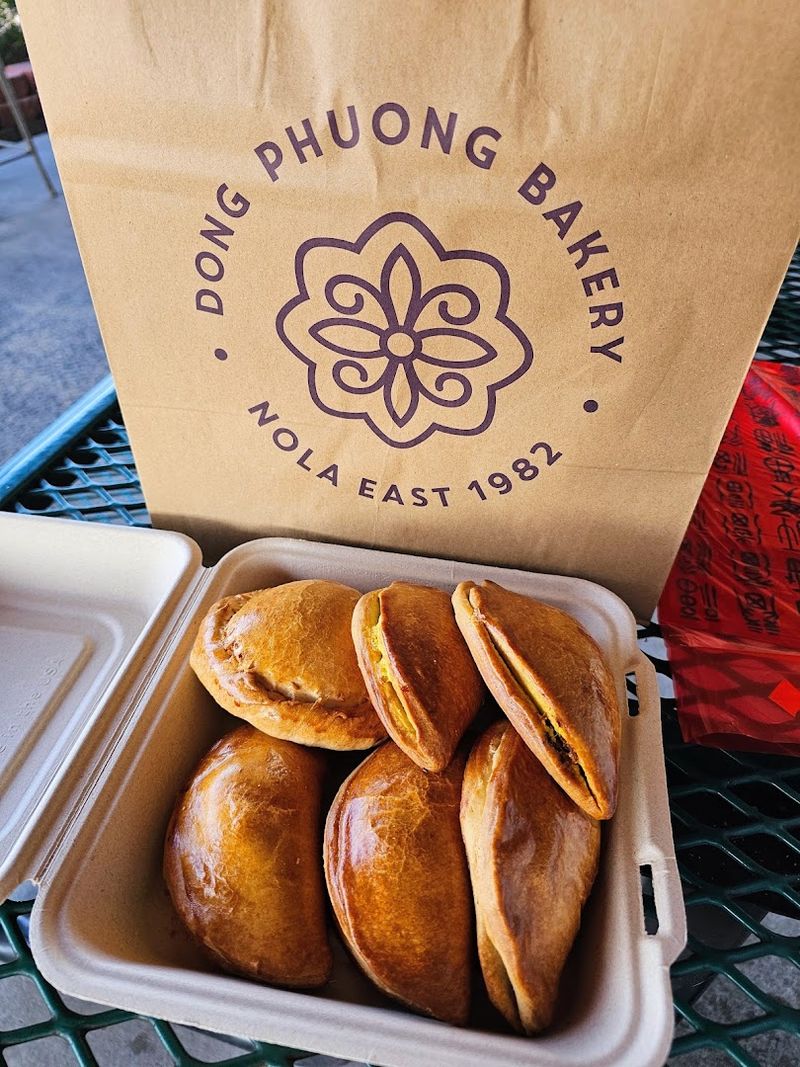
The bakery calendar changes with holidays, celebrations, and ingredients, giving regular customers reasons to return throughout the year. King cakes dominate Carnival, but other periods bring special pastries, gift boxes, and foods connected to Vietnamese and American holiday traditions.
Mid-Autumn Festival may introduce mooncakes with dense fillings and carefully pressed designs. Lunar New Year can bring sweets, savory dishes, and celebratory items associated with family gatherings.
Christmas and other major holidays often increase demand for cakes, breads, and trays meant for sharing.
Availability can shift, and not every seasonal item appears on a predictable schedule. Social media updates and direct announcements are more useful than relying on what was sold in a previous year.
Popular products may also require preordering rather than a spontaneous visit.
Seasonal buying is best approached with flexibility. Arrive hoping for a specific item, but allow the display case to redirect you if something else has just been prepared.
Part of the bakery’s appeal lies in that changing abundance, where the same storefront can feel completely different depending on the holiday approaching.
Huong Tran’s Enduring Vision
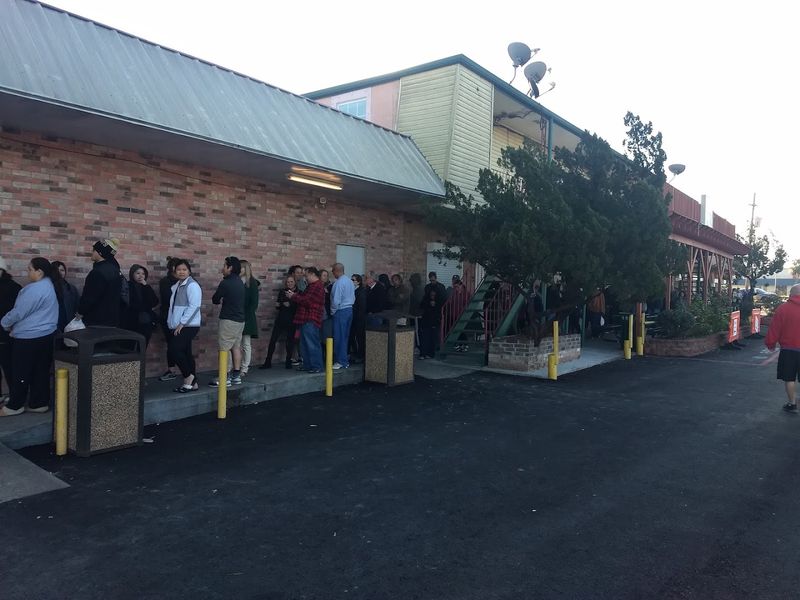
Family history is embedded in the bakery, but Huong Tran’s influence stands at its center. Her determination helped turn an immigrant family’s baking skills into a business capable of feeding both its immediate community and the wider city.
The achievement was not simply recreating Vietnamese food exactly as it had existed elsewhere. The bakery responded to New Orleans, serving products that felt authentic to Vietnamese customers while becoming useful and beloved across cultural lines.
French bread moved into restaurant kitchens, bánh mì attracted new audiences, and king cake evolved through the family’s own baking language.
That adaptability never required abandoning the bakery’s identity. Vietnamese flavors remain visible in the cases, dining room, and production methods, even as the business receives national attention and serves customers from across Louisiana.
The most enduring part of the vision may be how normal the success now feels. The bakery is no longer treated as an unexpected addition to New Orleans food culture.
It is part of that culture, proving that traditions grow stronger when families are allowed to carry them forward, reshape them, and share them.