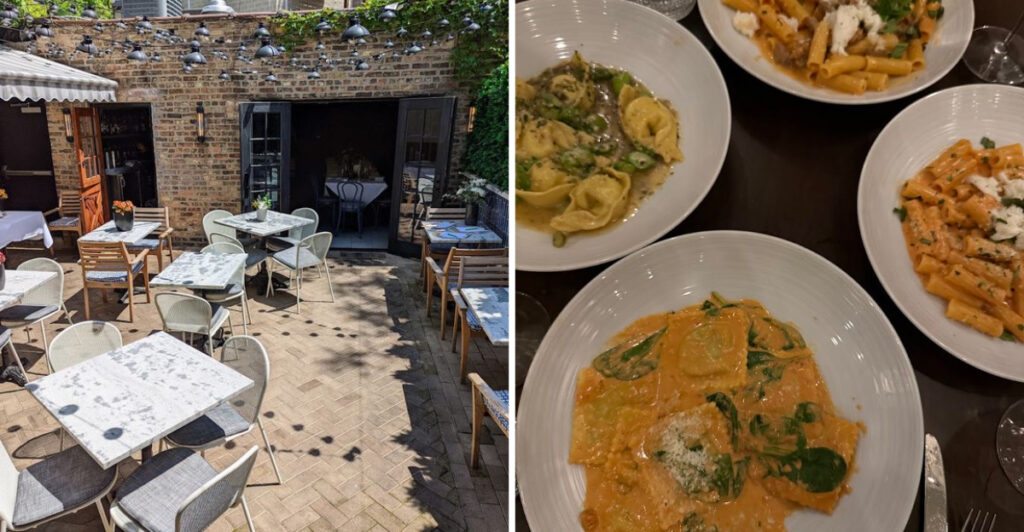
Choosing dinner gets difficult when every plate seems built for sharing.
This Lakeview dining room has kept Chicago tables busy since 1992 with rustic Italian cooking, and the kind of lively atmosphere that makes one course turn into three.
Pasta may start the conversation, but roasted chicken and dessert keep changing the plan. Roman and central Italian influences guide the kitchen, while familiar comfort keeps the menu approachable.
This was the original location behind a much larger restaurant family, yet the Clark Street address still carries the energy of where everything began.
Bring people willing to trade bites, and leave enough room for the course nobody planned to order.
Illinois has many Italian restaurants. This one still gets to say it started the story.
Clark Street Started The Story In 1992
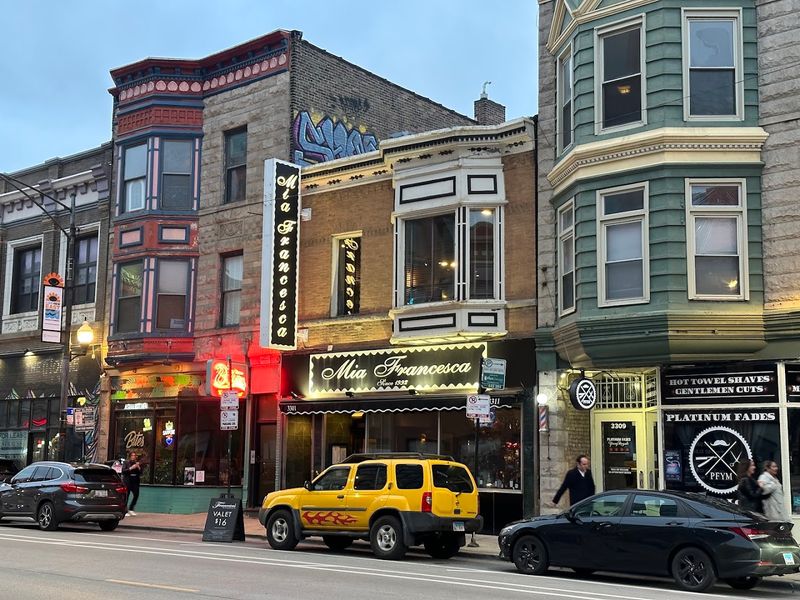
One cozy trattoria, borrowed family money, and a serious love of pasta launched the entire operation.
Chef and restaurateur Scott Harris opened Mia Francesca in Lakeview in 1992.
tThe restaurant’s own history traces the beginning to a small group of friends, financial help from his grandmother, and a plan centered on the warmth and simplicity he admired in Italian cooking.
The first location succeeded, and the Francesca’s family later expanded through Chicago and its suburbs.
The original restaurant remains important because it established the approach carried into those later dining rooms: hearty food, informal hospitality, and a table meant for conversation rather than ceremony.
That background appears in the menu without requiring a history lesson before dinner. Ingredients stay recognizable, preparations avoid unnecessary tricks, and several dishes are built for diners who would rather share tastes than guard a plate.
You can order one entrée and keep the evening straightforward. You can also begin with meatballs or calamari, add two pastas, compare roasted chicken with seafood, and let the table become its own tasting menu.
More than three decades later, Clark Street still serves as the place where the wider restaurant story started.
The Original Address Keeps Lakeview At The Center
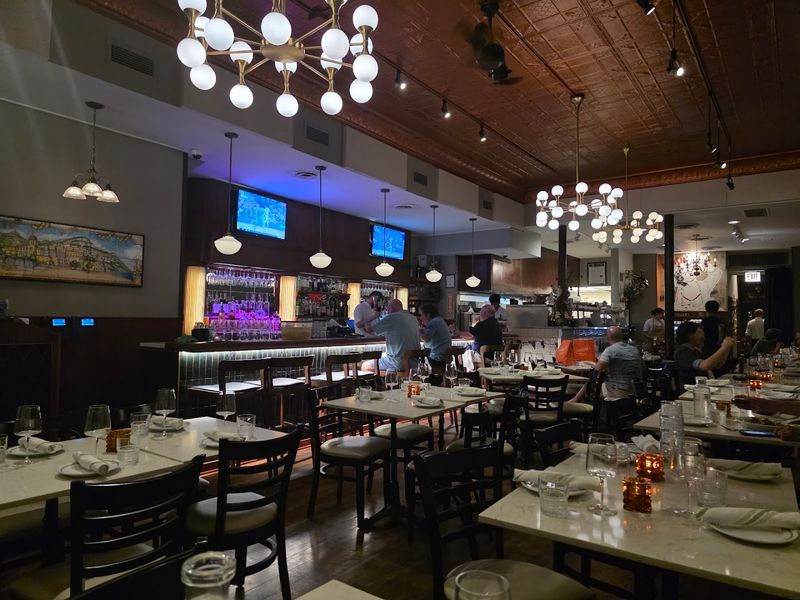
Lakeview supplies the movement outside, while the dining rooms handle the lively pace indoors.
Mia Francesca is located at 3311 North Clark Street, Chicago, Illinois 60657, near the intersection with School Street.
The surrounding neighborhood places the restaurant within reach of theaters, music venues, shops, and several public transit options, so dinner can anchor a longer evening without requiring a cross-city expedition.
The official location currently serves dinner throughout the week and accepts reservations. Booking ahead is a practical move for Friday and Saturday plans, larger parties, or any evening when arriving at an exact time matters.
Street parking is available nearby, though the Clark Street corridor can stay busy. Public transportation removes that search for many diners. The Belmont Red Line station sits within walking distance, and several bus routes serve the surrounding streets.
Arrive a little early and the neighborhood gives you room to walk before the meal. Arrive hungry and the appetizer list may erase every promise about ordering lightly.
Lakeview does not fade into the background here. It contributes the foot traffic, pre-show dinners, date nights, celebrations, and regulars that keep the original location connected to the city around it.
Rome And Central Italy Guide The Kitchen
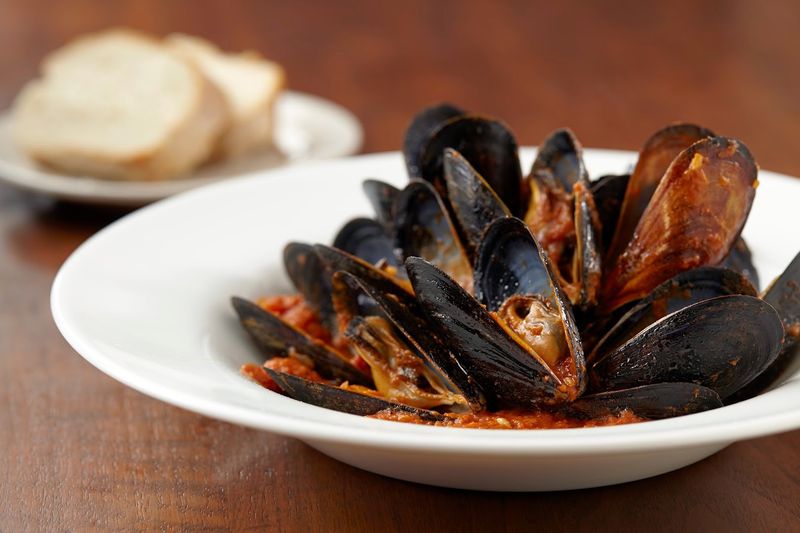
The menu has a map, even when no geography appears beside the dish names.
Mia Francesca describes its cooking as rooted in Rome and the surrounding regions of Tuscany, Umbria, and Lazio.
Those traditions favor direct flavors, seasonal produce, olive oil, herbs, pasta, roasted meats, and sauces that support the main ingredient instead of burying it.
That direction explains why a plate can look uncomplicated and still command attention. Roasted beets arrive with walnut butter and crème fraîche. Lentils pair with spinach and goat cheese.
Mussels come in either spicy marinara or a white wine and garlic preparation, with rustic bread ready for the sauce.
Nonna’s meatballs bring whipped ricotta and pomodoro, while sausage and roasted peppers keep another starter firmly in trattoria territory. Calamari stays crisp and familiar, accompanied by lemon and spicy marinara.
Seasonal menu adjustments allow the kitchen to change ingredients without abandoning its regional identity. A regular can return for a familiar style of dinner even when a particular vegetable, fish, or preparation has shifted.
The easiest way to order is to choose contrasts. Pair something crisp with something saucy, something bright with something rich, and at least one plate everyone at the table will immediately claim they only wanted to taste.
Pasta Turns Ordering Into A Table Debate
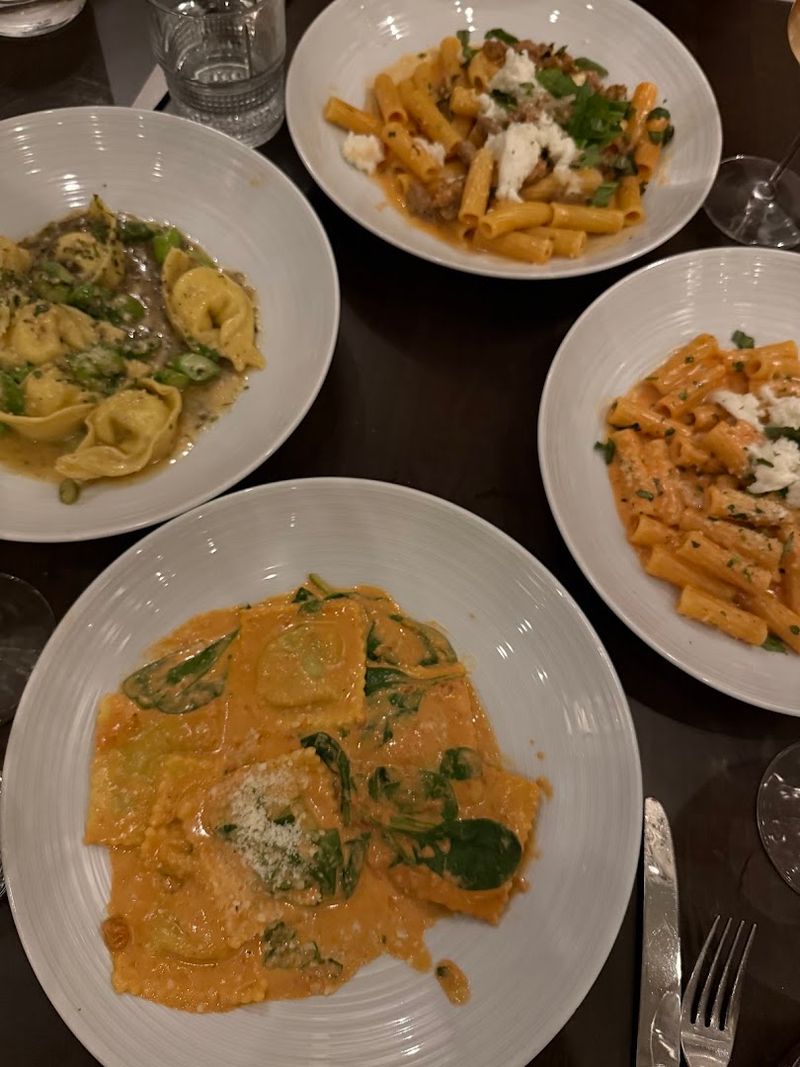
Rigatoni, linguine, spaghetti, or ravioli? That question can delay dinner faster than any wait at the door.
Rigatoni dish combines crumbled sausage, fresh mozzarella, Parmigiano, and sauce. The wide tubes catch the sauce and small pieces of sausage, giving every forkful enough structure to stand as the center of the meal.
Spaghetti alla Carbonara takes a richer route with pancetta, black pepper, Parmesan cream sauce, and egg yolk. Dana’s Bolognese keeps the tomato and meat combination familiar, finished with basil and Pecorino.
Seafood pushes the pasta list in another direction. Linguine con Frutti di Mare brings shrimp, clams, mussels, and calamari into spicy marinara.
Linguine con Vongole uses Manila clams, garlic, red chili flakes, olive oil, white wine, and parsley for a lighter sauce with plenty of character.
Ravioli ai Spinaci adds four-cheese and pomodoro sauces, Parmigiano, and spinach. Linguine Arrabbiata keeps the ingredients leaner, relying on spicy tomato sauce, parsley, and cheese.
One pasta can satisfy a focused appetite. Two pastas placed in the middle create better conversation. Which bowl would you protect from the first wandering fork?
Roasted Chicken And Seafood Broaden The Table
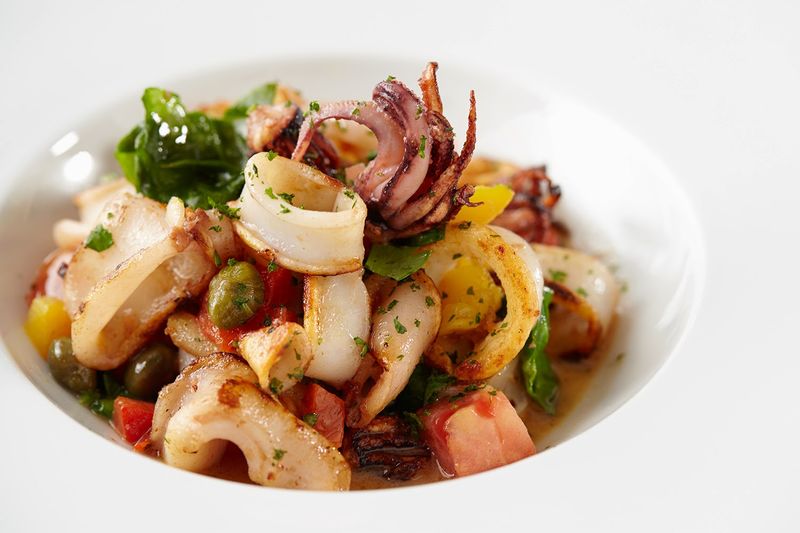
Not every diner wants pasta to carry the entire evening.
Pollo Arrosto alla Romana gives the menu one of its clearest regional statements. A roasted half chicken comes with garlic, shallots, rosemary, chili flakes, lemon, olive oil, and roasted potatoes.
The preparation balances crisp edges, aromatic herbs, and enough acidity to keep the plate lively.
Pollo Milanese moves toward crunch, pairing crispy chicken with rigatoni alla vodka, cherry tomatoes, arugula, red onion, and Grana Padano. It gives anyone stuck between chicken and pasta a convenient way to stop choosing.
Seafood choices include pan-seared Atlantic salmon with asparagus, avocado, red onion, and tomatoes. Roasted whitefish comes with broccoli, cherry tomatoes, mushrooms, eggplant, zucchini, garlic, and white wine.
Melanzane Parmigiana provides a meatless main built around baked eggplant, tomato-basil sauce, fresh mozzarella, Parmigiano, and linguine. A braised pork shank with saffron risotto and salsa verde takes the table toward a slower, heavier finish.
Sides such as sautéed spinach, mushrooms, mixed vegetables, roasted potatoes, and aglio e olio pasta help a group round out the order without adding another full entrée.
Build the meal around variety, and nobody has to pretend they did not want a bite of everything.
Intimate Rooms Keep Dinner Lively
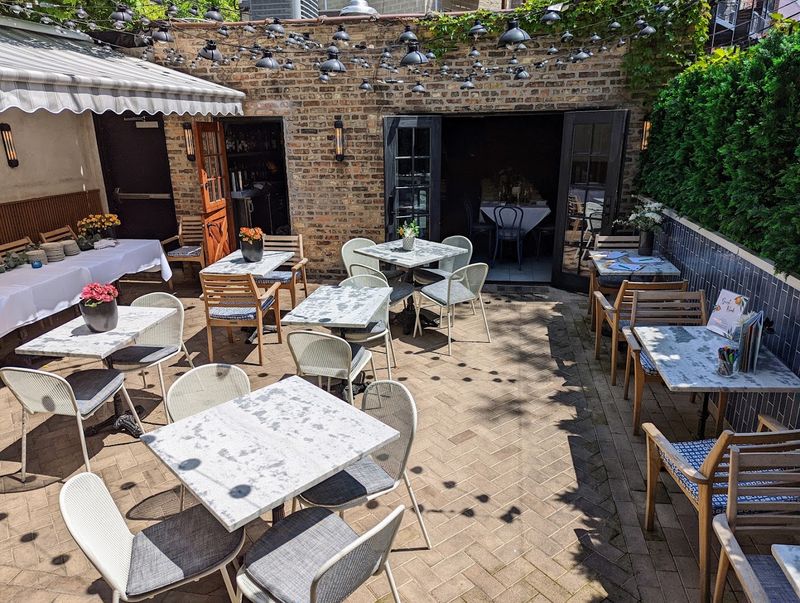
The dining room rarely lets conversation disappear into empty space.
Mia Francesca is known for a contemporary trattoria setting that combines warm wood, active dining rooms, and black-and-white photographs of rural Italian life.
The original space was renovated in 1992 with attention to earlier fixtures, giving the restaurant a city character without losing its neighborhood scale.
That intimacy makes nearby plates difficult to ignore. A bowl of pasta passes, roasted chicken reaches the next table, and your original order suddenly begins requiring amendments.
The restaurant also has spaces for groups. An upstairs dining room and lounge can host private gatherings, while the Coach House behind the main restaurant offers a more contained setting.
Private and semi-private event formats include family-style meals, plated courses, and receptions.
During warmer weather, outdoor dining is available on a cobblestone terrace. The patio changes the pace without separating you from the Lakeview activity around the restaurant.
Reservations help organize the evening, but the room still keeps the energy of a neighborhood dining spot rather than a formal banquet hall.
You can bring a date, gather relatives, plan a birthday dinner, or sit down before a nearby show without changing the restaurant’s essential rhythm.
Once the room fills, every arriving plate becomes part of the atmosphere.
Dessert Gives The Last Table A Reason To Linger
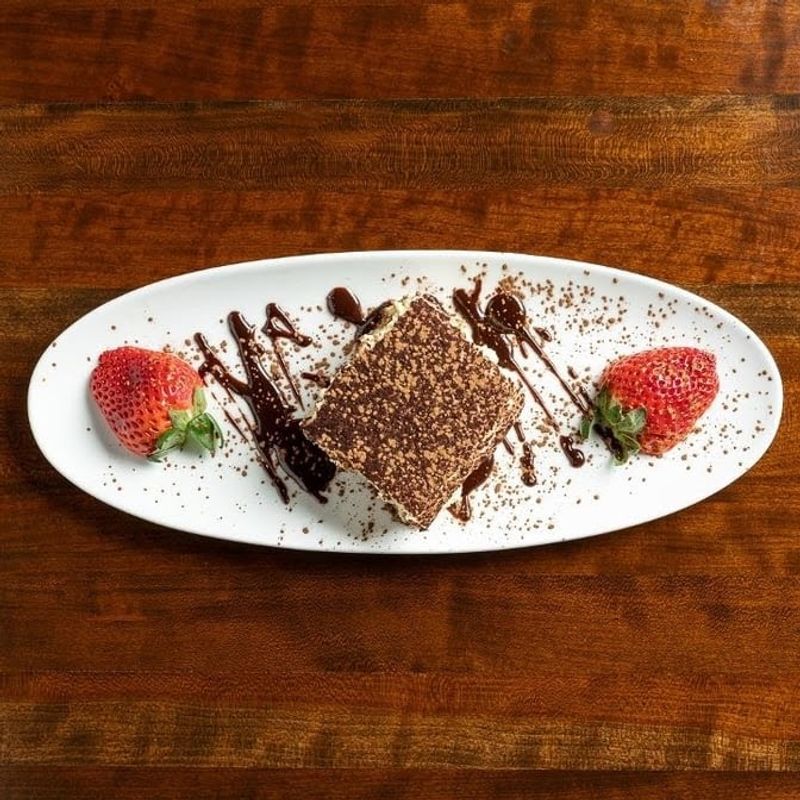
The entrée plates leave, and the menu starts one final negotiation.
Tiramisu layers espresso-soaked ladyfingers with mascarpone cream, chocolate sauce, cocoa, and a small amount of rum. It is the familiar choice for diners who prefer to end an Italian meal with coffee flavor already built into dessert.
Lemon olive oil cake offers a brighter finish with vanilla whipped cream and fresh berries. Chocolate torte heads in the opposite direction, combining chocolate cake, fudge, vanilla bean gelato, cherries, and a chocolate sea-salt crumble.
The current dessert list also includes profiteroles with pistachio gelato and chocolate sauce, sticky toffee carrot cake with candied walnuts and sour cream gelato, and a brioche pudding accompanied by fruit, gelato, and caramel.
Anyone still capable of a larger finale can consider the Sloppy Sundae, which combines vanilla gelato, caramel, chocolate, biscotti, candied pecans, whipped cream, and a cherry.
Sharing sounds practical until two people want the same last spoonful. Ordering separate desserts solves that problem and creates another opportunity to compare plates.
Mia Francesca started with pasta, hospitality, and a Lakeview address that kept drawing people back. After the final course, would you leave first, or ask for one more coffee and let the last table stay occupied a little longer?