Train travel becomes unforgettable when the scenery starts doing more than filling the window. Across canyon walls, open desert, and quiet communities, the route reveals landscapes that drivers often rush past without noticing.
Rail journeys through Utah make that slower perspective feel like part of the adventure rather than a delay. Step off for a few hours and the trip changes again, replacing distant views with local streets, historic corners, riverside walks, and meals that deserve more than a hurried stop.
There is no need to overpack or organize every minute. Bring a light bag, choose one destination, and leave enough space for something unexpected.
That freedom is the real luxury. By the time the train continues across Utah, you may realize the best part was not reaching the station.
It was letting the rails set the pace and discovering how rewarding travel feels when nobody is racing the clock.
Gilgal Sculpture Garden, Salt Lake City
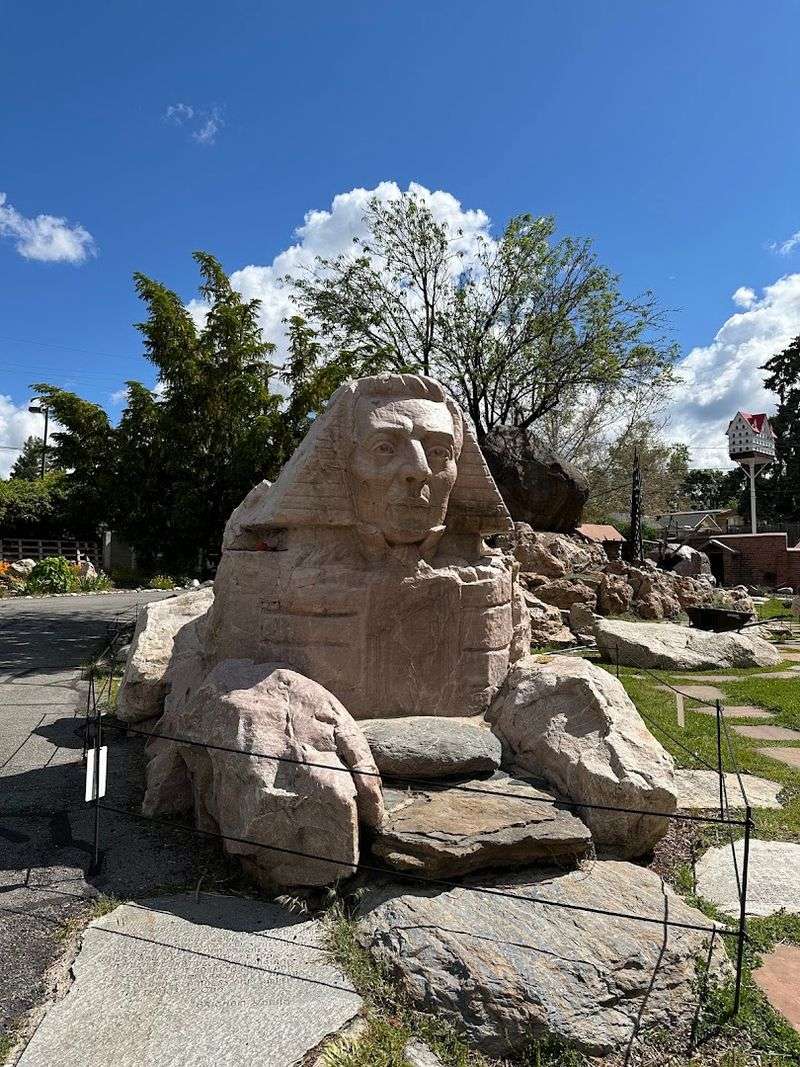
Tucked behind a quiet residential block at 749 E 500 S in Salt Lake City, Gilgal Sculpture Garden is the kind of place that makes you do a double-take and then immediately text someone a photo. Created by a local mason named Thomas Child over several decades, the garden is packed with hand-carved stone sculptures that blend Mormon symbolism, Egyptian imagery, and pure personal vision.
There is a sphinx with the face of Brigham Young. That sentence alone should be enough to get you on the train.
The garden is free, open seven days a week, and small enough to explore in under an hour. That makes it an ideal first stop after stepping off at the Salt Lake City station.
You can walk the shaded paths, read the inscribed stones, and spend a solid twenty minutes just puzzling over what you are looking at. Bring a bottle of water and comfortable shoes.
My honest take: this is one of the most quietly eccentric spots in all of Utah. No crowds, no admission fee, and a story behind every stone.
If you skip it, you will regret it before you even get back on the train.
Pioneer Memorial Museum, Salt Lake City
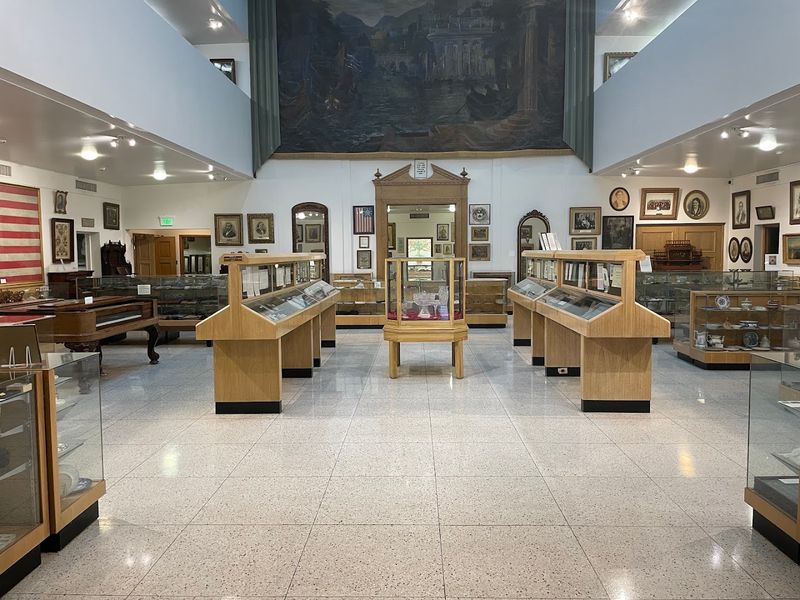
Standing at 300 N Main Street in Salt Lake City, the Pioneer Memorial Museum holds one of the largest collections of Utah pioneer artifacts in the entire country. We are talking covered wagons, hand-stitched quilts, period clothing, tools, furniture, and thousands of photographs that document life on the frontier in remarkable detail.
History museums can sometimes feel dusty and obligatory, but this one earns its square footage.
Open Monday through Friday, the museum is best visited on a weekday trip, which makes it a natural fit for a Southwest Chief run during the shoulder season when crowds thin out. Plan to spend at least ninety minutes here.
The collection spans multiple floors and each room tells a different chapter of Utah’s settlement story. Kids who have studied westward expansion in school will find it clicks in a whole new way when they are standing in front of the actual artifacts.
Personally, I find these kinds of museums more moving than any monument. Real objects carried by real people across an unimaginable landscape hit differently than a brass plaque ever could.
Add this to your Salt Lake City day and you will leave with a much fuller picture of the state you just rolled through on the rails.
International Peace Gardens, Salt Lake City
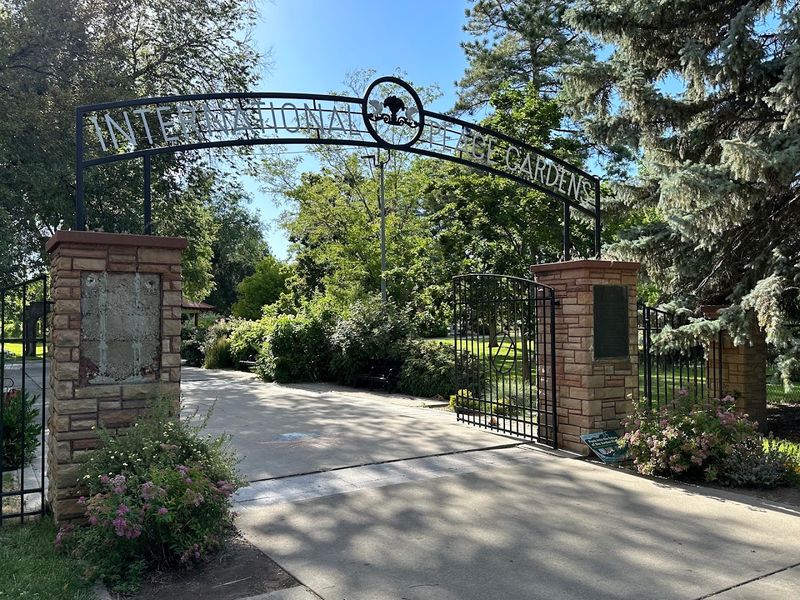
Located at 1060 S 900 W in Salt Lake City, the International Peace Gardens sit along the Jordan River and represent dozens of countries through individual garden plots, sculptures, and plantings. The whole place has a calm, generous spirit.
Each section was designed and maintained by a different cultural community, so walking through feels less like a single garden and more like a slow, quiet tour of the world.
The gardens are open year-round, but the real showstopper season runs from May through October when the flower displays are at full volume. If your Southwest Chief trip lands anywhere in that window, this is a genuinely beautiful way to spend a couple of hours.
Bring a picnic, let the kids run between sections, and take your time. There is no admission fee and no pressure to rush.
What I appreciate most about this spot is how unhurried it feels. Salt Lake City is a busy, growing city, but the Peace Gardens operate on a completely different clock.
The Jordan River path nearby adds an easy extension if you want a longer walk. For a free, low-effort, high-reward stop, this one belongs near the top of any Salt Lake City day-trip list.
BYU Museum of Paleontology, Provo
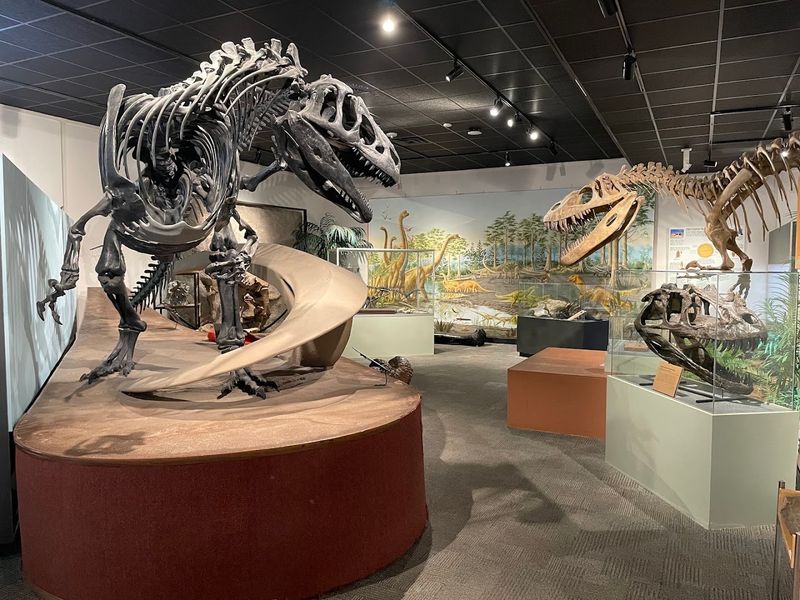
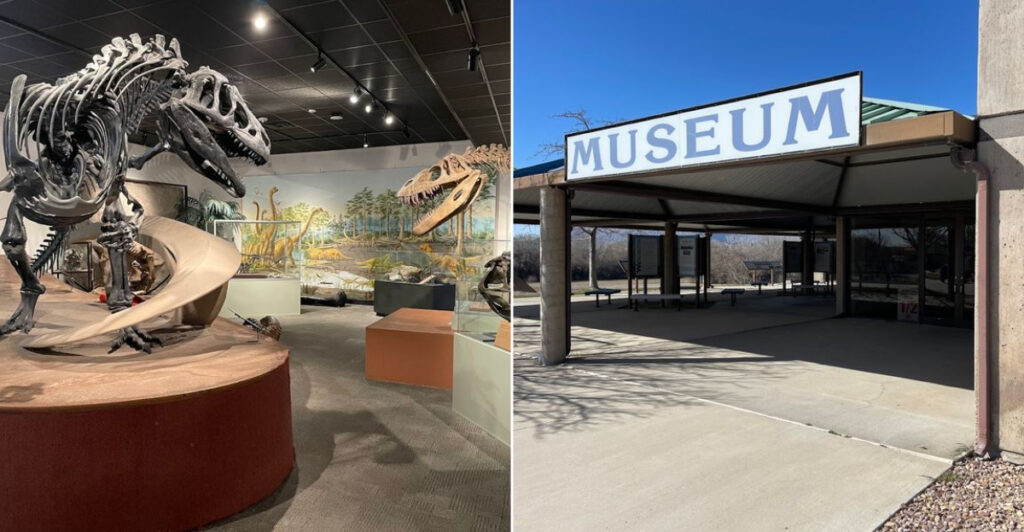
Provo keeps a genuinely impressive secret at 1683 N Canyon Road, tucked inside Brigham Young University’s campus. The BYU Museum of Paleontology is free to visit and houses a collection of dinosaur fossils and bones that rivals museums charging serious admission prices.
The centerpiece displays include massive specimens excavated from sites across the American West, and the scale of some of these creatures is simply hard to process until you are standing next to them.
Open Monday through Friday, this museum works perfectly for a weekday Southwest Chief trip to Provo. Budget at least an hour, though dinosaur enthusiasts and curious kids will easily stretch it to two.
The staff are knowledgeable and approachable, and the exhibits are organized in a way that makes the science accessible without dumbing it down. Families especially get a lot of mileage out of this stop.
I have a soft spot for under-the-radar natural history collections, and this one genuinely surprised me on my first visit. The fact that it is free and located on a university campus means it never gets the attention it deserves from out-of-town visitors.
That is your gain. Pair it with a campus walk and a meal in downtown Provo and you have a full, satisfying day with almost zero planning required.
Monte L. Bean Life Science Museum, Provo
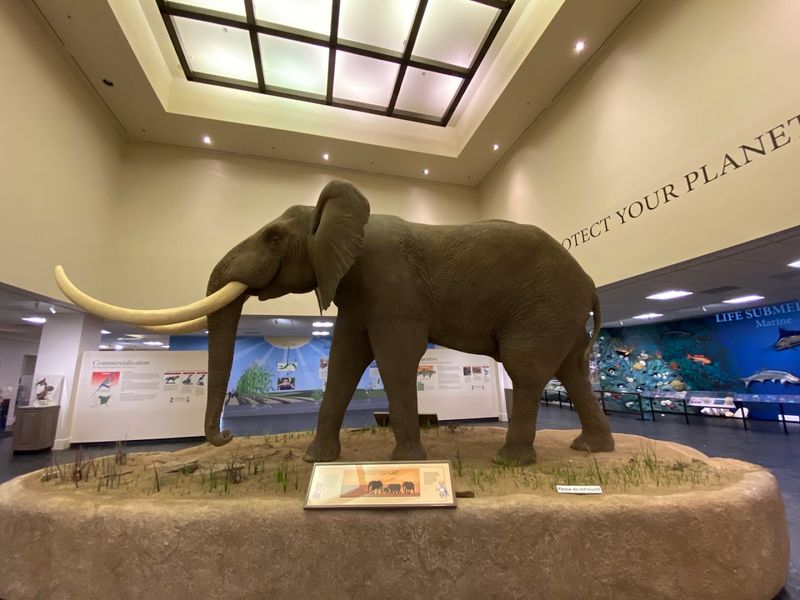
Also on the BYU campus in Provo, the Monte L. Bean Life Science Museum at 645 E 1430 N is a natural history gem that most visitors outside Utah have never heard of.
The collection spans insects, fish, reptiles, birds, and mammals from around the world, all displayed with care and context. The taxidermy exhibits are extraordinary in both scale and quality.
Walking through the main hall feels like stepping into a very well-organized wilderness.
Open Monday through Saturday with extended evening hours on weekdays, this museum offers more scheduling flexibility than many of Provo’s other attractions. That makes it an easy fit whether your train arrives mid-morning or early afternoon.
Give yourself ninety minutes minimum, especially if you are visiting with children who tend to stop at every display case, which is honestly the right approach.
What sets this museum apart for me is its breadth. Most natural history collections lean heavily on one category, but the Bean Museum covers the full sweep of life science with genuine depth.
It is the kind of place where a curious ten-year-old and a retired biologist can both find something that holds their attention completely. Free admission seals the deal.
Provo rewards the visitor who takes time to look beyond the obvious, and this museum is proof of that.
The Helper Museum, Helper
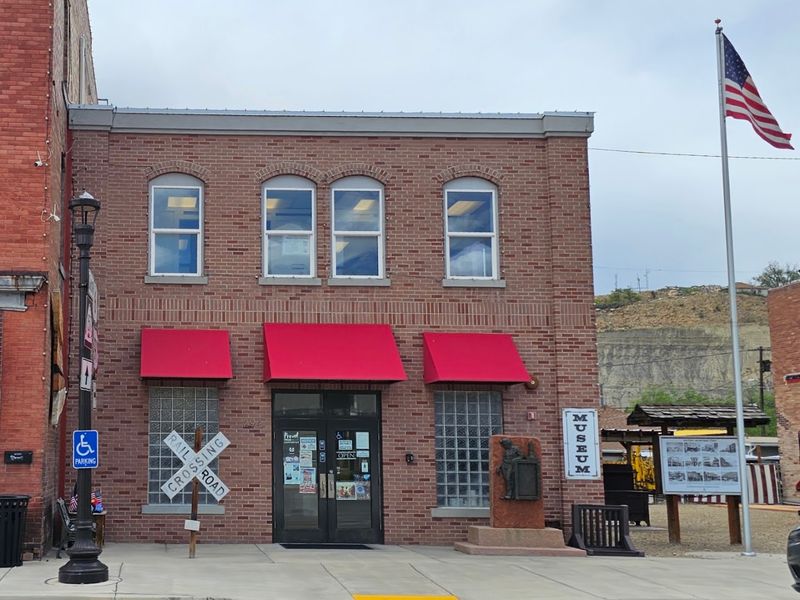
Helper, Utah is one of those towns the train was literally built to serve, and the Helper Museum at 296 S Main Street tells that story with real conviction. The collection covers the town’s dual identity as a railroad hub and a coal-mining community, two industries that shaped every family, every street, and every building in this compact canyon town.
Railroad equipment, mining gear, period photographs, and personal histories fill the exhibits with texture and weight.
Open Monday through Saturday, the museum is a natural anchor for a Helper day trip off the Southwest Chief. The town itself is small enough to walk entirely, which makes combining the museum with a stroll down Main Street an easy and satisfying half-day plan.
Helper has a genuine, unpolished character that larger tourist destinations work hard to fake. You will notice it immediately when you step off the platform.
Honestly, Helper might be my favorite surprise on this entire route. It has the bones of a classic American working town and a growing arts scene that adds an unexpected layer to the experience.
The museum grounds that visit in real history so you are not just wandering around admiring old buildings without understanding what built them. Give Helper a few hours and it will give you a lot back.
John Wesley Powell River History Museum, Green River
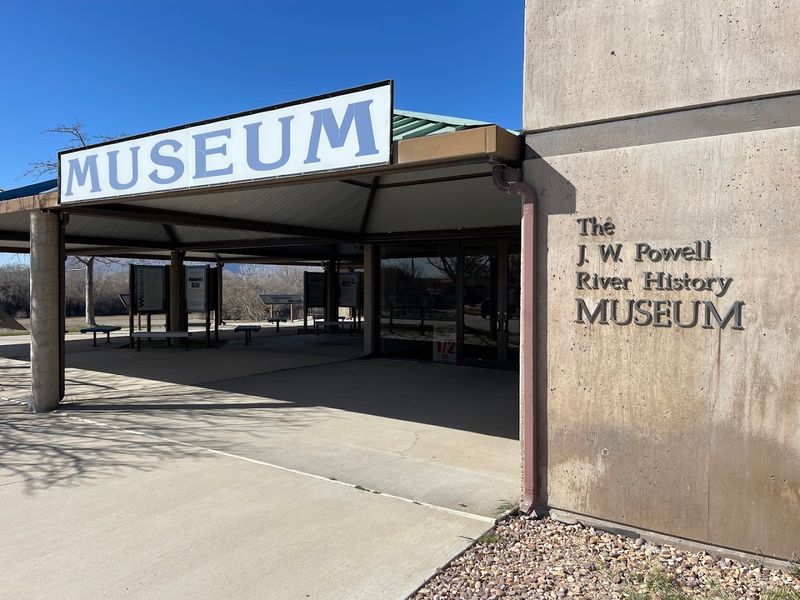
Green River, Utah sits at the edge of some of the most dramatic canyon country on earth, and the John Wesley Powell River History Museum at 1765 E Main Street tells the story of the man who first mapped it. Powell’s 1869 and 1871 expeditions down the Green and Colorado rivers were among the most audacious journeys in American exploration history.
The museum brings those expeditions to life through artifacts, photographs, river craft, and exhibits that make the sheer scale of what Powell accomplished feel genuinely staggering.
Open Tuesday through Saturday, the museum is the clear centerpiece of a Green River day trip. Plan at least ninety minutes inside, then pair it with a walk through Green River State Park at 450 S Green River Boulevard, where the riverside setting gives you a direct view of the water Powell once paddled.
The park is open in summer from 7 a.m. to 10 p.m., leaving plenty of daylight for a relaxed afternoon.
Green River also happens to be famous for its cantaloupes and watermelons, so if you visit in late summer, grab some local fruit before you reboard. The combination of serious history, beautiful river scenery, and genuinely good produce makes Green River one of the most complete and rewarding stops on the entire Southwest Chief route through Utah.