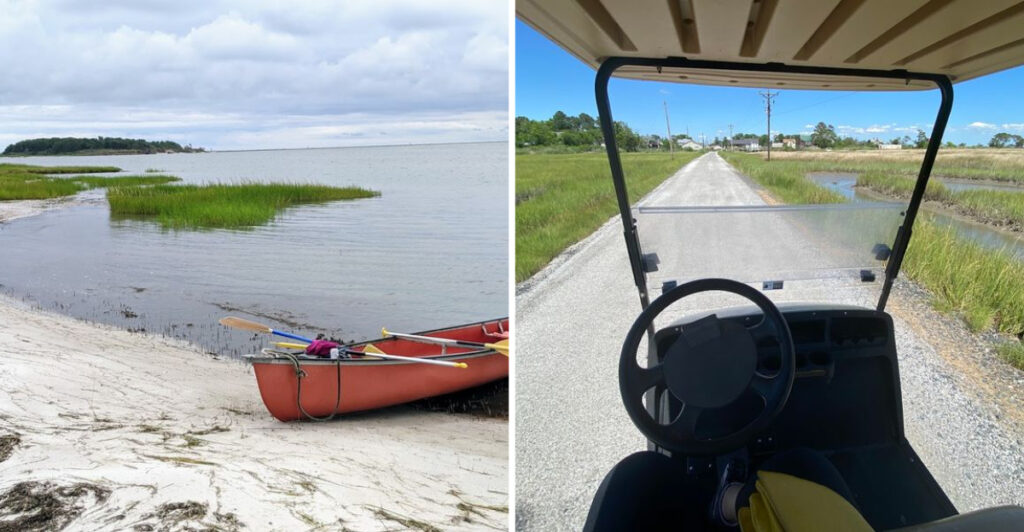
This Maryland escape begins by leaving your car, your hurry, and most of your usual travel habits on the mainland.
The boat ride across the Chesapeake Bay does more than get you there. It clears the noise, trades traffic lights for open water, and makes the day feel different before you even reach the dock.
Once ashore, golf carts, bicycles, and your own two feet take over. Narrow roads pass white homes, and broad water views that would disappear in a blur anywhere else.
There is no reason to rush, and nothing here rewards trying.
Maryland has plenty of waterfront getaways, but this one turns slowing down into the whole point of the trip.
The Boat Ride Leaves Mainland Traffic Behind
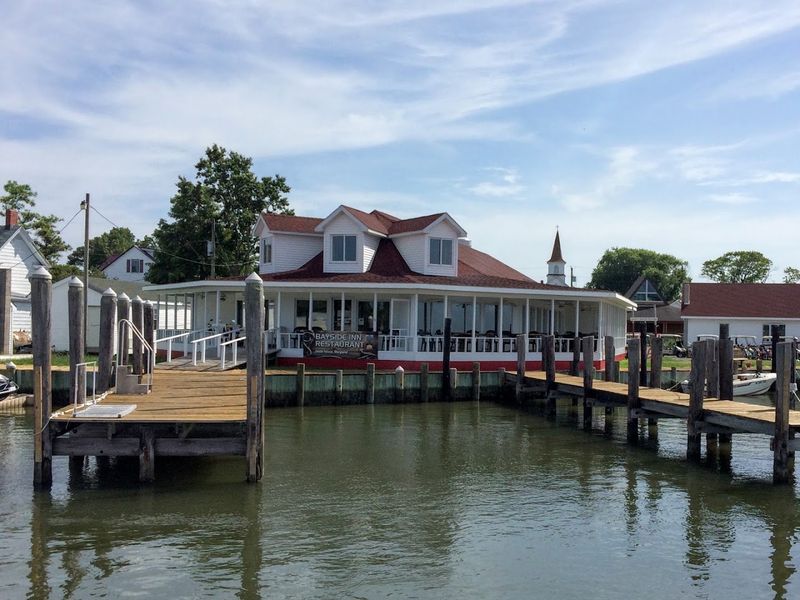
No bridge means the vacation starts before your shoes touch the island.
Passenger boats connect Smith Island with Crisfield, while seasonal cruises also operate from Point Lookout.
The published 2026 schedule from Smith Island Cruises lists departures from Crisfield on selected Wednesdays through Sundays and Point Lookout service from Thursday through Sunday during the main season.
Reservations are required, and weather can affect any trip across the bay.
That advance planning is worth the trouble. From Crisfield, the ride carries you across open Chesapeake water as the mainland gradually loses detail behind the boat.
Low marsh islands begin replacing buildings, gulls track the wake, and Ewell appears as a thin line of homes and docks against a very large sky.
Bring a light layer even when the forecast looks warm. Open water can add a cooler breeze, and the return ride may seem different once the sun drops. Arrive early enough to handle parking and boarding without turning a peaceful crossing into a dockside sprint.
Private boats and guided tours offer other ways over, but the rule never changes: Smith Island begins with water. You do not simply reach Ewell. You watch the mainland loosen its grip mile by mile.
Golf Carts Turn Ewell Into A Slow-Motion Tour
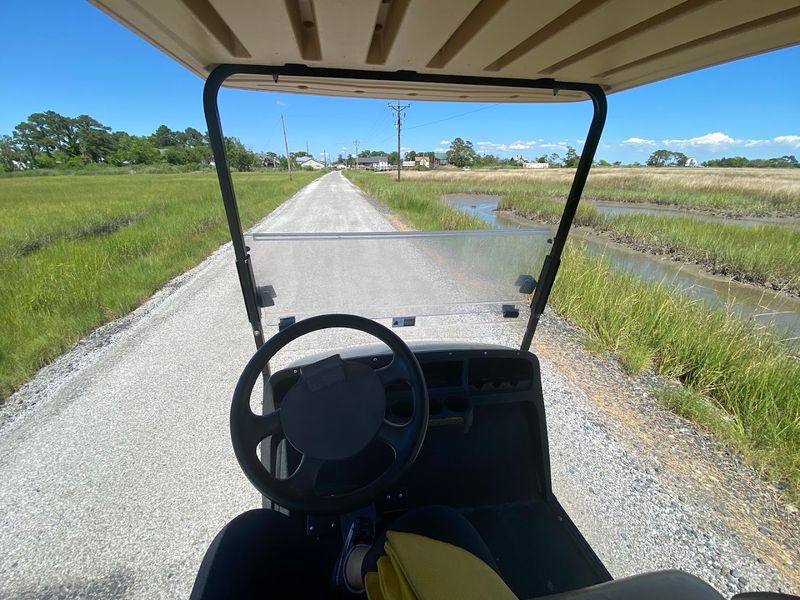
Your rental has four wheels, no trunk drama, and absolutely no interest in speeding.
Golf carts are one of the easiest ways to explore Ewell and the road toward Rhodes Point. Current visitor information lists two-seat and four-seat rentals through Bayside Inn on a first-come basis.
Another operator, Victoria and Grace, accepts walk-ups when carts remain available but recommends reserving because the supply is limited.
That small bit of preparation can shape the entire day. A cart gives families and visitors with limited walking time an easy way to see more of the village without rushing between the dock, lunch, shops, and the museum.
Use the Smith Island Cultural Center at 20846 Caleb Jones Road, Ewell, Maryland 21824 as a practical landmark while planning your loop.
From there, narrow roads carry you past clapboard houses, gardens, boats, crab shanties, and marsh openings where the horizon suddenly takes over.
The cart moves slowly enough for details to register. You notice painted porch trim, stacks of crab pots, church towers, and birds standing near the road with the confidence of residents who know vehicles will wait.
A golf cart will not make Ewell larger. It simply makes every small part easier to notice.
Five Miles Connect Ewell And Rhodes Point
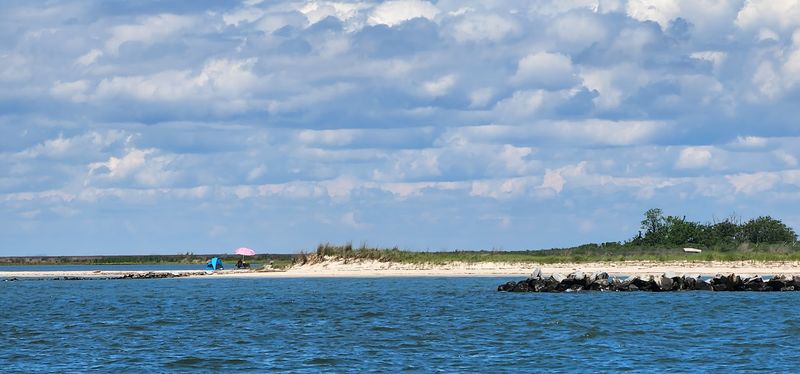
The odometer barely moves, but the scenery keeps finding new material.
Ewell and Rhodes Point share the same landmass, and the National Park Service describes the bicycle trip between them and back as roughly five miles. You can pedal the route or cover it by golf cart, depending on how much exercise you want mixed into the sightseeing.
The road runs through open marsh and quiet residential stretches before reaching Rhodes Point, a smaller community facing the water. Along the way, grasses bend in the breeze, narrow creeks cut through the wetlands, and birds often appear before another vehicle does.
Pack water and sun protection because the flat landscape offers wide views but limited shade. Bug spray also earns its place in the bag, especially during warmer months around the marsh.
Tylerton, the island’s third village, cannot be reached by this road. It sits on a separate landmass, and local water-taxi service connects it with Ewell. That geography helps explain why Smith Island is better understood as three communities rather than one compact town.
Do not treat Rhodes Point as a finish line. Stop, look around, and let five miles consume far more time than the number suggests.
The Cultural Center Gives The Scenery A Backstory
Pretty views are better once you know who has worked inside them.
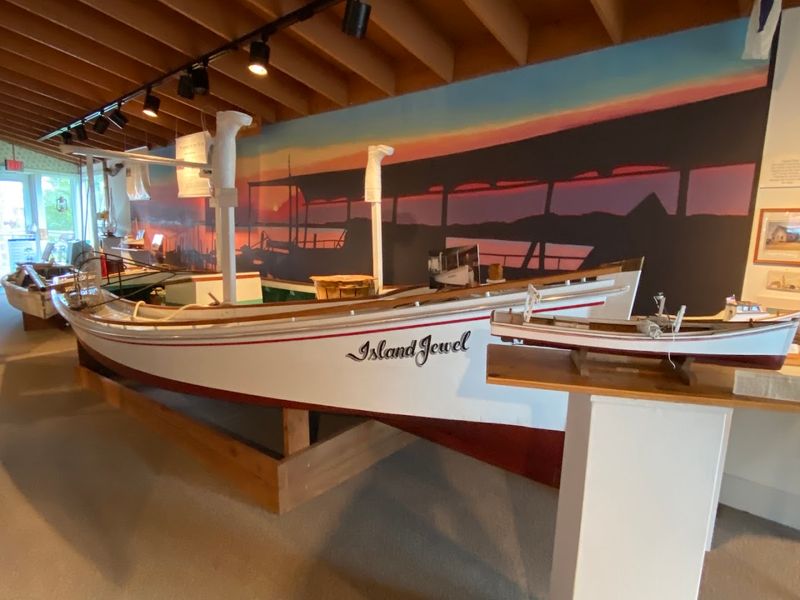
The Smith Island Cultural Center explores the island’s history, natural setting, and close relationship with the Chesapeake Bay.
Hands-on exhibits cover crabbing, traditional boats, watermen, and family life, while an archive of photographs and genealogical material adds names and faces to the broader story.
A short film, Land And Water, People And Time, features interviews with lifelong residents. Watch it early in the visit when your schedule allows.
The people on screen explain details you may otherwise pass without recognizing, including the purpose of crab shanties and the seasonal routines behind a working waterfront.
The center currently opens daily from noon to 4 p.m. from May through October. Visits during the colder part of the year should be arranged in advance.
Small-island schedules can change, so checking before boarding is always wiser than assuming every door will match your itinerary.
The gift shop carries books, locally connected keepsakes, and practical reminders that this is a museum rooted in a living community, not a story sealed behind glass.
Spend an hour here, and the rest of Ewell stops looking merely scenic. It starts introducing itself.
Watermen Keep The Working Waterfront Real
Before breakfast reaches your plate, somebody may already have been working on the bay for hours.
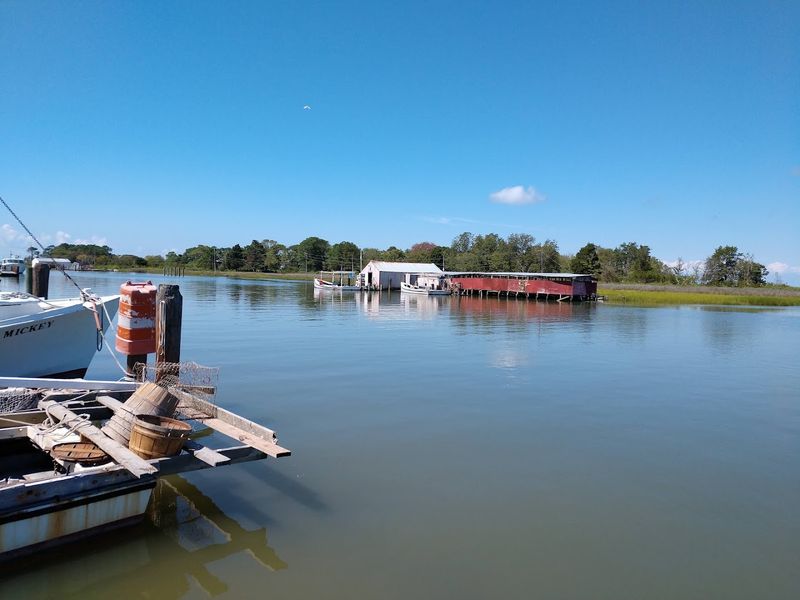
Crabbing and oystering have shaped Smith Island for generations, and watermen still make their living from the surrounding waters. Boats, shedding shanties, baskets, pots, and docks are not decorative pieces arranged for visitors.
They belong to an industry that continues to organize daily life around tides, weather, and seasonal harvests.
You may see a workboat leaving early or returning with gear stacked across the deck. Watch respectfully from public areas and remember that the waterfront is somebody’s workplace. A guided trip with a local captain can provide a closer look without placing you in the way.
Current island listings include crabbing excursions, shanty visits, wildlife cruises, and days spent on the water with working watermen.
Those experiences add context that a casual walk cannot supply, especially when the guide grew up reading the same channels and weather patterns.
This living connection to the Chesapeake gives Ewell its strongest character. The village welcomes travelers, but it was never built as a display for them.
The next time a Maryland crab lands on your table, Smith Island may be the place that finally puts a boat behind the name.
Kayaks Open The Marsh Beyond The Road
Golf carts get the attention, but the creeks keep a second island waiting.
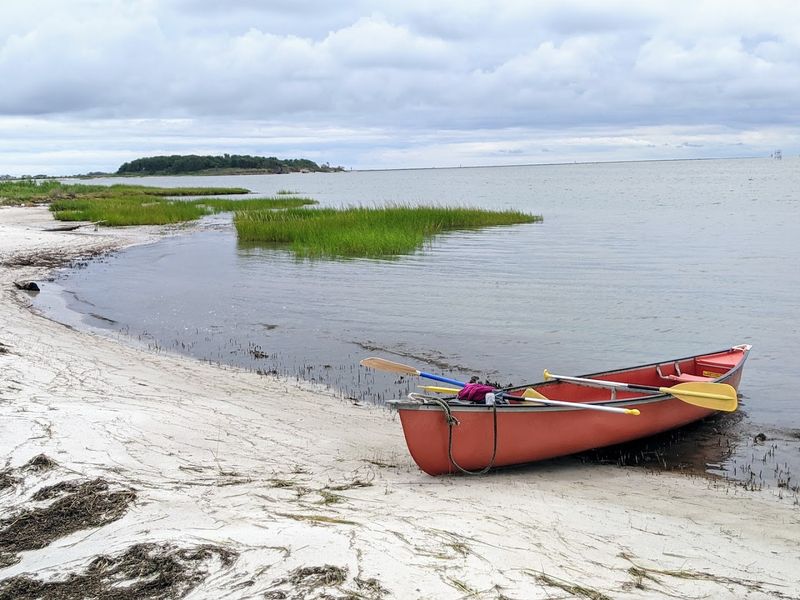
Smith Island has several water trails winding around marshes, hummocks, and small uninhabited islands. Local rentals include single, tandem, and child-sized kayaks, along with maps, fitted life jackets, and basic safety equipment.
Guided paddles are also available for visitors who would rather follow someone familiar with the channels.
The sheltered routes can look calm, but tides, wind, heat, and open-water crossings still deserve respect. Ask local operators which route fits your experience and the day’s conditions. A peaceful photograph is not a substitute for current advice.
Once you leave the road, the scale changes. Marsh grass rises beside the kayak, creeks turn without warning, and birds use the air above you like a busy intersection.
Bring binoculars in a dry bag, keep your camera secure, and pause often enough to hear what the cart engine covered.
Visitors who prefer a motor can book bird-watching trips, pelican-rookery excursions, sunset cruises, and island shuttles with local captains. Tylerton can also become part of the day by water taxi.
Ewell moves slowly on land. Out in the marsh, the tide gets to choose the pace.
Smith Island Cake Ends The Day In Layers
After boats, bicycles, and golf carts, dessert takes over transportation.
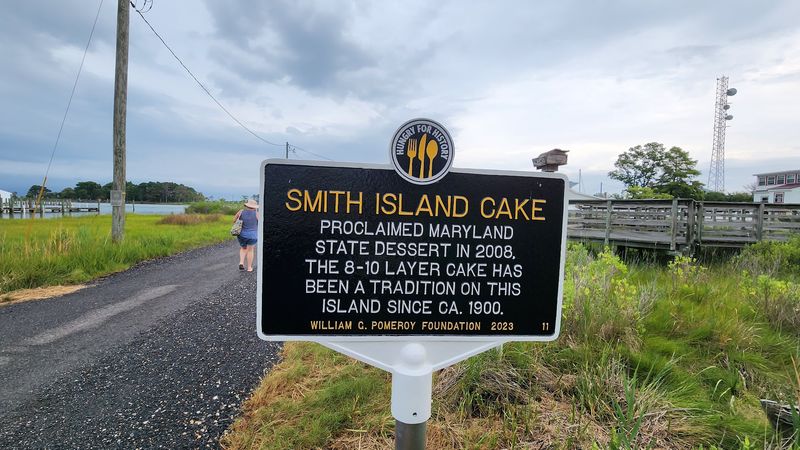
Smith Island Cake became Maryland’s official state dessert in 2008. The traditional version stacks eight to ten thin layers of yellow cake with chocolate frosting spread between them and over the outside.
Variations now use other cake and frosting flavors, but the dramatic striped slice remains the giveaway.
The cake developed through island kitchens long before lawmakers gave it a title. Thin layers created a celebratory dessert that could travel, share easily, and show the care of the baker with every cut.
Today, that family tradition has become the island’s most famous edible calling card.
The Smith Island Bakery and Gift Shop sells cake whole, by the half, and by the slice during its posted operating hours. Other island businesses may also serve or sell it, though hours and availability can vary.
Check the current listings instead of saving the search until five minutes before your boat leaves.
Order a slice even if lunch made a convincing argument against dessert. The layers are thinner than they look, which is useful information until the frosting joins the calculation.
Your ferry ticket gets you onto Smith Island. The cake makes sure part of the island follows you home.