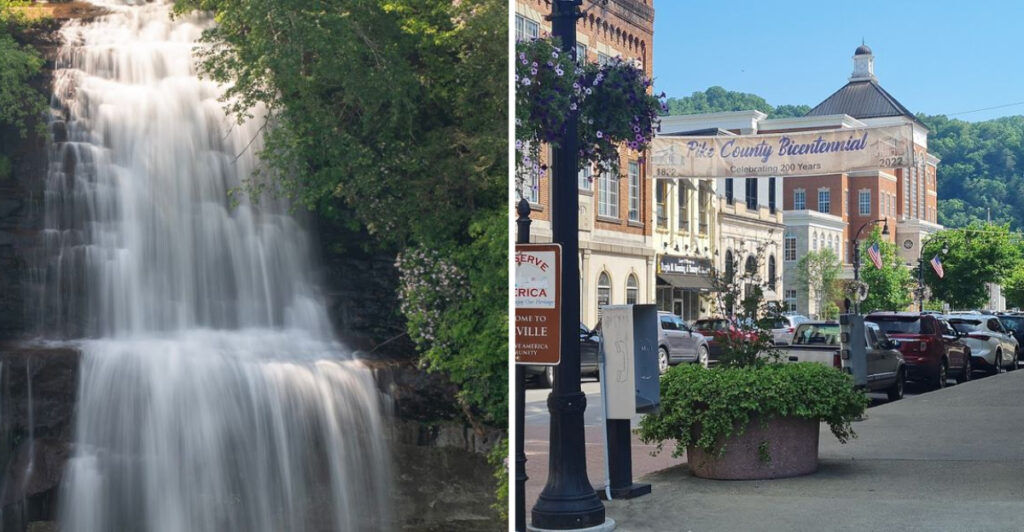
This is the Tennessee escape I would recommend when every weekend getaway starts feeling like traffic and a parking contest.
Long ridges rise on both sides of the Sequatchie Valley, while the river follows the town’s eastern edge and quietly slows the pace before you even leave the car.
You can explore the courthouse square, follow a self-guided history walk, or take the scenic drive to State Park. The town also marks the northern end of a nationally recognized byway.
Still, the smartest move is leaving part of the day unplanned.
Tennessee has louder destinations, but this valley town gives you something better: a weekend that does not need recovering from.
The Sequatchie Valley Sets The Pace Before You Arrive
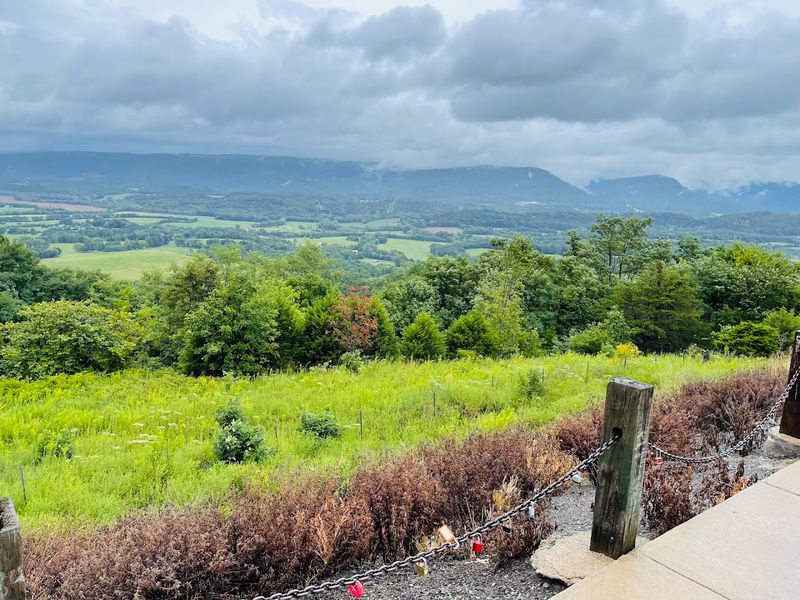
The valley gets the first word.
Pikeville rests between Walden Ridge to the west and Little Mountain to the east, inside a long corridor cut through the southern Cumberland Plateau.
Those wooded slopes stay visible as you approach town, giving even an ordinary drive a sense of direction and scale.
The Sequatchie River follows the eastern side of Pikeville, adding another quiet line to the landscape.
Drive in with the windows cracked, and you will notice how quickly the scenery changes your mood. Farmland opens between the ridges, roads stretch toward the horizon, and the sky seems wider because the valley gives it such a clean frame.
Morning mist softens the fields, while late light catches the slopes and changes the same drive again.
This is not scenery arranged for a viewing platform. It surrounds grocery runs, school routes, front porches, and everyday errands. That is exactly why it lands differently.
You are seeing a working Tennessee valley rather than a landscape separated from local life.
Cyclists also use the region’s quiet farm roads, while the river corridor and nearby trails create more ways to explore outside the car. You can build a morning around a slow ride and stop whenever the ridgelines deserve another look.
Pikeville does not grab your sleeve. It simply gives your shoulders time to drop.
The Courthouse Square Gives You An Easy First Stop

The Bledsoe County Courthouse was completed in 1909 and designed in the Classical Revival style by W.K. Brown & Brothers of Chattanooga. Its red-brick exterior anchors the square with the kind of presence that makes you slow down without needing a formal tour.
The building entered the National Register of Historic Places in 1995.
You will find the courthouse at 3150 Main Street, Pikeville, Tennessee 37367. Veterans Park and the county memorial sit nearby, giving you a calm place to pause before exploring the surrounding streets.
Benches and open space make the square easy to enjoy without turning it into another stop you rush through.
The site carries older history beneath the current building. Pikeville’s first courthouse was completed there by 1821, and a Confederate veteran later said the courthouse was used as a hospital during Braxton Bragg’s 1862 movement through the area.
A self-guided walking tour links twelve local sites through QR codes and short videos, so your phone can finally contribute something more useful than directions. The route adds structure without turning the afternoon into a checklist.
Begin with the courthouse clock, then let curiosity choose the next corner.
Main Street Still Belongs To The People Who Use It
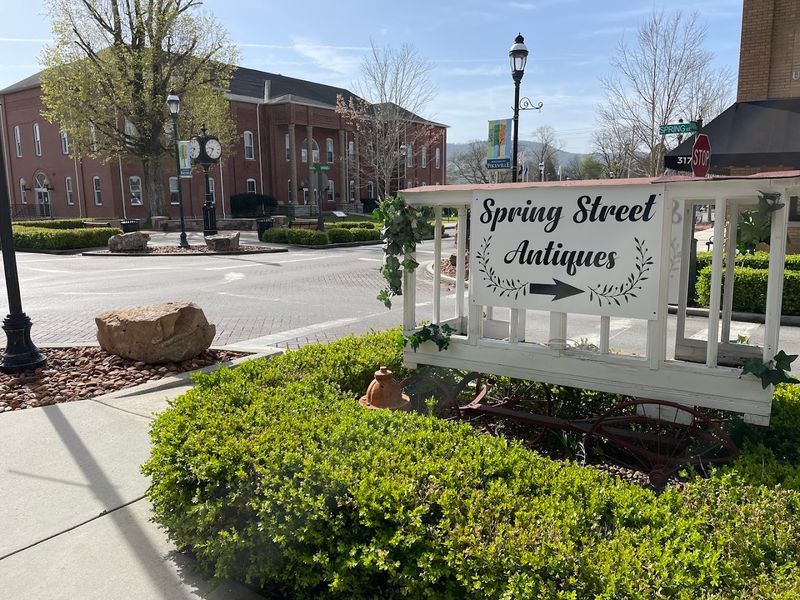
Main Street is not waiting behind velvet ropes.
The town was established in 1816 after Charles Love sold thirty acres for the new county seat. Its position on the stage route between Knoxville and Huntsville helped it grow into a trade and supply center for surrounding farmers.
That practical beginning still makes sense when you walk through downtown today.
You will find local businesses, civic buildings, historic homes, and people handling ordinary Saturday errands.
The street has received pedestrian improvements, ornamental lighting, textured crossings, and other updates designed to make downtown easier to explore without stripping away its older character.
From April through September, the Pikeville Farmers Market runs on Saturdays from 8 a.m. until noon with produce, baked goods, crafts, and local makers. Arrive early enough, and you can add a snack, a conversation, and an unplanned purchase to the morning.
This is where Pikeville’s slower pace becomes obvious. Nobody is staging small-town life for your camera. The street is simply doing its regular job.
Main Street does not perform for visitors. It lets you join the day already in progress.
The Ross House Puts Local History Inside A Real Home
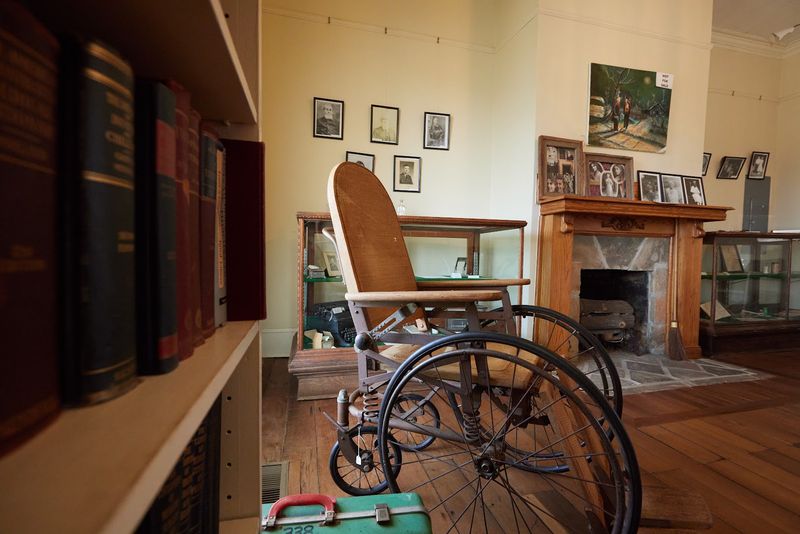
Some museums hand you a map. This one starts by giving you a front porch.
The Dr. James A. Ross House was built in 1872 and blends Folk Victorian, Queen Anne, and Italianate details.
Today, it houses the Museum of Bledsoe County History, where the building itself becomes part of the story before you even reach the exhibits.
Inside, collections cover county history, veterans, documents, artifacts, and regional artwork. Give yourself time to notice the smaller objects, since those everyday pieces often explain a place better than a wall full of dates. The domestic setting keeps the visit personal.
You are learning about families, work, and community life inside a home that watched Pikeville change.
Then step behind the house for one of the town’s quietest historical details. Old Town Spring served as the principal water source for Pikeville and nearby residents until around 1920. The spring and nearby river property are now managed as public recreational land.
Check current museum access before your trip, since small local museums may have limited opening times. Even when it is closed, the exterior and spring add context to a downtown walk.
The Ross House tells the organized story. The spring reminds you how daily life actually depended on the land.
Fall Creek Falls Makes A Strong Case For Staying Nearby
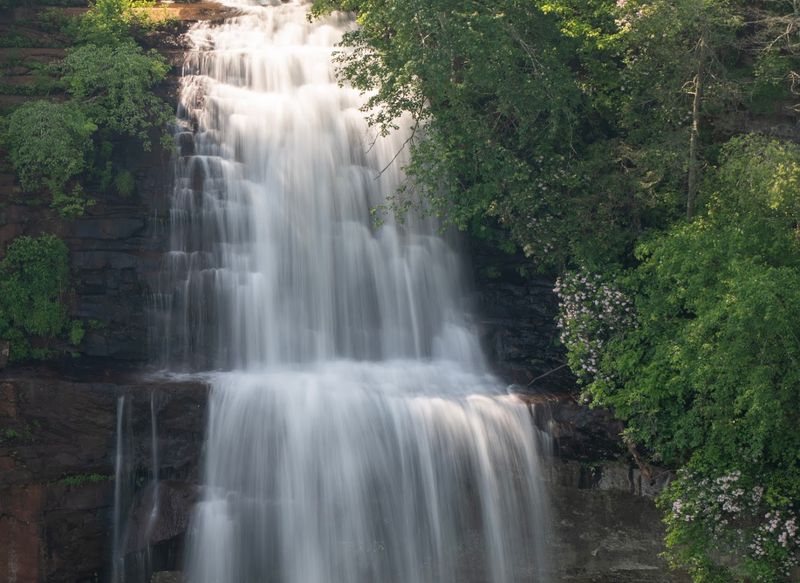
Save your biggest wow for the edge of the plateau.
Fall Creek Falls State Park sits a short scenic drive from this place, making the town a practical base for one of Tennessee’s most dramatic natural areas.
The park’s namesake waterfall drops 256 feet into a deep gorge, and the protected landscape covers more than 25,000 acres.
You can keep the outing easy with overlooks and picnic areas or give the day more muscle on the park’s hiking trails. The park also offers lake access, a nature center, fishing, camping, cabins, and other ways to turn a quick visit into a full day outdoors.
Pikeville changes the rhythm of that trip. Stay nearby and reach the park with time to explore beyond one photograph. The drive along Highway 30 carries you from the valley floor toward plateau forest, so the transition becomes part of the experience.
After the waterfalls, return to town instead of joining a longer highway push. A quiet evening lands differently after a day beside a 256-foot drop.
The waterfall brings the drama, but Pikeville gives you somewhere peaceful to let it sink in.
The Scenic Byway Turns Your Windshield Into The Main Screen
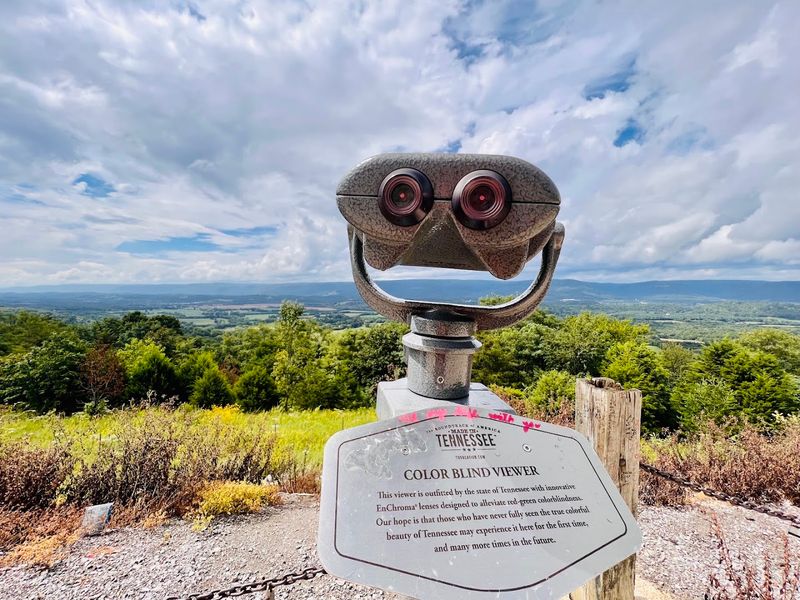
Do not rush the road south of town.
Pikeville is the northernmost town on the Sequatchie Valley National Scenic Byway, a federally recognized route running through Cumberland, Bledsoe, Sequatchie, and Marion counties.
The Federal Highway Administration lists the byway at 65 miles, connecting historic communities, farmland, outdoor recreation, and the valley’s distinctive geology.
The route follows the long valley with the Sequatchie River nearby and plateau walls holding the view together. You can drive a section after lunch or build an entire day around the road, stopping when a farm, historic marker, or small downtown catches your attention.
This is also a good place to rethink the phrase getting there. The drive is not empty space between Pikeville and the next destination. It is the part where fields open, ridges repeat in the distance, and your travel pace finally matches the landscape.
Fill the tank before leaving town, choose a playlist that does not demand constant skipping, and let the miles unfold. Keep the camera ready, but do not spend the entire route looking through a screen.
The byway does not ask for a tight schedule. It rewards the traveler who forgot to make one.
Pikeville Rewards A Weekend With Room To Wander
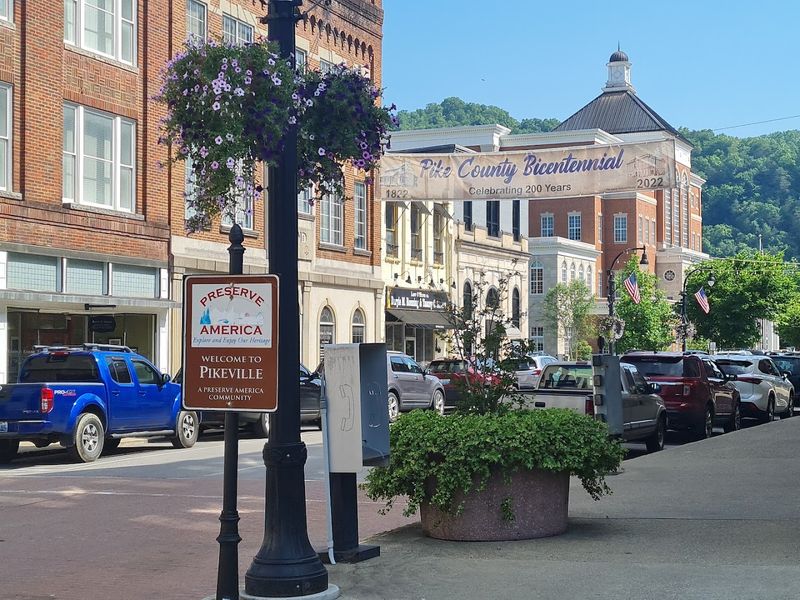
I would start around the courthouse square, follow several stops on the walking tour, and check the farmers market if the season and calendar line up.
After lunch, head toward the Ross House and Old Town Spring, then choose between a scenic drive and a longer afternoon at Fall Creek Falls.
The next morning belongs to the valley. Take a slower route out, follow part of the national scenic byway, or stop along the river corridor before continuing south. Coffee tastes better when the first decision of the day is which ridge-lined road deserves another hour.
Pikeville also makes a useful break between larger Tennessee destinations when your trip needs fewer lines and more open road.
Keep in mind that small-town hours can change. Confirm museum access, market dates, and any local business you especially want to visit before leaving home. That planning protects the relaxed weekend you came to find.
Pikeville was established as a county seat and trade stop, but its modern appeal comes from what it has not tried to become. It remains connected to farms, history, river water, and a downtown built for daily life.
Tell a friend about it, but maybe wait until after you have enjoyed the quiet first.