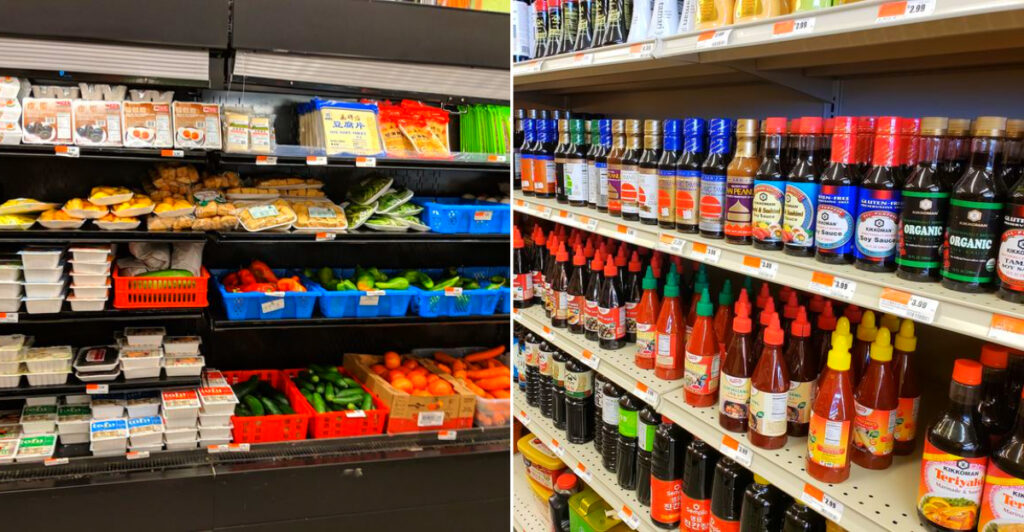
Louisiana’s biggest Asian supermarket hits you with the smell before you reach the door. Inside, the produce section alone holds fruits I had to photograph before I could look them up: rambutan, jackfruit, plus mangoes in three sizes I had never seen in person.
The chip aisle runs the length of the store, organized by country, with over fifty flavors I had never seen on any other grocery shelf. Live seafood tanks bubble near the back wall.
The freezer cases hold dumpling varieties that take a full minute to scan through. The general manager says customers get most excited when they find something that reminds them of home, which explains why the aisles are always full of people who drove past three closer stores to get here.
An Asian market stocks so many imported goods in Louisiana that every aisle feels like a different country.
Map The 20,000 Items
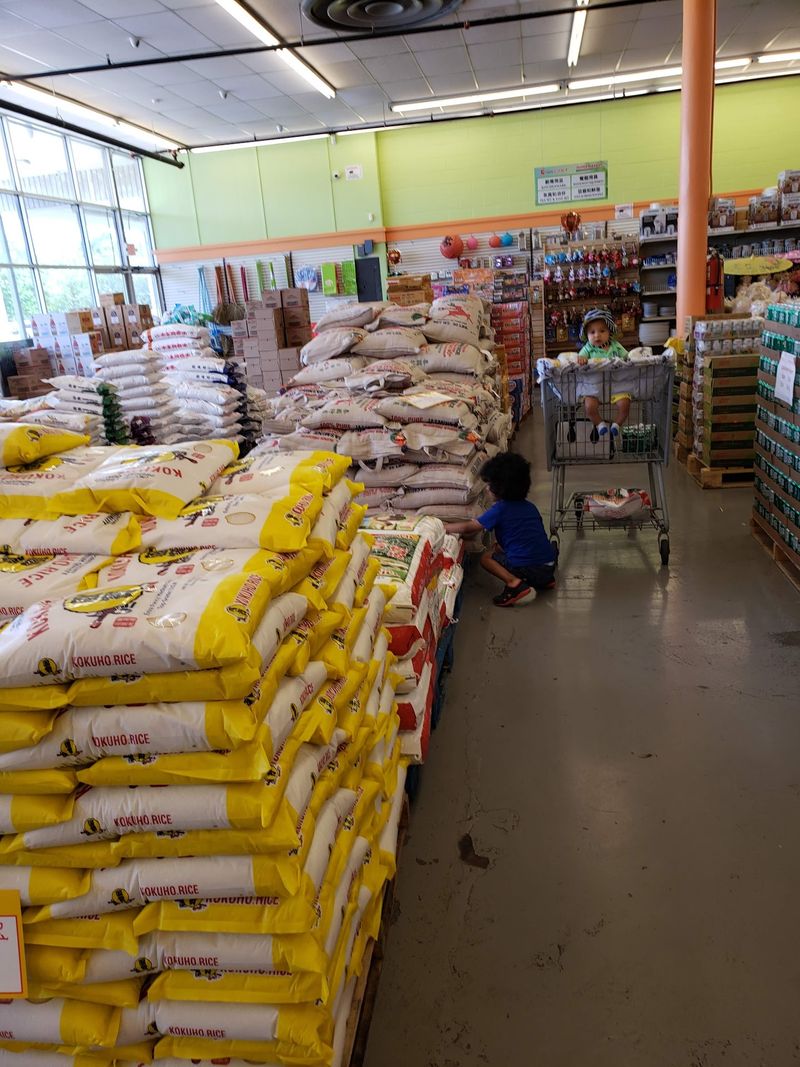
Roughly 20,000 imported items sounds exciting until you realize how easy it is to lose your bearings. Products come from Vietnam, Japan, the Philippines, China, Korea, Thailand, Singapore, and other parts of Asia, so the selection spans many cooking styles at once.
Instead of hunting blindly, pick one meal or one country before you start.
Rice noodles lead to fish sauce, herbs, and pickles. Korean pantry staples point you toward gochujang, seaweed, and ramen.
Japanese basics may send you toward curry blocks, miso, and snacks. Breaking the store into small missions keeps the experience fun instead of overwhelming.
It also helps you compare brands without forgetting why you came. A short list in your phone is useful, but leave one corner of the basket free for a surprise item that was never on the plan by the checkout line maybe.
The Seafood Tanks Are The First Sign You Made It
Asian Supermarket is at 11244 Florida Boulevard in Baton Rouge, Louisiana, near the intersection with North Sherwood Forest Drive. Approach along Florida Boulevard and look for the shopping center rather than expecting a standalone grocery building.
The final approach follows a broad commercial corridor filled with restaurants, stores, and closely spaced driveways. Slow down near the 11200 block and turn into the plaza, where Asian Supermarket shares the property with Asian Seafood House.
Use the shopping center’s surface parking and follow the storefront signs to the supermarket entrance. The main doors face the lot, so the final walk is direct even when the surrounding businesses are busy.
Taste The Chip Wall Carefully
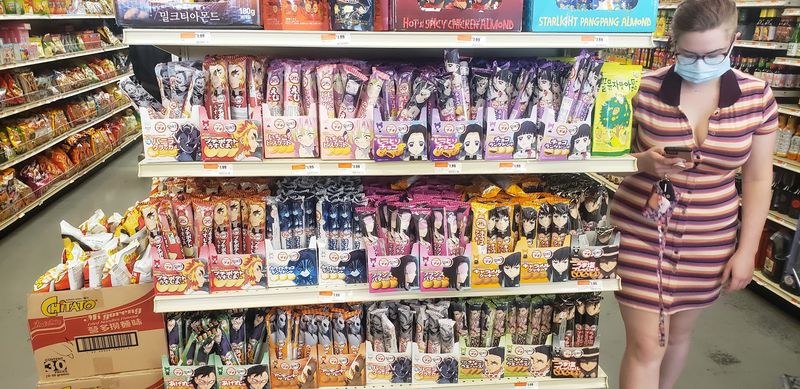
Snack aisles can hijack your whole visit, especially when more than 50 chip flavors are staring back at you. Some are familiar, some are puzzling, and some sound like a dare from a very funny cousin.
The famous spicy crawfish Lay’s from China is one of the clearest signs that Louisiana and Asia really do meet on these shelves.
Do not grab the biggest bag first. Choose two safe picks and one oddball, then compare textures, spice, and aftertaste at home.
That turns shopping into a small tasting game without blowing your budget. If you are bringing kids or curious friends, chips make an easy starting point because the flavors are playful, portable, and low risk.
Nearby instant noodles, including carbonara-flavored ramen, can tempt you into a full snack haul, so set a limit before the basket gets silly fast.
Watch The Live Tanks First
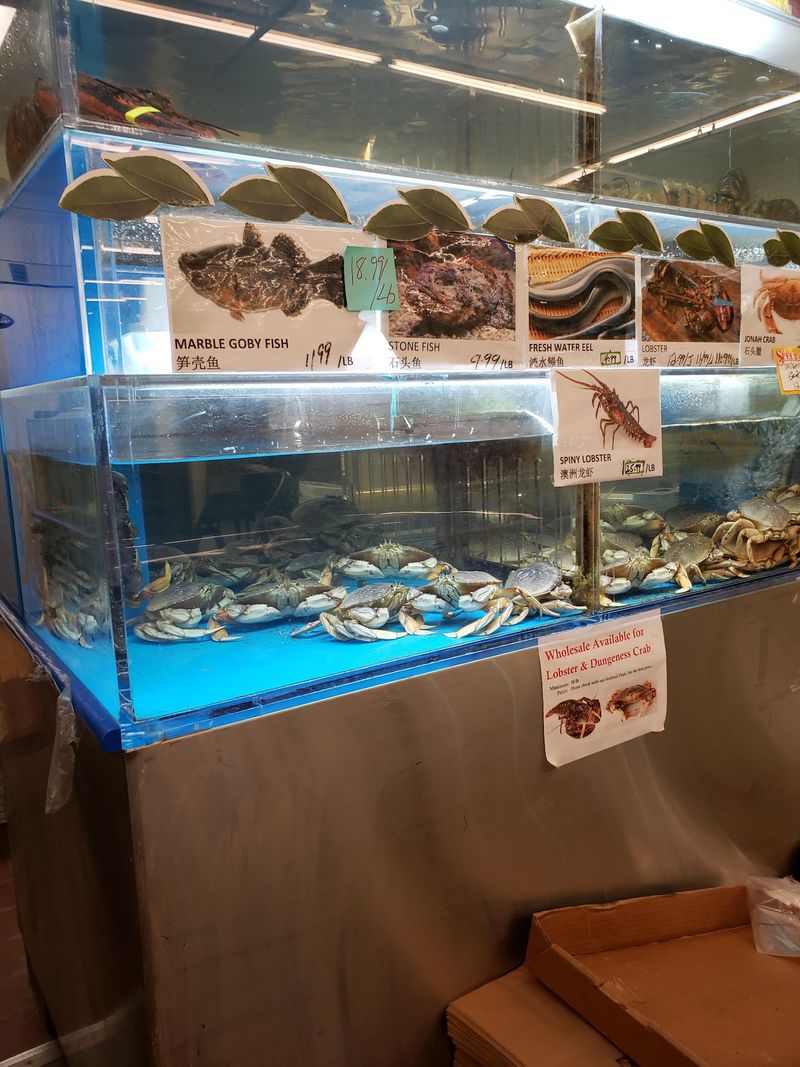
The back of the store changes the mood completely. One minute you are comparing sauces, and the next you are standing near tanks holding live seafood, watching fish move in quick flashes through the water.
Eels and blue crabs are among the bestsellers, and seeing them alive tells you this market serves cooks who care about freshness, tradition, and specific textures.
Pause before you buy and watch what looks lively and well kept. If you know how you want to cook dinner, ask for the species you need instead of guessing.
A stir-fry, soup, or crab boil can call for different choices. Even if you leave without seafood, the tanks are worth visiting because they explain the store.
It is not a place for snacks alone. It is a grocery built for people making meals from scratch in a practical way.
Treat Tropical Fruit Like A Lesson
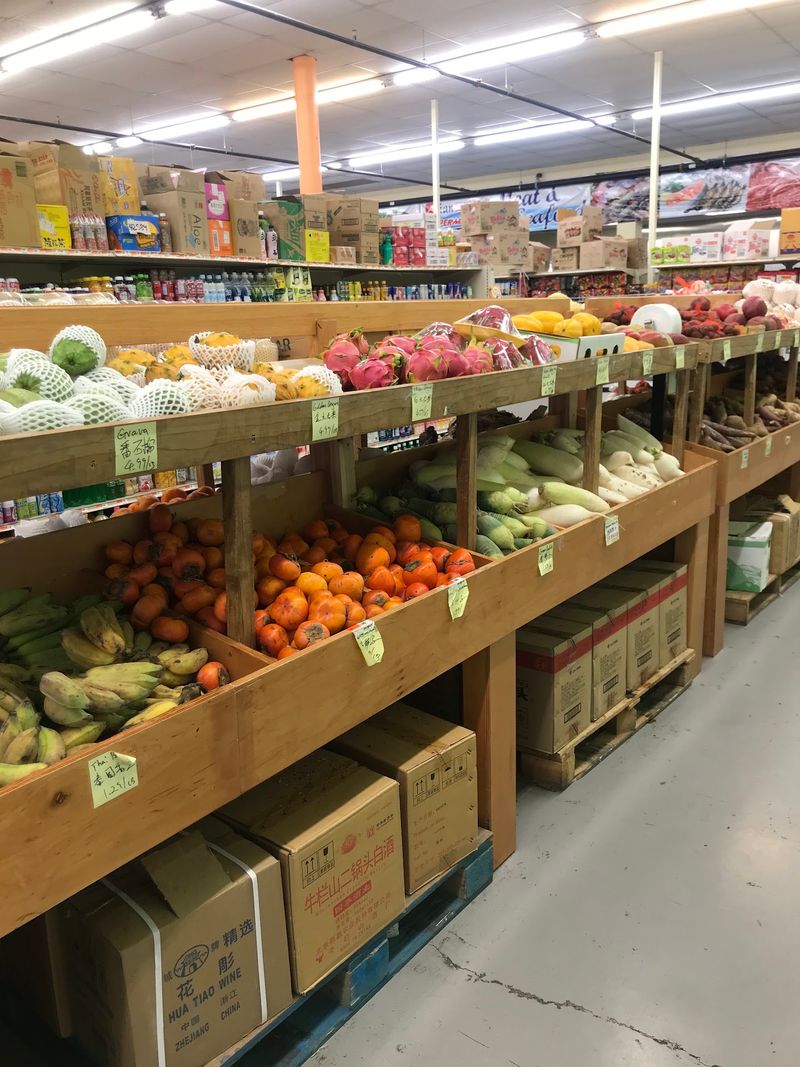
Fruit shopping here can feel like a quiz show where the prizes are spiky, fragrant, and sometimes expensive. Durian, rambutan, longan, jackfruit, and mangosteen all appear here, and the purple mangosteen can be the priciest fruit in season at about $10 to $16 per pound.
If your usual cart holds apples and bananas, this section wakes you up fast.
Start with one fruit, not five, and ask how to choose a ripe one. Some shoppers love durian for its richness, while others prefer rambutan or longan.
Jackfruit can be an easier adventure because it is simple to share. Nearby produce, including bitter melon, Thai basil, sawtooth herb, and bird’s eye chilies, is useful for dinner too.
A bag from this section can teach you more than a cookbook when you get home and start tasting with family around the table.
Go Straight To The Deli
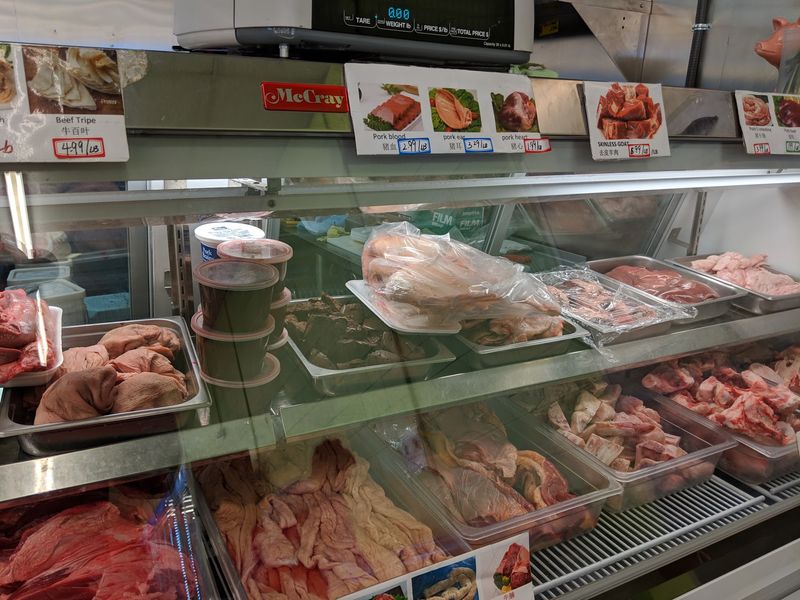
The deli counter is where restraint usually falls apart. Crisp baguettes, house-made pate, and pickled daikon turn the banh mi into more than a quick lunch, while Peking duck and crispy pork belly are sold by the pound and often sell out by noon.
That early sellout is a useful clue: if prepared food is your goal, do not make it the last stop.
Come hungry enough to decide quickly. A sandwich travels well, but the meats can anchor dinner if you build around rice, herbs, and vegetables from the main floor.
I like getting deli items first, then shopping backward through the store so nothing disappears while I debate noodles. Even if you arrive late and miss favorites, the counter tells you a lot about the market’s connection to Vietnamese foodways and home cooking in a very direct way.
Save Room For Pastries
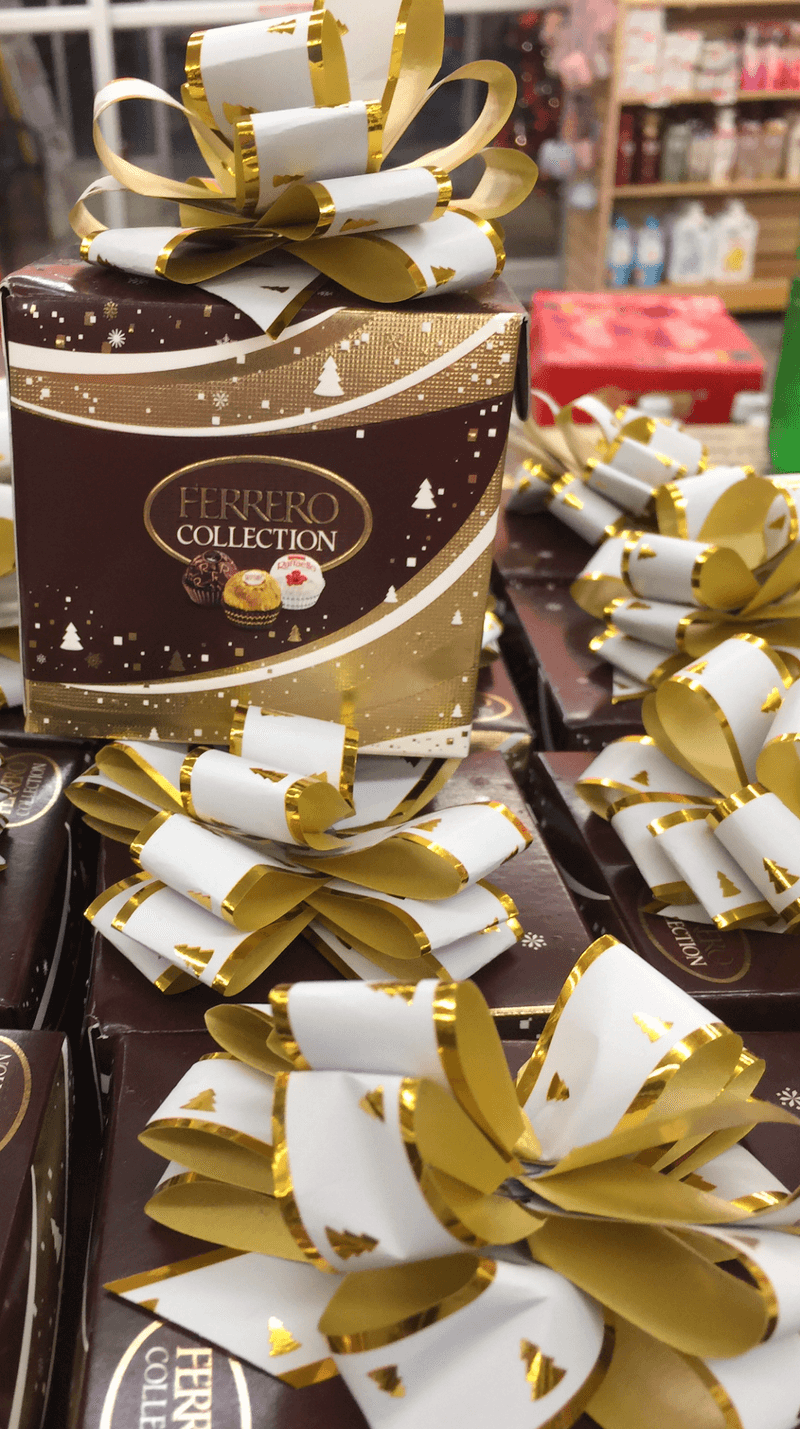
Near the front, the pastry case acts like a soft-spoken trap. You may arrive focused on fish sauce or chilies and leave carrying sweets from Taiwan’s 85C Bakery Cafe because the display looks too good to ignore.
That front placement is smart, especially after a long lap through savory aisles packed with bold smells and practical purchases.
Use the bakery as either your welcome or your reward. A small pastry is a gentle entry point for anyone who feels unsure about the larger store, and it also balances a cart full of salty, spicy ingredients.
Families can split one while planning dinner. If you are shopping for a gathering, bakery items add variety without needing any extra prep at home.
I like ending with the pastry case because it turns a grocery run into something closer to an outing nicely.
Ask For Ingredient Help
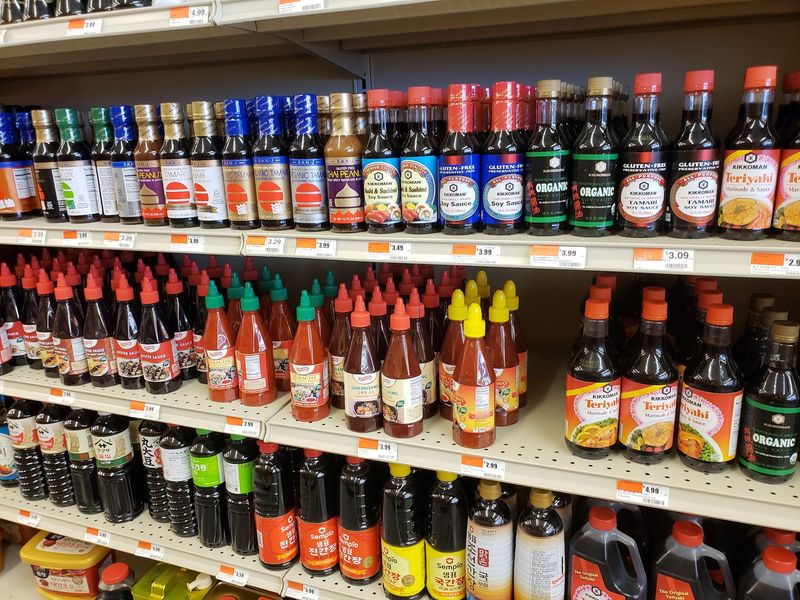
A giant market gets friendlier the moment you ask a question. General manager Gary Chen is known for helping shoppers track down ingredients and suggest pairings, and he speaks Mandarin, Korean, Japanese, and Vietnamese.
In a store with thousands of products, that kind of help can save you from buying the wrong noodle shape, sauce, or seasoning.
Do not be shy if you are trying a dish for the first time. A quick question can connect soy sauce to dumplings, herbs to soup, or chilies to a stir-fry in a way shelf labels cannot.
Staff guidance matters most when brands look similar but perform differently in cooking. One bottle may be sweeter, saltier, or meant for dipping instead of braising.
A two-minute conversation can make dinner taste more like what you hoped for and less like a experiment gone sideways.
Notice The Louisiana Crossroads
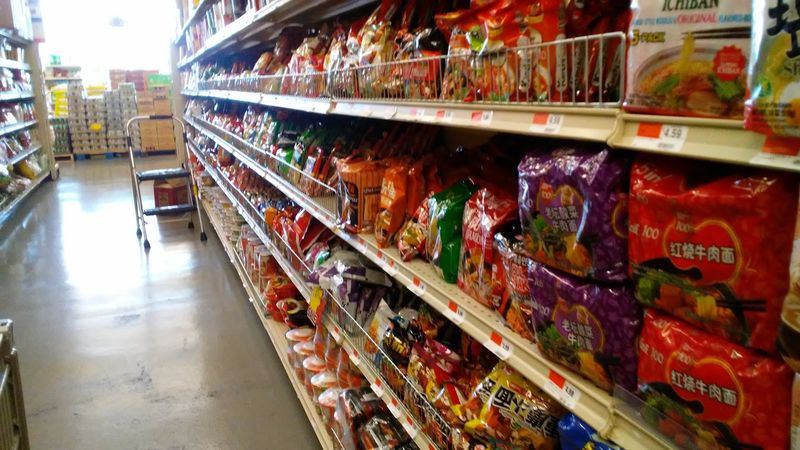
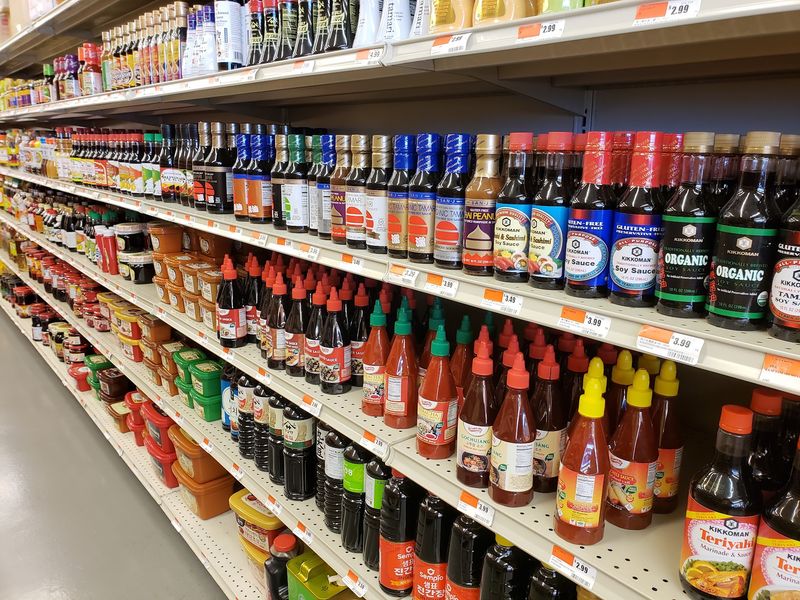
The shelf where crab boil sits near sriracha and shrimp paste tells the story faster than any brochure could. Asian Supermarket is built for Baton Rouge life as much as for imported pantry shopping, so crawfish boiling pots can appear near bamboo steamers and woks.
That mix feels practical, not gimmicky, because local cooks often move between traditions in the same week.
If you cook in Louisiana, pay attention to those overlaps. A pantry stocked here can support pho one night, seafood boil fixings another, and stir-fried vegetables after that.
Kitchen tools matter too, especially when a store understands both the ingredients and the ways people actually use them at home. Shopping becomes easier when you stop separating cuisines into strict boxes.
The market does not do that, and your dinner plans do not have to either at all today.
Check For Holiday Foods
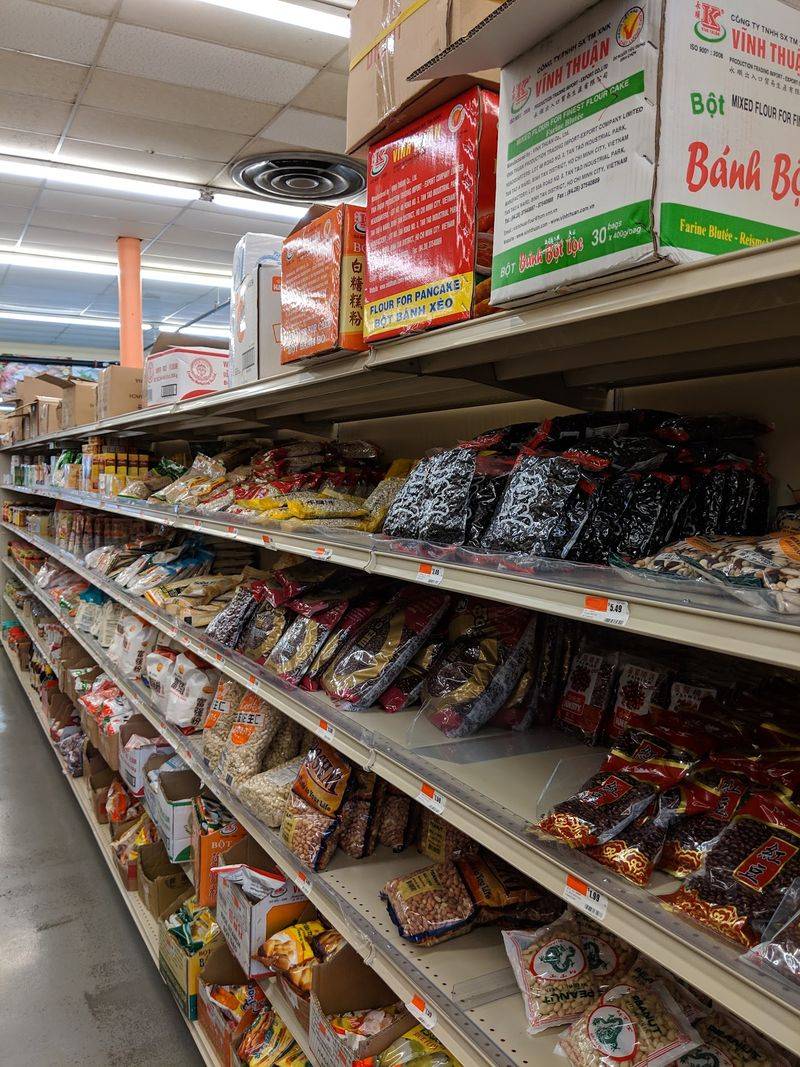
One of the smartest ways to read the store is to notice what changes. Inventory rotates with cultural traditions, so mooncakes may arrive for the Mid-Autumn Festival and songpyeon may appear for Chuseok.
That seasonal rhythm makes the market feel alive rather than frozen in a generic year-round selection, and it gives regular shoppers a reason to look carefully every visit.
If you see a special display, do not assume it will wait for next month. Holiday foods often connect families to memory, celebration, and dates, so timing matters.
Even newcomers can use these seasonal items as an invitation to learn what people eat and why. I enjoy checking the and center aisles for changes because they reveal the store’s community role as much as its value.
A market with on the shelves offers more than ingredients. It offers context.
Do Not Skip The Fresh Herbs
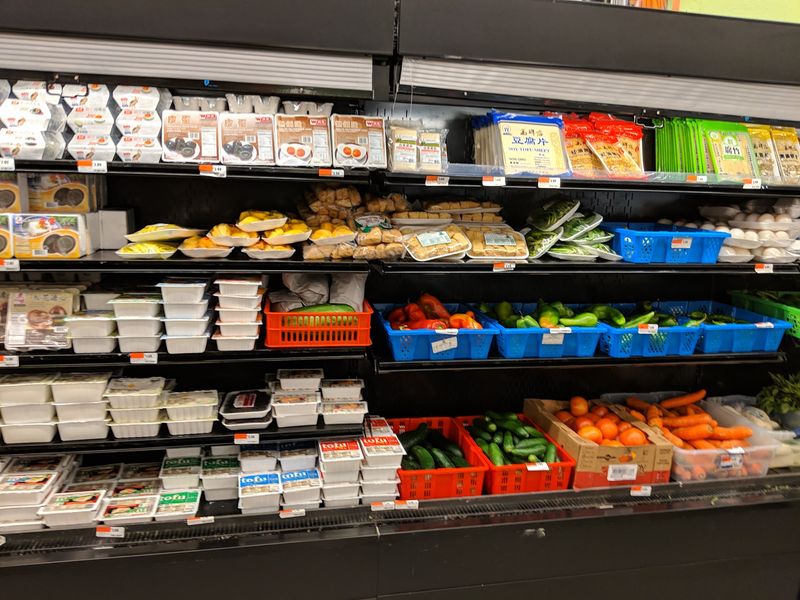
Sometimes the quiet stars are not the flashy fruits but the herbs and vegetables beside them. Bitter melon, Thai basil, sawtooth herb, and bird’s eye chilies can change a pot of soup or a plate of noodles more than any fancy packaged sauce.
For cooks chasing accuracy, these fresh details matter because they bring brightness, heat, bitterness, and aroma that dried substitutes cannot fully match.
Buy a small amount if you are new to them, then use them the same day. Herbs wilt, chilies vary in strength, and bitter melon can surprise people who expect sweetness.
A careful first try is smarter than overbuying. When I want to understand a market, I watch what ingredients regular cooks reach for, and this section says plenty.
It reminds you that the store is not built for browsing. It is built for cooking.