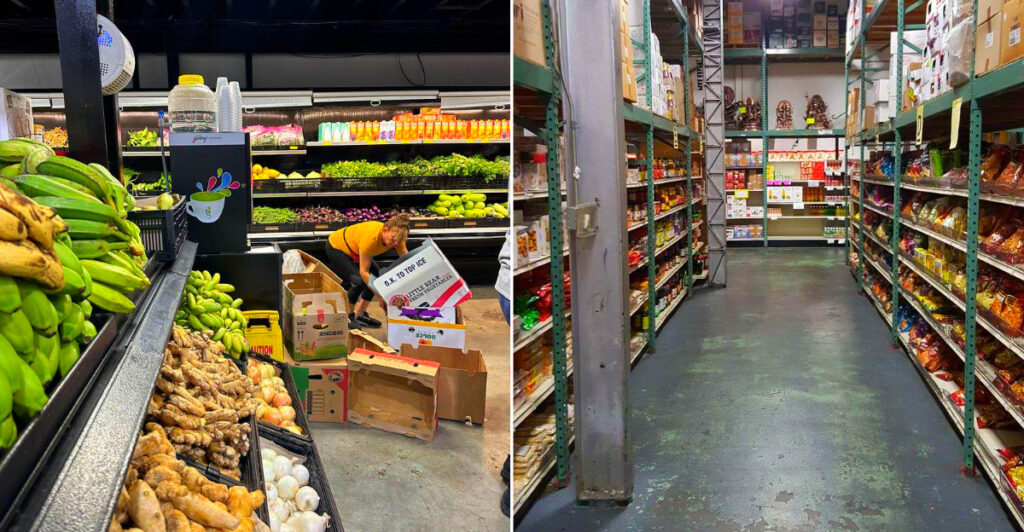
I spent well over forty minutes in the spice aisle alone. Not because I am an indecisive shopper, but because the shelves were organized by country, each section holding jars, bags, plus powders I could not identify without reading the label twice.
Indian cardamom sat next to Turkish sumac. African chili pastes shared a row with Mexican mole.
The store has been family-run since 1976, which means three generations of knowing exactly which cumin sells fastest plus which saffron is actually worth the price.
The produce section carries fresh herbs I have never once found at a regular grocery store near my house. The frozen aisle holds dumplings from cuisines I had to Google on the spot.
Walking through this place feels like traveling without a boarding pass. Walking through the spice aisles of Louisiana takes you to more countries than a passport full of stamps.
The Endless Spice Aisle
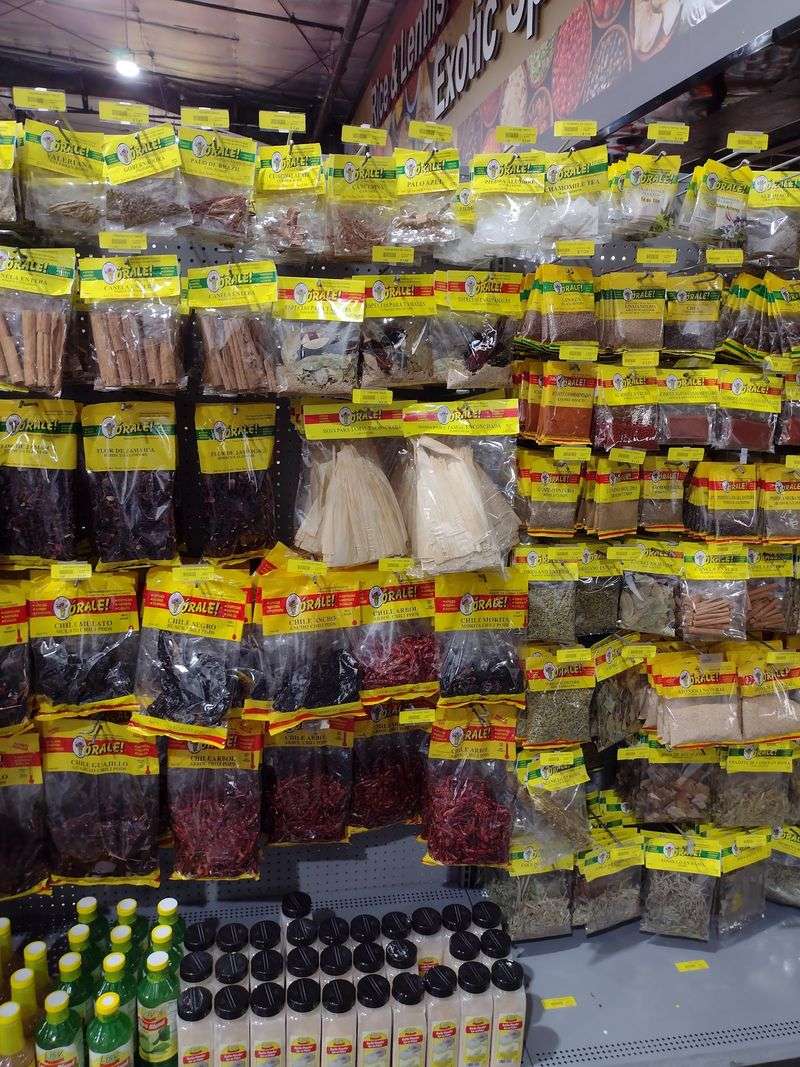
The first thing that grabs attention here is the smell. Warm cumin, sweet cardamom, chili, turmeric, and dozens of other seasonings seem to float together and pull shoppers straight toward the spice shelves.
International Market is known for an especially large spice selection, with affordable options from several regions rather than one narrow section. That matters if a recipe calls for something specific, because the usual supermarket often stops at basics.
A smart move is to come with a short list, then leave room for curiosity. Pick up a trusted staple and one unfamiliar blend, check dates before buying, and think about what you actually cook at home. The aisle is vast enough to inspire dinner plans on the spot, which is half the fun of shopping here.
Barron Street Opens Into A Global Pantry

International Market is at 3940 Barron Street in Metairie, Louisiana, near the commercial corridor around Veterans Memorial Boulevard. Approach through central Metairie and use Barron Street for the final turn toward the market property.
The last blocks move through a mix of offices, warehouses, and low commercial buildings rather than a conventional supermarket district. Keep the full address active and look for the International Market signage as you approach the 3900 block.
Turn into the property and use the customer parking outside the store, then walk directly to the main entrance. The market is currently open Monday through Saturday from 9 a.m. to 7 p.m. and Sunday from 11 a.m. to 6 p.m.
Treasures From India
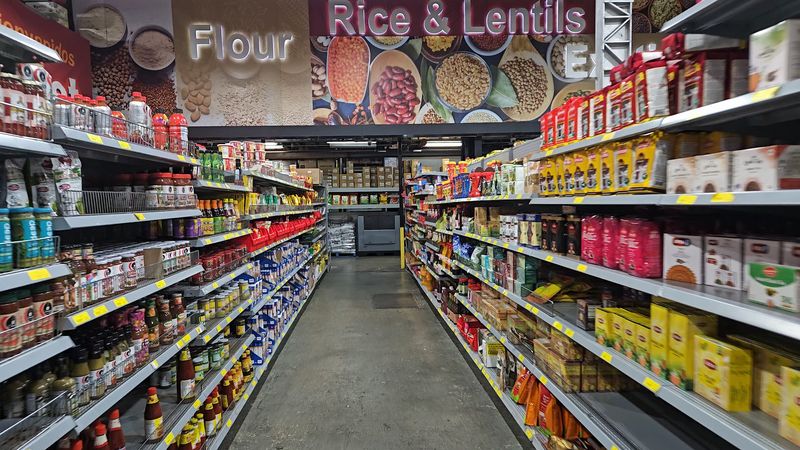
Few corners of the store feel as complete as the Indian section. Shelves carry core ingredients like masalas, dals, atta, and ghee, which makes it easier to cook full meals instead of patching recipes together with substitutions.
Fresh produce helps the section feel practical, not just impressive. Farm-sourced onions, cilantro, potatoes, lemongrass, and beets give shoppers the pieces needed for everyday cooking, not only special occasion dishes.
The lentil range is especially useful, with Masoor, Toor, and Moong dals all called out as standouts. Pearl millet, also known as Bajra, is another smart pickup because it can be cooked like rice or ground into flour for flatbreads.
Anyone building a pantry for Indian food will save time by starting here, then adding one new dal to learn along the way.
Delights Of The Middle East
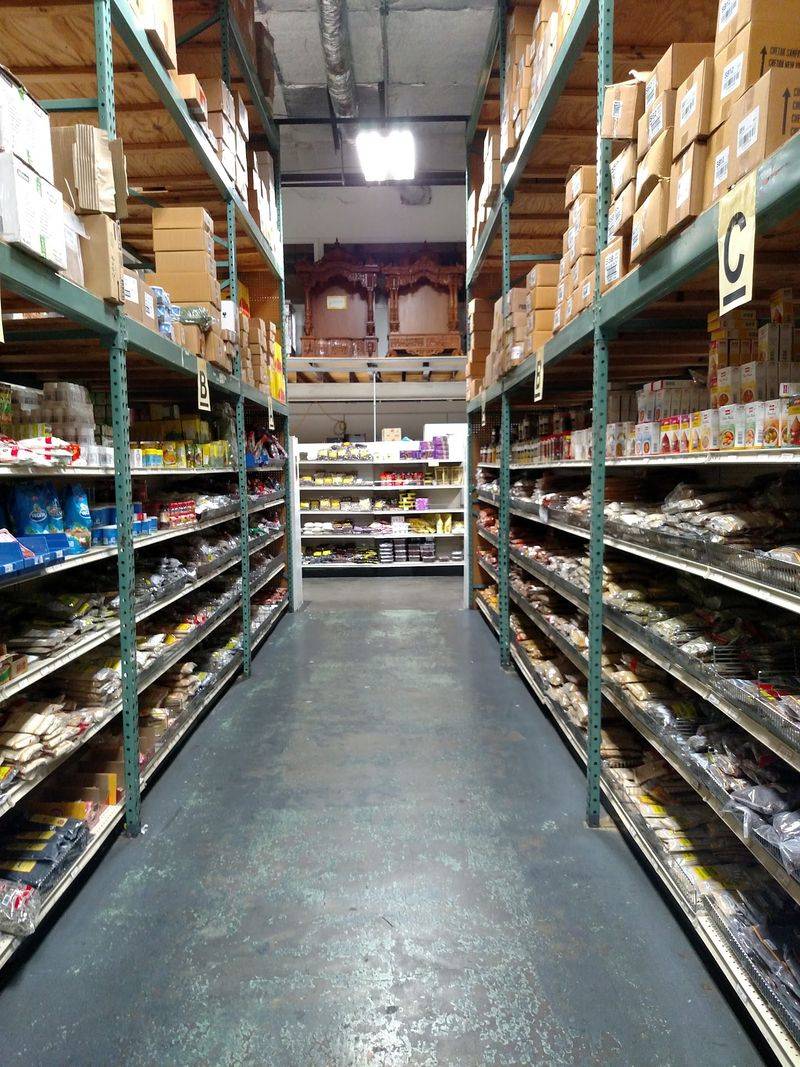
Some aisles make meal ideas appear fully formed, and the Middle Eastern section does exactly that. Pita bread, couscous, and region-specific spices sit alongside ingredients that fit naturally into hummus, falafel, shawarma, and fattoush.
That range is useful because Middle Eastern cooking often depends on a few key items being right. A good spice blend, the correct bread, or a pantry staple you cannot find elsewhere can change the whole result at home.
One modern draw is Dubai chocolate, which the market has been known to stock. Its crispy pastry and pistachio cream filling have turned it into a popular treat, but the real strength of this section is how it supports actual cooking.
Visit with a dish in mind, then add one snack for the ride home. That balance works well here.
Flavors Of Asia
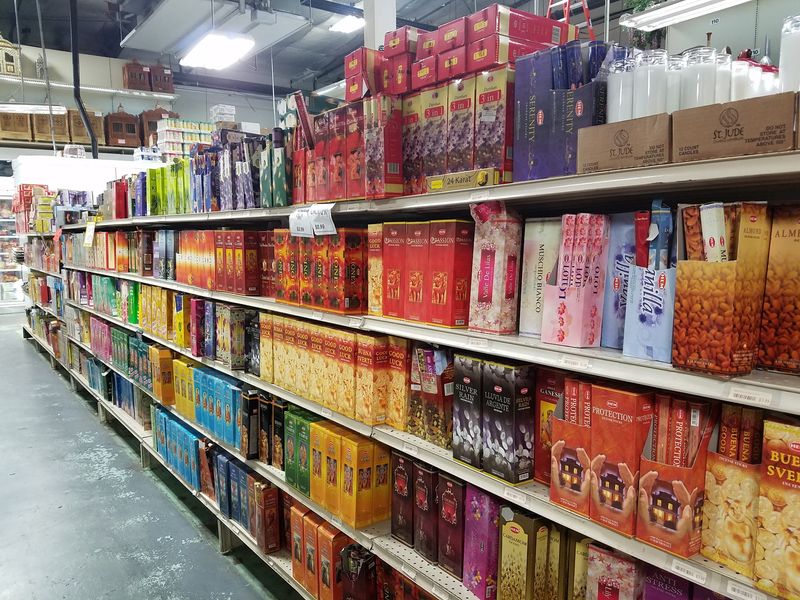
Bright packets, tall sauce bottles, and stacks of rice make the Asian section feel busy in the best way. It covers practical essentials such as oils, sauces, rice, and spices, while also giving shoppers a chance to try newer or trend-driven items.
Fresh Asian vegetables help the pantry selection feel more useful. Instead of leaving with only condiments, shoppers can gather enough ingredients to build a proper meal with better texture and flavor.
Buldak ramen is one of the more recognizable products people often look for here, especially if they want a quick meal with strong heat. The better strategy, though, is to treat the aisle as a cooking toolkit.
Grab one dependable sauce, one vegetable you use often, and one item that pushes you slightly outside your routine. That keeps the visit adventurous without becoming overwhelming.
Vibrancy Of Latin America
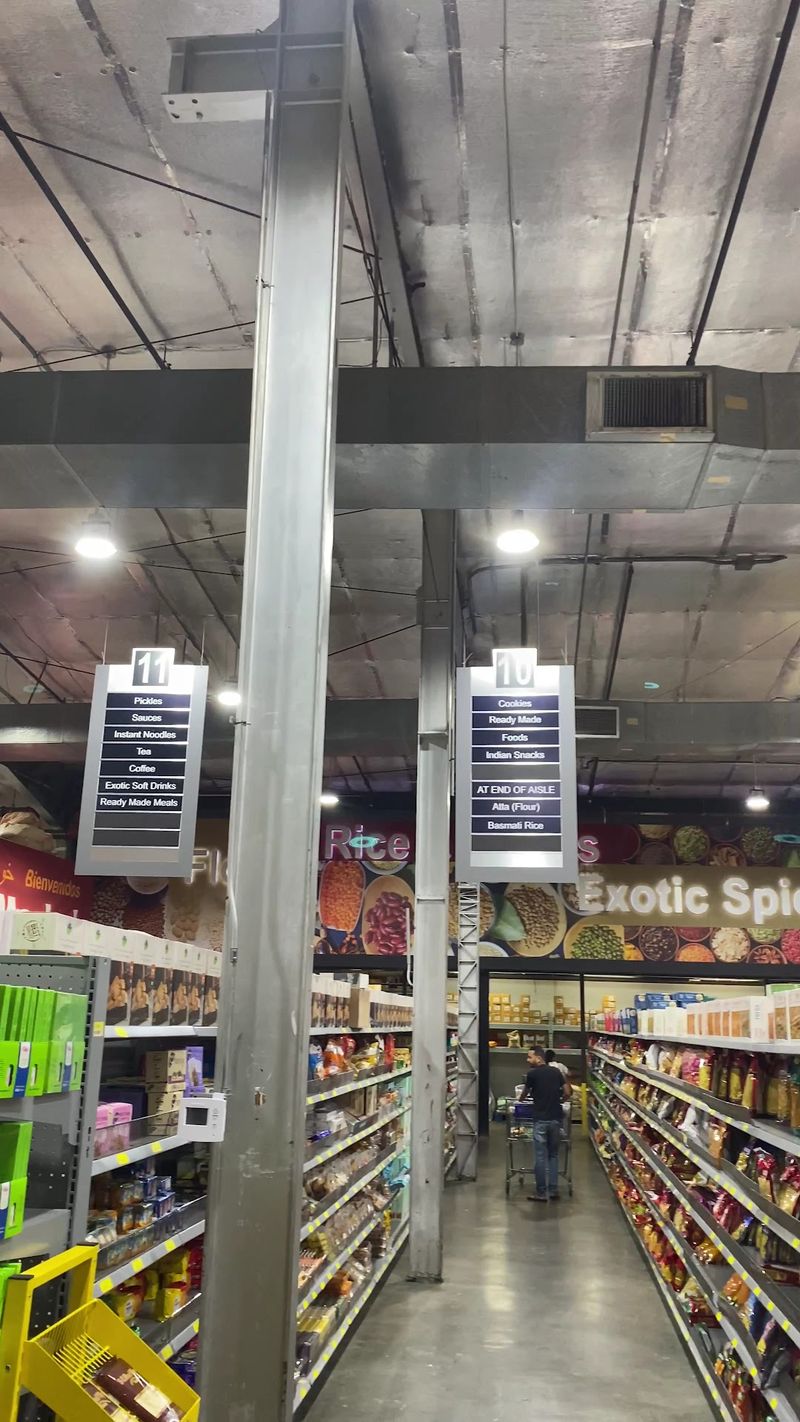
Color shows up fast in the Latin American section. Peppers, avocados, tomatoes, beans, corn, and rice create a lineup that feels ready for weeknight tacos, a pot of stew, or a more ambitious weekend dish.
The useful part is how broad the section is. Shoppers can find cheeses, herbs, oils, and spices that help recipes taste more grounded and less like a rushed substitute version from a standard chain store.
International Market also stands out for supporting different styles of Latin cooking rather than one narrow lane. Ingredients for Spanish paella, Mexican tacos, and Colombian stews are all specifically noted in the store’s offerings.
That makes planning easier if your cooking jumps between regions. Bring a recipe if you are new, but leave room in the cart for produce that looks especially fresh that day.
Staples From Africa
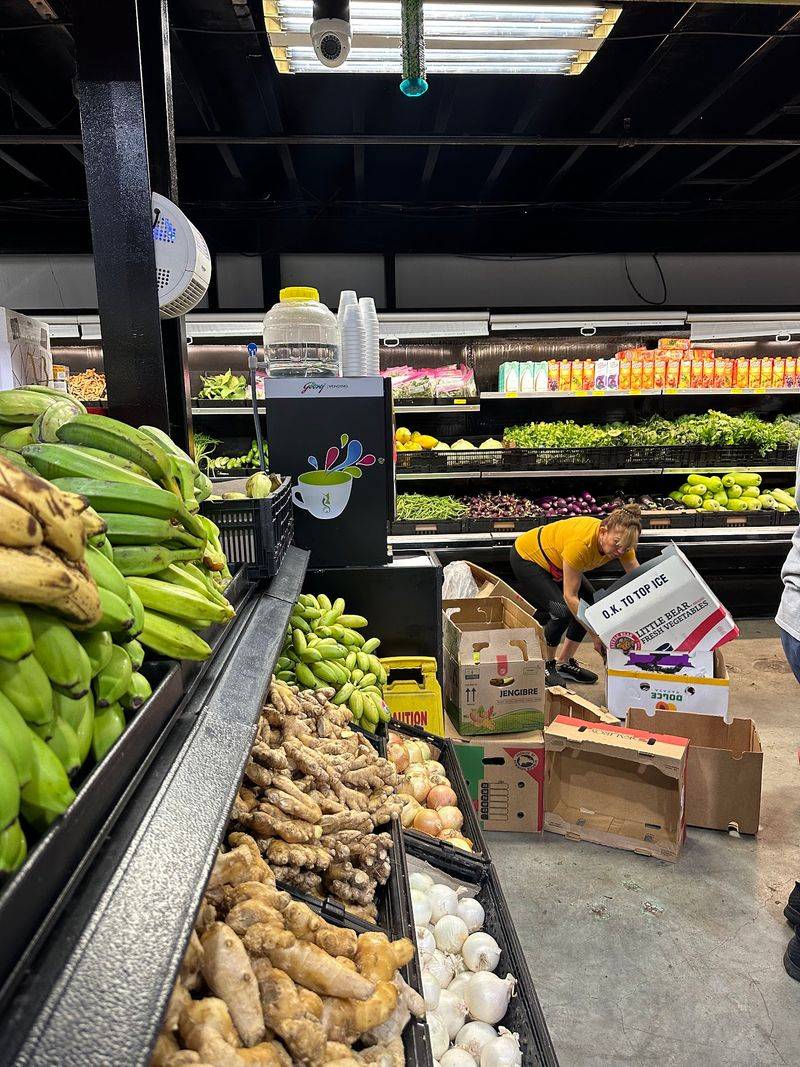
The African staples section feels especially helpful because it covers ingredients that can be hard to piece together elsewhere. Yams, cassava, plantains, beans, legumes, and several kinds of rice give shoppers a strong starting point for many everyday dishes.
Red palm oil and fresh cassava leaves are among the specific items the market is known to carry. That matters for cooks trying to recreate familiar meals without making big compromises on flavor or texture.
A nice practical detail is that the store is often able to source rare items when available, which says a lot about how seriously it takes this part of its inventory. The best approach here is simple.
Know the dish you are aiming for, check produce carefully for freshness, and ask staff if something is missing. This section rewards people who shop with purpose.
Global Fresh Produce
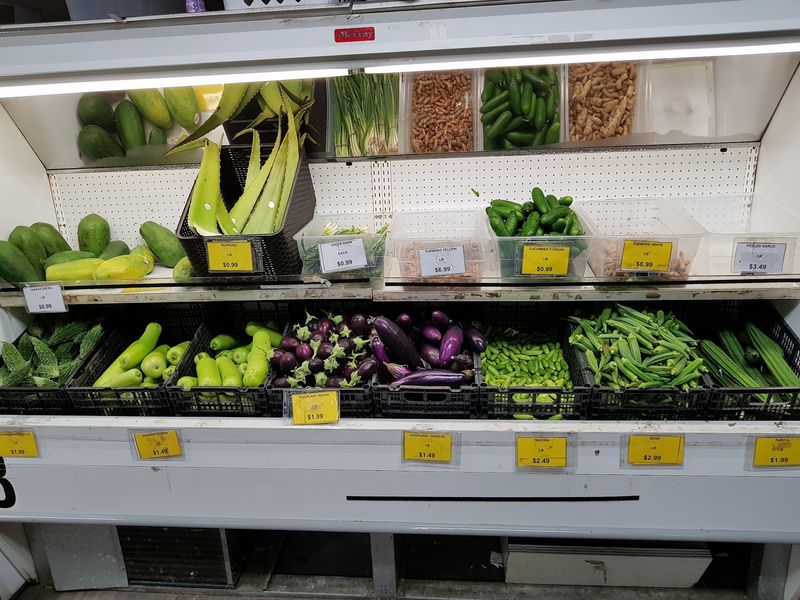
Produce can decide whether an international market feels decorative or genuinely useful. At International Market, the fresh section helps anchor the whole store by offering fruits and vegetables sourced daily, including items that are not common in many nearby supermarkets.
Cilantro, lemongrass, beets, onions, and potatoes are among the examples called out, but the larger appeal is variety. Shoppers can connect pantry items from different aisles with produce that makes those ingredients come alive in an actual meal.
There is also a practical lesson built into browsing here. Freshness matters, especially in a large market with many choices, so it is smart to inspect produce closely and buy what looks lively that day.
A bunch of fragrant herbs or a vegetable you do not usually see can be the nudge that changes dinner from ordinary to memorable without much extra effort.
A World Of Grains And Pulses
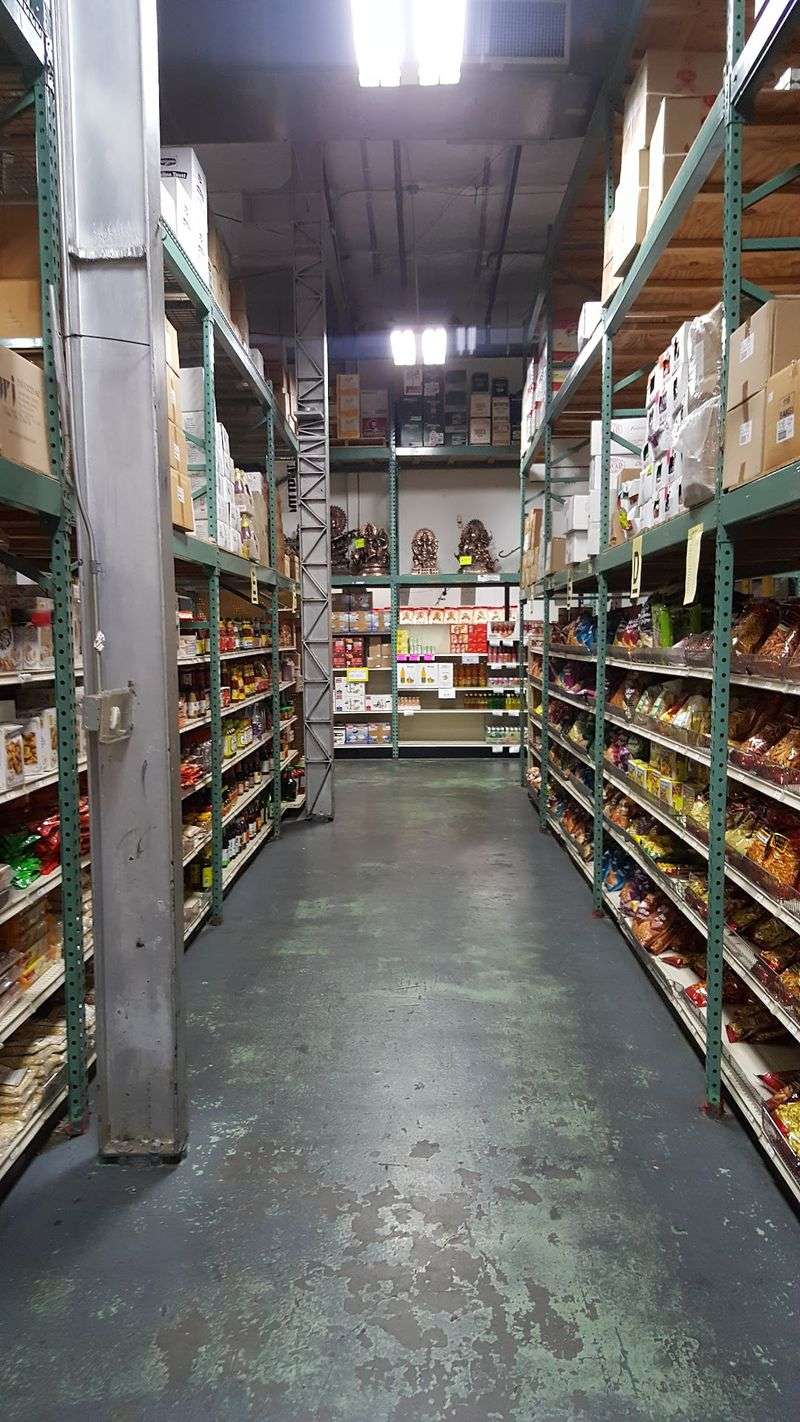
Bags of lentils and grains may not sound flashy, but this aisle quietly does serious work. International Market has an expansive selection of pulses and staples, especially the varieties central to Indian cooking, and that gives home cooks more control over texture and flavor.
Masoor dal, Toor dal, and Moong dal each cook differently, and anyone who has used the wrong lentil in a recipe knows the result can feel off. Having clear options in one place makes pantry planning much easier.
Pearl millet, or Bajra, deserves a look as well. It is described as iron-rich, gluten-free, and versatile enough to cook like rice or turn into flour for flatbreads.
A smart shopping habit is to buy smaller amounts of unfamiliar grains first, then note cooking times at home. That way the aisle becomes useful, not intimidating, on future visits.
Exceptional Tea Selections
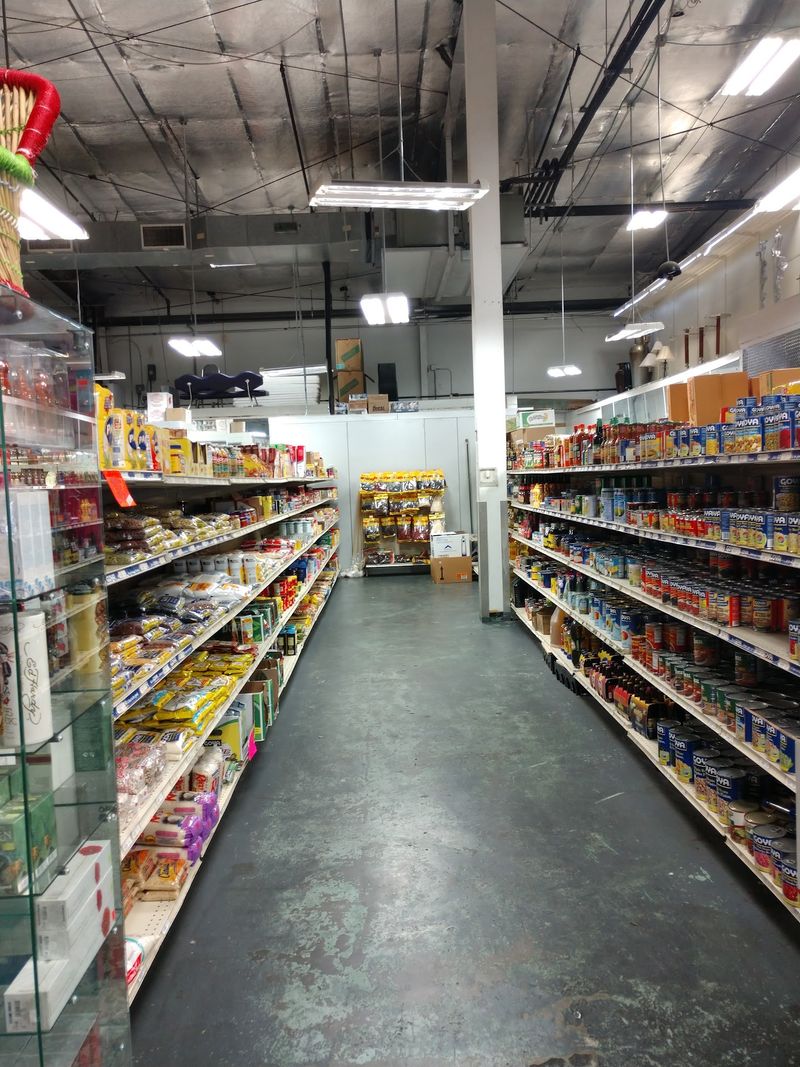
Tea shelves often reveal how wide a market’s reach really is, and this one has range. International Market offers a large variety of teas, from green and black options to herbal blends, all gathered in a section that invites slow browsing.
Part of the appeal is cost. The teas are described as affordably priced, which makes it easy to try something new without feeling locked into a giant box of a flavor you may not love.
Tea can also be a smart entry point for shoppers who want to explore the store but are not ready to cook a full international meal. One box can bring home a different scent, ritual, and routine with almost no effort.
Read the labels, think about when you actually drink tea, and choose by mood rather than hype. The section feels generous without being fussy, which suits this market well.
International Snacks And Sweets
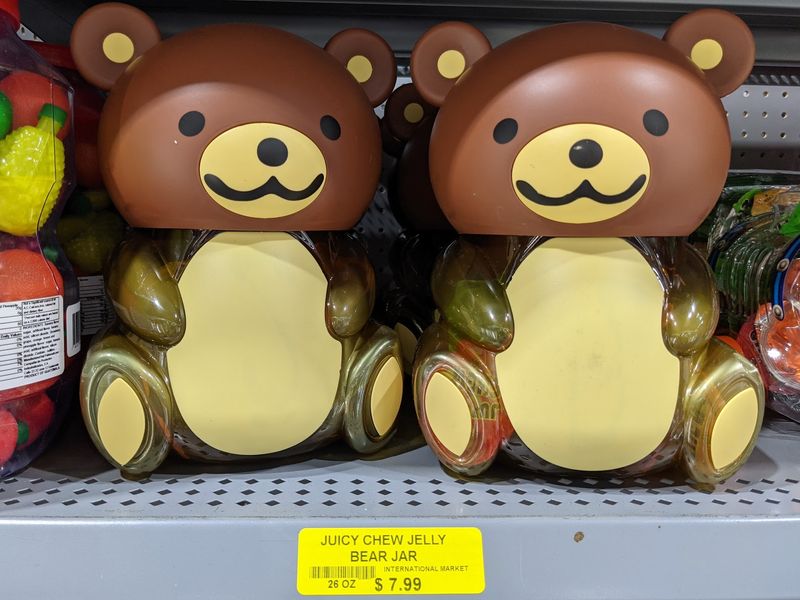
Not every purchase here needs to become dinner. The snacks and sweets area adds a lighter, more playful layer to the store, with savory crisps, cookies, frozen treats, and other small discoveries that reward curious shoppers.
The fruit-shaped ice creams are among the most memorable finds mentioned in the market’s offerings. Flavors like mango, peach, and lemon sound cheerful already, but the visual joke of dessert shaped like fruit makes them especially fun to bring home.
There is a good strategy for this section if you shop with kids, guests, or even your own restless attention span. Choose one familiar snack and one completely unfamiliar one, then compare what each says about texture, sweetness, or spice.
That tiny experiment captures the spirit of the store. It turns an ordinary grocery run into something closer to travel, only much cooler and easier to reach.
Unique Cookware And Home Goods
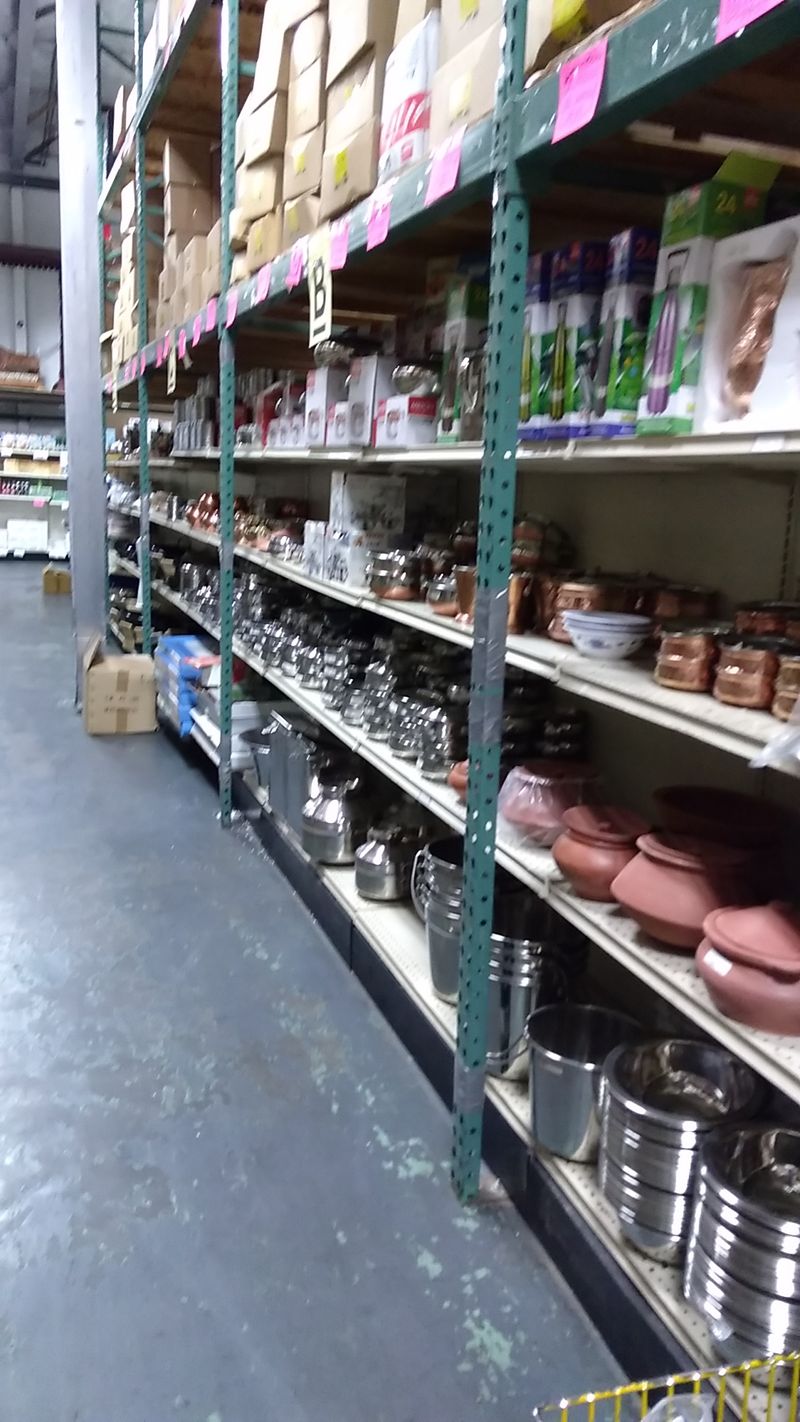
Some of the best surprises at International Market are not edible at all. Beyond groceries, the store also carries cookware, utensils, household items, and incense, which makes it easier to buy both ingredients and the tools needed to use them well.
That matters more than it may seem. A certain pot, spoon, or kitchen tool can make unfamiliar recipes feel less awkward, especially when preparing foods from regions that rely on specific methods or textures.
The home goods side also changes the rhythm of the visit. Instead of racing through a checklist, shoppers can slow down and think about the whole cooking experience, from pantry shelves to stovetop to table.
If you are building confidence with global recipes, consider pairing one new ingredient with one practical tool during the same trip. That approach keeps the store from feeling like a maze and turns it into a very useful resource.