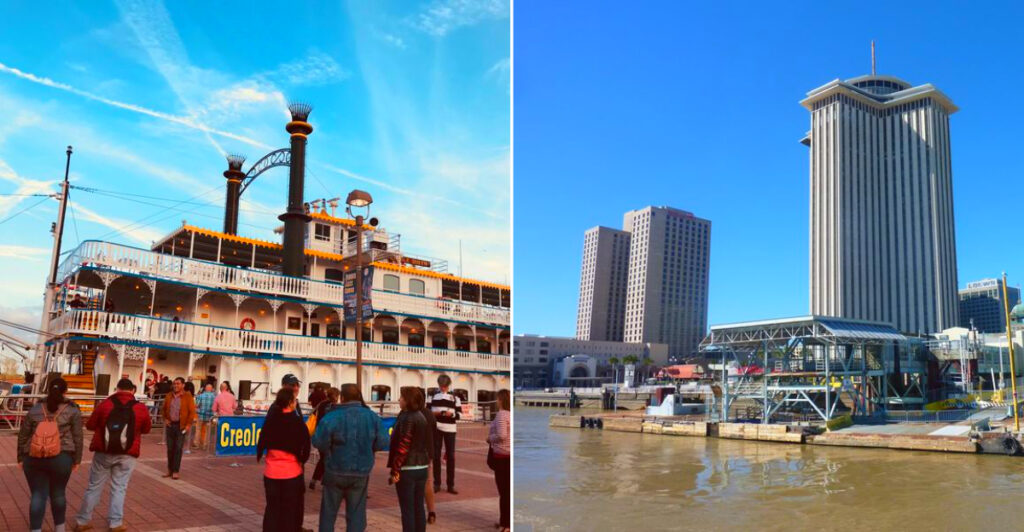
I have spent embarrassing amounts of money on observation decks across the country. This view cost me pocket change.
The ferry pulls away from the downtown dock, the engine rumbles beneath your feet, plus the entire skyline unfolds behind you like a slow wave goodbye.
Seagulls trail the boat hoping for handouts. Bikers lean against the rail with coffee cups. Locals cross with groceries like this is just their commute, because for some of them it is. The ride takes under ten minutes.
On the other side, a quiet neighborhood with shotgun houses, live oaks draped in moss, plus porches where people actually sit and talk to each other. I stayed longer than I planned.
Sometimes the cheapest thing you can do turns out to be the most memorable. Crossing the Mississippi by ferry in Louisiana delivers skyline views that cost a fraction of any tourist attraction.
Check The Clock Before You Go
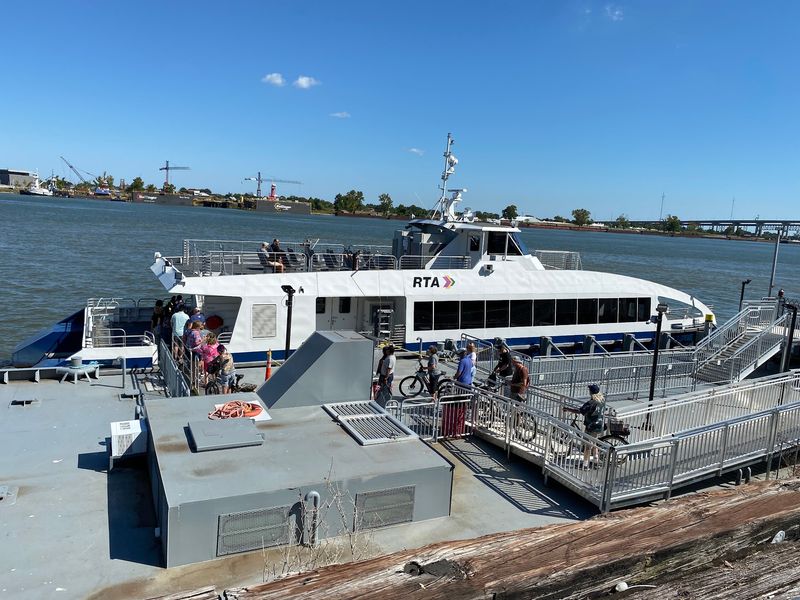
Schedules matter more than romance on a river crossing, and that is part of the charm. Ferries generally leave Canal Street at :15 and :45 past the hour, with return trips from Algiers Point on the hour and half hour, though times can vary by day.
Checking the RTA GoMobile or Le Pass app before you go saves guesswork and keeps the outing smooth.
Buying your fare in the app is the easiest move, especially if you also plan to ride buses or streetcars. Some passes cover the ferry, which can make the whole day cheaper.
Service runs from early morning into evening, with later hours on Fridays and Saturdays. Arrive a little early, because the boat is refreshingly punctual and does not pause for last second sprints down the terminal ramp.
That small habit can rescue your whole plan easily.
Canal Street Ends With A Two-Dollar River Crossing
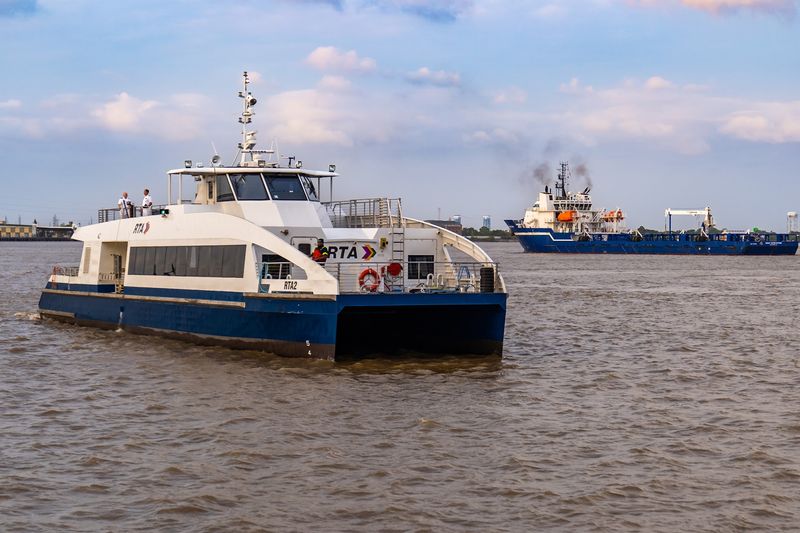
The Canal Street Ferry departs from the Mississippi River end of Canal Street in New Orleans, Louisiana, beside Audubon Aquarium and near the French Quarter. Follow Canal Street toward the river or approach through South Peters Street and the downtown riverfront corridor.
The final approach brings streetcars, hotel traffic, pedestrians, and riverfront visitors into the same busy few blocks. Continue past the aquarium area toward the ferry signs and pedestrian terminal; the boat crosses to historic Algiers Point on the opposite bank.
There is no dedicated free ferry parking at the terminal. Use a nearby paid lot or garage, then walk to the boarding area and pay through the RTA Le Pass app or at the terminal as directed.
Check the current RTA schedule before arriving, since service interruptions can occur.
Claim The Skyline Side Fast
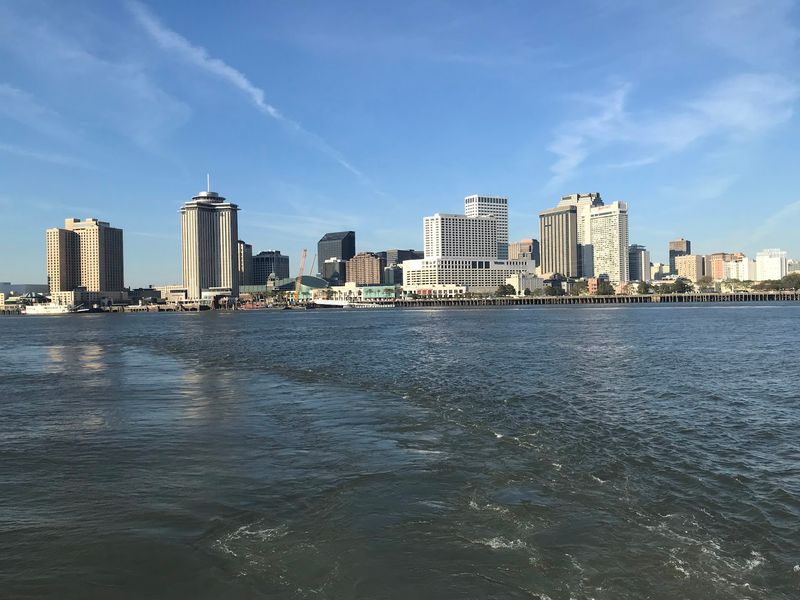
Wind decides your hairstyle before the ferry leaves the dock, which is a fair warning to photographers. For the broadest skyline view, head to an outside spot as soon as boarding opens and face back toward downtown New Orleans.
The short ride frames the river, the French Quarter area, and a changing line of ships and tugboats in a way street level never can.
Cloudy weather can be surprisingly good for pictures because glare softens and building details show up better. Late afternoon often adds warm color, while evening gives the skyline a neat glow.
I like standing still for a minute before taking any photos, because the moving water, engine hum, and big working river tell the story as much as the buildings do. Bring a strap for your phone on breezy days near open rails and stairs there.
Pick Your Deck For Comfort
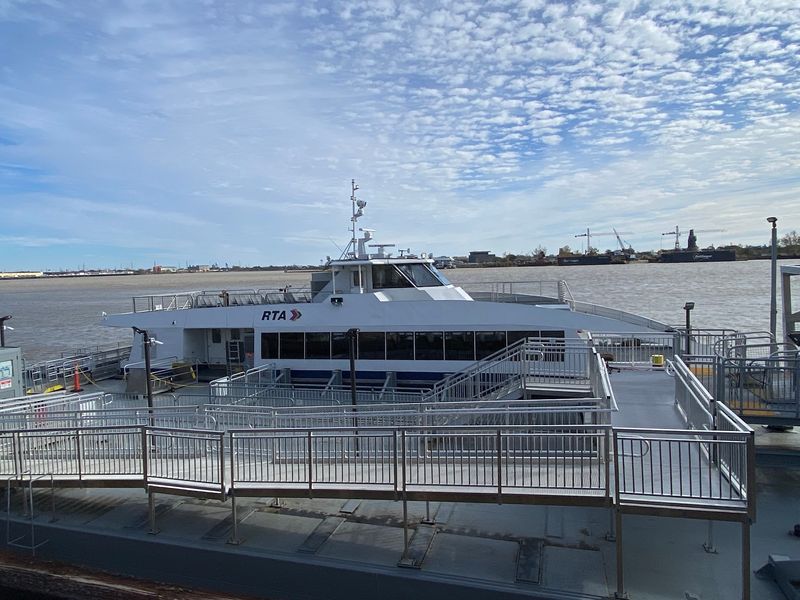
Heat, shade, and breeze all bargain with each other on this boat, so choose your spot on purpose. The upper level usually gives the clearest views and the best sense of floating across the Mississippi, but it can feel hotter in summer sun.
The lower level is a smart pick when weather turns rough, when you want more shelter, or when you simply need a calmer ride.
Families with small kids may find the enclosed or lower seating easier, especially during busy boarding moments. If you want photos without people in every frame, move quickly after boarding and claim a railing space.
On cooler days, the outside areas feel glorious. On sticky afternoons, shade can matter more than bragging rights about the top deck, and comfort often wins when the ride is only a few minutes long anyway for many.
Notice The History Under The Commute
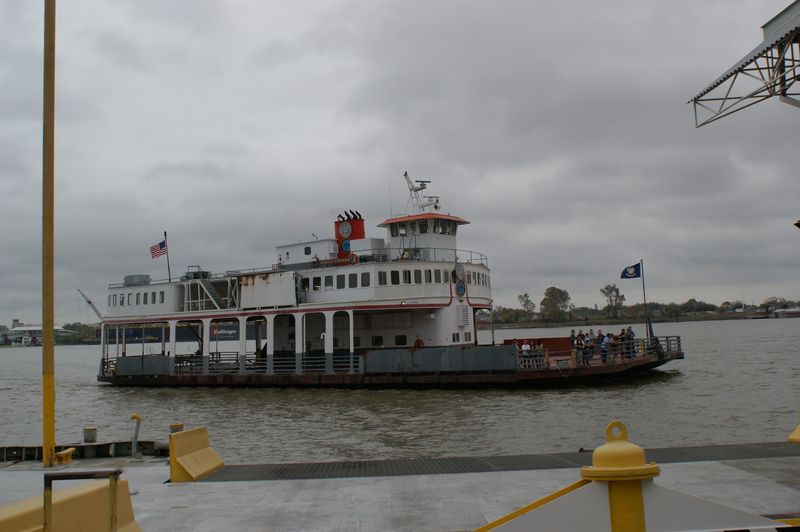
The ride is quick, but the route carries a long memory. Ferry service between Canal Street and Algiers goes back to 1827, long before modern bridges changed how people crossed the river.
Knowing that history gives the trip a different weight. You are not just sightseeing, you are using one of the city’s old connective threads.
The present Canal Street terminal is much newer than the tradition it serves. A new ADA compliant terminal opened in 2023, making access clearer and more comfortable for many riders.
New catamaran vessels entered service in late 2020, which helps explain the clean, efficient feel of the crossing today. Look around before boarding, and notice how a humble commute still reflects New Orleans history, engineering, and the stubborn importance of crossing water the practical way.
Few attractions teach so much in so little time.
Give Algiers Point An Hour
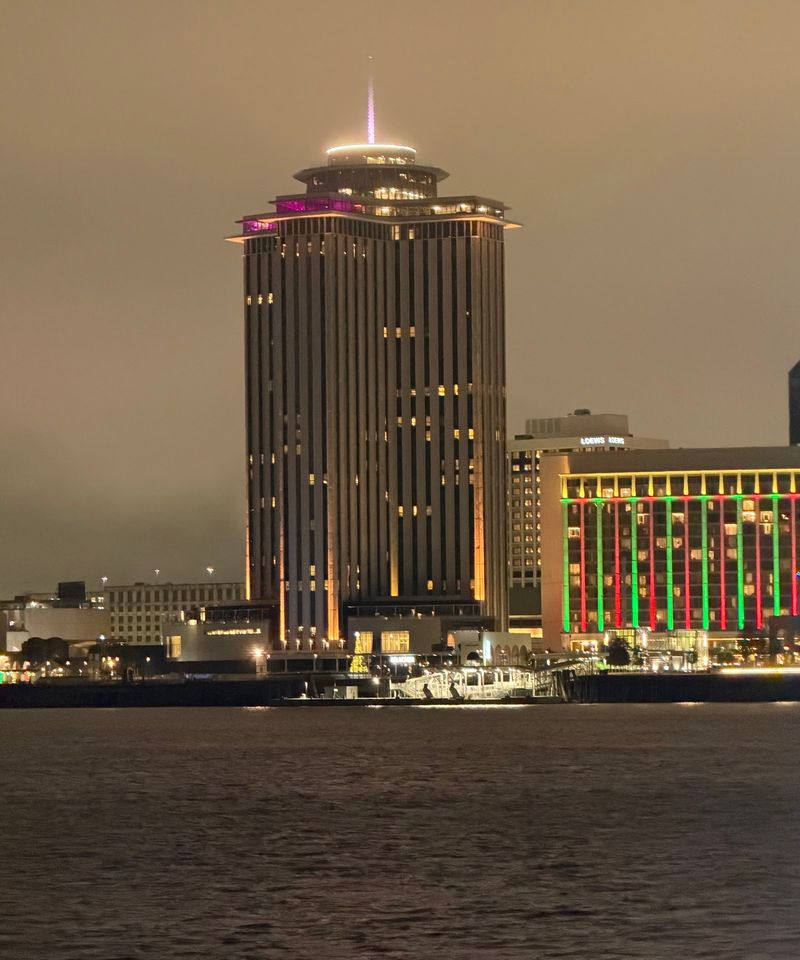
The best trick is not hurrying back. Once the ferry reaches Algiers Point, give yourself time to walk the levee and a few nearby streets instead of treating the landing like a turnaround loop.
The neighborhood dates to 1719 and feels quieter than downtown, with handsome old homes, trees, and a pace that seems to exhale after the engines stop.
From the levee path, the return view toward New Orleans is one of the real prizes of the trip. You can spot the skyline from across working water and appreciate how close, yet different, the West Bank feels.
I usually think of this side as the ferrys secret second act. Even a short wander changes the outing from cheap transportation into a small neighborhood visit with history, architecture, and room to breathe.
That contrast lingers pleasantly after you return downtown.
Use The Ferry Like A Local Link
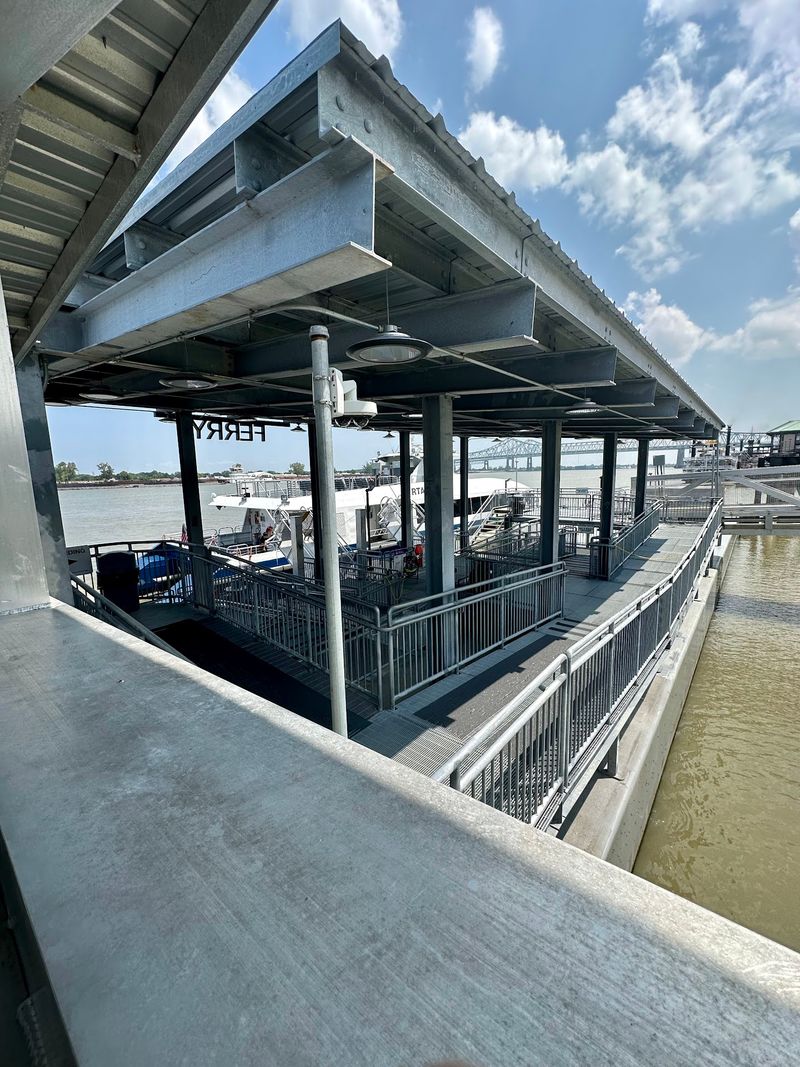
Bicycles and walking shoes both belong on this crossing, which gives the ferry a practical spirit. The Canal Street ferry serves pedestrians and cyclists, not vehicle traffic, so boarding feels simpler and less chaotic than a car ferry.
If you are exploring without a car, that is news worth using. The trip slides into a day built around transit, walking, and short neighborhood wanders.
Accessibility has improved with the newer Canal Street terminal, which was designed to be ADA compliant. That matters, especially at a river crossing where ramps, waiting areas, and clear circulation can shape the experience.
If you are bringing a bike, arrive early enough to board without rushing and keep an eye on crew instructions. Patience at the terminal goes a long way, and the payoff is seeing New Orleans from an angle most sidewalks never offer.
Dress For River Weather
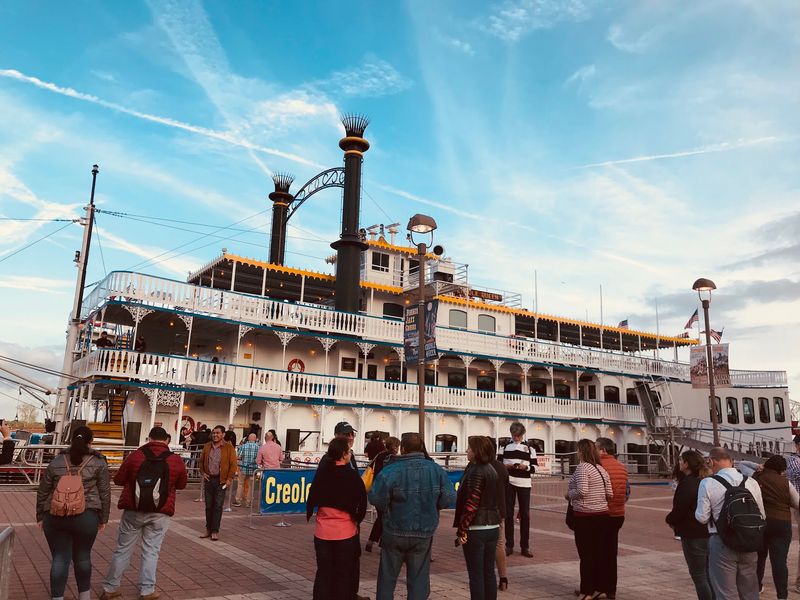
Summer can make a seven to ten minute ride feel like a tiny weather seminar. Sun bounces off water, breeze changes by the second, and afternoon storms can shift the mood fast.
Bring water, wear a hat if you plan to stand outside, and keep anything paper tucked away. New Orleans humidity does not care how short your crossing is.
Winter and cooler mornings can be unexpectedly crisp on open decks, especially when the boat gets moving. A light layer is usually enough, but it can save the trip from turning into a hunch shouldered photo session.
Rain is another reason to check schedules in the app before heading over. The ferry is simple, not fussy, and your comfort depends on noticing the same thing river people have always noticed first, the sky.
That old lesson still rules every crossing.
Aim For Off-Peak Calm
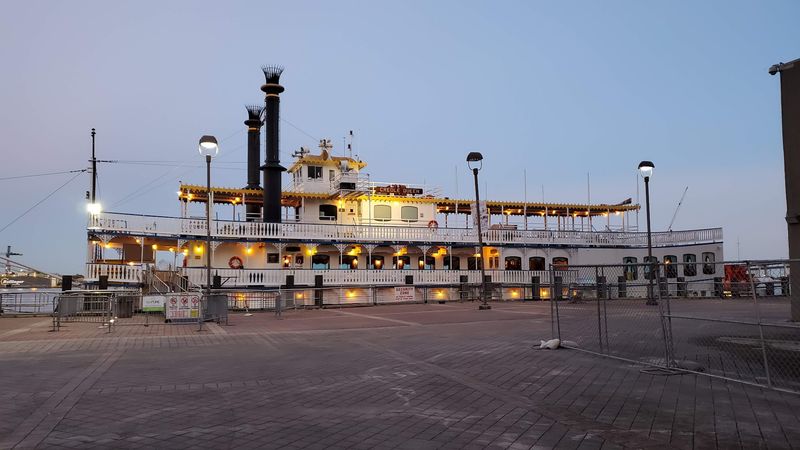
Quiet trips have a different magic. Midmorning and early afternoon often feel easier for lingering over views, while commuter periods can be busier because the ferry is real transportation, not only a visitor treat.
If your goal is photos, breathing room, and a less rushed boarding line, aim for an off peak crossing and build in time for the boat back.
Weekends can stretch the outing later into the evening, which is useful if you want dusk or night views. Still, the return schedule matters, especially after dark when missing one departure can change your plans more than you expect.
I have found that the ferry feels best when you do not treat it like a checklist item. Leave space to wait, look around, and let the ride set its own modest, river paced rhythm for a while each time.
Mind The Small Boat Manners
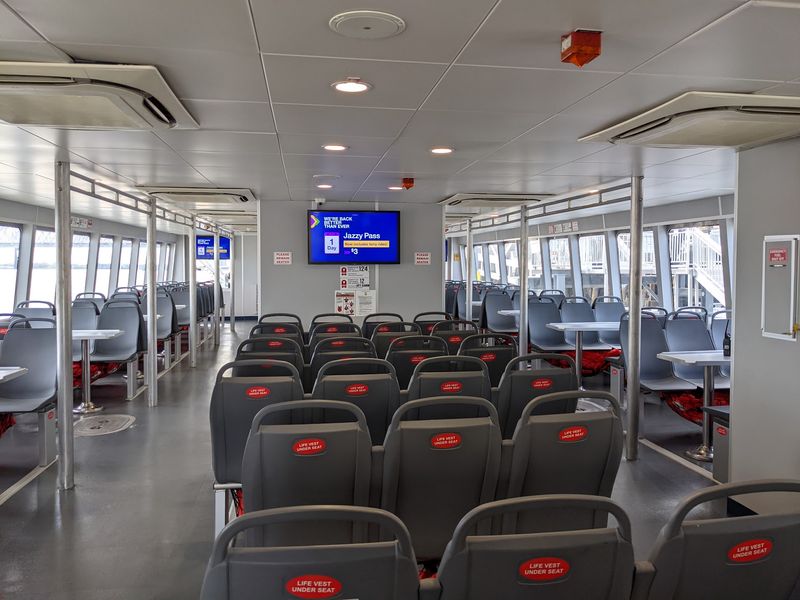
Nothing kills a dreamy river mood faster than realizing you ignored the basic rules. Stay behind barriers, watch children closely near rails, and listen to crew directions during boarding and unloading.
The trip is short, but docks, ramps, and moving water always deserve attention. A little ferry etiquette keeps the crossing easy for everyone.
Phones and cameras come out quickly once the skyline appears, so secure them before leaning for a better angle. If you stop inside the terminal or on the ramp, stay aware of people trying to board.
Courtesy matters more here than on a longer cruise because everything happens fast. Keep bags close, step aside when you need to reorganize, and remember that many riders are simply getting home.
That mix of visitors and daily users is part of what makes the ferry feel authentic, not staged.
Turn One Ride Into Two Views
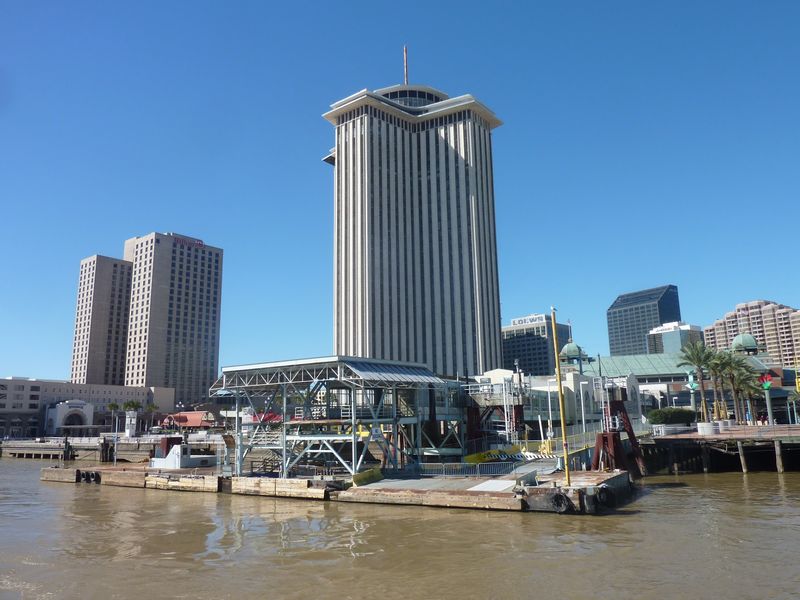
A round trip is where the bargain really shows itself. Paying a small fare each way can still cost less than many single attractions nearby, yet the experience includes open water, skyline views, and a historic neighborhood on the other side.
If you already have a qualifying transit pass, the value can become even better. Few city outings feel so local for so little money.
My favorite approach is simple: ride over, walk the levee, look back at downtown, and take the next or next after next boat home. That keeps the day flexible and lets the ferry stay what it is best at, a short crossing with an outsized sense of place.
New Orleans has grander spectacles, of course, but this one wins by being useful, humble, scenic, and surprisingly memorable at once for visitors and locals alike today.