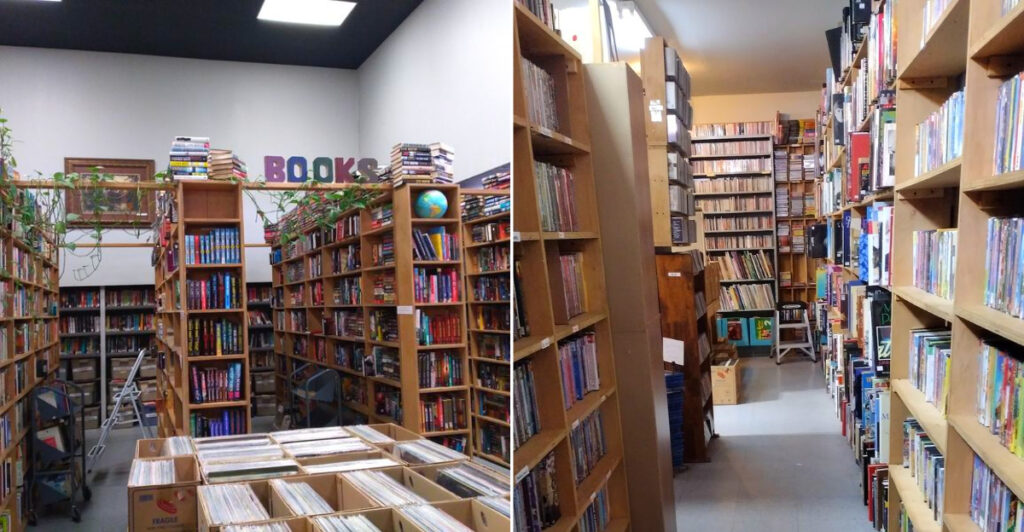
I told myself I would browse for an hour. I closed the place down instead. The aisles twist and branch like a maze designed by someone who loves books far more than navigation. Sections exist, but finding what you want matters less than discovering what you did not know you needed.
I pulled a novel off a shelf and a dried flower fell out of the pages. Someone else had been here before me, pressed this petal, plus left it behind like a secret.
The staff wander the stacks with the calm authority of librarians who have read everything.
Prices are so low I checked the sticker twice on my first stack. Cozy chairs hide in corners I almost walked past.
Vinyl records line an entire wall near the back. Louisiana has an enormous bookstore where time moves differently, plus leaving empty-handed is nearly impossible.
Start With A Loose Plan
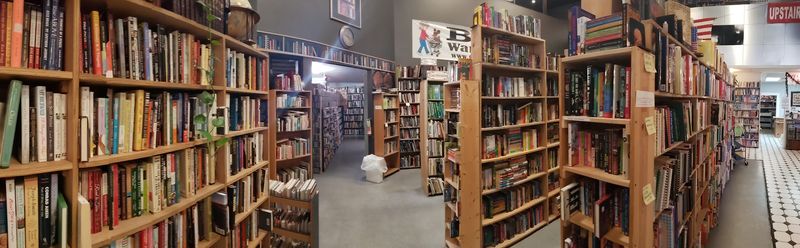
Walking in without any plan can be fun, but a tiny bit of strategy helps in a store this large. The selection is broad enough that aimless browsing may pull you in ten directions before you even reach the area you meant to see.
Choose two or three priorities before you arrive. Maybe you want history, young adult fiction, older movies, records, or textbooks.
A short list keeps the visit from feeling overwhelming while still leaving space for unexpected finds that appear on side shelves or tucked corners.
That balance matters here. Begin with your must-see sections, then let curiosity take over once those are covered.
It turns a huge bookstore into a satisfying treasure hunt, not a race, and helps you leave with books you truly wanted instead of a stack chosen in a daze.
Give Yourself More Time Than You Think
The Thrifty Peanut is at 7600 Youree Drive in Shreveport, Louisiana, along the city’s busy southeastern shopping corridor. Approach directly on Youree Drive and look for the commercial property near the 7600 block rather than expecting a traditional downtown bookstore.
The final approach passes large retail centers, restaurants, and frequent driveways, so move into the correct lane early. The family-owned book and media warehouse occupies a roadside storefront where customers can buy or trade books, comics, records, games, and movies.
Turn into the shared customer parking area and walk directly to the store entrance. Larger trade-ins are accepted, but calling ahead can make the check-in process smoother when bringing several boxes of books or other media.
Look Up, There Is More Than One Level
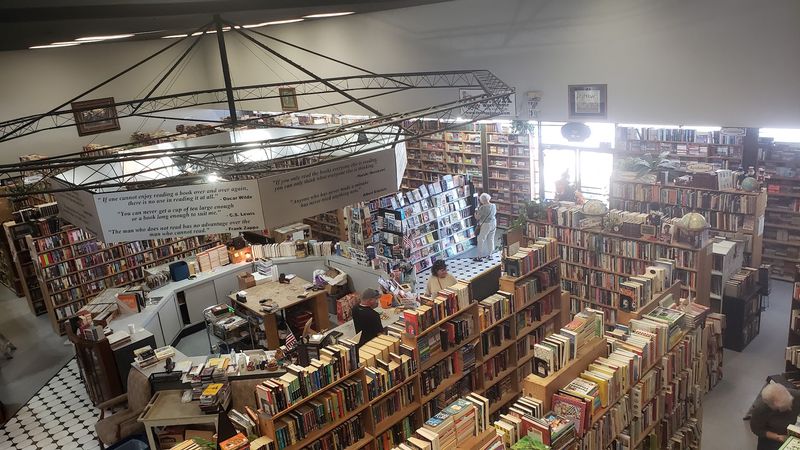
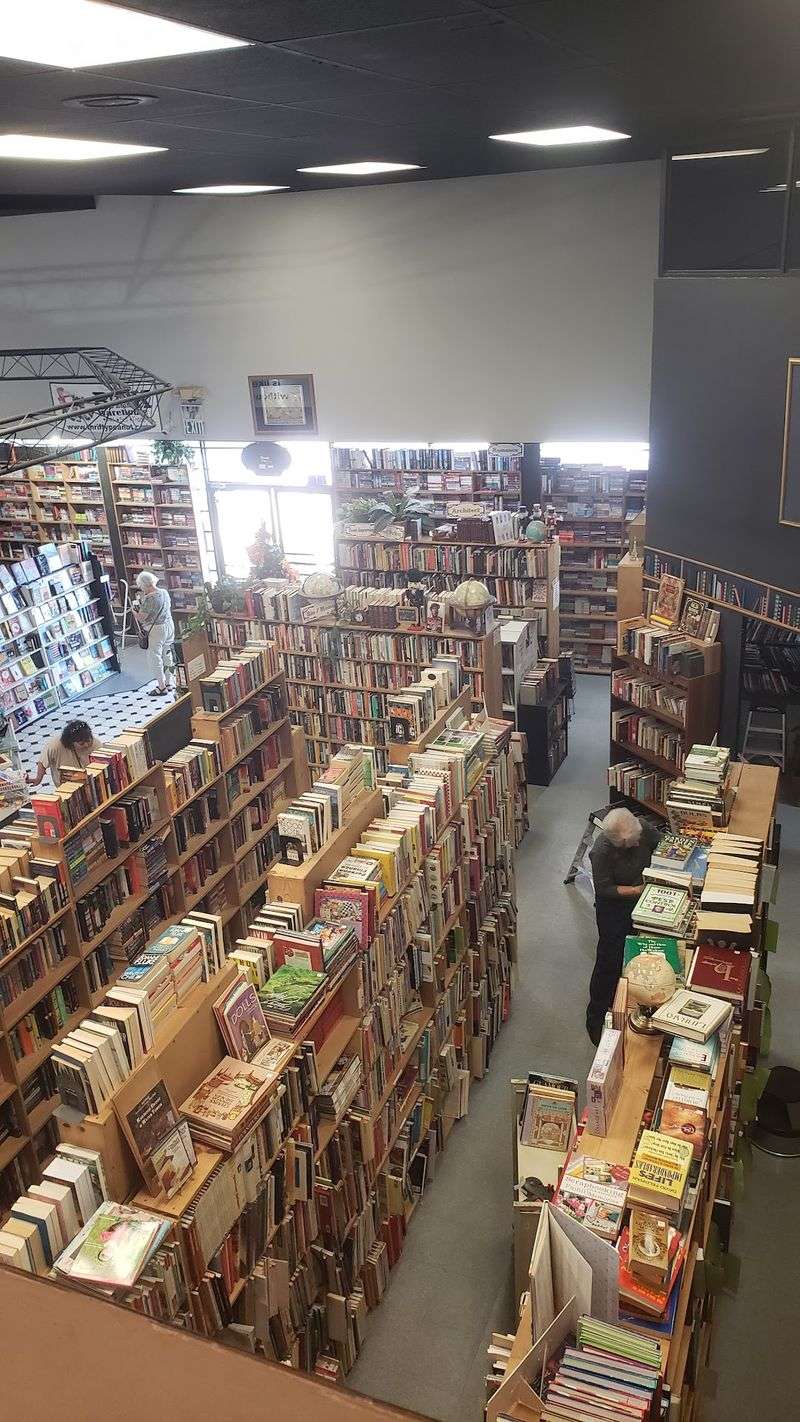
The surprise hits after the first sweep of the main floor. Just when the store already seems full beyond reason, the upstairs area reminds visitors that The Thrifty Peanut is not finished showing off yet.
That extra level changes the mood of the trip. Instead of treating the store like one long room, think of it as a layered space with separate pockets of discovery.
It helps to move through it in stages, pausing now and then so the huge inventory feels exciting rather than cluttered.
A simple habit works well here. Finish one floor or section before drifting to the next, and keep track of where you spotted something worth revisiting.
In a bookstore this big, memory can get fuzzy fast, especially after a few strong finds start piling up in your arms and stealing your attention.
Bring A Bag And Leave Room In Your Arms
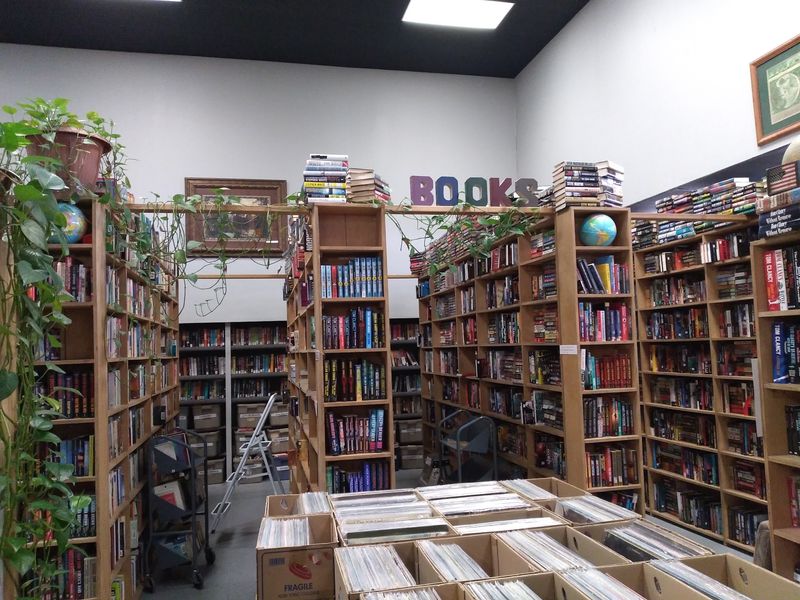
Books multiply in this store with almost comic speed. One paperback becomes three hardcovers, then a movie, then a puzzle or record, and suddenly carrying everything feels like a strength test nobody prepared for.
A reusable bag makes the visit easier from the start. The selection is known for pulling readers toward older titles, niche items, and half-price discoveries that are hard to put back.
Even a disciplined shopper can end up with an armful before reaching the middle of the store.
Leaving a little space in your car is wise too. The Thrifty Peanut is more than a simple used bookstore, with records, CDs, DVDs, Blu-rays, comics, and games adding to the temptation.
A bag, a free hand, and realistic expectations will save you from the awkward shuffle of balancing a tall stack through narrow aisles.
Check More Than The Fiction Shelves
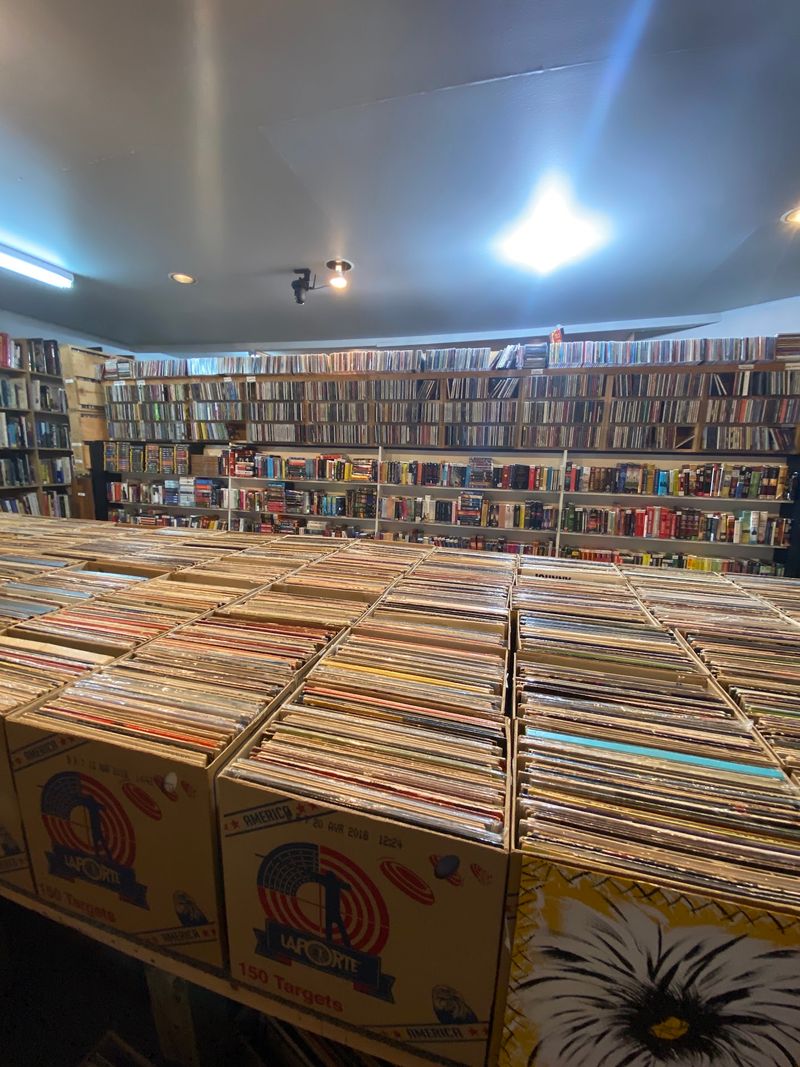
Readers come for books, but the store quietly widens the game. A serious browser can spend half the day in novels and still miss the records, movies, comics, and vintage games waiting elsewhere in the building.
That variety gives The Thrifty Peanut its warehouse feel. It is not just a place for one category of collector, and that changes the rhythm of a visit.
Someone hunting a mystery paperback may walk out with a classic film or an old album too.
The best approach is to save a little time for categories outside your usual comfort zone. Even ten extra minutes can uncover something memorable.
When a store holds books, DVDs, Blu-rays, CDs, and more under one roof, curiosity pays off, and the oddest section sometimes ends up producing the most satisfying find of the whole trip.
Use The Trade Counter Wisely
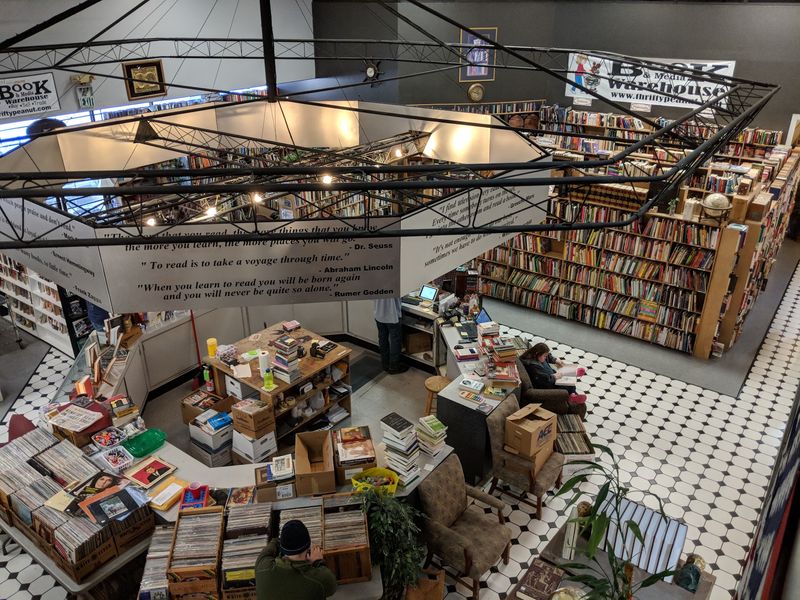
A towering personal library at home can become useful currency here. The Thrifty Peanut runs a buy, sell, trade program, which means old books and other media may help fund the next stack you want to carry home.
The system works best when you arrive informed and patient. Store credit can stretch a budget, and many regular visitors use trade-ins to keep reading without paying full retail prices elsewhere.
It also keeps books moving back into circulation, which suits the spirit of a big used bookstore perfectly.
Bringing clean, good-condition items is a smart move, especially if you hope for a smoother process. Textbooks, books, CDs, comics, video games, and other media are part of the program.
If you plan to shop anyway, trading first can make the whole visit feel lighter, thriftier, and more rewarding by the time you reach checkout.
Notice The Small Details Between The Stacks
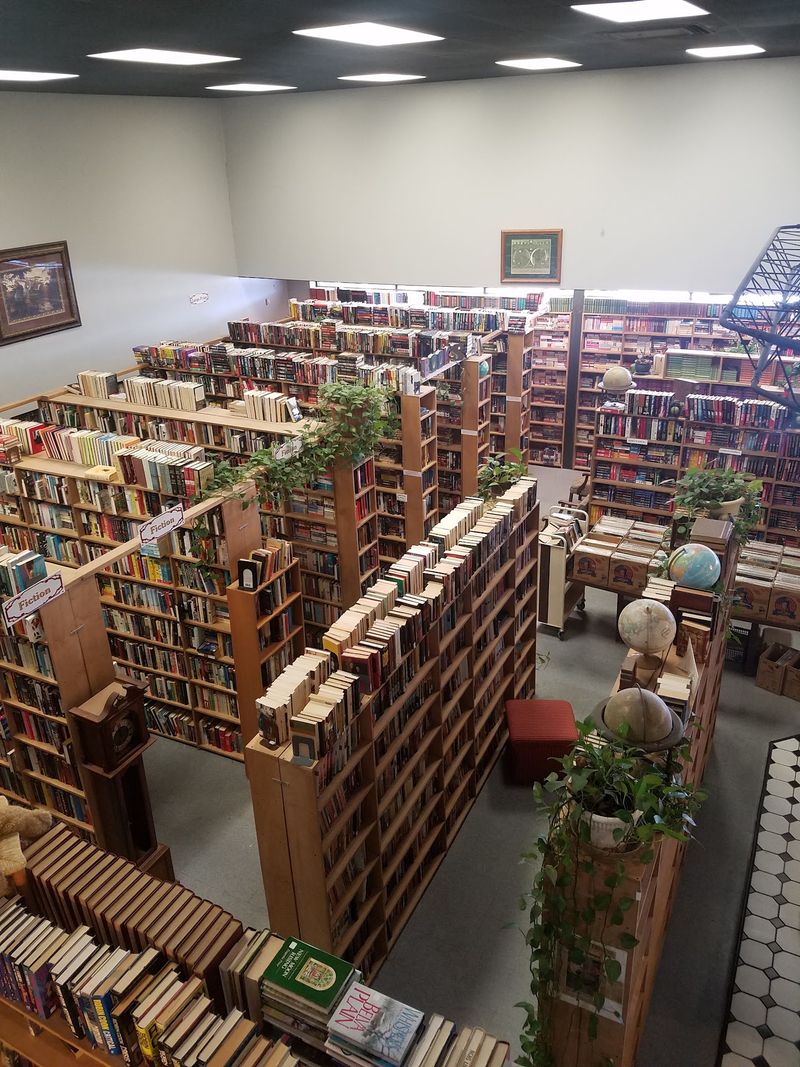
Not every memorable part of this store comes from the book spines. Around the shelves, small touches like trailing pothos plants, quirky signs, and tucked-away objects give the place a personality that feels lived in rather than staged.
Those details soften the scale of the building. In a huge bookstore, little visual surprises keep the experience warm and playful, especially when the shelves already rise high and the aisles seem to keep stretching.
They create brief pauses between serious browsing and remind visitors to look around, not only down at titles.
I like that the space feels cared for without losing its used-book character. A shelf-top vine or a funny sign can reset your attention when your eyes start glazing over from too many choices.
Slowing down enough to notice those bits makes the visit feel fuller and a little more human.
Expect Prices To Vary By Section
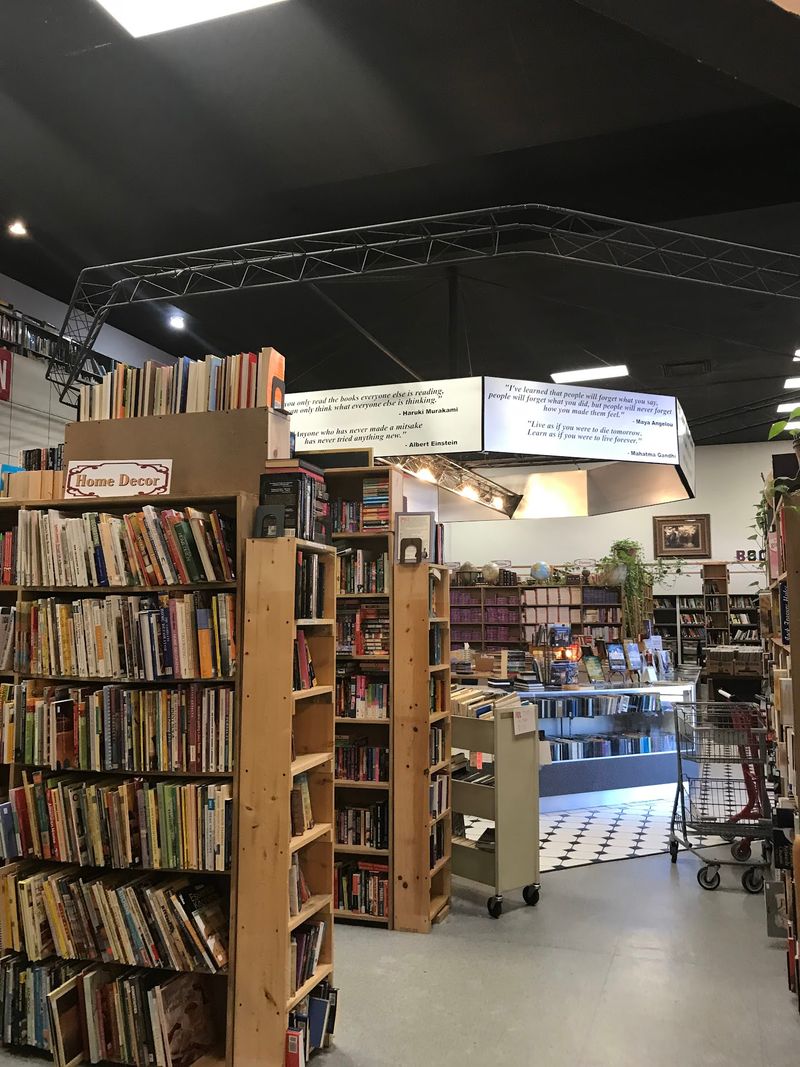
One useful mindset keeps the trip pleasant: browse with open eyes, not automatic assumptions. In a store this large, prices can vary by title, condition, category, and section, so the smartest shoppers compare rather than grab blindly.
Some visitors focus on the lower-cost clearance options near the front, while others hunt for harder-to-find books that still cost less than buying new. Both approaches make sense.
A massive used bookstore serves bargain seekers and collectors at the same time, and that mix is part of the experience.
Checking condition before buying is worth the extra few seconds. Look at the cover, corners, and pages, then decide whether the price fits the find.
If you are trading for store credit, the math can feel even better. A little patience helps you leave with books that feel like good choices, not rushed ones.
Read The Book Before You Buy It
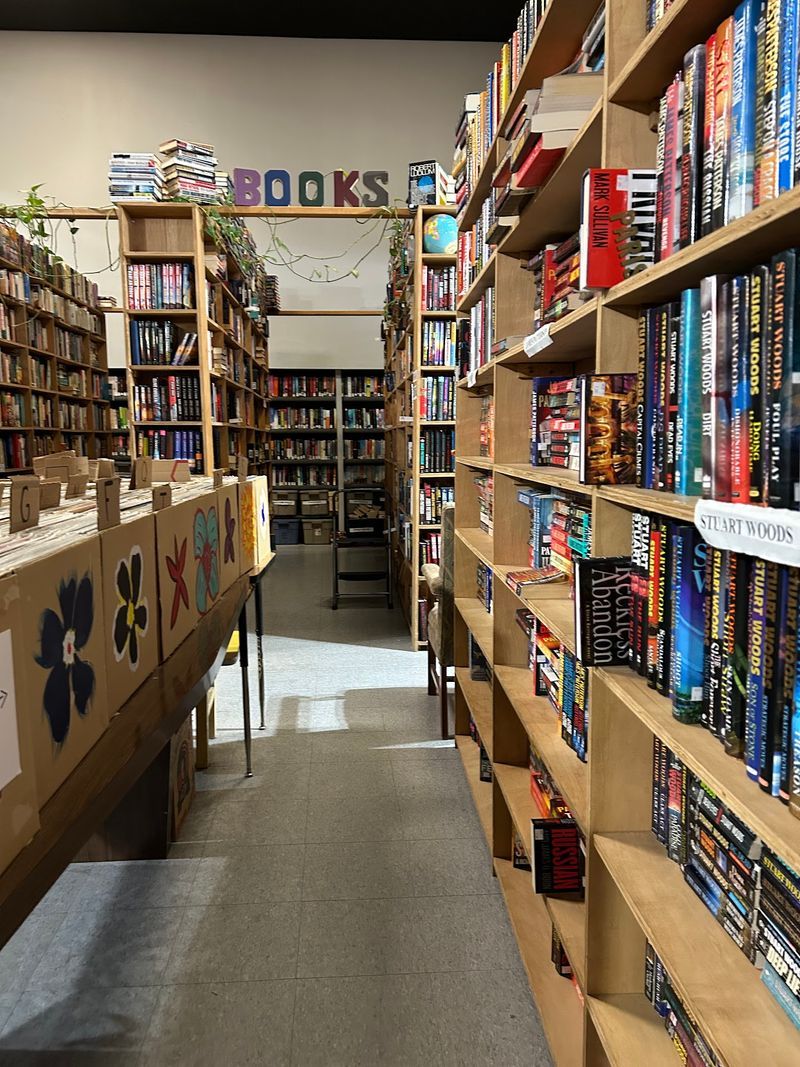
Big stores can create a strange kind of shopping rush, even when nobody is hurrying you. The best cure at The Thrifty Peanut is simple: stop, open the book, and spend a minute with it before adding it to the pile.
That pause matters because used bookstores invite impulse picks. A great cover, an old edition, or a familiar author can be enough to tempt anyone, but a quick glance at the first page, table of contents, or condition tells you far more than a spine ever could.
Some visitors enjoy settling into a cozy spot to review their finds, which suits the unhurried mood of the store. It is a smart habit in a place with so much choice.
Taking a breath helps separate true keepers from passing curiosities, and your final stack usually ends up smaller, stronger, and easier to carry.
Watch For The Human History Inside Old Copies
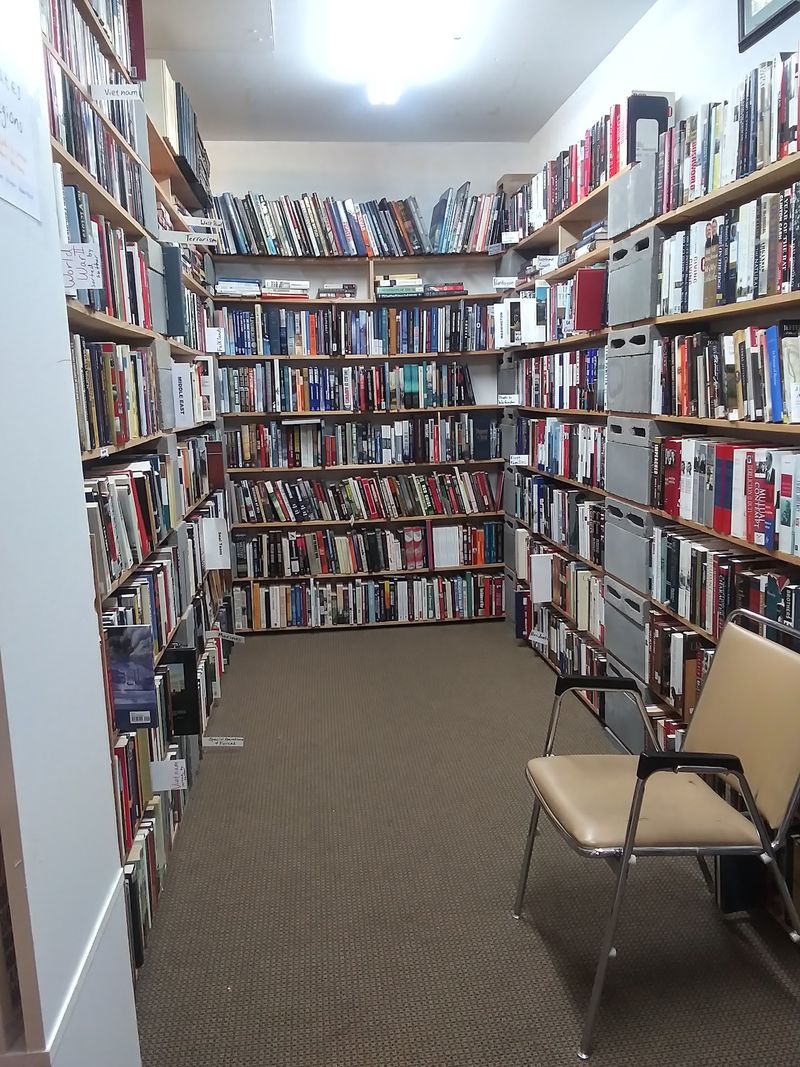
Every so often, a used book offers more than the printed story. A note in the margin, an old bookmark, or a pressed flower can turn a routine purchase into a quiet little meeting with a stranger from years ago.
The Thrifty Peanut is big enough that these moments appear naturally if you browse long enough. They are easy to miss when you are focused only on titles, so it helps to flip through older copies with care.
Personal traces like underlining or inscriptions can reveal where a book has already traveled.
Not everyone wants marked pages, of course, and that is fair. Still, for many readers, those signs of earlier ownership add charm instead of damage.
They make the store feel like a circulation of lives as much as a circulation of books. In a place built on second chances, that extra layer feels especially fitting.
Pick A Calm Time For A Better Browse
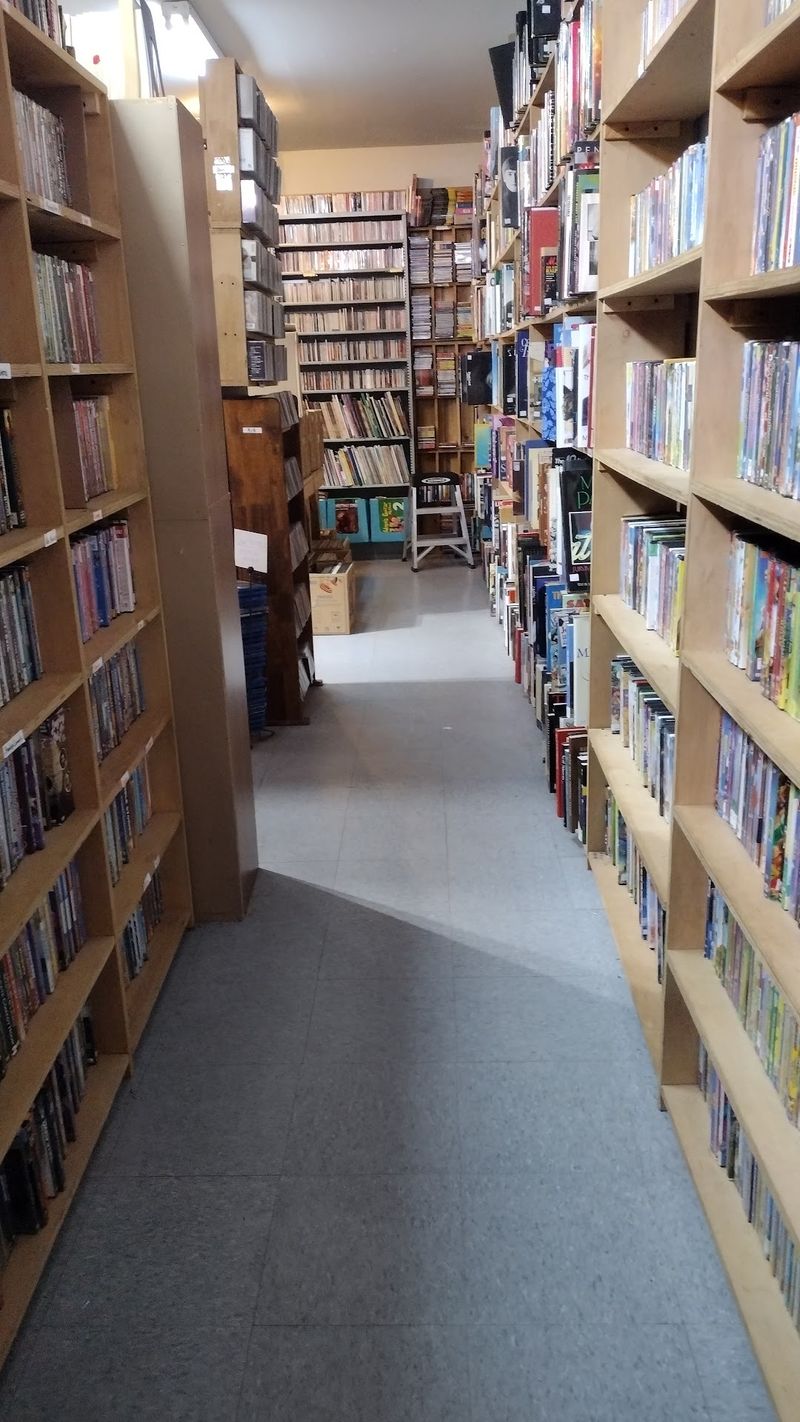
The mood of a bookstore changes with the clock. At The Thrifty Peanut, choosing a quieter part of the day can make the huge layout feel easier to navigate, especially if you want long stretches of uninterrupted browsing.
Weekday mornings are often a sensible bet because the store opens at 9 AM and runs until 7 PM Monday through Saturday, while Sunday is closed. Earlier hours give you space to look carefully, double back through sections, and make slower decisions without feeling boxed in by your own schedule.
A calm visit also helps if you plan to trade items, ask for help, or explore more than one category. Large bookstores reward attention, and attention comes easier when the trip feels roomy.
If the goal is to enjoy the place instead of simply passing through it, timing your visit well makes a real difference.