Watch a grocery list lose control before the cart reaches aisle two.
That happens fast at this Georgia store. One strong freezer deal can replace tonight’s dinner, while a meat special starts making plans for the rest of the week.
The shelves never follow the same script. Closeouts and changing inventory keep familiar staples beside products you did not expect to find. Prices make passing them up seem like bad budgeting.
You can still cover the basics without draining the grocery fund. The difference is that every trip leaves room for a surprise, and those unplanned finds often become the smartest buys in the cart.
Bring a list, but do not let it get bossy. The bargains are persuasive, but who really gets the final say at checkout?
A Long-Running Discount Grocer Keeps The Mission Simple
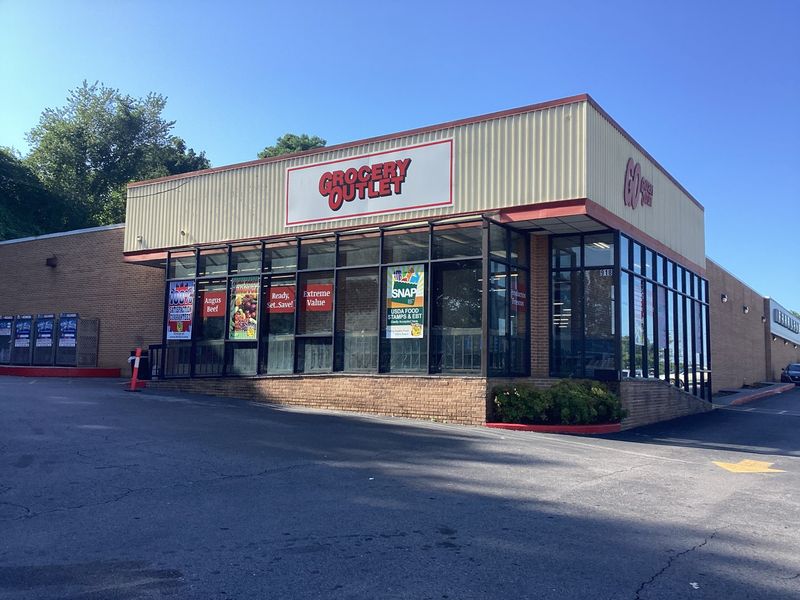
Some grocery stores build excitement with polished displays and trendy slogans. This one has spent decades focusing on a much simpler promise: help shoppers eat better for less.
United Grocery Outlet traces its history to 1974, when the business began as Bargain Barn in Etowah, Tennessee. The first operation started inside an antique store before growing into a regional discount grocery chain.
Today, the company operates across several Southeastern states, including Georgia. Its stores buy and sell a broad range of supermarket products through a closeout model, giving shoppers access to changing deals instead of a perfectly fixed national inventory.
The Dalton location follows that same approach. Familiar grocery categories remain available, but brands, package sizes, and specific products can shift according to what the company is able to purchase.
That movement is not a flaw hiding behind the shelves. It is the engine of the business. You trade total predictability for the chance to find products at prices that make the weekly budget easier to manage.
The company has changed ownership and expanded over time, but the bargain-first identity has remained.
A grocery mission does not need a dramatic plot. Sometimes “fill the cart without frightening the bank account” is more than enough.
Glenwood Avenue Turns Shopping Into A Treasure Hunt
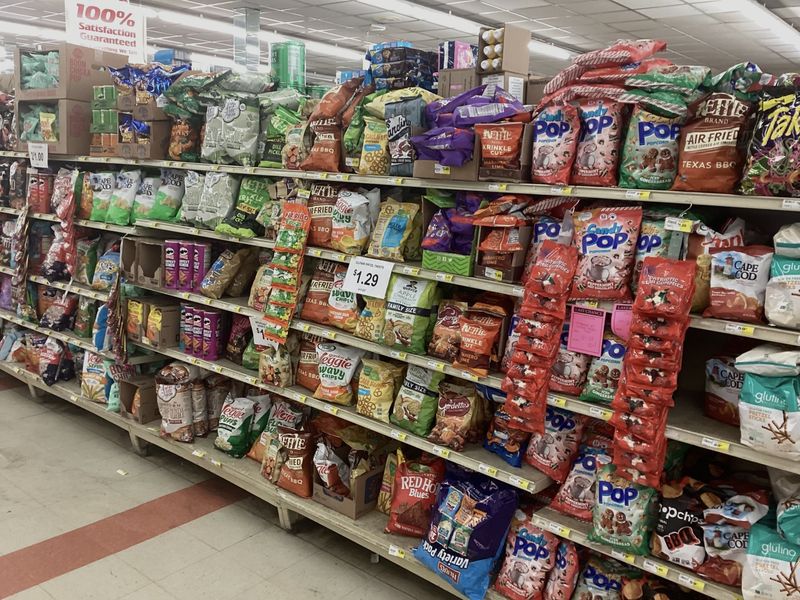
A conventional supermarket tells you where everything will be next Tuesday. A closeout store keeps at least one surprise behind the corner.
The Dalton location includes meat and produce departments along with the wider mix of groceries associated with the chain. That allows you to shop for practical meal ingredients while still browsing for limited deals and unexpected labels.
Current store hours run from 8 a.m. to 9 p.m. every day. The long schedule gives families room to visit before work, after school, or during the evening.
Weekly ads and one-day Angus Tuesday Plus meat specials give you a starting point before arriving. The store also promotes rotating Favorite Picks, which highlight products and prices that may not remain available for long.
Quantities can be limited, and advertised products are not guaranteed at every location. That makes checking the Dalton page or current ad useful, especially when one deal is the main reason for the trip.
Near the end of your planning, add the address: 918 N. Glenwood Avenue, Dalton, Georgia 30721.
The building is easy to locate. Predicting exactly what will land in the cart is where the adventure begins.
Closeout Buying Keeps Familiar Labels In Play
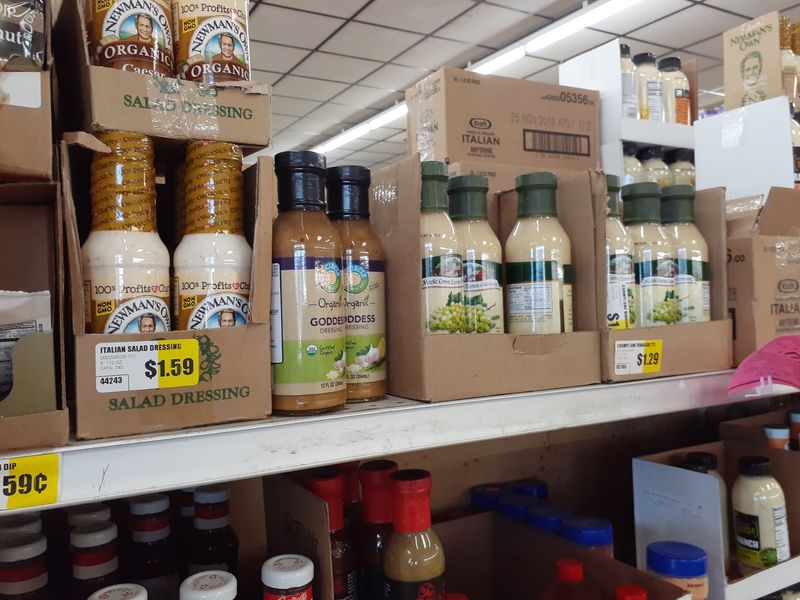
Brand loyalty has an annoying habit of charging rent. Closeout buying can occasionally give those familiar labels a much cheaper address.
United Grocery Outlet uses an opportunistic buying model built around closeouts, inventory imbalances, seasonal changes, and other supplier opportunities. That approach can place national and regional brands beside products shoppers have never tried before.
That does not mean every famous brand appears on every visit. Quantities can be limited, and an advertised item may disappear before your next trip.
Flexibility becomes the most useful shopping skill. You may find the category you need without finding the exact size, flavor, or label you expected. Switching brands or adjusting the meal plan can unlock the stronger bargain.
The changing mix also gives specialty products a chance to appear beside everyday staples. Would you try that unfamiliar sauce or freezer find if the price made the experiment painless?
The goal is not to buy something merely because the tag looks exciting. A real bargain is an item your household will actually use.
The logo catches your attention first. The smaller total is what earns the ride home.
Weekly Ads Give The Cart A Head Start
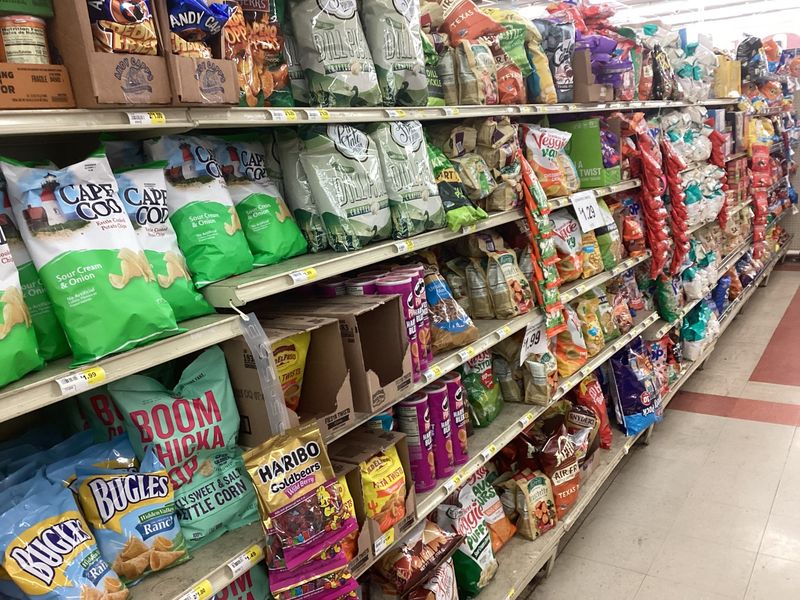
Going bargain hunting without checking the ad is possible. So is assembling furniture without reading the first page of instructions.
The company publishes a weekly advertisement featuring grocery, meat, produce, and other sale categories. Shoppers can view it online or sign up for deal emails before making the trip.
The ads are useful because closeout inventory does not always repeat. A featured product may sell through, and the same deal may not return once the sale window closes.
Dalton also participates in Angus Tuesday Plus, a one-day meat promotion offered on Tuesdays. Checking the latest ad or email notice helps because the featured cuts can change from week to week.
Weekend sale events and rotating Favorite Picks create additional opportunities throughout the month. Each promotion comes with its own dates and supply limits, so the calendar matters almost as much as the shopping list.
Planning does not remove the surprise. It simply gives your budget a useful opening move before the aisles start making their own suggestions.
Check the ad, circle the priorities, and keep one corner of the cart open. The best deal may not have introduced itself online.
Fresh Meat Gives Dinner A Stronger Starting Point
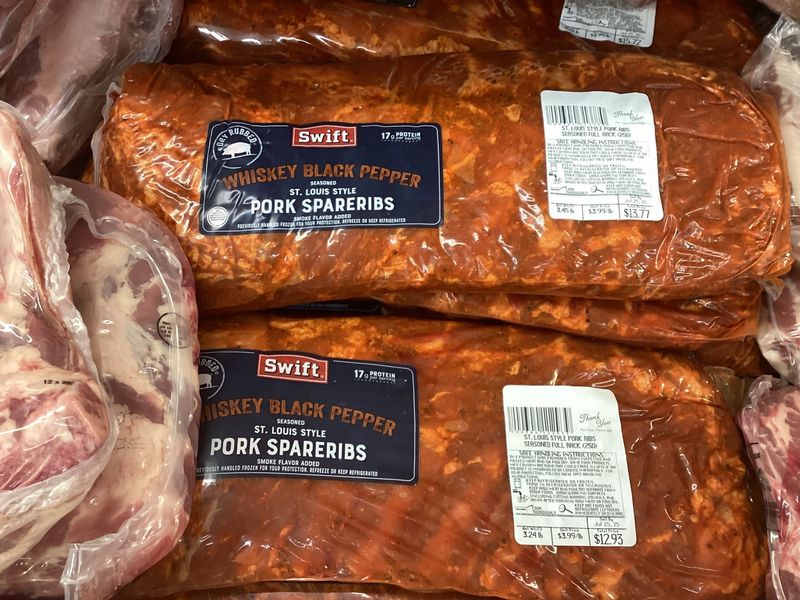
Pantry bargains are useful, but dinner eventually asks where the protein went.
The Dalton store has a dedicated meat department and recurring specials through its weekly advertisements and Angus Tuesday Plus program. That makes the location more than a stop for canned goods and packaged snacks.
Specific cuts and prices change with each promotion. That makes the meat case worth checking in person rather than relying on an old list or a deal someone found several weeks ago.
A flexible home cook has the advantage. If chicken is the stronger buy, the week can lean toward roasting, grilling, soups, or casseroles. If beef takes the spotlight, tacos, burgers, slow-cooked meals, and steak night suddenly become easier to justify.
Buying extra can make sense when the price fits your budget and freezer space is available. It does not make sense when the package becomes a forgotten archaeological discovery several months later.
The meat department gives the trip practical weight because it can shape several meals instead of one impulse purchase.
A discounted snack may improve the afternoon. A well-timed meat special can rescue the entire week.
Produce Helps Balance The Bargain Cart
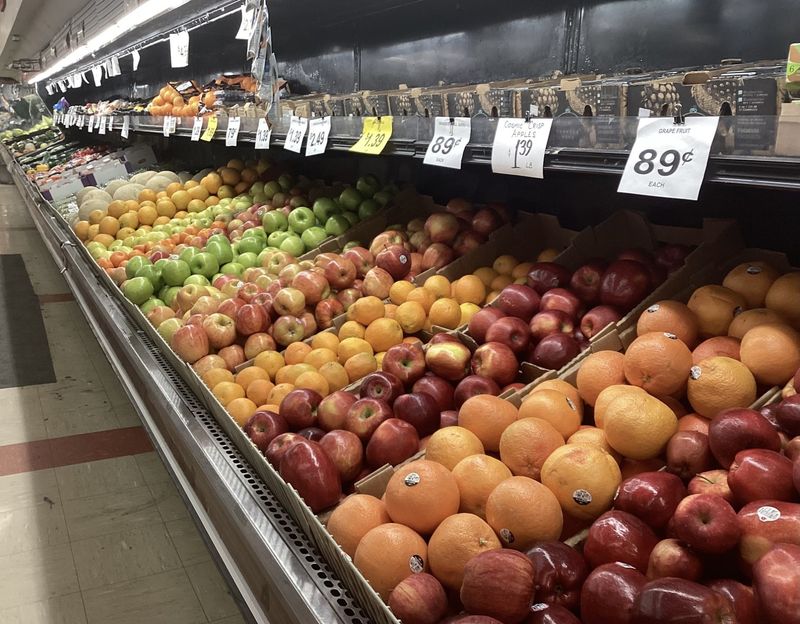
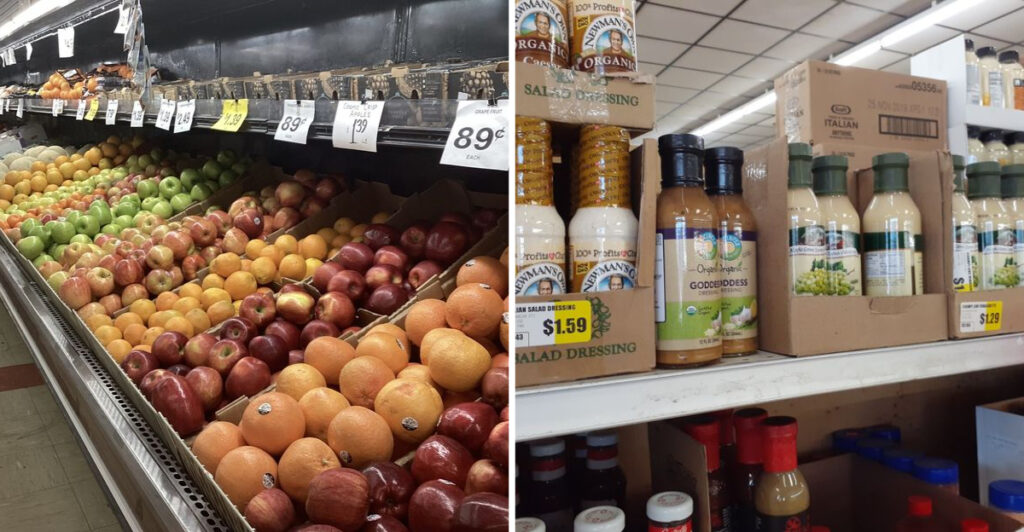
A cart full of deals can still look suspiciously beige. The produce department steps in before dinner turns into a festival of boxes.
Fresh fruits and vegetables share the Dalton store with pantry and freezer bargains. Weekly produce offers give shoppers another way to plan meals around the current sale cycle.
Selection can change with sourcing, season, and availability. Arriving with several acceptable options works better than insisting that one specific vegetable carry the entire menu.
You might build meals around what looks strongest that day, pairing discounted meat with fresh vegetables or using fruit to cover breakfasts and school snacks. That adaptability can reduce the need for a second grocery stop.
Locally sourced products from Southeastern farmers and growers can also appear in the fresh-food mix. Exact items vary, adding another reason to inspect the displays instead of shopping on autopilot.
Fresh departments keep the cart connected to real meals. Pantry finds and frozen bargains become much more useful when vegetables can finish the plate.
The closeout aisle supplies the surprise. Produce makes sure your dinner still remembers its responsibilities.
Careful Shopping Makes The Model Work Better
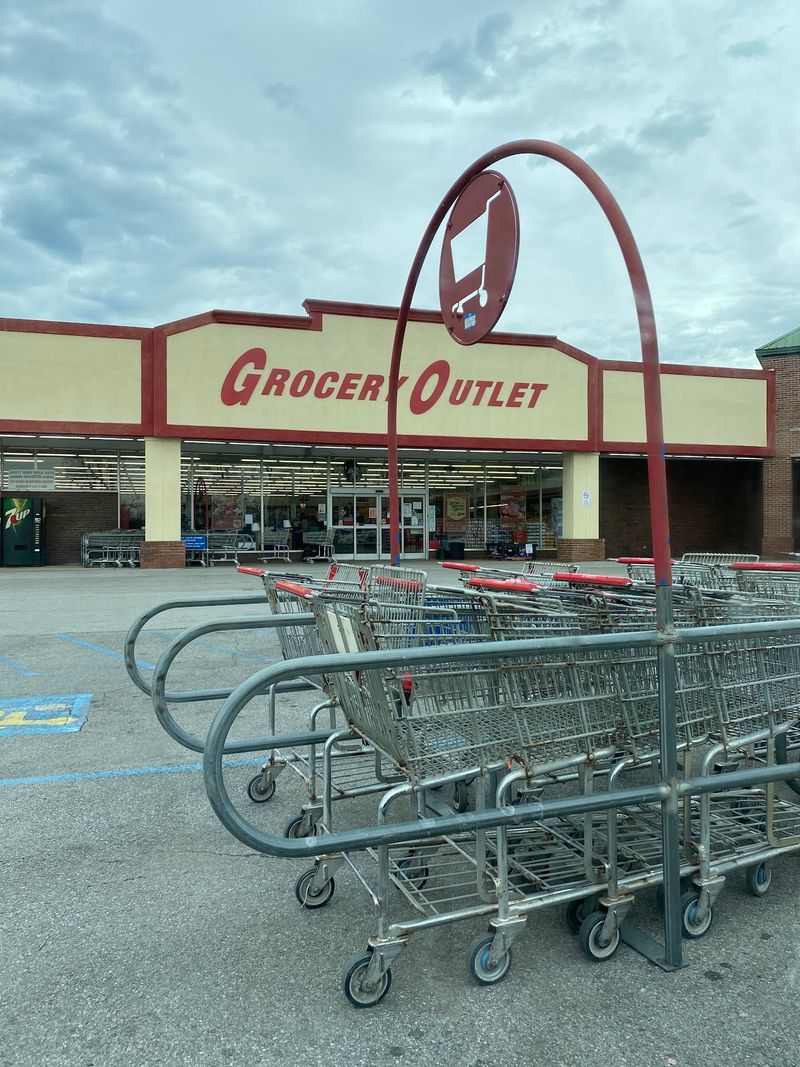
Low prices can be exciting, but the smartest shopper still reads the package.
Sell-by, use-by, and best-if-used-by labels do not all mean the same thing. Reading the wording carefully helps you make a more informed purchase.
Packaging condition matters too. Closeout products can appear because of design changes, surplus stock, seasonal transitions, or other inventory circumstances.
Inspecting containers, seals, and storage instructions is sensible at any grocery store and especially useful when deals are rotating quickly.
Prices and availability can change, and quantities may be limited. The strongest approach combines curiosity with judgment rather than assuming every bright tag belongs in the cart.
Start with the weekly ad, compare prices on products you know, and remain flexible about brands. Stocking up works best for items your household uses regularly and can store safely.
The closeout format will not replace every conventional grocery trip for every family. It can, however, become a useful first stop that reveals which parts of the weekly list can cost less.
Your budget already has enough work to do. Let the aisles provide the treasure hunt, then let the receipt deliver the practical ending.