I did not know what a French table lunch was until I sat down at one. The long communal table stretched the length of the museum courtyard. Strangers passed dishes like old friends.
An accordion player filled the gaps between courses with tunes I recognized even though I had never heard them before. This celebration marks the anniversary of a deportation order from 1755 that scattered an entire people across the Atlantic.
The Acadians who landed here rebuilt everything from nothing. Their descendants now keep that memory alive with music, storytelling, and food on a single afternoon each August.
I listened to a poet read in French while the bayou glittered behind her. Children traced their family trees at genealogy tables near the water. A monument outside marks the first American site to commemorate that forced exile. One afternoon packed with enough culture to fill a lifetime.
Follow The Cajun Music First
The first fiddle notes can change the mood of the whole place in seconds. Live Cajun music is one of the main reasons to be here, and performances are often provided by the Cajun Music Preservation Society, whose sound carries accordion, fiddle, and triangle traditions linked to Acadian history in Louisiana.
Even if you do not know a two-step from a shuffle, listening closely is half the fun. The music feels social rather than formal, which makes it easy for newcomers to relax.
Stand where you can watch hands on the instruments, because the rhythm becomes more interesting when you see how each part fits together. Kids usually perk up at the triangle, and adults start smiling before they realize it.
Give yourself a few uninterrupted songs, since the celebration makes more sense once the music starts doing the explaining.
French Tables Fill The Museum By The Bayou
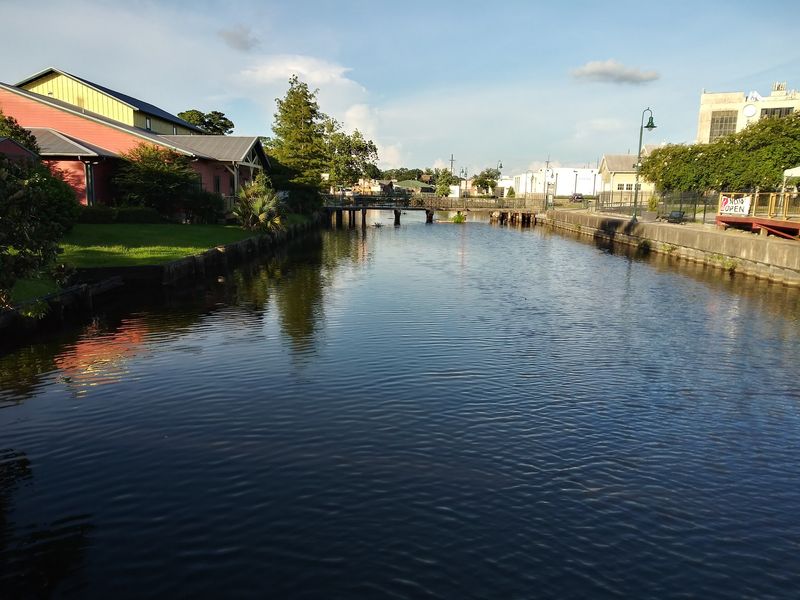
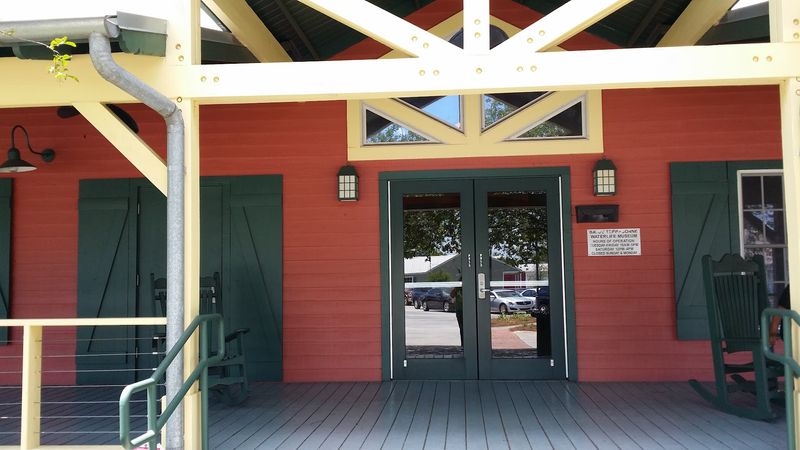
National Acadian Day takes place at the Bayou Terrebonne Waterlife Museum, 7910 West Park Avenue in Houma, Louisiana. Approach through central Houma along West Park Avenue and look for the museum beside Bayou Terrebonne near the downtown district.
The 2026 celebration runs Saturday, August 15, beginning at 11 a.m., with programming continuing into the afternoon. Expect extra activity near the museum as visitors arrive for Cajun music, storytelling, poetry, genealogy resources, and the community French Table lunch.
Use the museum’s visitor parking or a legal nearby space, then follow event signs toward the main entrance and bayouside gathering areas. Since the celebration is centered at the museum rather than spread across Houma, no separate festival grounds or shuttle transfer is required.
Make Time For The Storytelling
Stories land differently when you are sitting in the landscape that kept them alive. National Acadian Day often includes poems, songs, and storytelling from culture bearers such as Barry Ancelet, and those spoken pieces add depth that music alone cannot carry.
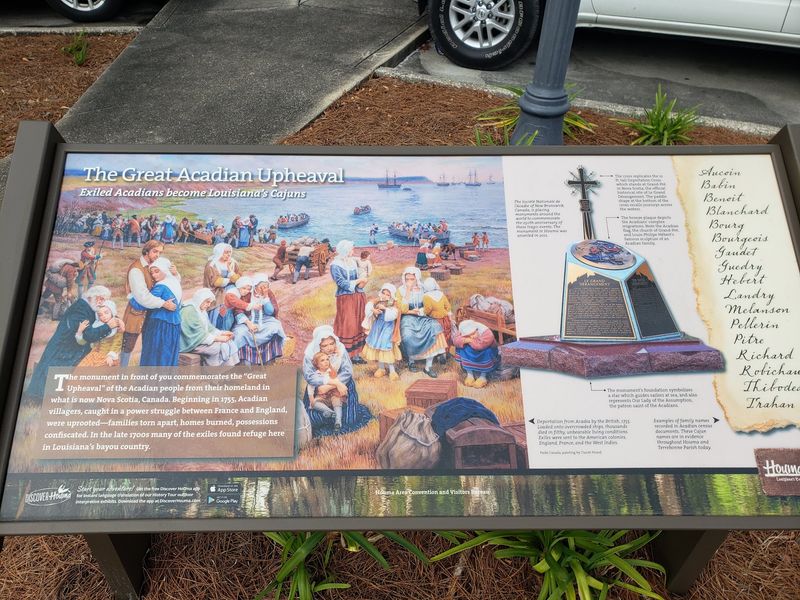
Listen for names, places, and repeated phrases, because oral tradition often works like a hand-drawn map. You may hear about the Acadian journey, family memory, or the Great Upheaval, also known as Le Grand Dérangement.
None of it feels dusty in this setting. Instead, the words move through the room like family history, shaped by voice and timing.
I would not treat this part as sound while wandering off. Find a seat, stay still, and let the storytelling slow your pace.
The celebration becomes richer when you hear how memory is passed person to person, not just panel to panel.
Pause At The Deportation Cross
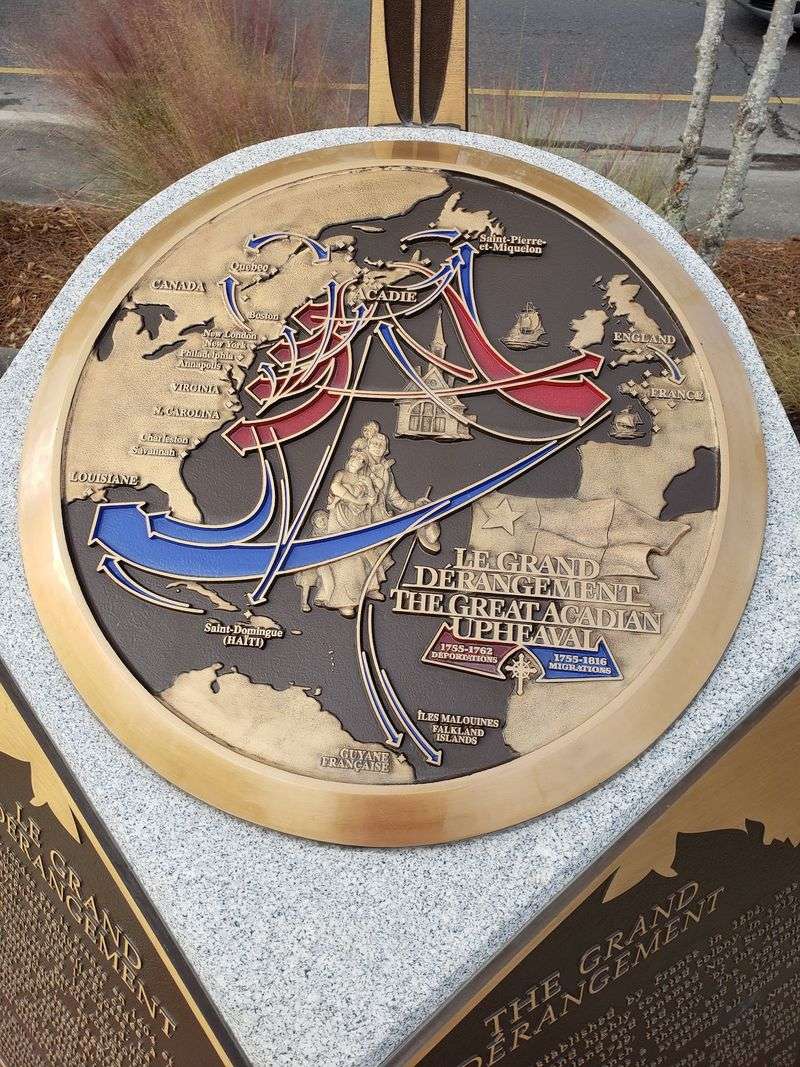
A replica cross near the museum says plenty before music even begins. Bayou Terrebonne Waterlife Museum holds a monument to Le Grand Dérangement, with a replica of the Deportation Cross from Grand-Pré, Nova Scotia, recognized as the first monument of its kind in the United States.
Pause there before the busiest part of the celebration. The memorial gives the day a backbone, reminding visitors that Acadian culture in Louisiana grew from hardship as well as joy.
What stays with you is the contrast between exile remembered and community celebrated. A minutes later, you may hear fiddles, stories, and French conversation carrying across the museum grounds.
That shift matters. National Acadian Day is not only cheerful entertainment.
It is also remembrance, resilience, and survival made visible in one small place, which is why the monument deserves attention instead of a glance.
Try The Genealogy Station
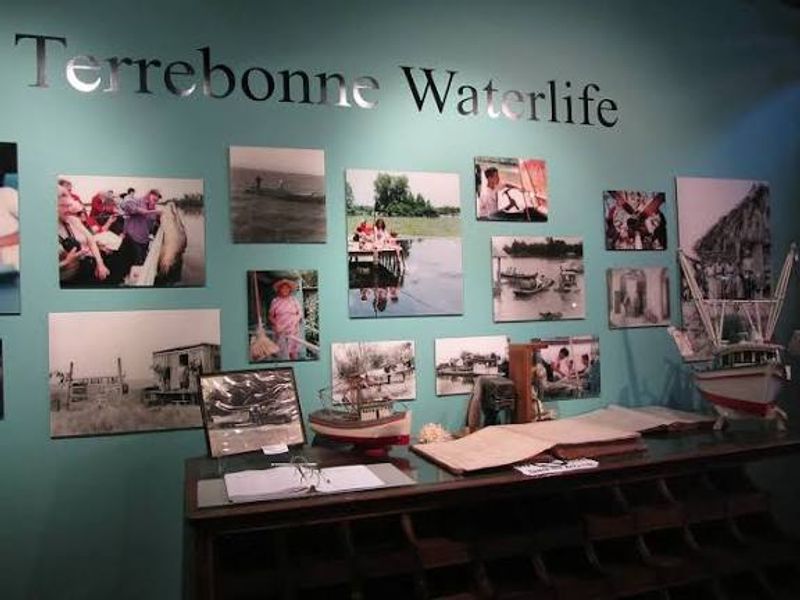
Family history has a funny way of turning a public event into a personal one. A genealogy station hosted by the Terrebonne Genealogical Society is often part of National Acadian Day, giving visitors a place to ask questions, explore surnames, and trace links to the Acadian diaspora.
You do not need a thick binder of documents to stop by. Even a half-remembered family name can start an interesting conversation, and the volunteers can point you toward next steps.
For visitors without Acadian ancestry, the station still adds context by showing how migration, settlement, and memory shaped bayou communities. I liked how this part balanced the music and lunch with something quietly investigative.
It turns heritage into real families and routes. Bring a notebook for names, because one small detail heard here may lead somewhere useful later for your own research.
Sit In On The French Table
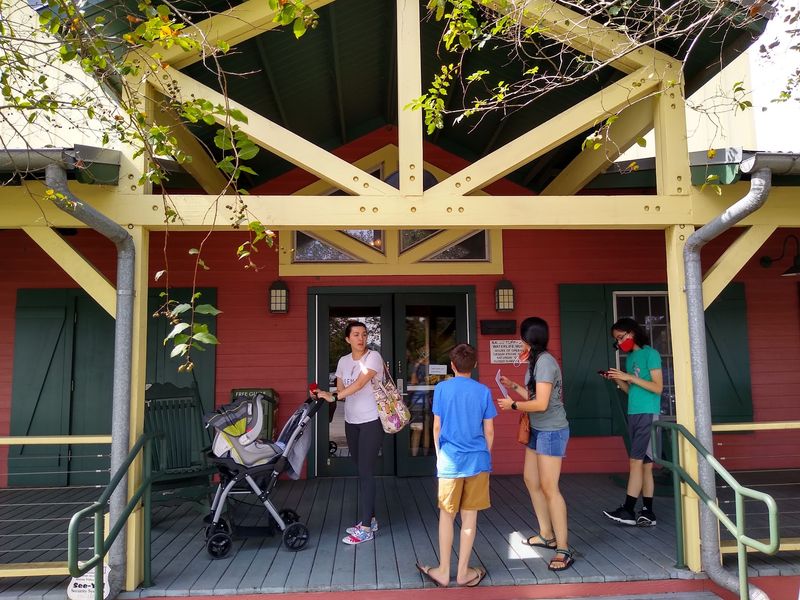
Lunch here is more than a meal. The French Table, typically held from 11:00 AM to 1:00 PM during the celebration, invites people to speak and hear French together in an welcoming setting, whether they are fluent, rusty, or curious.
That mix makes the table feel lively instead of intimidating. You may catch bits of conversation, a phrase, or a laugh over pronunciation, and all of it serves the goal of keeping language in everyday use.
I appreciated that nobody needed to expertise. Sharing food and simple talk did the work.
If you want to join comfortably, listen first, then add a greeting or response when the moment feels natural. National Acadian Day treats language as something lived, and the lunch shows how culture can be preserved through habits like eating together and speaking up.
Use The Museum For Context
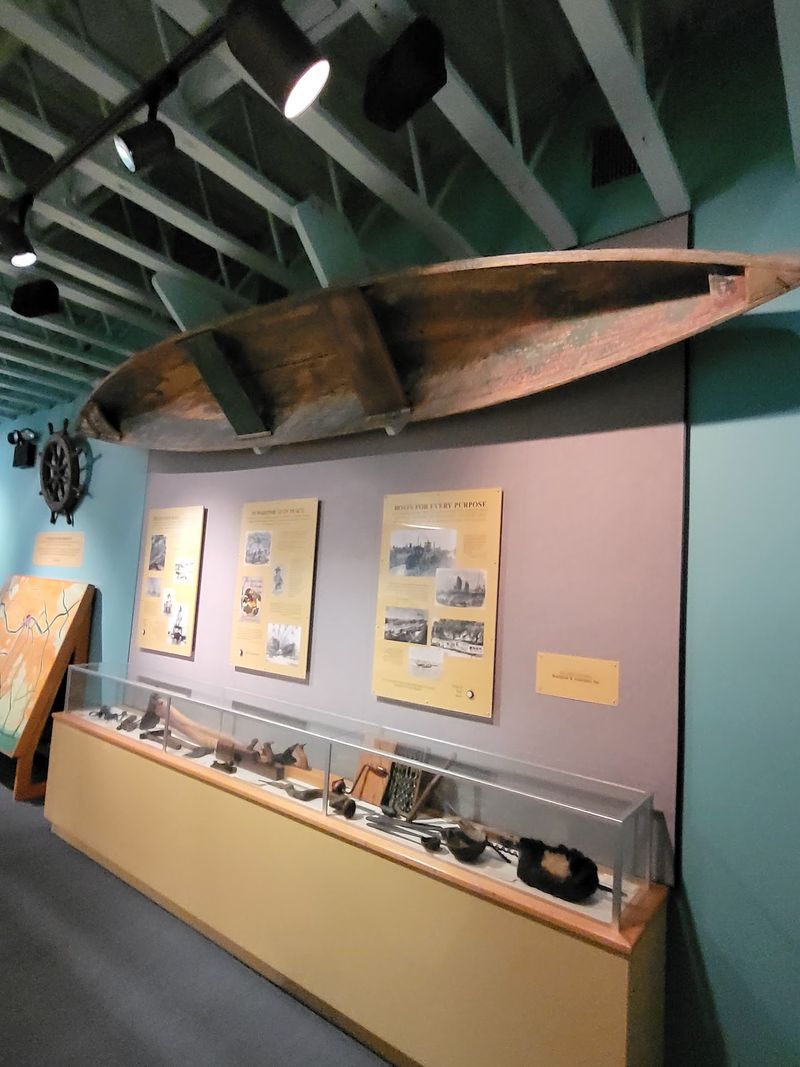
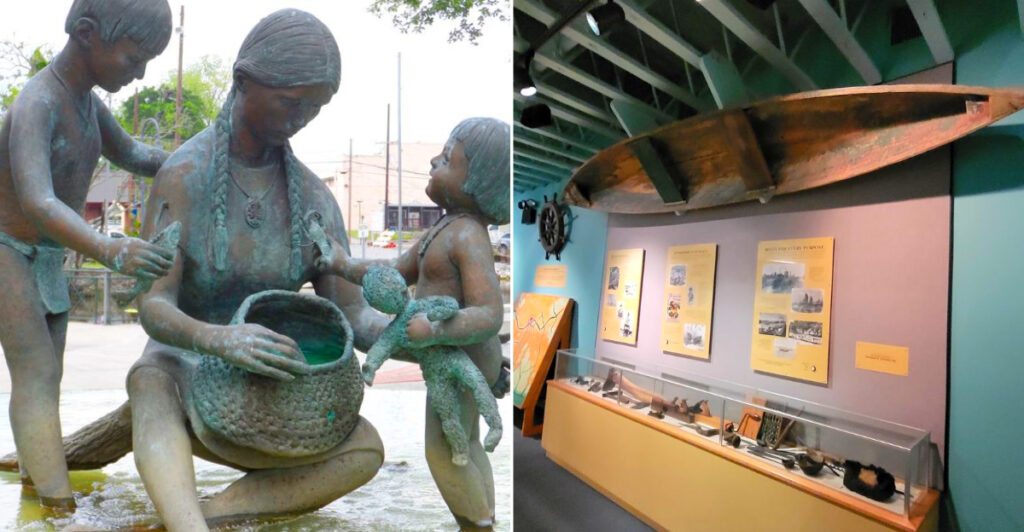
Between performances, the museum itself is worth time. Bayou Terrebonne Waterlife Museum focuses on coastal industries and bayou traditions, so walking through the exhibits during National Acadian Day helps place the Acadian celebration inside the wider story of how people here lived, worked, and adapted to water.
The building is not huge, which actually helps. You can move through displays without feeling buried under information, and the scale suits a day that already includes music, storytelling, and lunch.
I liked stepping inside after standing outdoors, then returning to the festivities with a little more context. Look for connections between the exhibits and the event around you, especially language, labor, family, and place.
The museum reminds you that culture is not just performed on special days. It is also built from daily work, changing landscapes, and skills handed along over time.
Step Outside To Read The Bayou
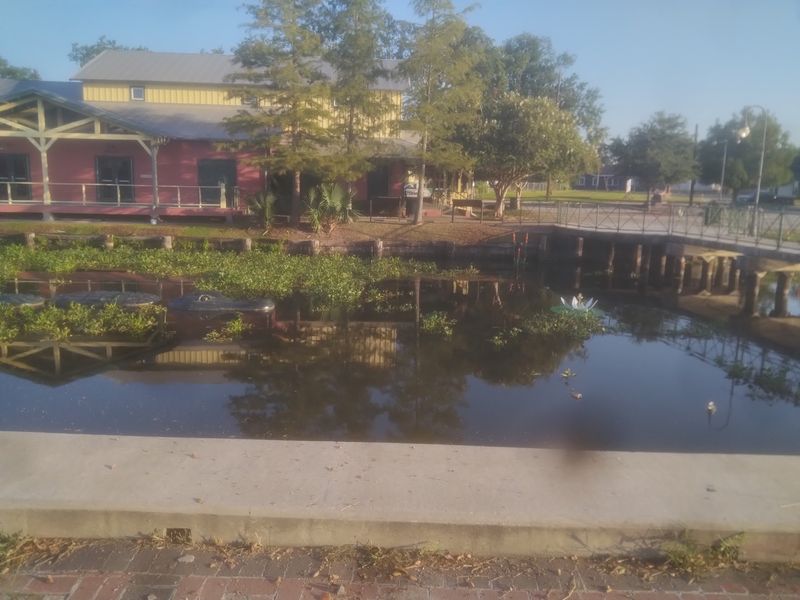
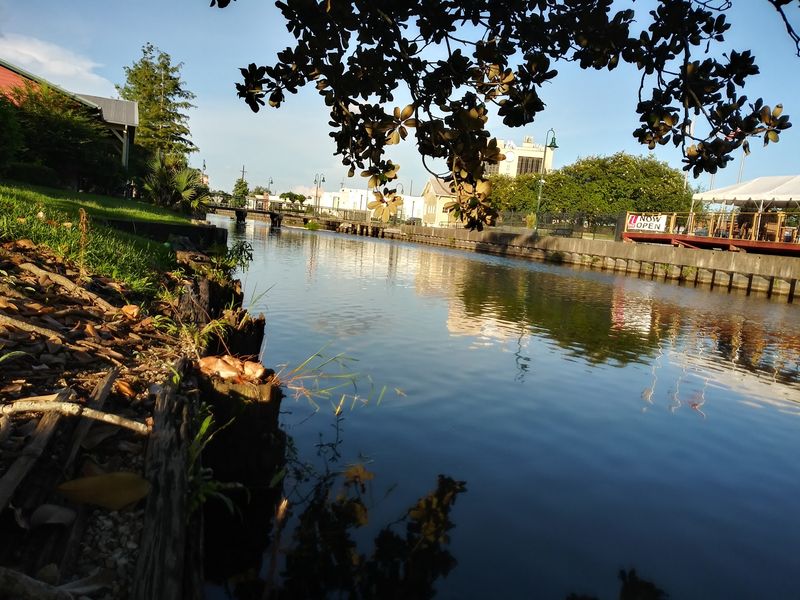
Out back, the bayou has a way of stealing your attention at the moment. The museum sits along Bayou Terrebonne, and its porch and nearby outdoor areas offer a useful pause between busier parts of National Acadian Day.
That break matters more than it sounds. After music indoors or conversation at the lunch table, stepping outside lets the celebration settle into place.
Water, light, and the slower pace near the edge of the bayou sharpen your sense of where this culture took root. I found the change of scene helpful after the denser history pieces, because the landscape continues the lesson.
If you need a breather, take it here instead of leaving the site altogether. You stay connected to the event while giving your ears and feet a rest, and the surroundings make the day feel grounded rather than tight.
Plan For August Heat And Ease
August in south Louisiana does not believe in understatement. Since National Acadian Day is typically held on August 15, plan for heat, bright light, and that sticky bayou air that can turn a rushed visitor wilted before lunch.
Light clothes, comfortable shoes, and a bottle of water will help more than any heroic attitude. Because the event blends indoor and outdoor moments, layers are less useful than simple breathable fabrics.
Try not to stack your schedule too tightly before arriving. The celebration works best when you can move at an unhurried pace between music, exhibits, memorial stops, and the French Table.
I learned that a slower rhythm fits the day anyway. Acadian remembrance is not something to sprint through.
Give yourself time to sit down, cool off, and listen, and the museum setting will feel inviting instead of overwhelming there.
Confirm Details But Enjoy The Free Entry
One of the nicest surprises is how accessible the day can be. During National Acadian Day, general admission to the event activities is free, which lowers the barrier for visitors who may be new to Acadian history or exploring Houma.
That said, it is still smart to think like a careful traveler. The museum normally keeps hours from 10 AM to 5 PM on open days, and its standard operations differ from special event programming, so checking details before you go is a habit.
I would save the museum phone number, 985-580-7200, in case timing changes or you need directions. Free entry makes it easy to be spontaneous, but a minute of planning prevents hassles.
The reward is a day that feels generous rather than confusing, with room to enjoy the culture and less time sorting basics in parking lot.
Bring Family And Let Curiosity Lead
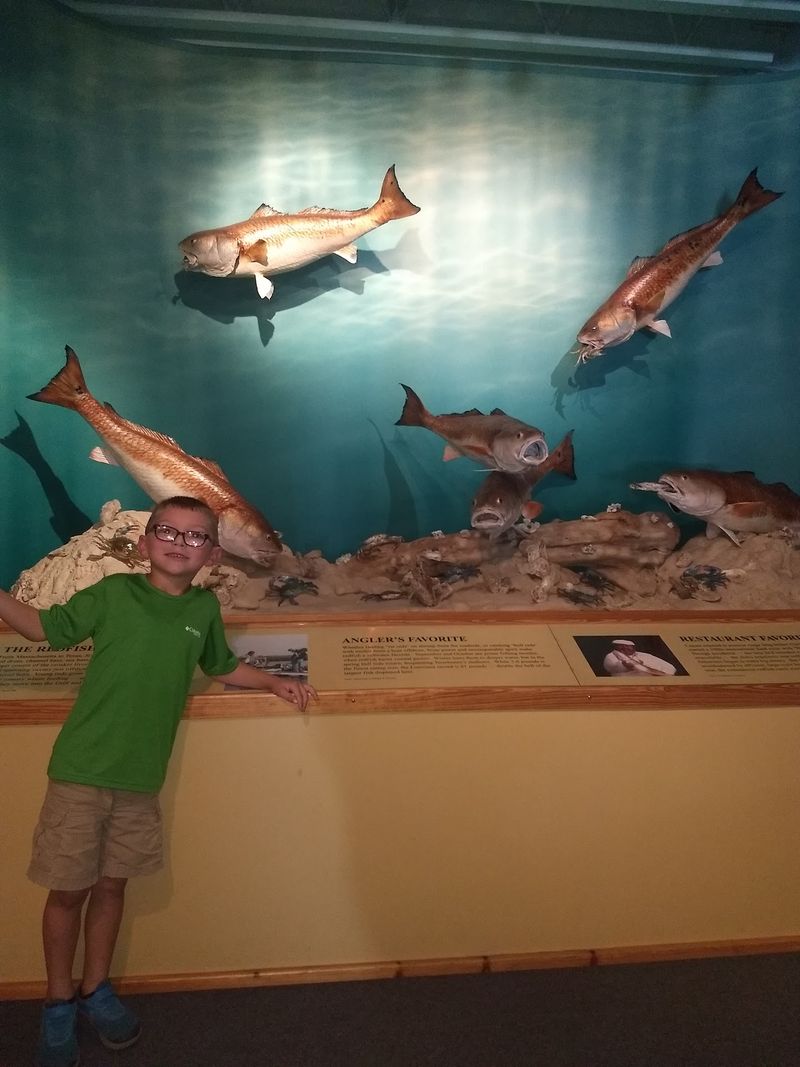
Children usually understand this celebration in a direct way: music is fun, stories are exciting, and lunch with lots of voices feels special. The museum is small enough to stay manageable, and National Acadian Day gives younger visitors several ways to connect with culture without needing a attention span for one activity.
That variety is a gift for adults too. A child can listen to part of a song, look at an exhibit, step outside for air, then come back ready for something else.
Even kids who act unimpressed often end up asking questions once the stories turn to journeys and family roots. If you are visiting with family, frame the day as an experience, not a lecture.
Let them notice sounds, words, and symbols. Acadian heritage becomes easier to remember when it arrives through music, place, and time together.