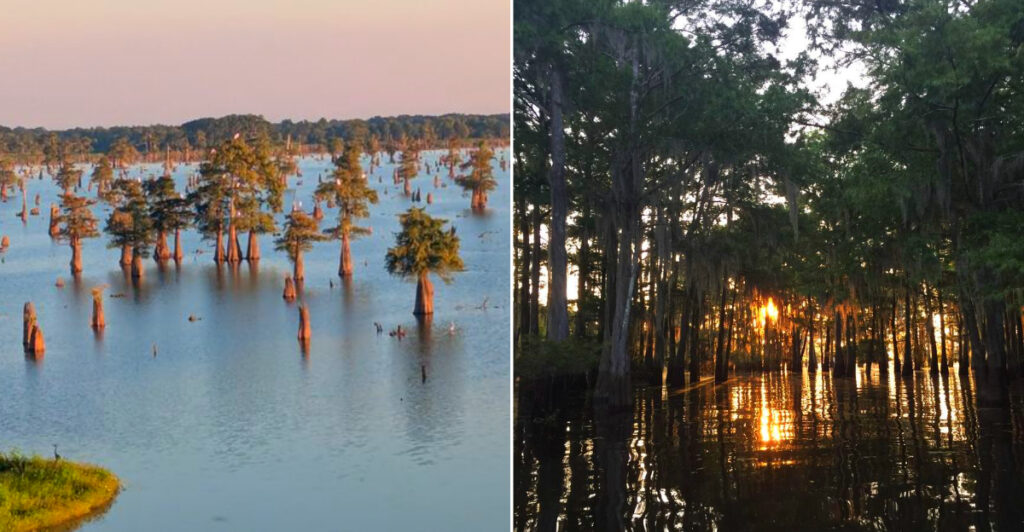
Louisiana has a habit of hiding its biggest surprises in plain sight, and this vast wetland is one of the best examples. From the highway, you might catch only a flash of water, a wall of cypress, or a heron lifting from the reeds.
Step closer, though, and the landscape becomes almost cinematic. I found myself slowing down, listening for wings in the canopy and watching sunlight turn the channels green. This unforgettable Louisiana swamp adventure reveals one of the largest, wildest, and most beautiful river landscapes in America.
Stretching roughly 140 miles toward the Gulf, the region covers nearly a million acres of bayous, lakes, forest, and flooded wilderness. It feels ancient without feeling empty.
Fishing boats slip past moss-draped trees, wildlife appears around bends, and every waterway carries traces of communities shaped by the basin for generations. Keep reading, because the real story begins beyond the roadside glimpse.
Pause For The Cypress Forest
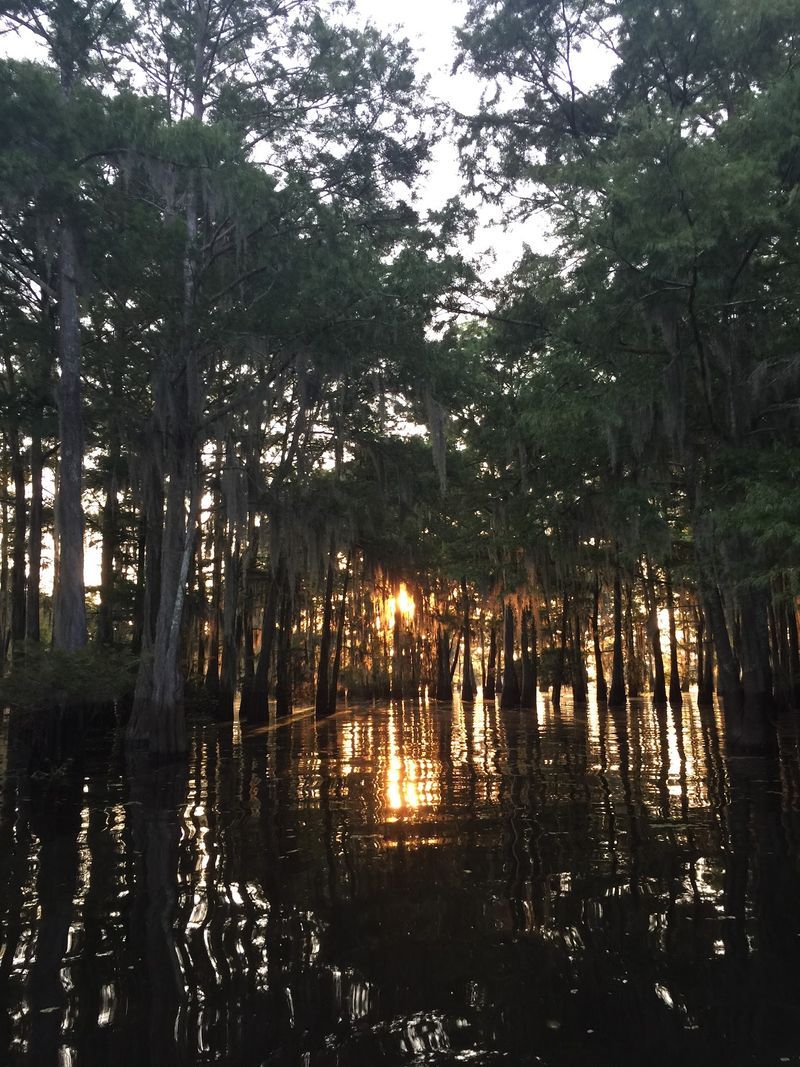
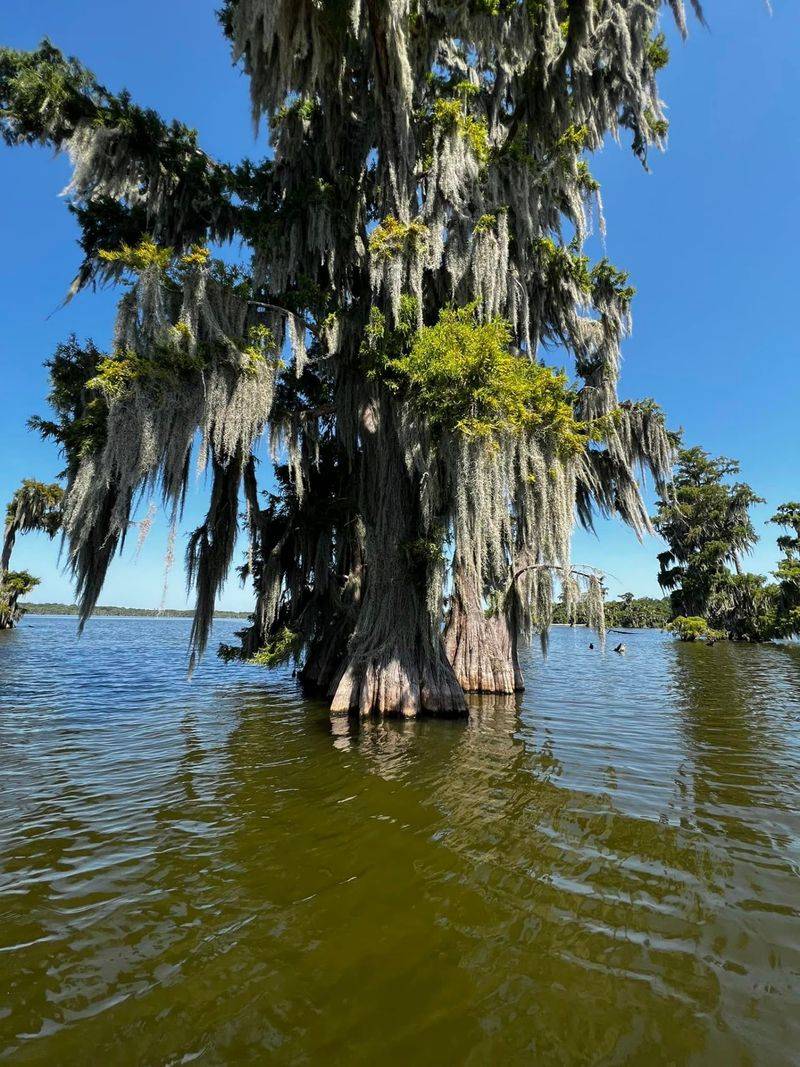
Cypress trees give the basin its cathedral feeling. Their trunks rise straight from dark water, and their knees poke up around them like little warning signs from the swamp floor.
The Atchafalaya holds the largest remaining contiguous tract of coastal cypress in the United States, so you are not just looking at pretty scenery. You are seeing one of the South’s most important forest landscapes still standing.
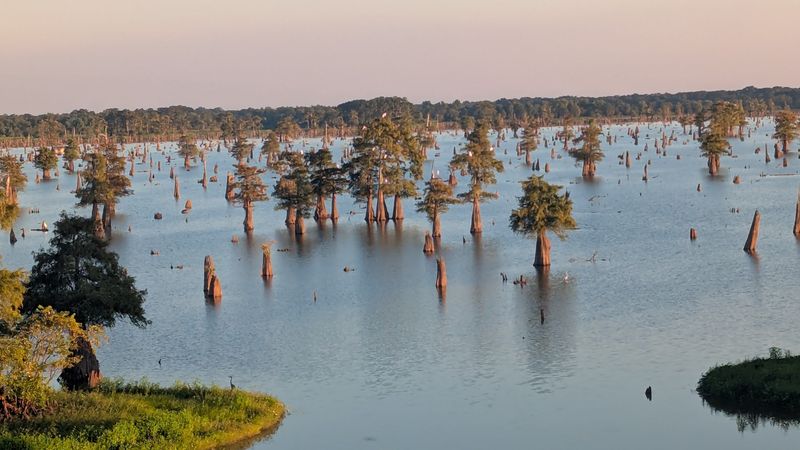
Come in fall if you want color with your mystery. Bald cypress needles turn a rusty orange that glows against the water and moss, and the whole place feels quietly theatrical.
I found that slowing down mattered here more than anywhere else. Stand still, listen for drips and wings, and look upward as often as outward. The trees are the stars, but their reflections often steal the scene in late afternoon light beautifully.
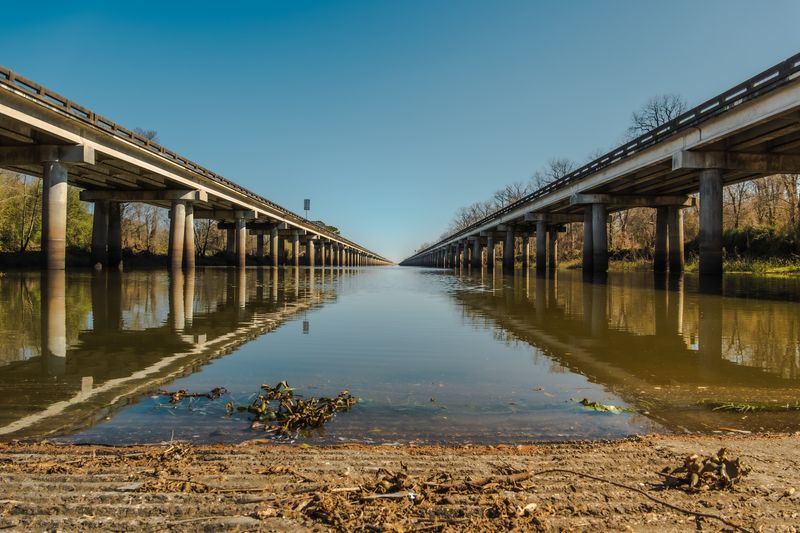
The Interstate Floats Above Louisiana’s Wildest Miles
The Atchafalaya Basin stretches across south-central Louisiana between the Mississippi River corridor and Acadiana. For an accessible first stop, follow I-10 to Exit 121 at Butte La Rose and use the Atchafalaya Welcome Center as your arrival point.
The final approach leaves the elevated basin bridge and drops toward Louisiana Highway 3177, also called Atchafalaya River Highway. Follow the brown attraction signs carefully; drivers arriving from the east pass beneath I-10 before reaching the welcome-center entrance.
Turn at the marked wood-and-copper sign and continue into the visitor parking area. From there, the center provides restrooms, exhibits, picnic space, walking trails, and guidance for reaching separate boat launches, swamp tours, wildlife areas, and communities throughout the basin.
Watch Wildlife With Patience
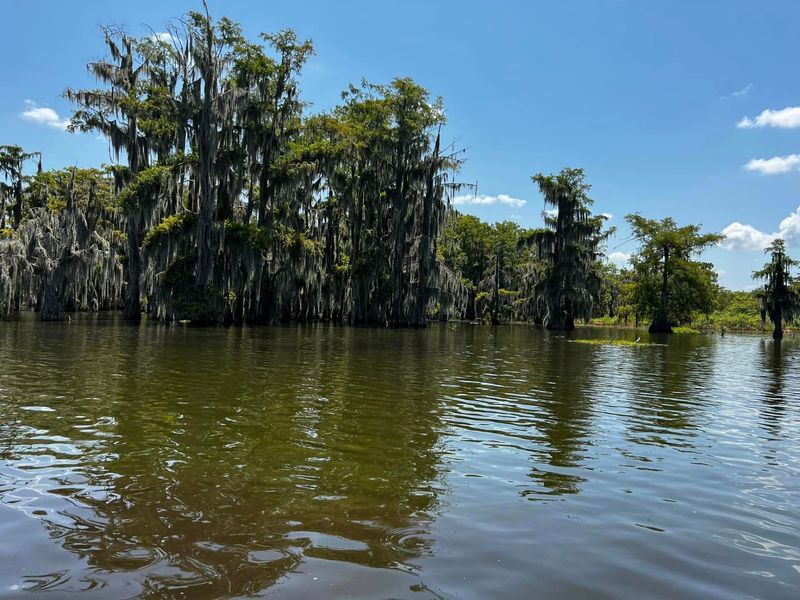
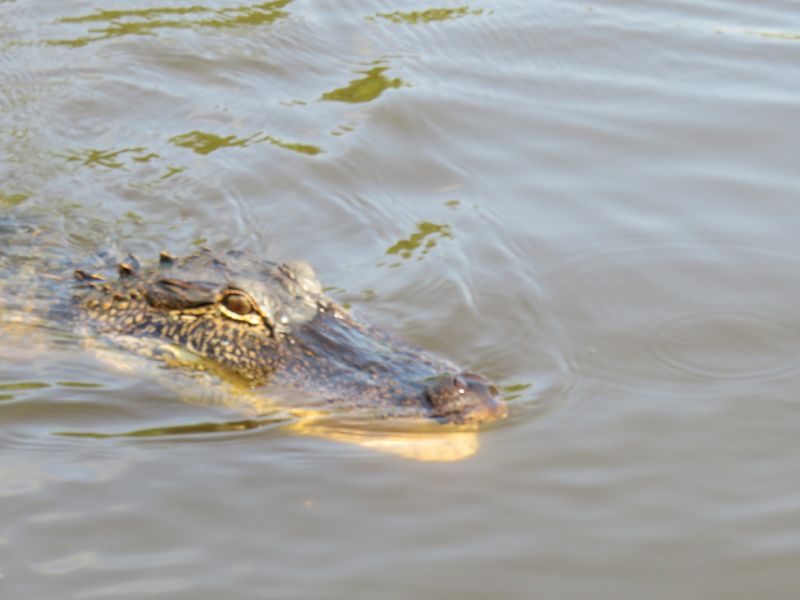
Something always seems to rustle before you see it, which is part of the basin’s charm and part of its lesson in patience. Wildlife here is wonderfully varied, with around 65 species of reptiles and amphibians, plus mammals such as otters, bobcats, foxes, and Louisiana black bears.
Alligators get the most attention, of course, but they are only one thread in a much larger web of life spread across water, mud, and forested ridges.
Good wildlife watching starts with calm behavior. Keep voices low, leave room between you and animals, and bring binoculars instead of trying to push closer for a photo.
Early morning and late evening usually reward quiet visitors best. Even when nothing dramatic appears, the basin rarely feels empty.
A splash, a slide mark, or a sudden stillness often means something nearby is watching too out there.
Come Early For Bird Activity
Dawn in the basin can sound like a whole crowd warming up behind a curtain. That makes sense, because this wetland sits along the Mississippi Flyway and supports more than 300 species of birds through the year.
Wading birds, waterfowl, songbirds, and raptors all use these habitats, and the region is known for one of the largest nesting concentrations of bald eagles in the south-central United States.
If birds are your main goal, bring patience before gear. A simple pair of binoculars, muted clothing, and a willingness to stand still can beat fancy equipment used in a rush.
Herons and egrets often show up where shallow water meets open views, while roseate spoonbills add a surprising flash of pink when conditions line up. Dusk works well too, especially when the air cools and movement picks up again near sheltered banks too.
Book A Guided Swamp Tour
A local guide can make the basin stop feeling like a tangle of water and start reading like a story. Guided swamp tours are one of the easiest ways to understand what you are seeing, especially if you are short on time or new to swamp landscapes.
Many guides in this part of Louisiana grew up around these waters, so they explain not just wildlife and plants, but also daily life, weather, routes, and the basin’s strong Cajun connections.
Boat style matters more than people think. Airboats cover ground fast and add excitement, while slower boats are usually better for conversation and lingering looks at birds, trees, and shoreline detail.
Most tours last about 90 minutes, which feels just right for a first visit. Book ahead in busy seasons, and ask what kind of boat experience you want before choosing.
Paddle The Quiet Bayous
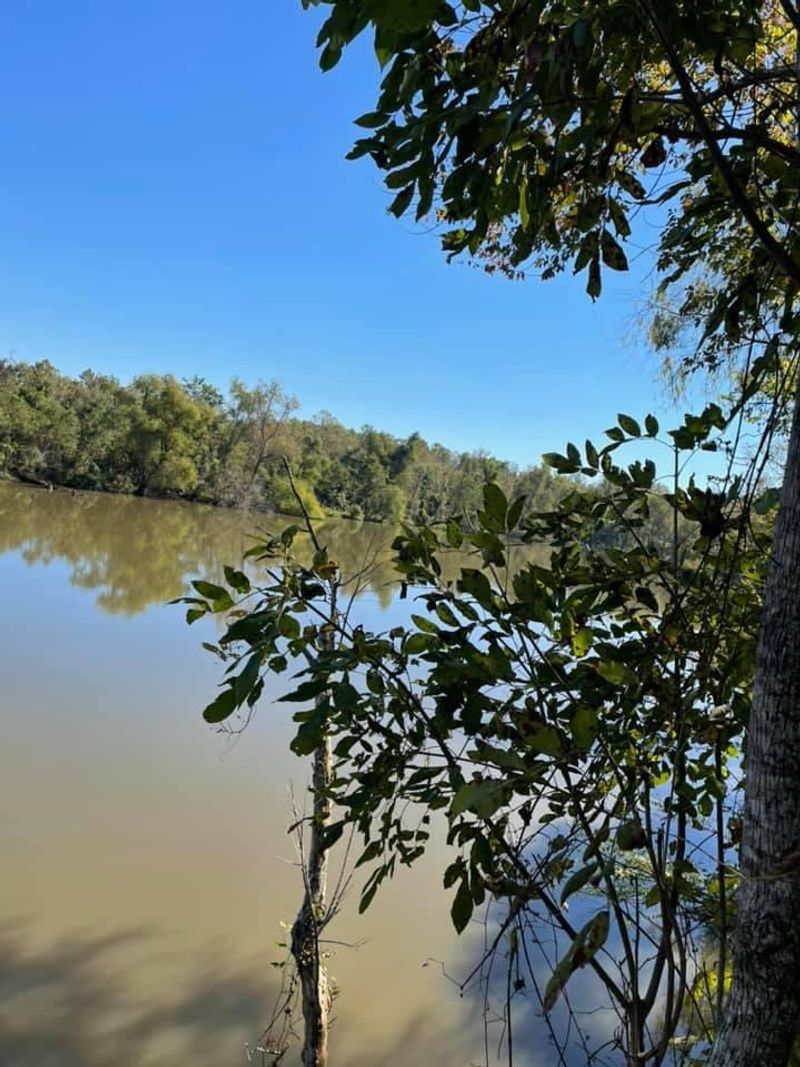
Paddling the basin changes the pace of everything. Instead of skimming past the scenery, you move at the speed of reflections, ripples, and your own breathing.
That quiet matters here. Canoes and kayaks let you slip into narrower bayous and calmer corners where boat noise fades and small details become the main event, like insect patterns on the water or the creak of cypress limbs overhead.
Lake Fausse Pointe State Park is one practical place to start, with designated paddling trails that help first-time visitors feel less overwhelmed. Bring a life jacket, water, sun protection, and a dry bag for phones or maps.
Check weather and water conditions before you launch, because swamp routes can change with season and rain. If you like solitude with a little mystery, this is the basin’s sweetest introduction for careful curious travelers everywhere today.
Notice The Cajun Heartbeat
The basin is not only a wild place. It is also a lived-in cultural landscape shaped by Native history, river travel, fishing, and Cajun settlement.
The name Atchafalaya comes from Choctaw and means long river. Later, Acadians helped build communities tied closely to the water, and that bond still shows in local work, food traditions, and stories carried from one generation to the next.
Crawfish are a big part of that picture. The basin produces about 90 percent of Louisiana’s wild crawfish harvest, which tells you how deeply daily life and ecology are linked here.
I like remembering that while looking across a calm channel, because the view can seem timeless until you notice traps, boats, and camps nearby. Respect private property, ask questions locally, and treat culture here as something living, not a museum display sealed behind glass panels.
Try A Houseboat Stay
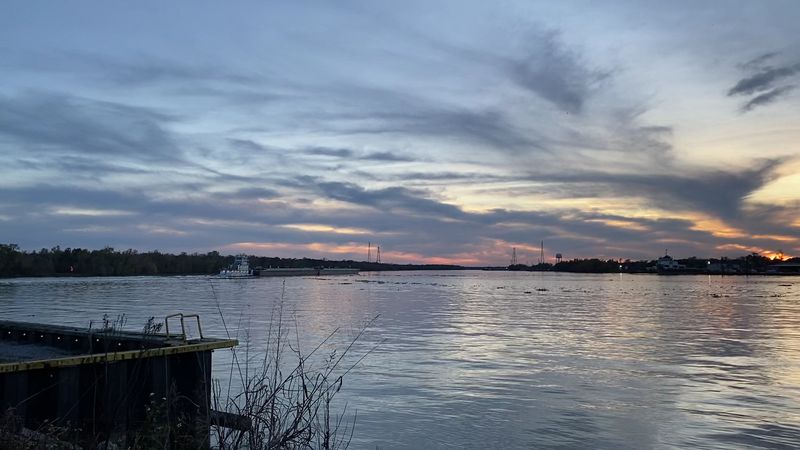
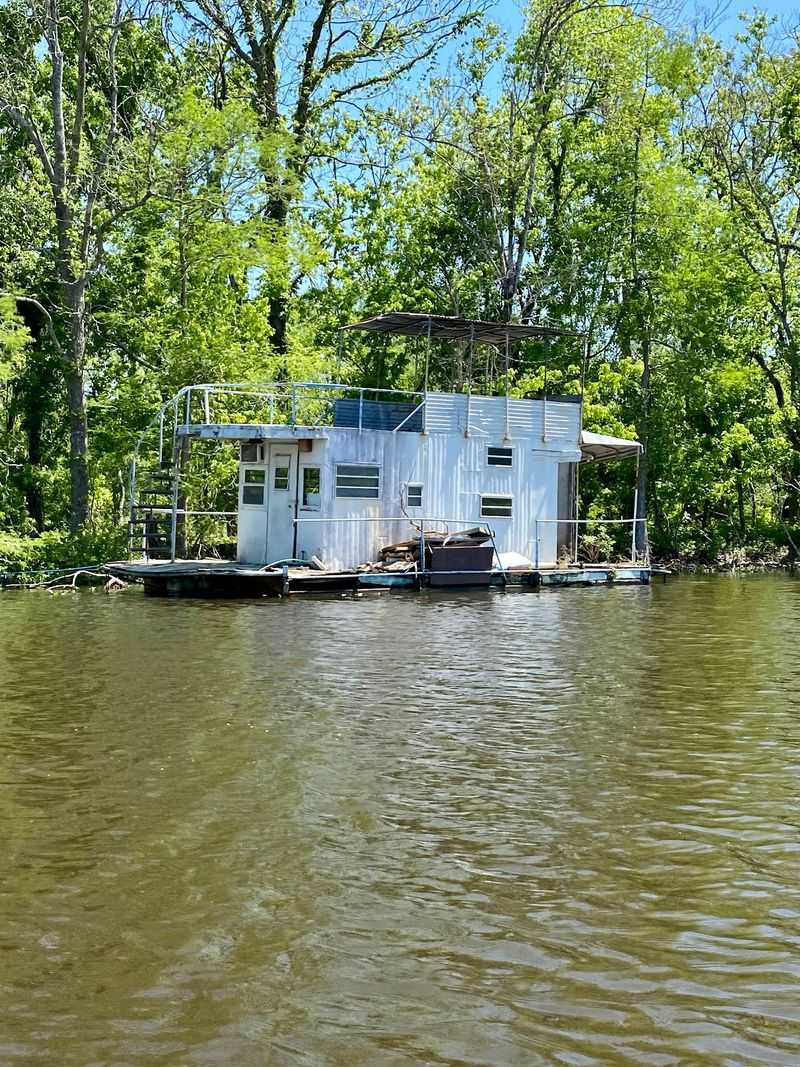
A houseboat stay makes the basin feel less like an outing and more like borrowed life. You wake up on the water, notice bird calls before engines, and start reading weather by light and wind instead of by phone.
Rentals in the region often include basics such as air conditioning, kitchens, and hot showers, so the experience can be rustic without being uncomfortable.
What I like most is the slow rhythm it creates. Meals take longer, sunsets become appointments, and even simple tasks like tying up or stepping onto a dock make you pay attention.
Houseboats are best for travelers who enjoy quiet and do not need a packed schedule. Bring groceries, confirm what supplies are included, and ask about navigation limits before heading out.
For birdwatchers, anglers, and peace seekers it is one way to settle into the basin.
Match Your Visit To The Season
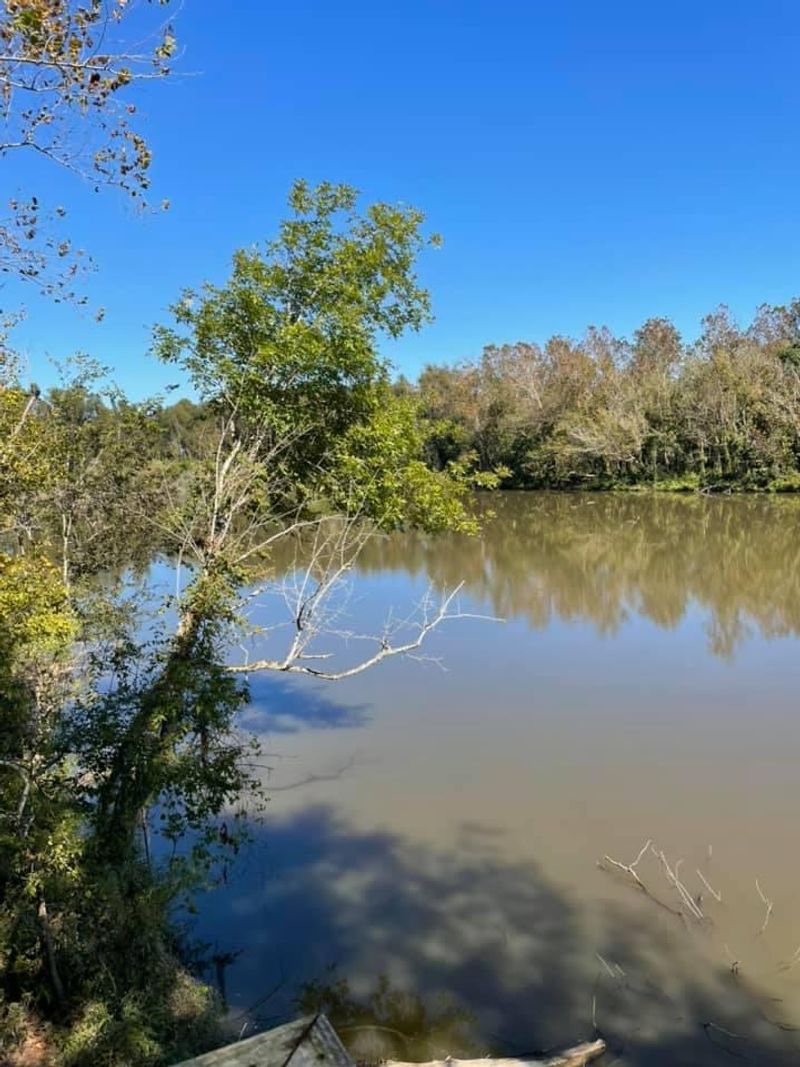
The basin changes personality with the calendar, which is one reason repeat visits never feel wasted. Spring brings fresh green growth and heavy bird activity, though trails can turn muddy after rain.
Autumn is the showiest season for cypress color, with rusty orange leaves warming up the waterline. Winter often means fewer insects and better chances to watch raptors, while summer can feel steamy, loud, and gloriously alive.
Timing your day matters almost as much as timing your season. Dawn and dusk usually offer the best mix of cooler air, softer light, and active wildlife.
Midday can still be worthwhile for photography under cypress shade or for slower scenic drives, but bring more water than you think you need. The basin rewards people who plan around weather instead of fighting it.
That feels like practical wisdom in Louisiana to learn.
Respect The Conservation Story
One of the basin’s quietest wonders is that so much work goes into keeping it alive. Conservation groups and public agencies focus on water flow, habitat restoration, and water quality because this landscape is always changing, and not every change is healthy.
Sedimentation, altered channels, and pollution pressure the system, so restoration in the Atchafalaya is not abstract science. It affects fish, birds, forests, and the people who depend on them.
The basin also matters far beyond its own shoreline. It plays a major role in Mississippi River flood control by taking excess water that could threaten communities elsewhere.
Knowing that gave me a kind of respect for the place. It is beautiful, yes, but it is also functional on a huge scale.
Read the signs, support responsible operators, and leave with the mindset of a guest, not a consumer.
Pack Like The Swamp Means It
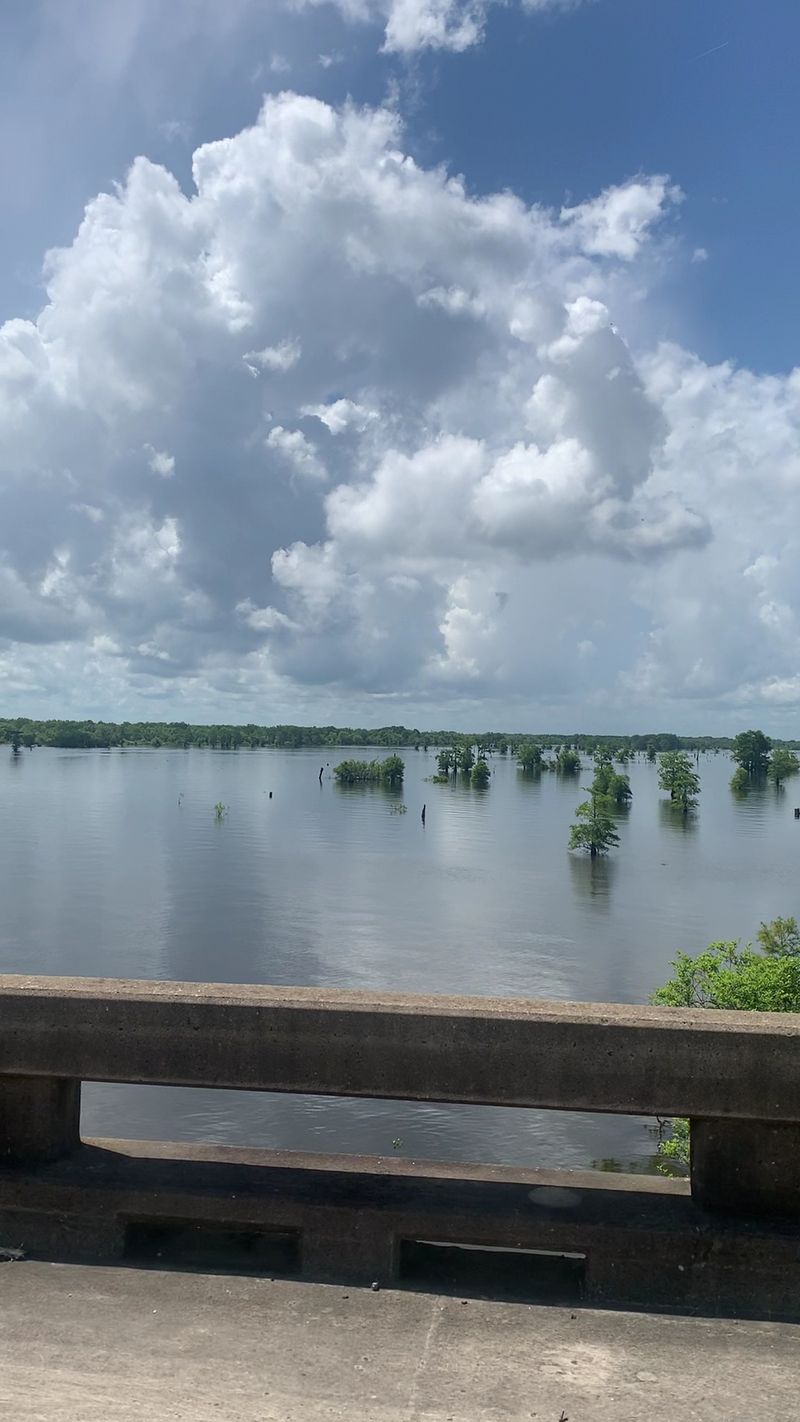
The most useful tip is simple: prepare for a real swamp, not a polished attraction. Roads in and around the basin can be rough or curvy, water levels can shift, and muddy ground is common after wet weather.
Waterproof boots with traction are smart, insect repellent is rarely optional, and extra drinking water can rescue a day that looked easy on paper. A small bag for rain gear and electronics is sensible too.
The Atchafalaya Welcome Center near Breaux Bridge is a helpful starting point if you want context before wandering farther. The long I-10 Basin Bridge offers a entrance, but the best experiences happen once you get off the highway and slow down.
Check conditions, respect closures, and tell someone your plan if you are exploring by paddlecraft. The basin is generous, but it asks visitors to pay attention.