The Twin Cities may get the headlines, but Minnesota comfort food learned to shine without a skyline.
Classics here come from kitchens that value warmth over presentation. Some were shaped by immigrant families. Others reach much deeper into the state’s Indigenous history.
Wild rice carries one of the oldest stories. Known as manoomin in Ojibwe, it has nourished Great Lakes communities for centuries. Calling it a simple side dish barely scratches the surface.
You do not need a farmhouse invitation to find this food. Rural cafes, community tables, and local kitchens still keep the tradition moving.
Leave the city limits behind and let Minnesota serve the kind of meal that makes the map suddenly look very appetizing.
1. Tater Tot Hotdish
The first rule is simple: do not call it a casserole within earshot of a Minnesotan who has already set the table.
Tater tot hotdish is built for maximum comfort with minimum ceremony.
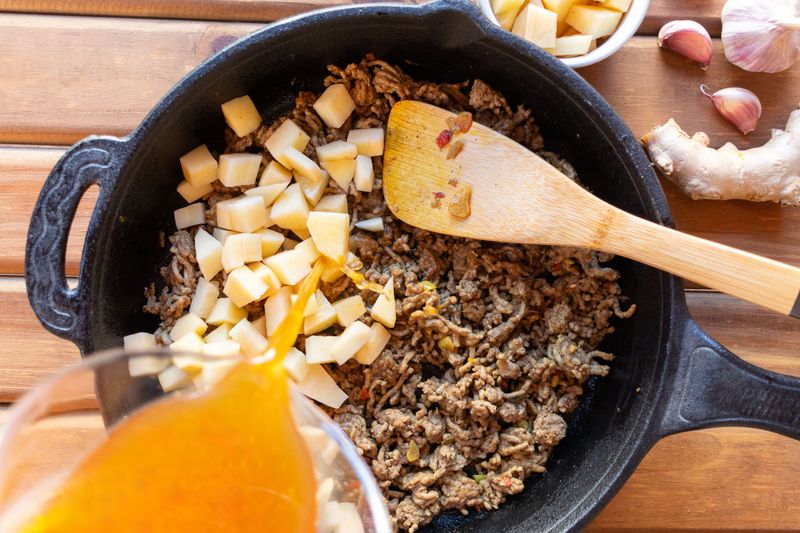
Ground beef commonly forms the base, vegetables add color and substance, condensed soup binds everything together, and rows of frozen potato nuggets turn crisp across the top. The contrast is the whole point.
Your fork breaks through a crunchy roof and lands in a creamy, savory filling beneath it.
The broader hotdish tradition was already part of Minnesota community cooking by the early twentieth century.
A 1930 Mankato church cookbook included a macaroni-based version, decades before crisp Tater Tots became the topping that now makes people reach for the serving spoon first.
Recipes change from kitchen to kitchen. Green beans may replace corn. Some cooks add cheese, onions, or extra seasoning, while others defend the shortest ingredient list with surprising intensity.
No single variation owns the final word.
What remains consistent is the dish’s usefulness. It feeds a group, travels well, reheats without complaint, and belongs naturally at potlucks, family dinners, and church gatherings.
A square of hotdish rarely arrives looking glamorous. That first crisp tot does not seem bothered by the lack of applause.
2. Chicken Wild Rice Soup
Cold weather has met its match, and it comes in a bowl.
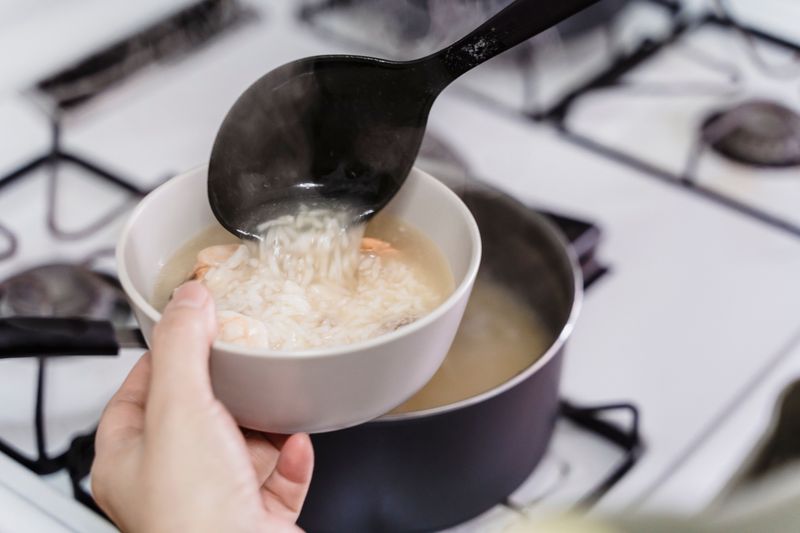
Chicken wild rice soup combines tender poultry, vegetables, broth, and the satisfying chew of wild rice.
Many Minnesota versions add cream, creating a rich soup that can handle a winter lunch without requiring much help from the sandwich beside it.
The wild rice provides more than texture. Manoomin has been harvested by Ojibwe people in the Great Lakes region for centuries and remains central to cultural, social, and spiritual life.
Traditional harvesting from canoes involves gently knocking ripe grains from the stalks, followed by careful processing that includes parching, threshing, and winnowing.
Naturally growing lake rice carries a different history from cultivated paddy rice. Its appearance, preparation, and cultural meaning begin long before cream, chicken, or a soup pot enters the picture.
In the bowl, the long grains open as they cook and bring an earthy, nutty quality to the broth. Carrots, celery, onions, chicken, and herbs support that flavor without needing to overpower it. Some recipes stay brothy, while others lean heavily into cream and butter.
The grain also needs more cooking time than white rice, so many kitchens prepare it separately before adding it to the soup. That extra step helps the rice keep its pleasant bite instead of turning the entire pot soft and heavy.
Order it on a cold afternoon in northern Minnesota and give the rice a moment before taking the first spoonful. Soup this hot rewards patience, even when your hands disagree.
3. Hot Beef Commercial
The name sounds like a business transaction. The plate looks like gravy won the negotiation.
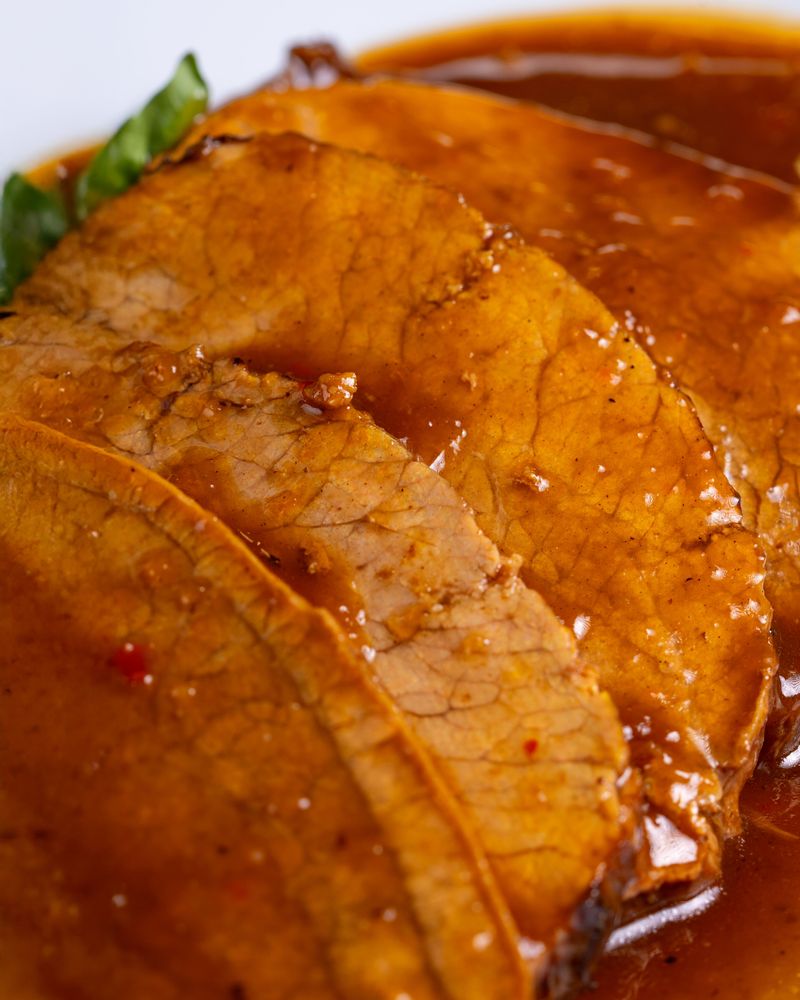
A hot beef commercial usually begins with white bread covered by slices of roast beef. Mashed potatoes join the arrangement, and brown gravy pours over nearly everything until the boundaries become pleasantly difficult to identify.
The dish belongs to the language of Minnesota and the Upper Midwest, especially in small-town cafes and diners.
Elsewhere, the menu may say open-faced hot beef sandwich. Here, the word commercial tells you that roast beef, bread, potatoes, and gravy are about to hold a very productive meeting.
This is diner food with no interest in playing small. The bread absorbs gravy, the beef stays tender beneath it, and the mashed potatoes turn every loose spoonful of sauce into part of the meal.
Peas, corn, or another vegetable may appear on the side, but nobody mistakes them for the main event. The gravy carries the responsibility, which is why a thin or flavorless version can sink the entire plate.
Spot “beef commercial” on a handwritten special board and order it before asking too many questions. The explanation will make more sense once the potatoes disappear under the gravy.
The proper eating strategy is wonderfully inefficient. Cut through the beef and bread, gather mashed potatoes on the same fork, and drag the whole arrangement through the gravy before it escapes toward the edge of the plate.
A knife may help at first, but the meal quickly becomes a spoon-and-fork partnership.
The bread softens as it absorbs the sauce, so waiting too long changes the texture from sturdy diner lunch to delicious landslide. That is not a failure. It is simply the moment when napkins become part of the equipment.
4. Broiled Walleye With Wild Rice
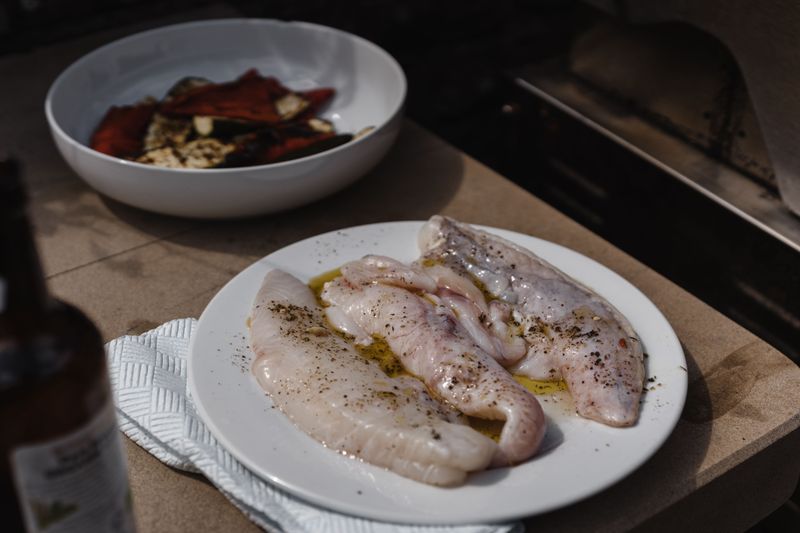
Minnesota made walleye its state fish, and the dinner plate has treated that decision seriously ever since.
Broiling keeps the preparation straightforward. A fillet cooks quickly under high heat, developing lightly browned edges while the flesh remains moist and flaky.
Butter, lemon, herbs, and restrained seasoning let the mild fish remain recognizable rather than burying it under a complicated sauce.
Wild rice makes a natural partner. Its chewy texture and earthy flavor give the plate more structure, while the fish brings a softer bite. The pairing appears in restaurants and homes across lake country because neither ingredient needs to compete for attention.
The best version depends less on a dramatic fishing story than on careful cooking. The fillet should remain moist, separate into clean flakes, and reach the table before the broiler turns delicate fish into expensive cardboard.
Overcooking turns a delicate fillet dry in a hurry. A good kitchen watches the broiler, adds enough fat to protect the surface, and sends the plate out before the fish loses its tenderness.
Take a bite of walleye with a forkful of rice and a squeeze of lemon. The result is calm, balanced, and unmistakably suited to a state covered in lakes.
The plate will not shout for attention. It already knows where it is.
5. Chicken And Wild Rice Hotdish
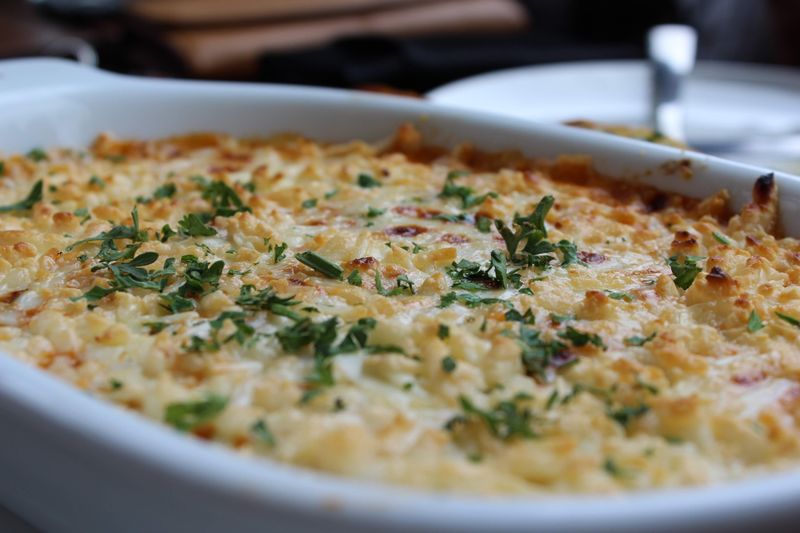
Soup took one look at the baking dish and decided it wanted sharper edges.
Chicken and wild rice hotdish uses many familiar ingredients from the creamy soup, but the oven changes their relationship.
Cooked chicken and wild rice are folded with onion, broth or condensed soup, and sometimes mushrooms or vegetables.
Baking draws everything together into a thick, spoonable center with a lightly browned surface.
The dish is flexible enough to absorb family habits. One version may use cream of mushroom soup, another cream of chicken, and another a homemade sauce.
Celery, broccoli, almonds, water chestnuts, cheese, or breadcrumbs can appear without pushing the meal outside the hotdish family.
One practical version combines cooked chicken, cooked wild rice, onion, broth, and condensed soup, then bakes the mixture for about an hour.
The ingredients are familiar, the preparation is manageable, and one pan can feed a table without turning the kitchen into a disaster zone.
Wild rice gives the hotdish more chew than noodles or white rice would provide. It also adds a flavor that stands up well to creamy sauce instead of vanishing into it.
This is the dish to choose when soup seems too light, and tater tots seem too obvious. It occupies the useful middle ground where dinner becomes both easy and substantial.
Bring a serving spoon. A delicate utensil has no authority here.
6. Swedish Meatballs With Mashed Potatoes And Gravy
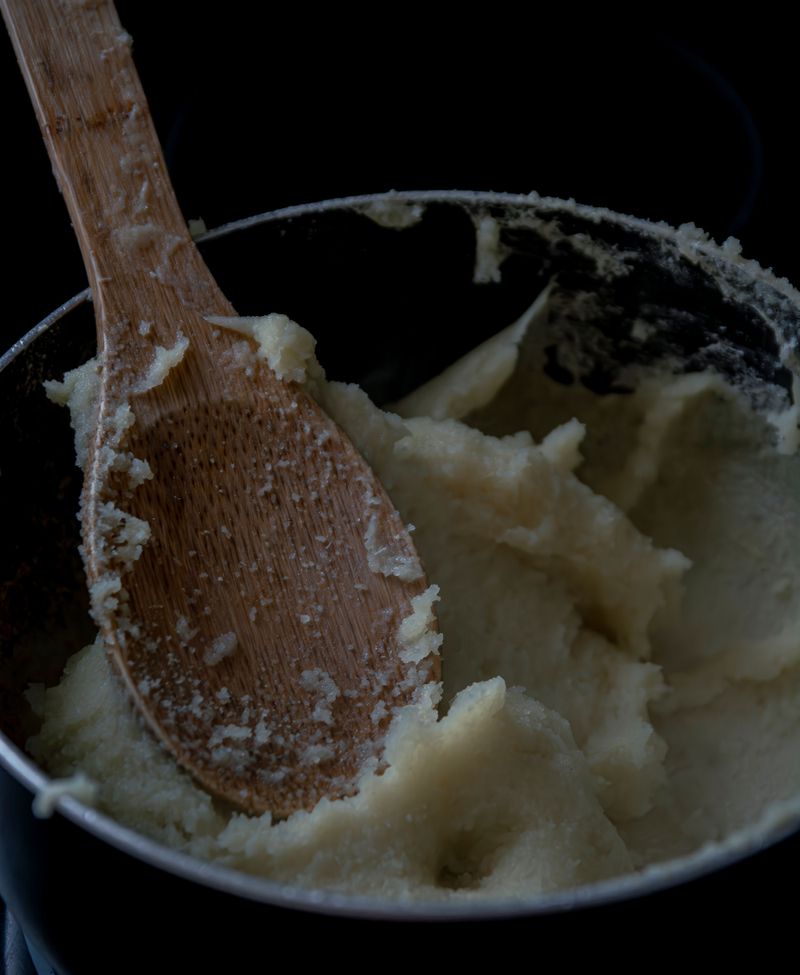
A single meatball looks modest. A plate of them beside mashed potatoes clearly has larger plans.
Swedish immigration left a lasting mark on Minnesota, and meatballs remain one of the most familiar foods tied to that heritage.
The mixture often combines beef and pork with breadcrumbs, milk, onion, and warm spices such as allspice or nutmeg. Smaller portions are rolled by hand, browned, and finished with a creamy gravy.
The texture matters as much as the seasoning. Good meatballs remain tender rather than dense, while the gravy should coat without becoming gluey. Mashed potatoes provide the broad, buttery landing place for every extra spoonful.
Lingonberry preserves may appear alongside the plate. Their tart sweetness cuts through the richness and gives each bite a brighter finish. The combination may surprise anyone accustomed to meatballs only in tomato sauce, but the contrast quickly explains itself.
In Minnesota, Swedish meatballs appear at heritage celebrations, holiday meals, church events, and restaurants serving Scandinavian favorites. Family recipes may disagree about spice, gravy, or size, but the empty serving dish usually settles the larger argument.
Take a little meatball, potato, gravy, and lingonberry in one forkful. The plate works best when nobody forces its components to stay in separate corners.
This is cooperation disguised as comfort food.
7. Swedish Pancakes With Lingonberry Preserves
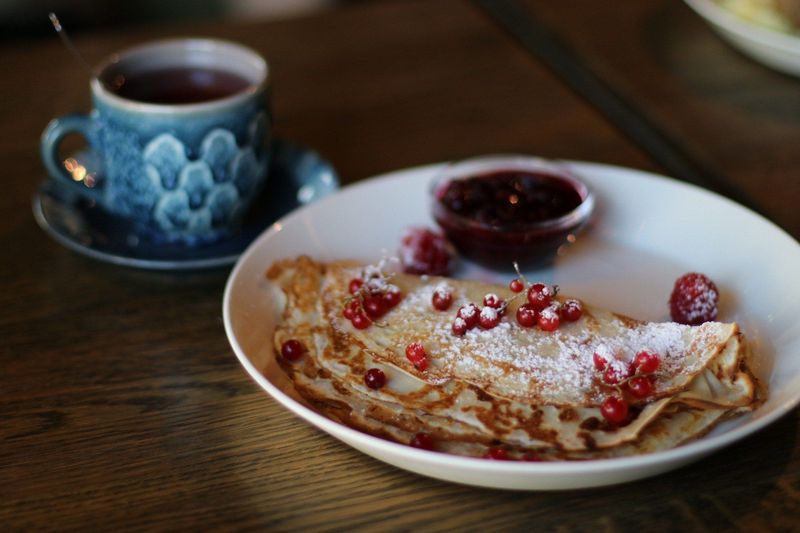
The pancake arrives thin enough to fold, which immediately opens more possibilities than a tall stack ever considered.
Swedish pancakes use a simple batter of eggs, milk, flour, and often butter. They cook into broad, delicate rounds with lightly browned surfaces and soft centers.
The result sits somewhere between an American pancake and a French crepe, though the texture and serving traditions give it a character of its own.
Lingonberry preserves provide the classic contrast. The berries bring tartness and a gentle bitterness beneath their sweetness, preventing the plate from becoming heavy.
Powdered sugar, whipped cream, butter, or syrup may join in, but the preserves usually carry the strongest cultural signal.
Minnesota towns with strong Scandinavian roots celebrate Swedish heritage through museums, festivals, bakeries, cafes, and community events.
Swedish pancakes make an especially friendly introduction because the plate explains itself before anyone finishes saying lingonberry.
The first pancake may be rolled, folded, or cut into sections. There is no prize for choosing the neatest method. There is also little reason to stop after one, since each round is lighter than its size suggests.
Order them during a road trip through communities such as Lindström, Scandia, or other parts of Minnesota shaped by Swedish settlement.
A thick pancake fills the plate. A Swedish pancake leaves room for confidence.
A warm pancake also gives the preserves room to loosen and spread into every fold. Add a little butter or powdered sugar, then roll it before the filling escapes. Breakfast has now become both a meal and a minor engineering project.
8. Slow-Cooked Porketta With Potatoes
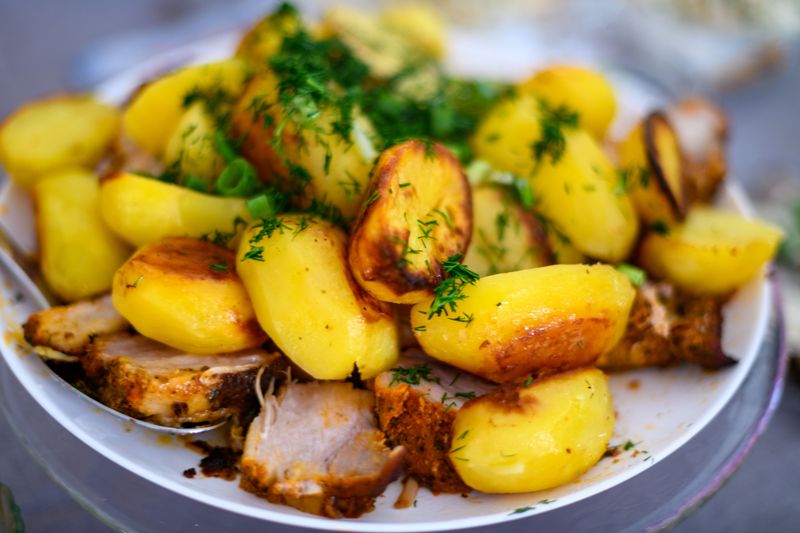
Fennel reaches the table before the pork does.
Porketta, also spelled porchetta elsewhere, became an Iron Range specialty through Italian immigrant communities connected to northern Minnesota’s mining towns.
The local version centers on a pork roast seasoned generously with fennel, garlic, pepper, and other herbs, then cooked until it can be sliced or pulled apart.
The seasoning gives the dish its identity. Fennel delivers a sweet, aromatic note that travels through the kitchen as the roast cooks, while garlic and pepper keep the flavor grounded.
Potatoes placed nearby absorb the drippings and develop browned edges that make them difficult to treat as a supporting side.
Across the Iron Range, meat markets and grocery stores still sell seasoned porketta roasts ready for home ovens or slow cookers. Sandwich versions also appear at local restaurants, proving the meat can handle bread almost as well as it handles a dinner plate.
Italian porchetta became Iron Range porketta through local pronunciation, family recipes, available cuts, and generations of northern Minnesota cooking. The name shifted, the fennel stayed, and the potatoes wisely remained close to the roasting pan.
Serve thick slices beside potatoes, or pile the shredded meat onto a roll. Either route should include some of the seasoned juices from the pan.
A long drive north may begin with scenery. Once the porketta aroma reaches you, the landscape temporarily loses the argument.