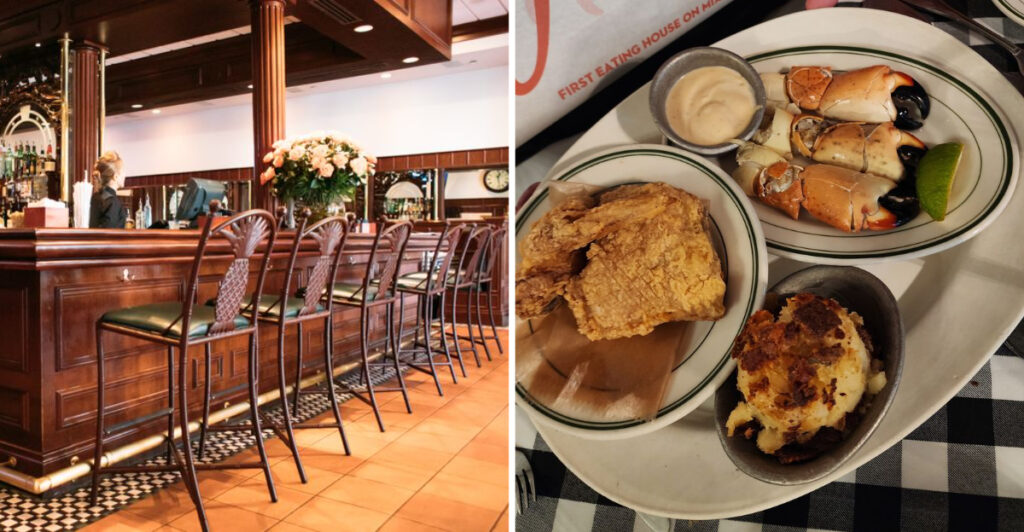
Florida cracked the code on seafood in 1913.
Before Miami Beach officially became a city, this small lunch counter was already serving hungry customers. Then one local catch joined the menu and turned a simple plate into a lasting dining tradition.
Served chilled and paired with a sharp mustard sauce, the dish quickly became the star. More than a century later, it still commands the table without needing a modern makeover.
You choose the size, add the classic sides, and try not to start negotiations over the final piece. Key lime pie follows with the confidence of a dessert that already knows it belongs in the closing scene.
The dining room has grown, but the winning formula remains simple. One crack, one dip, and one bite can explain why generations keep coming back.
So, what seafood plate has kept Florida diners returning for more than a century?
A Small Lunch Counter Started The Story In 1913
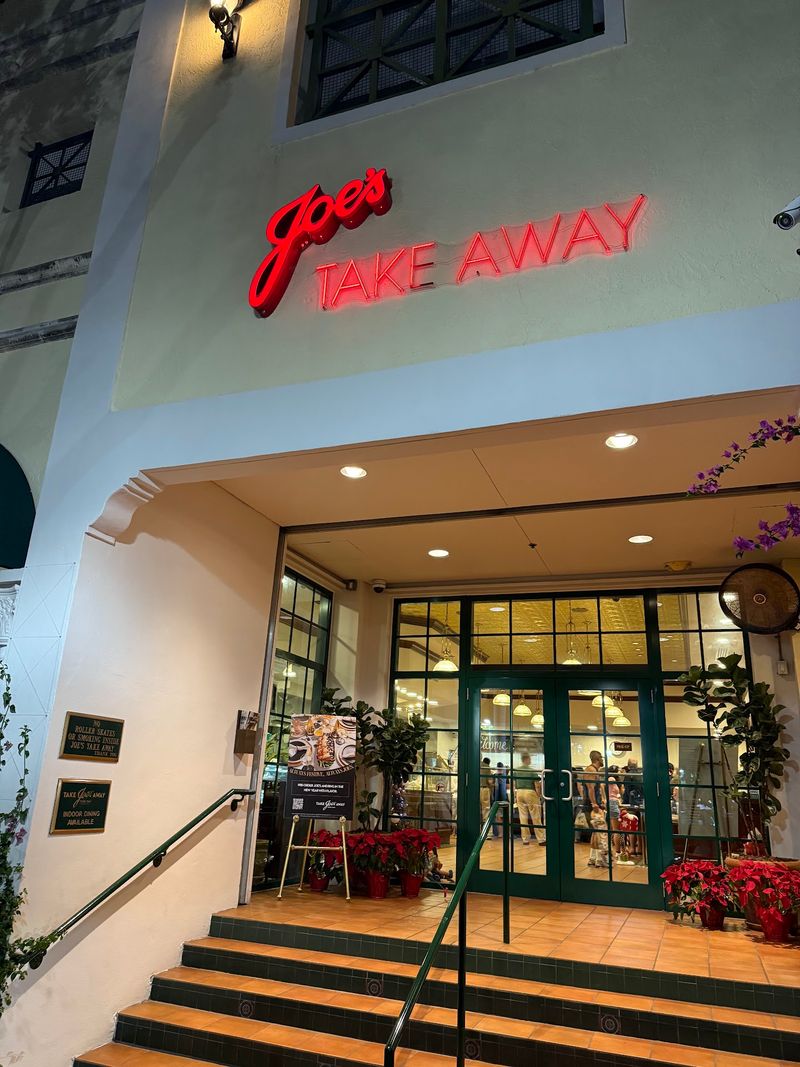
Before the white jackets and full dining rooms, there was Joe Weiss and a modest counter by the beach.
Joe arrived in Miami in 1913 after leaving New York for a warmer climate. He and his wife, Jennie, had restaurant experience, and their small operation began serving fish sandwiches, fries, and other simple meals to people exploring a young coastal community.
Miami Beach had not yet incorporated as a city. Roads, hotels, and neighborhoods were still taking shape, giving Joe’s beginning a frontier quality that is difficult to imagine from today’s polished South Beach streets.
The stone crabs did not become the immediate focus. Joe’s history places their arrival in 1921, when a Harvard ichthyologist introduced the local crustaceans to Joe Weiss. Once the claws reached the menu, the restaurant found the dish that would define its future.
Joe’s remains a fourth-generation family restaurant, linking its current dining rooms to the lunch counter that started the story. That continuity gives the place a sense of momentum rather than a frozen-in-time atmosphere.
The room has grown, the city has transformed, and the crowds have multiplied. The claws, however, still know exactly why everyone came.
Washington Avenue Leads To More Than A Century Of Flavor
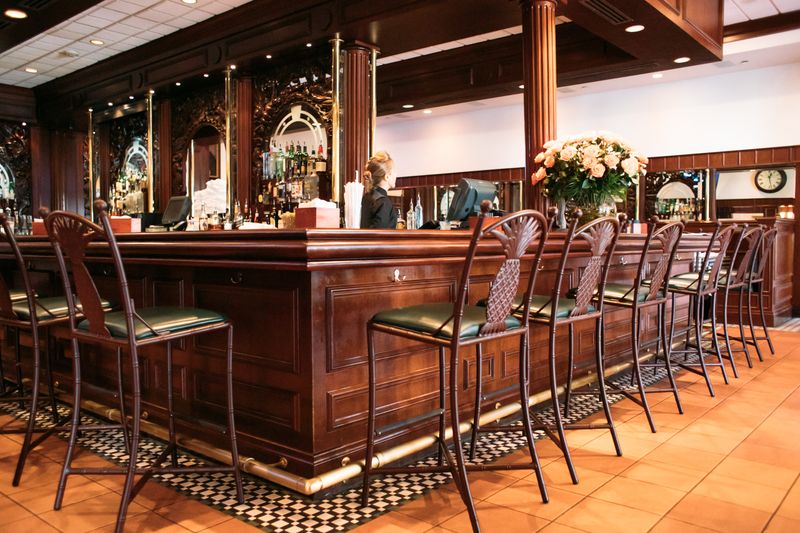
The address looks simple on a map. The history waiting there is considerably larger.
Joe’s Stone Crab is located at 11 Washington Avenue, Miami Beach, Florida 33139. The restaurant sits at the southern end of Miami Beach, close to South Pointe and the shoreline that helped shape its original seafood identity.
Joe’s currently follows a summer schedule. Lunch is served Friday through Sunday from 11:30 a.m. to 2:30 p.m., while dinner runs Wednesday through Sunday from 5 p.m. to 10 p.m. The main restaurant is closed Monday and Tuesday.
Reservations are accepted, while walk-ins remain part of the Joe’s experience. Peak periods can still bring a wait, especially during stone crab season, so a little timing can keep the evening moving smoothly.
Joe’s Take Away offers another route. What began in 1987 as a back-door pickup window has grown into a separate casual market and dining space that operates daily from 11:30 a.m. to 9 p.m.
That gives you two ways to approach the same famous flavors. Settle into the main restaurant for the complete ritual, or collect claws and sides through the more relaxed take-away operation.
Florida provides plenty of seafood addresses. Very few come with a family story that started before the city around them officially existed.
Stone Crab Claws Turned Dinner Into A Ritual
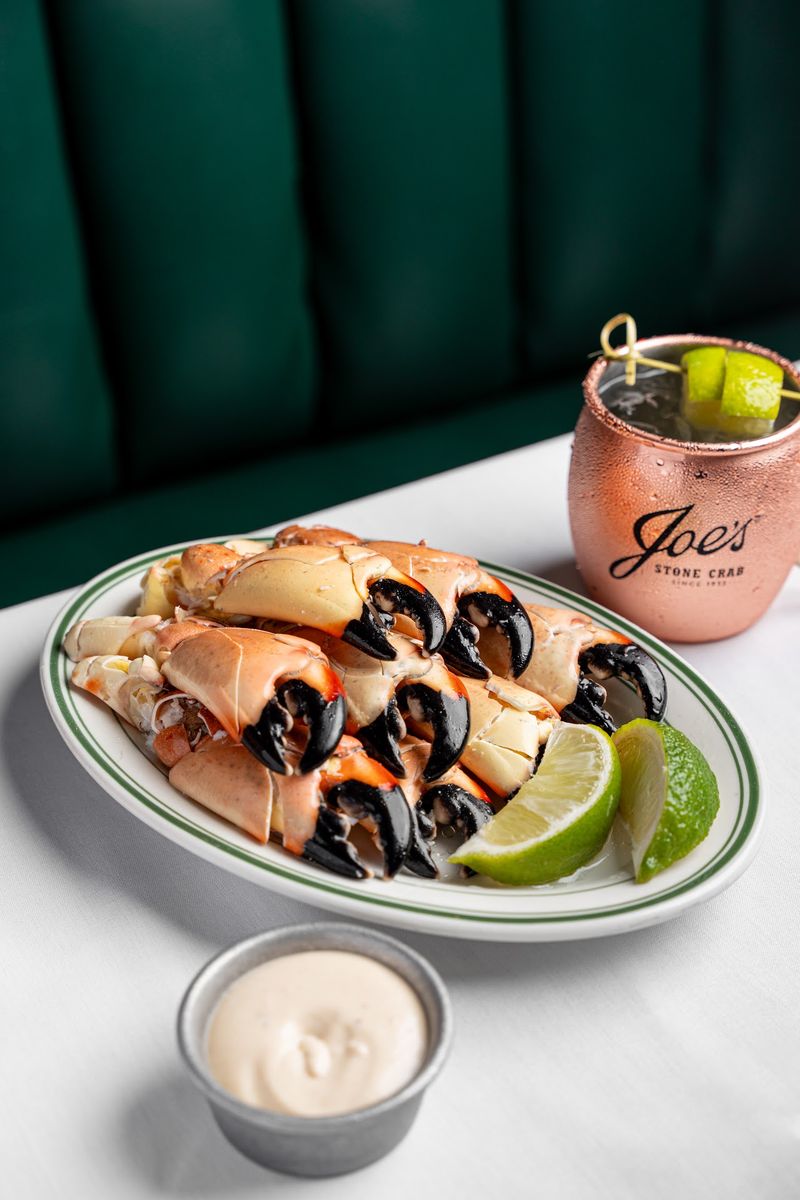
The claws arrive chilled, cracked, and ready to make utensils look unnecessary.
Stone crab meat is firm, sweet, and naturally rich enough to need very little decoration. Joe’s serves the claws unseasoned with its signature mustard sauce, allowing the meat to stay at the center of every bite.
The restaurant traces its stone crab story to 1921. That discovery changed the direction of the business and helped establish a dish now closely associated with Miami Beach dining.
Florida’s legal stone crab harvest season runs from October 15 through May 1. Only claws meeting the minimum size may be taken, egg-bearing crabs are protected, and harvested crabs are returned to the water.
Stone crabs can regenerate lost claws, but that process takes time and survival is not automatic. Careful handling and regulated harvesting matter, which makes the fishery more complex than the simple phrase “the claws grow back” suggests.
Joe’s serves stone crab claws year-round, although sizes and availability can vary outside Florida’s harvest season.
The plate looks uncomplicated: cold claws, cracked shells, and sauce. The story behind it reaches from regulated Florida waters to a dining room that has served them for generations.
One clean pull of sweet crabmeat, and the century-old fuss begins making perfect sense.
Mustard Sauce Gives Every Claw Its Signature Dip
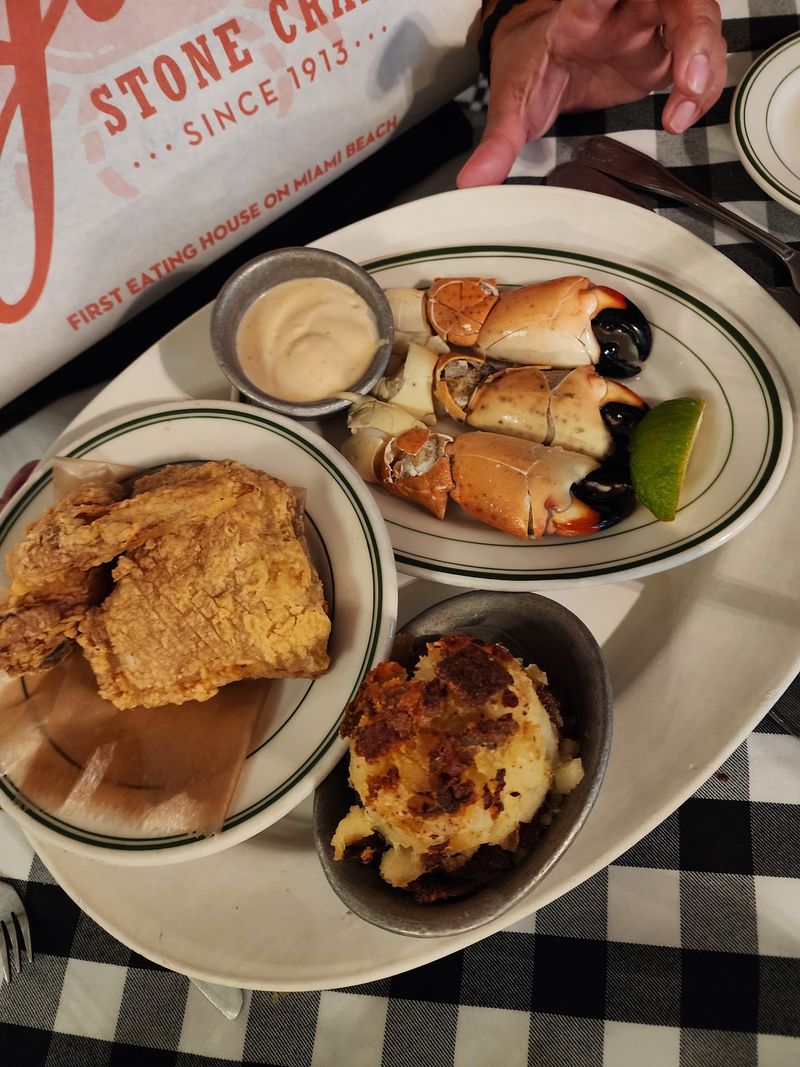
The claw built the reputation. The mustard sauce made sure nobody forgot the pairing.
Joe’s serves its stone crabs with a creamy mustard sauce that balances sharpness, richness, and a gentle tang. The sauce adds contrast without covering the naturally sweet flavor of the meat.
The ritual is easy to learn. Lift a pre-cracked claw, remove a piece of meat, add a modest dip, and discover why the sauce has become inseparable from the Joe’s experience.
Using too much can hide the crab, while too little misses the point. The ideal bite keeps the meat first and lets the mustard arrive just behind it.
That balance matters because stone crab is served cold. Instead of relying on heat, butter, or heavy seasoning, the plate works through texture, sweetness, and the bright edge of the sauce.
Joe’s also offers melted butter, but mustard remains the house signature. It gives the dish a personality that belongs specifically to this restaurant rather than any seafood counter serving chilled claws.
The combination has survived because it does not need extra decoration. A claw, a dip, and a clean bite carry more impact than a crowded plate trying to prove too much.
Some sauces sit on the side. This one has spent decades sharing the spotlight.
Four Claw Sizes Let You Choose The Main Event
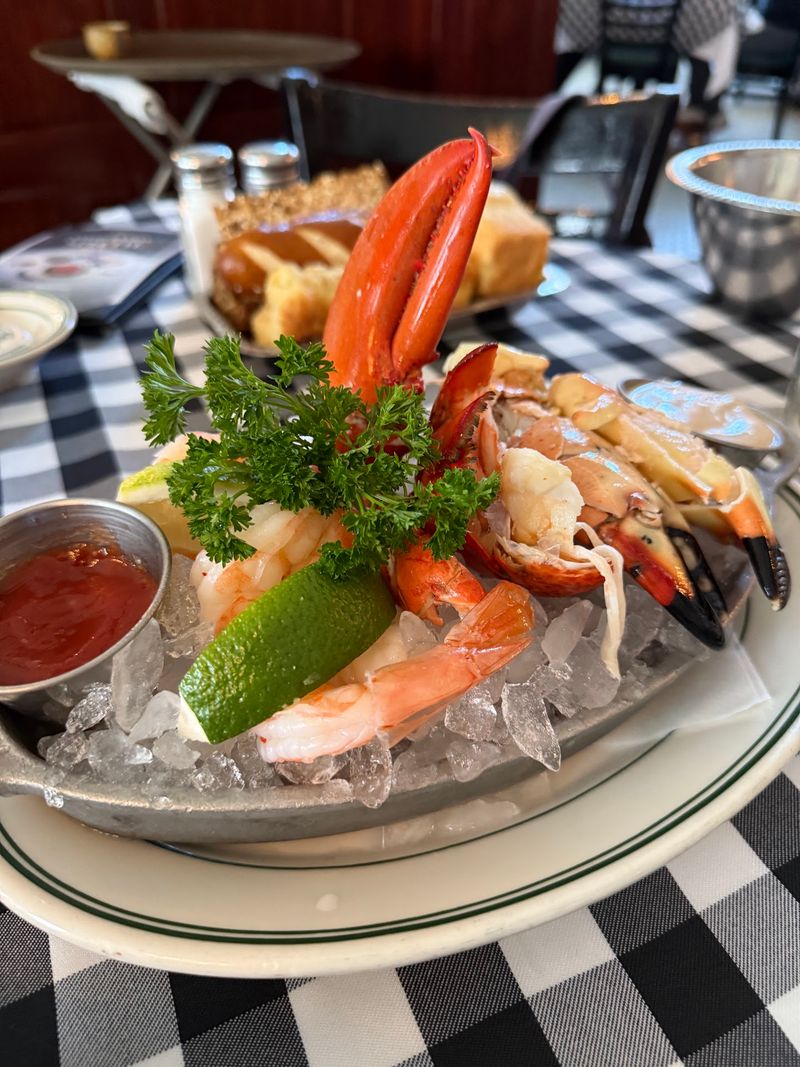
Appetite has measurements here, and they begin at medium.
Joe’s offers stone crab claws in medium, select, large, and jumbo sizes, although availability can vary. Each order arrives chilled, cracked, and accompanied by mustard sauce.
The size changes more than the visual impact. Larger claws deliver bigger pieces of meat, while medium and select orders give you more individual shells to work through.
A smaller order can introduce the dish without taking over the whole meal. Large or jumbo claws turn dinner into a longer, more hands-on event, especially when the table plans to share.
The menu also lets you transform a full claw order into Joe’s Classic. That addition brings individual portions of Joe’s coleslaw, hashed brown potatoes, creamed spinach, and a slice of Key lime pie.
It is an efficient way to experience the restaurant’s most famous combination without building the meal one decision at a time. The claws remain the centerpiece, but every course arrives with an established role.
The Classic also solves a common first-visit problem: the menu offers plenty beyond stone crab, yet skipping the signature sides can make the meal seem incomplete.
Choose the claw size. Add the Classic. Let more than a century of repetition handle the rest.
Hash Browns And Creamed Spinach Hold Their Ground
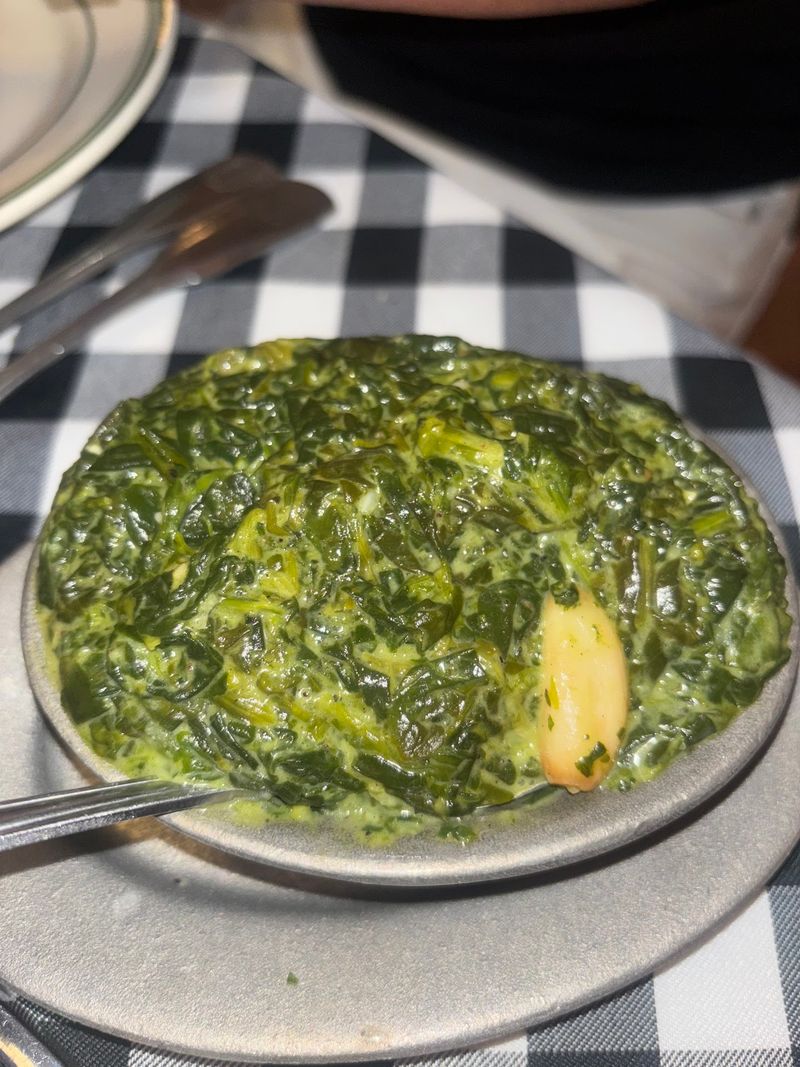
Famous claws need sides with enough confidence to share the table.
Joe’s hashed brown potatoes arrive as a crisp, deeply browned portion built to contrast with cold, tender crabmeat. Their golden exterior and softer center give the plate warmth and texture without competing with the mustard sauce.
Creamed spinach moves in the opposite direction. It is soft, rich, and savory, bringing a classic steakhouse-style element to a meal centered on seafood.
Joe’s coleslaw completes the savory side trio in the Classic. Its cool crunch creates a lighter pause between the potatoes, spinach, and stone crab.
Together, the sides prevent the plate from becoming one long sequence of chilled claws. You move between crisp potato, creamy greens, fresh slaw, and sweet crab, giving each component a chance to reset the next bite.
The restaurant menu reaches well beyond this combination. Seafood, steaks, fried chicken, soups, salads, and other dishes can widen the table when not everyone wants stone crab.
Still, the Classic sides have remained closely tied to the signature order because they make the plate feel complete rather than merely famous.
The claws may put Joe’s on the map. The hashed browns make sure nobody rushes toward the exit.
Key Lime Pie Gives Florida The Final Word
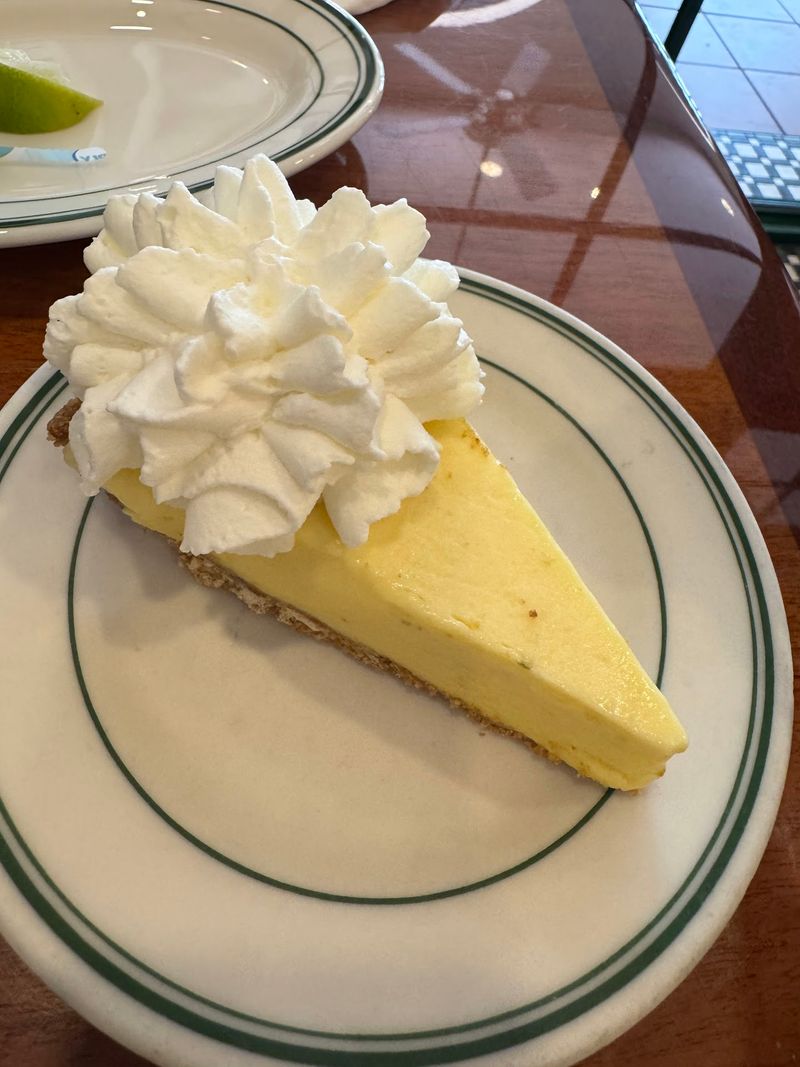
The claws open the conversation. Key lime pie delivers the closing line.
Joe’s serves its signature slice with a pale filling, a crumb crust, and whipped cream. The citrus brings a tart finish after mustard sauce, potatoes, spinach, and the natural richness of the crab.
That contrast is exactly what the meal needs. Instead of ending with something dense and heavy, the pie brings brightness that keeps the final course lively.
Key lime pie also keeps the experience rooted in Florida. The dessert has become one of the state’s defining sweets, and at Joe’s it sits directly inside the Classic combination rather than waiting on a separate list of suggestions.
You can order the slice on its own, but including it with the claws and sides creates a complete route through the restaurant’s best-known foods. The meal begins in local waters and ends with local citrus tradition.
More than a century after Joe Weiss opened his lunch counter, the restaurant still has a clear answer to changing tastes: serve the claws cold, keep the mustard nearby, brown the potatoes, and save room for pie.
Miami Beach supplies the setting. One iconic plate keeps writing the story.