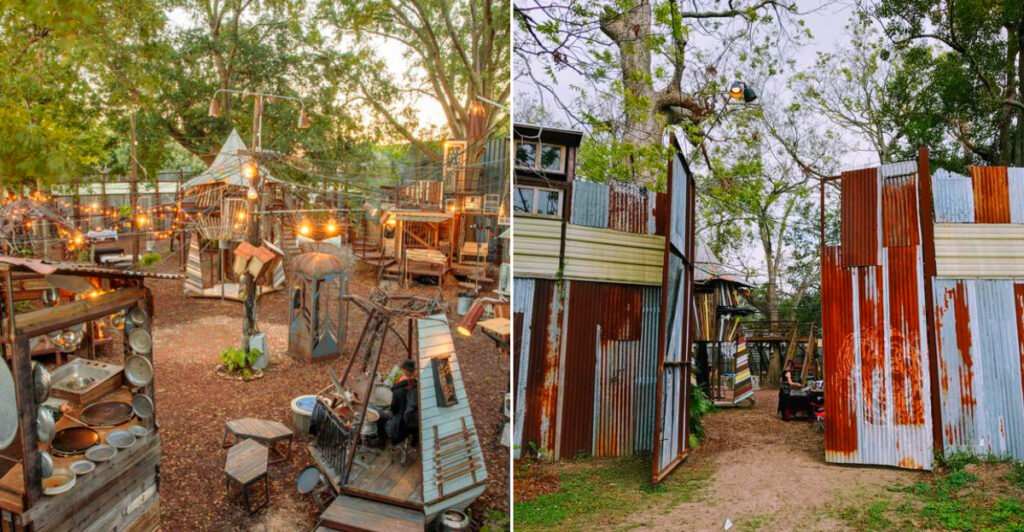
I struck a wall and it sang back at me. That is not a metaphor. My afternoon at this Louisiana art village started with confusion and ended with pure joy. Every small house on the grounds functions as a playable instrument.
Pipes hum when you pull them. Floors vibrate beneath your sneakers.
Wooden shutters clatter like snare drums when you tap them with your fingers.
I spent forty-five minutes inside a single structure made of salvaged metal, wire, and repurposed wood that produced sounds I could not replicate on any instrument I own. The whole place felt like a playground designed by mad musicians with too many tools and not enough rules.
Live concerts happen here on weekends inside structures that double as amplifiers. My kids did not want to leave. Neither did I. Plucking a wall in Louisiana turned me into a kid again.
Notice The Salvaged Materials
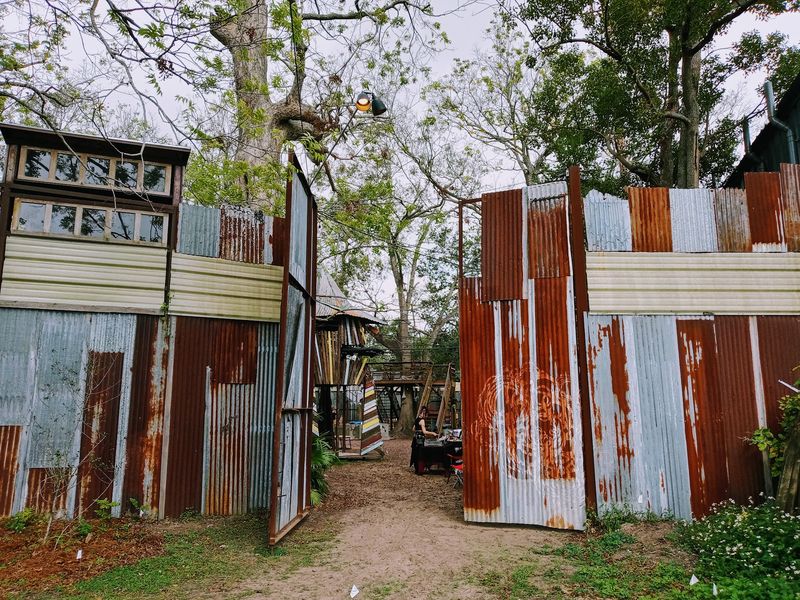
Old wood, rusty tin, ropes, and found parts give the village its scrappy charm. Nothing feels polished in a stiff way, and that is part of the lesson: musical architecture here grows from materials that already carry weather, history, and texture.
More than 80 artists and builders helped shape these structures, using reclaimed pieces to create houses that look patched together but behave with surprising purpose. A creak, clang, or low hum often comes from something that once had a completely different job.
Standing near one wall, I kept thinking how New Orleans has a talent for reuse without losing beauty. Pay attention to joints, hinges, and surfaces, because the sounds make more sense once you notice how carefully the rough-looking pieces were actually assembled by hand.
North Rampart Runs Almost To The Edge Of Bywater
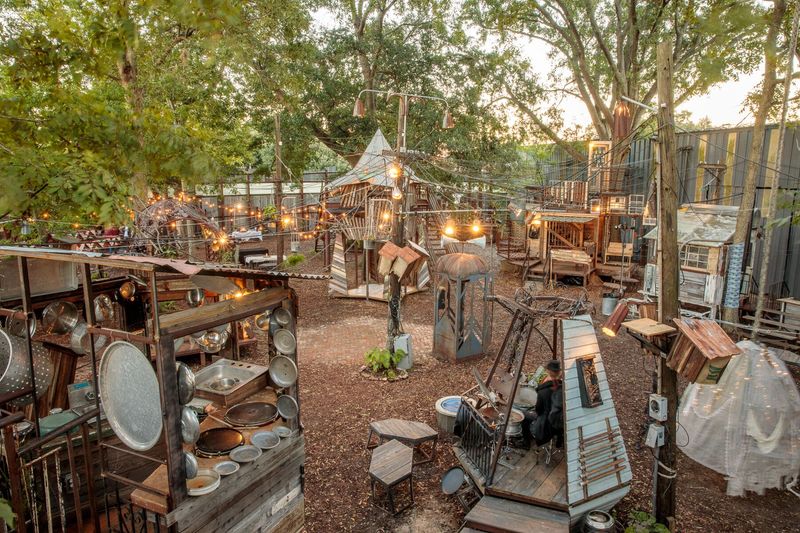
Music Box Village is located at 4557 North Rampart Street in New Orleans, Louisiana, in the Bywater neighborhood near the downriver end of the city. North Rampart provides the final approach, with St. Claude Avenue serving as the larger parallel route through the neighborhood.
Continue down North Rampart as the busier blocks of Bywater thin out toward the Industrial Canal. The venue sits along this quieter stretch of the street, and the entrance at 4557 North Rampart brings you directly to the outdoor site.
On-site parking is extremely limited and reserved primarily for visitors who need special assistance. Use legal street parking in the surrounding neighborhood, or arrive by bike or cab, then walk to the North Rampart Street entrance.
Touch More Than You Usually Would
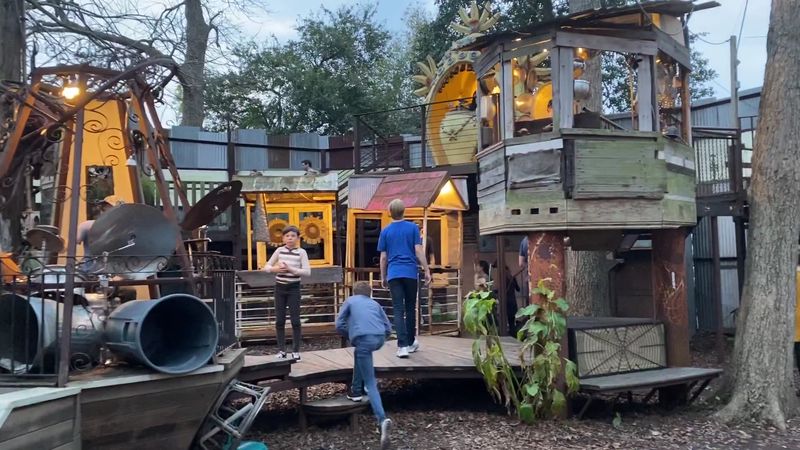
The strangest thing about the village is how quickly it retrains your manners. In most museums, hands stay off.
Here, touching is the whole point, because railings, floorboards, doors, and other ordinary features may answer with tones, rattles, or rhythms.
Some sounds reveal themselves immediately, while others need a second try or a different amount of force. That playful uncertainty makes the visit feel less like pressing buttons and more like learning the personality of each little structure.
I found it best to slow down and test one feature at a time instead of rushing for maximum noise. If you arrive during public hours, give yourself permission to experiment, since the site was built for interaction and rewards patience far more than speed.
Listen For Unexpected Sound Sources
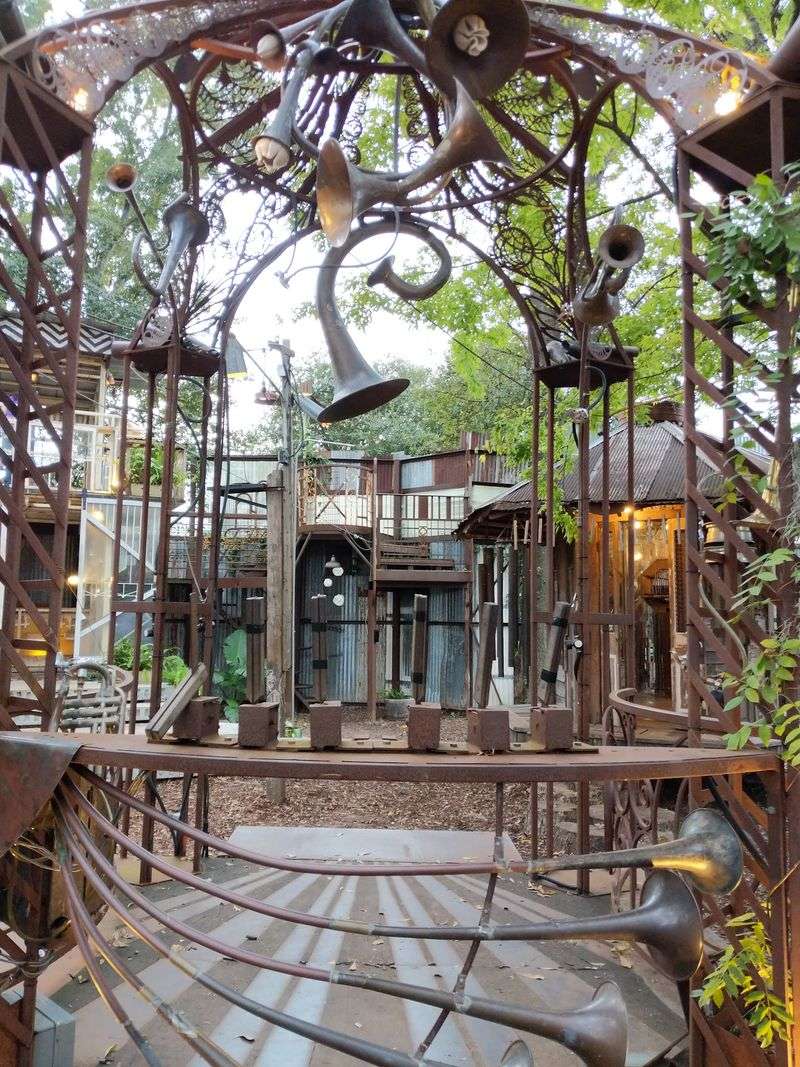
Awnings chime, water drips in rhythm, and a rough-looking setup of pots and pans can suddenly feel like a percussion section. Music Box Village works because it hides sound in places your brain first reads as decoration, hardware, or plain building clutter.
That sensory oddity gives the grounds their dreamlike mood. You are not watching instruments arranged on a stage.
You are walking through a place where nearly any edge, corner, or hanging piece might have a voice.
Good shoes help, since the walkways can be gravelly and you will want to wander without hurrying. Keep your ears open between the louder moments too, because some of the most interesting effects are small, airy, and easy to miss when a crowd gets excited nearby.
Learn The Story Behind Chateau Poulet
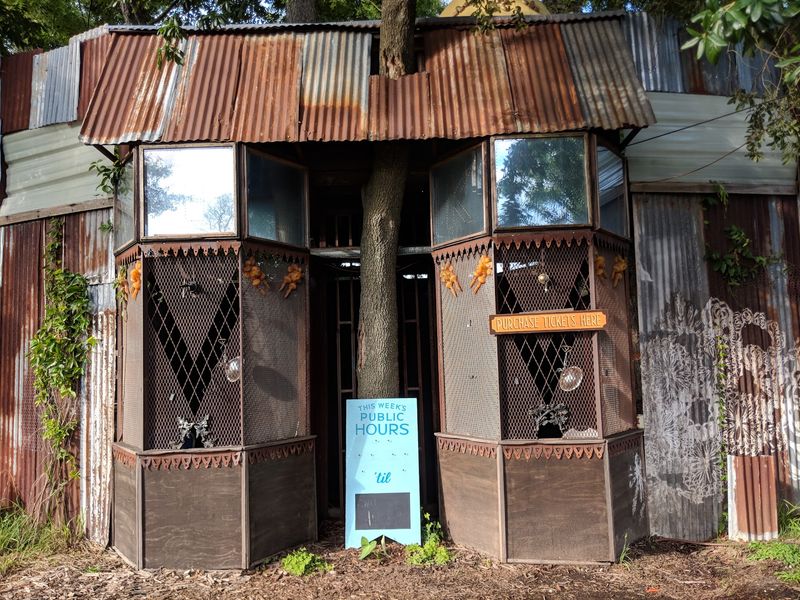
One of the best examples of the village idea in action is Chateau Poulet. Pulling its ropes can activate sonic fans that produce an eerie humming tone, which feels half machine, half ghost story, and completely suited to this odd little landscape.
The project connects to the transformation of a collapsing Creole cottage, showing how local building forms shaped the village rather than serving as background decoration. That matters, because the place is not random whimsy.
It grows from recognizable Gulf South architecture and then bends it into sound.
When I saw how one gesture set the whole mechanism speaking, the design clicked for me. Look for cause and effect while exploring.
The fun increases once you start noticing which actions trigger each voice and which structures respond with slower, stranger timing.
Remember The Post-Katrina Context
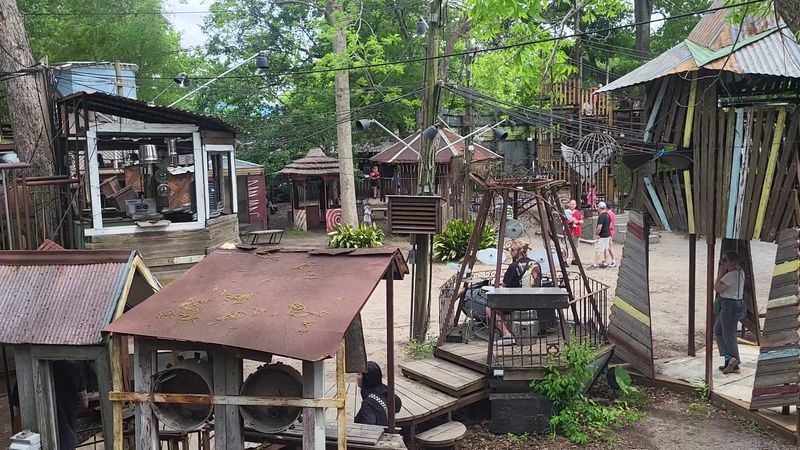
Beneath the playfulness sits a serious local story. Music Box Village grew from work that followed Hurricane Katrina, when artists and organizers asked how rebuilding could include delight, invention, and shared public experience instead of only repair and replacement.
That background explains why the place feels communal rather than flashy. The village was not designed as a gimmick dropped into town.
It emerged from New Orleans voices and from a citywide habit of turning hardship into culture without pretending hardship never happened.
I think visitors understand the site better when they carry that history with them. Treat it as more than a photo stop.
Spending even a few extra minutes reading about New Orleans Airlift and the original 2011 shantytown project adds depth to every clang, hum, and handmade staircase.
Check The Calendar Before You Go
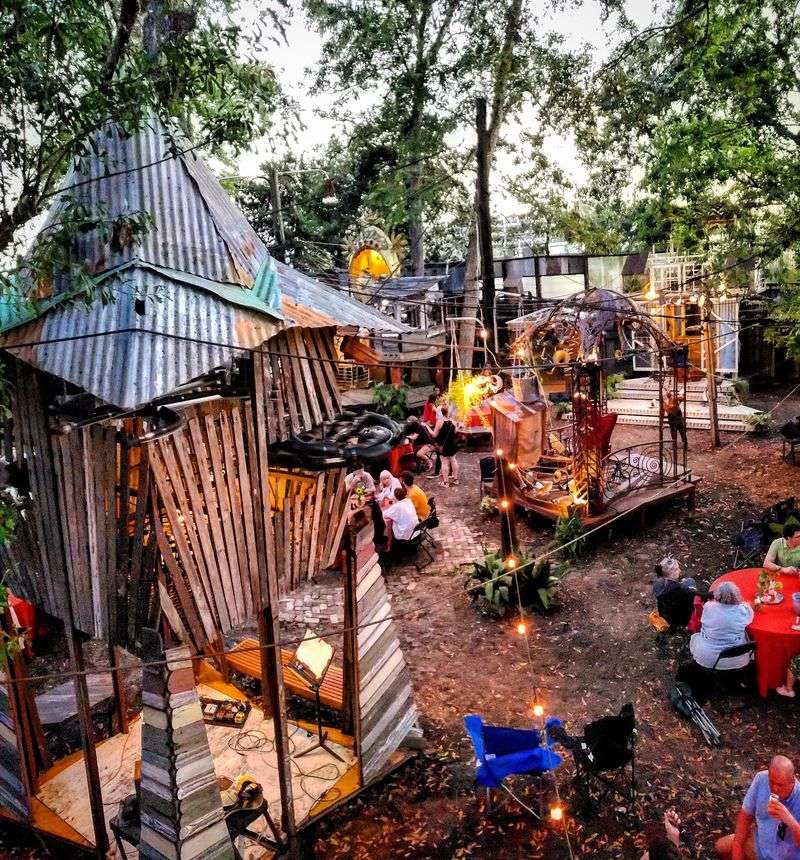
A practical detail can save your whole outing: Music Box Village does not keep broad daily hours like a standard museum. Public opening times are limited, and the current schedule commonly centers on Saturday and Sunday daytime hours, with special events adding extra activity.
Because programming changes, each visit can feel different. Sometimes the grounds invite relaxed self-guided exploration.
Other days may include performances, workshops, or events that add another layer to the musical architecture concept.
I would not show up casually and hope for the best. Check the official calendar first, buy tickets if needed, and notice start times carefully.
That small bit of planning leaves more room to enjoy the village once you arrive, especially since the neighborhood setting feels tucked away rather than obvious.
Use The Field Guide If You Get Stuck
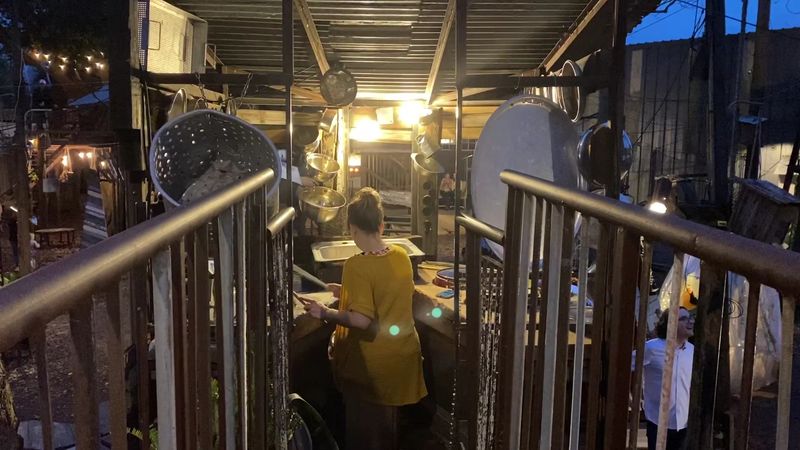
Some structures reveal their sound secrets right away, while others sit there with a sly expression, as if daring you to figure them out. That is where the Field Guide to the Musical Architecture becomes useful, especially for first-time visitors who want a few clues.
The guide does not ruin discovery. Instead, it helps you notice mechanisms you might otherwise miss, from hidden interactions to less obvious ways of pulling, sliding, stepping, or tapping.
Think of it as a nudge, not a script.
I like that the village allows both styles of exploration. You can wander freely and surprise yourself, or use guidance and learn faster how each structure works.
Families, curious adults, and anyone who enjoys hands-on design usually get more out of the site once they balance guessing with informed observation.
Watch How Performance Changes The Space
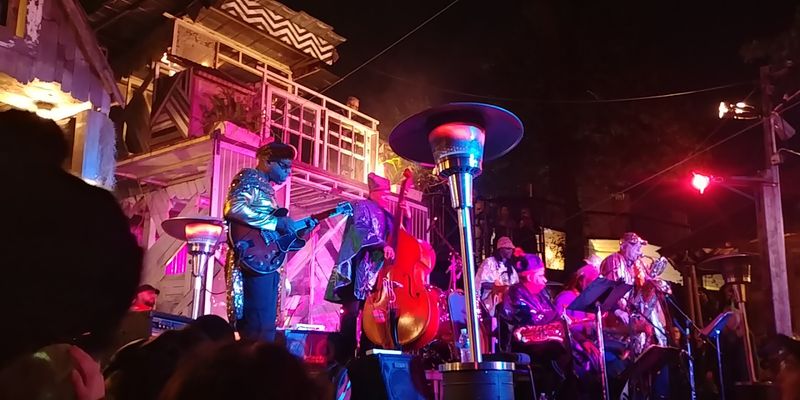
On quiet open days, the village feels like a strange playground for the ears. During performances, the same structures shift into something else entirely: part stage set, part instrument bank, part acoustic experiment wrapped around the audience.
New Orleans Airlift has used the grounds for house bands, workshops, and varied cultural programming. That matters because the site was never meant to be frozen as sculpture alone.
Its purpose comes into focus when musicians and visitors activate the architecture together.
I was struck by how naturally the buildings shared attention with performers instead of competing with them. If you can choose between a standard open visit and an event, think about what you want most.
Exploration favors quiet time, but performances show how the village functions as a living musical system.
Expect An Evolving, Imperfect Artwork
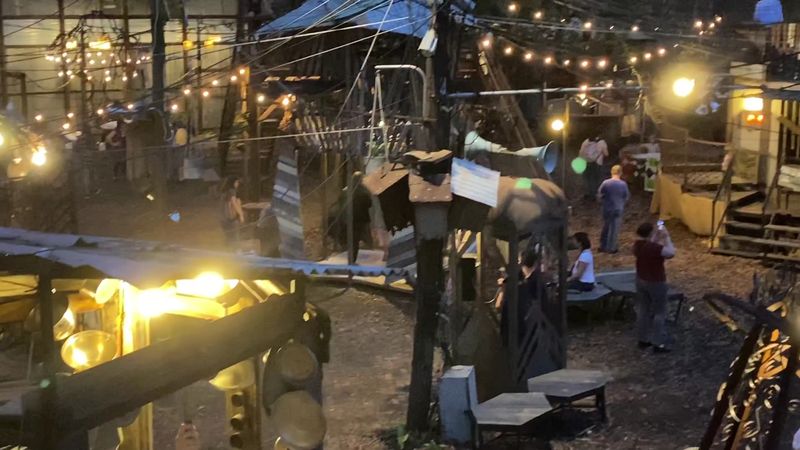
One honest tip matters here: the village is an evolving artwork, not a spotless theme attraction. Parts are rebuilt, maintained, and reimagined over time, which means your visit may include fresh discoveries alongside a few elements that are resting, weathered, or temporarily quiet.
That imperfect quality is built into the project’s DNA. Found materials age.
Outdoor installations face heat, rain, and heavy use. The result can look rough at the edges, yet that roughness also reminds you the place is handmade, communal, and still changing.
I found it easier to enjoy the site once I stopped expecting museum crispness. Bring curiosity instead of a checklist.
You are stepping into a working experiment in musical architecture, and experiments stay interesting partly because they keep adjusting to time, touch, and the New Orleans climate.
See It As Community, Not Just Attraction
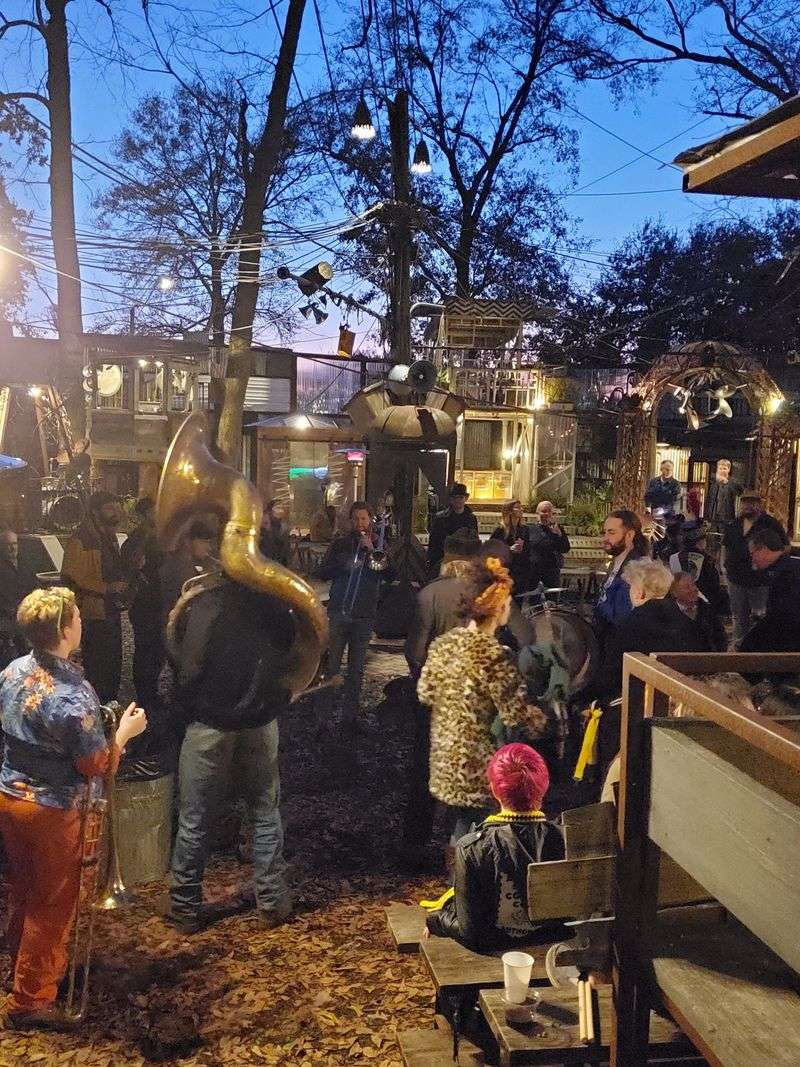
The deepest answer to how these houses became giant instruments is not only engineering. It is community.
Artists, builders, musicians, and visitors all help complete the idea, because the village comes alive through shared use rather than silent admiration from a distance.
That spirit fits New Orleans beautifully. Local music culture has long depended on collaboration, improvisation, and public feeling, and Music Box Village translates those habits into architecture you can literally enter.
The result feels social in the best way, even when the sounds themselves are odd.
I left thinking the place teaches a simple lesson about art: people remember what they help make happen. If you visit 4557 N.
Rampart Street, do not rush through looking for one perfect photo. Listen, participate, and notice how quickly strangers start acting like a temporary band together.