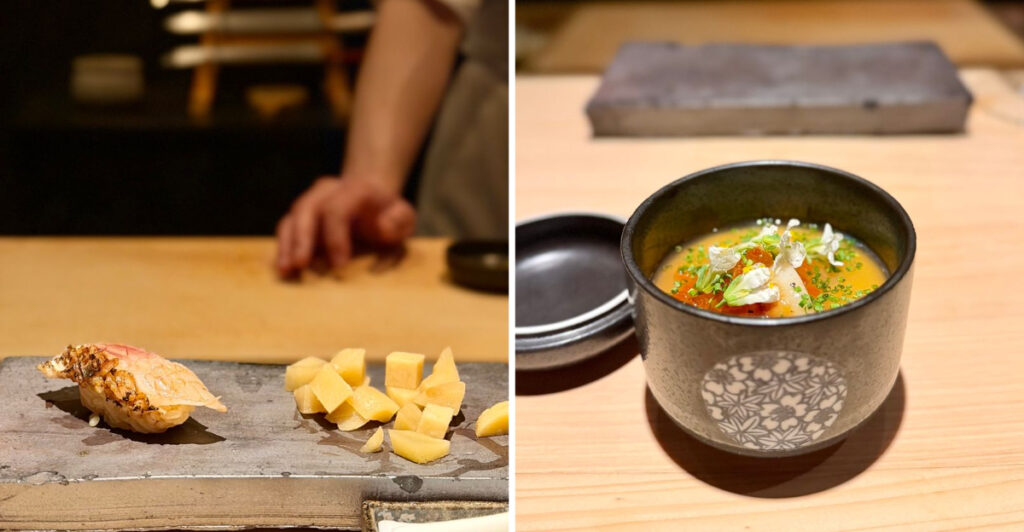
Getting a seat here is basically dinner’s opening act.
This Georgia sushi counter has just 15 seats, and the main experience is omakase only. Reservations open one month ahead, so spontaneity may need to sit this one out.
Once you make it inside, the decision-making is over. The kitchen takes the lead with a changing menu built around seasonal nigiri, small plates, and seafood flown in from Japan.
Plenty of restaurants make you hungry. This one starts building anticipation before you even sit down.
The hardest part may happen before the first bite: beating everyone else to the booking calendar.
Fifteen Seats Put Everyone Close To The Action
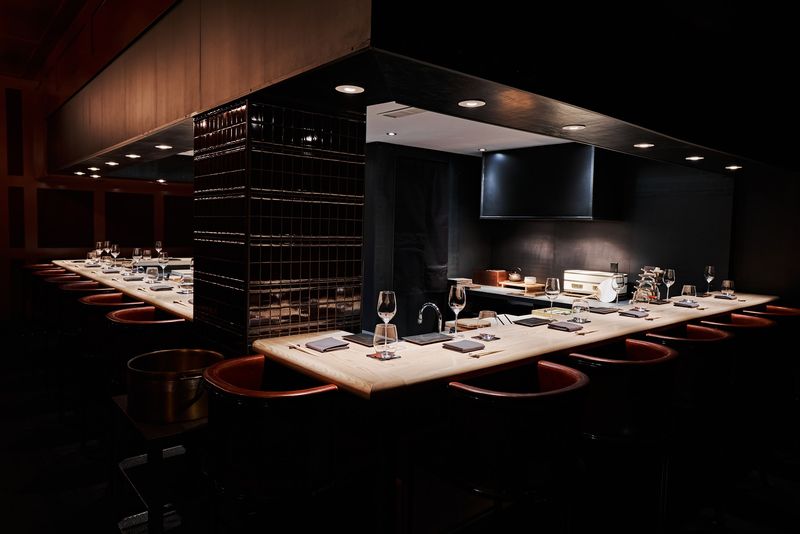
There is no back row at Mujō.
The main sushi bar seats just 15 guests, putting the entire room within easy view of the chefs working behind the counter. Fish is sliced, rice is shaped, and each course comes together only a short distance from where you are sitting.
A full restaurant buyout also tops out at 15 guests, matching the capacity of the main sushi bar.
From the counter, guests can watch the sequence develop piece by piece while the chefs prepare each course in front of them.
The sushi bar uses raw, unfinished Southern cypress, with steel panels, custom leather seating, dark walls, and low lighting around the counter.
You do not need to know every cut of fish before arriving. Omakase translates roughly to “I leave it up to you,” and that is exactly how the meal works here.
Fifteen seats also mean fifteen very good reasons to set a reminder when reservations open.
The Reservation Calendar Rewards People Who Plan Ahead
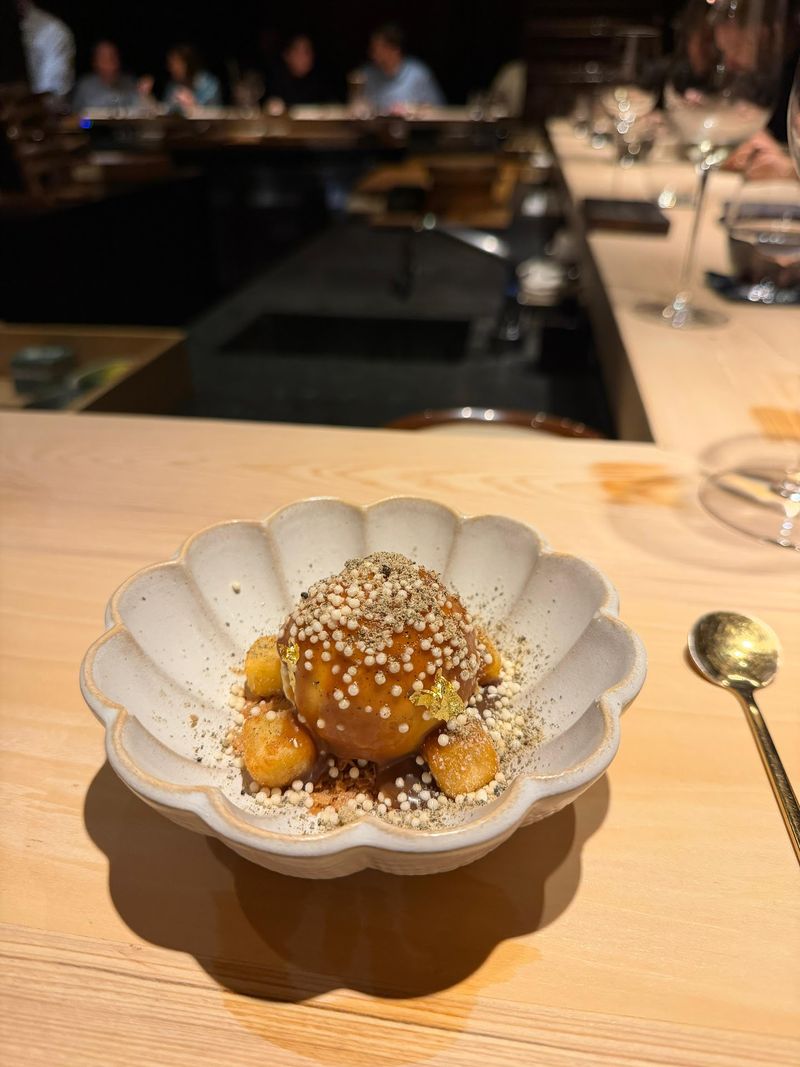
Reservations are released one month in advance at 10 a.m. on the first day of each month. The restaurant is reservation-only, so a spontaneous walk-in strategy is not the move here.
Main sushi bar cancellations or party adjustments must be made at least 72 hours before the reservation.
If you want a particular month, mark the first day of the month before it, have your preferred dates in mind, and be ready when reservations appear.
The restaurant also asks guests to allow approximately two and a half hours for dinner. Arriving more than 15 minutes late can mean the full menu is no longer guaranteed, so this is one reservation where giving Atlanta traffic some breathing room is a smart idea.
Mujō currently serves dinner Wednesday through Saturday from 5:30 p.m. to 9:30 p.m., with Sunday through Tuesday closed.
Valet parking is available in the Cottonwood Westside parking deck, with access from 14th Street near Howell Mill Road.
There is also an age policy to know before turning dinner into a family outing. The restaurant welcomes guests over 12 and serves only the full omakase menu. Babies and strollers cannot be accommodated, so every guest at the counter needs to meet the restaurant’s age policy.
The hardest part may be getting a seat. Once you have it, showing up on time is much easier.
The Menu Changes Daily Instead Of Standing Still
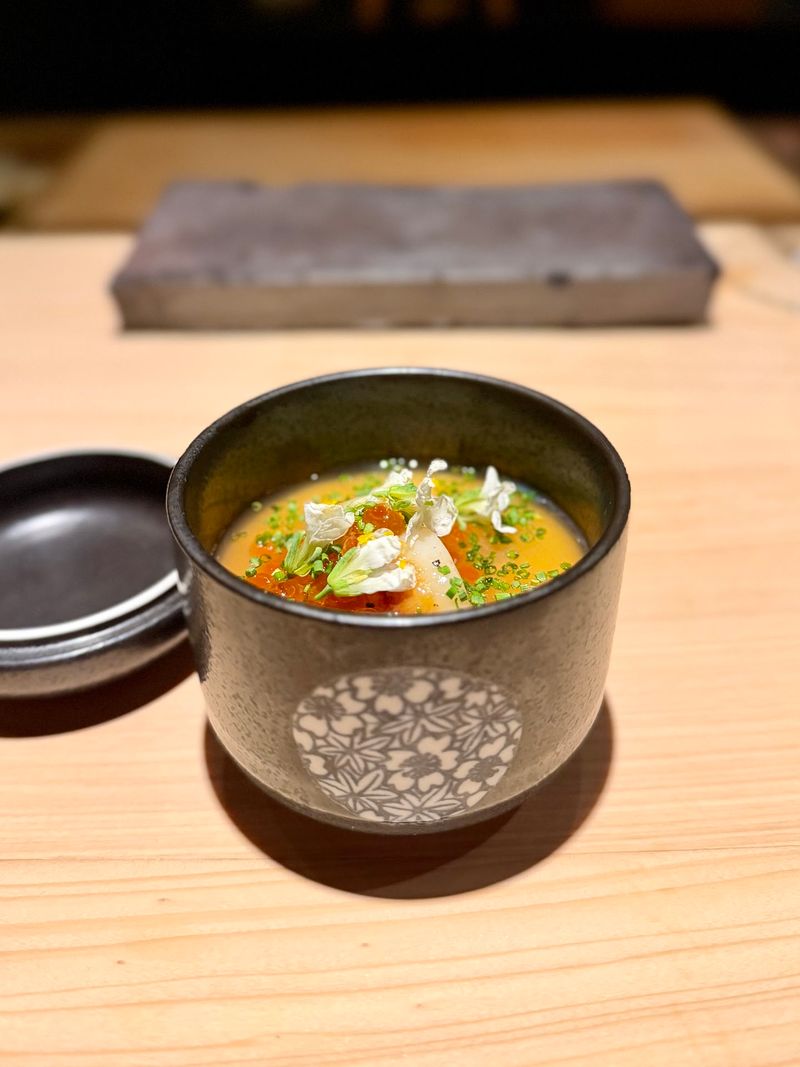
The restaurant serves an omakase-only tasting menu that changes daily with seasonal ingredients and available seafood. Fish is flown directly from Japan, and the progression can shift from one service to the next.
The evening begins with a series of small plates before moving into seasonal nigiri. Dessert closes the main progression, and a supplemental menu of additional specialty items is also offered.
That daily movement connects with the Japanese idea of ichi-go ichi-e, or “one time, one meeting,” which Mujō cites as part of its philosophy.
In practical terms, your best move is to arrive without locking your hopes onto one exact dish. The point of omakase is handing the decisions over to the chef rather than building dinner from a checklist.
It also means two visits do not need to look identical. Season, seafood, and the kitchen’s choices can all shift what appears across the counter.
If you are usually the person who studies a menu for twenty minutes before ordering, consider this your night off.
The kitchen already did the homework.
Small Plates Lead Into The Nigiri Sequence
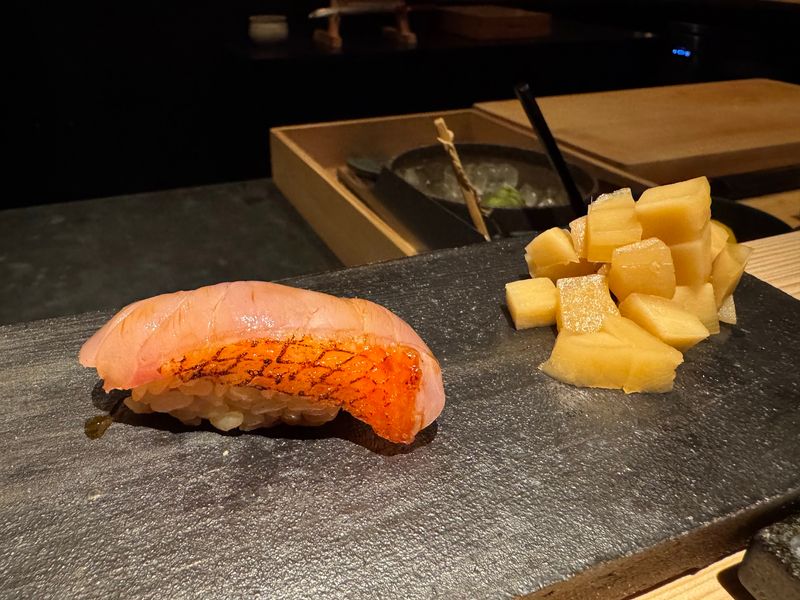
Nigiri does not sprint onto the counter the moment you sit down.
Mujō structures dinner as a progression, starting with small plates before moving into seasonal nigiri. That gives the meal several different textures and temperatures before the sushi sequence becomes the center of attention.
The exact dishes change daily, while the basic arc remains consistent: opening plates, a progression of seasonal nigiri, and dessert.
That structure gives you time to settle into the pace of the evening. Instead of ordering several dishes at once and watching the table fill up, courses arrive one after another.
The counter becomes a kind of edible timeline. A plate disappears, the chefs reset, another ingredient comes forward, and the next course takes its place.
Guests at the 15-seat counter move through the same general progression together while the chefs prepare each course in front of them.
There is no need to rush the process. The restaurant asks guests to allow about two and a half hours for the full dinner.
The full progression unfolds across that two-and-a-half-hour window.
Japanese Seafood Meets An Atlanta Point Of View
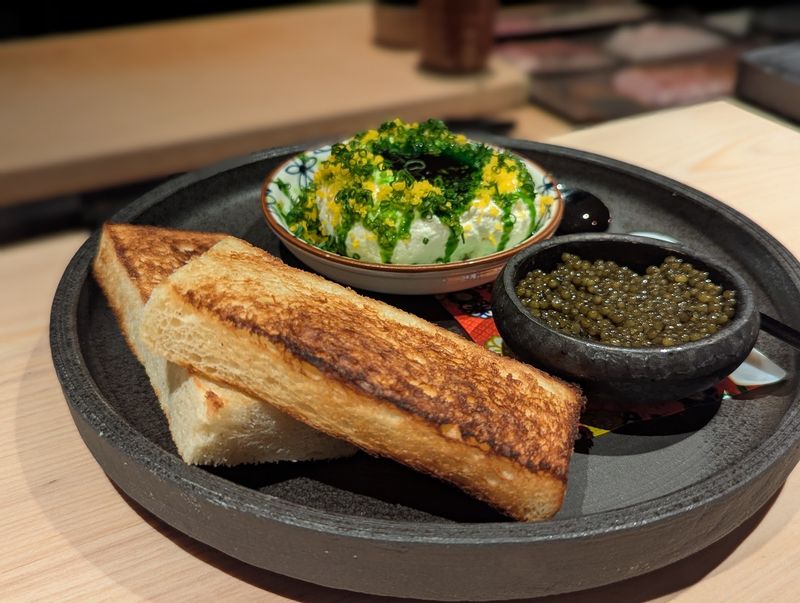
The place describes itself as a modern Edomae-style sushiya rather than a strictly traditional one.
Edomae sushi developed in Tokyo, and the restaurant draws from that tradition while building an experience shaped by its own place and team. Seafood flown directly from Japan plays a major role in the daily menu.
Executive Chef and partner J. Trent Harris leads the kitchen alongside Executive Sushi Chef Tomoyuki Hayashi and the sushi team.
Harris has spent years working with Japanese technique, and in 2026 the James Beard Foundation named him a finalist for Best Chef: Southeast.
The room adds a local note of its own. The central counter is made from Southern cypress, placing a material associated with the region inside a restaurant rooted in Japanese culinary tradition.
The Southern cypress counter places a regional material beneath your elbows. The chefs work with seafood flown directly from Japan and techniques connected to Edomae sushi.
The Atlanta setting stays visible in the room even as the menu draws heavily from Japanese ingredients and technique.
You can travel a long way through dinner without leaving your seat.
One Michelin Star Is Still On The Door
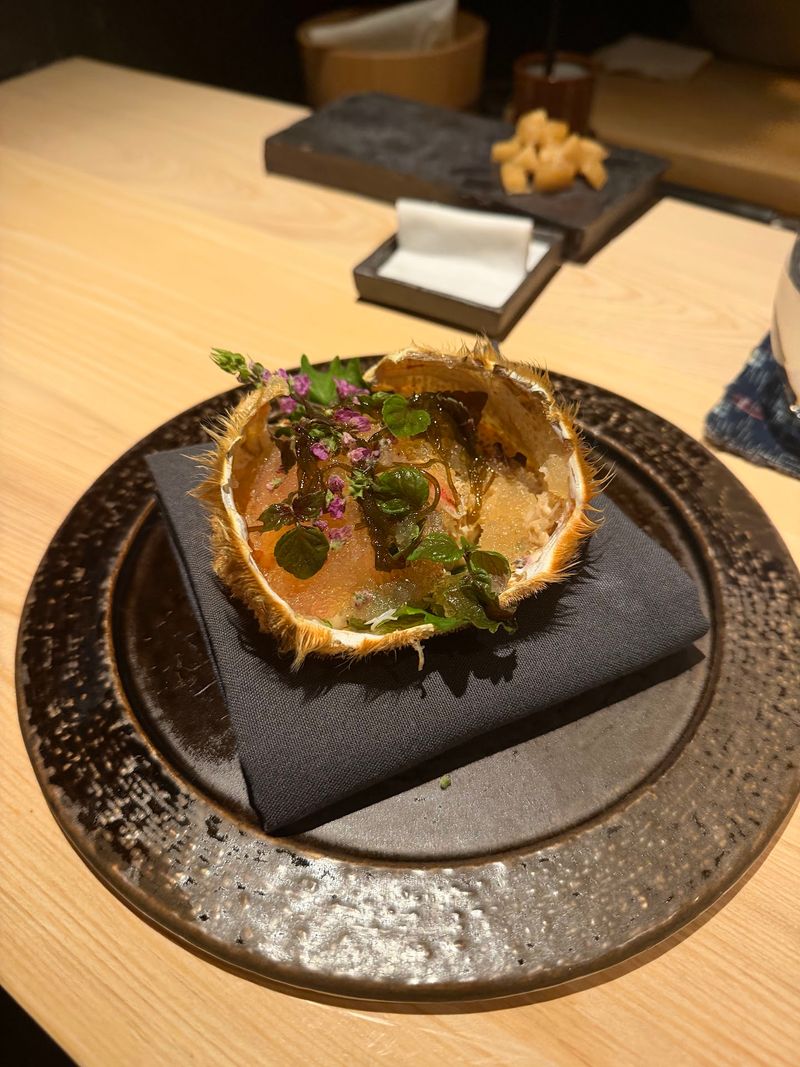
Mujō currently holds one Michelin star.
The Michelin Guide lists Mujō as a one-star Japanese and sushi restaurant in Atlanta and highlights its modern Edomae approach. The guide describes the restaurant as an intimate West Midtown setting centered on a U-shaped Southern cypress counter.
Mujō earned its Michelin star when the Atlanta guide debuted in 2023 and continues to hold one star.
You can follow the meal without arriving as a sushi expert. The chefs control the progression, while each course arrives in sequence at the counter.
The restaurant does have a few practical expectations worth knowing. Strong perfumes and colognes are discouraged because scent can interfere with the dining experience.
Dietary flexibility is limited. Mujō says it cannot accommodate vegetarian or vegan menus, gluten-free or celiac needs, no rice, no wasabi, soy-free requests, or a menu without fish.
Other serious allergies or restrictions should be discussed with the restaurant at least 72 hours in advance.
Checking those restrictions before booking helps you know whether the omakase format works for your group.
Once the reservation is set, the counter and changing menu take over the evening.
A Private Counter Offers Another Way To Experience Mujō
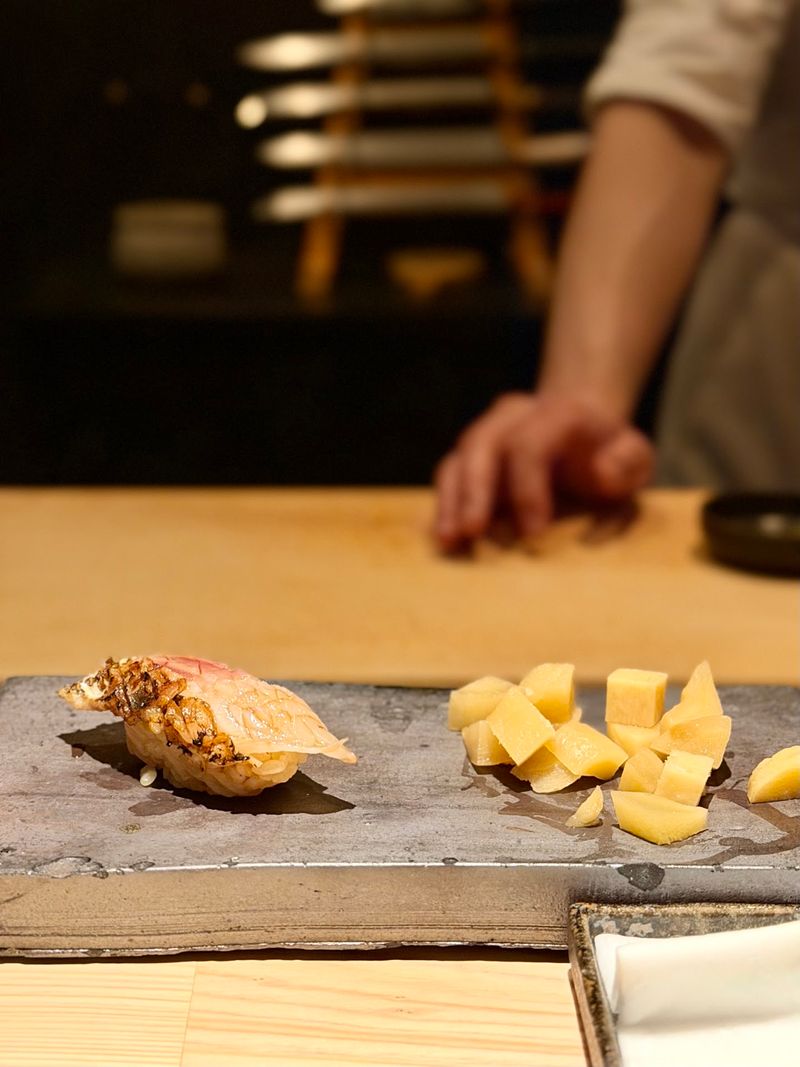
The 15-seat sushi bar is not the only counter in the building.
Mujō also operates Koshitsu, a fully private counter separate from the main sushi bar and available for parties of four to six guests. It offers one private seating each evening and uses a two-week cancellation window.
Party adjustments or cancellations for the private counter must be made two weeks before the reservation through OpenTable or directly with the restaurant.
The Koshitsu menu follows the same broad structure: a seasonal omakase built from small plates, a progression of nigiri, and dessert. A supplemental menu of specialty items is also available.
Booking works on the same monthly rhythm. Reservations open one month in advance at 10 a.m. on the first day of the month, although the private counter follows its own cancellation terms. Reservations are handled through OpenTable.
For a larger celebration, Mujō offers full restaurant buyouts for up to 15 guests and requests up to two months of advance notice. Those buyouts include private use of the restaurant and the seasonal omakase menu with additional special courses selected by the chef.
The main bar places 15 guests around the chefs, while Koshitsu offers a private counter for a smaller group. Both counters serve the seasonal omakase format.
Mujō is located at 691 14th Street NW, Suite C, Atlanta, Georgia 30318, in West Midtown.
After all the calendar checking and date coordinating, you sit down, let the chefs take over, and spend the next couple of hours seeing what arrives next.