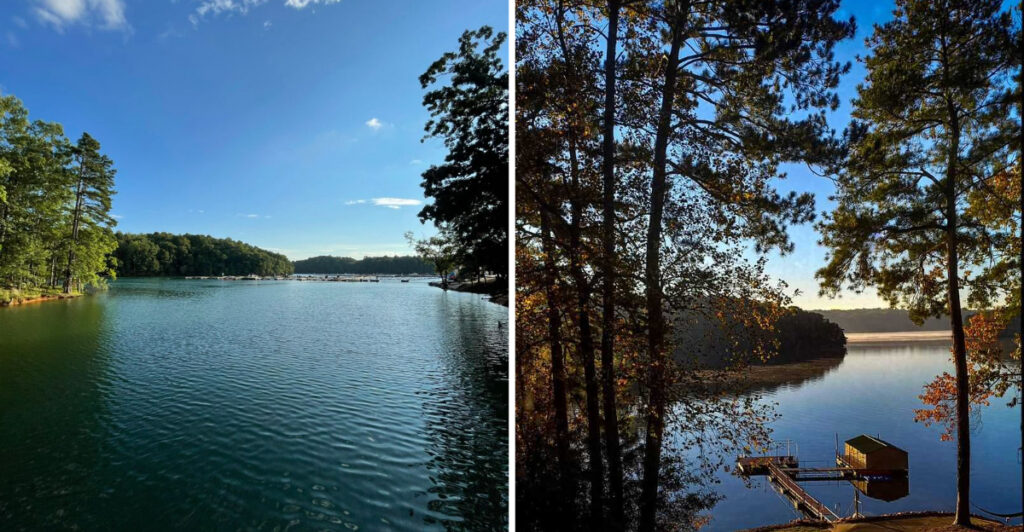
Georgia has a lake with 692 miles of shoreline and plenty going on beyond the view.
The massive reservoir stretches across 38,542 acres and draws millions of visitors to the water each year. Recreation is only one part of its role.
It also supplies drinking water, generates power, and helps manage downstream flooding. Growing communities around the shoreline have made the lake even more important to everyday life.
Recent taste-and-odor concerns in the water system have brought some extra attention, adding another chapter to an already busy story.
The scenery may grab you first, but the lake does far more than look good on a weekend.
So how did one Georgia reservoir become such an important part of the region?
Nearly Forty Thousand Acres Leave Plenty Of Water To Explore
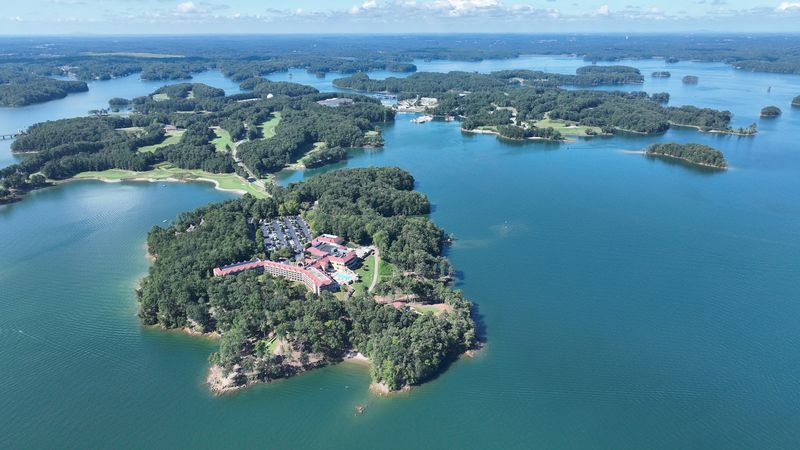
The scale makes more sense once the shoreline starts disappearing around bends.
Lake Lanier reaches up the Chattahoochee and Chestatee river valleys through broad channels, narrow fingers, wooded coves, and more than 100 small islands. At full pool, the deepest point near Buford Dam reaches about 160 feet.
The reservoir was created after Buford Dam was built in the 1950s. It was designed as a multipurpose project for flood protection, power production, water supply, navigation, recreation, and fish and wildlife management.
That combination explains why two visits can look completely different. One day may revolve around open water and motorboats. Another can be spent in a sheltered cove with a kayak, fishing line, or picnic nearby.
The sheer footprint also spreads people across many different arms of the lake rather than concentrating every activity in one place.
You can cover a lot of water in a day. Lanier will still have another turn waiting. That scale gives visitors room to build different days around the water.
Millions Of Annual Visits Changed The Lake’s Quiet Reputation
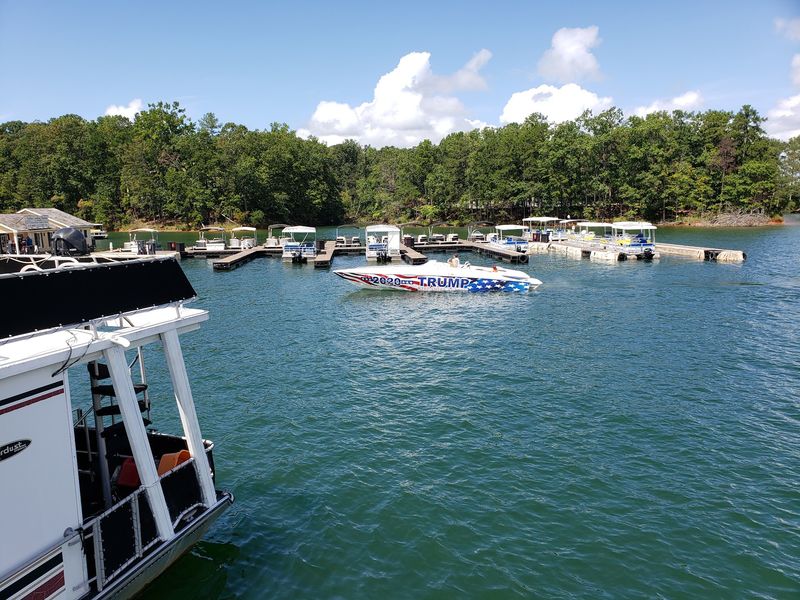
A reservoir this close to metro Atlanta was never going to stay overlooked forever.
Lake Lanier now draws several million visitors in a typical year, and the Lake Lanier Association cites about 11.8 million annual visits. Boating, swimming, fishing, camping, hiking, picnicking, and marina activity all contribute to that enormous recreational footprint.
The U.S. Army Corps of Engineers lists 76 recreation areas around the lake, including Corps-operated parks and campgrounds, marinas, and additional sites managed by local governments and other organizations.
That network gives visitors many ways to reach the water without owning lakefront property. Some people arrive with boats. Others come for beaches, trails, picnic shelters, campgrounds, or a quiet place to sit near the shoreline.
The lake can feel busy and spacious at the same time, depending on where you enter and how far you travel from the main recreation corridors.
Its old quiet-getaway image has not disappeared completely. It just has to share the shoreline with millions of other plans.
Fishing Gives The Quieter Water Plenty Of Action
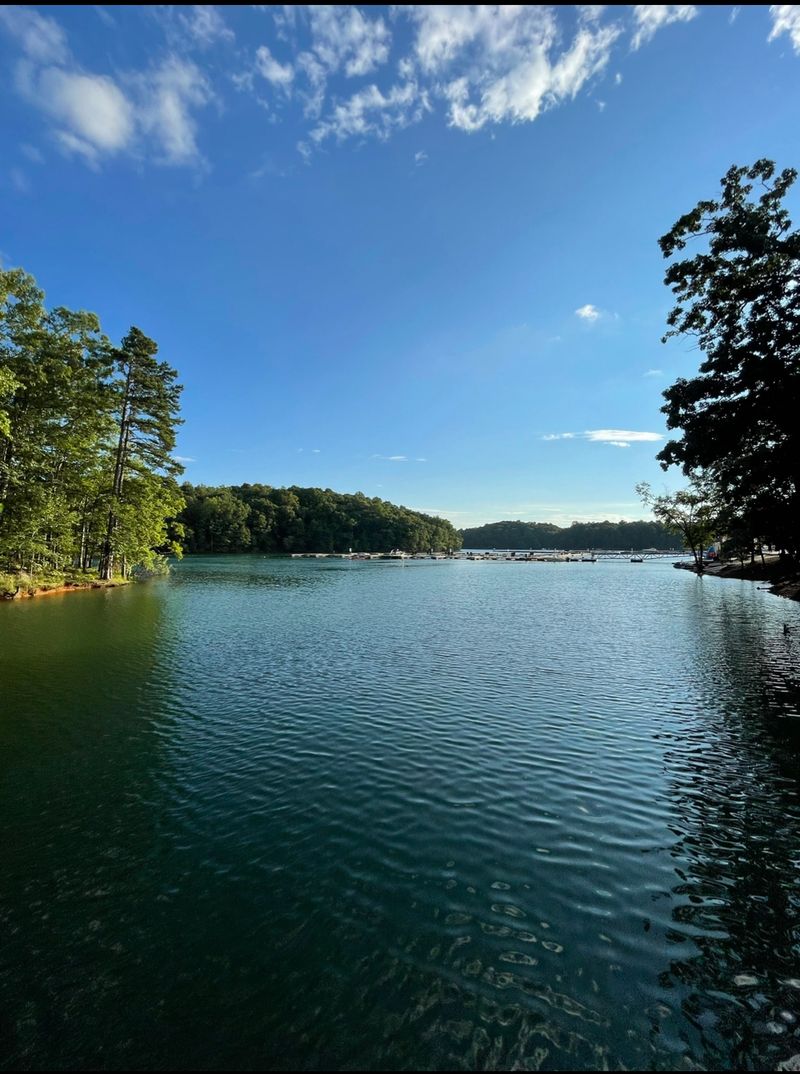
Speed is optional on this lake.
Fishing remains one of the easiest reasons to leave the busiest channels and work toward coves, points, and upper stretches where the pace changes.
Lake Lanier supports Alabama bass, largemouth bass, striped bass, black crappie, and walleye, with catfish and bluegill available around the upper lake near Don Carter State Park.
Open-water anglers may spend time looking for striped bass, while shallower cover can pull attention toward largemouth bass. Crappie and catfish add other possibilities when the goal is simply to settle in and see what bites.
Paddlers can also reach quieter pockets that larger boats may pass by, giving a kayak or canoe its own advantage around sheltered shoreline.
The lake’s size means even frequent anglers rarely exhaust the possibilities.
One cove can become a favorite. The next one can make you reconsider it.
Public Parks And Ramps Put The Water Within Easy Reach
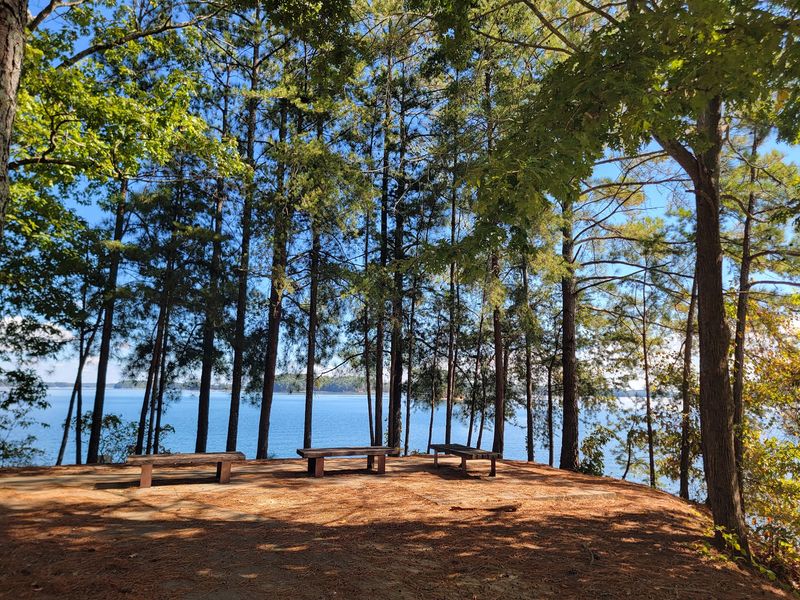
Lakefront ownership is not required for a front-row seat.
The recreation system around Lanier includes day-use parks, campgrounds, boat ramps, swimming areas, picnic shelters, and hiking trails.
The Corps currently operates dozens of these facilities, while additional parks and marinas are run by other public and private partners.
That spread of access points matters because the lake is too large to have one obvious entrance.
A family looking for a swimming area may choose a completely different section from an angler launching before breakfast.
Campers can build an overnight stay around the water, while hikers and picnickers can enjoy the shoreline without ever stepping onto a boat.
Each access point can shape the day when several activities share the plan.
With more than 690 miles of shoreline, choosing where to start can shape the entire day. Seasonal conditions can shift which ramps, coves, and shoreline areas make sense.
One park may put you near broad water and boat traffic. Another can feel more wooded and contained.
Lanier does not really have a front door. It has dozens.
Development Around The Shore Keeps Growth In The Conversation
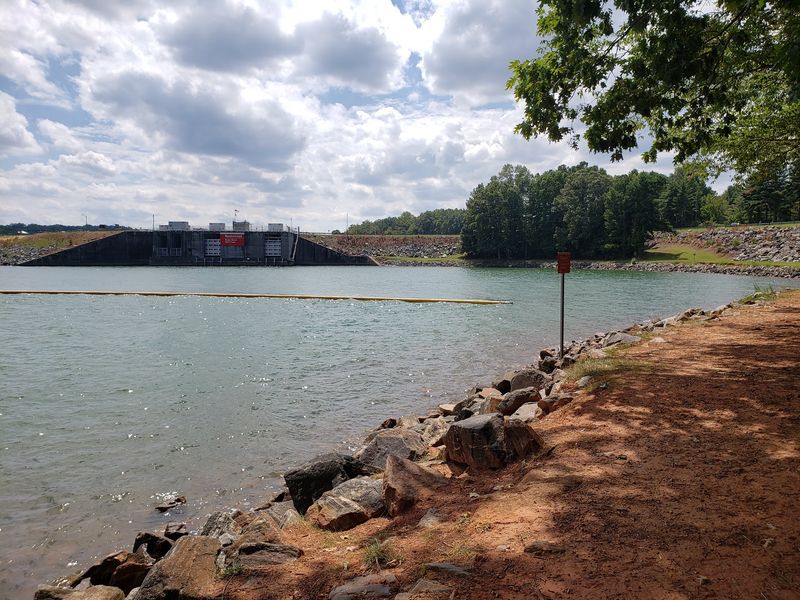
Waterfront land has become part of a much larger growth debate in Forsyth County.
County officials spent 2025 and 2026 using and modifying residential development moratoriums while reviewing how new growth should move forward.
The restrictions covered different types of residential applications and were adjusted over time as officials worked through zoning and development rules.
Lakefront proposals have been caught inside that broader conversation. In 2025, a small residential project along Timber Lake Trail beside Lake Lanier moved through the planning process while countywide restrictions were still drawing attention.
The issue reaches beyond the number of houses on one parcel. Roads, schools, utilities, stormwater, tree cover, and development patterns all become part of the discussion when a fast-growing county meets a heavily used reservoir.
That does not create a simple choice between building and stopping growth.
The harder question is how much change the shoreline can absorb while still functioning as a neighborhood, recreation area, and water resource, with little room for easy answers.
Water Quality Became A Bigger Story In 2026
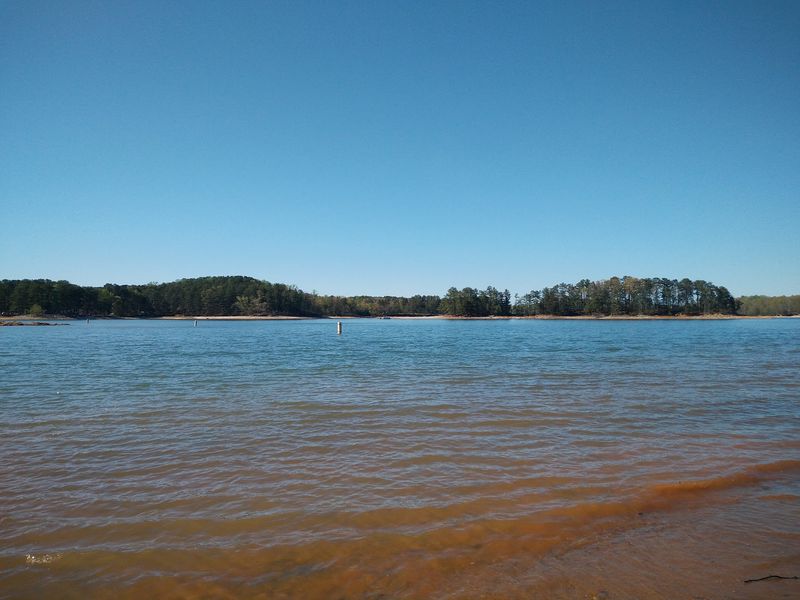
The lake’s most noticeable recent problem showed up in the tap.
During the second half of 2025 and into 2026, Gainesville water customers reported unusually persistent earthy taste and odor.
The city traced the issue to elevated algae-related compounds in Lake Lanier and repeatedly emphasized that treated water continued to meet drinking-water standards.
The episode lasted longer and reached greater intensity than previous seasonal events. Gainesville responded by increasing treatment efforts and deploying three ultrasonic algae-control buoys near its water intakes in early 2026.
State lawmakers considered a two million study focused on geosmin, methylisoborneol, algae, bacteria, and possible causes of the taste-and-odor problem. By May 2026, that funding had been cut from the final 2026–27 state budget.
The water-quality concern remains active even without that proposed state study, and Gainesville continues to manage the taste-and-odor problem through its treatment system.
For lake users, the shoreline may look unchanged. The water system behind it has been getting much closer attention
The Reservoir Works Long After The Boats Go Home
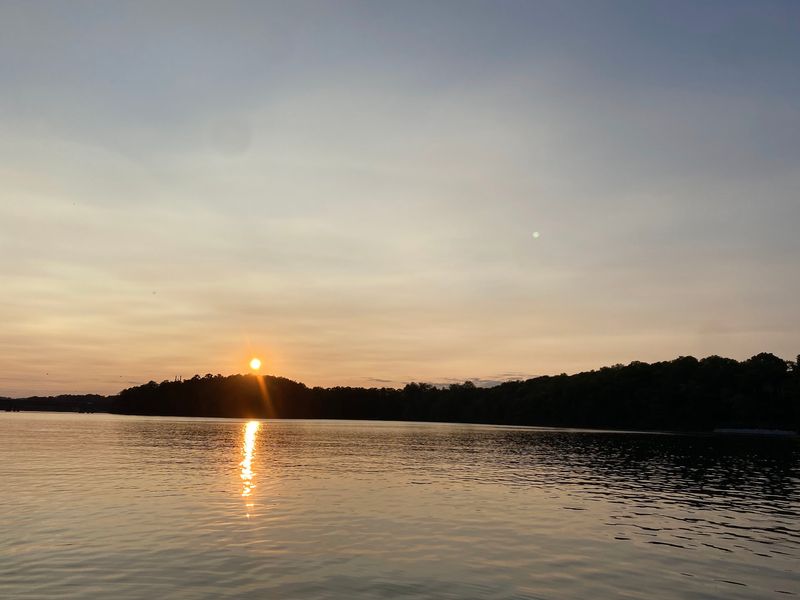
A summer afternoon shows only one part of what Lake Lanier does.
The reservoir supplies water for roughly four million Georgians and holds a large share of the managed conservation storage in the Apalachicola-Chattahoochee-Flint river system.
Water released through Buford Dam also supports communities downstream along the Chattahoochee.
Hydroelectric generation and flood management add two more responsibilities.
During periods of heavy rain, reservoir storage can help reduce downstream flood risk. At other times, releases support water supply and river flows below the dam.
That means the same body of water can be serving a swimmer, an angler, a power system, and a municipal water customer within the same day.
Recreation may be the most visible role from the shoreline. It is nowhere near the only one.
Lake Lanier Is Still Beautiful But Far From Simple
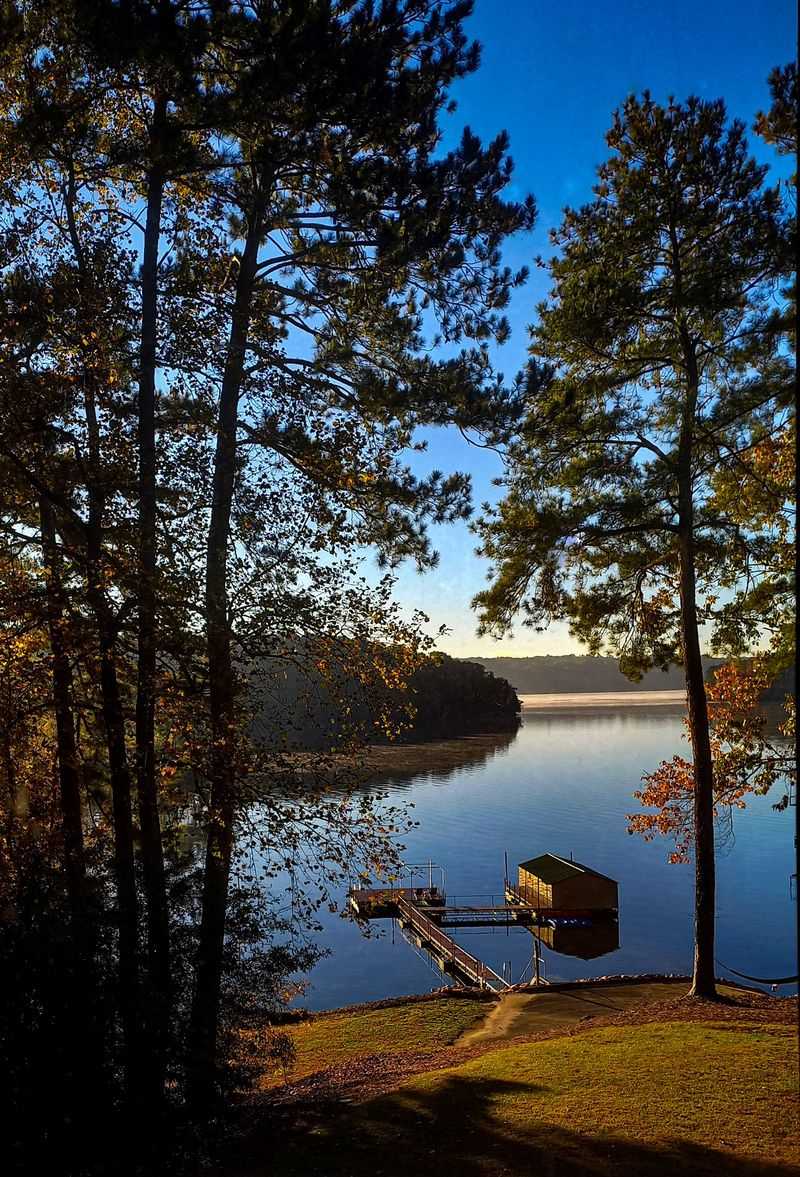
Stand near the water long enough and the complicated parts can disappear for a while.
The wooded shoreline, islands, open channels, fishing coves, and long views still explain why so many people choose to spend time at Lake Lanier.
Even from shore, the lake’s size can make a short visit feel expansive. You can paddle, swim, camp, fish, hike, picnic, or simply watch boats cross the water without turning the day into a lesson in public policy.
The bigger story remains close by.
This reservoir carries recreation, drinking-water supply, power production, flood management, fisheries, shoreline development, and water-quality concerns at the same time. Millions of visitors add another layer to a system already doing several important jobs.
That does not make the lake less enjoyable. It makes its scale harder to ignore.
Lake Lanier grew from a major federal water project into one of North Georgia’s most recognizable outdoor spaces. Now the challenge is keeping all of those roles working together as the region around it continues to change.
The scenery invites you to slow down. The future of the lake asks everyone to pay attention.