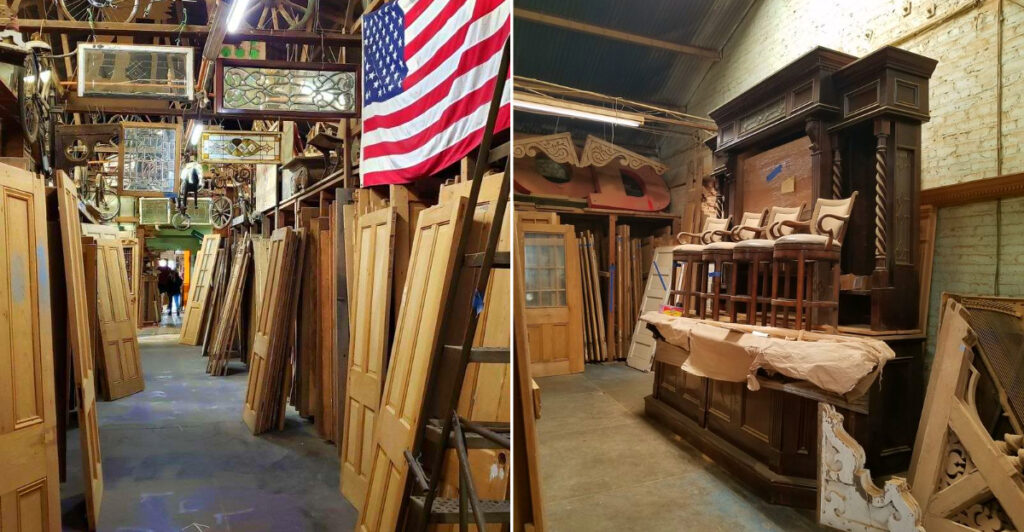
Every antique store promises treasures. This one actually delivers them by the truckload. Walking through the doors felt like entering a museum where everything is for sale.
Mantels from demolished mansions line the walls.
Ironwork salvaged from historic balconies hangs from the ceiling. Stained glass windows rescued from forgotten churches lean against every surface. I ran my fingers along a marble fireplace surround that came from a house built in the 1880s.
The staff told me stories about where each piece originated. Some came from buildings that no longer exist.
Others were saved during renovations that would have sent them to a landfill. I left with a brass doorplate and a serious case of temptation.
If you love old buildings or the idea of giving a second life to something beautiful, this Louisiana store will consume your entire afternoon. Budget extra time for browsing the aisles.
Notice The Old Cypress Heartwood
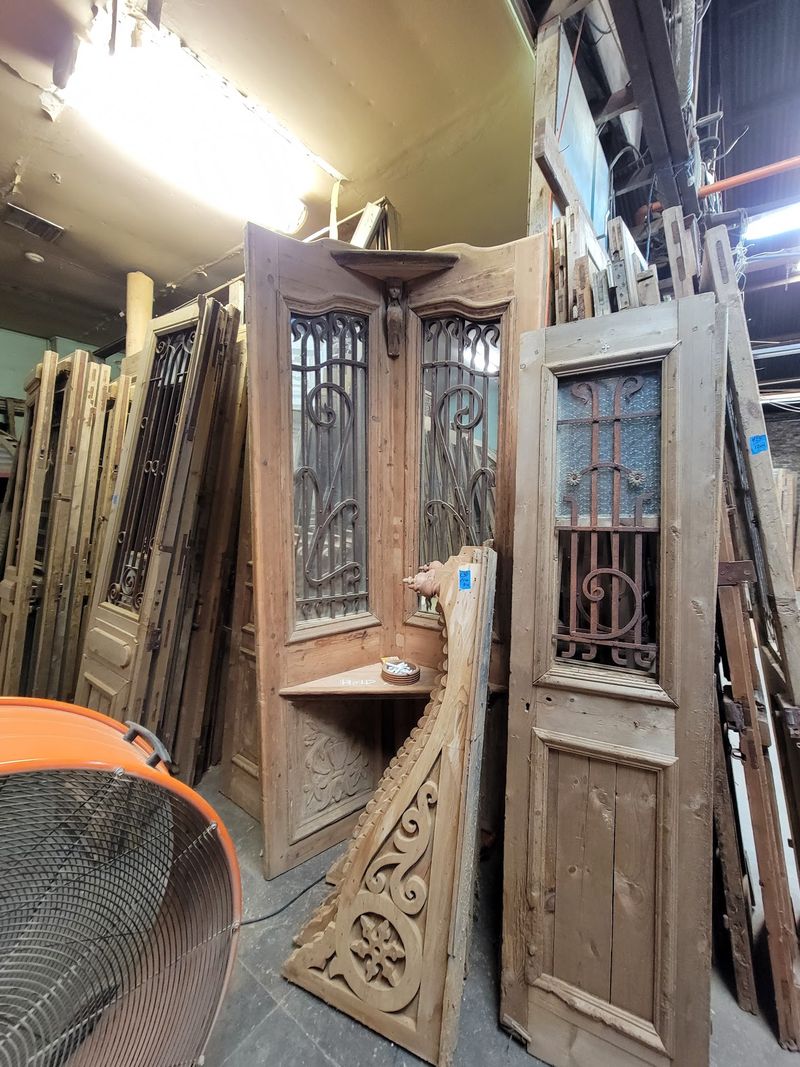
Golden grain catches the light in surprising ways here, especially on older cypress pieces. Many standout items at The Bank come from old-growth cypress heartwood, a material long valued in Louisiana for its tight grain and strong natural resistance to insects, rot, and moisture.
In a humid city, that history matters, because the wood has already proved it can survive tough conditions.
Take a moment to study color and texture instead of rushing toward the fanciest carving. Old cypress often shows warm honey, amber, and reddish tones that feel rich without trying too hard.
Staff can help explain what has been salvaged, restored, or stripped, which is useful if you want a natural finish. For homeowners, designers, or curious visitors, these boards and panels quietly tell a story about local building wisdom that still feels practical, beautiful, and alive today.
Felicity Street Hides A Warehouse Of Old New Orleans
The Bank Architectural Antiques is located at 1824 Felicity Street in New Orleans, Louisiana, just one block from St. Charles Avenue. From central New Orleans, St. Charles provides a convenient main corridor before the short turn onto Felicity Street.
Turn onto Felicity and continue toward the 1800 block, where the storefront sits directly along the street. The building’s distinctive façade and large antique-shop signage make the final stop easier to pick out among the surrounding blocks.
Find legal parking nearby and finish the short approach on foot to 1824 Felicity Street. The customer entrance opens directly from the street, with the shop currently operating Monday through Saturday.
Look Beyond The Front Entry
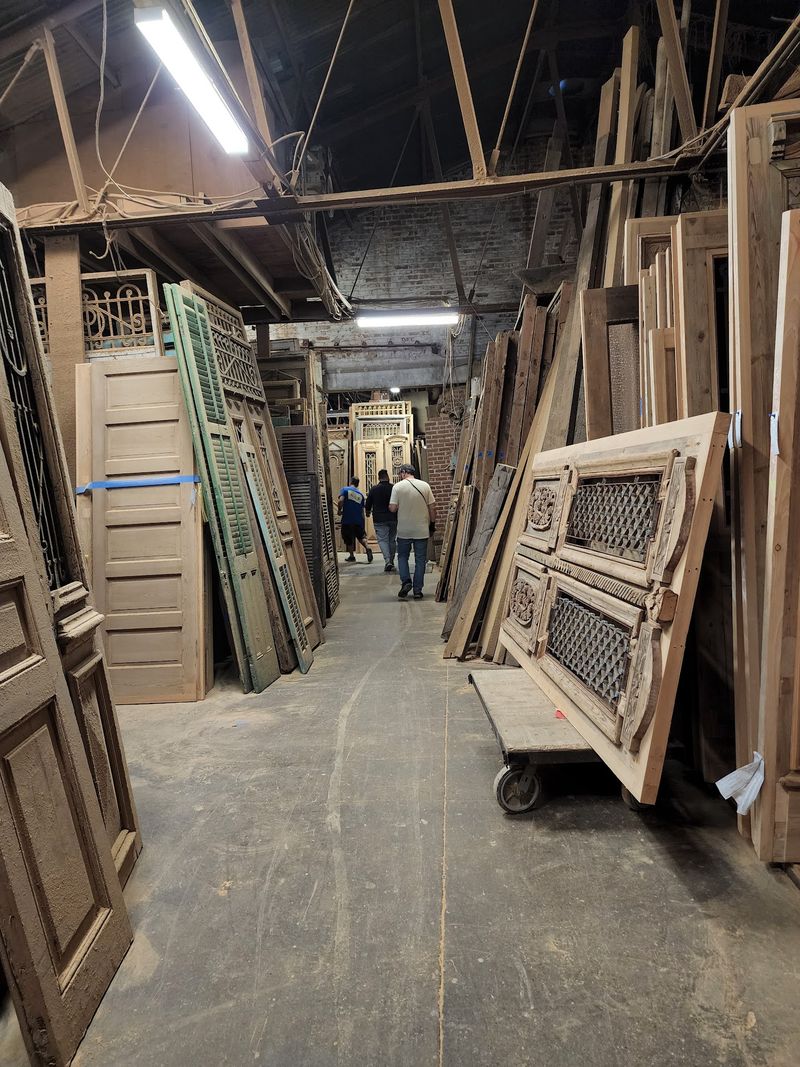
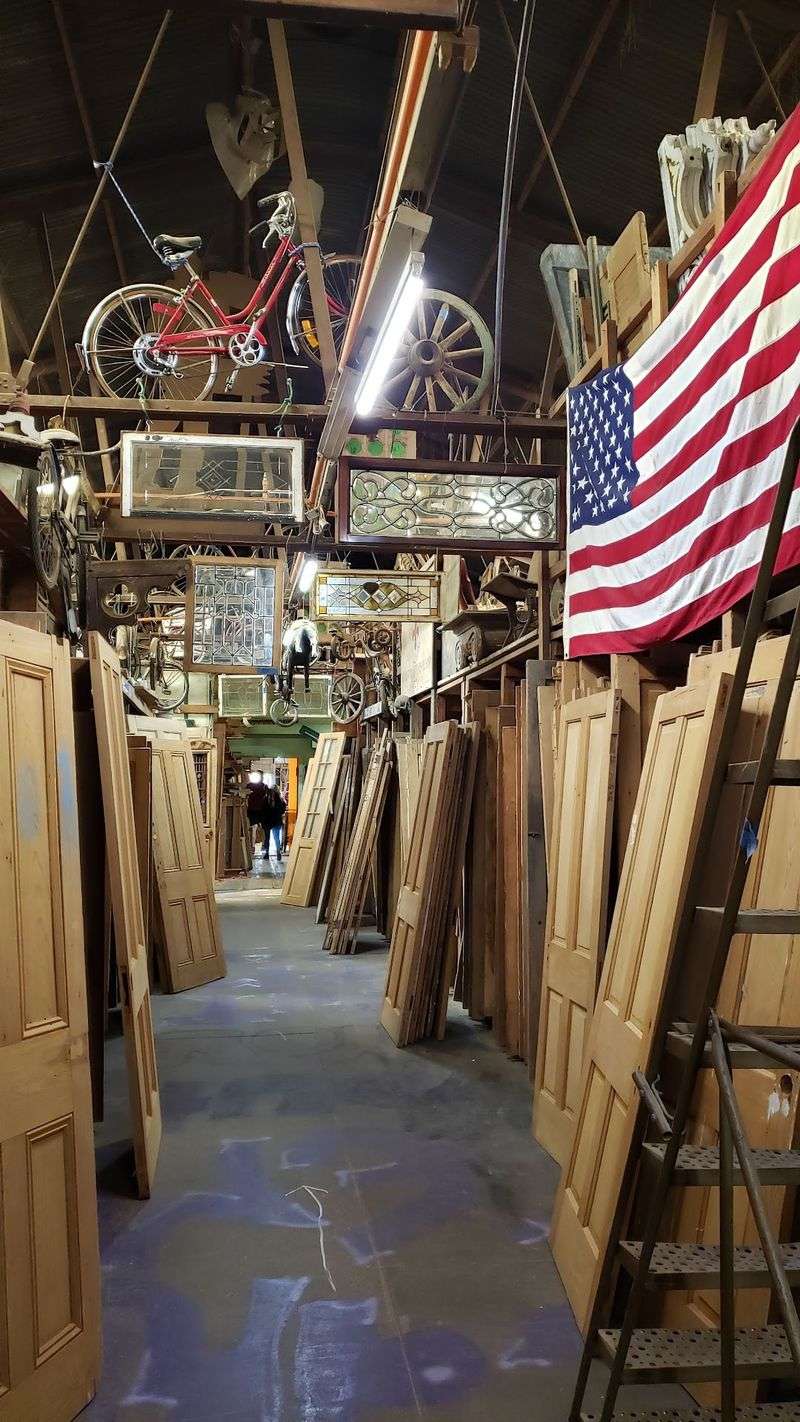
After the first wave of doors, the rest of the inventory keeps widening the story. Mantels, shutters, window frames, columns, brackets, cornices, trim, hardware, and decorative odds and ends fill the space with the kind of detail older houses used to wear proudly.
The variety makes the store useful not only for full restorations, but also for people searching for one memorable piece.
A narrow shelf can hold the exact hinge, latch, or knob that finishes a project without making it look new and wrong. Larger pieces deserve patience, since scale changes quickly once you picture them at home.
A fireplace mantel might become a focal point in a living room, and old shutters can work as wall décor or custom panels. Wandering slowly is the strategy, because the smallest pieces are often the ones that spark the smartest ideas.
Respect The Family Legacy
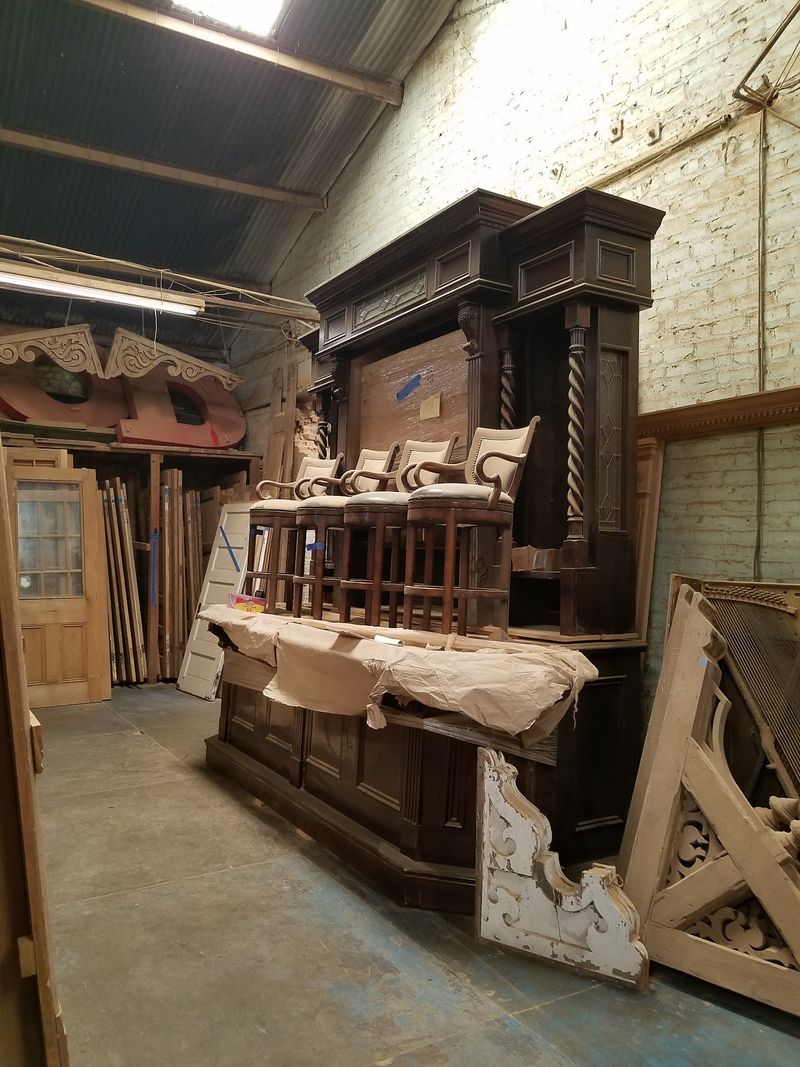
Family history sits under the dust and polish here, even before anyone tells you the story. The Bank Architectural Antiques has been family owned since 1972, when Mike Wilkerson started the business on Felicity Street in an old bank building.
That long run gives the place a steady feeling, as if the work matters beyond a single sale.
Knowledge shows up in practical ways. The inventory is carefully chosen, and custom needs, such as shutters or fit questions, can be discussed with people who know New Orleans architecture from the inside out.
That matters in a city where proportions, materials, and porch details carry so much local identity. Instead of feeling like a random salvage pile, the store comes across as a continuing preservation effort, guided by people who understand why these old parts deserve another chapter in the future.
Ask About Repair And Resizing
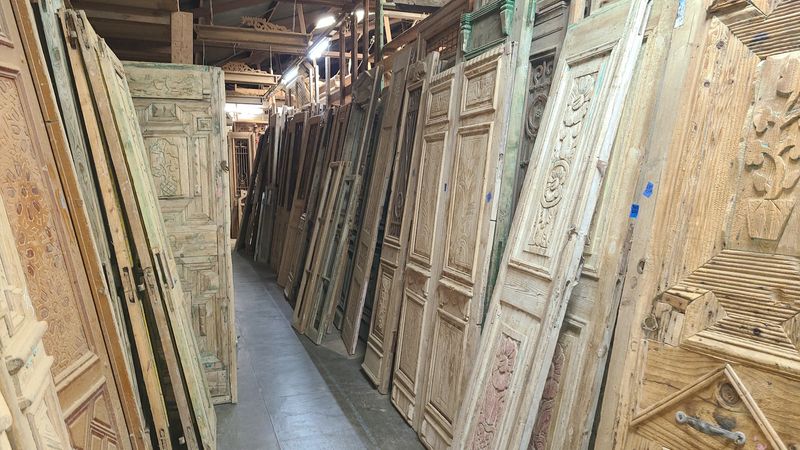
One of the smartest things about visiting The Bank is learning that the story does not stop at salvage. Repair, stripping, refinishing preparation, and resizing services help old pieces fit modern projects without forcing them to lose every sign of age.
That balance can be tricky, especially when you want function, beauty, and history in the same room.
Before committing, ask specific questions about how much change a piece needs and how much character you want to keep. A door can be adjusted for a new opening, and tired hardware may be restored for daily use, but the final look depends on those choices.
Some shoppers want a cleaner finish, while others prefer scratches, worn paint lines, and evidence of use. The helpful move is to decide early whether your goal is polished, rustic, or somewhere in between for you.
Give Yourself Plenty Of Time
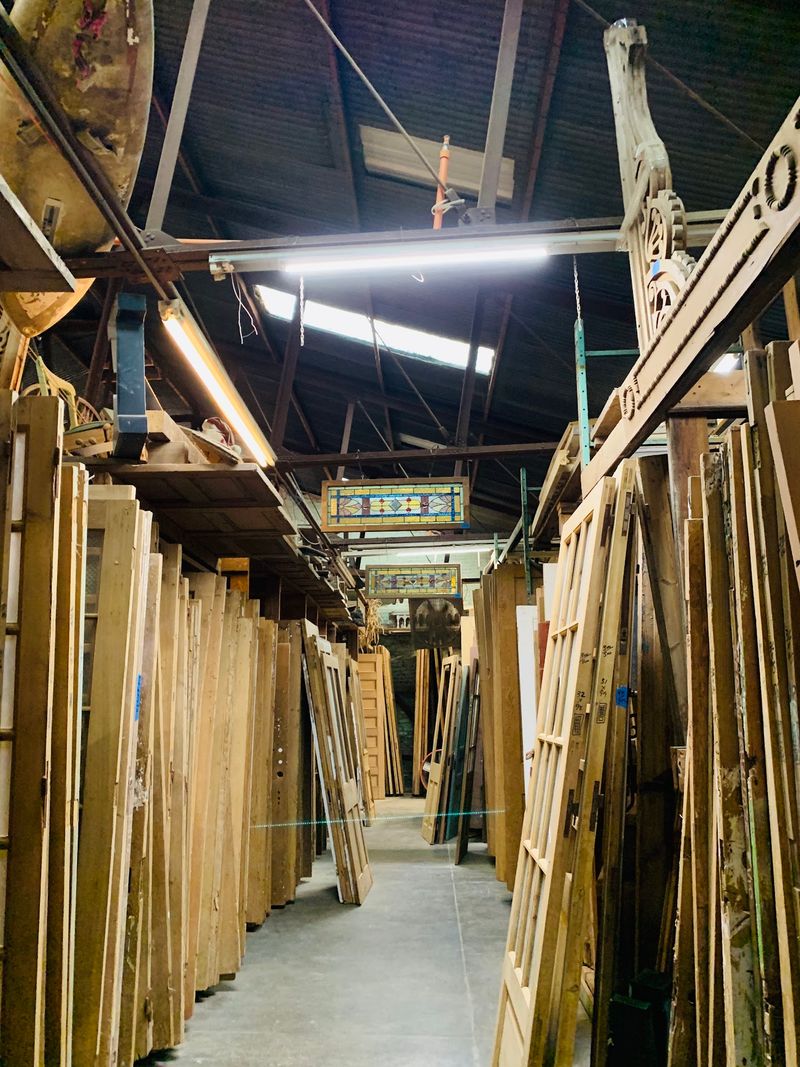
By the time you reach the middle of the property, it becomes clear that quick browsing is the wrong approach. The store covers a huge area, often described as about 48,000 square feet, so it helps to arrive with comfortable shoes, a little patience, and more time than you think you need.
Every aisle seems ready to distract you in the best way.
Hours are fairly tight, with business days running from 8 AM to 3 PM, Monday through Saturday, and Sunday closed, so planning ahead matters. Parking can feel a little limited around Felicity Street, which makes early visits easier.
Bring photos of your space, rough measurements, and a simple list of priorities. That small bit of preparation keeps the visit enjoyable, especially when the choices start multiplying faster than your attention span can manage in this maze well.
Enjoy The Unpolished Atmosphere
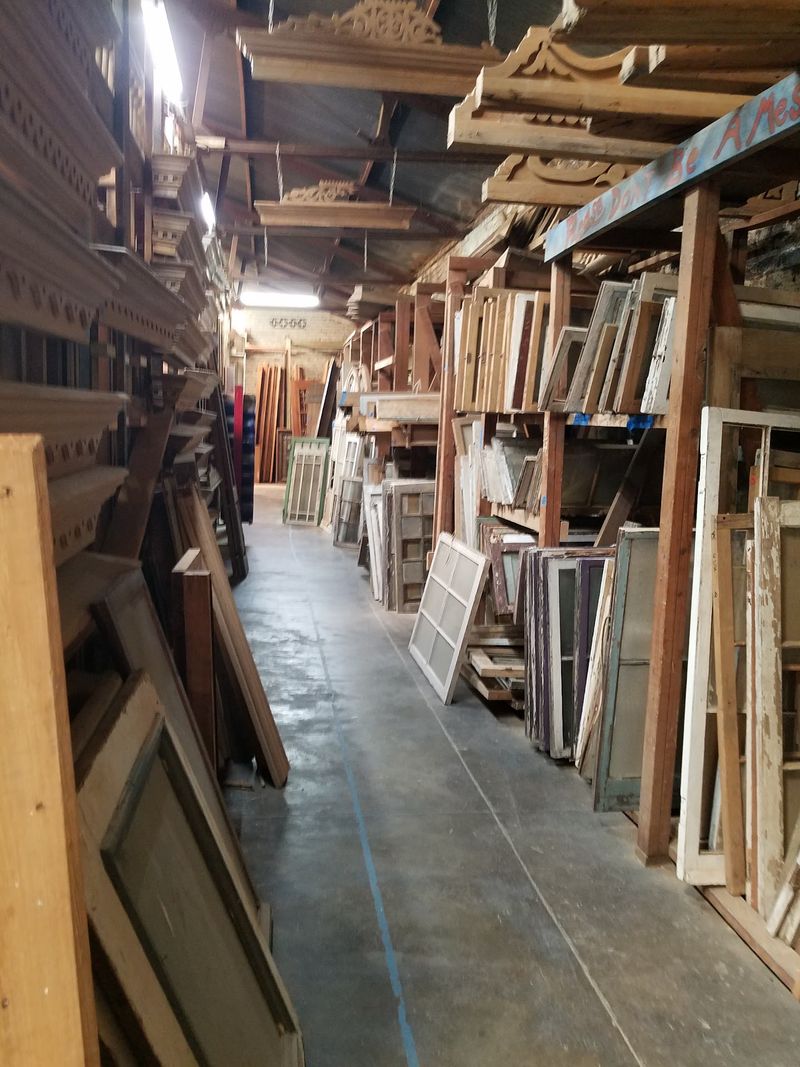
A salvage store can feel staged for tourists, but this one does not. The mood is working, practical, and a little dusty around the edges, which suits a place devoted to saving real building parts from disappearance.
That lack of fuss is part of the charm, because the focus stays on materials, craftsmanship, and the strange delight of seeing old beauty stacked in plain sight.
There is also something deeply New Orleans about it. The city has always mixed elegance with wear, decoration with function, and history with everyday life, and The Bank reflects that blend without trying too hard.
Visitors who expect a polished boutique may need to adjust their pace. Anyone willing to look carefully will find a more honest experience, one that feels connected to porches, courtyards, parlors, and neighborhood stories beyond the walls of the city.
Study The Small Details Too
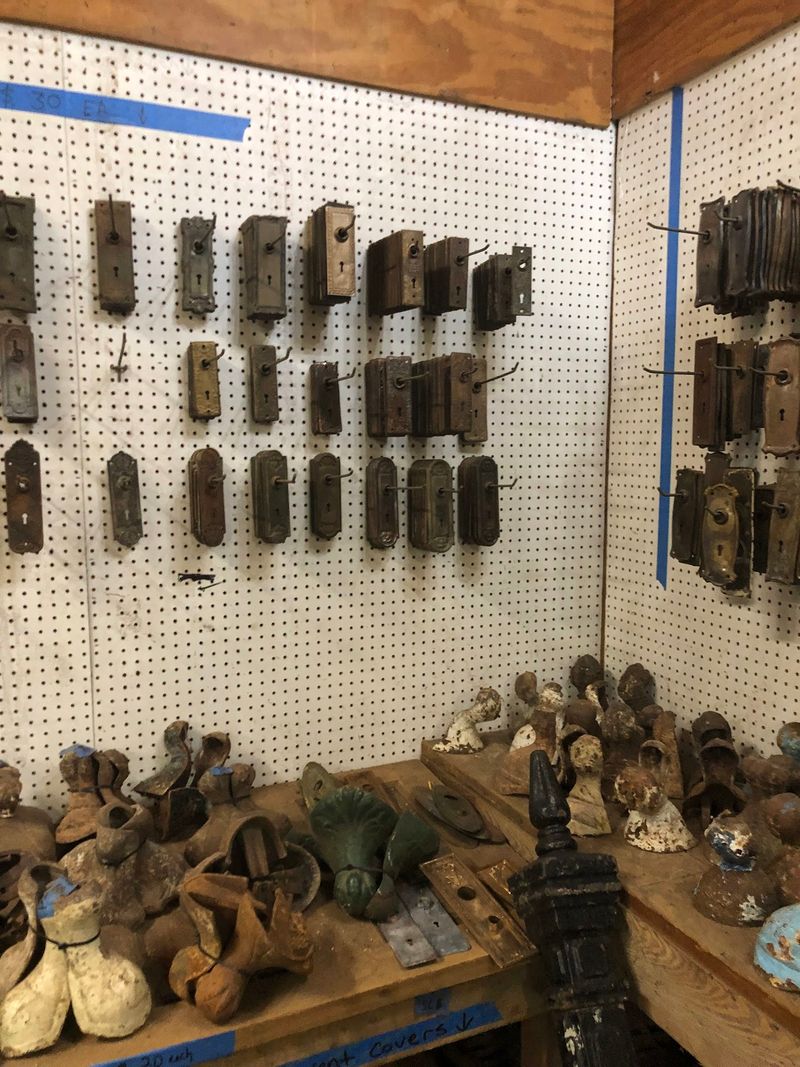
Eyes tend to jump from giant items to tiny ones here, and that is a useful habit. A carved corbel, a length of gingerbread trim, or an old clawfoot tub foot can explain just as much about a house as a grand front door.
The Bank rewards visitors who shift focus often, because the small parts reveal the daily craft behind historic architecture.
Instead of shopping only by style, try shopping by detail. Notice how moldings meet corners, how hardware sits in the hand, and how louvers or brackets repeat patterns across different eras.
Those observations make it easier to mix salvaged pieces into a newer home without creating a fake historic look. Designers call it restraint, but regular visitors might just call it common sense.
One chosen accent can carry more character than a room full of copied ornaments.
Bring Measurements And Photos
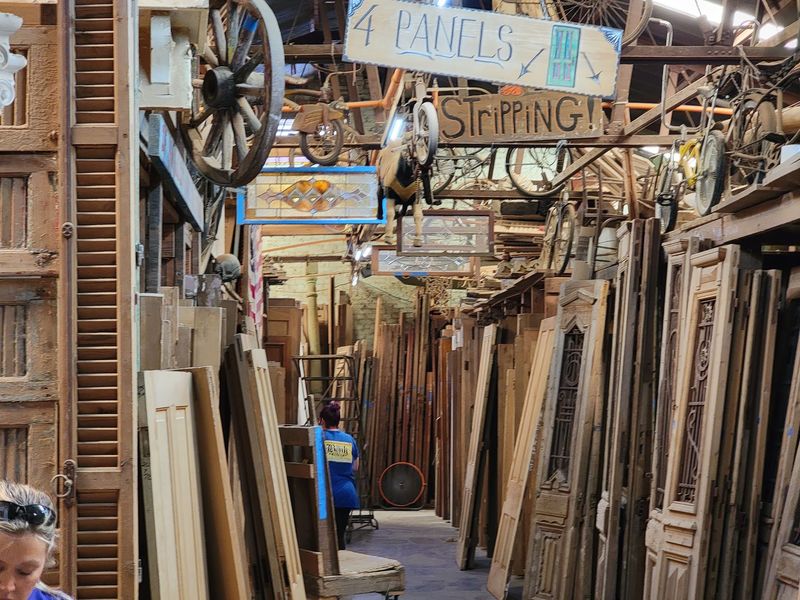
Excitement can outrun judgment in a place like this. So many pieces have presence that it is easy to imagine each one in your house, even when the scale, finish, or function does not fit your project at all.
A little planning turns that temptation into a much better visit.
Carry exact measurements, phone photos, and a short list of must-haves before you start wandering. Ceiling height matters for mantels and columns, door swing matters for entries, and wall depth matters for shutters, mirrors, or repurposed trim.
It also helps to decide whether you are restoring a period home, adding one old note to a newer place, or hunting for a creative reuse idea. With those basics settled, the huge inventory feels less overwhelming and more like a well-stocked toolbox for character, proportion, and smart design choices in any room.
Think About Modern Uses
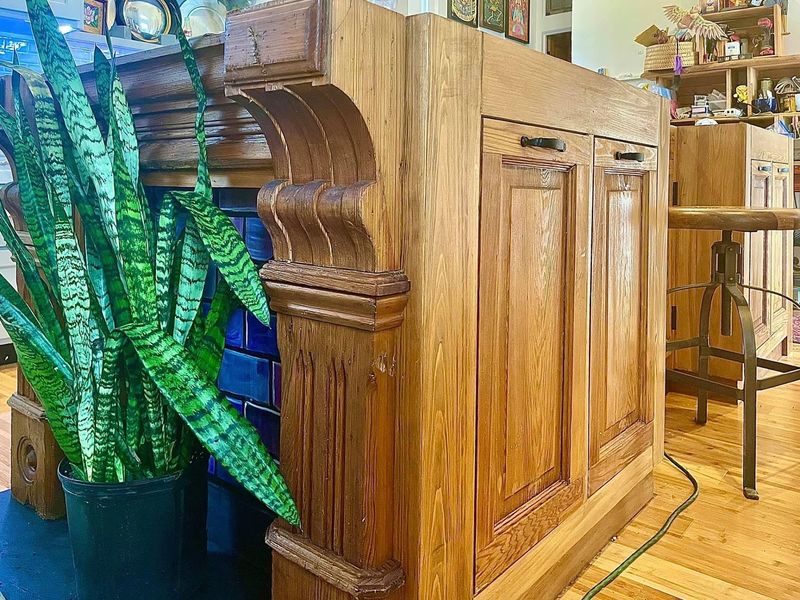
Not every shopper arrives with a historic house key in hand. One of the most useful lessons at The Bank is that architectural salvage can add warmth to newer spaces too, as long as it is used with intention.
A single antique door, a bank of old windows, or one solid mantel can keep a room from feeling flat and forgettable.
The trick is balance. Clean walls and modern finishes often make aged wood, worn hardware, or old glass stand out even more, especially when the piece has honest texture instead of forced distressing.
Repurposing also opens creative options, from mirrors made with window frames to panels built from shutters. That approach respects the material while giving it a new job.
For visitors who do not need restoration, the store offers ways to bring history home without overdoing the room.
Linger And Ask Good Questions
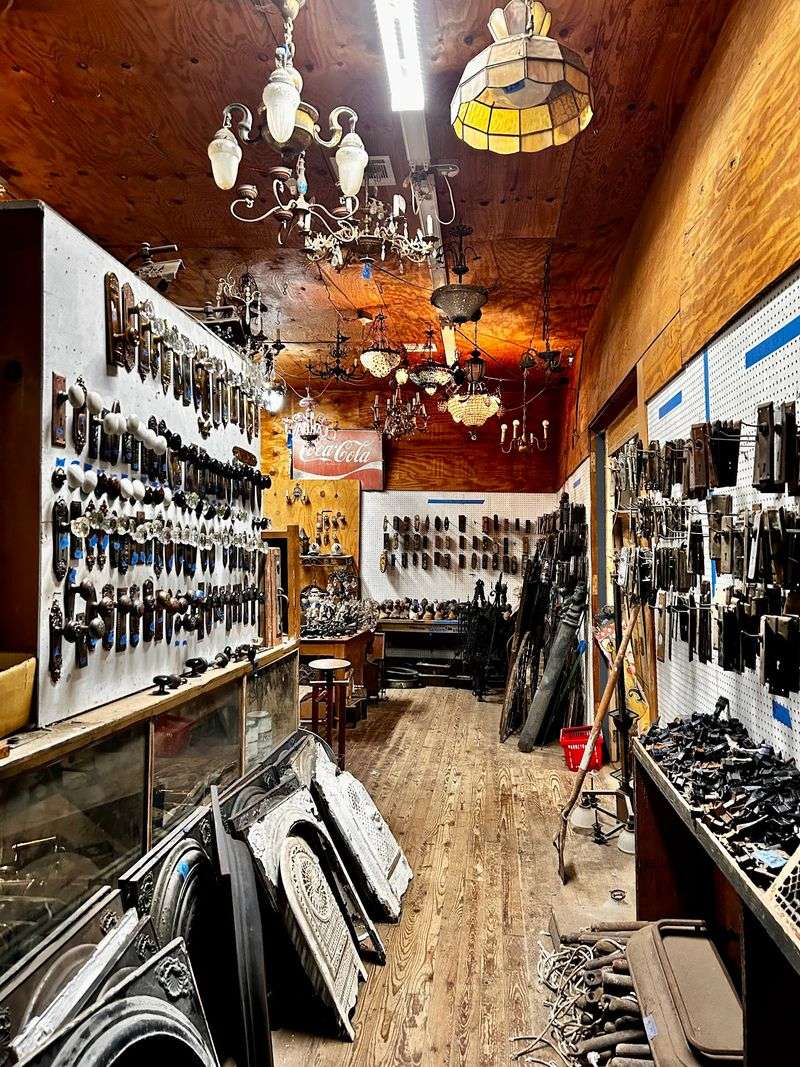
The best surprise may be how educational the visit becomes once you slow down. Beyond the inventory, The Bank works almost like an informal lesson in New Orleans building culture, from porch proportions to shutter styles and the difference between decorative flair and structural purpose.
Even a short conversation can sharpen your eye for what belongs together.
Leave room in your schedule to ask questions, double back, and look again. A piece that seemed too plain at first may start making sense once you notice its wood, scale, or original use.
Another might look dramatic but ask too much of your space. That process is part of the fun, and it turns shopping into observation.
By the time you head out, the store feels less like a market and more like a map of the city’s architectural memory for anyone.