
Postcard material? This mountain town barely has to try.
Historic cottages and leafy streets make the first impression, but the scenery keeps changing as you wander. A short walk can lead toward a park, a waterfall trail, or another Blue Ridge view worth stopping for.
The town was incorporated in 1889, though history never has to compete too hard for attention. The setting does plenty of talking on its own.
Shops and restaurants stay close together, so the day never needs much planning. You can browse, grab lunch, and be back outside before the mountain air gets impatient.
You do not have to hunt for the postcard moment. It just keeps finding you.
Main Street Makes Wandering Look Like A Very Good Plan
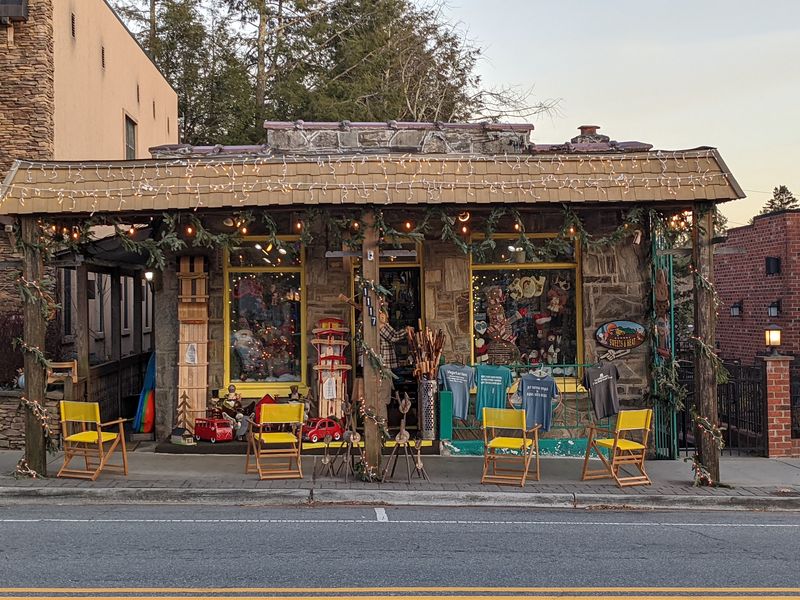
Main Street is compact enough to explore on foot, which means you can slow down without feeling as though you are falling behind.
The downtown mix includes independent shops, galleries, restaurants, historic buildings, landscaped public spaces, and locally owned businesses packed into a small mountain footprint.
Blowing Rock has nearly 30 restaurants within about three square miles, with relatively few chains, and that independent streak carries into the shopping scene as well.
You might start with a practical errand and end up looking at art, antiques, clothing, home goods, or something you had absolutely no intention of buying fifteen minutes earlier. That is how a walk down Main Street tends to expand.
History also shows up between the storefronts. Blowing Rock was incorporated on March 11, 1889, and several surviving buildings downtown predate or closely follow that milestone.
The town’s tourism identity grew early too, with boarding houses and hotels serving summer visitors long before modern mountain getaways became a familiar travel category.
You do not need a map in one hand and a history book in the other. Just keep your eyes up. Main Street supplies plenty of reasons.
The 1888 Museum And Martin House Put History Right On The Sidewalk
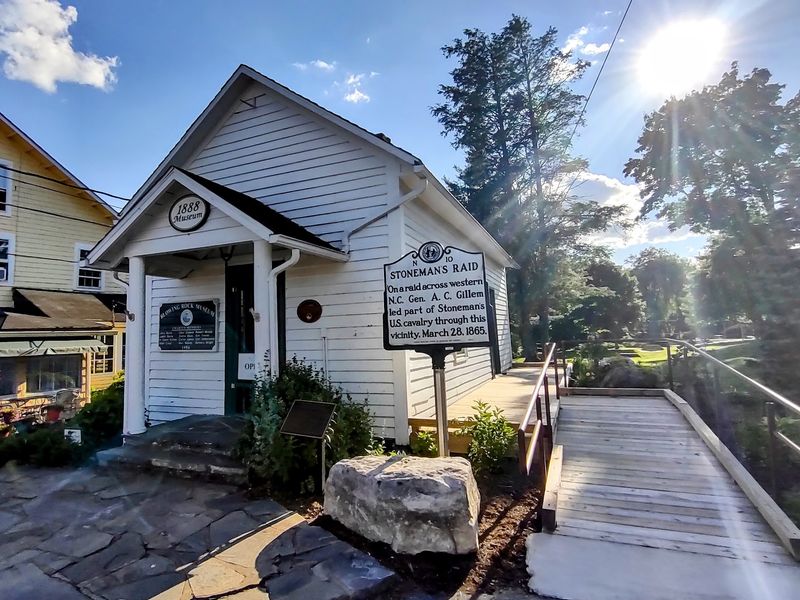
Some towns keep their oldest stories behind a long drive. Blowing Rock puts several of them right beside the downtown walk.
The 1888 Museum at 1094 Main Street occupies the last remaining cottage from the old Watauga Hotel complex and ranks among the oldest surviving buildings in town.
Just next door, the Martin House at 1098 Main Street dates to 1870, nearly two decades before Blowing Rock was incorporated.
The Martin House began as a private residence, later became a boarding house, and eventually housed offices for the Blowing Rock School of English during the 1930s.
Those two buildings make the town’s timeline unusually easy to see. One moment you are browsing Main Street, and the next you are standing beside structures that watched the village become an incorporated community.
Pause long enough and the dates start changing the way you look at the block. A storefront is no longer just a storefront when neighboring buildings have been part of the village story for well over a century.
The history does not require a grand entrance or a ticket line to make an impression.
It is already waiting beside the sidewalk.
Memorial Park Gives Downtown A Green Middle
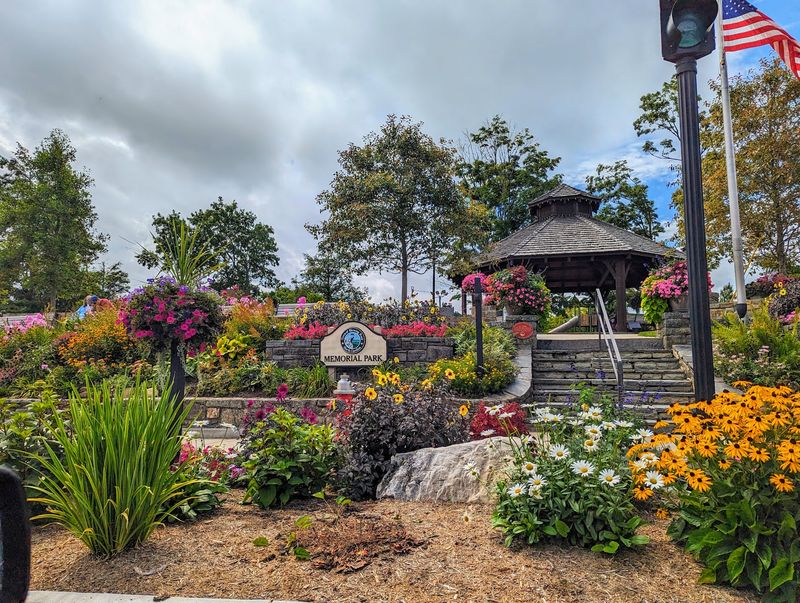
A shopping break does not require leaving town.
Memorial Park sits directly on Main Street at 1036 Main Street, giving downtown a central lawn, gazebo, benches, and room to pause between shops and restaurants. The park was created on land donated by the Robbins family and dedicated in 1945.
Today it remains one of the village’s regular gathering places. Its Main Street position also makes it easy to use as a reset point during a downtown walk, especially when shops, lunch, and a little people-watching have all made competing claims on your attention.
The 2026 calendar includes the seasonal Concert in the Park series, with free Sunday performances scheduled through September. Other community events also use the park and surrounding downtown area throughout the year.
Even without an event, the location is useful. You can step away from the storefronts, find a bench, and give yourself a few minutes before deciding which direction gets the next hour.
That small pause matters in a town built for walking.
If Main Street keeps tempting you forward, Memorial Park is the place that politely suggests sitting down first.
Glen Burney Trail Starts Close Enough To Surprise You
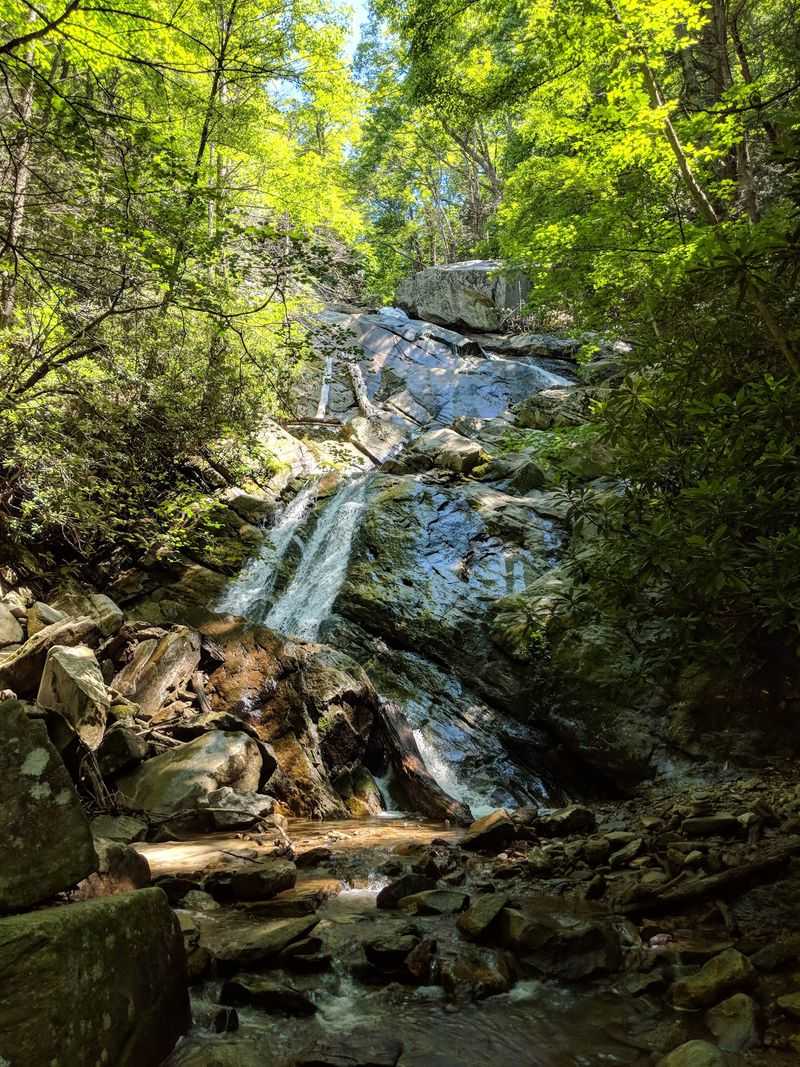
Here is where downtown decides it also wants to be a trailhead.
Glen Burney Trail begins inside Annie Cannon Memorial Gardens on Laurel Lane, only a short distance from Main Street. The route drops about 800 feet into Johns River Gorge and follows New Year’s Creek past the Cascades, Glen Burney Falls, and Glen Marie Falls.
The trail is rugged rather than casual. Official local hiking information describes it as moderate to strenuous, with the route becoming steeper as it descends toward the lower waterfalls.
The outing is out-and-back, so every foot of downhill eventually becomes part of the climb back.
That makes proper footwear more useful than optimism.
Still, the location is remarkable. You can move from downtown sidewalks to a wooded gorge without first spending half the day in the car.
If you want a gentler start, Annie Cannon Memorial Gardens gives you greenery before the trail turns serious. The waterfalls come later, along with the reminder that descending into a gorge is only half the trip.
Coffee shop to waterfall is a pretty dramatic change of scenery.
Blowing Rock manages it in a surprisingly short distance.
The Blue Ridge Parkway Begins Almost At The Edge Of Town
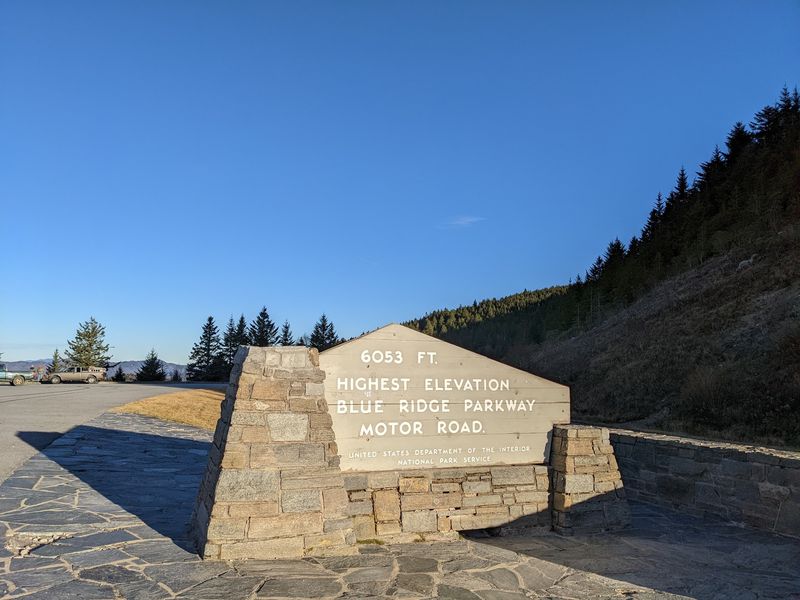
Some scenic drives require a long approach.
Blowing Rock can get you onto the Blue Ridge Parkway with very little ceremony.
The Parkway runs 469 miles through Virginia and North Carolina, and Blowing Rock sits beside a particularly useful stretch for exploring nearby mountain scenery.
The segment from the town’s US 321/221 access toward Moses H. Cone Memorial Park is open, giving you a direct route toward one of the area’s best-known historic landscapes.
Current road work can affect sections farther south, so checking the latest Parkway conditions remains useful before building a longer drive beyond the Blowing Rock and Moses Cone area.
Even with temporary changes elsewhere on the route, Moses Cone remains one of the closest major stops. The manor area sits at Milepost 294, only a short drive from downtown.
You can spend the morning on Main Street and be looking across a historic mountain estate not long afterward.
That is a very efficient use of a steering wheel.
Moses Cone Turns A Scenic Drive Into A Much Longer Detour
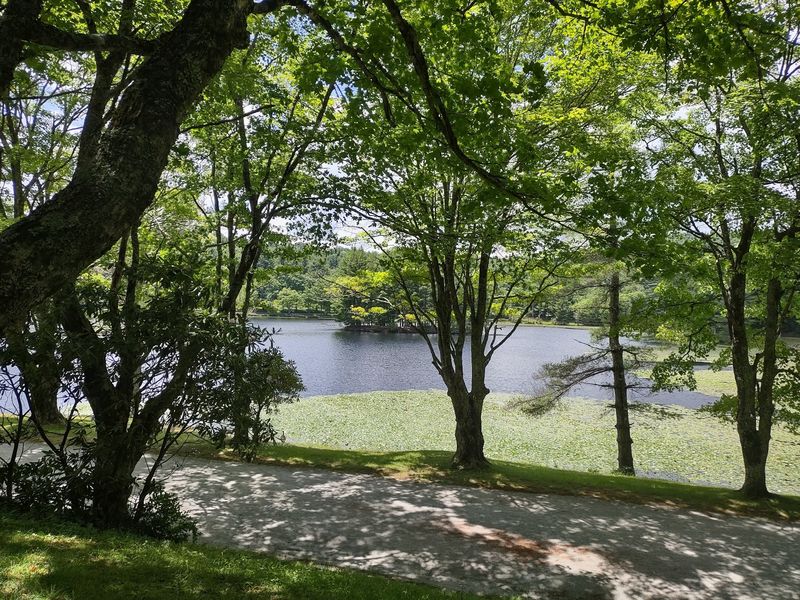
Moses H. Cone Memorial Park can ruin a perfectly good plan to “just stop for a minute.”
The estate covers roughly 3,600 acres and includes Flat Top Manor, lakes, meadows, wooded slopes, and more than 25 miles of carriage and foot trails. The manor house sits at Parkway Milepost 294 and dates to the early 1900s.
The trail network is the real time thief.
Carriage roads wind around lakes and across the estate, giving you options that range from shorter walks to longer outings. You can arrive intending to look at the manor, then notice a trail disappearing toward the trees and suddenly the afternoon has changed.
Flat Top Manor also hosts ranger programs and guided tours on selected dates during the warmer season.
The estate brings a different kind of mountain scenery from downtown Blowing Rock. Main Street is compact and social. Moses Cone opens into broad lawns, long carriage roads, and a much larger landscape.
A short visit can easily turn into a longer walk once the carriage roads start branching away from the manor.
“Quick stop” is technically available. The trails may have other plans.
Price Lake Adds Water To The Mountain View
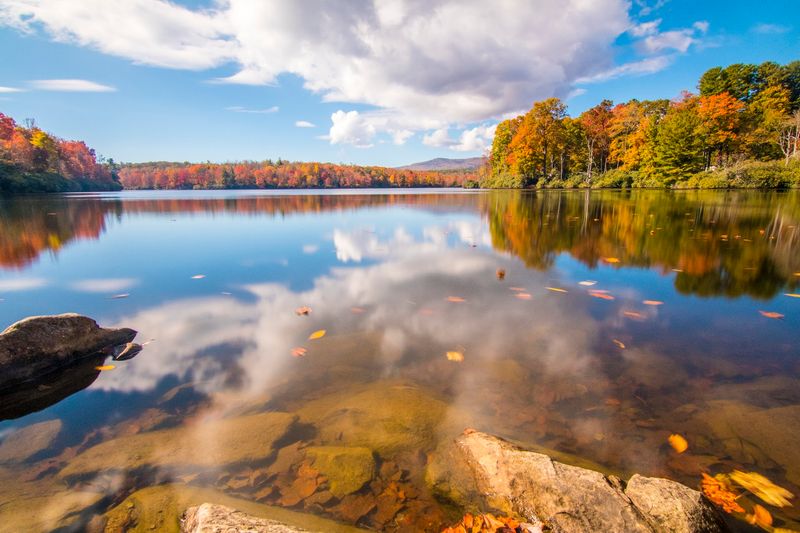
If ridgelines have had enough attention for one day, Price Lake changes the frame.
Julian Price Memorial Park stretches across 4,200 acres immediately south of Moses H. Cone Memorial Park, with the 47-acre Price Lake as one of its defining features. The park includes trails, picnic areas, scenic viewpoints, and access for small boats.
The setting gives you another way to spend time outdoors without committing to a dramatic summit or steep gorge trail. A lake bordered by mountain forest can handle the scenery without much assistance.
Access from Blowing Rock toward the Price Park area remains possible, although Parkway construction elsewhere in the corridor can change longer driving routes. Checking current road conditions before setting out is still the simplest way to avoid an unexpected detour.
When the route lines up, Price Lake adds a quieter rhythm to the day. You can trade storefronts and overlooks for water, trees, and a picnic table without leaving the broader Blowing Rock area.
Sometimes the best Blue Ridge view has absolutely no interest in being a peak.
The Blowing Rock Puts The Village Name Into Perspective
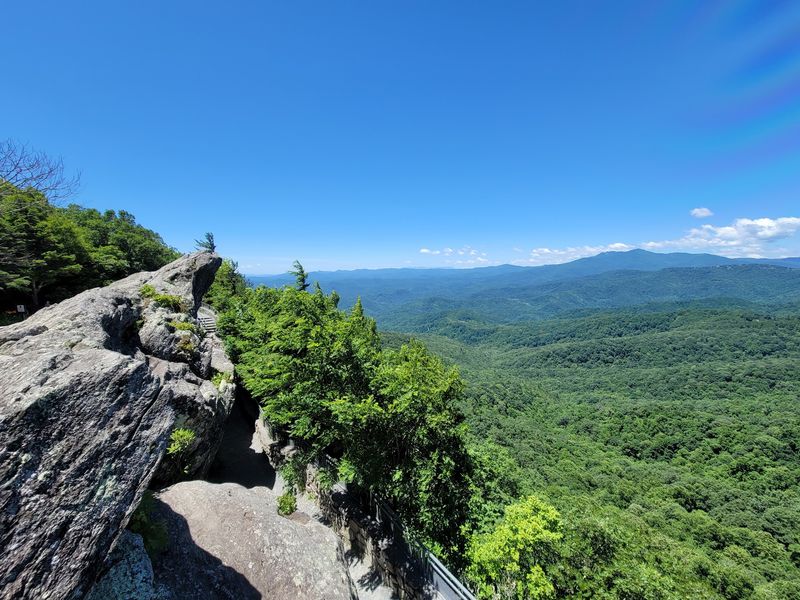
Eventually, you should meet the landmark that gave the town its name.
The Blowing Rock is a dramatic cliff about 4,000 feet above sea level, overlooking Johns River Gorge roughly 3,000 feet below. The rock’s shape and the gorge create strong upward wind currents, the natural phenomenon behind the attraction’s famous name.
The views stretch toward surrounding mountains, including Grandfather Mountain, Hawksbill Mountain, and Table Rock.
The attraction also sits high enough above the gorge to make the change in scale immediate, especially after you have spent the morning among storefronts, gardens, and compact downtown blocks.
The attraction includes walking paths, gardens, observation areas, and nature trails, so you can spend more than a single photo stop taking in the setting.
Back in town, the Blowing Rock Visitor Center at 132 Park Avenue can help orient you toward the village, trails, and surrounding attractions.
But by then, you may already understand the basic geography.