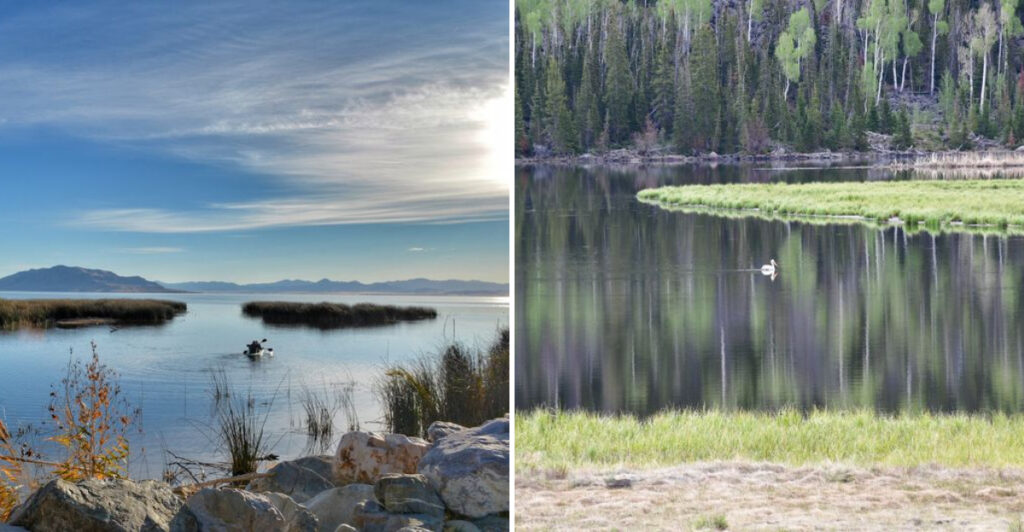
Forget the alarm clock because a fishing morning hits differently when the first thing you hear is water moving nearby. Utah offers campgrounds where anglers can wake up, grab their gear, and reach the shoreline within minutes, sometimes without even needing the car.
That proximity changes the whole experience. Instead of treating fishing as a separate activity, it becomes part of the camping rhythm, woven into coffee, breakfast, and those quiet early hours when the water feels especially inviting.
High-country reservoirs bring cooler surroundings and expansive views, while warmer lakes can offer opportunities to pursue species such as catfish and bass. Around Utah, a good campsite can put the day’s adventure practically outside your tent flap.
There is something wonderfully simple about stepping into the morning with a rod in hand and nowhere else you need to be. Choose your campsite carefully, keep your tackle ready, and let the shoreline decide what happens next.
The best plans may be no plans at all.
Mountain View Campground – Scofield State Park
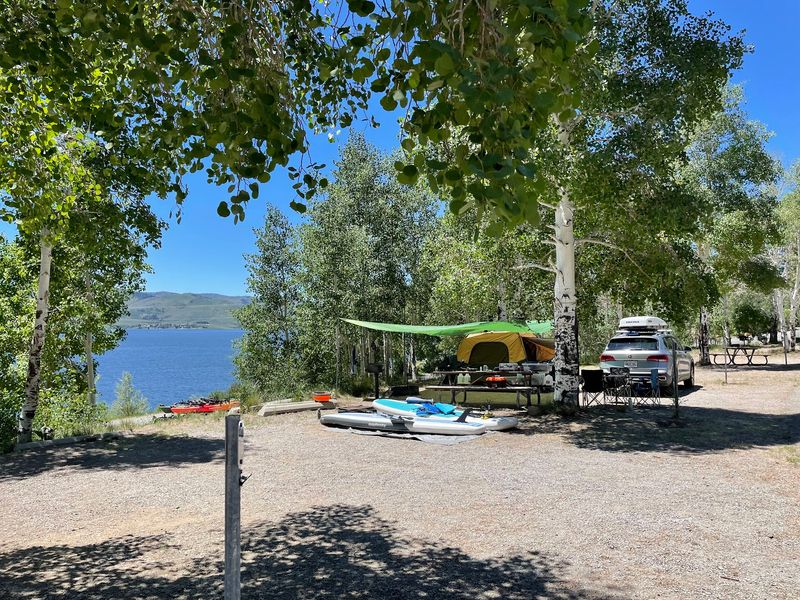
Waking up at Mountain View Campground feels like the fishing trip planned itself. Perched on the eastern shore of Scofield Reservoir, this campground at Scofield State Park puts the water so close that grabbing your rod before coffee feels completely reasonable.
The boat ramp and floating docks sit right beside the campsites, which means zero driving between your sleeping bag and your first cast of the day.
Scofield Reservoir has earned a solid reputation for trout, and the elevation gives the whole place a crisp, clean-air quality that city lungs genuinely appreciate. Mornings here tend to be quiet, cool, and surprisingly productive on the water.
The kind of morning that makes you wonder why you ever booked a hotel room near a lake.
Scofield, Utah sits at roughly 7,600 feet, so pack layers even in July. The campground works well for families who want structure and convenience without sacrificing the feeling of being genuinely out there.
Weekends fill up fast in summer, so booking ahead is a smart move. Show up with bait, a good cooler, and low expectations for cell service.
Madsen Bay Campground – Scofield State Park
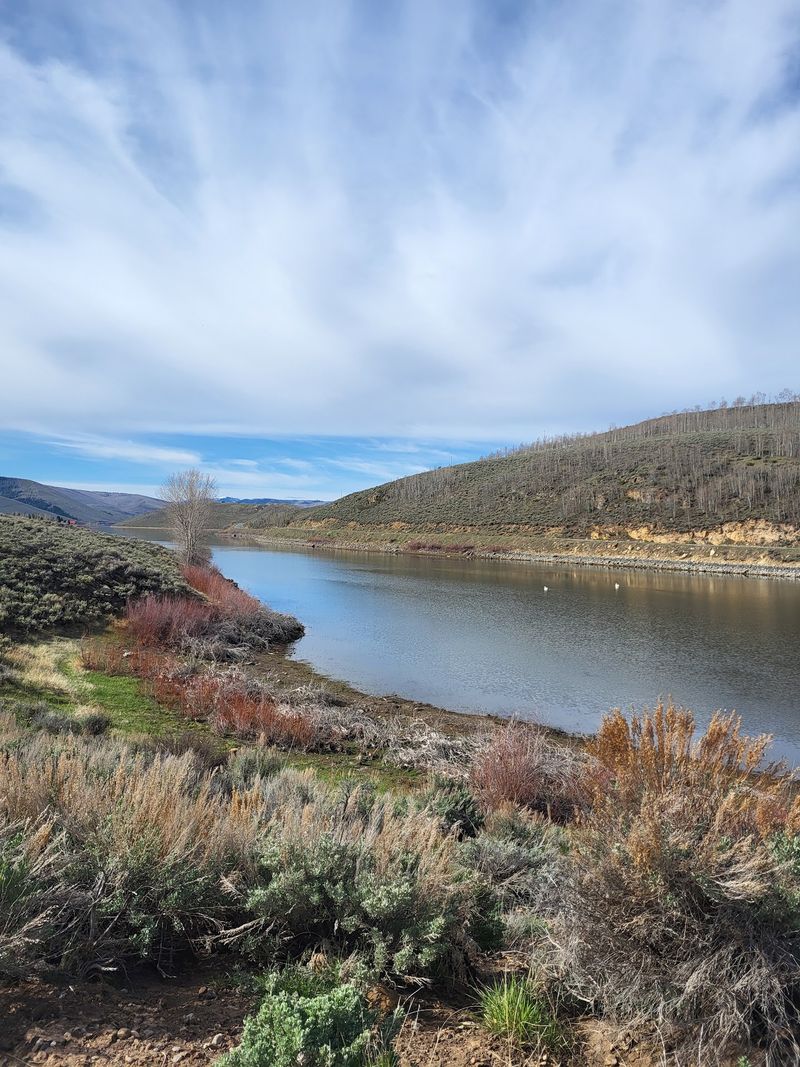
Madsen Bay has a particular kind of charm that rewards campers who do their homework. Sitting at the northern end of Scofield Reservoir, this campground offers 36 individual sites, several of which look directly out over the water.
That lake view from your picnic table is not a bonus feature here. It is basically the whole point.
The boat ramp makes launching straightforward, and the fish-cleaning station is a practical touch that serious anglers genuinely notice. Scofield Reservoir is well-known for trout, and Madsen Bay gives you immediate access without the fuss of loading gear into a car and driving to a separate launch area.
You are already there the second you step out of your tent.
Compared to Mountain View on the eastern shore, Madsen Bay has a slightly more tucked-away feel, which some campers prefer for a quieter experience. The surrounding landscape is open and high-desert gorgeous, with views that stretch wide on clear mornings.
Scofield, Utah is a small community, so stock up on supplies before you arrive. Arrive early on summer weekends if you want your pick of the sites with the best water views.
Riverside Campground – Rockport State Park
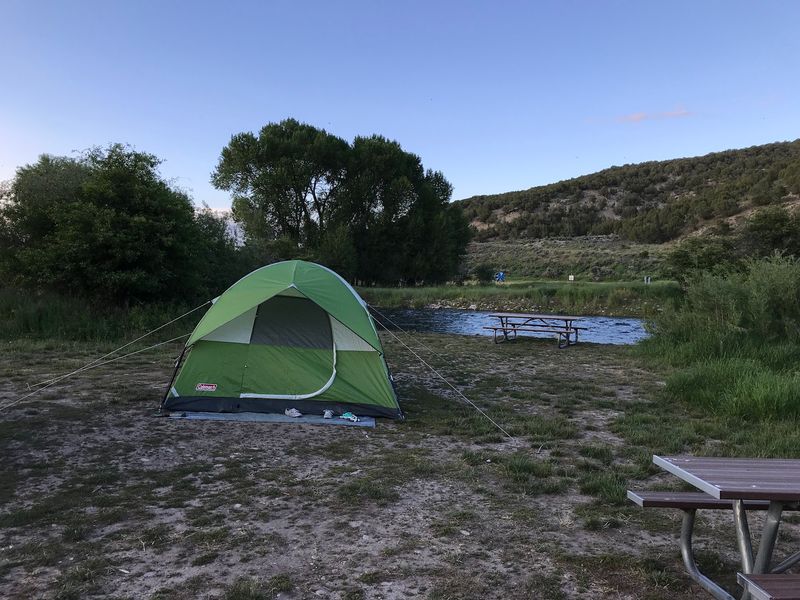
Rockport State Park near Coalville, Utah runs year-round, and that alone makes Riverside Campground worth knowing about. Most reservoir campgrounds in Utah quiet down once the snow starts threatening, but Rockport keeps the gates open and the fishing opportunities available across all four seasons.
Trout are the main draw, and the reservoir holds a reliable population that keeps anglers coming back.
Riverside Campground is positioned right beside the reservoir, which means your walk from campsite to waterline is short enough to do in slippers if you are feeling ambitious before sunrise. The park’s year-round accessibility is particularly useful for fall campers who want cooler temperatures and thinner crowds without giving up the fishing.
Coalville sits about an hour east of Salt Lake City, making this one of the more accessible reservoir campgrounds on the list for Wasatch Front residents. A quick Saturday trip is genuinely doable without feeling rushed.
The scenery around Rockport leans toward open ranchland and canyon edges, which gives it a different visual personality than Utah’s alpine campgrounds. Bring layers, check fishing regulations before you go, and plan your arrival for late afternoon if you want the golden-hour light on the water.
Bridger Bay Campground – Antelope Island State Park
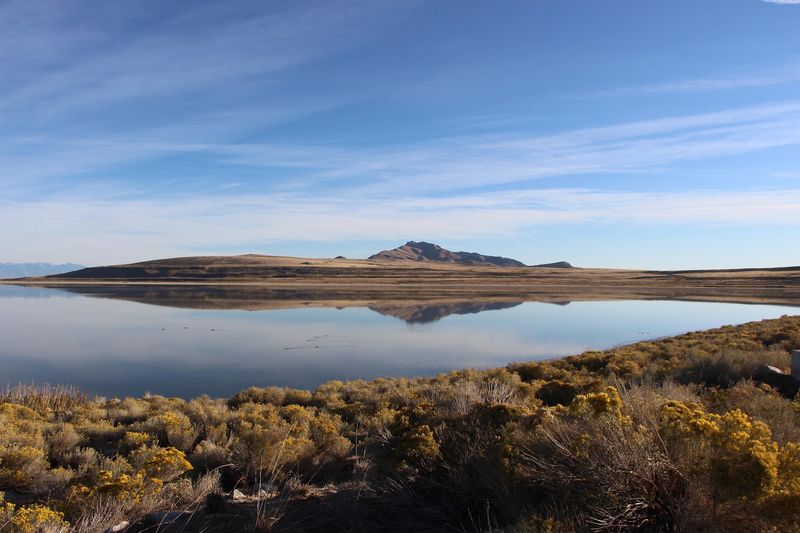
Bridger Bay Campground is not your typical trout-in-a-mountain-lake situation, and that is precisely what makes it interesting. Located on Antelope Island State Park near Syracuse, Utah, this 64-site campground puts you right beside the Great Salt Lake, one of the most unusual bodies of water in North America.
The lower loop of the campground is the one to request if shoreline access matters to you.
Fishing here operates by entirely different rules than anywhere else on this list. The Great Salt Lake has a unique ecosystem, and the species and regulations differ significantly from a freshwater trout reservoir.
Checking current fishing regulations before you pack the tackle box is not optional here. It is genuinely necessary.
Beyond fishing, Antelope Island offers bison sightings, sweeping views, and sunsets that look almost artificially dramatic. The island has a wild, otherworldly quality that first-time visitors rarely forget.
Pair the campground stay with a hike or a slow drive around the island, and you have a full weekend itinerary that requires almost no planning. The lake’s salinity also means no motorboat noise in the traditional sense, which gives Bridger Bay an unexpectedly peaceful atmosphere on calm mornings.
Hailstone Campground – Jordanelle State Park
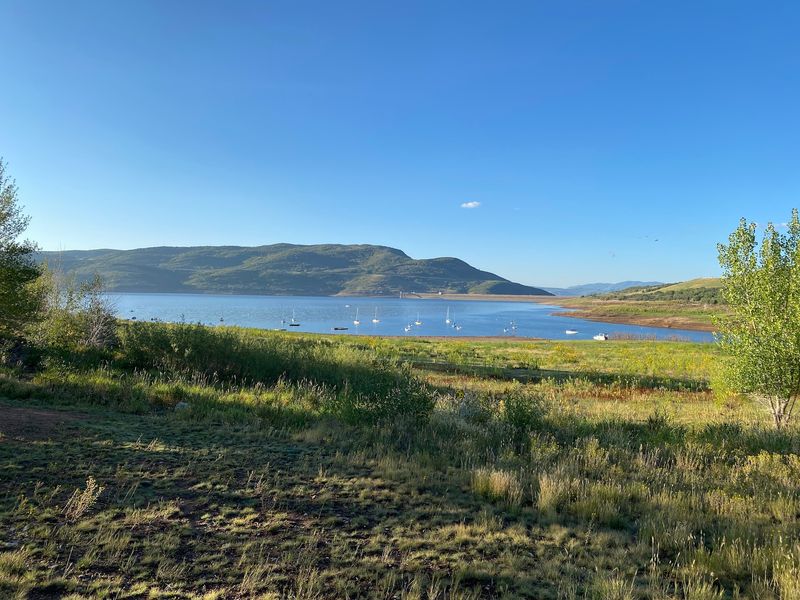
Jordanelle Reservoir is one of those places that looks better in person than in any photo, and Hailstone Campground at Jordanelle State Park makes the most of that. With 103 RV sites and reservoir views from a good portion of them, this is a campground that works hard for its reputation.
Heber City, Utah sits just below, giving campers easy access to supplies, food, and whatever gear you forgot to pack.
The park provides direct boating and fishing access to Jordanelle Reservoir, which means you never have to load the truck and drive somewhere else to reach the water. That convenience is underrated.
When fishing access is built into your campsite experience, mornings feel less logistical and more leisurely.
Jordanelle sits at about 6,000 feet, so the temperatures stay comfortable even in midsummer. The reservoir is large enough to offer real boating room, and the surrounding Wasatch Mountains give the whole scene a cinematic backdrop that never gets old.
Fall visits here are particularly rewarding when the crowds thin and the aspens start turning. Book early for summer weekends, and consider a mid-week stay if flexibility allows.
The quiet version of Hailstone is a genuinely lovely experience.
Utah Lake State Park Campground – Provo
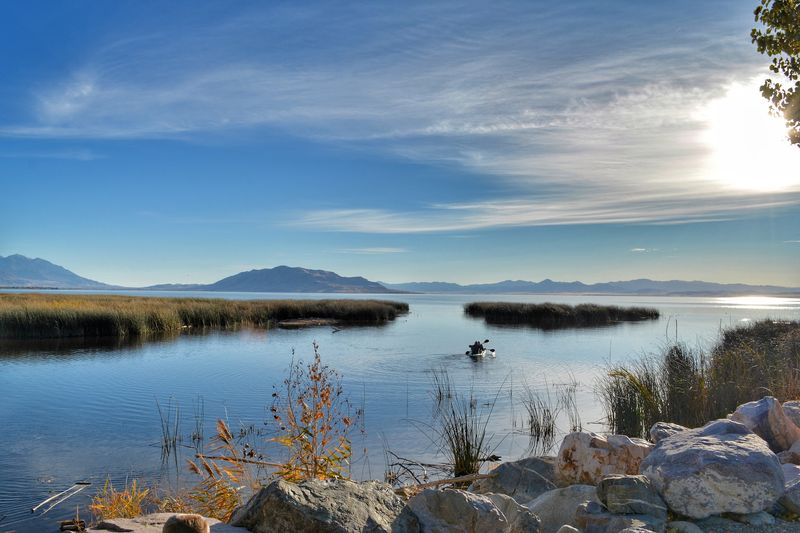
Utah Lake does not always get the same glamorous press as Utah’s mountain reservoirs, but anglers who know their fish species pay attention to it for good reason. The Utah Lake State Park Campground at 4400 West Center Street in Provo offers 31 RV campsites with water and power hookups, placing you right beside one of the largest natural freshwater lakes in the western United States.
The fishing lineup here reads more like a diner menu than a mountain trout stream. Channel catfish, walleye, white bass, black bass, and several panfish species all live in Utah Lake.
If you grew up fishing warm-water lakes in the Midwest or the South, this campground will feel oddly familiar in the best possible way.
Provo is a full-service city, so restocking supplies mid-trip is never a problem. The campground itself is compact and practical rather than scenic and remote, but the fishing access more than compensates.
Evenings here are warm in summer, and catfish tend to bite well after dark, which gives night-owl anglers a legitimate reason to stay up late. Check Utah Division of Wildlife Resources regulations before you go, since Utah Lake has specific guidelines worth knowing.
Dixie Campground – East Canyon State Park
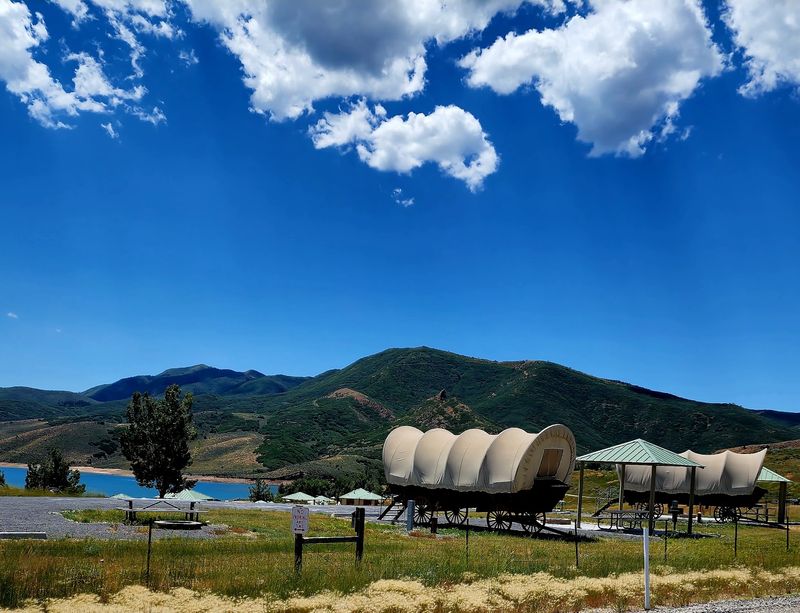
East Canyon State Park near Morgan, Utah has the kind of setting that makes you feel like you found something most people drive right past. Dixie Campground sits within the park and provides convenient access to the lake for both fishing and boating, which is exactly the combination that makes a campground worth the reservation hassle.
No shuttle, no separate parking, no extra miles between coffee and casting.
The campground offers both full-hookup sites for RV campers and sites that work better for tent setups, giving it a flexibility that mixed groups appreciate. East Canyon Reservoir is a manageable size that feels intimate without feeling crowded, and the canyon walls surrounding the water give it a sheltered, tucked-in quality that larger reservoirs rarely offer.
Morgan, Utah is a small town with a certain quiet confidence about it, sitting in a valley that feels genuinely off the main tourist path. The drive into East Canyon is scenic enough to enjoy slowly, with canyon terrain that hints at the kind of country you are headed into.
Summer weekends draw a loyal crowd of regulars, so arriving Thursday or Sunday gives you a noticeably better campsite selection. Bring a fishing license, a good hat, and a willingness to linger.
Red Rock Marina Campground – Echo State Park
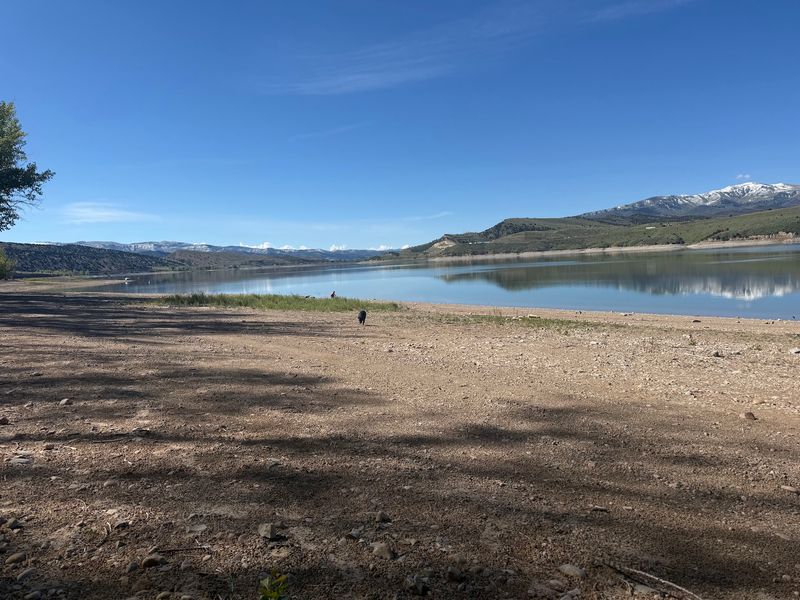
Five campsites might sound like a small number, but at Red Rock Marina Campground in Echo State Park, that compact footprint is part of the appeal. Located near Coalville, Utah, these five full-hookup sites sit directly at the reservoir with lake views and immediate water access that larger campgrounds simply cannot replicate.
When only a handful of sites exist, the whole place feels less like a campground and more like a private fishing retreat.
Echo Reservoir supports trout, perch, and other fish species, and the park confirms that fishing is available year-round. That winter and shoulder-season access is a meaningful detail for anglers who do not want to wait until Memorial Day to wet a line.
Ice fishing is a legitimate option here when conditions allow, which adds a whole different dimension to the campground’s personality.
Echo State Park sits along Interstate 80, making it one of the more logistically convenient fishing campgrounds in northern Utah. The reservoir has a wide-open quality that suits anglers who prefer unobstructed casting room and big sky views.
Reserve early because five sites disappear fast, especially on summer weekends when word travels among fishing communities. Bring everything you need since nearby services are limited.
Paiute Campground – Johnson Valley Reservoir
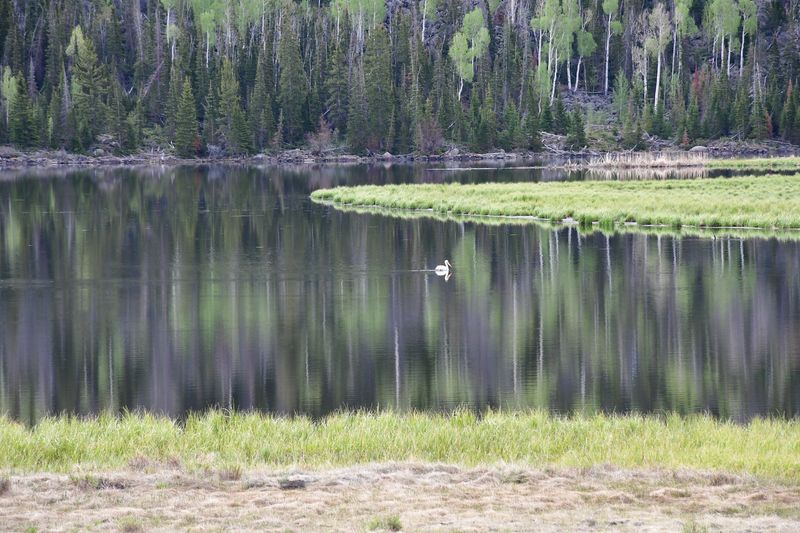
At roughly 8,800 feet above sea level, Paiute Campground near Loa, Utah operates in a different atmosphere than most reservoir campgrounds, literally and figuratively. This Fishlake National Forest site sits adjacent to Johnson Valley Reservoir with 48 campsites, offering boating and fishing access in a setting that feels genuinely remote without requiring a technical four-wheel-drive adventure to reach it.
Johnson Valley Reservoir is a quieter alternative to Utah’s more heavily marketed reservoir campgrounds, and that lower profile is a feature rather than a flaw. The fishing here benefits from the high elevation, which keeps water temperatures cool and trout populations happy well into summer.
Mornings at this altitude have a particular stillness that is hard to describe and easy to become addicted to.
Fishlake National Forest surrounds the campground with the kind of dense, serious forest that reminds you why public lands exist. Loa is the nearest town, a small community that provides basic supplies without much fanfare.
Pack warm sleeping gear regardless of the season because 8,800 feet gets cold at night even in August. This campground suits campers who want fewer neighbors, more wildlife, and a fishing experience that feels earned rather than handed to them on a paved access road.