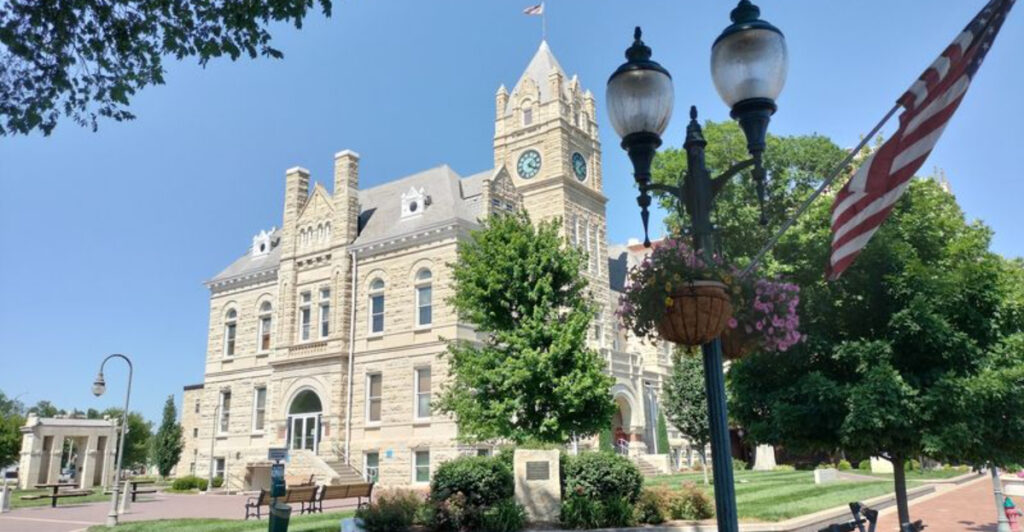
Happiness is hard to measure, but some places seem to make a very convincing case without trying too hard. One small Kansas town has earned attention for exactly that reason.
It has the kind of easygoing energy that makes everyday life seem a little lighter. People come for one reason and often leave wondering why the place feels so unexpectedly cheerful. That is part of the fun.
You do not need flashy attractions or a packed schedule to enjoy somewhere that simply seems comfortable being itself. Sometimes a good mood comes from the pace of the day and the people around you.
I once spent an afternoon in a small town where nothing dramatic happened, and somehow that became the best part.
I had nowhere urgent to be, nobody rushing me along, and no reason to check the clock. By the time I left, I understood why Kansas can surprise people.
Sometimes happiness looks less like excitement and more like not wanting the afternoon to end.
A Riverboat Accident Gave The Town Its Name
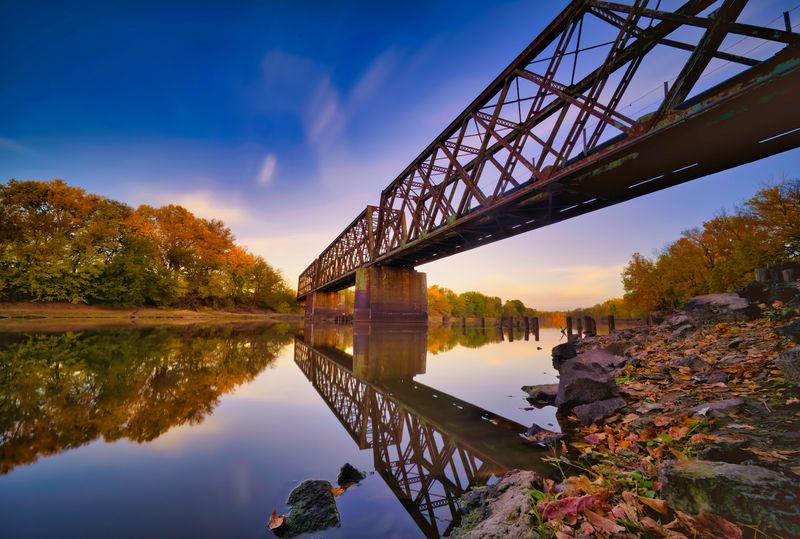
Back in June 1855, a river steamboat called the Hartford carried 75 settlers from Ohio up the Kansas River, aiming for a spot farther upstream.
The boat snagged on a sandbar near the mouth of the Blue River, leaving the passengers stranded there.
Rather than sulk about it, they made a deal. They would join the existing communities on one condition: the combined town had to be called Manhattan.
The name was official on June 29, 1855, and the town incorporated on May 30, 1857. I love that a grounding of sorts is the founding story here, because it says something about the local attitude toward setbacks.
Walking near the confluence of the Kansas and Big Blue rivers, I kept thinking about those stranded travelers deciding to stay put and build something.
Their unplanned detour turned into one of the friendliest addresses in Kansas.
Locals Proudly Call It The Little Apple
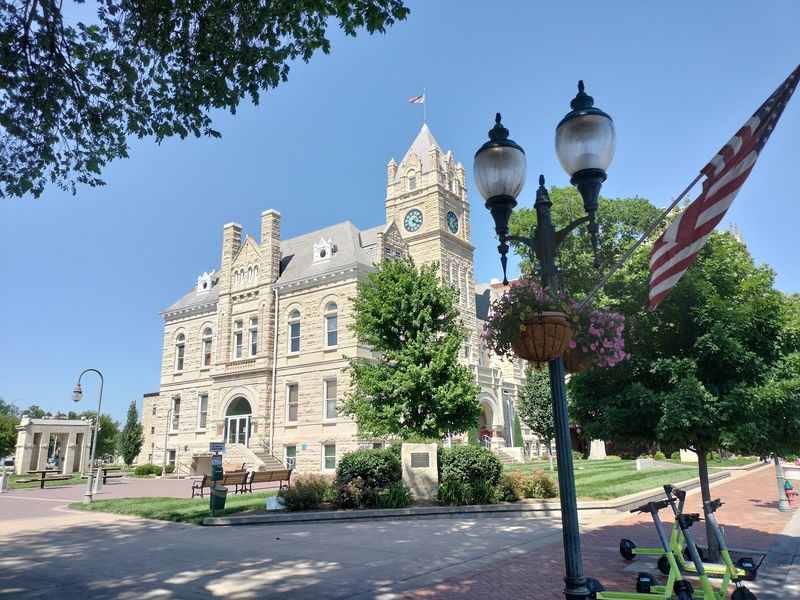
Sharing a name with the biggest city in the country could be intimidating. Instead, residents leaned all the way into the joke and started calling their town The Little Apple in 1977.
The nickname stuck like glue, and it now shows up on signs, shirts, and conversations with anyone who has lived here longer than a semester.
What surprised me was how many spin-off nicknames exist. Manhappenin and Manhappiness both float around, and both hint at the cheerful, slightly goofy pride that runs through the community.
Nicknames usually feel forced when a tourism office invents them. Here, the words came from the people who actually live and work in this Kansas town, which is why they land so well.
Ask a local why the apple is little, and you will probably get a grin plus a story. That kind of easy humor is contagious.
Rolling Flint Hills Frame Every Direction
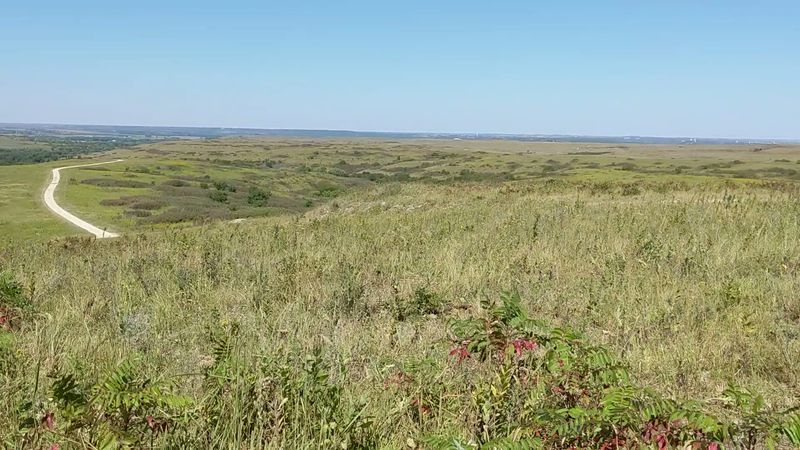
Flat is the word most people attach to this state, and the Flint Hills politely disagree.
The town sits in northeastern Kansas surrounded by rolling ridges covered in native tallgrass, an ecosystem found almost nowhere else on the continent.
Most of the original tallgrass prairie disappeared long ago because the soil was easy to plow. The rocky ground here saved it, which is why Kansas and northern Oklahoma hold what remains.
Standing on a ridge at sunset, I watched the grass move in waves while the sky did dramatic things overhead. There were no buildings blocking the view, just miles of green going gold.
The hills shape daily life more than you would expect. Hiking, cycling, and simply staring at the horizon become normal weekend habits.
Anyone who claims the Midwest lacks scenery has clearly never watched light spill across these ridges.
Kansas State University Sets The Energy
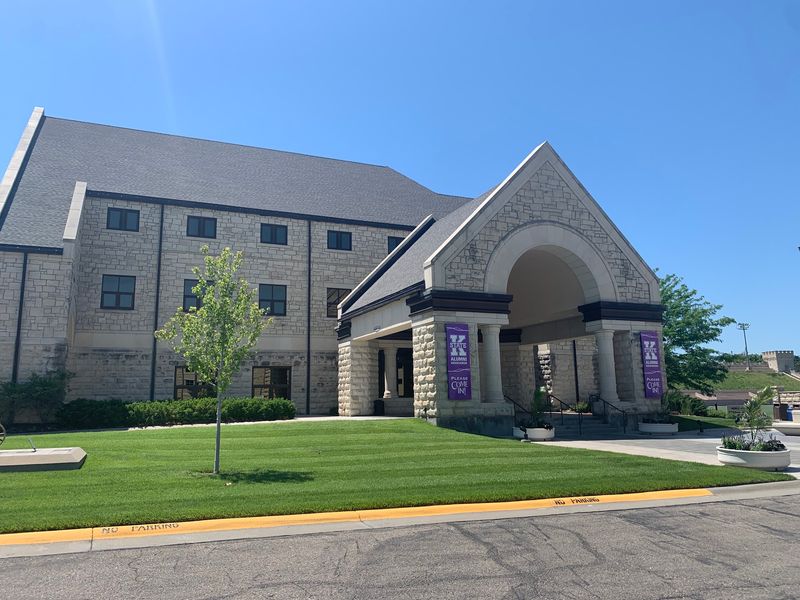
Purple is basically a civic color here. Kansas State University sits right in the middle of town life, and its presence gives the whole place a young, humming pulse.
Students fill the coffee shops, professors give public lectures, and touring musicians show up because there is an audience waiting.
The university also brings a steady stream of concerts, exhibits, and speakers that a town this size would never support alone.
Game days are their own experience. Streets fill with fans wearing purple, tailgates spread out for blocks, and even people with zero interest in football get pulled into the excitement.
The relationship between the city and campus has earned recognition for how smoothly the two work together.
I noticed it in small ways, like community events held on campus grounds without a hint of separation. Academic energy plus small-town warmth makes an unusually happy combination.
Tuttle Creek Lake Is A 12,000-Acre Playground
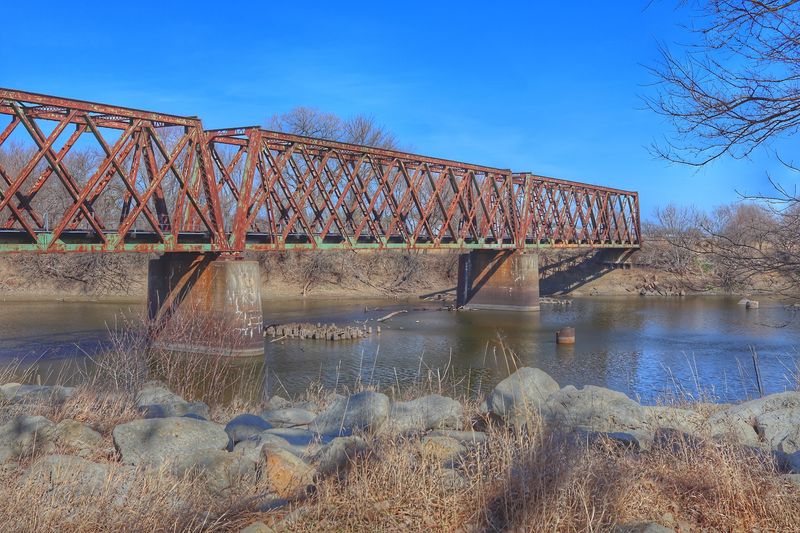
Twelve thousand acres of water sit just north of town, plus roughly 100 miles of wooded shoreline. Tuttle Creek Lake gives this prairie community a legitimate water sports habit.
Boaters, kayakers, and anglers spread out across the reservoir all summer, and there is enough space that you never feel crowded. Tuttle Creek State Park wraps around it with camping areas, horse trails, and a shooting range.
I paddled along a quiet cove one morning and heard nothing but birds and my own paddle dipping. An hour later I was back in town eating lunch.
That proximity is the real luxury. You do not need a road trip to reach open water, just a short drive and a decent pair of shoes.
For a landlocked Kansas town, having this much shoreline within reach feels like a very generous accident of engineering.
Konza Prairie And Wandering Bison
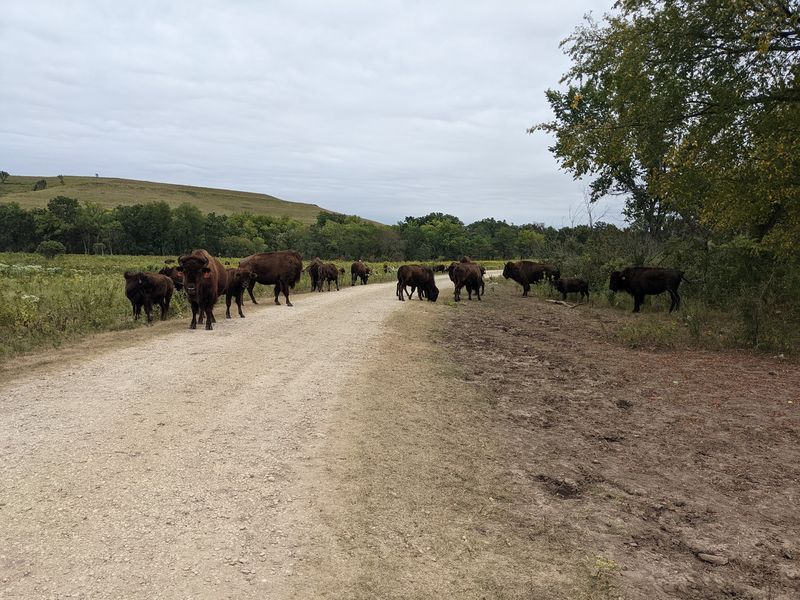
South of town, the Konza Prairie Biological Station protects a huge stretch of tallgrass and doubles as a research site. Bison roam parts of it, which still feels remarkable to say out loud.
Public hiking trails climb through the grassland in loops of different lengths, so you can pick a short walk or commit to several miles. The higher stretches open onto views that go on forever.
Scientists study fire, grazing, and grass here, and the trails let ordinary visitors see the results. Wildflowers change color by the month, and grasses can grow taller than a person by late summer.
I brought water, a hat, and zero expectations, and left completely won over by the quiet.
Bring sturdy shoes because the ground is rocky and uneven. Also bring patience, since the best moments happen when you stop moving and just listen.
Museums That Explain The Prairie
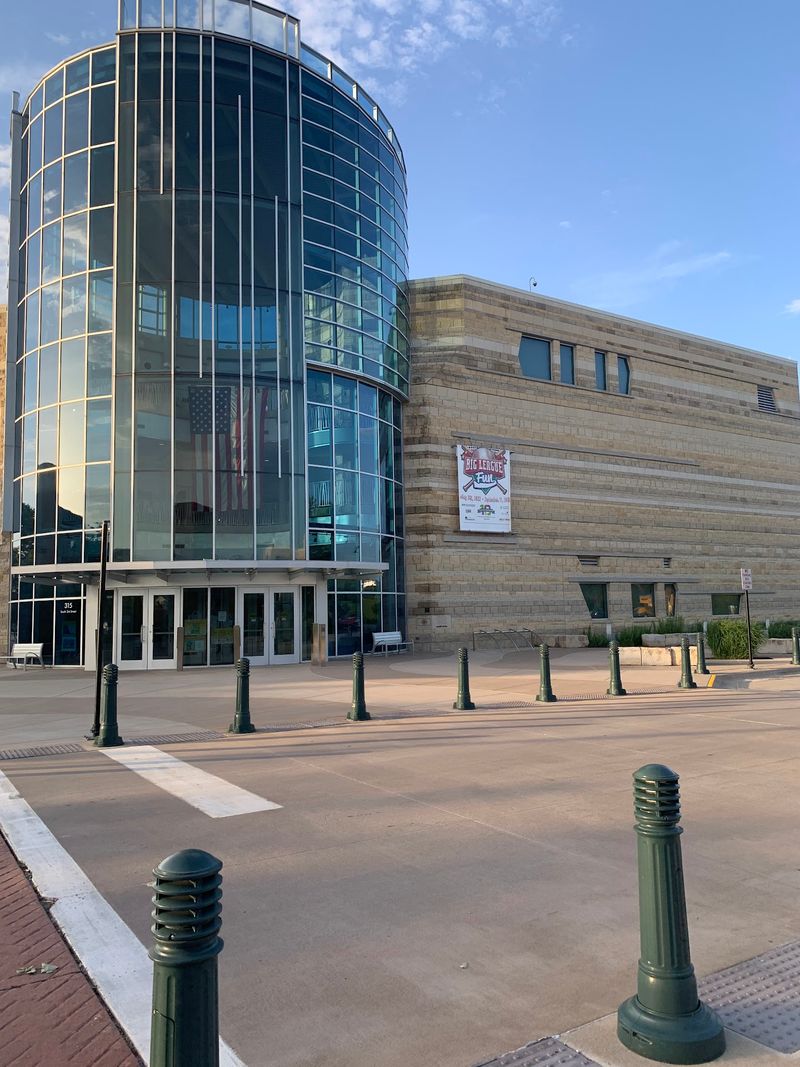
Culture in a town of this size usually means one small gallery. Here I found several places worth an entire afternoon.
The Flint Hills Discovery Center is an interactive museum built around the natural history and heritage of the surrounding grassland, and it explains the landscape better than any guidebook could.
Exhibits include immersive films and hands-on displays that keep children busy while adults quietly learn things.
On campus, the Marianna Kistler Beach Museum of Art focuses on work from Kansas and the region while also showing national and international artists.
Admission-free wandering there became one of my favorite habits. McCain Auditorium hosts touring musicals, concerts, comedians, and lectures throughout the year.
Then there is Sunset Zoo, home to more than 150 animals, including cheetahs and other wildlife, plus a butterfly garden. Rainy days are genuinely not a problem in this Kansas town.
Aggieville Is The Oldest Shopping District In The State
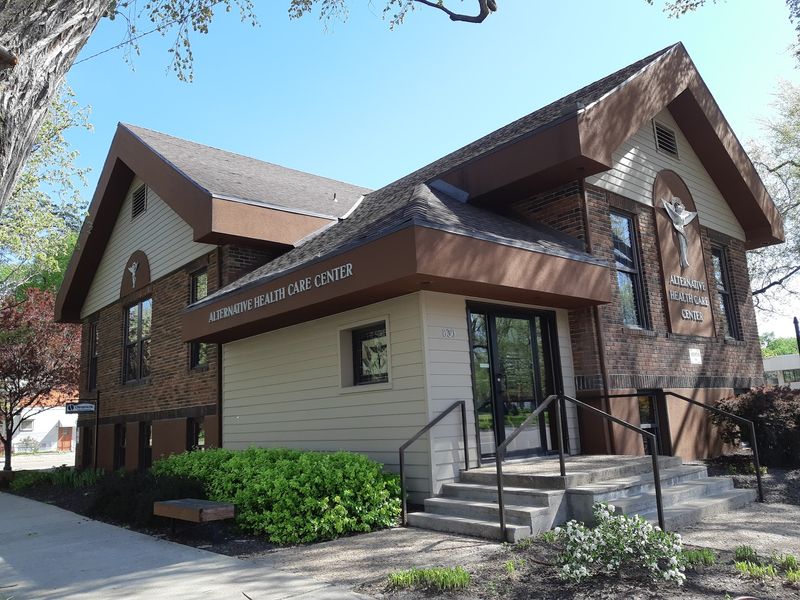
Just across from campus, Aggieville has been the gathering spot for more than a century, and it holds the title of oldest shopping and entertainment district in Kansas.
That is a lot of history packed into a few walkable blocks. Boutiques, record shops, bakeries, and restaurants line the streets, and the mix leans casual rather than fussy.
I grabbed tacos one evening and pastries the next morning without walking more than two blocks.
Evenings bring the biggest crowds, especially after a Wildcat win, when the whole district turns into a celebration. Weekday afternoons are calmer and better for actual shopping.
Parking fills up quickly, so I learned to leave the car and walk in from a nearby street.
What makes it work is the mix of ages. Students, families, and longtime residents all share the same sidewalks here.
Free Concerts, Races, And A Festival Of Lights
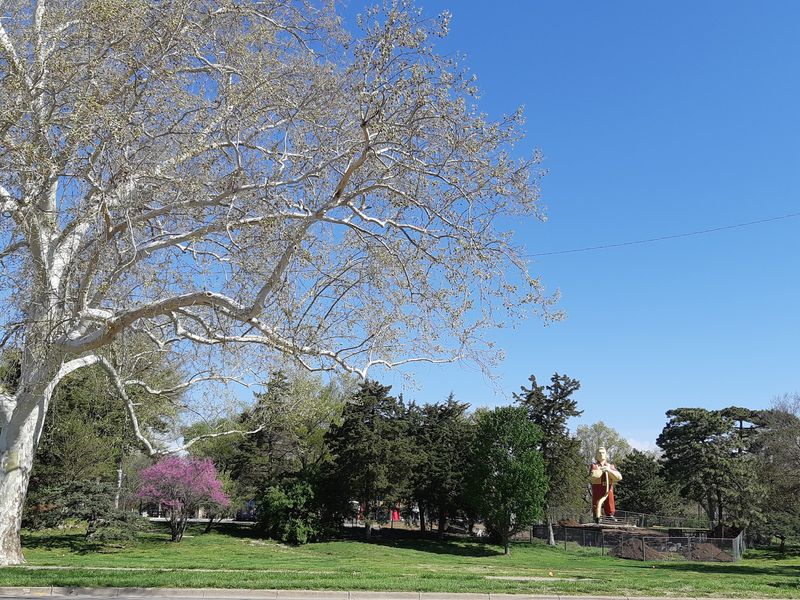
The local calendar barely takes a breath. Arts in the Park runs through June and July with free Friday concerts at City Park, and people show up with blankets, coolers of lemonade, and folding chairs.
Spring brings the Bill Snyder Highway Half and 5K, a charitable race that draws hundreds of runners onto the roads. Even watching from the sidelines was oddly motivating.
The Flint Hills Festival celebrates the culture and beauty of the surrounding region with live entertainment and family activities. It captures the local identity better than any brochure.
Come winter, the Festival of Lights turns Blue Earth Plaza into a glowing gathering spot, and the cold suddenly matters much less.
My advice is simple: check what is happening before you book. Timing your visit around one of these events changes the whole trip.
Friendly Streets, Bike Trails, And A Waterfall Worth Finding
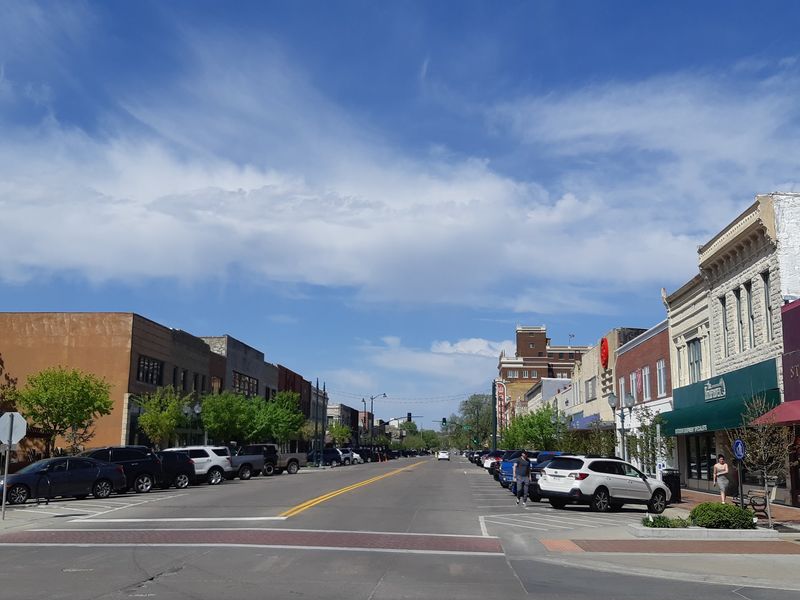
Safety and neighborliness come up constantly when people explain why they stay. Doors get held open, neighbors actually chat, and children ride bikes through parks without much worry.
The city earns recognition as a bicycle-friendly community, thanks to a linear trail system that threads through town for walking, running, and riding.
During migration season, monarch butterflies drift across sections of it. Disc golf is oddly big here, with five courses scattered around, so bring a disc if you own one.
My favorite discovery was Pillsbury Crossing, a low waterfall where a shallow creek spills over limestone and cars ford the stream. It is peaceful, free, and slightly surreal.
Mid-April through mid-June and September into mid-October bring the mildest weather for all of this.
Add strong schools and family amenities, and its past happiness ranking among small cities starts sounding much less surprising and more understandable.