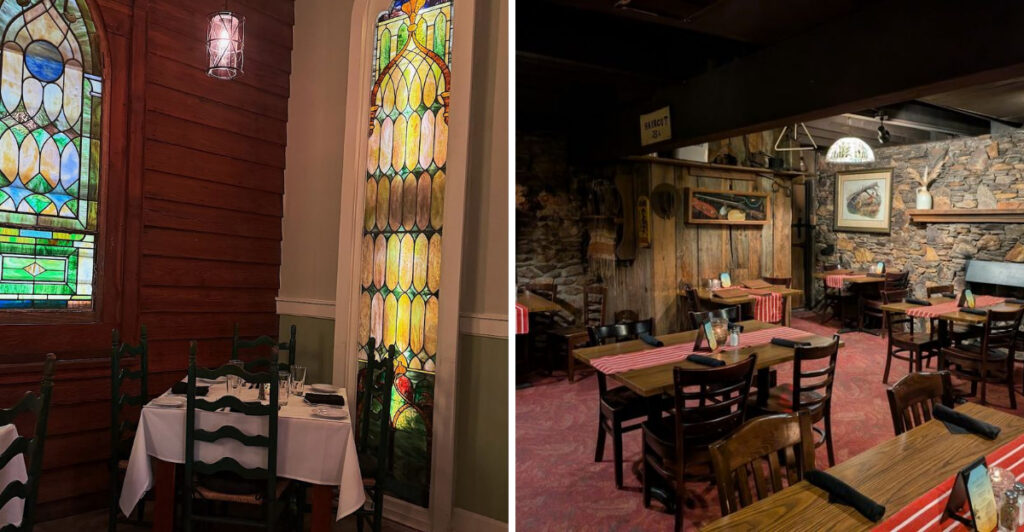
History booked the table before dinner even showed up.
Some restaurants come with stories already built into the walls.
A former firehouse can set the scene, an old country store can become the dining room, and stained glass from a previous church can still catch your eye between courses.
The food still matters, but these rooms make you look around before you pick up the fork. Old buildings, renovations, changing neighborhoods, and decades of local stories have all left their mark.
That gives dinner a little more personality without turning the meal into a history lesson.
Skip the plain dining room for once.
So, which piece of South Carolina history would you want to dine inside first?
1. Villa Tronco
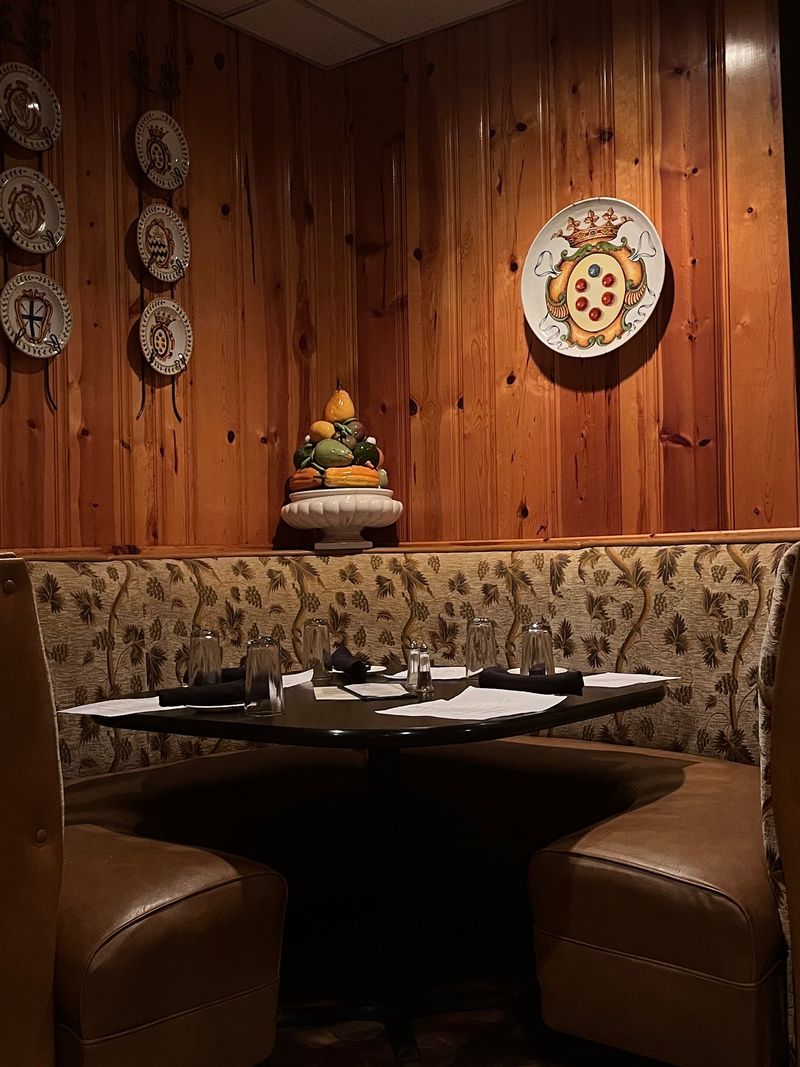
A nineteenth-century firehouse is a dramatic place to start dinner, especially when the restaurant inside has its own history stretching back to 1940. The Blanding Street building retains pieces of its earlier life, including old stable doors in a rear dining room.
Villa Tronco grew from Sadie “Mama Tronco” Tronco’s cooking in Columbia. During World War II, she began serving spaghetti and meatballs to Italian-American soldiers stationed at Fort Jackson who missed familiar food.
The family operation evolved into the restaurant that still serves Columbia today.
Five generations have remained connected to the business, and the menu stays centered on traditional Italian cooking rather than treating the historic setting as decoration.
Pasta, house recipes, cheesecake, and other Italian standards keep the dining room tied to the family story.
The building received a historic marker in 2026, adding another layer to a restaurant already closely linked with downtown Columbia. Look around before you settle into dinner. Old brick and stable doors can make a plate of pasta seem like the newest thing in the room.
History lesson first. Meatballs second. That is a pretty efficient evening.
Address: 1213 Blanding St, Columbia, SC 29201.
2. Lilfred’s
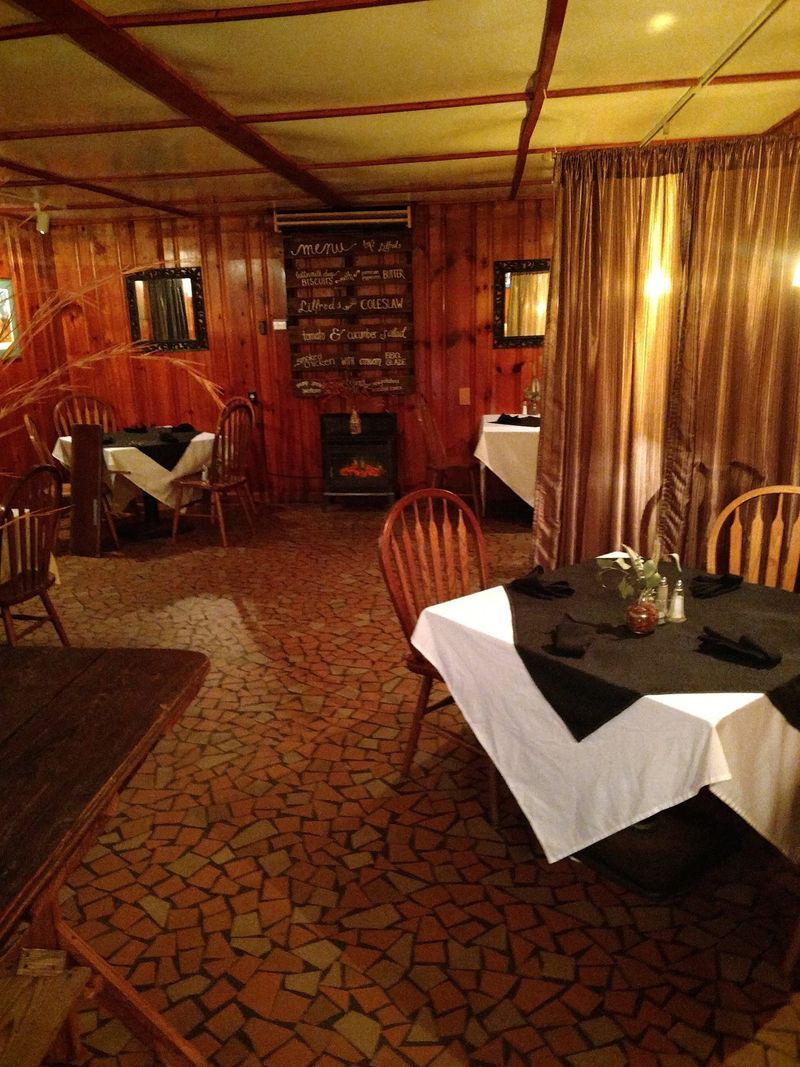
Rembert does not need a grand boulevard to deliver a restaurant with history. This rural stop began in 1951 as a filling station where fried chicken and coleslaw helped turn a roadside business into something people came to eat at on purpose.
The original name combined Fred and Lilly, the early owners whose small operation gave Lilfred’s its identity.
The restaurant changed hands over the decades, and current owners Trent and Wendy Langston carried it toward a more refined Southern dinner format while keeping the old roadside story intact.
Today, Lilfred’s serves dinner on a limited weekly schedule. Seafood, steaks, and seasonal ingredients move the menu well beyond the filling-station years.
Still, the location carries the strange little thrill of finding a serious meal along a quiet stretch of Camden Highway.
That contrast is the entire point. The restaurant does not need to pretend it started as an elegant dining room. Its history is more interesting because it did not.
Pull in for dinner and remember that the building once had more to do with gasoline than a multi-course meal. South Carolina has upgraded roadside stops in some unexpected ways.
Address: 8425 Camden Hwy, Rembert, SC 29128.
3. Calhoun Corners Restaurant
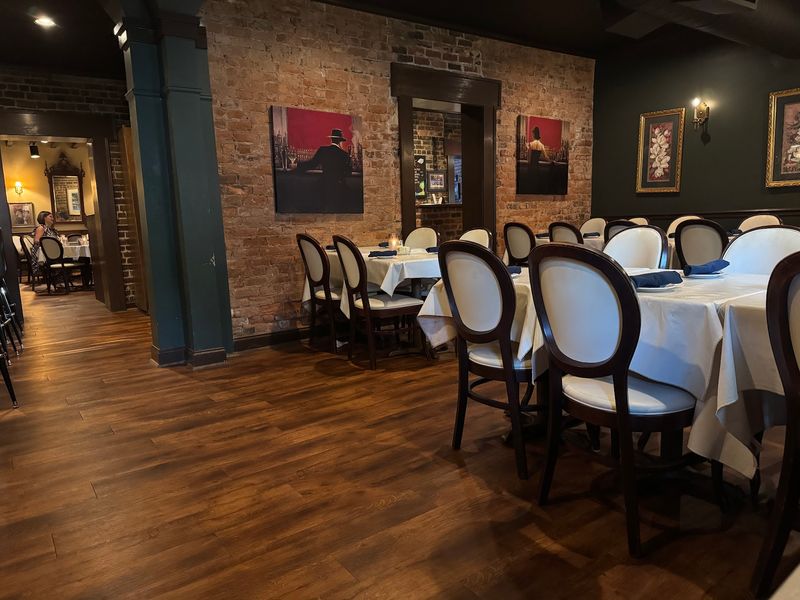
Calhoun Corners Restaurant occupies a building constructed in 1893 from locally made brick, giving this Clemson dinner stop a history that began long before the first steak reached the dining room.
The structure served as a civic and social center, briefly housed the original Fort Hill Presbyterian Church, and later operated for decades as a general store.
Edward and Mary Olson purchased the old Boggs store in 1974 with preservation in mind, and it became a restaurant in 1979.
A major fire in 1997 could have ended the story. Instead, reconstruction preserved as much of the original structure as possible, and the restaurant reopened in 1998. Five fireplaces from the original construction remain part of the building.
The current menu covers hand-cut beef, fresh seafood, fish, lamb, duck, chicken, pork, pasta, and other dinner choices. That range gives you plenty to study after you finish studying the walls.
Clemson University is nearby, but the building belongs to an older chapter of the area. If campus life is moving at full speed outside, the brick, fireplaces, and century-plus timeline inside offer a very different clock.
Address: 103 Clemson St, Clemson, SC 29631.
4. The Peddler Steak House
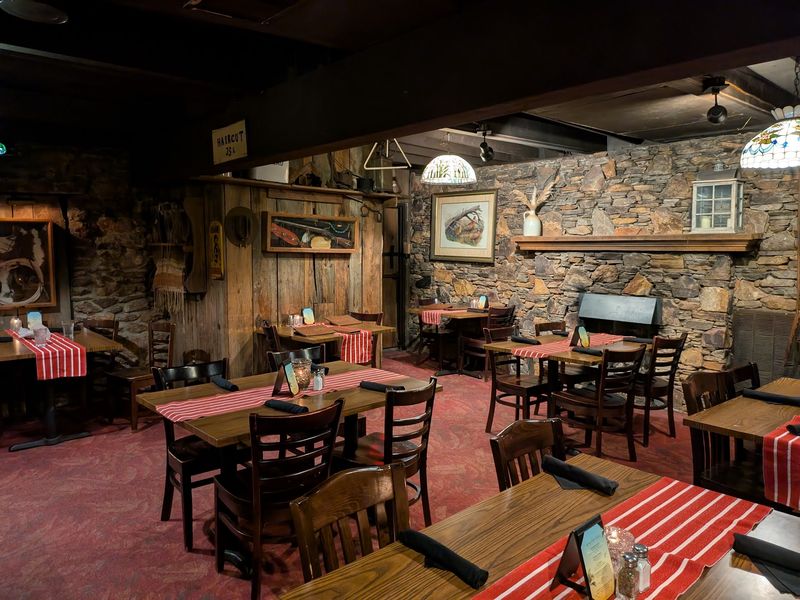
The steak is only half the performance here. The Peddler has been operating in Greenville since 1969, and the restaurant still offers the old-school ritual of bringing a whole loin of beef to the table so diners can select the size and cut.
Dinner unfolds inside a stone building dating to around 1919. It originally belonged to Thomas F. Floyd and was part of the Dreamland recreation complex that once occupied this side of Greenville.
Other restaurants used the structure before The Peddler arrived at the end of the 1960s.
The building has five fireplaces, stone walls, and rooms that make the restaurant look more like an old retreat than a standard steakhouse. The menu still leans into grilled steaks, slow-roasted prime rib, seafood, and the long-running salad bar.
The Schneider family has owned the Greenville operation since 2000, with another generation later taking over day-to-day leadership.
That continuity matters because The Peddler’s appeal depends on preserving rituals that could easily have disappeared during a modern redesign.
At The Peddler Steak House, choosing the thickness of your steak tableside makes ordering from a printed line seem a little lazy.
Address: 2000 Poinsett Hwy, Greenville, SC 29609.
5. Sullivan’s Metropolitan Grill
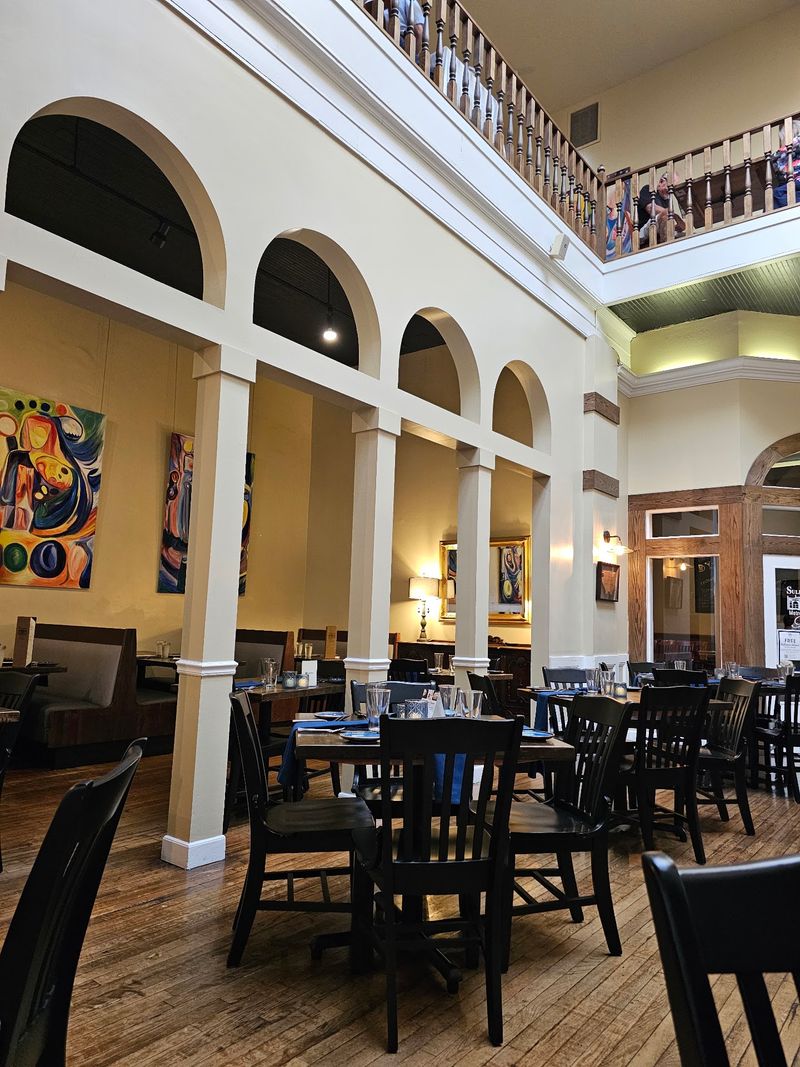
Downtown Anderson’s Sullivan Building went up in 1891, more than a century before the restaurant currently occupying it opened its doors. The structure first served commercial uses, including the Alliance Store and the long-running Sullivan’s Hardware Company.
Sullivan’s Metropolitan Grill opened in 1999, borrowing its name partly from that historic building.
Much of the interior architecture remained in place, including original wood flooring, columns, staircase details, and other woodwork tied to the nineteenth-century structure.
The restaurant serves lunch and dinner with a menu built around American fare, beef, seafood, and seasonal ingredients. Reservations are available, making this one easier to work into an Anderson stop than a place where you need to gamble on an empty table.
The building is the older star. A hardware store occupied it for much of the twentieth century, and its original Hill Block identity can still be traced through architectural details on the property.
You can walk into Sullivan’s Metropolitan Grill for dinner and leave knowing more about downtown Anderson than you expected. Not bad for a meal that never assigned homework.
Address: 208 S Main St, Anderson, SC 29624.
6. The Parson’s Table
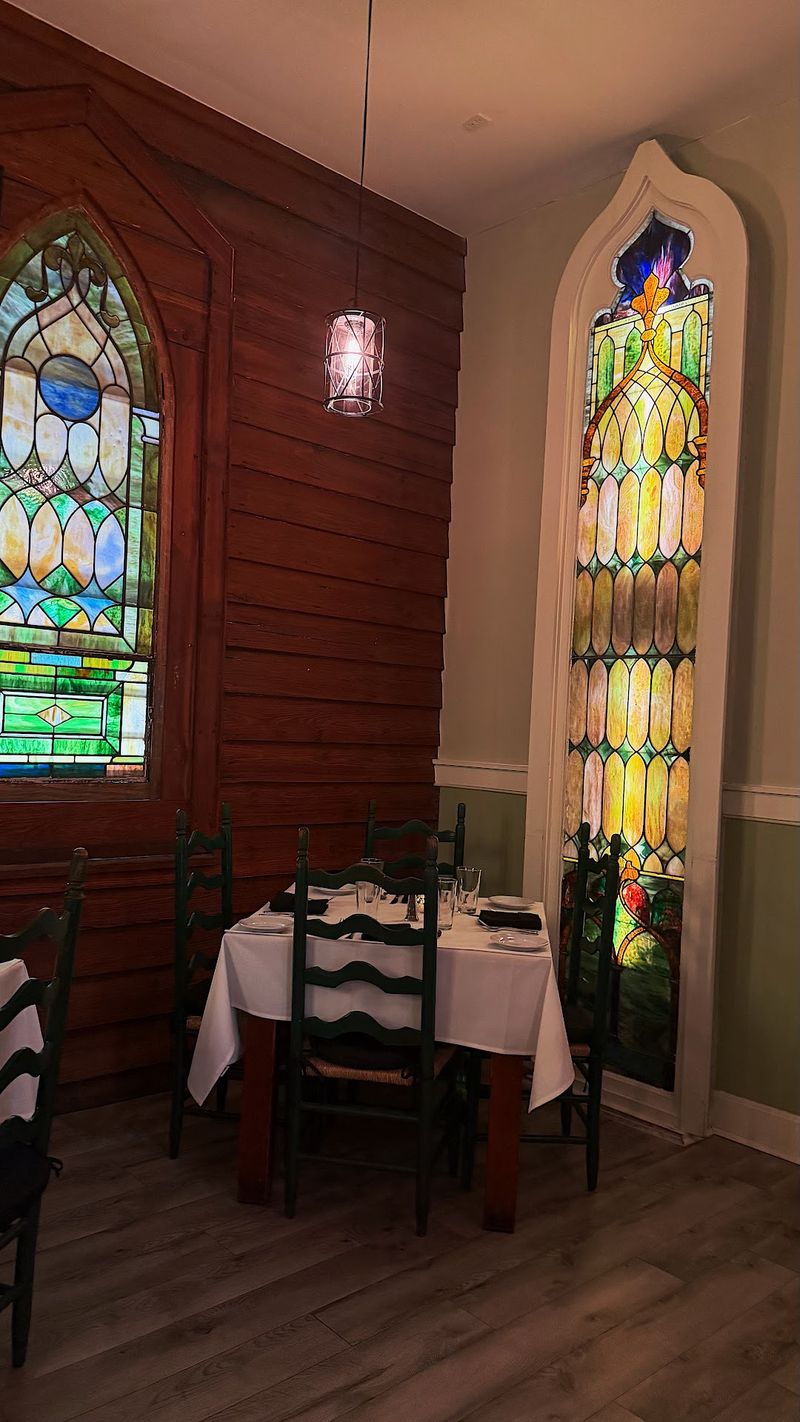
The Parson’s Table makes its history impossible to miss. Its main dining room began life as Little River Methodist Church, built in 1885 and used by the congregation until a newer church replaced it in the middle of the twentieth century.
Longtime resident Toby Frye purchased the structure in 1978, moved it roughly two blocks to its current site, and converted it into a restaurant. Much of the original hand-sawn lumber remains, along with pine flooring and other pieces of the former church.
The stained glass adds even more history, with windows and architectural elements salvaged from older churches and buildings around the South.
An antique Tiffany lamp and local cypress details make the interior less like a themed conversion and more like a patchwork of preserved structures.
Dinner centers on steaks, seafood, produce, and dishes with Lowcountry influence.
The restaurant opens for evening service Monday through Saturday, giving you a fairly simple window to see the room after daylight starts softening through the glass.
You do not need to whisper, but the old church ceiling may make you consider it for the first thirty seconds.
Address: 4305 McCorsley Ave, Little River, SC 29566.
7. Grits & Groceries
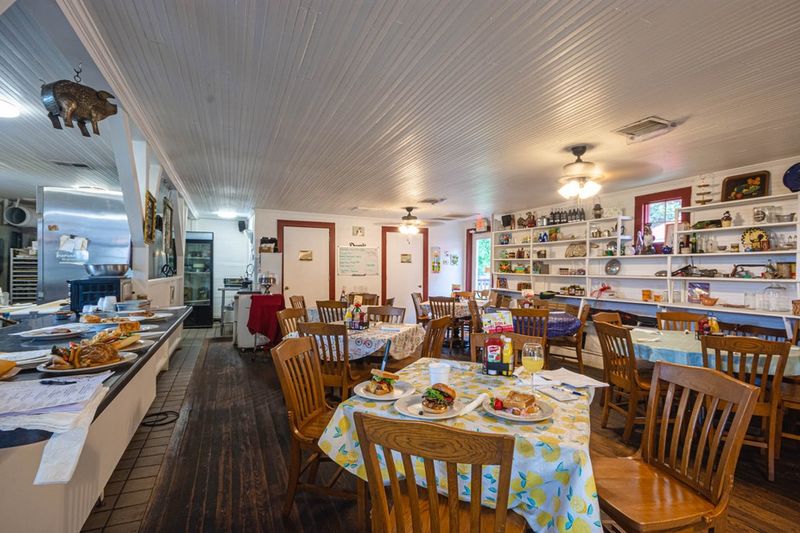
At Saylors Crossroads outside Belton, a century-old country store became a restaurant without losing its role as a gathering place. The building once served the surrounding community as a general store and, at different points, a post office and radio station.
Chefs Heidi and Joe Trull returned to the Carolinas after restaurant careers that included work in New Orleans. They chose the old crossroads store as the home for a new restaurant centered on Southern cooking and local ingredients.
Grits & Groceries builds its menu around what is available from nearby producers, changing dishes when the right ingredient is not available. The restaurant currently serves lunch on several weekdays, adds dinner on select evenings, and opens for daytime service on Saturday.
The old store does much of the atmosphere work before a plate arrives. This is not a replica built to look rural. The structure really did serve people at the crossroads long before anybody was ordering a restaurant meal there.
Grits & Groceries turns that history into a useful reminder: sometimes the best renovation is the one that keeps the building looking like it remembers what happened.
Address: 2440 Due West Hwy, Belton, SC 29627.
8. Seewee Restaurant
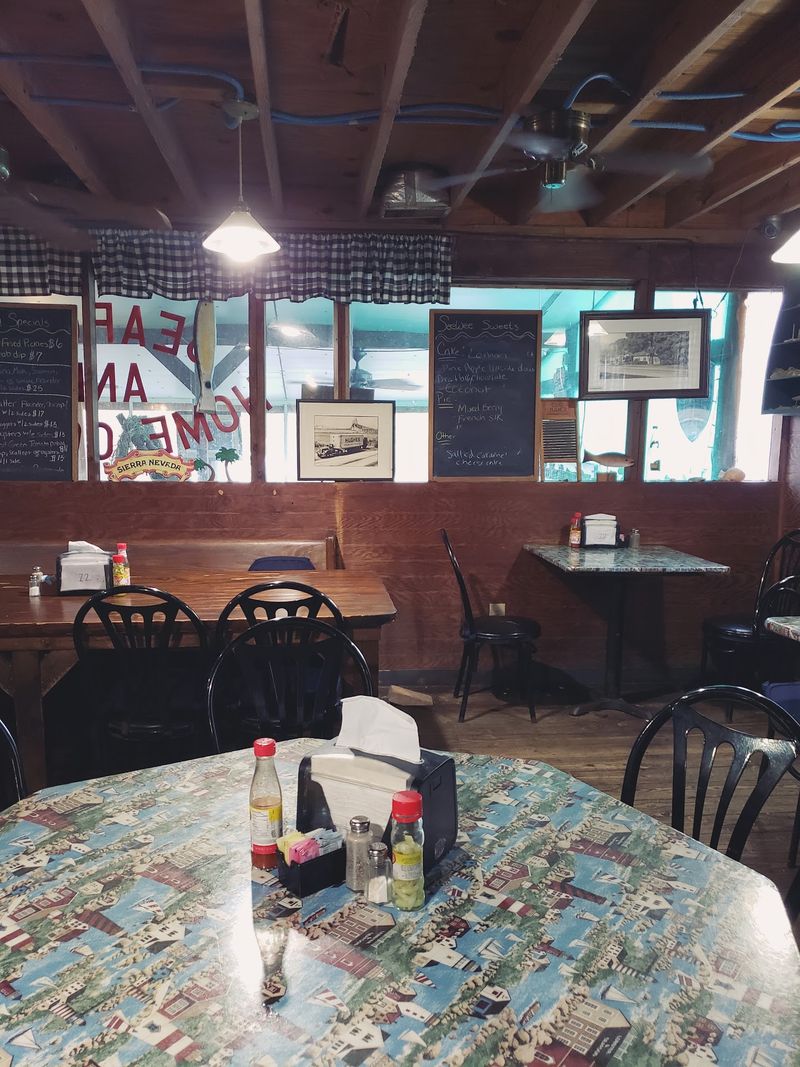
The old general-store setting on Highway 17 gives this Awendaw restaurant exactly the kind of history a roadside seafood stop should have. The building dates to the 1920s, while the restaurant itself has been serving Southern home cooking since 1993.
See Wee Restaurant keeps the menu closely tied to the Lowcountry with local shrimp, oysters, flounder, scallops, crab, fish, vegetables, and familiar Southern sides.
Seafood can be fried or grilled, which gives the old country-store room a menu that still belongs firmly to the coast.
The restaurant operates throughout the week and closes only for a small number of major holidays. That makes it one of the easier historic stops on this list to work into a drive north of Mount Pleasant.
The building’s earlier life matters because Highway 17 has changed enormously around it. A 1920s store surviving as a restaurant gives you a small piece of what roadside commerce looked like before modern strips and giant signs took over.
See Wee does not need fake vintage decor. The building already did the aging itself.
Address: 4808 N Hwy 17, Awendaw, SC 29429.
9. Kounter
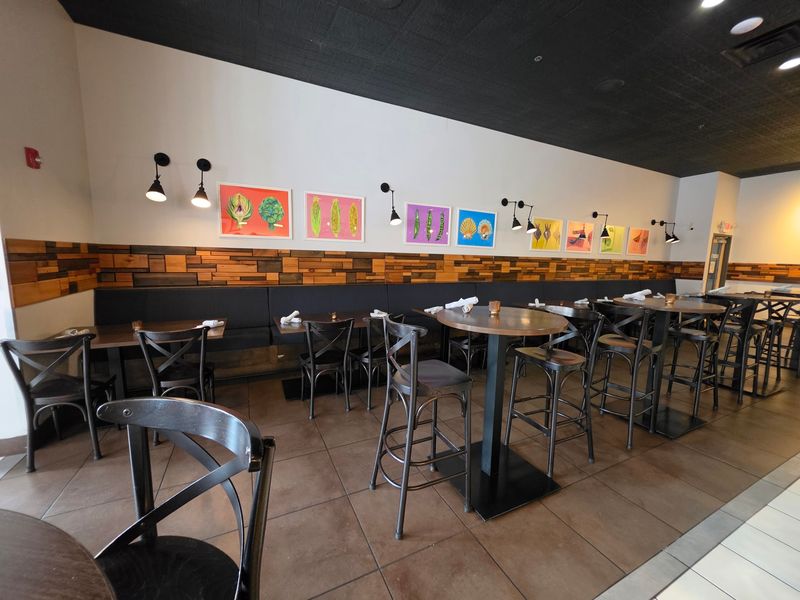
A modern restaurant occupies this Main Street space, but one part of the dining room predates the menu by decades. The original lunch counter from McCrory’s Five and Dime remains inside, preserved as a direct link to Rock Hill’s Civil Rights history.
On January 31, 1961, students and activists connected with Friendship Junior College challenged segregation by requesting service at a Rock Hill lunch counter.
Their protest led to arrests, and nine chose to serve their sentences rather than pay fines. The decision helped establish the “Jail, No Bail” strategy, which soon influenced civil rights protests elsewhere in the South.
Chef Rob Masone learned the full significance of the site while developing the restaurant and chose to restore the counter rather than cover it. Seats at the historic counter remain available to diners, and the restaurant incorporates the Friendship Nine story into the space.
Kounter opened in 2020 with a contemporary American menu, so the experience is not an attempt to recreate a 1960s diner. The food belongs to the present while the room refuses to erase what happened there.
That combination makes the restaurant different from every other stop on this list. At Kounter, history is not merely in the building. You can sit directly beside it.
Address: 135 E Main St, Ste 101, Rock Hill, SC 29730.
10. Lowcountry Produce Market & Café
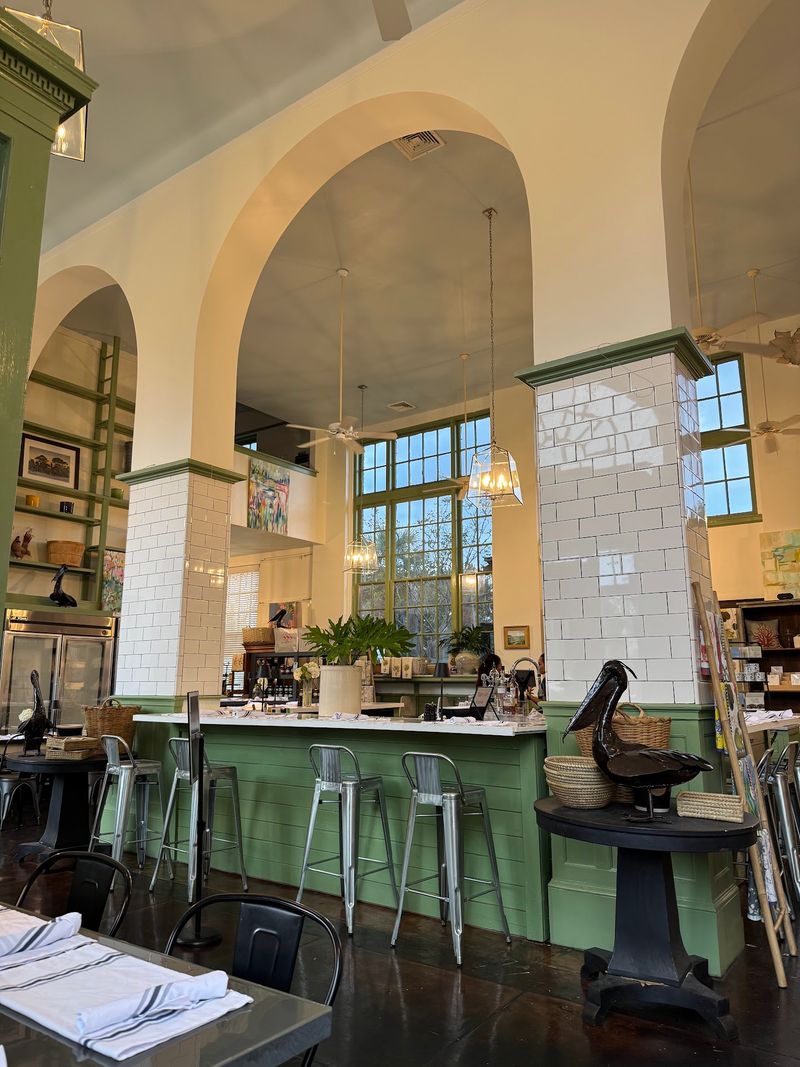
Breakfast and lunch happen inside one of Beaufort’s more interesting civic buildings. The structure at Carteret Street was built around 1917 as a United States post office and later served as Beaufort City Hall before Lowcountry Produce moved in.
The cafe and market opened in the restored building in 2012. Renovation work highlighted original architectural features including interior arches, tall ceilings, windows, and flooring uncovered during the project.
Lowcountry Produce Market & Cafe combines prepared food with a market selling pantry goods, baked items, preserves, sauces, pickles, and other Lowcountry products.
Breakfast begins in the morning, followed by lunch service, so this historic room works for an earlier stop than most of the dinner-focused restaurants on the list.
The South Carolina Department of Archives and History identifies the building as part of the Beaufort Historic District, which gives the address a documented place in the city’s architectural story rather than just an old appearance.
Walk in for a biscuit or sandwich and look up. Former post offices rarely get this much mileage out of their second careers.
Address: 302 Carteret St, Beaufort, SC 29902.