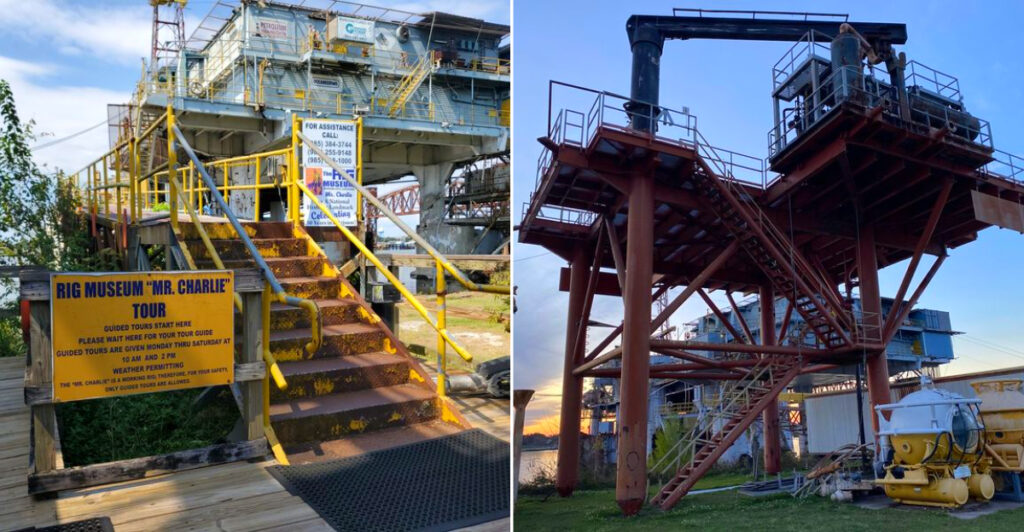
Nobody told me you could walk through an offshore oil rig. I found out by accident and drove there the next morning. It sits on the banks of the river, and from a distance it looks like it could still be operational.
Inside, you walk through crew quarters with narrow bunks and lockers barely wide enough for a duffel bag.
The galley feels like it could serve lunch at any moment. A Navy veteran designed this rig in the fifties, and every oil company turned him down before a small independent from Arkansas said yes.
They named it after the backer’s father. It drilled hundreds of wells before the water got too deep, and now it sits here, open to anyone willing to climb the stairs. The only museum built inside a real offshore drilling rig is open for tours on the banks of the Atchafalaya River in Louisiana.
Wear Shoes That Respect The Rig
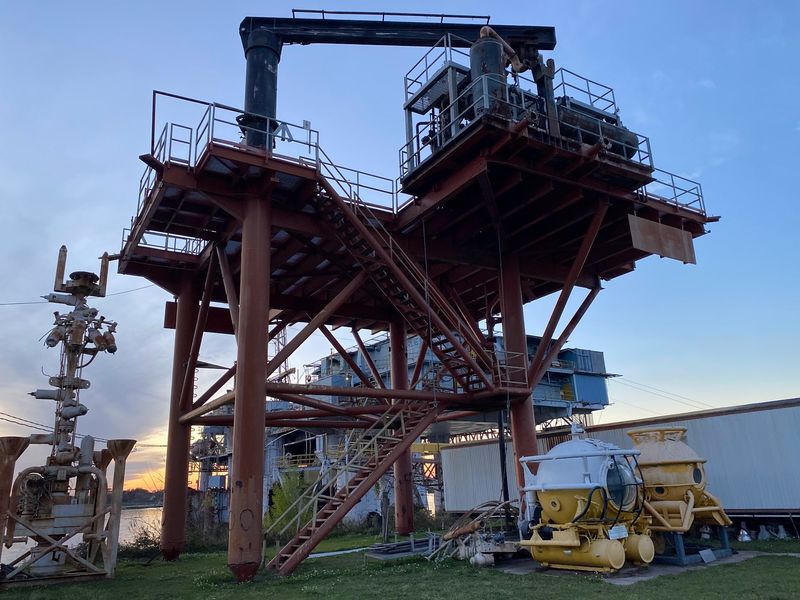
Steel grating has a way of ending all fashion debates. On Mr. Charlie, the right shoes matter more than you might guess because the tour includes steep stairs, outdoor sections, and surfaces that feel true to the rig’s working past.
Closed-toe shoes with solid grip are the smart move. Sandals, slippery soles, or anything loose can make you pay too much attention to your feet and not enough to the museum around you.
The pathways are part of the experience, not a polished theme-park version of one.
Comfort helps, too, since guided visits often last about 60 to 90 minutes. If you dress like you are going to climb around a giant piece of industrial history, you will enjoy it far more than if you arrive dressed for lunch downtown.
First Street Ends At A Full-Size Oil Rig
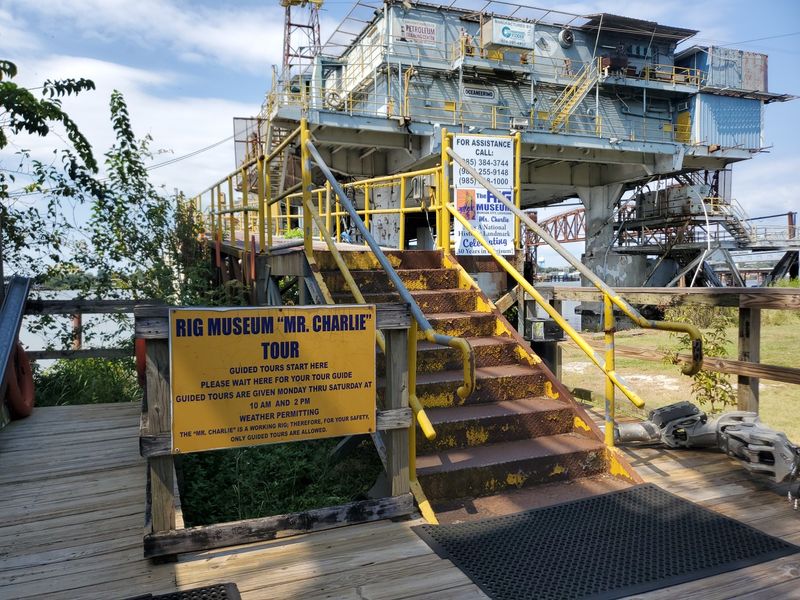
Mr. Charlie and the International Petroleum Museum sit at 111 First Street in Morgan City, Louisiana, directly on the Atchafalaya River waterfront. US-90 is the main approach into Morgan City, with downtown streets leading south toward the riverfront and First Street.
Once you reach downtown, head toward the river and follow local streets to First Street. The towering offshore rig rises above the waterfront, making the final destination much easier to spot than an ordinary museum storefront.
Continue to 111 First Street and use the visitor parking around the museum property before walking toward the rig entrance. Guided public tours board Mr. Charlie from this riverfront site.
Aim For A Guided Tour Time
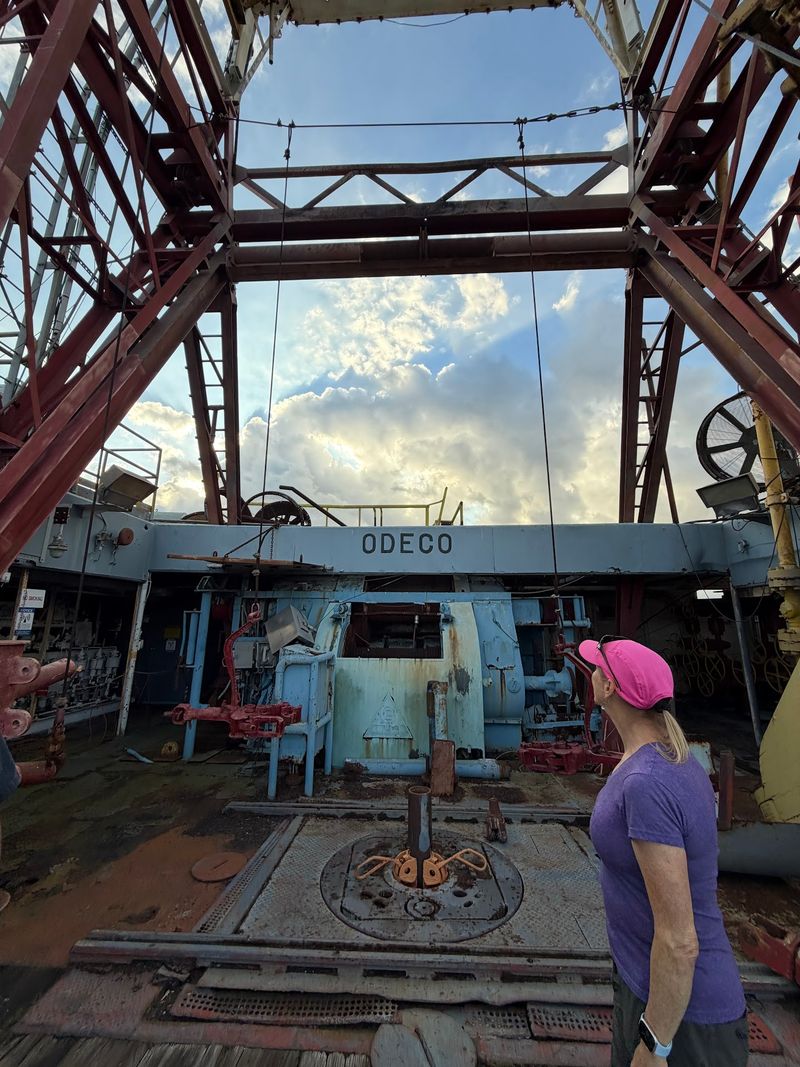
The rig feels impressive on its own, but the guide is what turns it from big metal into a living story. Tours are typically guided, and that matters because offshore drilling equipment can look baffling until someone explains what each part did and why it mattered.
Current posted hours show the museum open from 10 AM to 12 PM Monday through Saturday, with tours often associated with the 10:00 AM slot. Some visitor accounts also mention a 2:00 PM tour, so checking ahead is the safest plan.
Call before you go if your schedule is tight or the weather looks rough. Once the explanation starts, the rig becomes easier to read, and details that first seemed overwhelming begin to click into place in a surprisingly friendly, understandable way.
Expect The Scale To Sneak Up On You
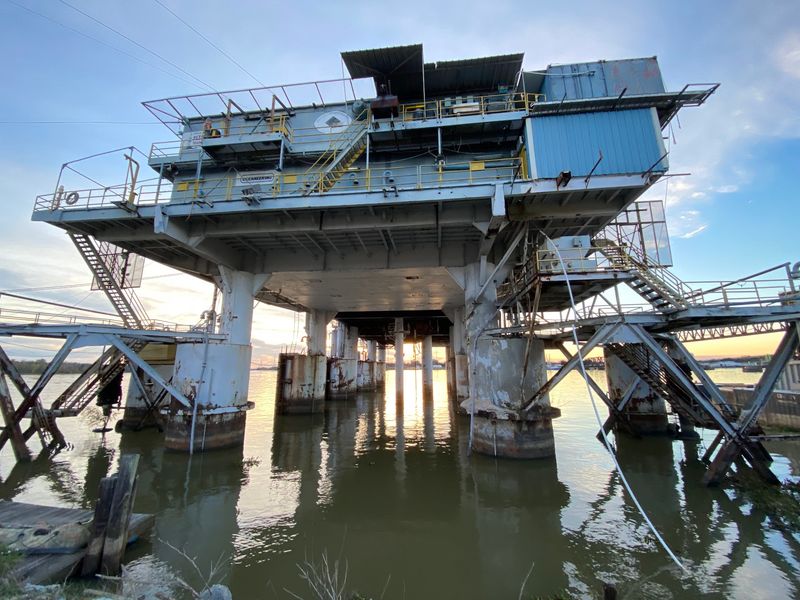
Photographs prepare you a little, but not enough. Standing beside Mr. Charlie, you start to understand the size in a physical way.
The rig measures about 220 feet long and 74 feet wide, with a wider pontoon base that helped it work offshore.
Its platform stood high above the barge, supported by large legs that also carried services through the structure. That practical design is part of what made the rig so groundbreaking when it began operating in 1954 for Shell in East Bay near the Mississippi River’s mouth.
Give yourself time outside before rushing in. Walk around, look up, and notice how much of the rig was built for toughness rather than beauty.
Then, almost against its will, the place becomes beautiful anyway.
Notice How Work And Home Shared Space
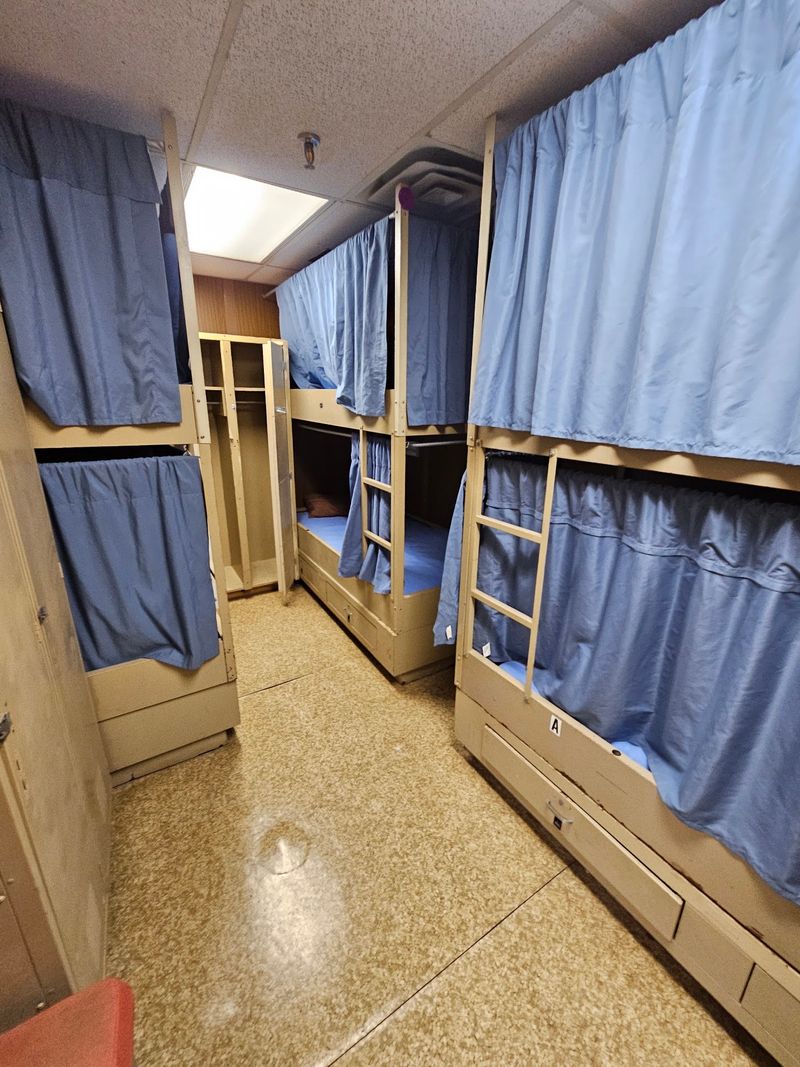
One of the strangest parts of the visit is how quickly the rig shifts from machinery to everyday life. A few steps can take you from drilling equipment to crew spaces, and that contrast says a lot about what offshore work demanded.
Mr. Charlie once supported a crew of around 58 people and had to function like a self-sufficient island. It generated electricity, handled communications, managed waste, and stored food and water for extended time away from shore.
That mix of engineering and routine survival is easy to miss if you only focus on the dramatic hardware.
I kept thinking about meals, sleep, noise, and weather, all packed into one floating workplace. Look closely at the galley and living areas.
They make the human side of offshore history much easier to picture and remember.
Bring Curiosity, Not Technical Knowledge
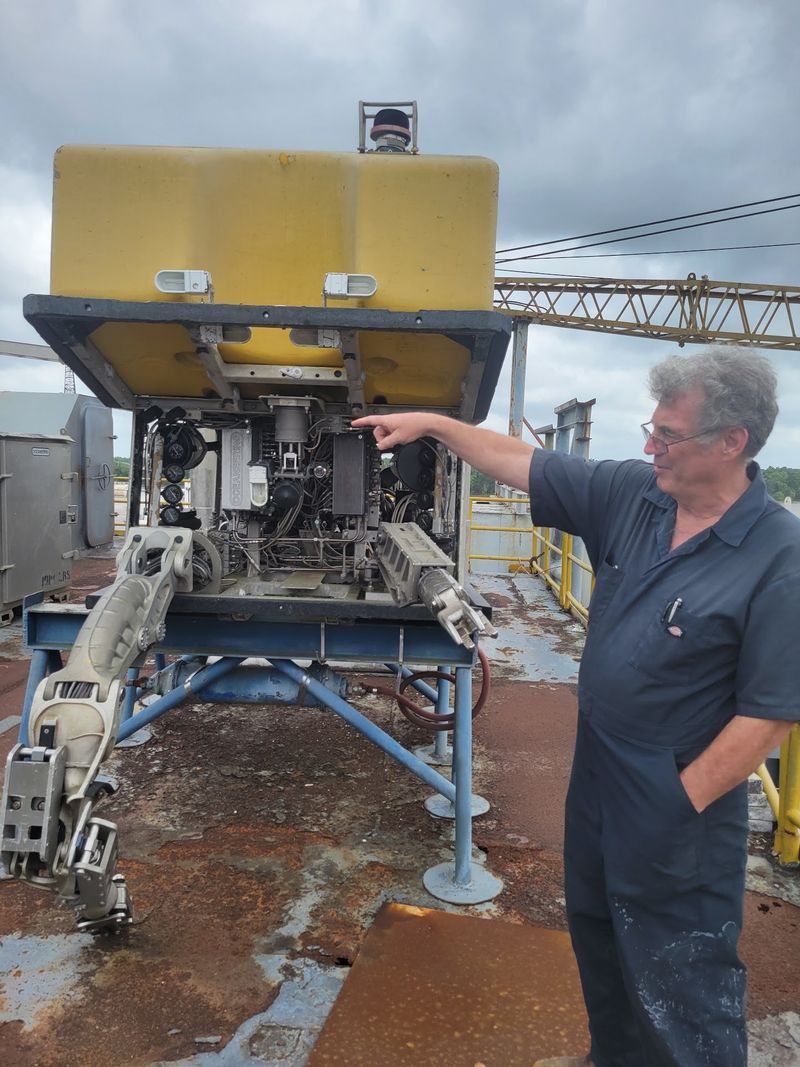
You do not need an engineering brain to enjoy this place. In fact, arriving with simple curiosity may be better, because the tour works best when you let yourself ask basic questions about drilling, living offshore, and how a rig like this even stayed useful.
Guides often explain the equipment in clear language and may even let visitors handle items such as drill bits or other offshore tools. That hands-on element breaks the ice fast.
Suddenly, ideas that seem abstract on land feel concrete, heavy, and practical in your hands.
The museum is strong at turning a specialized industry into something ordinary people can follow. If a part looks confusing, ask.
Mr. Charlie rewards questions, and the answers usually open a wider view of Gulf history, labor, and invention than you expected.
Treat Weather As Part Of The Visit
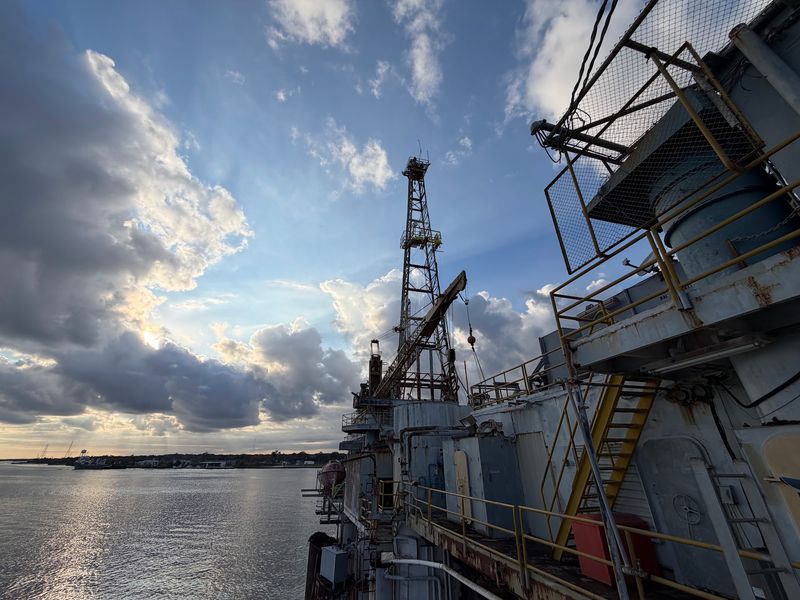
Louisiana weather can turn a simple outing into a full personality test. Since part of the Mr. Charlie tour happens outdoors, heat, humidity, wind, or rain can shape your experience more than you expect.
The rig is authentic, which means it does not cocoon you from the elements.
Dress in light layers if the forecast is uncertain, and bring water for before or after the tour. Morning visits can feel easier in warm months, especially on exposed metal walkways.
Weather may also affect tour operations, so a quick phone call before driving over is wise.
Oddly, the outdoor air helps the place make sense. You feel the openness, the height, and the river nearby, and the rig stops being a museum object and starts feeling like a workplace with real physical demands.
Look For Morgan City’s Bigger Story
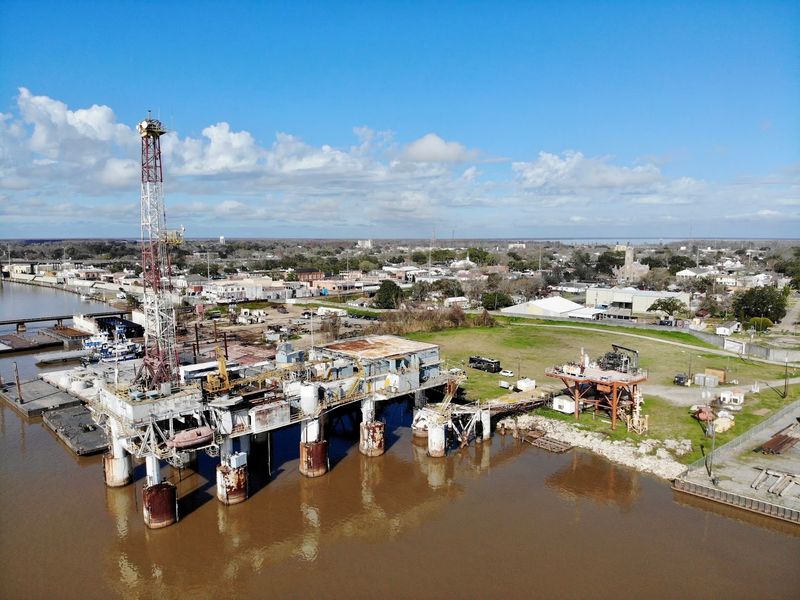
Aboard Mr. Charlie, the museum is only half the subject. The other half is Morgan City itself, a place deeply tied to offshore energy and often called the Offshore Capital of the World.
That local identity gives the rig a stronger sense of place than many industrial museums manage.
The museum preserves more than machinery. It also keeps alive the story of the people, ideas, and persistence that helped launch modern offshore drilling from Louisiana’s Cajun Coast.
You can feel that regional pride without needing anyone to spell it out in giant letters.
After the tour, spend a few minutes taking in the waterfront setting instead of rushing off. The river, the industry, and the town fit together here.
Seeing all three at once makes the museum feel less isolated and much more meaningful.
Plan Around The Rig’s Real Physicality
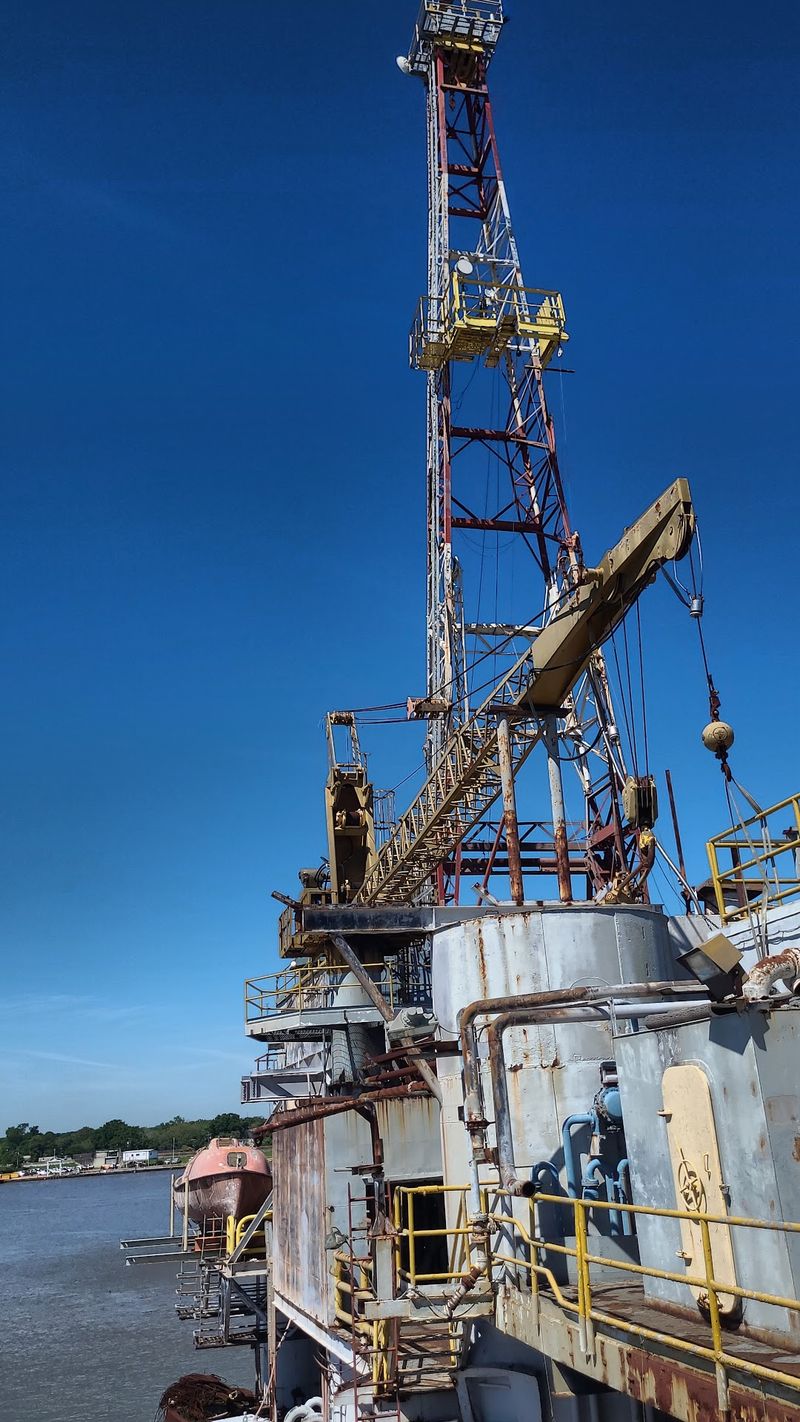
No one has softened the rig into an easy stroll, and that honesty is part of its charm. Steep steps, narrow passages, and elevated areas remind you that Mr. Charlie was designed for work first, not sightseeing.
Visitors with mobility concerns should know that ahead of time.
The museum experience is strongest when you treat it like an active tour rather than a passive exhibit hall. Use handrails, move carefully, and leave extra time so you never feel rushed.
If you are visiting with kids, keep them close during stair sections and deck transitions.
There is something refreshing about a museum that trusts the original structure to speak for itself. The trade-off is effort, but the reward is authenticity.
You are not pretending to visit an offshore rig. You are actually moving through one.
Give Yourself Time For The Human Details
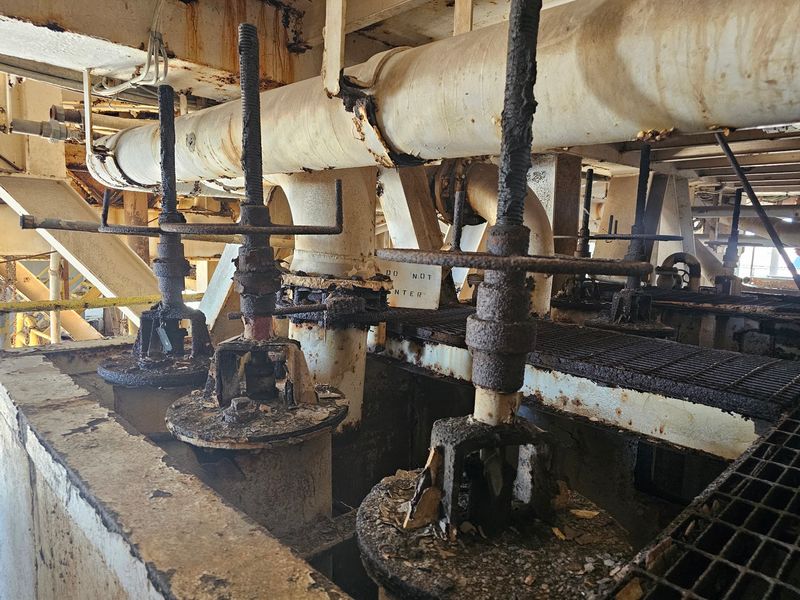
Big machinery grabs attention first, yet the small signs of daily use often stay with you longer. Worn surfaces, compact work areas, control points, and plain practical fittings hint at repetition, skill, and the kind of patience offshore life must have demanded.
Mr. Charlie drilled hundreds of wells during its long career and accumulated more than 2.5 million feet of cumulative depth before retirement. Facts like that are impressive, but they land harder when you connect them to the people who operated the rig day after day in tight, noisy spaces.
Slow down enough to notice texture, not just scale. A museum like this can tempt you to keep moving toward the next dramatic platform, but the overlooked corners often explain the place best.
They reveal labor, routine, and ingenuity in very human proportions.
Call Ahead And Keep Your Expectations Flexible
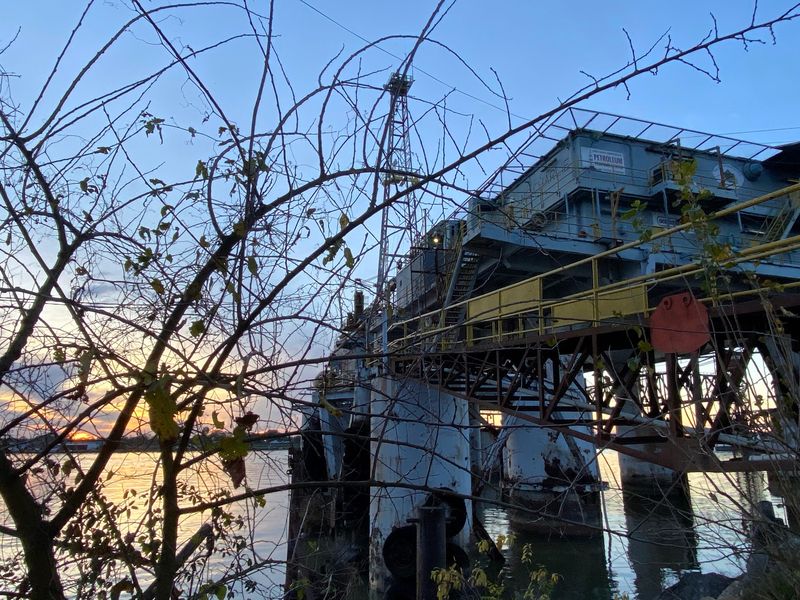
A little flexibility goes a long way here. The museum is not a giant attraction running endless timed entries all day, and that is part of why it feels personal.
Hours can be limited, weather matters, and guided tours shape the experience more than a drop-in wander would.
The best practical move is simple: call ahead at (985) 384-3744 or check rigmuseum.com before heading over. For small groups, advance reservations may not always be necessary, but confirming the latest tour timing can save confusion. The posted address is 111 First St in Morgan City.
That extra bit of planning pays off. Instead of arriving uncertain, you show up ready to focus on the rig itself, which is where your attention belongs.
Mr. Charlie is unusual enough that it deserves a visit planned with a little care and curiosity.