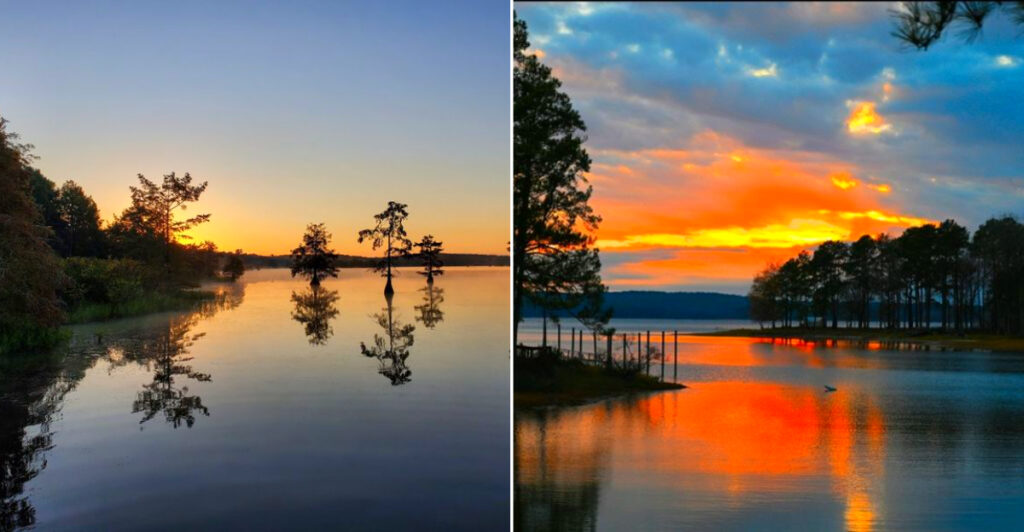
The sky does not get this dark in the city. I have driven an hour and a half just to see stars I forgot existed, and a lunar eclipse makes that drive worth it twice over.
On the night of August 27–28, 2026, Louisiana will get a clear look at a deep partial lunar eclipse, with the partial phase beginning at 10:12 p.m. CDT on August 27 and continuing past midnight.
Louisiana has state parks that sit on reservoirs and lakes where the horizon opens up in every direction, and that is exactly what you need when the moon starts to move through Earth’s shadow. Some parks are so remote that your phone loses signal before you reach the entrance.
Others are close enough to town for a quick dinner first. One has cabins built on stilts over the water, and watching an eclipse from a porch like that is an experience I will not forget.
With the eclipse unfolding late Thursday night and into the early hours of Friday, these quieter corners of Louisiana offer plenty of room to settle in and watch the sky change.
Louisiana state parks with dark skies and open horizons make the lunar eclipse feel like the sky is performing just for you.
13. Poverty Point Reservoir State Park
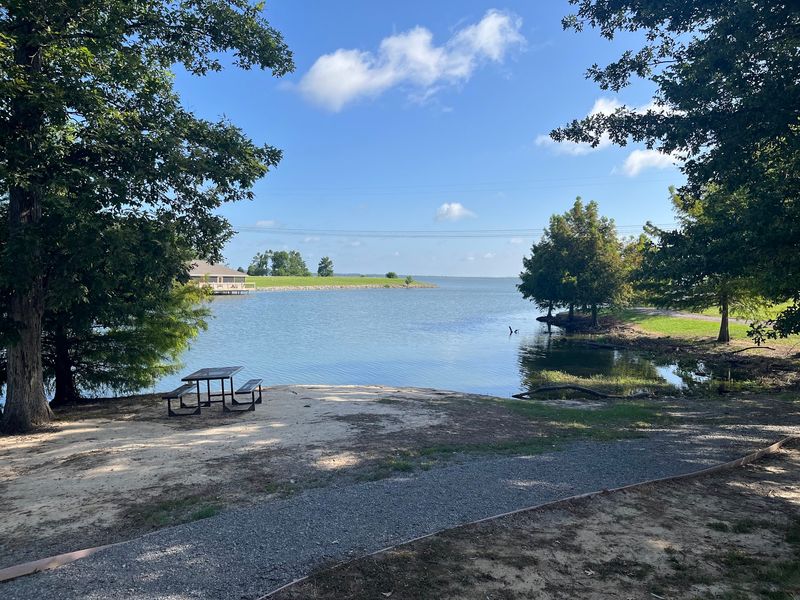
Sunset gets a long runway at Poverty Point Reservoir State Park, and that matters when you are waiting for the moon to slip into shadow. The park sits at 1500 Poverty Point Pkwy in Delhi, beside a broad 2,700-acre reservoir where tourism materials specifically highlight stargazing.
Flat delta country helps here, too, because the horizon feels open instead of boxed in by tall hills or city glare.
Bring a camp chair, bug spray, and binoculars if you have them. Water often holds the last light, which makes the first dark hour feel softer and stranger in the best way.
During migration seasons, you may also catch silhouettes of ducks, geese, or pelicans crossing the fading sky. For eclipse night, aim for a shoreline spot with a clear eastern and southeastern view and arrive before dusk for parking and setup early.
12. Lake Claiborne State Park
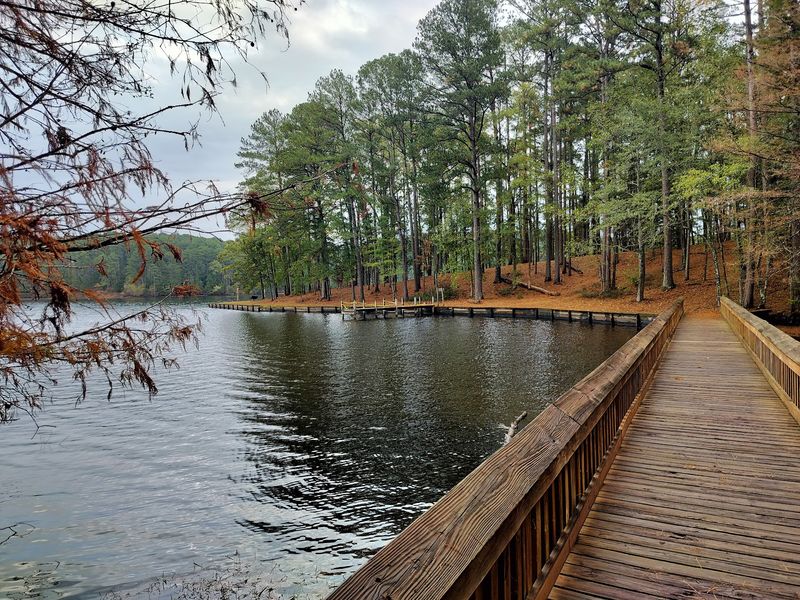
Clear water is not the first thing many people expect in Louisiana, which is why Lake Claiborne feels like a pleasant plot twist. At 225 State Park Rd in Homer, the park wraps around a 6,400-acre spring-fed lake, with piney hills that give north Louisiana a different mood from the marshes farther south.
By evening, the whole place seems to exhale, and the darker sky becomes one of its biggest strengths.
Spend the afternoon walking, fishing, or trying one of the disc golf courses, then settle near the shoreline before moonrise. I like parks where the daytime activity naturally slides into night watching, and Claiborne does that well.
Bring a red-light flashlight so you can move around without ruining your night vision. On eclipse night, quieter coves and open picnic areas usually give the cleanest view overhead and across the water.
11. North Toledo Bend State Park
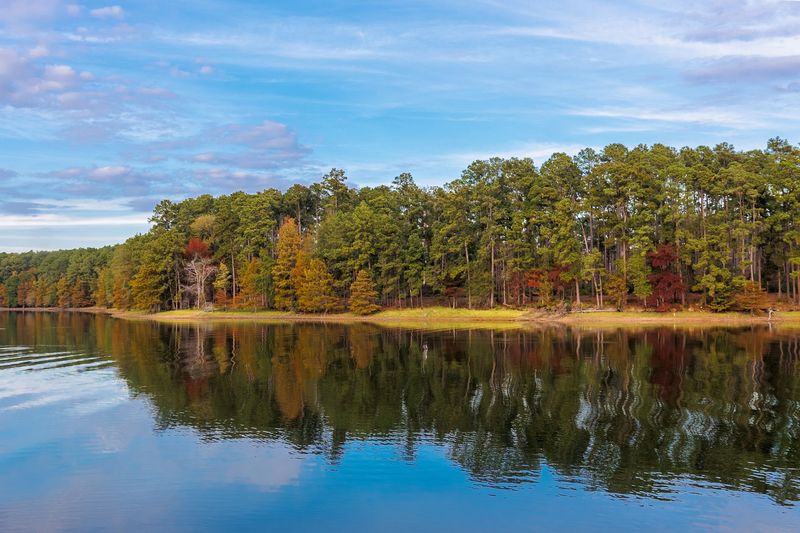
North Toledo Bend State Park has the kind of high overlook that makes you stop talking for a second. Found at 2907 North Toledo Park Rd in Zwolle, it sits above one of the nation’s largest man-made reservoirs, with rolling pine forest, ravines, and long views over the water.
That mix is useful for a lunar eclipse because open sightlines matter, and the reservoir creates a broad, uncluttered edge under the sky.
Bald eagles are sometimes spotted here, which somehow suits a night built around looking up. Trails and observation areas give you options, but I would choose an overlook before full darkness and stay put once your eyes adjust.
Pack water, a blanket, and a portable charger, since waiting comfortably is half the experience. If clouds stay thin, the moon reflected in Toledo Bend may turn the evening memorable.
10. South Toledo Bend State Park
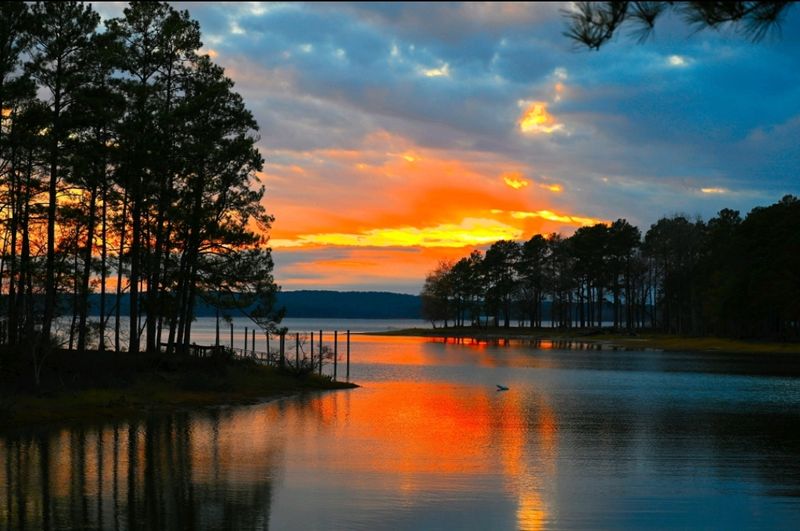
Bluffs give South Toledo Bend State Park a bit of theater before the show even starts. At 120 Bald Eagle Rd in Anacoco, the park looks out across Toledo Bend Reservoir, the largest man-made lake in the South, and those raised viewpoints are excellent for watching the moon climb.
You do not have to be an astronomy expert to notice how much easier skywatching feels when trees are not crowding the horizon.
Fishing made this park famous, and off-road trails give it extra energy during the day, but evening settles down nicely. The area is also known for bald eagle nesting, which adds another reason to keep binoculars close.
Choose a bluff or open lakeside area and get there early, especially if the weather is clear. Once the eclipse deepens, the dark water below can make the sky feel larger.
9. Chemin-A-Haut State Park
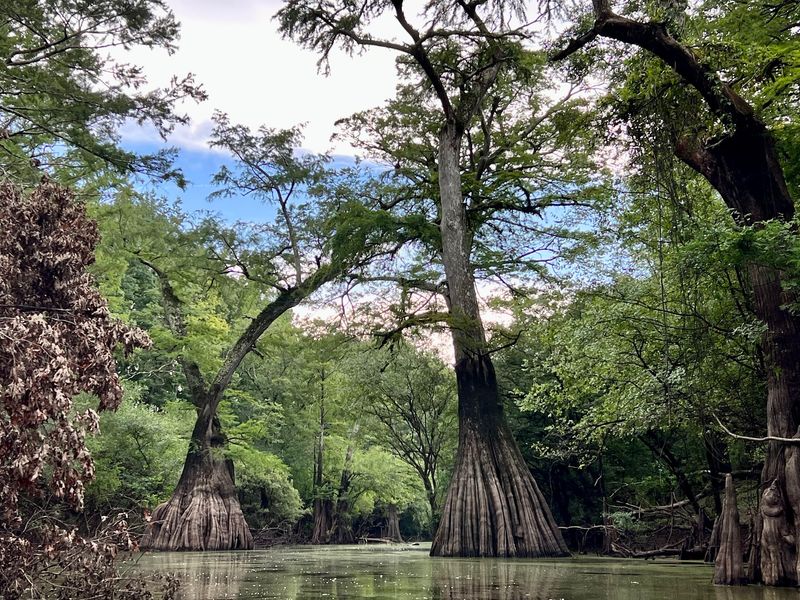
Chemin-A-Haut means high road, and the name fits as soon as you reach the bluffs above Bayou Bartholomew. The park, at 14656 State Park Rd in Bastrop, has a quieter, older feeling than some bigger lake parks, with hardwood forest, elevated views, and a strong sense of history tied to Native American travel routes.
For eclipse watching, that higher ground is the real advantage.
The place also holds one of Louisiana’s wonderful oddities, the huge Castle Tree, an ancient cypress with a cave-like opening. You could spend daylight hours birding, paddling, or simply wandering, then return to an overlook as twilight fades.
I would bring a light jacket even in warm weather because still nights near water can feel cooler than expected. If you want a moonwatching spot with personality instead of sheer size, this park delivers it gently beautifully.
8. Lake D’Arbonne State Park
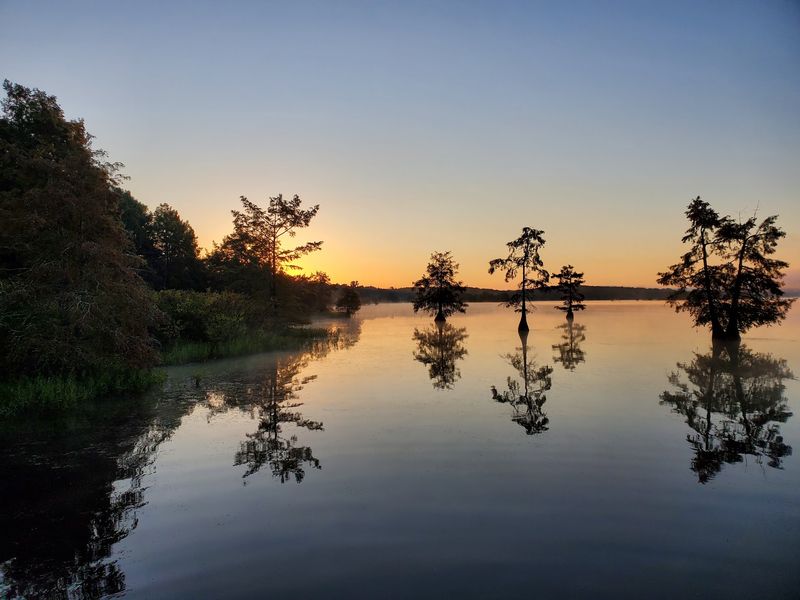
Tree trunks rising from Lake D’Arbonne can look almost like stage props at dusk, which is one reason the shoreline photographs so well. The park sits at 3628 Evergreen Rd in Farmerville beside a 15,250-acre lake, surrounded by pine forest and rolling hills that keep the setting calm without feeling dull.
That broad water-and-sky combination makes eclipse viewing easier, especially where the shore opens wide.
Anglers know the lake for freshwater fishing, while visitors sometimes remember it for the state park’s lighted tennis courts, an unusual extra in such a woodsy place. For a lunar event, though, simpler is better.
Find an open bank, bring insect repellent, and let your eyes adjust before the shadow starts. The stillness here sneaks up on you.
By the time the moon darkens, the park can feel like a room where everyone stopped whispering.
7. Jimmie Davis State Park
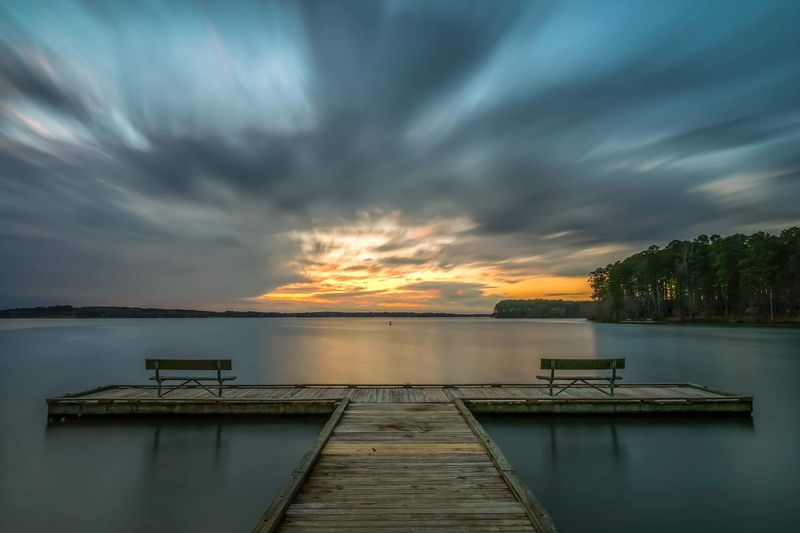
A sandy beach beside clear water is not the image many people carry around for Louisiana, yet Jimmie Davis State Park proves otherwise. Located at 1209 State Park Rd in Chatham on a peninsula of Caney Lake, the park pairs open water with hilly upland forest, so you get a roomy sky without losing that tucked-away feeling.
It is named for former governor and singer Jimmie Davis, which gives the place a extra character.
Caney Lake is famous with anglers, especially for largemouth bass and redear sunfish, but eclipse watchers get their reward after dark. A beach or shoreline here is helpful because you can avoid tree cover and settle in comfortably.
I would arrive before sunset, then stay through moonrise. When the shadow starts taking its bite, the lake often mirrors enough light to make the scene feel dramatic.
6. Chicot State Park
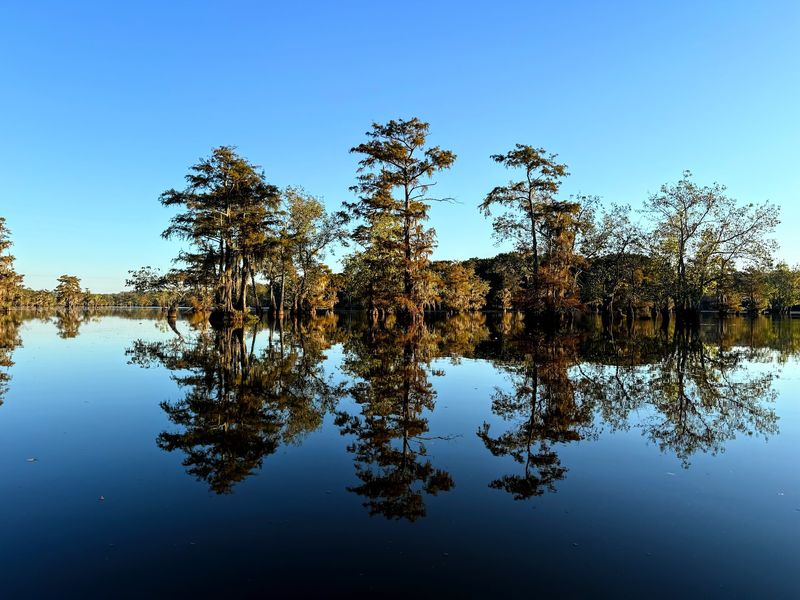
Louisiana’s largest state park has enough room to feel different from one corner to the next, and Chicot uses that well. At 3469 Chicot Park Rd in Ville Platte, the park spreads around a 2,000-acre lake with hills, swampy patches, and long stretches of forest.
That variety is pleasant by day, but for eclipse watching, the practical draw is simple: several open areas around the lake give you cleaner sky than deep woods would.
Wildlife moves through here in a way that keeps even a walk interesting, and the Louisiana State Arboretum adds another layer for anyone who loves native plants. You can hike or bike before dusk, then choose your viewing spot while there is light to get comfortable.
Bring a chair and a snack. Big parks can make night feel bigger too, and Chicot has that mysterious effect.
5. Lake Fausse Pointe State Park
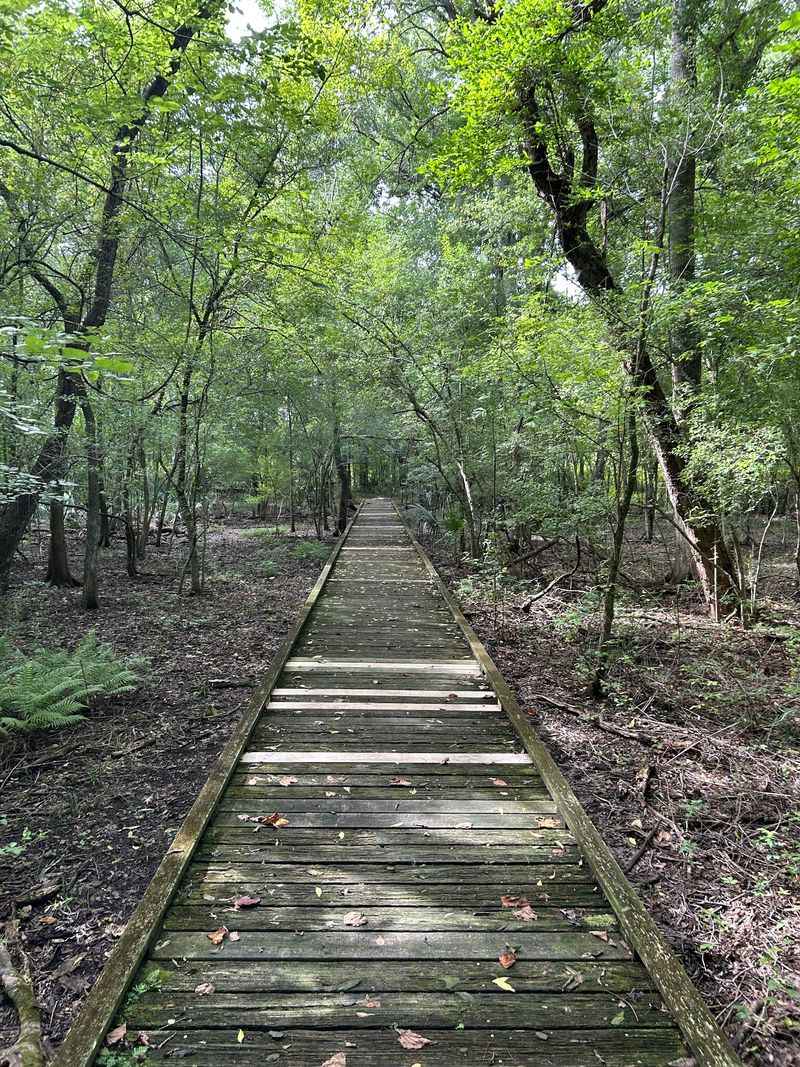
Boardwalks change the way you notice a swamp. At Lake Fausse Pointe State Park, 5400 Levee Rd in St. Martinville, they carry you through the Atchafalaya Basin’s cypress-tupelo world without asking you to fight mud at every step.
For eclipse viewing, that matters less than the open water and occasional clearings, but the setting adds a kind of hush that suits a moon event better than a busy campground ever could.
The park’s human story runs deep, from Chitimacha roots to Spanish, French, and Acadian connections, and that layered history seems to hang in the air. Birdlife is another draw, especially herons, egrets, and bald eagles.
If you go for the eclipse, scout your viewing area before dark and keep a flashlight handy for the walk back. Swamp nights can feel alive in direction, which makes the shadowed moon stranger.
4. Palmetto Island State Park
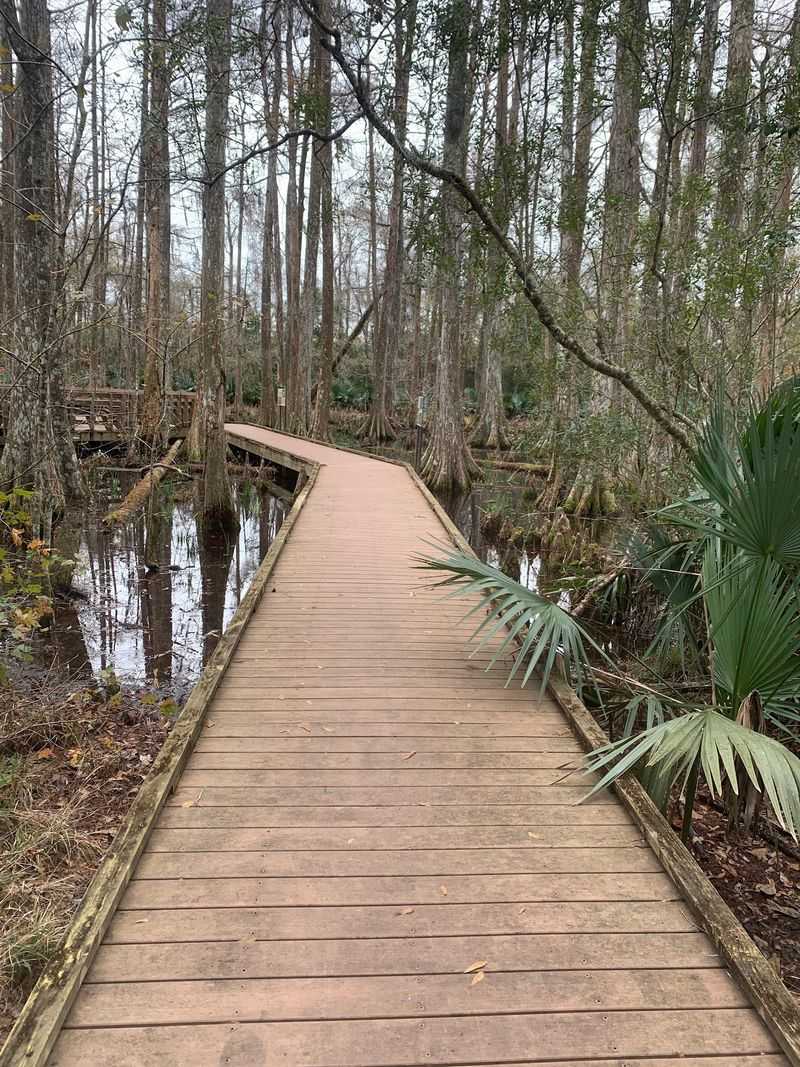
Dwarf palmettos give Palmetto Island State Park a look that feels tropical, as if the landscape borrowed a costume from farther south. The park at 19501 Pleasant Rd in Abbeville follows the Vermilion River and includes interior lagoons where paddlers can move quietly through thick greenery.
For eclipse night, those watery openings and a few pier areas matter more than the jungle-like edges, since they give the moon room to appear.
Opened in 2010, the park is one of the newer additions in the state system, and it still carries that fresh, planned feel. The Mississippi Flyway passes overhead, so birding is during migration seasons.
Come early enough to walk the boardwalks and note where tree cover breaks. I like places that surprise me, once in daylight and once after dark, and Palmetto Island pulls that trick without showing off.
3. Bogue Chitto State Park
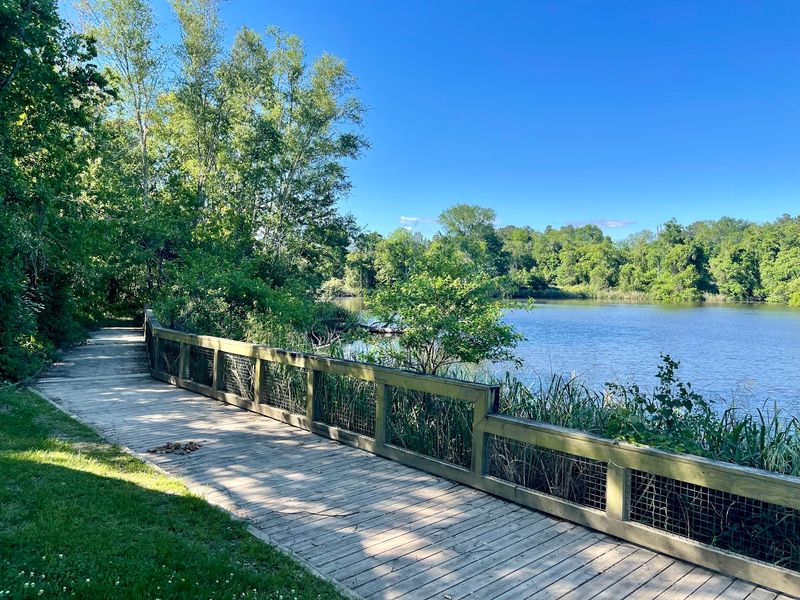
One of Bogue Chitto State Park’s surprises is that it does not behave like the landscape some visitors expect from Louisiana. At 17049 State Park Blvd in Franklinton, the park mixes river scenery with hardwood forest, cypress-tupelo swamp, and unexpectedly rolling ground.
That variety is great for adventure, but it also means you should choose your eclipse spot carefully and stick with open areas instead of heavily wooded sections.
The Bogue Chitto River is famous for tubing, and Fricke’s Cave adds a geologic note with sandstone features you can view from boardwalks. Mountain bikers and equestrians have plenty to do before sunset, which gives the park a lively rhythm.
After dark, though, it quiets down in a satisfying way. Bring insect repellent and check the moon’s path beforehand.
A river park under an eclipse can feel unsettled, in the sense.
2. Grand Isle State Park
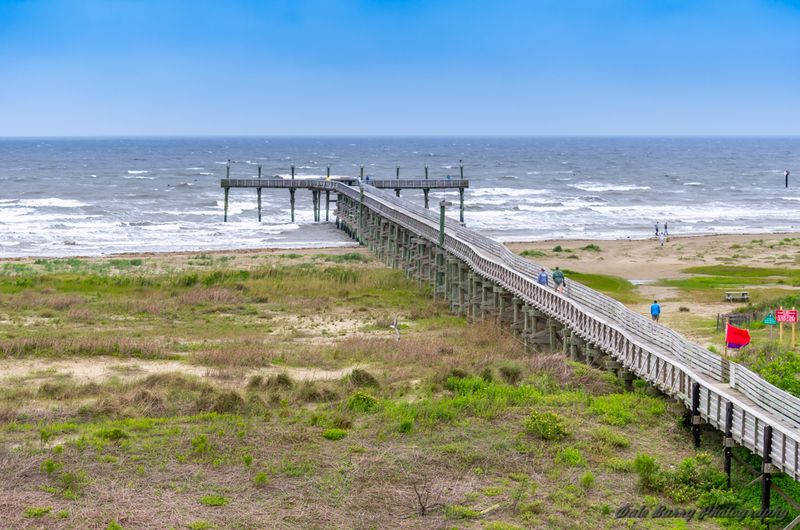
Salt air changes the mood of skywatching, and Grand Isle State Park proves it before you unfold a chair. At 108 Admiral Craik Dr on Louisiana’s only inhabited barrier island, the park offers beach, fishing pier, and open Gulf-facing views that feel suited to an eclipse.
There are fewer trees to block the horizon here, and the sense of exposure makes the moon seem a little more dramatic.
Birders know Grand Isle as a stop on the Mississippi Flyway, while anglers head for the pier and nearby waters. The observation tower adds another vantage point, and on clear nights the coast can feel astonishingly wide.
Wind may be your biggest challenge, so pack a light layer and secure loose items. If inland parks feel tucked in, Grand Isle feels out in the open, which is the charm on eclipse night.
1. Cypremort Point State Park
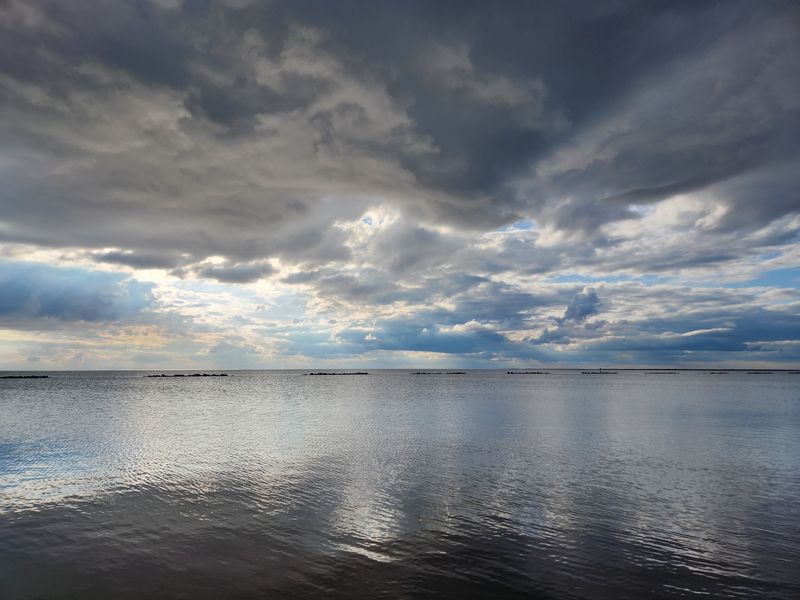
Where land gives way to Vermilion Bay, Cypremort Point State Park offers a coastal angle that feels different from the inland lake parks. The park at 306 Beach Ln in Cypremort Point is known for its half-mile man-made beach, fishing pier, and big water views, all of which help when you want an uncluttered look at the moon.
On eclipse night, that open horizon is the star feature.
The setting is breezy, salty, and restless, with boat traffic by day and a calmer rhythm after sunset. I notice how wide the sky feels here, as if the clouds have more room to think.
Bring a jacket in case the bay wind picks up, and check tide and weather before you go. If you prefer moonwatching with a coastal soundtrack instead of forest silence, Cypremort Point makes a closing choice.