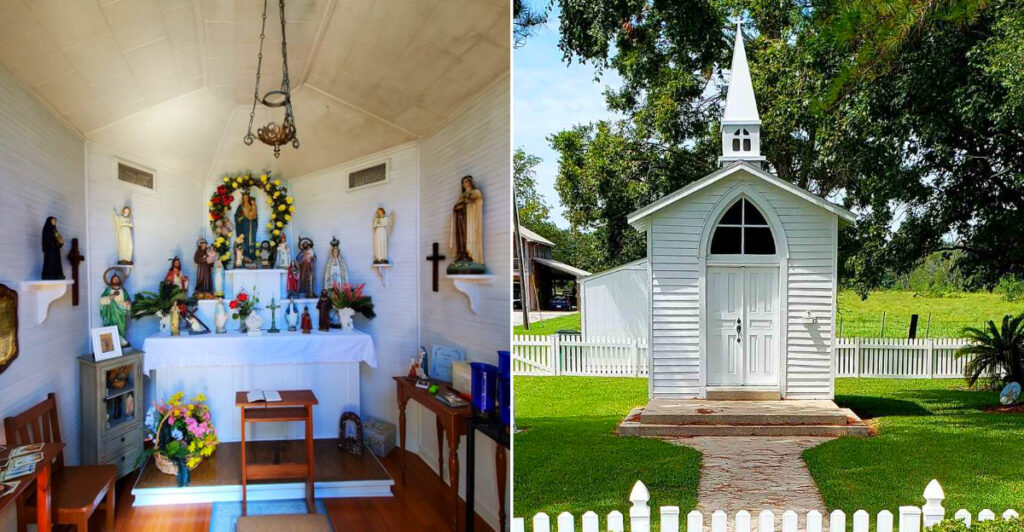
Nine feet by nine feet, and every single inch of it means something. The chapel sits along River Road near White Castle, built in 1903 by a mother who prayed for her son’s recovery and kept her promise when he got better.
I stood inside it and could barely turn around without brushing the walls.
Two people fill it. Three is a crowd. Mass is held here once a year on August fifteenth, and people come from miles around to attend something that should not work in a space this small but somehow does.
The stained glass catches the Louisiana sun and throws colors across walls that feel like they are holding a secret. I have visited churches on five continents, and none of them made me feel what this one did.
It is the most convincing argument for faith I have ever stood inside.
Learn The Promise That Started It All
Every unusual landmark has a story, but this one begins with a father’s vow. Madonna Chapel was built in 1902 or 1903 by Anthony Gullo, an Italian farmer who promised to honor the Blessed Virgin Mary if his seriously ill son recovered.
That origin gives the chapel a tender, human beginning.
Knowing that history changes the visit. What looks tiny from the road becomes a physical sign of gratitude, made not for show but for devotion.
Before you leave, pause and remember why it was built. The chapel is easy to admire as a roadside oddity, yet its true meaning comes from love, worry, relief, and a family choosing to mark hope with wood, prayer, and persistence.
River Road Shrinks Down To Nine Feet
Madonna Chapel is located at 28527 LA-405 near White Castle, Louisiana, along the west bank of the Mississippi River. LA-405 is part of the Great River Road route linking Plaquemine, Bayou Goula, and White Castle, so the highway itself provides the final approach.
Stay on LA-405 through the rural riverfront landscape toward the 28500 block. The chapel is a tiny white roadside structure, so slow down as you approach rather than expecting a large church complex or prominent entrance.
Pull off only where it is safe and permitted near the chapel, then finish the short approach on foot to the white picket-fenced grounds. There is no large formal visitor complex here, just the chapel directly beside River Road.
Look Closely At The Cypress Craftsmanship
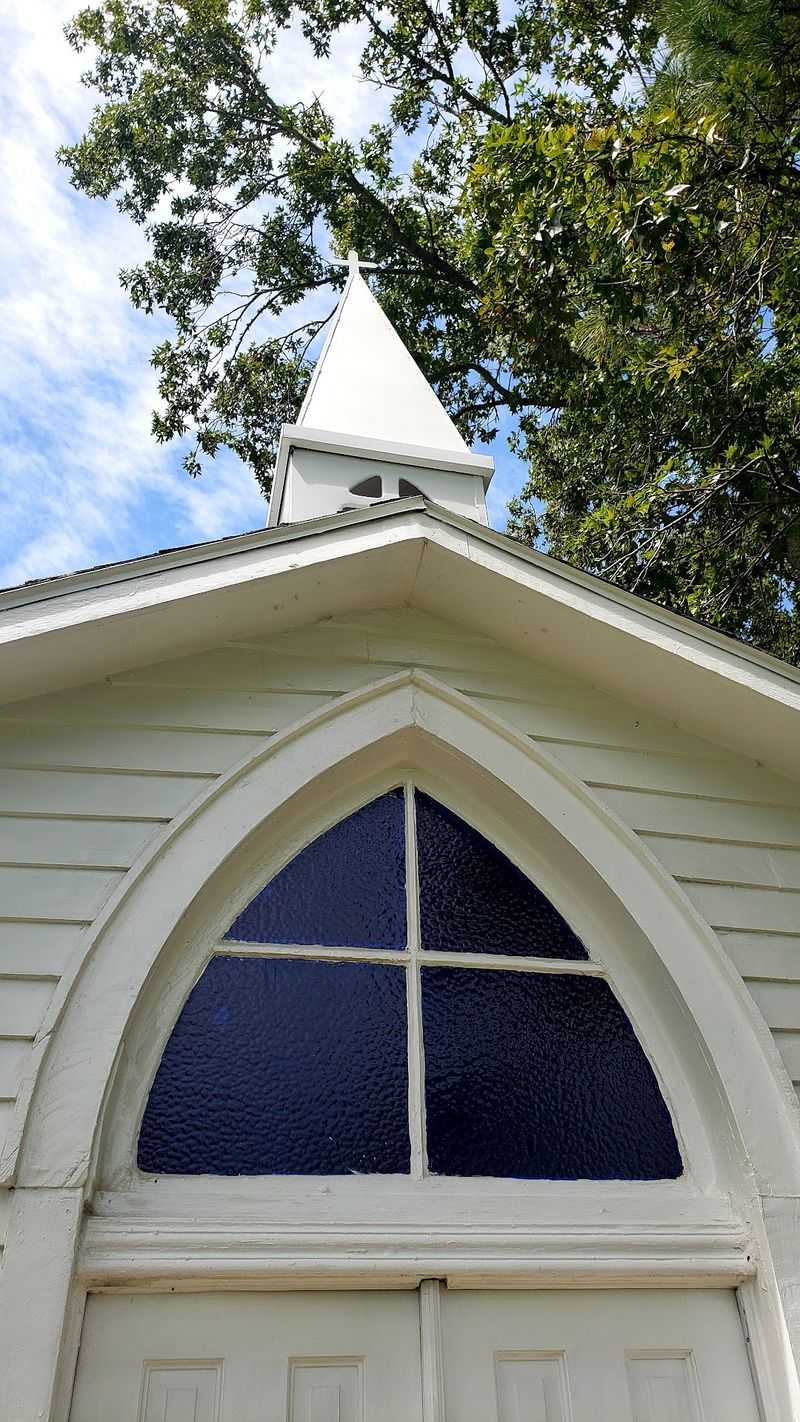
From a distance, the building looks plain, almost shy. Move closer, though, and the chapel starts to reveal careful workmanship, especially in its cypress construction and modest proportions.
Nothing feels oversized or decorative just for effect, which makes the craftsmanship easier to appreciate.
The structure standing today is not exactly the first version. The original chapel was smaller, about seven feet by seven feet, and octagonal before it was rebuilt and enlarged after levee construction in 1924.
I like studying the edges, roofline, and tiny tower because they show how a simple design can still carry character. Keep your camera ready, but also spend a minute looking with your own eyes.
Small buildings reward close attention more than sweeping glances do.
Plan For A Quiet Stop, Not A Long Tour
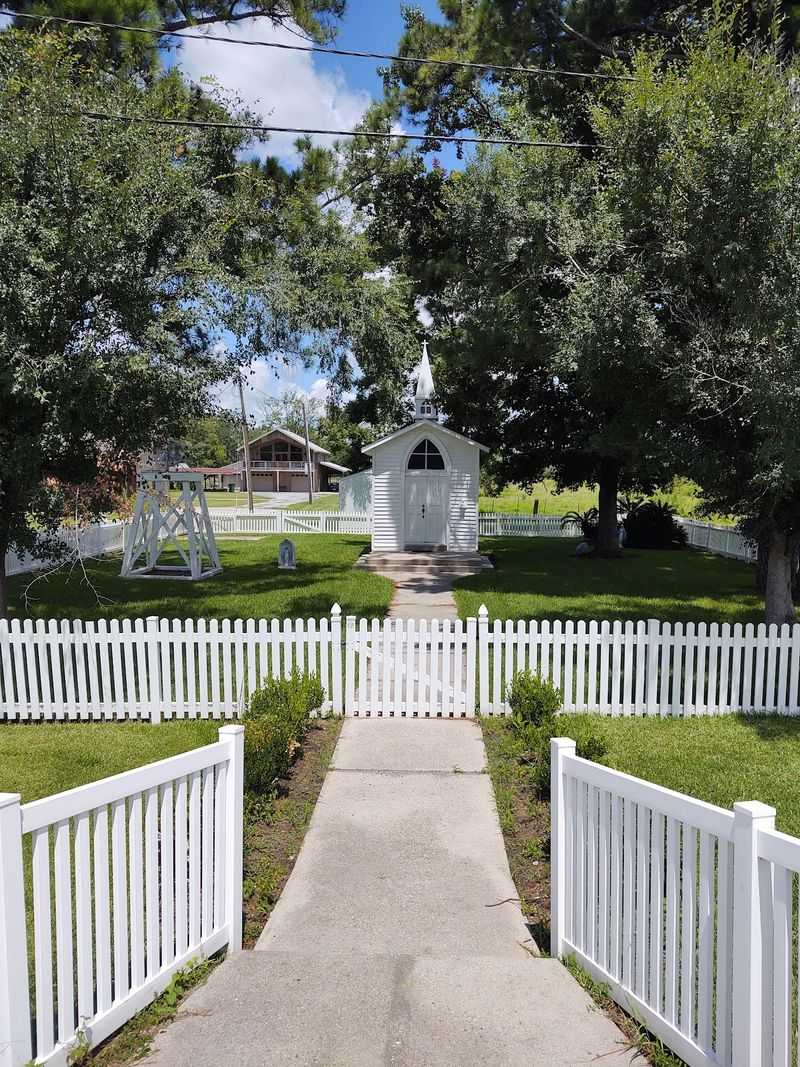
Some places are built for long itineraries. Madonna Chapel works better as a thoughtful pause, the kind of stop that resets your day without demanding hours.
Because the chapel is tiny and the grounds are modest, most visits are short, but short does not mean shallow here.
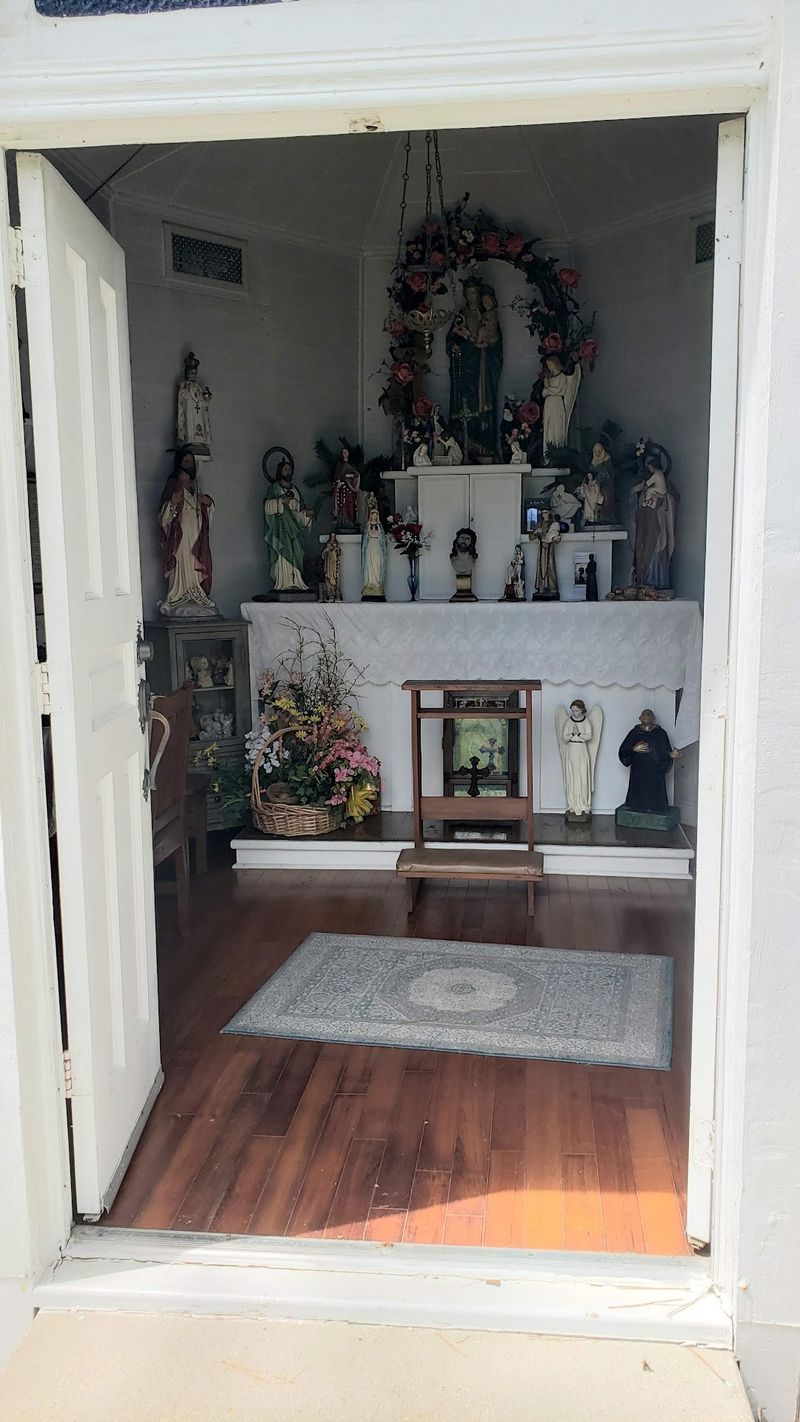
The best approach is simple. Give yourself enough time to stand still, step inside if open, sign the guest book if available, and take in the quiet atmosphere without hurrying back to the car.
Current place listings show daily afternoon hours, but small historic sites can change, so check before going. Bring respectful expectations.
You are visiting an active devotional place, not a staged attraction with exhibits, crowds, or elaborate visitor services.
Check The Mailbox Before You Give Up
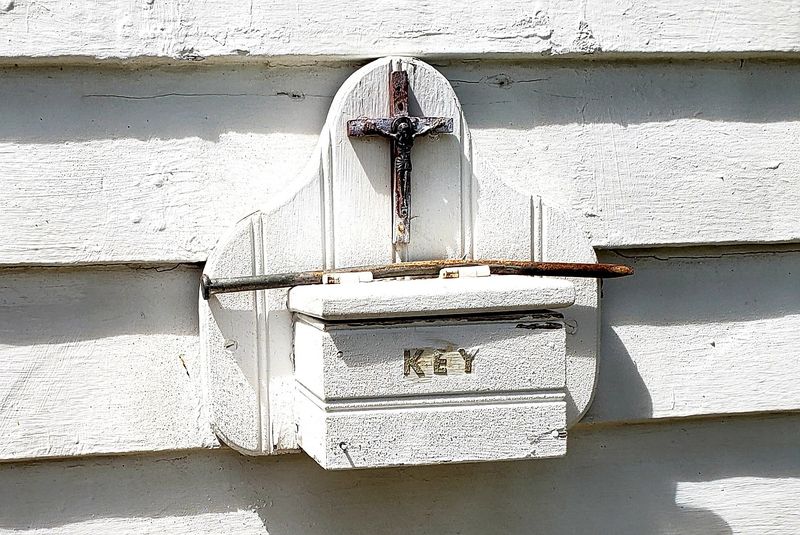
Here is one of the chapel’s most charmingly old-fashioned details. Visitors have often found a small key in a nearby mailbox, allowing entry for personal prayer or quiet reflection.
That little system feels almost like a trust exercise between the chapel and the world around it.
Because arrangements can change, do not assume access is guaranteed every minute of the day. Still, it is worth checking carefully and respectfully before deciding the chapel is closed to you.
There is something memorable about opening a mailbox instead of meeting a ticket desk. The process suits the place.
Madonna Chapel depends on courtesy, calm behavior, and community care, so if you do enter, leave everything exactly as you found it and lock up properly afterward.
Save August 15 For The Most Meaningful Visit
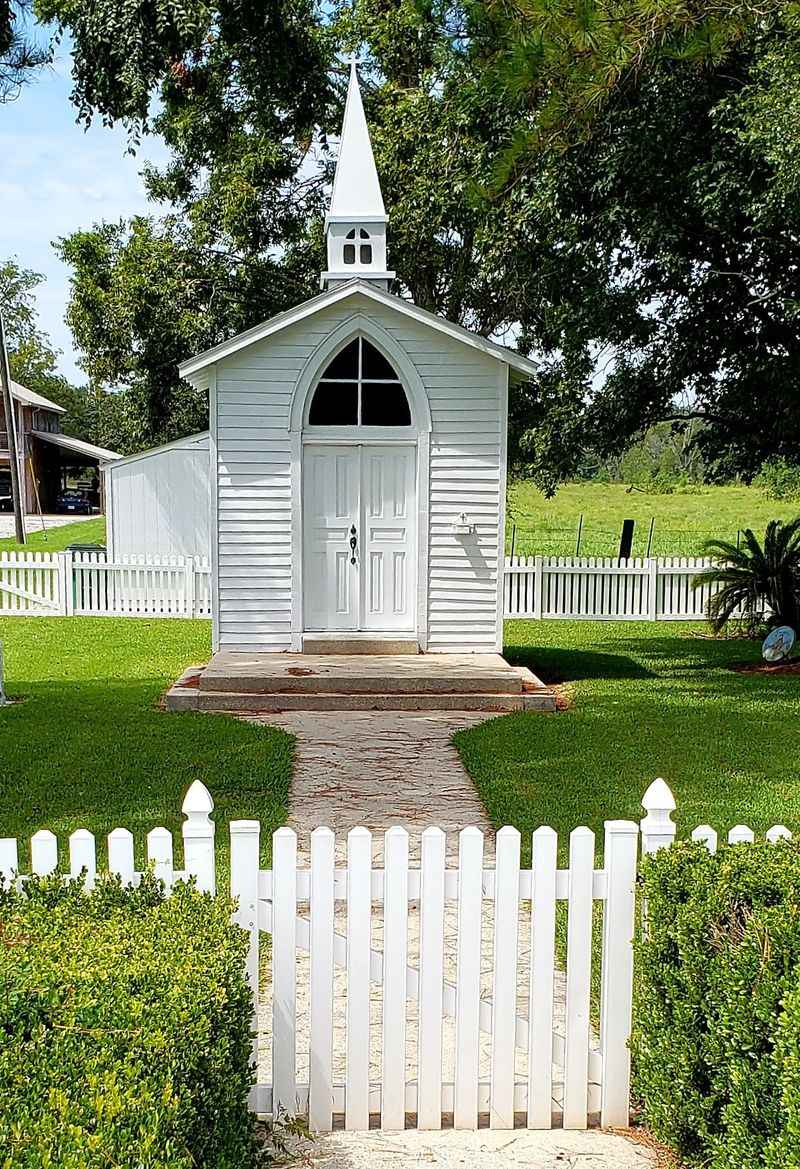
Most of the year, the chapel feels hushed and private. Then August 15 arrives, and the grounds take on a different energy for the Feast of the Assumption of Mary.
That annual Mass keeps the site tied to living tradition rather than frozen history.
Because the interior is so small, the service is held outdoors. Reports say the priest and two altar servers are about all the chapel itself can hold, so tents are often set up for the larger gathering.
If you want to understand why this place matters locally, that is the day to go. Expect community feeling, reverence, and a stronger sense of continuity than you get from a casual roadside stop.
Arrive prepared for weather, respectful parking, and a more active scene.
Pay Attention To The Devotional Details Inside
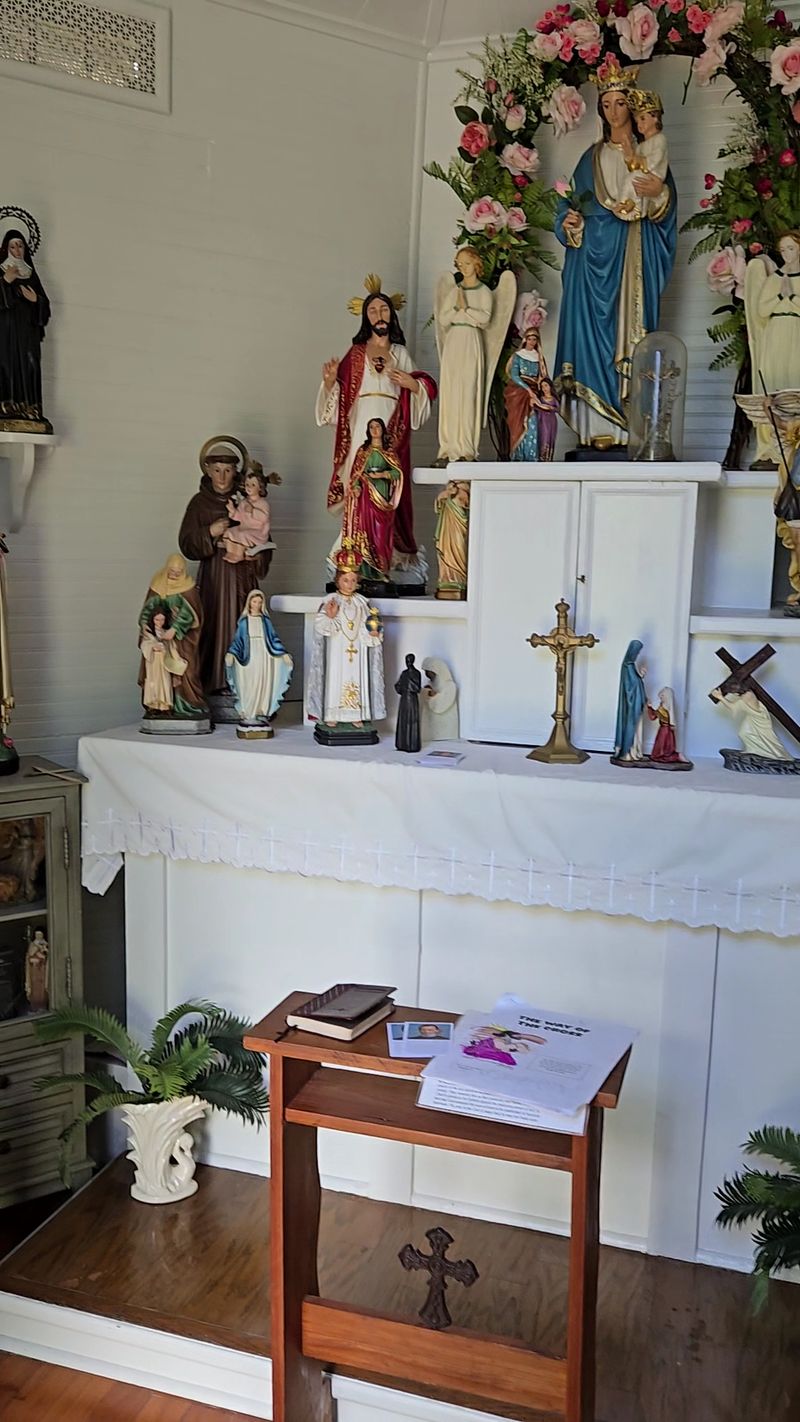
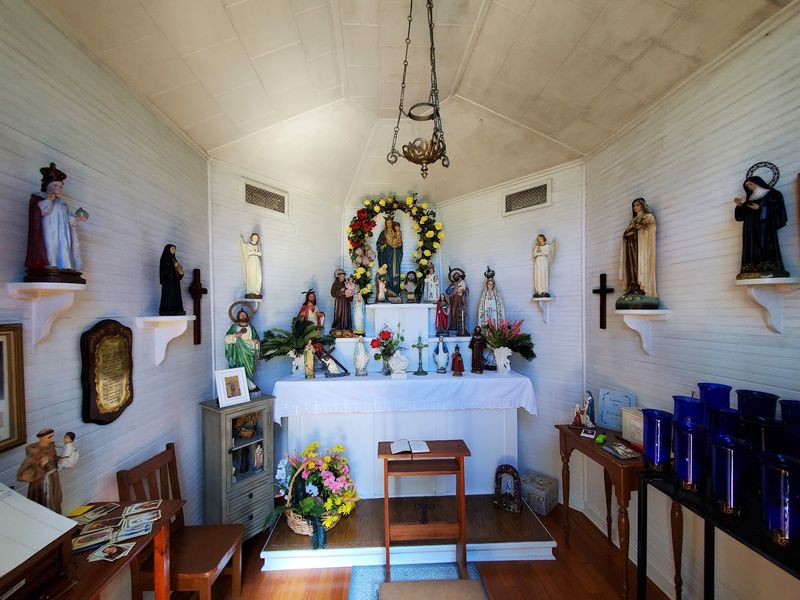
Inside, the chapel does not overwhelm you with grandeur. Instead, it gathers meaning through small things: statues, candles, prayer intentions, and the quiet arrangement of objects left or maintained with care.
The effect is intimate, almost like stepping into a pocket of concentrated attention.
Many visitors come to pray, light candles, or leave notes of thanks. A guest book has also been part of the experience, giving people a simple way to mark their visit without turning the room into spectacle.
I found that the details worked best when viewed slowly. Do not treat them like decorations.
Each item points to someone’s hope, gratitude, or memory, and that human layer is what gives the chapel its unusual depth despite such a compact footprint.
Respect The Community That Keeps It Going
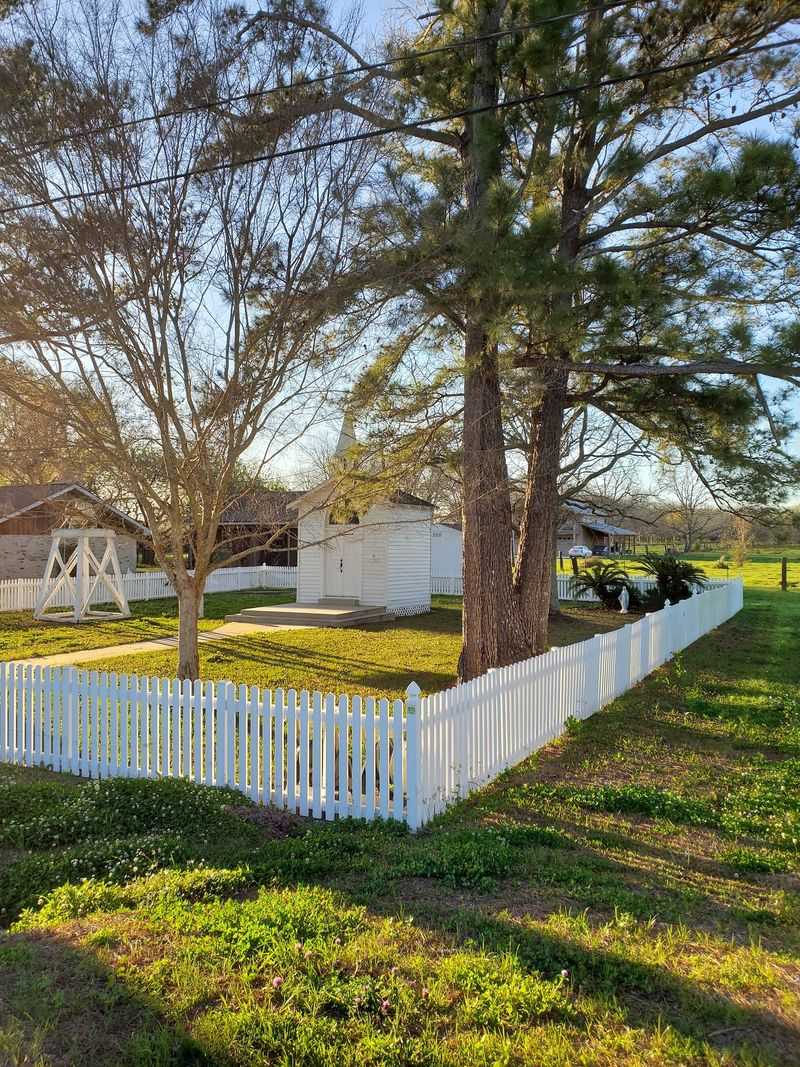
Little landmarks survive because somebody keeps showing up. At Madonna Chapel, local caretakers and supporters have preserved both the building and the customs around it, making sure visitors can still encounter more than a neglected curiosity by the roadside.
That community effort is part of the story. Sicilian immigrant families in the area helped shape the chapel’s religious and cultural life, including traditions such as praying the rosary in Italian and honoring Mary through local devotion.
The best visitor habit is simple respect. Keep noise low, treat the grounds carefully, and remember that maintenance takes time and money.
If a donation option is available, consider helping. A place this small depends on ordinary stewardship, and that may be the most impressive miracle of all.
Notice How The Setting Adds To The Mood
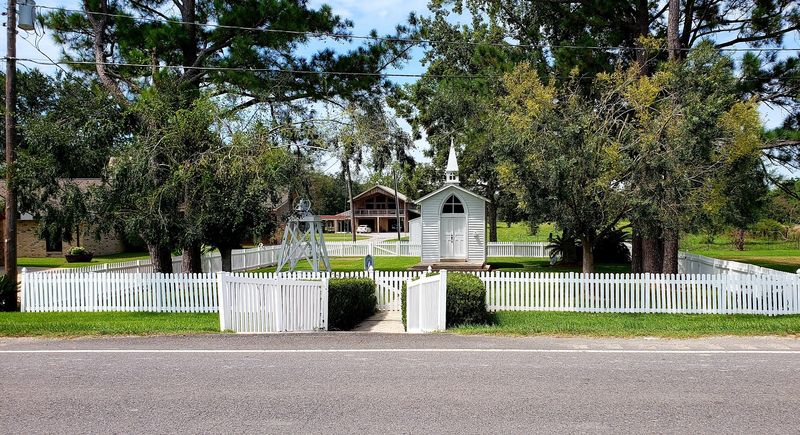
Roadside locations can feel forgettable, but this one benefits from its surroundings. The open Louisiana landscape, the sense of levee country, and the uncluttered approach all make the chapel seem even smaller and more solitary in a good way.
That contrast matters. A tiny sacred structure set against broad sky and working land feels less like a novelty and more like a statement about persistence, especially in a region shaped by river movement and rebuilding.
Try visiting when you are not racing the clock. Stand back first, then walk in slowly so the setting can do its work.
The chapel is not hidden inside a museum context. It lives out in the world, where weather, roads, and local history sharpen its personality.
Understand Why It Draws More Than Curiosity
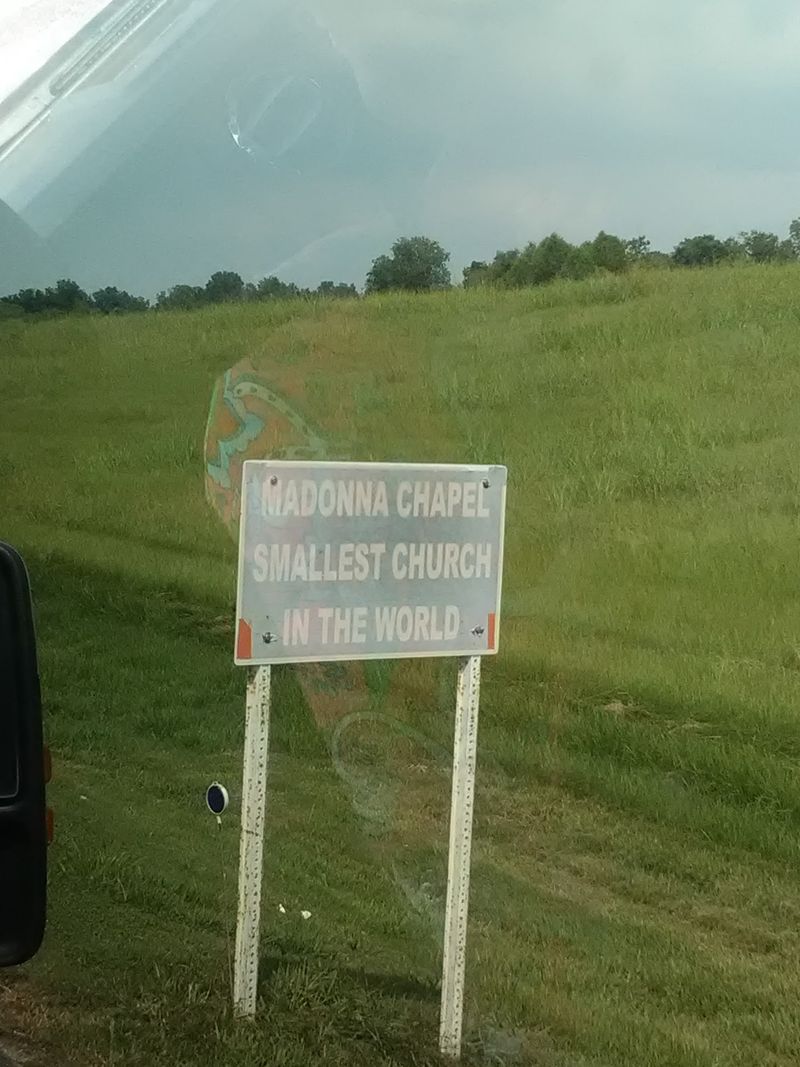
Calling it the World’s Smallest Church gets people to stop. What keeps the place memorable is something else entirely: the strange mix of modest scale, emotional history, and lived devotion that turns a curiosity into a meaningful destination.
Plenty of travelers arrive because the dimensions sound almost impossible. After a few quiet minutes, though, most people seem to shift from measuring the building to feeling the atmosphere created by generations of prayer and care.
That change is worth noticing in yourself. A chapel can be tiny without feeling trivial.
In fact, Madonna Chapel makes its strongest impression by refusing to be reduced to a roadside superlative. The nickname may open the door, but the deeper appeal comes from sincerity, continuity, and surprising stillness.
Leave With Curiosity, Not Just A Photo
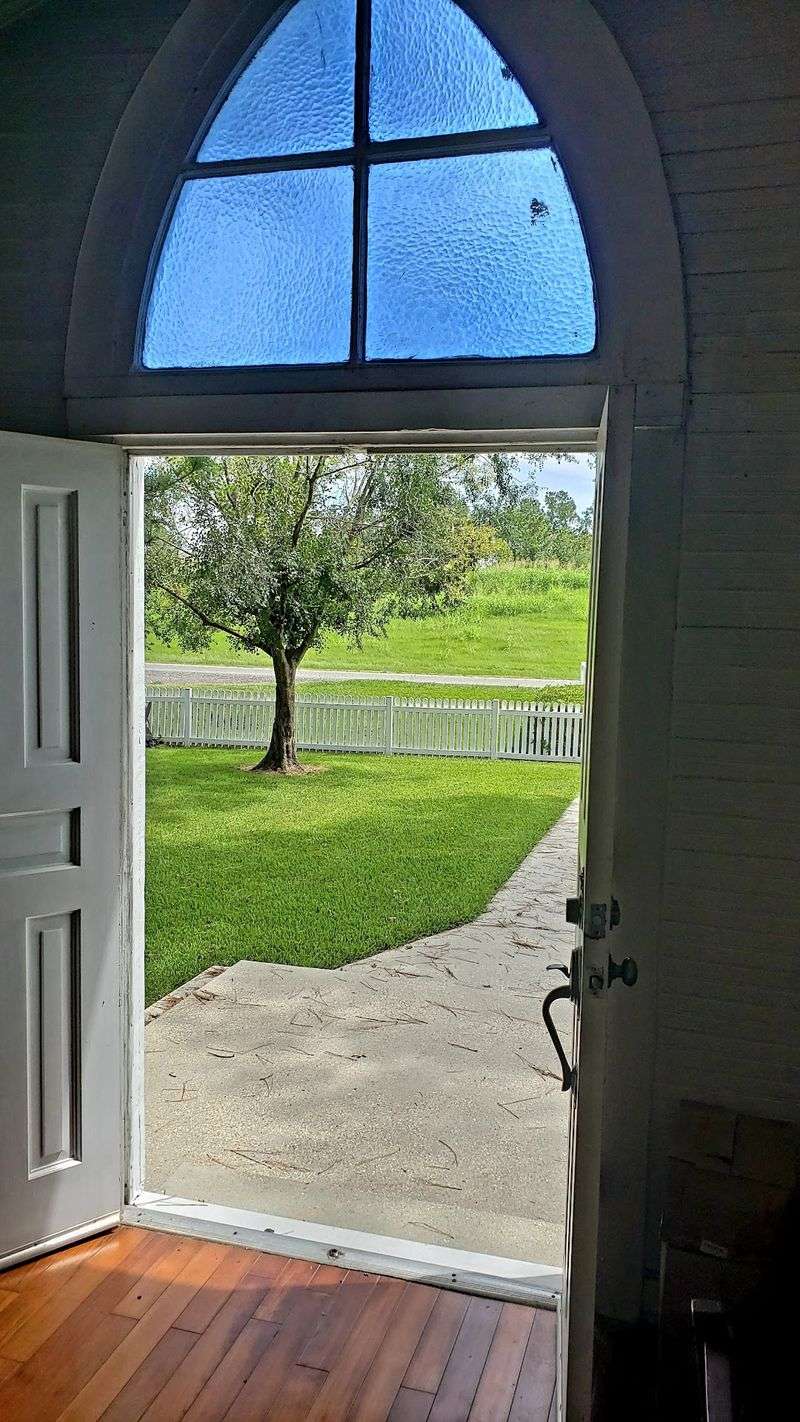
Some offbeat places give you a picture and little else. Madonna Chapel has a way of sending you off with questions about faith, memory, migration, and why certain small spaces carry such strong emotional weight.
That lingering feeling is part of the visit.
You do not need to share the chapel’s religious tradition to understand its appeal. It helps to arrive open to quiet, to local history, and to the idea that care can accumulate in a building over more than a century.
Before heading out, take one last look from the road. The chapel appears almost toy-like at first glance, yet its story is grounded, durable, and very real.
For me, that tension between size and significance is exactly what makes it worth the drive.