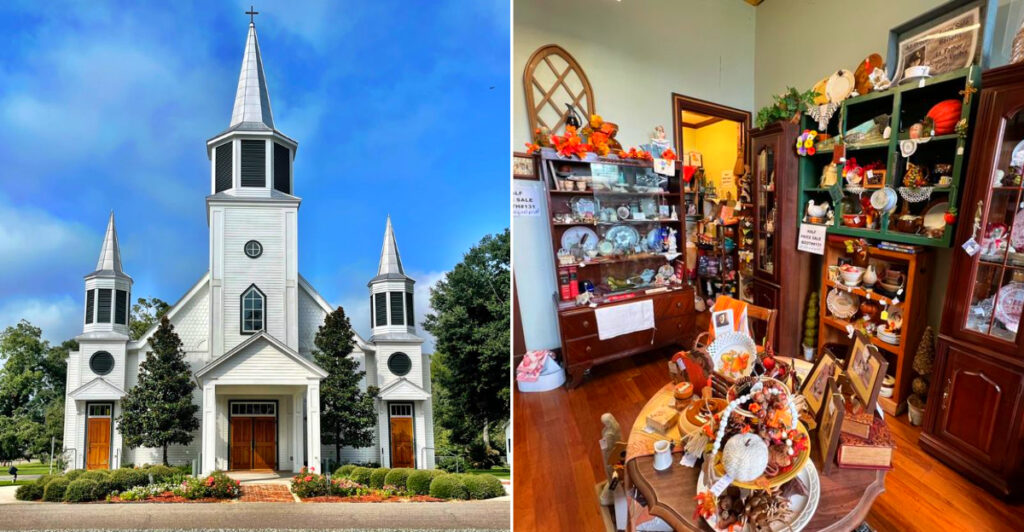
Small towns in Louisiana do not try to impress you. They sit there, old and unbothered, waiting for someone curious enough to slow down.
This one sits along a bayou that has carried steamboats, soldiers, and enough stories to fill a library nobody visits.
I walked the main street on a Tuesday afternoon and passed four buildings that predate my grandfather. The brickwork alone tells you this place mattered once.
It still matters, just to fewer people. A local museum occupies a building that used to be a general store.
The woman running it knows every family on the block and their entire genealogy. I asked one question and got a thirty-minute answer that I did not want to end.
That is the kind of place this is. History lives here because nobody bothered to tear it down and replace it with a parking lot.
Study The Architectural Vignettes
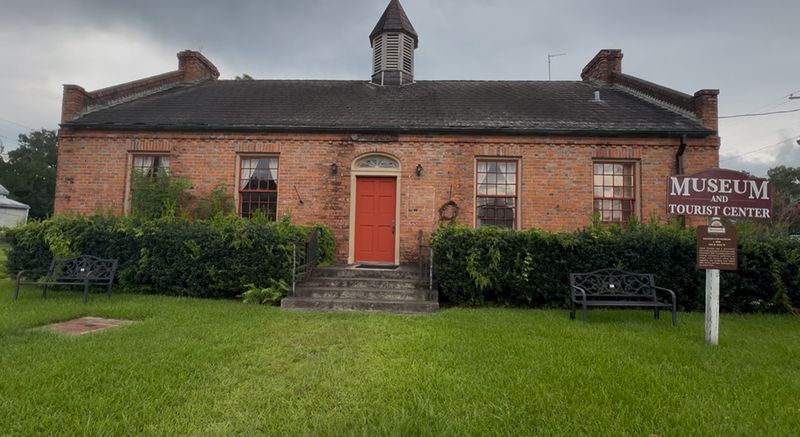
Some towns show history in plaques. Washington shows it in porches, rooflines, shutters, and worn boards that still look busy with memory.
Walking here feels a bit like flipping through a sketchbook of Louisiana building styles, from plain cottages to larger homes with full galleries. Keep your eyes up, because the details often sit above street level where the light catches them best.
One standout is Arlington Plantation House, built in 1829, with its unusual one bay, three story front porch supported by brick columns and topped by a large pedimented dormer. The village as a whole is remarkably intact, and about eighty percent is listed on the National Register of Historic Places.
A self guided walking tour works well, especially in cooler morning hours when the shadows make every facade sharper and more dramatic for careful visitors on foot.
I-49 Drops You Into Steamboat Country
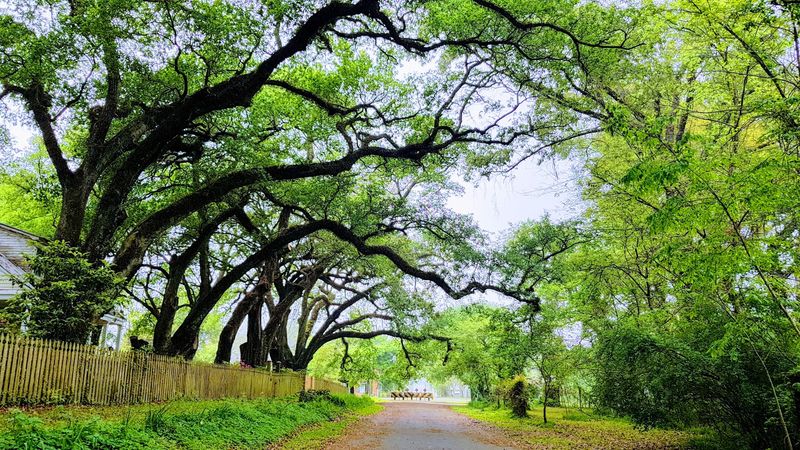
Washington sits on Bayou Courtableau in Louisiana’s St. Landry Parish, just north of Opelousas. From I-49, take Exit 25 toward Washington and follow LA-103 west into town, where Main Street becomes the spine of the historic district.
Continue toward North Main Street as old commercial buildings, cottages, and former steamboat-era properties gather around the compact center. The Washington Museum & Tourist Center at 404 North Main Street makes an easy first stop before exploring the surrounding historic blocks.
Park near the museum or elsewhere around downtown, then continue on foot along Main Street and the streets leading toward Bayou Courtableau. Many of Washington’s historic buildings and antique stops are concentrated close enough together to explore from one central parking spot.
Linger Beneath The Ancient Oaks
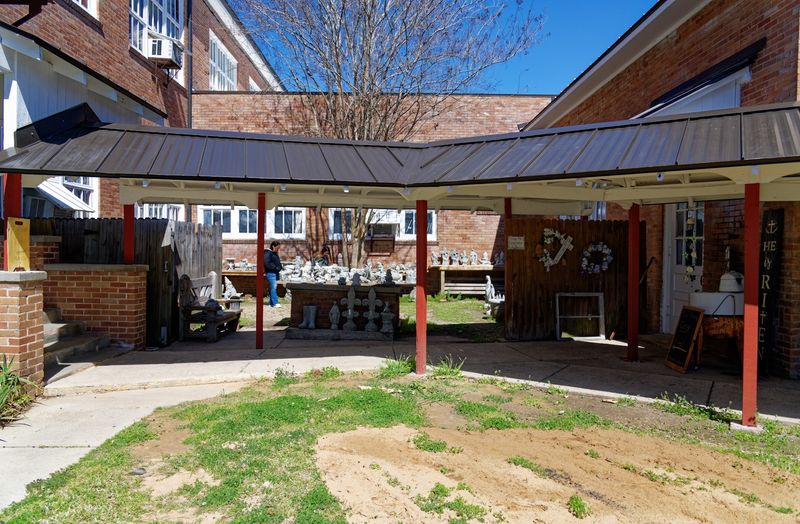
Afternoon shade in Washington comes with a sense of age. Live oaks spread over parts of town so widely that the branches seem to lower the volume of everything beneath them.
Several are listed by the Louisiana Oak Society, which tells you these are not just pretty street trees. Find a bench or patch of grass and let the place slow your pace on purpose.
The oaks matter because they frame the towns historical character just as surely as the buildings do. Their size reminds you that generations have passed under the same canopy, from trading days to festival weekends.
I liked how the leaves shifted light across old facades without stealing attention from them. Bring water in warm months, wear shoes that handle uneven ground, and take your photos early or late, when the trunks show their texture best.
Walk Main Street With Fresh Eyes
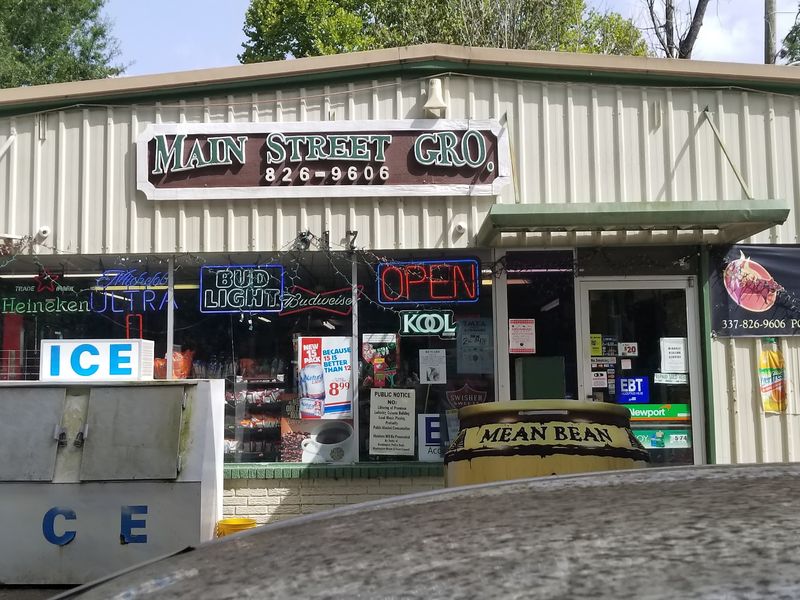
Brick storefronts on Main Street do not shout for attention, which is part of their charm. Their ornamental fronts, tall windows, and old commercial proportions quietly explain that Washington was once a trade center, not a staged historic set.
Start your visit here if you want the town to make sense quickly. The street gives you the lesson in how business, travel, and daily life used to meet.
Washington began as Poste des Opelousas in 1720, and Main Street still carries that long mercantile memory. Some buildings now hold local businesses, while the Washington Museum and Tourism Center offers a first stop for maps and context.
I found that browsing the facades before entering anything sharpened my eye for details. Go slowly, look above the storefront signs, and notice how much nineteenth century character survives in a village.
Notice The Unseen Layers Of Time
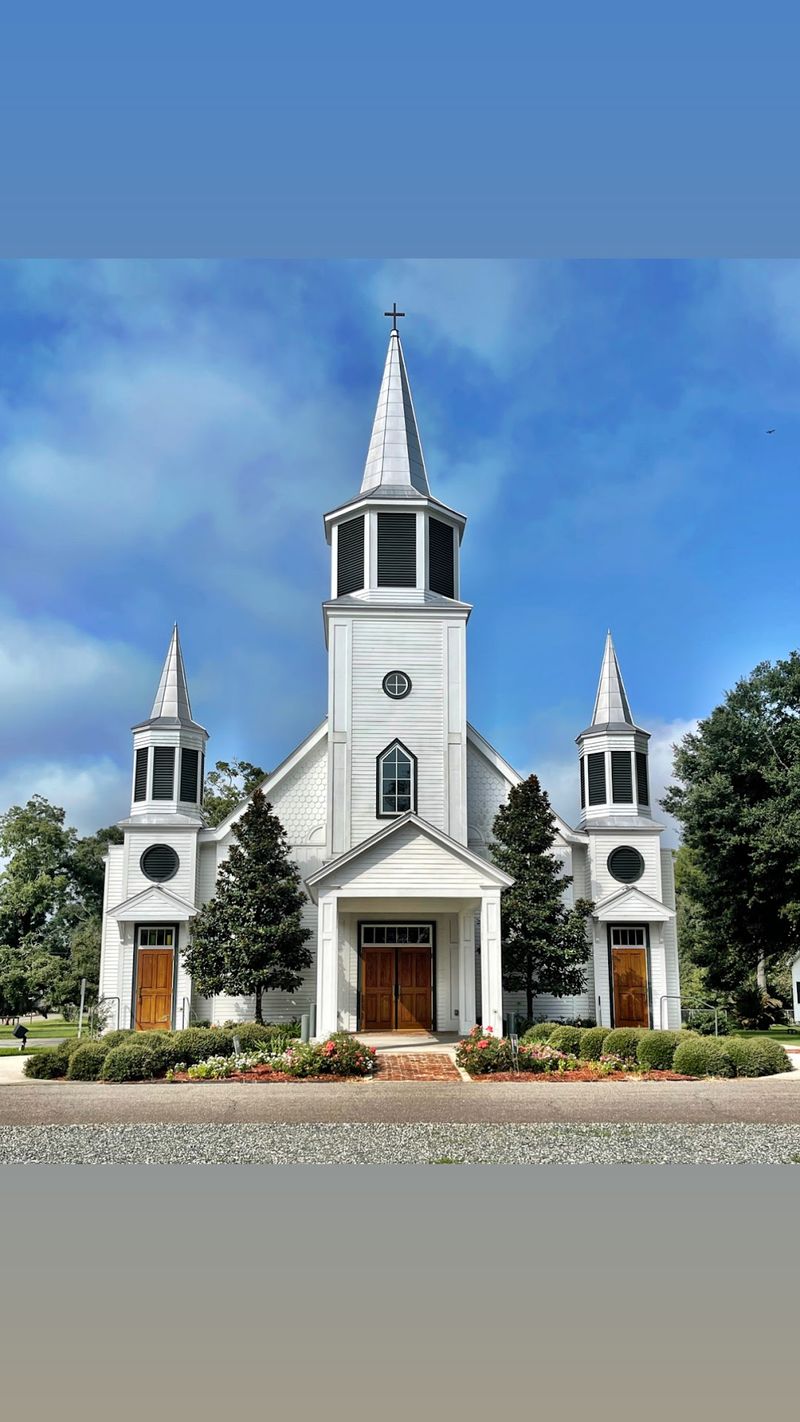
Quiet can be misleading, and Washington proves it. The village feels small and almost meditative today, yet it ranks as the third oldest settlement in Louisiana, after only Natchitoches and New Orleans.
That contrast is part of the fascination. You are walking through a place that helped shape the states early story, even though it now moves at the pace of a long exhale.
The settlement began as a French trading post and later became known as Church Landing after the first church was built in 1774. Washington was incorporated in 1835, but its importance clearly started earlier.
A visit works best when you resist the urge to rush from point to point. Pause at corners, read markers, and imagine how trade, worship, and travel once overlapped here in one compact but unusually influential village for anyone paying close attention.
Time Your Trip Around Local Traditions
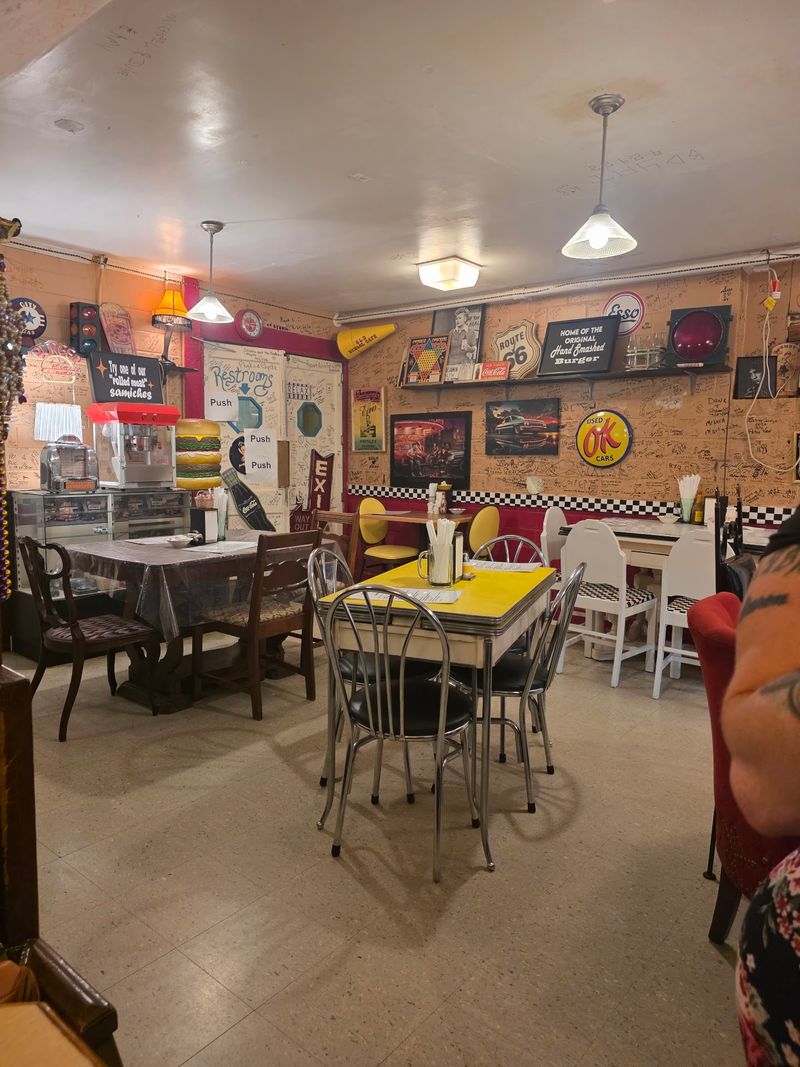
On festival days, Washington stops being quiet in the most cheerful way. The town gathers around traditions such as the Washington Catfish Festival, formerly called Festival du Courtableau, and the shift in energy makes local history feel shared instead of sealed behind glass.
Even if your trip does not line up with an event, asking about the calendar gives you a sense of how the community sees itself.
These gatherings matter because preservation here is not only about buildings. It is also about food, music, memory, and the habit of meeting neighbors face to face.
Antique shows have added another layer to that culture, attracting people who appreciate old things with stories attached. I would check dates before driving over, then leave time to wander.
Towns reveal themselves fastest when residents are out talking and welcoming newcomers.
Use The Walking Tour As Your Guide
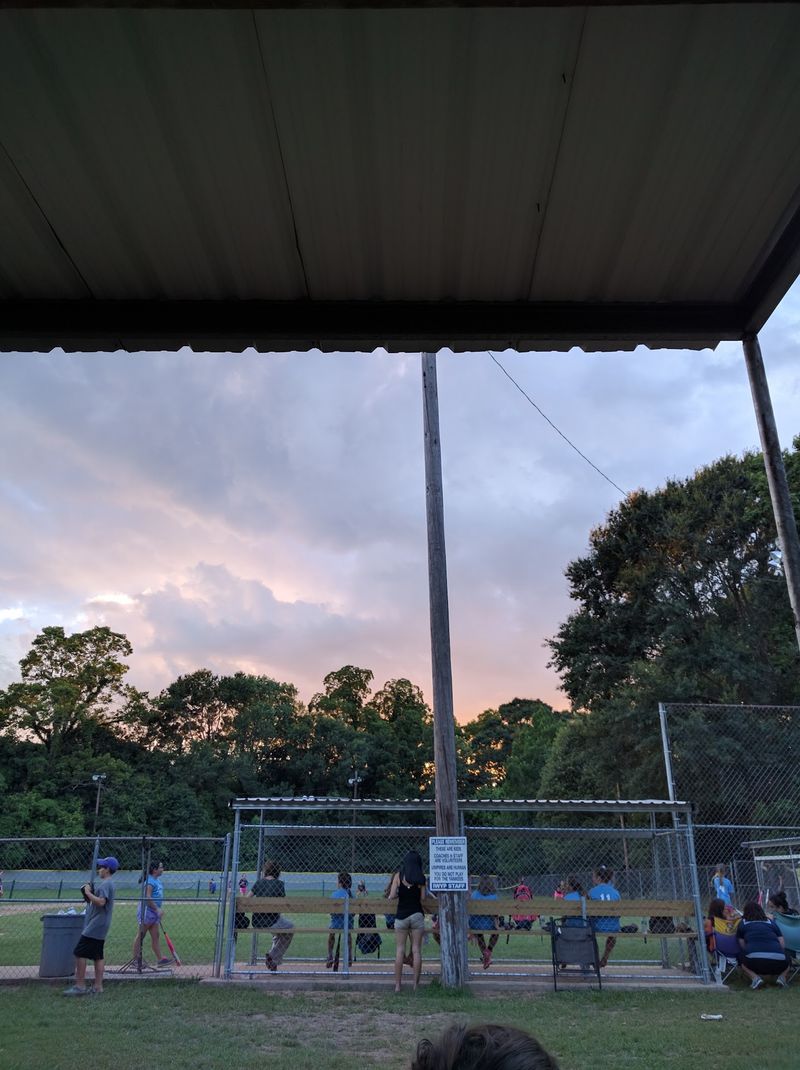
A paper map may seem old fashioned, but in Washington it feels perfectly on theme. The self guided historic district walking tour turns a stroll into something more focused, helping you connect houses, commercial blocks, churches, and open spaces as parts of one story.
Because the village is compact, you can cover a lot without hurrying, which is good, since rushing is the one thing the town does not reward.
About eighty percent of Washington is listed on the National Register of Historic Places, and that density of preservation is unusual anywhere in the South. The walk works best early in the day, especially when heat and glare are lower.
Wear comfortable shoes and bring water, but travel light enough to stop often. The real pleasure comes from pausing, doubling back, and spotting a detail you missed thirty feet earlier.
Look Closely At Arlington Plantation House
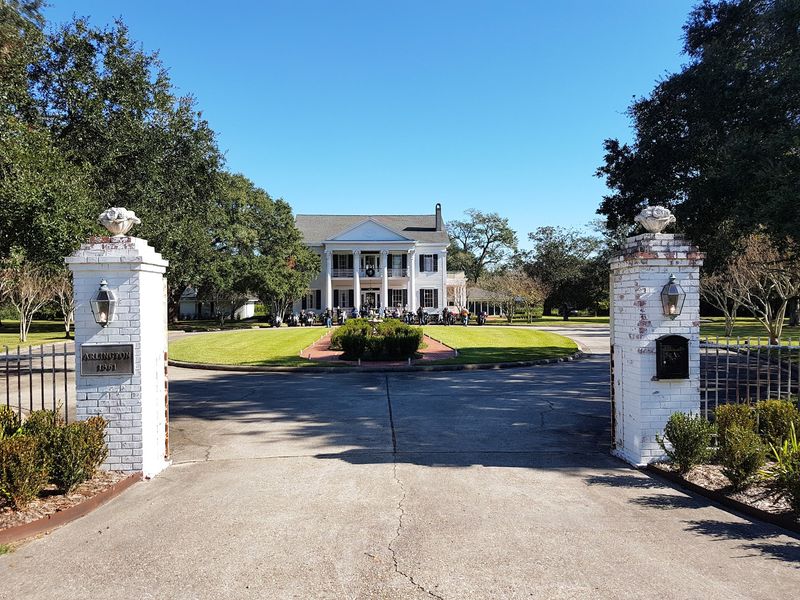
From a distance, Arlington Plantation House looks like it is posing for a portrait. Then the odd proportions come into focus, and you realize why people remember it.
Built in 1829, the house is noted for a one bay, three story front porch with brick columns and a pedimented dormer. Even in a town full of historic structures, that combination stands out immediately.
What I appreciated most was how the house rewards slow looking rather than quick snapping. The design is striking, but it also tells you something about ambition, craftsmanship, and local adaptation in an earlier Louisiana landscape.
If Arlington is open during your visit, take your time around the exterior first. Seeing buildings before and after helps you understand that Washingtons history is rich not because one home is grand, but because the whole village still holds context.
Follow The Bayou Courtableau Story
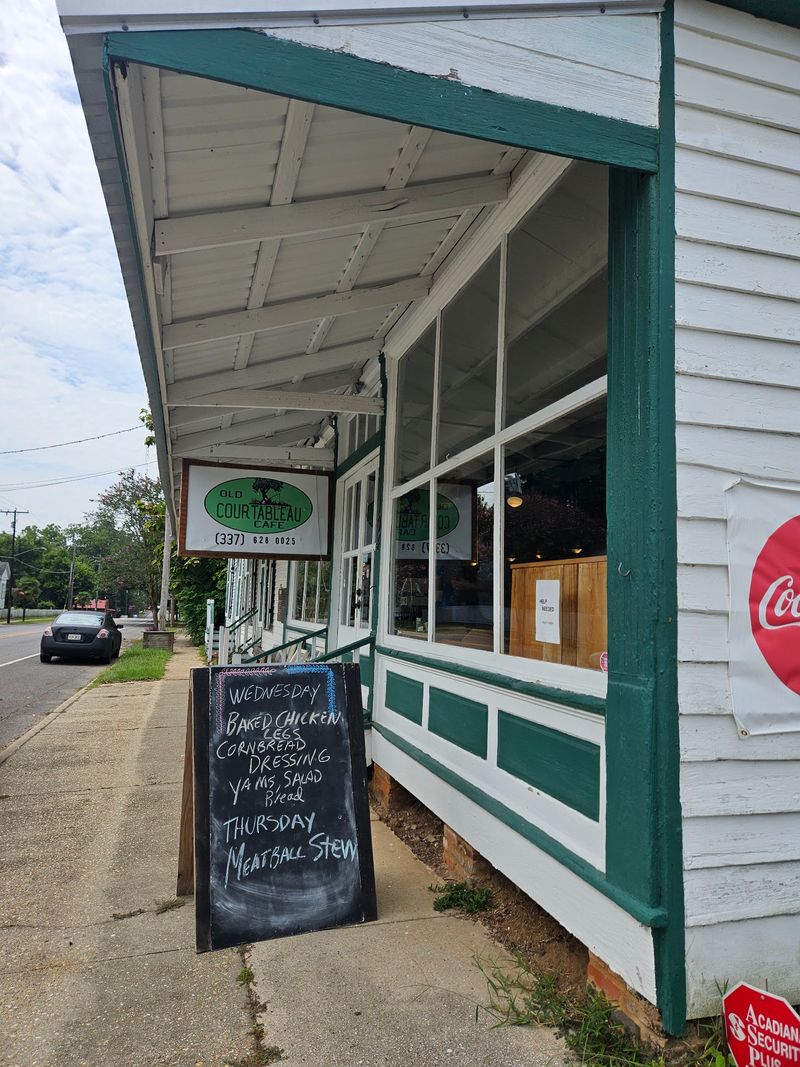
Water explains Washington better than size ever could. The village sits along Bayou Courtableau, and that setting turned it into a major inland port during the nineteenth century.
Once you picture steamboats loading cotton, cattle, sugar, and molasses here, the town stops seeming sleepy and starts seeming strategic. Geography did a lot of the work, and local ambition did the rest.
That port history is the reason Washington once mattered far beyond its present population. It linked interior Louisiana to larger trade routes stretching toward New Orleans and north toward St. Louis.
One useful trick is to visit with a map before you arrive, so the bayou is not just scenery when you see it. I found that imagining cargo, noise, and muddy motion around the water made the surviving quiet feel even more striking, not less than today suggests.
Respect How Much History Fits Here
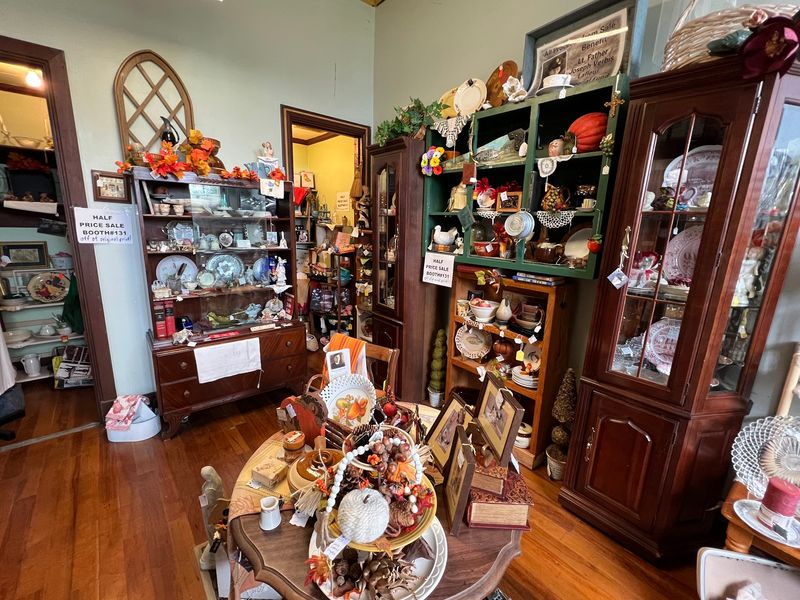
Tiny places can hide big stories, and Washington is one of the best examples I know in Louisiana. With a population far under one thousand today, it would be easy to expect a quick look and a short memory.
Instead, the village keeps unfolding through layers of trade, faith, architecture, preservation, and community habit. That mismatch between size and significance is exactly why visiting feels so satisfying.
You do not need a itinerary here. In fact, Washington improves when you leave room for detours, conversations, and a second pass down the same block.
The small scale makes the history easier to absorb because the clues sit close together, almost like pages bound into one walkable book. Arrive curious, give the town more time than the map seems to require, and let its footprint teach you how large a past can feel.